
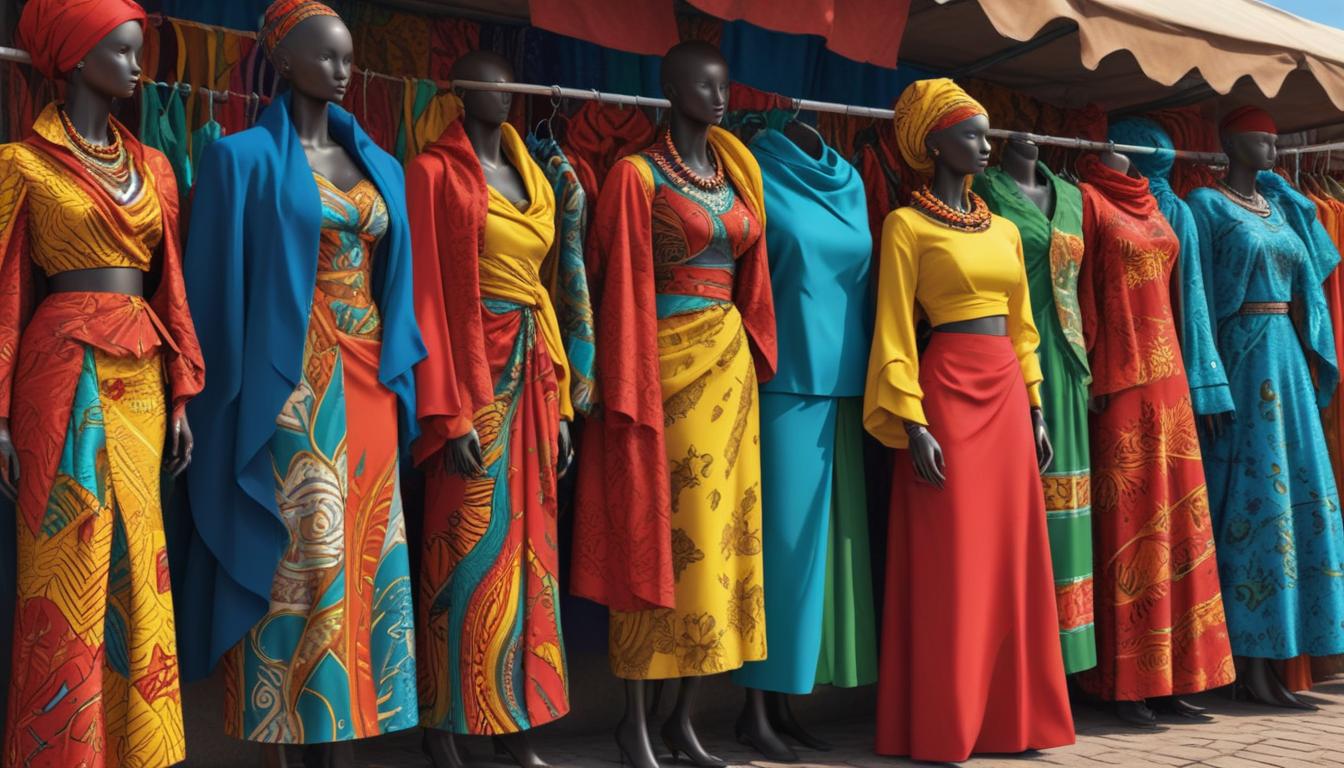
How African fashion supports local economies

Moreover, some fashion projects actively channel profits into healthcare services, improving access to essential medical care in underserved areas. This direct reinvestment ensures that community members receive better health outcomes, which in turn supports a more productive and vibrant society. Additionally, fashion-driven social programs often focus on empowering marginalized groups, such as women and youth, thereby nurturing economic development through inclusive growth.

Ultimately, fashion becomes a catalyst for positive change, intertwining economic development with social responsibility. By backing these initiatives, local populations not only preserve their cultural heritage but also enhance their quality of life. The combined effect of improved education, healthcare, and social services through fashion contributes to a holistic approach towards sustainable community well-being.

Ethical production practices are equally important in supporting local economies and preserving cultural heritage. Many African fashion brands collaborate directly with artisans and small-scale manufacturers who use traditional, handmade techniques. This approach not only ensures fair wages and safe working conditions but also helps maintain time-honored craftsmanship. Ethical production also minimizes waste by prioritizing quality over mass production, further advancing sustainability goals.

Together, eco-friendly materials and ethical production foster a holistic ecosystem where both the environment and local communities benefit. Consumers increasingly value transparency and responsibility, encouraging brands to adopt these sustainable practices. Ultimately, this shift strengthens local economies by creating jobs, empowering artisans, and protecting natural resources—demonstrating that fashion can be a powerful force for positive change.

Enhancing Community Well-being Through Fashion

Fashion in Africa extends beyond aesthetics to significantly contribute to community well-being. Many initiatives leverage fashion as a powerful tool for social impact, fostering education, healthcare, and social programs within local communities. By investing in local artisans and designers, these initiatives help generate income that supports schools and educational programs, enabling children and adults alike to gain skills and knowledge crucial for long-term economic development.

Moreover, some fashion projects actively channel profits into healthcare services, improving access to essential medical care in underserved areas. This direct reinvestment ensures that community members receive better health outcomes, which in turn supports a more productive and vibrant society. Additionally, fashion-driven social programs often focus on empowering marginalized groups, such as women and youth, thereby nurturing economic development through inclusive growth.

Ultimately, fashion becomes a catalyst for positive change, intertwining economic development with social responsibility. By backing these initiatives, local populations not only preserve their cultural heritage but also enhance their quality of life. The combined effect of improved education, healthcare, and social services through fashion contributes to a holistic approach towards sustainable community well-being.

Ethical production practices are equally important in supporting local economies and preserving cultural heritage. Many African fashion brands collaborate directly with artisans and small-scale manufacturers who use traditional, handmade techniques. This approach not only ensures fair wages and safe working conditions but also helps maintain time-honored craftsmanship. Ethical production also minimizes waste by prioritizing quality over mass production, further advancing sustainability goals.

Together, eco-friendly materials and ethical production foster a holistic ecosystem where both the environment and local communities benefit. Consumers increasingly value transparency and responsibility, encouraging brands to adopt these sustainable practices. Ultimately, this shift strengthens local economies by creating jobs, empowering artisans, and protecting natural resources—demonstrating that fashion can be a powerful force for positive change.

Enhancing Community Well-being Through Fashion

Fashion in Africa extends beyond aesthetics to significantly contribute to community well-being. Many initiatives leverage fashion as a powerful tool for social impact, fostering education, healthcare, and social programs within local communities. By investing in local artisans and designers, these initiatives help generate income that supports schools and educational programs, enabling children and adults alike to gain skills and knowledge crucial for long-term economic development.

Moreover, some fashion projects actively channel profits into healthcare services, improving access to essential medical care in underserved areas. This direct reinvestment ensures that community members receive better health outcomes, which in turn supports a more productive and vibrant society. Additionally, fashion-driven social programs often focus on empowering marginalized groups, such as women and youth, thereby nurturing economic development through inclusive growth.

Ultimately, fashion becomes a catalyst for positive change, intertwining economic development with social responsibility. By backing these initiatives, local populations not only preserve their cultural heritage but also enhance their quality of life. The combined effect of improved education, healthcare, and social services through fashion contributes to a holistic approach towards sustainable community well-being.

Revenue generation through African fashion stems from both local sales and expanding global demand. Fashion products made in Africa, characterized by unique patterns, vibrant colors, and cultural significance, attract consumers worldwide. This international interest drives exports and brings foreign currency into local markets, enhancing economic stability. Additionally, local markets benefit from the circulation of income generated by fashion-related activities, which stimulates other sectors, such as retail, tourism, and marketing.

Moreover, the fashion industry encourages the use of locally sourced materials, which supports farmers and raw material suppliers. This interconnectivity within the supply chain amplifies the positive economic impact, creating a multiplier effect that benefits a broad range of stakeholders in the economy. By focusing on African fashion, communities not only preserve their cultural heritage but also build vibrant, self-sufficient economies that contribute to national development and global economic growth.

Job Creation and Employment Opportunities

The African fashion industry plays a significant role in job creation and offers diverse employment opportunities across the continent. This sector is not only about creativity but also about providing livelihoods to many individuals involved in various stages of the fashion value chain. One of the primary job categories includes artisans who specialize in crafting traditional fabrics, beadwork, and other hand-made materials essential to African fashion. Their craftsmanship preserves cultural heritage while generating income.

Tailors form another vital group within the fashion industry jobs. They transform raw materials and designs into finished garments, requiring skill and precision. Tailors often work in small workshops or independently, making their services accessible to local communities and contributing to employment at the grassroots level.

Designers also contribute significantly to job creation by creating unique fashion pieces that reflect African identity. Many designers run their own labels or collaborate with bigger brands to promote indigenous styles globally, which in turn fuels further employment opportunities as the demand rises. Additionally, sales roles including retail staff, market vendors, and online shop operators are crucial for distributing the products and linking artisans and designers to customers.

In summary, the African fashion industry’s contribution to job creation and employment includes a broad spectrum of roles—artisans, tailors, designers, and sales positions—all of which are vital for economic growth and support for local communities.

Revenue Generation and Market Expansion

The sales of African fashion products play a vital role in driving revenue generation within local communities and fostering regional economic growth. By purchasing these fashion items, consumers directly contribute to the livelihoods of artisans, designers, and small businesses who create authentic and culturally-rich pieces. This revenue not only sustains individual households but also helps to build robust local economies that rely on craftsmanship and creative industries as primary sources of income.

Moreover, the flourishing fashion sector expands markets beyond local boundaries, creating opportunities for African brands to reach international audiences. As demand grows, fashion sales fuel the development of new supply chains, improve infrastructure, and encourage innovation in production techniques. This dynamic market expansion allows for increased employment opportunities and strengthens the economic fabric of entire regions.

In essence, revenue generation from African fashion sales acts as a catalyst for broader economic development, empowering communities to invest in education, healthcare, and social services. By supporting these markets, consumers enable a sustainable cycle of growth that not only preserves traditional craftsmanship but also positions African fashion as a competitive force on the global stage.

Empowering Local Artisans and Small Businesses

African fashion plays a crucial role in empowering local artisans and small businesses, acting as a catalyst for both financial and cultural growth within communities. By valuing traditional craftsmanship and creative skills, the fashion industry helps to sustain and promote the livelihoods of countless small-scale producers who rely on their artisanal talents to generate income. This empowerment goes beyond mere economic benefits, fostering pride and recognition for the cultural heritage embedded in their work.

Local artisans, with their unique techniques and designs, form the backbone of African fashion. Their craftsmanship is often passed down through generations, representing a rich tapestry of cultural identity. By integrating these artisan skills into the mainstream fashion market, the industry creates avenues for these craftsmen and women to thrive commercially. This, in turn, encourages creativity, innovation, and the preservation of ancient techniques which might otherwise be lost to globalization.

Small businesses centered around fashion production benefit tremendously from this ecosystem. As demand for authentic African designs grows globally, these businesses receive increased orders and opportunities, allowing them to scale sustainably. The empowerment of small businesses is a vital element in building resilient local economies where wealth circulates within the community rather than being extracted by external entities.

Besides financial empowerment, African fashion nurtures cultural empowerment. Artisans and small business owners gain confidence and visibility as their craft gains respect on international platforms. This recognition often leads to collaborative projects, educational opportunities, and a broader appreciation for African cultural narratives, which are fundamentally intertwined with fashion.

Ultimately, the symbiotic relationship between African fashion and its local producers fosters a sustainable model for development. By supporting local artisans and small businesses, the industry not only helps to create jobs but also maintains the cultural and economic vibrancy of communities. This empowerment generates a positive ripple effect, strengthening social structures and enriching the global fashion landscape with authentic African stories and artistry.

Preservation of Traditional Craftsmanship

Traditional craftsmanship is a vital aspect of African fashion, embodying the rich cultural heritage passed down through generations. Preserving these indigenous artisan skills is essential not only for maintaining cultural identity but also for supporting the livelihoods of local artisans. Each handmade item tells a story, reflecting the unique techniques and creativity of the craftsperson, which cannot be replicated by mass production.

By valuing traditional craftsmanship in fashion, communities create sustainable opportunities for artisans to continue practicing and evolving their skills. This preservation helps protect the intricate knowledge of textile weaving, beadwork, embroidery, and other handmade arts that form the backbone of many African cultural traditions. Moreover, it empowers artisans economically, turning their craft into a source of income and social pride.

Supporting fashion that incorporates these traditional artisan skills fosters a demand for authentic, handmade products, which directly benefits local economies. It encourages younger generations to learn and maintain these crafts, ensuring that cultural heritage remains vibrant and alive. Ultimately, preserving traditional craftsmanship through African fashion safeguards both cultural identity and economic stability for countless artisan communities.

Boosting Small and Medium Enterprises (SMEs)

Small and Medium Enterprises (SMEs) play a pivotal role in the African fashion sector, serving as vital engines for local economic growth. These small businesses, often family-owned or community-based, benefit from both government initiatives and private sector support designed to enhance their competitiveness and market reach. Access to microfinance, training programs, and business development services empowers SMEs to improve product quality, innovate, and expand their operations.

The economic impact of supporting SMEs in fashion is significant. By fostering entrepreneurship and creating job opportunities, SMEs contribute to reducing poverty and improving livelihoods in local communities. They act as hubs for preserving traditional craftsmanship while simultaneously adapting to contemporary market demands. This balance helps sustain cultural heritage and drives economic diversification.

Furthermore, SMEs often source local raw materials, creating a ripple effect that stimulates ancillary sectors such as agriculture and textiles. Their success helps build resilient local economies less dependent on external supply chains. As these enterprises grow, they encourage innovation and competition, leading to increased productivity and broader economic development across the continent.

Sustainable Fashion and Community Development

Sustainable fashion in Africa is more than a trend; it is a transformative approach that fosters community development while promoting economic sustainability. By embracing eco-friendly materials, ethical production methods, and traditional craftsmanship, African fashion innovators are creating a model that benefits both society and the environment over the long term.

One of the core aspects of sustainable fashion is its commitment to utilizing locally sourced materials, which reduces environmental impact and strengthens local supply chains. This practice ensures that raw materials are harvested responsibly, supporting agroforestry and other eco-conscious farming techniques. Consequently, communities that rely on these resources maintain a stable income, thereby enhancing economic sustainability.

Moreover, sustainable practices in African fashion encourage the preservation of traditional skills and craftsmanship. Artisans are empowered to continue their heritage while earning fair wages, which prevents the loss of cultural identity and promotes social cohesion within communities. This empowerment leads to a ripple effect where knowledge is passed down through generations, securing both social and economic benefits.

Community development is further bolstered by sustainable fashion through the support of small-scale businesses and cooperatives. These enterprises create jobs, foster entrepreneurship, and diversify local economies. As a result, wealth is more evenly distributed, reducing poverty and increasing overall well-being. In addition, sustainable fashion brands often invest in educational programs and infrastructure, enhancing skill development and resilience among community members.

The long-term economic sustainability of communities is deeply interwoven with these sustainable fashion initiatives. By avoiding exploitative labor practices and minimizing environmental degradation, these initiatives create a foundation for ongoing growth. Communities are not only able to meet present needs but are also better equipped to face future challenges, such as climate change and market fluctuations.

In summary, sustainable fashion in Africa acts as a catalyst for community development by creating economic opportunities, preserving cultural heritage, and promoting environmental stewardship. This holistic approach ensures that the benefits of the fashion industry extend beyond profits, fostering resilient communities with a more secure and prosperous future.

Eco-friendly Materials and Ethical Production

African fashion is increasingly embracing eco-friendly materials, which play a crucial role in promoting sustainability within the industry. By utilizing natural fibers such as organic cotton, hemp, and bamboo, local producers reduce dependency on synthetic textiles that often harm the environment. These materials are biodegradable and require fewer chemicals and less water during cultivation, making them ideal for sustainable manufacturing.

Ethical production practices are equally important in supporting local economies and preserving cultural heritage. Many African fashion brands collaborate directly with artisans and small-scale manufacturers who use traditional, handmade techniques. This approach not only ensures fair wages and safe working conditions but also helps maintain time-honored craftsmanship. Ethical production also minimizes waste by prioritizing quality over mass production, further advancing sustainability goals.

Together, eco-friendly materials and ethical production foster a holistic ecosystem where both the environment and local communities benefit. Consumers increasingly value transparency and responsibility, encouraging brands to adopt these sustainable practices. Ultimately, this shift strengthens local economies by creating jobs, empowering artisans, and protecting natural resources—demonstrating that fashion can be a powerful force for positive change.

Enhancing Community Well-being Through Fashion

Fashion in Africa extends beyond aesthetics to significantly contribute to community well-being. Many initiatives leverage fashion as a powerful tool for social impact, fostering education, healthcare, and social programs within local communities. By investing in local artisans and designers, these initiatives help generate income that supports schools and educational programs, enabling children and adults alike to gain skills and knowledge crucial for long-term economic development.

Moreover, some fashion projects actively channel profits into healthcare services, improving access to essential medical care in underserved areas. This direct reinvestment ensures that community members receive better health outcomes, which in turn supports a more productive and vibrant society. Additionally, fashion-driven social programs often focus on empowering marginalized groups, such as women and youth, thereby nurturing economic development through inclusive growth.

Ultimately, fashion becomes a catalyst for positive change, intertwining economic development with social responsibility. By backing these initiatives, local populations not only preserve their cultural heritage but also enhance their quality of life. The combined effect of improved education, healthcare, and social services through fashion contributes to a holistic approach towards sustainable community well-being.

Revenue generation through African fashion stems from both local sales and expanding global demand. Fashion products made in Africa, characterized by unique patterns, vibrant colors, and cultural significance, attract consumers worldwide. This international interest drives exports and brings foreign currency into local markets, enhancing economic stability. Additionally, local markets benefit from the circulation of income generated by fashion-related activities, which stimulates other sectors, such as retail, tourism, and marketing.

Moreover, the fashion industry encourages the use of locally sourced materials, which supports farmers and raw material suppliers. This interconnectivity within the supply chain amplifies the positive economic impact, creating a multiplier effect that benefits a broad range of stakeholders in the economy. By focusing on African fashion, communities not only preserve their cultural heritage but also build vibrant, self-sufficient economies that contribute to national development and global economic growth.

Job Creation and Employment Opportunities

The African fashion industry plays a significant role in job creation and offers diverse employment opportunities across the continent. This sector is not only about creativity but also about providing livelihoods to many individuals involved in various stages of the fashion value chain. One of the primary job categories includes artisans who specialize in crafting traditional fabrics, beadwork, and other hand-made materials essential to African fashion. Their craftsmanship preserves cultural heritage while generating income.

Tailors form another vital group within the fashion industry jobs. They transform raw materials and designs into finished garments, requiring skill and precision. Tailors often work in small workshops or independently, making their services accessible to local communities and contributing to employment at the grassroots level.

Designers also contribute significantly to job creation by creating unique fashion pieces that reflect African identity. Many designers run their own labels or collaborate with bigger brands to promote indigenous styles globally, which in turn fuels further employment opportunities as the demand rises. Additionally, sales roles including retail staff, market vendors, and online shop operators are crucial for distributing the products and linking artisans and designers to customers.

In summary, the African fashion industry’s contribution to job creation and employment includes a broad spectrum of roles—artisans, tailors, designers, and sales positions—all of which are vital for economic growth and support for local communities.

Revenue Generation and Market Expansion

The sales of African fashion products play a vital role in driving revenue generation within local communities and fostering regional economic growth. By purchasing these fashion items, consumers directly contribute to the livelihoods of artisans, designers, and small businesses who create authentic and culturally-rich pieces. This revenue not only sustains individual households but also helps to build robust local economies that rely on craftsmanship and creative industries as primary sources of income.

Moreover, the flourishing fashion sector expands markets beyond local boundaries, creating opportunities for African brands to reach international audiences. As demand grows, fashion sales fuel the development of new supply chains, improve infrastructure, and encourage innovation in production techniques. This dynamic market expansion allows for increased employment opportunities and strengthens the economic fabric of entire regions.

In essence, revenue generation from African fashion sales acts as a catalyst for broader economic development, empowering communities to invest in education, healthcare, and social services. By supporting these markets, consumers enable a sustainable cycle of growth that not only preserves traditional craftsmanship but also positions African fashion as a competitive force on the global stage.

Empowering Local Artisans and Small Businesses

African fashion plays a crucial role in empowering local artisans and small businesses, acting as a catalyst for both financial and cultural growth within communities. By valuing traditional craftsmanship and creative skills, the fashion industry helps to sustain and promote the livelihoods of countless small-scale producers who rely on their artisanal talents to generate income. This empowerment goes beyond mere economic benefits, fostering pride and recognition for the cultural heritage embedded in their work.

Local artisans, with their unique techniques and designs, form the backbone of African fashion. Their craftsmanship is often passed down through generations, representing a rich tapestry of cultural identity. By integrating these artisan skills into the mainstream fashion market, the industry creates avenues for these craftsmen and women to thrive commercially. This, in turn, encourages creativity, innovation, and the preservation of ancient techniques which might otherwise be lost to globalization.

Small businesses centered around fashion production benefit tremendously from this ecosystem. As demand for authentic African designs grows globally, these businesses receive increased orders and opportunities, allowing them to scale sustainably. The empowerment of small businesses is a vital element in building resilient local economies where wealth circulates within the community rather than being extracted by external entities.

Besides financial empowerment, African fashion nurtures cultural empowerment. Artisans and small business owners gain confidence and visibility as their craft gains respect on international platforms. This recognition often leads to collaborative projects, educational opportunities, and a broader appreciation for African cultural narratives, which are fundamentally intertwined with fashion.

Ultimately, the symbiotic relationship between African fashion and its local producers fosters a sustainable model for development. By supporting local artisans and small businesses, the industry not only helps to create jobs but also maintains the cultural and economic vibrancy of communities. This empowerment generates a positive ripple effect, strengthening social structures and enriching the global fashion landscape with authentic African stories and artistry.

Preservation of Traditional Craftsmanship

Traditional craftsmanship is a vital aspect of African fashion, embodying the rich cultural heritage passed down through generations. Preserving these indigenous artisan skills is essential not only for maintaining cultural identity but also for supporting the livelihoods of local artisans. Each handmade item tells a story, reflecting the unique techniques and creativity of the craftsperson, which cannot be replicated by mass production.

By valuing traditional craftsmanship in fashion, communities create sustainable opportunities for artisans to continue practicing and evolving their skills. This preservation helps protect the intricate knowledge of textile weaving, beadwork, embroidery, and other handmade arts that form the backbone of many African cultural traditions. Moreover, it empowers artisans economically, turning their craft into a source of income and social pride.

Supporting fashion that incorporates these traditional artisan skills fosters a demand for authentic, handmade products, which directly benefits local economies. It encourages younger generations to learn and maintain these crafts, ensuring that cultural heritage remains vibrant and alive. Ultimately, preserving traditional craftsmanship through African fashion safeguards both cultural identity and economic stability for countless artisan communities.

Boosting Small and Medium Enterprises (SMEs)

Small and Medium Enterprises (SMEs) play a pivotal role in the African fashion sector, serving as vital engines for local economic growth. These small businesses, often family-owned or community-based, benefit from both government initiatives and private sector support designed to enhance their competitiveness and market reach. Access to microfinance, training programs, and business development services empowers SMEs to improve product quality, innovate, and expand their operations.

The economic impact of supporting SMEs in fashion is significant. By fostering entrepreneurship and creating job opportunities, SMEs contribute to reducing poverty and improving livelihoods in local communities. They act as hubs for preserving traditional craftsmanship while simultaneously adapting to contemporary market demands. This balance helps sustain cultural heritage and drives economic diversification.

Furthermore, SMEs often source local raw materials, creating a ripple effect that stimulates ancillary sectors such as agriculture and textiles. Their success helps build resilient local economies less dependent on external supply chains. As these enterprises grow, they encourage innovation and competition, leading to increased productivity and broader economic development across the continent.

Sustainable Fashion and Community Development

Sustainable fashion in Africa is more than a trend; it is a transformative approach that fosters community development while promoting economic sustainability. By embracing eco-friendly materials, ethical production methods, and traditional craftsmanship, African fashion innovators are creating a model that benefits both society and the environment over the long term.

One of the core aspects of sustainable fashion is its commitment to utilizing locally sourced materials, which reduces environmental impact and strengthens local supply chains. This practice ensures that raw materials are harvested responsibly, supporting agroforestry and other eco-conscious farming techniques. Consequently, communities that rely on these resources maintain a stable income, thereby enhancing economic sustainability.

Moreover, sustainable practices in African fashion encourage the preservation of traditional skills and craftsmanship. Artisans are empowered to continue their heritage while earning fair wages, which prevents the loss of cultural identity and promotes social cohesion within communities. This empowerment leads to a ripple effect where knowledge is passed down through generations, securing both social and economic benefits.

Community development is further bolstered by sustainable fashion through the support of small-scale businesses and cooperatives. These enterprises create jobs, foster entrepreneurship, and diversify local economies. As a result, wealth is more evenly distributed, reducing poverty and increasing overall well-being. In addition, sustainable fashion brands often invest in educational programs and infrastructure, enhancing skill development and resilience among community members.

The long-term economic sustainability of communities is deeply interwoven with these sustainable fashion initiatives. By avoiding exploitative labor practices and minimizing environmental degradation, these initiatives create a foundation for ongoing growth. Communities are not only able to meet present needs but are also better equipped to face future challenges, such as climate change and market fluctuations.

In summary, sustainable fashion in Africa acts as a catalyst for community development by creating economic opportunities, preserving cultural heritage, and promoting environmental stewardship. This holistic approach ensures that the benefits of the fashion industry extend beyond profits, fostering resilient communities with a more secure and prosperous future.

Eco-friendly Materials and Ethical Production

African fashion is increasingly embracing eco-friendly materials, which play a crucial role in promoting sustainability within the industry. By utilizing natural fibers such as organic cotton, hemp, and bamboo, local producers reduce dependency on synthetic textiles that often harm the environment. These materials are biodegradable and require fewer chemicals and less water during cultivation, making them ideal for sustainable manufacturing.

Ethical production practices are equally important in supporting local economies and preserving cultural heritage. Many African fashion brands collaborate directly with artisans and small-scale manufacturers who use traditional, handmade techniques. This approach not only ensures fair wages and safe working conditions but also helps maintain time-honored craftsmanship. Ethical production also minimizes waste by prioritizing quality over mass production, further advancing sustainability goals.

Together, eco-friendly materials and ethical production foster a holistic ecosystem where both the environment and local communities benefit. Consumers increasingly value transparency and responsibility, encouraging brands to adopt these sustainable practices. Ultimately, this shift strengthens local economies by creating jobs, empowering artisans, and protecting natural resources—demonstrating that fashion can be a powerful force for positive change.

Enhancing Community Well-being Through Fashion

Fashion in Africa extends beyond aesthetics to significantly contribute to community well-being. Many initiatives leverage fashion as a powerful tool for social impact, fostering education, healthcare, and social programs within local communities. By investing in local artisans and designers, these initiatives help generate income that supports schools and educational programs, enabling children and adults alike to gain skills and knowledge crucial for long-term economic development.

Moreover, some fashion projects actively channel profits into healthcare services, improving access to essential medical care in underserved areas. This direct reinvestment ensures that community members receive better health outcomes, which in turn supports a more productive and vibrant society. Additionally, fashion-driven social programs often focus on empowering marginalized groups, such as women and youth, thereby nurturing economic development through inclusive growth.

Ultimately, fashion becomes a catalyst for positive change, intertwining economic development with social responsibility. By backing these initiatives, local populations not only preserve their cultural heritage but also enhance their quality of life. The combined effect of improved education, healthcare, and social services through fashion contributes to a holistic approach towards sustainable community well-being.

The Role of African Fashion in Economic Growth

African fashion plays a pivotal role in driving economic growth within local economies by creating jobs and generating significant revenue. The industry encompasses a wide range of activities, including textile production, garment manufacturing, design, and distribution. Each stage contributes not only to the livelihood of artisans and workers but also boosts the overall economic framework of communities.

Job creation is one of the most direct effects of African fashion on economic growth. By engaging local craftsmen, tailors, designers, and vendors, the industry provides employment opportunities to thousands of individuals, many of whom may have otherwise faced unemployment. This influx of job opportunities helps reduce poverty levels and encourages skill development, which further contributes to the sustainability of local economies. The rise of small and medium enterprises within this sector also fosters entrepreneurship, allowing communities to build stronger economic foundations.

Revenue generation through African fashion stems from both local sales and expanding global demand. Fashion products made in Africa, characterized by unique patterns, vibrant colors, and cultural significance, attract consumers worldwide. This international interest drives exports and brings foreign currency into local markets, enhancing economic stability. Additionally, local markets benefit from the circulation of income generated by fashion-related activities, which stimulates other sectors, such as retail, tourism, and marketing.

Moreover, the fashion industry encourages the use of locally sourced materials, which supports farmers and raw material suppliers. This interconnectivity within the supply chain amplifies the positive economic impact, creating a multiplier effect that benefits a broad range of stakeholders in the economy. By focusing on African fashion, communities not only preserve their cultural heritage but also build vibrant, self-sufficient economies that contribute to national development and global economic growth.

Job Creation and Employment Opportunities

The African fashion industry plays a significant role in job creation and offers diverse employment opportunities across the continent. This sector is not only about creativity but also about providing livelihoods to many individuals involved in various stages of the fashion value chain. One of the primary job categories includes artisans who specialize in crafting traditional fabrics, beadwork, and other hand-made materials essential to African fashion. Their craftsmanship preserves cultural heritage while generating income.

Tailors form another vital group within the fashion industry jobs. They transform raw materials and designs into finished garments, requiring skill and precision. Tailors often work in small workshops or independently, making their services accessible to local communities and contributing to employment at the grassroots level.

Designers also contribute significantly to job creation by creating unique fashion pieces that reflect African identity. Many designers run their own labels or collaborate with bigger brands to promote indigenous styles globally, which in turn fuels further employment opportunities as the demand rises. Additionally, sales roles including retail staff, market vendors, and online shop operators are crucial for distributing the products and linking artisans and designers to customers.

In summary, the African fashion industry’s contribution to job creation and employment includes a broad spectrum of roles—artisans, tailors, designers, and sales positions—all of which are vital for economic growth and support for local communities.

Revenue Generation and Market Expansion

The sales of African fashion products play a vital role in driving revenue generation within local communities and fostering regional economic growth. By purchasing these fashion items, consumers directly contribute to the livelihoods of artisans, designers, and small businesses who create authentic and culturally-rich pieces. This revenue not only sustains individual households but also helps to build robust local economies that rely on craftsmanship and creative industries as primary sources of income.

Moreover, the flourishing fashion sector expands markets beyond local boundaries, creating opportunities for African brands to reach international audiences. As demand grows, fashion sales fuel the development of new supply chains, improve infrastructure, and encourage innovation in production techniques. This dynamic market expansion allows for increased employment opportunities and strengthens the economic fabric of entire regions.

In essence, revenue generation from African fashion sales acts as a catalyst for broader economic development, empowering communities to invest in education, healthcare, and social services. By supporting these markets, consumers enable a sustainable cycle of growth that not only preserves traditional craftsmanship but also positions African fashion as a competitive force on the global stage.

Empowering Local Artisans and Small Businesses

African fashion plays a crucial role in empowering local artisans and small businesses, acting as a catalyst for both financial and cultural growth within communities. By valuing traditional craftsmanship and creative skills, the fashion industry helps to sustain and promote the livelihoods of countless small-scale producers who rely on their artisanal talents to generate income. This empowerment goes beyond mere economic benefits, fostering pride and recognition for the cultural heritage embedded in their work.

Local artisans, with their unique techniques and designs, form the backbone of African fashion. Their craftsmanship is often passed down through generations, representing a rich tapestry of cultural identity. By integrating these artisan skills into the mainstream fashion market, the industry creates avenues for these craftsmen and women to thrive commercially. This, in turn, encourages creativity, innovation, and the preservation of ancient techniques which might otherwise be lost to globalization.

Small businesses centered around fashion production benefit tremendously from this ecosystem. As demand for authentic African designs grows globally, these businesses receive increased orders and opportunities, allowing them to scale sustainably. The empowerment of small businesses is a vital element in building resilient local economies where wealth circulates within the community rather than being extracted by external entities.

Besides financial empowerment, African fashion nurtures cultural empowerment. Artisans and small business owners gain confidence and visibility as their craft gains respect on international platforms. This recognition often leads to collaborative projects, educational opportunities, and a broader appreciation for African cultural narratives, which are fundamentally intertwined with fashion.

Ultimately, the symbiotic relationship between African fashion and its local producers fosters a sustainable model for development. By supporting local artisans and small businesses, the industry not only helps to create jobs but also maintains the cultural and economic vibrancy of communities. This empowerment generates a positive ripple effect, strengthening social structures and enriching the global fashion landscape with authentic African stories and artistry.

Preservation of Traditional Craftsmanship

Traditional craftsmanship is a vital aspect of African fashion, embodying the rich cultural heritage passed down through generations. Preserving these indigenous artisan skills is essential not only for maintaining cultural identity but also for supporting the livelihoods of local artisans. Each handmade item tells a story, reflecting the unique techniques and creativity of the craftsperson, which cannot be replicated by mass production.

By valuing traditional craftsmanship in fashion, communities create sustainable opportunities for artisans to continue practicing and evolving their skills. This preservation helps protect the intricate knowledge of textile weaving, beadwork, embroidery, and other handmade arts that form the backbone of many African cultural traditions. Moreover, it empowers artisans economically, turning their craft into a source of income and social pride.

Supporting fashion that incorporates these traditional artisan skills fosters a demand for authentic, handmade products, which directly benefits local economies. It encourages younger generations to learn and maintain these crafts, ensuring that cultural heritage remains vibrant and alive. Ultimately, preserving traditional craftsmanship through African fashion safeguards both cultural identity and economic stability for countless artisan communities.

Boosting Small and Medium Enterprises (SMEs)

Small and Medium Enterprises (SMEs) play a pivotal role in the African fashion sector, serving as vital engines for local economic growth. These small businesses, often family-owned or community-based, benefit from both government initiatives and private sector support designed to enhance their competitiveness and market reach. Access to microfinance, training programs, and business development services empowers SMEs to improve product quality, innovate, and expand their operations.

The economic impact of supporting SMEs in fashion is significant. By fostering entrepreneurship and creating job opportunities, SMEs contribute to reducing poverty and improving livelihoods in local communities. They act as hubs for preserving traditional craftsmanship while simultaneously adapting to contemporary market demands. This balance helps sustain cultural heritage and drives economic diversification.

Furthermore, SMEs often source local raw materials, creating a ripple effect that stimulates ancillary sectors such as agriculture and textiles. Their success helps build resilient local economies less dependent on external supply chains. As these enterprises grow, they encourage innovation and competition, leading to increased productivity and broader economic development across the continent.

Sustainable Fashion and Community Development

Sustainable fashion in Africa is more than a trend; it is a transformative approach that fosters community development while promoting economic sustainability. By embracing eco-friendly materials, ethical production methods, and traditional craftsmanship, African fashion innovators are creating a model that benefits both society and the environment over the long term.

One of the core aspects of sustainable fashion is its commitment to utilizing locally sourced materials, which reduces environmental impact and strengthens local supply chains. This practice ensures that raw materials are harvested responsibly, supporting agroforestry and other eco-conscious farming techniques. Consequently, communities that rely on these resources maintain a stable income, thereby enhancing economic sustainability.

Moreover, sustainable practices in African fashion encourage the preservation of traditional skills and craftsmanship. Artisans are empowered to continue their heritage while earning fair wages, which prevents the loss of cultural identity and promotes social cohesion within communities. This empowerment leads to a ripple effect where knowledge is passed down through generations, securing both social and economic benefits.

Community development is further bolstered by sustainable fashion through the support of small-scale businesses and cooperatives. These enterprises create jobs, foster entrepreneurship, and diversify local economies. As a result, wealth is more evenly distributed, reducing poverty and increasing overall well-being. In addition, sustainable fashion brands often invest in educational programs and infrastructure, enhancing skill development and resilience among community members.

The long-term economic sustainability of communities is deeply interwoven with these sustainable fashion initiatives. By avoiding exploitative labor practices and minimizing environmental degradation, these initiatives create a foundation for ongoing growth. Communities are not only able to meet present needs but are also better equipped to face future challenges, such as climate change and market fluctuations.

In summary, sustainable fashion in Africa acts as a catalyst for community development by creating economic opportunities, preserving cultural heritage, and promoting environmental stewardship. This holistic approach ensures that the benefits of the fashion industry extend beyond profits, fostering resilient communities with a more secure and prosperous future.

Eco-friendly Materials and Ethical Production

African fashion is increasingly embracing eco-friendly materials, which play a crucial role in promoting sustainability within the industry. By utilizing natural fibers such as organic cotton, hemp, and bamboo, local producers reduce dependency on synthetic textiles that often harm the environment. These materials are biodegradable and require fewer chemicals and less water during cultivation, making them ideal for sustainable manufacturing.

Ethical production practices are equally important in supporting local economies and preserving cultural heritage. Many African fashion brands collaborate directly with artisans and small-scale manufacturers who use traditional, handmade techniques. This approach not only ensures fair wages and safe working conditions but also helps maintain time-honored craftsmanship. Ethical production also minimizes waste by prioritizing quality over mass production, further advancing sustainability goals.

Together, eco-friendly materials and ethical production foster a holistic ecosystem where both the environment and local communities benefit. Consumers increasingly value transparency and responsibility, encouraging brands to adopt these sustainable practices. Ultimately, this shift strengthens local economies by creating jobs, empowering artisans, and protecting natural resources—demonstrating that fashion can be a powerful force for positive change.

Enhancing Community Well-being Through Fashion

Fashion in Africa extends beyond aesthetics to significantly contribute to community well-being. Many initiatives leverage fashion as a powerful tool for social impact, fostering education, healthcare, and social programs within local communities. By investing in local artisans and designers, these initiatives help generate income that supports schools and educational programs, enabling children and adults alike to gain skills and knowledge crucial for long-term economic development.

Moreover, some fashion projects actively channel profits into healthcare services, improving access to essential medical care in underserved areas. This direct reinvestment ensures that community members receive better health outcomes, which in turn supports a more productive and vibrant society. Additionally, fashion-driven social programs often focus on empowering marginalized groups, such as women and youth, thereby nurturing economic development through inclusive growth.

Ultimately, fashion becomes a catalyst for positive change, intertwining economic development with social responsibility. By backing these initiatives, local populations not only preserve their cultural heritage but also enhance their quality of life. The combined effect of improved education, healthcare, and social services through fashion contributes to a holistic approach towards sustainable community well-being.

Ethical production practices are equally important in supporting local economies and preserving cultural heritage. Many African fashion brands collaborate directly with artisans and small-scale manufacturers who use traditional, handmade techniques. This approach not only ensures fair wages and safe working conditions but also helps maintain time-honored craftsmanship. Ethical production also minimizes waste by prioritizing quality over mass production, further advancing sustainability goals.

Together, eco-friendly materials and ethical production foster a holistic ecosystem where both the environment and local communities benefit. Consumers increasingly value transparency and responsibility, encouraging brands to adopt these sustainable practices. Ultimately, this shift strengthens local economies by creating jobs, empowering artisans, and protecting natural resources—demonstrating that fashion can be a powerful force for positive change.

Enhancing Community Well-being Through Fashion

Fashion in Africa extends beyond aesthetics to significantly contribute to community well-being. Many initiatives leverage fashion as a powerful tool for social impact, fostering education, healthcare, and social programs within local communities. By investing in local artisans and designers, these initiatives help generate income that supports schools and educational programs, enabling children and adults alike to gain skills and knowledge crucial for long-term economic development.

Moreover, some fashion projects actively channel profits into healthcare services, improving access to essential medical care in underserved areas. This direct reinvestment ensures that community members receive better health outcomes, which in turn supports a more productive and vibrant society. Additionally, fashion-driven social programs often focus on empowering marginalized groups, such as women and youth, thereby nurturing economic development through inclusive growth.

Ultimately, fashion becomes a catalyst for positive change, intertwining economic development with social responsibility. By backing these initiatives, local populations not only preserve their cultural heritage but also enhance their quality of life. The combined effect of improved education, healthcare, and social services through fashion contributes to a holistic approach towards sustainable community well-being.

The Role of African Fashion in Economic Growth

African fashion plays a pivotal role in driving economic growth within local economies by creating jobs and generating significant revenue. The industry encompasses a wide range of activities, including textile production, garment manufacturing, design, and distribution. Each stage contributes not only to the livelihood of artisans and workers but also boosts the overall economic framework of communities.

Job creation is one of the most direct effects of African fashion on economic growth. By engaging local craftsmen, tailors, designers, and vendors, the industry provides employment opportunities to thousands of individuals, many of whom may have otherwise faced unemployment. This influx of job opportunities helps reduce poverty levels and encourages skill development, which further contributes to the sustainability of local economies. The rise of small and medium enterprises within this sector also fosters entrepreneurship, allowing communities to build stronger economic foundations.

Revenue generation through African fashion stems from both local sales and expanding global demand. Fashion products made in Africa, characterized by unique patterns, vibrant colors, and cultural significance, attract consumers worldwide. This international interest drives exports and brings foreign currency into local markets, enhancing economic stability. Additionally, local markets benefit from the circulation of income generated by fashion-related activities, which stimulates other sectors, such as retail, tourism, and marketing.

Moreover, the fashion industry encourages the use of locally sourced materials, which supports farmers and raw material suppliers. This interconnectivity within the supply chain amplifies the positive economic impact, creating a multiplier effect that benefits a broad range of stakeholders in the economy. By focusing on African fashion, communities not only preserve their cultural heritage but also build vibrant, self-sufficient economies that contribute to national development and global economic growth.

Job Creation and Employment Opportunities

The African fashion industry plays a significant role in job creation and offers diverse employment opportunities across the continent. This sector is not only about creativity but also about providing livelihoods to many individuals involved in various stages of the fashion value chain. One of the primary job categories includes artisans who specialize in crafting traditional fabrics, beadwork, and other hand-made materials essential to African fashion. Their craftsmanship preserves cultural heritage while generating income.

Tailors form another vital group within the fashion industry jobs. They transform raw materials and designs into finished garments, requiring skill and precision. Tailors often work in small workshops or independently, making their services accessible to local communities and contributing to employment at the grassroots level.

Designers also contribute significantly to job creation by creating unique fashion pieces that reflect African identity. Many designers run their own labels or collaborate with bigger brands to promote indigenous styles globally, which in turn fuels further employment opportunities as the demand rises. Additionally, sales roles including retail staff, market vendors, and online shop operators are crucial for distributing the products and linking artisans and designers to customers.

In summary, the African fashion industry’s contribution to job creation and employment includes a broad spectrum of roles—artisans, tailors, designers, and sales positions—all of which are vital for economic growth and support for local communities.

Revenue Generation and Market Expansion

The sales of African fashion products play a vital role in driving revenue generation within local communities and fostering regional economic growth. By purchasing these fashion items, consumers directly contribute to the livelihoods of artisans, designers, and small businesses who create authentic and culturally-rich pieces. This revenue not only sustains individual households but also helps to build robust local economies that rely on craftsmanship and creative industries as primary sources of income.

Moreover, the flourishing fashion sector expands markets beyond local boundaries, creating opportunities for African brands to reach international audiences. As demand grows, fashion sales fuel the development of new supply chains, improve infrastructure, and encourage innovation in production techniques. This dynamic market expansion allows for increased employment opportunities and strengthens the economic fabric of entire regions.

In essence, revenue generation from African fashion sales acts as a catalyst for broader economic development, empowering communities to invest in education, healthcare, and social services. By supporting these markets, consumers enable a sustainable cycle of growth that not only preserves traditional craftsmanship but also positions African fashion as a competitive force on the global stage.

Empowering Local Artisans and Small Businesses

African fashion plays a crucial role in empowering local artisans and small businesses, acting as a catalyst for both financial and cultural growth within communities. By valuing traditional craftsmanship and creative skills, the fashion industry helps to sustain and promote the livelihoods of countless small-scale producers who rely on their artisanal talents to generate income. This empowerment goes beyond mere economic benefits, fostering pride and recognition for the cultural heritage embedded in their work.

Local artisans, with their unique techniques and designs, form the backbone of African fashion. Their craftsmanship is often passed down through generations, representing a rich tapestry of cultural identity. By integrating these artisan skills into the mainstream fashion market, the industry creates avenues for these craftsmen and women to thrive commercially. This, in turn, encourages creativity, innovation, and the preservation of ancient techniques which might otherwise be lost to globalization.

Small businesses centered around fashion production benefit tremendously from this ecosystem. As demand for authentic African designs grows globally, these businesses receive increased orders and opportunities, allowing them to scale sustainably. The empowerment of small businesses is a vital element in building resilient local economies where wealth circulates within the community rather than being extracted by external entities.

Besides financial empowerment, African fashion nurtures cultural empowerment. Artisans and small business owners gain confidence and visibility as their craft gains respect on international platforms. This recognition often leads to collaborative projects, educational opportunities, and a broader appreciation for African cultural narratives, which are fundamentally intertwined with fashion.

Ultimately, the symbiotic relationship between African fashion and its local producers fosters a sustainable model for development. By supporting local artisans and small businesses, the industry not only helps to create jobs but also maintains the cultural and economic vibrancy of communities. This empowerment generates a positive ripple effect, strengthening social structures and enriching the global fashion landscape with authentic African stories and artistry.

Preservation of Traditional Craftsmanship

Traditional craftsmanship is a vital aspect of African fashion, embodying the rich cultural heritage passed down through generations. Preserving these indigenous artisan skills is essential not only for maintaining cultural identity but also for supporting the livelihoods of local artisans. Each handmade item tells a story, reflecting the unique techniques and creativity of the craftsperson, which cannot be replicated by mass production.

By valuing traditional craftsmanship in fashion, communities create sustainable opportunities for artisans to continue practicing and evolving their skills. This preservation helps protect the intricate knowledge of textile weaving, beadwork, embroidery, and other handmade arts that form the backbone of many African cultural traditions. Moreover, it empowers artisans economically, turning their craft into a source of income and social pride.

Supporting fashion that incorporates these traditional artisan skills fosters a demand for authentic, handmade products, which directly benefits local economies. It encourages younger generations to learn and maintain these crafts, ensuring that cultural heritage remains vibrant and alive. Ultimately, preserving traditional craftsmanship through African fashion safeguards both cultural identity and economic stability for countless artisan communities.

Boosting Small and Medium Enterprises (SMEs)

Small and Medium Enterprises (SMEs) play a pivotal role in the African fashion sector, serving as vital engines for local economic growth. These small businesses, often family-owned or community-based, benefit from both government initiatives and private sector support designed to enhance their competitiveness and market reach. Access to microfinance, training programs, and business development services empowers SMEs to improve product quality, innovate, and expand their operations.

The economic impact of supporting SMEs in fashion is significant. By fostering entrepreneurship and creating job opportunities, SMEs contribute to reducing poverty and improving livelihoods in local communities. They act as hubs for preserving traditional craftsmanship while simultaneously adapting to contemporary market demands. This balance helps sustain cultural heritage and drives economic diversification.

Furthermore, SMEs often source local raw materials, creating a ripple effect that stimulates ancillary sectors such as agriculture and textiles. Their success helps build resilient local economies less dependent on external supply chains. As these enterprises grow, they encourage innovation and competition, leading to increased productivity and broader economic development across the continent.

Sustainable Fashion and Community Development

Sustainable fashion in Africa is more than a trend; it is a transformative approach that fosters community development while promoting economic sustainability. By embracing eco-friendly materials, ethical production methods, and traditional craftsmanship, African fashion innovators are creating a model that benefits both society and the environment over the long term.

One of the core aspects of sustainable fashion is its commitment to utilizing locally sourced materials, which reduces environmental impact and strengthens local supply chains. This practice ensures that raw materials are harvested responsibly, supporting agroforestry and other eco-conscious farming techniques. Consequently, communities that rely on these resources maintain a stable income, thereby enhancing economic sustainability.

Moreover, sustainable practices in African fashion encourage the preservation of traditional skills and craftsmanship. Artisans are empowered to continue their heritage while earning fair wages, which prevents the loss of cultural identity and promotes social cohesion within communities. This empowerment leads to a ripple effect where knowledge is passed down through generations, securing both social and economic benefits.

Community development is further bolstered by sustainable fashion through the support of small-scale businesses and cooperatives. These enterprises create jobs, foster entrepreneurship, and diversify local economies. As a result, wealth is more evenly distributed, reducing poverty and increasing overall well-being. In addition, sustainable fashion brands often invest in educational programs and infrastructure, enhancing skill development and resilience among community members.

The long-term economic sustainability of communities is deeply interwoven with these sustainable fashion initiatives. By avoiding exploitative labor practices and minimizing environmental degradation, these initiatives create a foundation for ongoing growth. Communities are not only able to meet present needs but are also better equipped to face future challenges, such as climate change and market fluctuations.

In summary, sustainable fashion in Africa acts as a catalyst for community development by creating economic opportunities, preserving cultural heritage, and promoting environmental stewardship. This holistic approach ensures that the benefits of the fashion industry extend beyond profits, fostering resilient communities with a more secure and prosperous future.

Eco-friendly Materials and Ethical Production

African fashion is increasingly embracing eco-friendly materials, which play a crucial role in promoting sustainability within the industry. By utilizing natural fibers such as organic cotton, hemp, and bamboo, local producers reduce dependency on synthetic textiles that often harm the environment. These materials are biodegradable and require fewer chemicals and less water during cultivation, making them ideal for sustainable manufacturing.

Ethical production practices are equally important in supporting local economies and preserving cultural heritage. Many African fashion brands collaborate directly with artisans and small-scale manufacturers who use traditional, handmade techniques. This approach not only ensures fair wages and safe working conditions but also helps maintain time-honored craftsmanship. Ethical production also minimizes waste by prioritizing quality over mass production, further advancing sustainability goals.

Together, eco-friendly materials and ethical production foster a holistic ecosystem where both the environment and local communities benefit. Consumers increasingly value transparency and responsibility, encouraging brands to adopt these sustainable practices. Ultimately, this shift strengthens local economies by creating jobs, empowering artisans, and protecting natural resources—demonstrating that fashion can be a powerful force for positive change.

Enhancing Community Well-being Through Fashion

Fashion in Africa extends beyond aesthetics to significantly contribute to community well-being. Many initiatives leverage fashion as a powerful tool for social impact, fostering education, healthcare, and social programs within local communities. By investing in local artisans and designers, these initiatives help generate income that supports schools and educational programs, enabling children and adults alike to gain skills and knowledge crucial for long-term economic development.

Moreover, some fashion projects actively channel profits into healthcare services, improving access to essential medical care in underserved areas. This direct reinvestment ensures that community members receive better health outcomes, which in turn supports a more productive and vibrant society. Additionally, fashion-driven social programs often focus on empowering marginalized groups, such as women and youth, thereby nurturing economic development through inclusive growth.

Ultimately, fashion becomes a catalyst for positive change, intertwining economic development with social responsibility. By backing these initiatives, local populations not only preserve their cultural heritage but also enhance their quality of life. The combined effect of improved education, healthcare, and social services through fashion contributes to a holistic approach towards sustainable community well-being.

Ethical production practices are equally important in supporting local economies and preserving cultural heritage. Many African fashion brands collaborate directly with artisans and small-scale manufacturers who use traditional, handmade techniques. This approach not only ensures fair wages and safe working conditions but also helps maintain time-honored craftsmanship. Ethical production also minimizes waste by prioritizing quality over mass production, further advancing sustainability goals.

Together, eco-friendly materials and ethical production foster a holistic ecosystem where both the environment and local communities benefit. Consumers increasingly value transparency and responsibility, encouraging brands to adopt these sustainable practices. Ultimately, this shift strengthens local economies by creating jobs, empowering artisans, and protecting natural resources—demonstrating that fashion can be a powerful force for positive change.

Enhancing Community Well-being Through Fashion

Fashion in Africa extends beyond aesthetics to significantly contribute to community well-being. Many initiatives leverage fashion as a powerful tool for social impact, fostering education, healthcare, and social programs within local communities. By investing in local artisans and designers, these initiatives help generate income that supports schools and educational programs, enabling children and adults alike to gain skills and knowledge crucial for long-term economic development.

Moreover, some fashion projects actively channel profits into healthcare services, improving access to essential medical care in underserved areas. This direct reinvestment ensures that community members receive better health outcomes, which in turn supports a more productive and vibrant society. Additionally, fashion-driven social programs often focus on empowering marginalized groups, such as women and youth, thereby nurturing economic development through inclusive growth.

Ultimately, fashion becomes a catalyst for positive change, intertwining economic development with social responsibility. By backing these initiatives, local populations not only preserve their cultural heritage but also enhance their quality of life. The combined effect of improved education, healthcare, and social services through fashion contributes to a holistic approach towards sustainable community well-being.

The Role of African Fashion in Economic Growth

African fashion plays a pivotal role in driving economic growth within local economies by creating jobs and generating significant revenue. The industry encompasses a wide range of activities, including textile production, garment manufacturing, design, and distribution. Each stage contributes not only to the livelihood of artisans and workers but also boosts the overall economic framework of communities.

Job creation is one of the most direct effects of African fashion on economic growth. By engaging local craftsmen, tailors, designers, and vendors, the industry provides employment opportunities to thousands of individuals, many of whom may have otherwise faced unemployment. This influx of job opportunities helps reduce poverty levels and encourages skill development, which further contributes to the sustainability of local economies. The rise of small and medium enterprises within this sector also fosters entrepreneurship, allowing communities to build stronger economic foundations.

Revenue generation through African fashion stems from both local sales and expanding global demand. Fashion products made in Africa, characterized by unique patterns, vibrant colors, and cultural significance, attract consumers worldwide. This international interest drives exports and brings foreign currency into local markets, enhancing economic stability. Additionally, local markets benefit from the circulation of income generated by fashion-related activities, which stimulates other sectors, such as retail, tourism, and marketing.

Moreover, the fashion industry encourages the use of locally sourced materials, which supports farmers and raw material suppliers. This interconnectivity within the supply chain amplifies the positive economic impact, creating a multiplier effect that benefits a broad range of stakeholders in the economy. By focusing on African fashion, communities not only preserve their cultural heritage but also build vibrant, self-sufficient economies that contribute to national development and global economic growth.

Job Creation and Employment Opportunities

The African fashion industry plays a significant role in job creation and offers diverse employment opportunities across the continent. This sector is not only about creativity but also about providing livelihoods to many individuals involved in various stages of the fashion value chain. One of the primary job categories includes artisans who specialize in crafting traditional fabrics, beadwork, and other hand-made materials essential to African fashion. Their craftsmanship preserves cultural heritage while generating income.

Tailors form another vital group within the fashion industry jobs. They transform raw materials and designs into finished garments, requiring skill and precision. Tailors often work in small workshops or independently, making their services accessible to local communities and contributing to employment at the grassroots level.

Designers also contribute significantly to job creation by creating unique fashion pieces that reflect African identity. Many designers run their own labels or collaborate with bigger brands to promote indigenous styles globally, which in turn fuels further employment opportunities as the demand rises. Additionally, sales roles including retail staff, market vendors, and online shop operators are crucial for distributing the products and linking artisans and designers to customers.

In summary, the African fashion industry’s contribution to job creation and employment includes a broad spectrum of roles—artisans, tailors, designers, and sales positions—all of which are vital for economic growth and support for local communities.

Revenue Generation and Market Expansion

The sales of African fashion products play a vital role in driving revenue generation within local communities and fostering regional economic growth. By purchasing these fashion items, consumers directly contribute to the livelihoods of artisans, designers, and small businesses who create authentic and culturally-rich pieces. This revenue not only sustains individual households but also helps to build robust local economies that rely on craftsmanship and creative industries as primary sources of income.

Moreover, the flourishing fashion sector expands markets beyond local boundaries, creating opportunities for African brands to reach international audiences. As demand grows, fashion sales fuel the development of new supply chains, improve infrastructure, and encourage innovation in production techniques. This dynamic market expansion allows for increased employment opportunities and strengthens the economic fabric of entire regions.

In essence, revenue generation from African fashion sales acts as a catalyst for broader economic development, empowering communities to invest in education, healthcare, and social services. By supporting these markets, consumers enable a sustainable cycle of growth that not only preserves traditional craftsmanship but also positions African fashion as a competitive force on the global stage.

Empowering Local Artisans and Small Businesses

African fashion plays a crucial role in empowering local artisans and small businesses, acting as a catalyst for both financial and cultural growth within communities. By valuing traditional craftsmanship and creative skills, the fashion industry helps to sustain and promote the livelihoods of countless small-scale producers who rely on their artisanal talents to generate income. This empowerment goes beyond mere economic benefits, fostering pride and recognition for the cultural heritage embedded in their work.

Local artisans, with their unique techniques and designs, form the backbone of African fashion. Their craftsmanship is often passed down through generations, representing a rich tapestry of cultural identity. By integrating these artisan skills into the mainstream fashion market, the industry creates avenues for these craftsmen and women to thrive commercially. This, in turn, encourages creativity, innovation, and the preservation of ancient techniques which might otherwise be lost to globalization.

Small businesses centered around fashion production benefit tremendously from this ecosystem. As demand for authentic African designs grows globally, these businesses receive increased orders and opportunities, allowing them to scale sustainably. The empowerment of small businesses is a vital element in building resilient local economies where wealth circulates within the community rather than being extracted by external entities.

Besides financial empowerment, African fashion nurtures cultural empowerment. Artisans and small business owners gain confidence and visibility as their craft gains respect on international platforms. This recognition often leads to collaborative projects, educational opportunities, and a broader appreciation for African cultural narratives, which are fundamentally intertwined with fashion.

Ultimately, the symbiotic relationship between African fashion and its local producers fosters a sustainable model for development. By supporting local artisans and small businesses, the industry not only helps to create jobs but also maintains the cultural and economic vibrancy of communities. This empowerment generates a positive ripple effect, strengthening social structures and enriching the global fashion landscape with authentic African stories and artistry.

Preservation of Traditional Craftsmanship

Traditional craftsmanship is a vital aspect of African fashion, embodying the rich cultural heritage passed down through generations. Preserving these indigenous artisan skills is essential not only for maintaining cultural identity but also for supporting the livelihoods of local artisans. Each handmade item tells a story, reflecting the unique techniques and creativity of the craftsperson, which cannot be replicated by mass production.

By valuing traditional craftsmanship in fashion, communities create sustainable opportunities for artisans to continue practicing and evolving their skills. This preservation helps protect the intricate knowledge of textile weaving, beadwork, embroidery, and other handmade arts that form the backbone of many African cultural traditions. Moreover, it empowers artisans economically, turning their craft into a source of income and social pride.

Supporting fashion that incorporates these traditional artisan skills fosters a demand for authentic, handmade products, which directly benefits local economies. It encourages younger generations to learn and maintain these crafts, ensuring that cultural heritage remains vibrant and alive. Ultimately, preserving traditional craftsmanship through African fashion safeguards both cultural identity and economic stability for countless artisan communities.

Boosting Small and Medium Enterprises (SMEs)

Small and Medium Enterprises (SMEs) play a pivotal role in the African fashion sector, serving as vital engines for local economic growth. These small businesses, often family-owned or community-based, benefit from both government initiatives and private sector support designed to enhance their competitiveness and market reach. Access to microfinance, training programs, and business development services empowers SMEs to improve product quality, innovate, and expand their operations.

The economic impact of supporting SMEs in fashion is significant. By fostering entrepreneurship and creating job opportunities, SMEs contribute to reducing poverty and improving livelihoods in local communities. They act as hubs for preserving traditional craftsmanship while simultaneously adapting to contemporary market demands. This balance helps sustain cultural heritage and drives economic diversification.

Furthermore, SMEs often source local raw materials, creating a ripple effect that stimulates ancillary sectors such as agriculture and textiles. Their success helps build resilient local economies less dependent on external supply chains. As these enterprises grow, they encourage innovation and competition, leading to increased productivity and broader economic development across the continent.

Sustainable Fashion and Community Development

Sustainable fashion in Africa is more than a trend; it is a transformative approach that fosters community development while promoting economic sustainability. By embracing eco-friendly materials, ethical production methods, and traditional craftsmanship, African fashion innovators are creating a model that benefits both society and the environment over the long term.

One of the core aspects of sustainable fashion is its commitment to utilizing locally sourced materials, which reduces environmental impact and strengthens local supply chains. This practice ensures that raw materials are harvested responsibly, supporting agroforestry and other eco-conscious farming techniques. Consequently, communities that rely on these resources maintain a stable income, thereby enhancing economic sustainability.

Moreover, sustainable practices in African fashion encourage the preservation of traditional skills and craftsmanship. Artisans are empowered to continue their heritage while earning fair wages, which prevents the loss of cultural identity and promotes social cohesion within communities. This empowerment leads to a ripple effect where knowledge is passed down through generations, securing both social and economic benefits.

Community development is further bolstered by sustainable fashion through the support of small-scale businesses and cooperatives. These enterprises create jobs, foster entrepreneurship, and diversify local economies. As a result, wealth is more evenly distributed, reducing poverty and increasing overall well-being. In addition, sustainable fashion brands often invest in educational programs and infrastructure, enhancing skill development and resilience among community members.

The long-term economic sustainability of communities is deeply interwoven with these sustainable fashion initiatives. By avoiding exploitative labor practices and minimizing environmental degradation, these initiatives create a foundation for ongoing growth. Communities are not only able to meet present needs but are also better equipped to face future challenges, such as climate change and market fluctuations.

In summary, sustainable fashion in Africa acts as a catalyst for community development by creating economic opportunities, preserving cultural heritage, and promoting environmental stewardship. This holistic approach ensures that the benefits of the fashion industry extend beyond profits, fostering resilient communities with a more secure and prosperous future.

Eco-friendly Materials and Ethical Production

African fashion is increasingly embracing eco-friendly materials, which play a crucial role in promoting sustainability within the industry. By utilizing natural fibers such as organic cotton, hemp, and bamboo, local producers reduce dependency on synthetic textiles that often harm the environment. These materials are biodegradable and require fewer chemicals and less water during cultivation, making them ideal for sustainable manufacturing.

Ethical production practices are equally important in supporting local economies and preserving cultural heritage. Many African fashion brands collaborate directly with artisans and small-scale manufacturers who use traditional, handmade techniques. This approach not only ensures fair wages and safe working conditions but also helps maintain time-honored craftsmanship. Ethical production also minimizes waste by prioritizing quality over mass production, further advancing sustainability goals.

Together, eco-friendly materials and ethical production foster a holistic ecosystem where both the environment and local communities benefit. Consumers increasingly value transparency and responsibility, encouraging brands to adopt these sustainable practices. Ultimately, this shift strengthens local economies by creating jobs, empowering artisans, and protecting natural resources—demonstrating that fashion can be a powerful force for positive change.

Enhancing Community Well-being Through Fashion

Fashion in Africa extends beyond aesthetics to significantly contribute to community well-being. Many initiatives leverage fashion as a powerful tool for social impact, fostering education, healthcare, and social programs within local communities. By investing in local artisans and designers, these initiatives help generate income that supports schools and educational programs, enabling children and adults alike to gain skills and knowledge crucial for long-term economic development.

Moreover, some fashion projects actively channel profits into healthcare services, improving access to essential medical care in underserved areas. This direct reinvestment ensures that community members receive better health outcomes, which in turn supports a more productive and vibrant society. Additionally, fashion-driven social programs often focus on empowering marginalized groups, such as women and youth, thereby nurturing economic development through inclusive growth.

Ultimately, fashion becomes a catalyst for positive change, intertwining economic development with social responsibility. By backing these initiatives, local populations not only preserve their cultural heritage but also enhance their quality of life. The combined effect of improved education, healthcare, and social services through fashion contributes to a holistic approach towards sustainable community well-being.

Revenue generation through African fashion stems from both local sales and expanding global demand. Fashion products made in Africa, characterized by unique patterns, vibrant colors, and cultural significance, attract consumers worldwide. This international interest drives exports and brings foreign currency into local markets, enhancing economic stability. Additionally, local markets benefit from the circulation of income generated by fashion-related activities, which stimulates other sectors, such as retail, tourism, and marketing.

Moreover, the fashion industry encourages the use of locally sourced materials, which supports farmers and raw material suppliers. This interconnectivity within the supply chain amplifies the positive economic impact, creating a multiplier effect that benefits a broad range of stakeholders in the economy. By focusing on African fashion, communities not only preserve their cultural heritage but also build vibrant, self-sufficient economies that contribute to national development and global economic growth.

Job Creation and Employment Opportunities

The African fashion industry plays a significant role in job creation and offers diverse employment opportunities across the continent. This sector is not only about creativity but also about providing livelihoods to many individuals involved in various stages of the fashion value chain. One of the primary job categories includes artisans who specialize in crafting traditional fabrics, beadwork, and other hand-made materials essential to African fashion. Their craftsmanship preserves cultural heritage while generating income.

Tailors form another vital group within the fashion industry jobs. They transform raw materials and designs into finished garments, requiring skill and precision. Tailors often work in small workshops or independently, making their services accessible to local communities and contributing to employment at the grassroots level.

Designers also contribute significantly to job creation by creating unique fashion pieces that reflect African identity. Many designers run their own labels or collaborate with bigger brands to promote indigenous styles globally, which in turn fuels further employment opportunities as the demand rises. Additionally, sales roles including retail staff, market vendors, and online shop operators are crucial for distributing the products and linking artisans and designers to customers.

In summary, the African fashion industry’s contribution to job creation and employment includes a broad spectrum of roles—artisans, tailors, designers, and sales positions—all of which are vital for economic growth and support for local communities.

Revenue Generation and Market Expansion

The sales of African fashion products play a vital role in driving revenue generation within local communities and fostering regional economic growth. By purchasing these fashion items, consumers directly contribute to the livelihoods of artisans, designers, and small businesses who create authentic and culturally-rich pieces. This revenue not only sustains individual households but also helps to build robust local economies that rely on craftsmanship and creative industries as primary sources of income.

Moreover, the flourishing fashion sector expands markets beyond local boundaries, creating opportunities for African brands to reach international audiences. As demand grows, fashion sales fuel the development of new supply chains, improve infrastructure, and encourage innovation in production techniques. This dynamic market expansion allows for increased employment opportunities and strengthens the economic fabric of entire regions.

In essence, revenue generation from African fashion sales acts as a catalyst for broader economic development, empowering communities to invest in education, healthcare, and social services. By supporting these markets, consumers enable a sustainable cycle of growth that not only preserves traditional craftsmanship but also positions African fashion as a competitive force on the global stage.

Empowering Local Artisans and Small Businesses

African fashion plays a crucial role in empowering local artisans and small businesses, acting as a catalyst for both financial and cultural growth within communities. By valuing traditional craftsmanship and creative skills, the fashion industry helps to sustain and promote the livelihoods of countless small-scale producers who rely on their artisanal talents to generate income. This empowerment goes beyond mere economic benefits, fostering pride and recognition for the cultural heritage embedded in their work.

Local artisans, with their unique techniques and designs, form the backbone of African fashion. Their craftsmanship is often passed down through generations, representing a rich tapestry of cultural identity. By integrating these artisan skills into the mainstream fashion market, the industry creates avenues for these craftsmen and women to thrive commercially. This, in turn, encourages creativity, innovation, and the preservation of ancient techniques which might otherwise be lost to globalization.

Small businesses centered around fashion production benefit tremendously from this ecosystem. As demand for authentic African designs grows globally, these businesses receive increased orders and opportunities, allowing them to scale sustainably. The empowerment of small businesses is a vital element in building resilient local economies where wealth circulates within the community rather than being extracted by external entities.

Besides financial empowerment, African fashion nurtures cultural empowerment. Artisans and small business owners gain confidence and visibility as their craft gains respect on international platforms. This recognition often leads to collaborative projects, educational opportunities, and a broader appreciation for African cultural narratives, which are fundamentally intertwined with fashion.

Ultimately, the symbiotic relationship between African fashion and its local producers fosters a sustainable model for development. By supporting local artisans and small businesses, the industry not only helps to create jobs but also maintains the cultural and economic vibrancy of communities. This empowerment generates a positive ripple effect, strengthening social structures and enriching the global fashion landscape with authentic African stories and artistry.

Preservation of Traditional Craftsmanship

Traditional craftsmanship is a vital aspect of African fashion, embodying the rich cultural heritage passed down through generations. Preserving these indigenous artisan skills is essential not only for maintaining cultural identity but also for supporting the livelihoods of local artisans. Each handmade item tells a story, reflecting the unique techniques and creativity of the craftsperson, which cannot be replicated by mass production.

By valuing traditional craftsmanship in fashion, communities create sustainable opportunities for artisans to continue practicing and evolving their skills. This preservation helps protect the intricate knowledge of textile weaving, beadwork, embroidery, and other handmade arts that form the backbone of many African cultural traditions. Moreover, it empowers artisans economically, turning their craft into a source of income and social pride.

Supporting fashion that incorporates these traditional artisan skills fosters a demand for authentic, handmade products, which directly benefits local economies. It encourages younger generations to learn and maintain these crafts, ensuring that cultural heritage remains vibrant and alive. Ultimately, preserving traditional craftsmanship through African fashion safeguards both cultural identity and economic stability for countless artisan communities.

Boosting Small and Medium Enterprises (SMEs)

Small and Medium Enterprises (SMEs) play a pivotal role in the African fashion sector, serving as vital engines for local economic growth. These small businesses, often family-owned or community-based, benefit from both government initiatives and private sector support designed to enhance their competitiveness and market reach. Access to microfinance, training programs, and business development services empowers SMEs to improve product quality, innovate, and expand their operations.

The economic impact of supporting SMEs in fashion is significant. By fostering entrepreneurship and creating job opportunities, SMEs contribute to reducing poverty and improving livelihoods in local communities. They act as hubs for preserving traditional craftsmanship while simultaneously adapting to contemporary market demands. This balance helps sustain cultural heritage and drives economic diversification.

Furthermore, SMEs often source local raw materials, creating a ripple effect that stimulates ancillary sectors such as agriculture and textiles. Their success helps build resilient local economies less dependent on external supply chains. As these enterprises grow, they encourage innovation and competition, leading to increased productivity and broader economic development across the continent.

Sustainable Fashion and Community Development

Sustainable fashion in Africa is more than a trend; it is a transformative approach that fosters community development while promoting economic sustainability. By embracing eco-friendly materials, ethical production methods, and traditional craftsmanship, African fashion innovators are creating a model that benefits both society and the environment over the long term.

One of the core aspects of sustainable fashion is its commitment to utilizing locally sourced materials, which reduces environmental impact and strengthens local supply chains. This practice ensures that raw materials are harvested responsibly, supporting agroforestry and other eco-conscious farming techniques. Consequently, communities that rely on these resources maintain a stable income, thereby enhancing economic sustainability.

Moreover, sustainable practices in African fashion encourage the preservation of traditional skills and craftsmanship. Artisans are empowered to continue their heritage while earning fair wages, which prevents the loss of cultural identity and promotes social cohesion within communities. This empowerment leads to a ripple effect where knowledge is passed down through generations, securing both social and economic benefits.

Community development is further bolstered by sustainable fashion through the support of small-scale businesses and cooperatives. These enterprises create jobs, foster entrepreneurship, and diversify local economies. As a result, wealth is more evenly distributed, reducing poverty and increasing overall well-being. In addition, sustainable fashion brands often invest in educational programs and infrastructure, enhancing skill development and resilience among community members.

The long-term economic sustainability of communities is deeply interwoven with these sustainable fashion initiatives. By avoiding exploitative labor practices and minimizing environmental degradation, these initiatives create a foundation for ongoing growth. Communities are not only able to meet present needs but are also better equipped to face future challenges, such as climate change and market fluctuations.

In summary, sustainable fashion in Africa acts as a catalyst for community development by creating economic opportunities, preserving cultural heritage, and promoting environmental stewardship. This holistic approach ensures that the benefits of the fashion industry extend beyond profits, fostering resilient communities with a more secure and prosperous future.

Eco-friendly Materials and Ethical Production

African fashion is increasingly embracing eco-friendly materials, which play a crucial role in promoting sustainability within the industry. By utilizing natural fibers such as organic cotton, hemp, and bamboo, local producers reduce dependency on synthetic textiles that often harm the environment. These materials are biodegradable and require fewer chemicals and less water during cultivation, making them ideal for sustainable manufacturing.

Ethical production practices are equally important in supporting local economies and preserving cultural heritage. Many African fashion brands collaborate directly with artisans and small-scale manufacturers who use traditional, handmade techniques. This approach not only ensures fair wages and safe working conditions but also helps maintain time-honored craftsmanship. Ethical production also minimizes waste by prioritizing quality over mass production, further advancing sustainability goals.

Together, eco-friendly materials and ethical production foster a holistic ecosystem where both the environment and local communities benefit. Consumers increasingly value transparency and responsibility, encouraging brands to adopt these sustainable practices. Ultimately, this shift strengthens local economies by creating jobs, empowering artisans, and protecting natural resources—demonstrating that fashion can be a powerful force for positive change.

Enhancing Community Well-being Through Fashion

Fashion in Africa extends beyond aesthetics to significantly contribute to community well-being. Many initiatives leverage fashion as a powerful tool for social impact, fostering education, healthcare, and social programs within local communities. By investing in local artisans and designers, these initiatives help generate income that supports schools and educational programs, enabling children and adults alike to gain skills and knowledge crucial for long-term economic development.

Moreover, some fashion projects actively channel profits into healthcare services, improving access to essential medical care in underserved areas. This direct reinvestment ensures that community members receive better health outcomes, which in turn supports a more productive and vibrant society. Additionally, fashion-driven social programs often focus on empowering marginalized groups, such as women and youth, thereby nurturing economic development through inclusive growth.

Ultimately, fashion becomes a catalyst for positive change, intertwining economic development with social responsibility. By backing these initiatives, local populations not only preserve their cultural heritage but also enhance their quality of life. The combined effect of improved education, healthcare, and social services through fashion contributes to a holistic approach towards sustainable community well-being.

The Role of African Fashion in Economic Growth

African fashion plays a pivotal role in driving economic growth within local economies by creating jobs and generating significant revenue. The industry encompasses a wide range of activities, including textile production, garment manufacturing, design, and distribution. Each stage contributes not only to the livelihood of artisans and workers but also boosts the overall economic framework of communities.

Job creation is one of the most direct effects of African fashion on economic growth. By engaging local craftsmen, tailors, designers, and vendors, the industry provides employment opportunities to thousands of individuals, many of whom may have otherwise faced unemployment. This influx of job opportunities helps reduce poverty levels and encourages skill development, which further contributes to the sustainability of local economies. The rise of small and medium enterprises within this sector also fosters entrepreneurship, allowing communities to build stronger economic foundations.

Revenue generation through African fashion stems from both local sales and expanding global demand. Fashion products made in Africa, characterized by unique patterns, vibrant colors, and cultural significance, attract consumers worldwide. This international interest drives exports and brings foreign currency into local markets, enhancing economic stability. Additionally, local markets benefit from the circulation of income generated by fashion-related activities, which stimulates other sectors, such as retail, tourism, and marketing.

Moreover, the fashion industry encourages the use of locally sourced materials, which supports farmers and raw material suppliers. This interconnectivity within the supply chain amplifies the positive economic impact, creating a multiplier effect that benefits a broad range of stakeholders in the economy. By focusing on African fashion, communities not only preserve their cultural heritage but also build vibrant, self-sufficient economies that contribute to national development and global economic growth.

Job Creation and Employment Opportunities

The African fashion industry plays a significant role in job creation and offers diverse employment opportunities across the continent. This sector is not only about creativity but also about providing livelihoods to many individuals involved in various stages of the fashion value chain. One of the primary job categories includes artisans who specialize in crafting traditional fabrics, beadwork, and other hand-made materials essential to African fashion. Their craftsmanship preserves cultural heritage while generating income.

Tailors form another vital group within the fashion industry jobs. They transform raw materials and designs into finished garments, requiring skill and precision. Tailors often work in small workshops or independently, making their services accessible to local communities and contributing to employment at the grassroots level.

Designers also contribute significantly to job creation by creating unique fashion pieces that reflect African identity. Many designers run their own labels or collaborate with bigger brands to promote indigenous styles globally, which in turn fuels further employment opportunities as the demand rises. Additionally, sales roles including retail staff, market vendors, and online shop operators are crucial for distributing the products and linking artisans and designers to customers.

In summary, the African fashion industry’s contribution to job creation and employment includes a broad spectrum of roles—artisans, tailors, designers, and sales positions—all of which are vital for economic growth and support for local communities.

Revenue Generation and Market Expansion

The sales of African fashion products play a vital role in driving revenue generation within local communities and fostering regional economic growth. By purchasing these fashion items, consumers directly contribute to the livelihoods of artisans, designers, and small businesses who create authentic and culturally-rich pieces. This revenue not only sustains individual households but also helps to build robust local economies that rely on craftsmanship and creative industries as primary sources of income.

Moreover, the flourishing fashion sector expands markets beyond local boundaries, creating opportunities for African brands to reach international audiences. As demand grows, fashion sales fuel the development of new supply chains, improve infrastructure, and encourage innovation in production techniques. This dynamic market expansion allows for increased employment opportunities and strengthens the economic fabric of entire regions.

In essence, revenue generation from African fashion sales acts as a catalyst for broader economic development, empowering communities to invest in education, healthcare, and social services. By supporting these markets, consumers enable a sustainable cycle of growth that not only preserves traditional craftsmanship but also positions African fashion as a competitive force on the global stage.

Empowering Local Artisans and Small Businesses

African fashion plays a crucial role in empowering local artisans and small businesses, acting as a catalyst for both financial and cultural growth within communities. By valuing traditional craftsmanship and creative skills, the fashion industry helps to sustain and promote the livelihoods of countless small-scale producers who rely on their artisanal talents to generate income. This empowerment goes beyond mere economic benefits, fostering pride and recognition for the cultural heritage embedded in their work.

Local artisans, with their unique techniques and designs, form the backbone of African fashion. Their craftsmanship is often passed down through generations, representing a rich tapestry of cultural identity. By integrating these artisan skills into the mainstream fashion market, the industry creates avenues for these craftsmen and women to thrive commercially. This, in turn, encourages creativity, innovation, and the preservation of ancient techniques which might otherwise be lost to globalization.

Small businesses centered around fashion production benefit tremendously from this ecosystem. As demand for authentic African designs grows globally, these businesses receive increased orders and opportunities, allowing them to scale sustainably. The empowerment of small businesses is a vital element in building resilient local economies where wealth circulates within the community rather than being extracted by external entities.

Besides financial empowerment, African fashion nurtures cultural empowerment. Artisans and small business owners gain confidence and visibility as their craft gains respect on international platforms. This recognition often leads to collaborative projects, educational opportunities, and a broader appreciation for African cultural narratives, which are fundamentally intertwined with fashion.

Ultimately, the symbiotic relationship between African fashion and its local producers fosters a sustainable model for development. By supporting local artisans and small businesses, the industry not only helps to create jobs but also maintains the cultural and economic vibrancy of communities. This empowerment generates a positive ripple effect, strengthening social structures and enriching the global fashion landscape with authentic African stories and artistry.

Preservation of Traditional Craftsmanship

Traditional craftsmanship is a vital aspect of African fashion, embodying the rich cultural heritage passed down through generations. Preserving these indigenous artisan skills is essential not only for maintaining cultural identity but also for supporting the livelihoods of local artisans. Each handmade item tells a story, reflecting the unique techniques and creativity of the craftsperson, which cannot be replicated by mass production.

By valuing traditional craftsmanship in fashion, communities create sustainable opportunities for artisans to continue practicing and evolving their skills. This preservation helps protect the intricate knowledge of textile weaving, beadwork, embroidery, and other handmade arts that form the backbone of many African cultural traditions. Moreover, it empowers artisans economically, turning their craft into a source of income and social pride.

Supporting fashion that incorporates these traditional artisan skills fosters a demand for authentic, handmade products, which directly benefits local economies. It encourages younger generations to learn and maintain these crafts, ensuring that cultural heritage remains vibrant and alive. Ultimately, preserving traditional craftsmanship through African fashion safeguards both cultural identity and economic stability for countless artisan communities.

Boosting Small and Medium Enterprises (SMEs)

Small and Medium Enterprises (SMEs) play a pivotal role in the African fashion sector, serving as vital engines for local economic growth. These small businesses, often family-owned or community-based, benefit from both government initiatives and private sector support designed to enhance their competitiveness and market reach. Access to microfinance, training programs, and business development services empowers SMEs to improve product quality, innovate, and expand their operations.

The economic impact of supporting SMEs in fashion is significant. By fostering entrepreneurship and creating job opportunities, SMEs contribute to reducing poverty and improving livelihoods in local communities. They act as hubs for preserving traditional craftsmanship while simultaneously adapting to contemporary market demands. This balance helps sustain cultural heritage and drives economic diversification.

Furthermore, SMEs often source local raw materials, creating a ripple effect that stimulates ancillary sectors such as agriculture and textiles. Their success helps build resilient local economies less dependent on external supply chains. As these enterprises grow, they encourage innovation and competition, leading to increased productivity and broader economic development across the continent.

Sustainable Fashion and Community Development

Sustainable fashion in Africa is more than a trend; it is a transformative approach that fosters community development while promoting economic sustainability. By embracing eco-friendly materials, ethical production methods, and traditional craftsmanship, African fashion innovators are creating a model that benefits both society and the environment over the long term.

One of the core aspects of sustainable fashion is its commitment to utilizing locally sourced materials, which reduces environmental impact and strengthens local supply chains. This practice ensures that raw materials are harvested responsibly, supporting agroforestry and other eco-conscious farming techniques. Consequently, communities that rely on these resources maintain a stable income, thereby enhancing economic sustainability.

Moreover, sustainable practices in African fashion encourage the preservation of traditional skills and craftsmanship. Artisans are empowered to continue their heritage while earning fair wages, which prevents the loss of cultural identity and promotes social cohesion within communities. This empowerment leads to a ripple effect where knowledge is passed down through generations, securing both social and economic benefits.

Community development is further bolstered by sustainable fashion through the support of small-scale businesses and cooperatives. These enterprises create jobs, foster entrepreneurship, and diversify local economies. As a result, wealth is more evenly distributed, reducing poverty and increasing overall well-being. In addition, sustainable fashion brands often invest in educational programs and infrastructure, enhancing skill development and resilience among community members.

The long-term economic sustainability of communities is deeply interwoven with these sustainable fashion initiatives. By avoiding exploitative labor practices and minimizing environmental degradation, these initiatives create a foundation for ongoing growth. Communities are not only able to meet present needs but are also better equipped to face future challenges, such as climate change and market fluctuations.

In summary, sustainable fashion in Africa acts as a catalyst for community development by creating economic opportunities, preserving cultural heritage, and promoting environmental stewardship. This holistic approach ensures that the benefits of the fashion industry extend beyond profits, fostering resilient communities with a more secure and prosperous future.

Eco-friendly Materials and Ethical Production

African fashion is increasingly embracing eco-friendly materials, which play a crucial role in promoting sustainability within the industry. By utilizing natural fibers such as organic cotton, hemp, and bamboo, local producers reduce dependency on synthetic textiles that often harm the environment. These materials are biodegradable and require fewer chemicals and less water during cultivation, making them ideal for sustainable manufacturing.

Ethical production practices are equally important in supporting local economies and preserving cultural heritage. Many African fashion brands collaborate directly with artisans and small-scale manufacturers who use traditional, handmade techniques. This approach not only ensures fair wages and safe working conditions but also helps maintain time-honored craftsmanship. Ethical production also minimizes waste by prioritizing quality over mass production, further advancing sustainability goals.

Together, eco-friendly materials and ethical production foster a holistic ecosystem where both the environment and local communities benefit. Consumers increasingly value transparency and responsibility, encouraging brands to adopt these sustainable practices. Ultimately, this shift strengthens local economies by creating jobs, empowering artisans, and protecting natural resources—demonstrating that fashion can be a powerful force for positive change.

Enhancing Community Well-being Through Fashion

Fashion in Africa extends beyond aesthetics to significantly contribute to community well-being. Many initiatives leverage fashion as a powerful tool for social impact, fostering education, healthcare, and social programs within local communities. By investing in local artisans and designers, these initiatives help generate income that supports schools and educational programs, enabling children and adults alike to gain skills and knowledge crucial for long-term economic development.

Moreover, some fashion projects actively channel profits into healthcare services, improving access to essential medical care in underserved areas. This direct reinvestment ensures that community members receive better health outcomes, which in turn supports a more productive and vibrant society. Additionally, fashion-driven social programs often focus on empowering marginalized groups, such as women and youth, thereby nurturing economic development through inclusive growth.

Ultimately, fashion becomes a catalyst for positive change, intertwining economic development with social responsibility. By backing these initiatives, local populations not only preserve their cultural heritage but also enhance their quality of life. The combined effect of improved education, healthcare, and social services through fashion contributes to a holistic approach towards sustainable community well-being.

Revenue generation through African fashion stems from both local sales and expanding global demand. Fashion products made in Africa, characterized by unique patterns, vibrant colors, and cultural significance, attract consumers worldwide. This international interest drives exports and brings foreign currency into local markets, enhancing economic stability. Additionally, local markets benefit from the circulation of income generated by fashion-related activities, which stimulates other sectors, such as retail, tourism, and marketing.

Moreover, the fashion industry encourages the use of locally sourced materials, which supports farmers and raw material suppliers. This interconnectivity within the supply chain amplifies the positive economic impact, creating a multiplier effect that benefits a broad range of stakeholders in the economy. By focusing on African fashion, communities not only preserve their cultural heritage but also build vibrant, self-sufficient economies that contribute to national development and global economic growth.

Job Creation and Employment Opportunities

The African fashion industry plays a significant role in job creation and offers diverse employment opportunities across the continent. This sector is not only about creativity but also about providing livelihoods to many individuals involved in various stages of the fashion value chain. One of the primary job categories includes artisans who specialize in crafting traditional fabrics, beadwork, and other hand-made materials essential to African fashion. Their craftsmanship preserves cultural heritage while generating income.

Tailors form another vital group within the fashion industry jobs. They transform raw materials and designs into finished garments, requiring skill and precision. Tailors often work in small workshops or independently, making their services accessible to local communities and contributing to employment at the grassroots level.

Designers also contribute significantly to job creation by creating unique fashion pieces that reflect African identity. Many designers run their own labels or collaborate with bigger brands to promote indigenous styles globally, which in turn fuels further employment opportunities as the demand rises. Additionally, sales roles including retail staff, market vendors, and online shop operators are crucial for distributing the products and linking artisans and designers to customers.

In summary, the African fashion industry’s contribution to job creation and employment includes a broad spectrum of roles—artisans, tailors, designers, and sales positions—all of which are vital for economic growth and support for local communities.

Revenue Generation and Market Expansion

The sales of African fashion products play a vital role in driving revenue generation within local communities and fostering regional economic growth. By purchasing these fashion items, consumers directly contribute to the livelihoods of artisans, designers, and small businesses who create authentic and culturally-rich pieces. This revenue not only sustains individual households but also helps to build robust local economies that rely on craftsmanship and creative industries as primary sources of income.

Moreover, the flourishing fashion sector expands markets beyond local boundaries, creating opportunities for African brands to reach international audiences. As demand grows, fashion sales fuel the development of new supply chains, improve infrastructure, and encourage innovation in production techniques. This dynamic market expansion allows for increased employment opportunities and strengthens the economic fabric of entire regions.

In essence, revenue generation from African fashion sales acts as a catalyst for broader economic development, empowering communities to invest in education, healthcare, and social services. By supporting these markets, consumers enable a sustainable cycle of growth that not only preserves traditional craftsmanship but also positions African fashion as a competitive force on the global stage.

Empowering Local Artisans and Small Businesses

African fashion plays a crucial role in empowering local artisans and small businesses, acting as a catalyst for both financial and cultural growth within communities. By valuing traditional craftsmanship and creative skills, the fashion industry helps to sustain and promote the livelihoods of countless small-scale producers who rely on their artisanal talents to generate income. This empowerment goes beyond mere economic benefits, fostering pride and recognition for the cultural heritage embedded in their work.

Local artisans, with their unique techniques and designs, form the backbone of African fashion. Their craftsmanship is often passed down through generations, representing a rich tapestry of cultural identity. By integrating these artisan skills into the mainstream fashion market, the industry creates avenues for these craftsmen and women to thrive commercially. This, in turn, encourages creativity, innovation, and the preservation of ancient techniques which might otherwise be lost to globalization.

Small businesses centered around fashion production benefit tremendously from this ecosystem. As demand for authentic African designs grows globally, these businesses receive increased orders and opportunities, allowing them to scale sustainably. The empowerment of small businesses is a vital element in building resilient local economies where wealth circulates within the community rather than being extracted by external entities.

Besides financial empowerment, African fashion nurtures cultural empowerment. Artisans and small business owners gain confidence and visibility as their craft gains respect on international platforms. This recognition often leads to collaborative projects, educational opportunities, and a broader appreciation for African cultural narratives, which are fundamentally intertwined with fashion.

Ultimately, the symbiotic relationship between African fashion and its local producers fosters a sustainable model for development. By supporting local artisans and small businesses, the industry not only helps to create jobs but also maintains the cultural and economic vibrancy of communities. This empowerment generates a positive ripple effect, strengthening social structures and enriching the global fashion landscape with authentic African stories and artistry.

Preservation of Traditional Craftsmanship

Traditional craftsmanship is a vital aspect of African fashion, embodying the rich cultural heritage passed down through generations. Preserving these indigenous artisan skills is essential not only for maintaining cultural identity but also for supporting the livelihoods of local artisans. Each handmade item tells a story, reflecting the unique techniques and creativity of the craftsperson, which cannot be replicated by mass production.

By valuing traditional craftsmanship in fashion, communities create sustainable opportunities for artisans to continue practicing and evolving their skills. This preservation helps protect the intricate knowledge of textile weaving, beadwork, embroidery, and other handmade arts that form the backbone of many African cultural traditions. Moreover, it empowers artisans economically, turning their craft into a source of income and social pride.

Supporting fashion that incorporates these traditional artisan skills fosters a demand for authentic, handmade products, which directly benefits local economies. It encourages younger generations to learn and maintain these crafts, ensuring that cultural heritage remains vibrant and alive. Ultimately, preserving traditional craftsmanship through African fashion safeguards both cultural identity and economic stability for countless artisan communities.

Boosting Small and Medium Enterprises (SMEs)

Small and Medium Enterprises (SMEs) play a pivotal role in the African fashion sector, serving as vital engines for local economic growth. These small businesses, often family-owned or community-based, benefit from both government initiatives and private sector support designed to enhance their competitiveness and market reach. Access to microfinance, training programs, and business development services empowers SMEs to improve product quality, innovate, and expand their operations.

The economic impact of supporting SMEs in fashion is significant. By fostering entrepreneurship and creating job opportunities, SMEs contribute to reducing poverty and improving livelihoods in local communities. They act as hubs for preserving traditional craftsmanship while simultaneously adapting to contemporary market demands. This balance helps sustain cultural heritage and drives economic diversification.

Furthermore, SMEs often source local raw materials, creating a ripple effect that stimulates ancillary sectors such as agriculture and textiles. Their success helps build resilient local economies less dependent on external supply chains. As these enterprises grow, they encourage innovation and competition, leading to increased productivity and broader economic development across the continent.

Sustainable Fashion and Community Development

Sustainable fashion in Africa is more than a trend; it is a transformative approach that fosters community development while promoting economic sustainability. By embracing eco-friendly materials, ethical production methods, and traditional craftsmanship, African fashion innovators are creating a model that benefits both society and the environment over the long term.

One of the core aspects of sustainable fashion is its commitment to utilizing locally sourced materials, which reduces environmental impact and strengthens local supply chains. This practice ensures that raw materials are harvested responsibly, supporting agroforestry and other eco-conscious farming techniques. Consequently, communities that rely on these resources maintain a stable income, thereby enhancing economic sustainability.

Moreover, sustainable practices in African fashion encourage the preservation of traditional skills and craftsmanship. Artisans are empowered to continue their heritage while earning fair wages, which prevents the loss of cultural identity and promotes social cohesion within communities. This empowerment leads to a ripple effect where knowledge is passed down through generations, securing both social and economic benefits.

Community development is further bolstered by sustainable fashion through the support of small-scale businesses and cooperatives. These enterprises create jobs, foster entrepreneurship, and diversify local economies. As a result, wealth is more evenly distributed, reducing poverty and increasing overall well-being. In addition, sustainable fashion brands often invest in educational programs and infrastructure, enhancing skill development and resilience among community members.

The long-term economic sustainability of communities is deeply interwoven with these sustainable fashion initiatives. By avoiding exploitative labor practices and minimizing environmental degradation, these initiatives create a foundation for ongoing growth. Communities are not only able to meet present needs but are also better equipped to face future challenges, such as climate change and market fluctuations.

In summary, sustainable fashion in Africa acts as a catalyst for community development by creating economic opportunities, preserving cultural heritage, and promoting environmental stewardship. This holistic approach ensures that the benefits of the fashion industry extend beyond profits, fostering resilient communities with a more secure and prosperous future.

Eco-friendly Materials and Ethical Production

African fashion is increasingly embracing eco-friendly materials, which play a crucial role in promoting sustainability within the industry. By utilizing natural fibers such as organic cotton, hemp, and bamboo, local producers reduce dependency on synthetic textiles that often harm the environment. These materials are biodegradable and require fewer chemicals and less water during cultivation, making them ideal for sustainable manufacturing.

Ethical production practices are equally important in supporting local economies and preserving cultural heritage. Many African fashion brands collaborate directly with artisans and small-scale manufacturers who use traditional, handmade techniques. This approach not only ensures fair wages and safe working conditions but also helps maintain time-honored craftsmanship. Ethical production also minimizes waste by prioritizing quality over mass production, further advancing sustainability goals.

Together, eco-friendly materials and ethical production foster a holistic ecosystem where both the environment and local communities benefit. Consumers increasingly value transparency and responsibility, encouraging brands to adopt these sustainable practices. Ultimately, this shift strengthens local economies by creating jobs, empowering artisans, and protecting natural resources—demonstrating that fashion can be a powerful force for positive change.

Enhancing Community Well-being Through Fashion

Fashion in Africa extends beyond aesthetics to significantly contribute to community well-being. Many initiatives leverage fashion as a powerful tool for social impact, fostering education, healthcare, and social programs within local communities. By investing in local artisans and designers, these initiatives help generate income that supports schools and educational programs, enabling children and adults alike to gain skills and knowledge crucial for long-term economic development.

Moreover, some fashion projects actively channel profits into healthcare services, improving access to essential medical care in underserved areas. This direct reinvestment ensures that community members receive better health outcomes, which in turn supports a more productive and vibrant society. Additionally, fashion-driven social programs often focus on empowering marginalized groups, such as women and youth, thereby nurturing economic development through inclusive growth.

Ultimately, fashion becomes a catalyst for positive change, intertwining economic development with social responsibility. By backing these initiatives, local populations not only preserve their cultural heritage but also enhance their quality of life. The combined effect of improved education, healthcare, and social services through fashion contributes to a holistic approach towards sustainable community well-being.

The Role of African Fashion in Economic Growth

African fashion plays a pivotal role in driving economic growth within local economies by creating jobs and generating significant revenue. The industry encompasses a wide range of activities, including textile production, garment manufacturing, design, and distribution. Each stage contributes not only to the livelihood of artisans and workers but also boosts the overall economic framework of communities.

Job creation is one of the most direct effects of African fashion on economic growth. By engaging local craftsmen, tailors, designers, and vendors, the industry provides employment opportunities to thousands of individuals, many of whom may have otherwise faced unemployment. This influx of job opportunities helps reduce poverty levels and encourages skill development, which further contributes to the sustainability of local economies. The rise of small and medium enterprises within this sector also fosters entrepreneurship, allowing communities to build stronger economic foundations.

Revenue generation through African fashion stems from both local sales and expanding global demand. Fashion products made in Africa, characterized by unique patterns, vibrant colors, and cultural significance, attract consumers worldwide. This international interest drives exports and brings foreign currency into local markets, enhancing economic stability. Additionally, local markets benefit from the circulation of income generated by fashion-related activities, which stimulates other sectors, such as retail, tourism, and marketing.

Moreover, the fashion industry encourages the use of locally sourced materials, which supports farmers and raw material suppliers. This interconnectivity within the supply chain amplifies the positive economic impact, creating a multiplier effect that benefits a broad range of stakeholders in the economy. By focusing on African fashion, communities not only preserve their cultural heritage but also build vibrant, self-sufficient economies that contribute to national development and global economic growth.

Job Creation and Employment Opportunities

The African fashion industry plays a significant role in job creation and offers diverse employment opportunities across the continent. This sector is not only about creativity but also about providing livelihoods to many individuals involved in various stages of the fashion value chain. One of the primary job categories includes artisans who specialize in crafting traditional fabrics, beadwork, and other hand-made materials essential to African fashion. Their craftsmanship preserves cultural heritage while generating income.

Tailors form another vital group within the fashion industry jobs. They transform raw materials and designs into finished garments, requiring skill and precision. Tailors often work in small workshops or independently, making their services accessible to local communities and contributing to employment at the grassroots level.

Designers also contribute significantly to job creation by creating unique fashion pieces that reflect African identity. Many designers run their own labels or collaborate with bigger brands to promote indigenous styles globally, which in turn fuels further employment opportunities as the demand rises. Additionally, sales roles including retail staff, market vendors, and online shop operators are crucial for distributing the products and linking artisans and designers to customers.

In summary, the African fashion industry’s contribution to job creation and employment includes a broad spectrum of roles—artisans, tailors, designers, and sales positions—all of which are vital for economic growth and support for local communities.

Revenue Generation and Market Expansion

The sales of African fashion products play a vital role in driving revenue generation within local communities and fostering regional economic growth. By purchasing these fashion items, consumers directly contribute to the livelihoods of artisans, designers, and small businesses who create authentic and culturally-rich pieces. This revenue not only sustains individual households but also helps to build robust local economies that rely on craftsmanship and creative industries as primary sources of income.

Moreover, the flourishing fashion sector expands markets beyond local boundaries, creating opportunities for African brands to reach international audiences. As demand grows, fashion sales fuel the development of new supply chains, improve infrastructure, and encourage innovation in production techniques. This dynamic market expansion allows for increased employment opportunities and strengthens the economic fabric of entire regions.

In essence, revenue generation from African fashion sales acts as a catalyst for broader economic development, empowering communities to invest in education, healthcare, and social services. By supporting these markets, consumers enable a sustainable cycle of growth that not only preserves traditional craftsmanship but also positions African fashion as a competitive force on the global stage.

Empowering Local Artisans and Small Businesses

African fashion plays a crucial role in empowering local artisans and small businesses, acting as a catalyst for both financial and cultural growth within communities. By valuing traditional craftsmanship and creative skills, the fashion industry helps to sustain and promote the livelihoods of countless small-scale producers who rely on their artisanal talents to generate income. This empowerment goes beyond mere economic benefits, fostering pride and recognition for the cultural heritage embedded in their work.

Local artisans, with their unique techniques and designs, form the backbone of African fashion. Their craftsmanship is often passed down through generations, representing a rich tapestry of cultural identity. By integrating these artisan skills into the mainstream fashion market, the industry creates avenues for these craftsmen and women to thrive commercially. This, in turn, encourages creativity, innovation, and the preservation of ancient techniques which might otherwise be lost to globalization.

Small businesses centered around fashion production benefit tremendously from this ecosystem. As demand for authentic African designs grows globally, these businesses receive increased orders and opportunities, allowing them to scale sustainably. The empowerment of small businesses is a vital element in building resilient local economies where wealth circulates within the community rather than being extracted by external entities.

Besides financial empowerment, African fashion nurtures cultural empowerment. Artisans and small business owners gain confidence and visibility as their craft gains respect on international platforms. This recognition often leads to collaborative projects, educational opportunities, and a broader appreciation for African cultural narratives, which are fundamentally intertwined with fashion.

Ultimately, the symbiotic relationship between African fashion and its local producers fosters a sustainable model for development. By supporting local artisans and small businesses, the industry not only helps to create jobs but also maintains the cultural and economic vibrancy of communities. This empowerment generates a positive ripple effect, strengthening social structures and enriching the global fashion landscape with authentic African stories and artistry.

Preservation of Traditional Craftsmanship

Traditional craftsmanship is a vital aspect of African fashion, embodying the rich cultural heritage passed down through generations. Preserving these indigenous artisan skills is essential not only for maintaining cultural identity but also for supporting the livelihoods of local artisans. Each handmade item tells a story, reflecting the unique techniques and creativity of the craftsperson, which cannot be replicated by mass production.

By valuing traditional craftsmanship in fashion, communities create sustainable opportunities for artisans to continue practicing and evolving their skills. This preservation helps protect the intricate knowledge of textile weaving, beadwork, embroidery, and other handmade arts that form the backbone of many African cultural traditions. Moreover, it empowers artisans economically, turning their craft into a source of income and social pride.

Supporting fashion that incorporates these traditional artisan skills fosters a demand for authentic, handmade products, which directly benefits local economies. It encourages younger generations to learn and maintain these crafts, ensuring that cultural heritage remains vibrant and alive. Ultimately, preserving traditional craftsmanship through African fashion safeguards both cultural identity and economic stability for countless artisan communities.

Boosting Small and Medium Enterprises (SMEs)

Small and Medium Enterprises (SMEs) play a pivotal role in the African fashion sector, serving as vital engines for local economic growth. These small businesses, often family-owned or community-based, benefit from both government initiatives and private sector support designed to enhance their competitiveness and market reach. Access to microfinance, training programs, and business development services empowers SMEs to improve product quality, innovate, and expand their operations.

The economic impact of supporting SMEs in fashion is significant. By fostering entrepreneurship and creating job opportunities, SMEs contribute to reducing poverty and improving livelihoods in local communities. They act as hubs for preserving traditional craftsmanship while simultaneously adapting to contemporary market demands. This balance helps sustain cultural heritage and drives economic diversification.

Furthermore, SMEs often source local raw materials, creating a ripple effect that stimulates ancillary sectors such as agriculture and textiles. Their success helps build resilient local economies less dependent on external supply chains. As these enterprises grow, they encourage innovation and competition, leading to increased productivity and broader economic development across the continent.

Sustainable Fashion and Community Development

Sustainable fashion in Africa is more than a trend; it is a transformative approach that fosters community development while promoting economic sustainability. By embracing eco-friendly materials, ethical production methods, and traditional craftsmanship, African fashion innovators are creating a model that benefits both society and the environment over the long term.

One of the core aspects of sustainable fashion is its commitment to utilizing locally sourced materials, which reduces environmental impact and strengthens local supply chains. This practice ensures that raw materials are harvested responsibly, supporting agroforestry and other eco-conscious farming techniques. Consequently, communities that rely on these resources maintain a stable income, thereby enhancing economic sustainability.

Moreover, sustainable practices in African fashion encourage the preservation of traditional skills and craftsmanship. Artisans are empowered to continue their heritage while earning fair wages, which prevents the loss of cultural identity and promotes social cohesion within communities. This empowerment leads to a ripple effect where knowledge is passed down through generations, securing both social and economic benefits.

Community development is further bolstered by sustainable fashion through the support of small-scale businesses and cooperatives. These enterprises create jobs, foster entrepreneurship, and diversify local economies. As a result, wealth is more evenly distributed, reducing poverty and increasing overall well-being. In addition, sustainable fashion brands often invest in educational programs and infrastructure, enhancing skill development and resilience among community members.

The long-term economic sustainability of communities is deeply interwoven with these sustainable fashion initiatives. By avoiding exploitative labor practices and minimizing environmental degradation, these initiatives create a foundation for ongoing growth. Communities are not only able to meet present needs but are also better equipped to face future challenges, such as climate change and market fluctuations.

In summary, sustainable fashion in Africa acts as a catalyst for community development by creating economic opportunities, preserving cultural heritage, and promoting environmental stewardship. This holistic approach ensures that the benefits of the fashion industry extend beyond profits, fostering resilient communities with a more secure and prosperous future.

Eco-friendly Materials and Ethical Production

African fashion is increasingly embracing eco-friendly materials, which play a crucial role in promoting sustainability within the industry. By utilizing natural fibers such as organic cotton, hemp, and bamboo, local producers reduce dependency on synthetic textiles that often harm the environment. These materials are biodegradable and require fewer chemicals and less water during cultivation, making them ideal for sustainable manufacturing.

Ethical production practices are equally important in supporting local economies and preserving cultural heritage. Many African fashion brands collaborate directly with artisans and small-scale manufacturers who use traditional, handmade techniques. This approach not only ensures fair wages and safe working conditions but also helps maintain time-honored craftsmanship. Ethical production also minimizes waste by prioritizing quality over mass production, further advancing sustainability goals.

Together, eco-friendly materials and ethical production foster a holistic ecosystem where both the environment and local communities benefit. Consumers increasingly value transparency and responsibility, encouraging brands to adopt these sustainable practices. Ultimately, this shift strengthens local economies by creating jobs, empowering artisans, and protecting natural resources—demonstrating that fashion can be a powerful force for positive change.

Enhancing Community Well-being Through Fashion

Fashion in Africa extends beyond aesthetics to significantly contribute to community well-being. Many initiatives leverage fashion as a powerful tool for social impact, fostering education, healthcare, and social programs within local communities. By investing in local artisans and designers, these initiatives help generate income that supports schools and educational programs, enabling children and adults alike to gain skills and knowledge crucial for long-term economic development.

Moreover, some fashion projects actively channel profits into healthcare services, improving access to essential medical care in underserved areas. This direct reinvestment ensures that community members receive better health outcomes, which in turn supports a more productive and vibrant society. Additionally, fashion-driven social programs often focus on empowering marginalized groups, such as women and youth, thereby nurturing economic development through inclusive growth.

Ultimately, fashion becomes a catalyst for positive change, intertwining economic development with social responsibility. By backing these initiatives, local populations not only preserve their cultural heritage but also enhance their quality of life. The combined effect of improved education, healthcare, and social services through fashion contributes to a holistic approach towards sustainable community well-being.

Ethical production practices are equally important in supporting local economies and preserving cultural heritage. Many African fashion brands collaborate directly with artisans and small-scale manufacturers who use traditional, handmade techniques. This approach not only ensures fair wages and safe working conditions but also helps maintain time-honored craftsmanship. Ethical production also minimizes waste by prioritizing quality over mass production, further advancing sustainability goals.

Together, eco-friendly materials and ethical production foster a holistic ecosystem where both the environment and local communities benefit. Consumers increasingly value transparency and responsibility, encouraging brands to adopt these sustainable practices. Ultimately, this shift strengthens local economies by creating jobs, empowering artisans, and protecting natural resources—demonstrating that fashion can be a powerful force for positive change.

Enhancing Community Well-being Through Fashion

Fashion in Africa extends beyond aesthetics to significantly contribute to community well-being. Many initiatives leverage fashion as a powerful tool for social impact, fostering education, healthcare, and social programs within local communities. By investing in local artisans and designers, these initiatives help generate income that supports schools and educational programs, enabling children and adults alike to gain skills and knowledge crucial for long-term economic development.

Moreover, some fashion projects actively channel profits into healthcare services, improving access to essential medical care in underserved areas. This direct reinvestment ensures that community members receive better health outcomes, which in turn supports a more productive and vibrant society. Additionally, fashion-driven social programs often focus on empowering marginalized groups, such as women and youth, thereby nurturing economic development through inclusive growth.

Ultimately, fashion becomes a catalyst for positive change, intertwining economic development with social responsibility. By backing these initiatives, local populations not only preserve their cultural heritage but also enhance their quality of life. The combined effect of improved education, healthcare, and social services through fashion contributes to a holistic approach towards sustainable community well-being.

Revenue generation through African fashion stems from both local sales and expanding global demand. Fashion products made in Africa, characterized by unique patterns, vibrant colors, and cultural significance, attract consumers worldwide. This international interest drives exports and brings foreign currency into local markets, enhancing economic stability. Additionally, local markets benefit from the circulation of income generated by fashion-related activities, which stimulates other sectors, such as retail, tourism, and marketing.

Moreover, the fashion industry encourages the use of locally sourced materials, which supports farmers and raw material suppliers. This interconnectivity within the supply chain amplifies the positive economic impact, creating a multiplier effect that benefits a broad range of stakeholders in the economy. By focusing on African fashion, communities not only preserve their cultural heritage but also build vibrant, self-sufficient economies that contribute to national development and global economic growth.

Job Creation and Employment Opportunities

The African fashion industry plays a significant role in job creation and offers diverse employment opportunities across the continent. This sector is not only about creativity but also about providing livelihoods to many individuals involved in various stages of the fashion value chain. One of the primary job categories includes artisans who specialize in crafting traditional fabrics, beadwork, and other hand-made materials essential to African fashion. Their craftsmanship preserves cultural heritage while generating income.

Tailors form another vital group within the fashion industry jobs. They transform raw materials and designs into finished garments, requiring skill and precision. Tailors often work in small workshops or independently, making their services accessible to local communities and contributing to employment at the grassroots level.

Designers also contribute significantly to job creation by creating unique fashion pieces that reflect African identity. Many designers run their own labels or collaborate with bigger brands to promote indigenous styles globally, which in turn fuels further employment opportunities as the demand rises. Additionally, sales roles including retail staff, market vendors, and online shop operators are crucial for distributing the products and linking artisans and designers to customers.

In summary, the African fashion industry’s contribution to job creation and employment includes a broad spectrum of roles—artisans, tailors, designers, and sales positions—all of which are vital for economic growth and support for local communities.

Revenue Generation and Market Expansion

The sales of African fashion products play a vital role in driving revenue generation within local communities and fostering regional economic growth. By purchasing these fashion items, consumers directly contribute to the livelihoods of artisans, designers, and small businesses who create authentic and culturally-rich pieces. This revenue not only sustains individual households but also helps to build robust local economies that rely on craftsmanship and creative industries as primary sources of income.

Moreover, the flourishing fashion sector expands markets beyond local boundaries, creating opportunities for African brands to reach international audiences. As demand grows, fashion sales fuel the development of new supply chains, improve infrastructure, and encourage innovation in production techniques. This dynamic market expansion allows for increased employment opportunities and strengthens the economic fabric of entire regions.

In essence, revenue generation from African fashion sales acts as a catalyst for broader economic development, empowering communities to invest in education, healthcare, and social services. By supporting these markets, consumers enable a sustainable cycle of growth that not only preserves traditional craftsmanship but also positions African fashion as a competitive force on the global stage.

Empowering Local Artisans and Small Businesses

African fashion plays a crucial role in empowering local artisans and small businesses, acting as a catalyst for both financial and cultural growth within communities. By valuing traditional craftsmanship and creative skills, the fashion industry helps to sustain and promote the livelihoods of countless small-scale producers who rely on their artisanal talents to generate income. This empowerment goes beyond mere economic benefits, fostering pride and recognition for the cultural heritage embedded in their work.

Local artisans, with their unique techniques and designs, form the backbone of African fashion. Their craftsmanship is often passed down through generations, representing a rich tapestry of cultural identity. By integrating these artisan skills into the mainstream fashion market, the industry creates avenues for these craftsmen and women to thrive commercially. This, in turn, encourages creativity, innovation, and the preservation of ancient techniques which might otherwise be lost to globalization.

Small businesses centered around fashion production benefit tremendously from this ecosystem. As demand for authentic African designs grows globally, these businesses receive increased orders and opportunities, allowing them to scale sustainably. The empowerment of small businesses is a vital element in building resilient local economies where wealth circulates within the community rather than being extracted by external entities.

Besides financial empowerment, African fashion nurtures cultural empowerment. Artisans and small business owners gain confidence and visibility as their craft gains respect on international platforms. This recognition often leads to collaborative projects, educational opportunities, and a broader appreciation for African cultural narratives, which are fundamentally intertwined with fashion.

Ultimately, the symbiotic relationship between African fashion and its local producers fosters a sustainable model for development. By supporting local artisans and small businesses, the industry not only helps to create jobs but also maintains the cultural and economic vibrancy of communities. This empowerment generates a positive ripple effect, strengthening social structures and enriching the global fashion landscape with authentic African stories and artistry.

Preservation of Traditional Craftsmanship

Traditional craftsmanship is a vital aspect of African fashion, embodying the rich cultural heritage passed down through generations. Preserving these indigenous artisan skills is essential not only for maintaining cultural identity but also for supporting the livelihoods of local artisans. Each handmade item tells a story, reflecting the unique techniques and creativity of the craftsperson, which cannot be replicated by mass production.

By valuing traditional craftsmanship in fashion, communities create sustainable opportunities for artisans to continue practicing and evolving their skills. This preservation helps protect the intricate knowledge of textile weaving, beadwork, embroidery, and other handmade arts that form the backbone of many African cultural traditions. Moreover, it empowers artisans economically, turning their craft into a source of income and social pride.

Supporting fashion that incorporates these traditional artisan skills fosters a demand for authentic, handmade products, which directly benefits local economies. It encourages younger generations to learn and maintain these crafts, ensuring that cultural heritage remains vibrant and alive. Ultimately, preserving traditional craftsmanship through African fashion safeguards both cultural identity and economic stability for countless artisan communities.

Boosting Small and Medium Enterprises (SMEs)

Small and Medium Enterprises (SMEs) play a pivotal role in the African fashion sector, serving as vital engines for local economic growth. These small businesses, often family-owned or community-based, benefit from both government initiatives and private sector support designed to enhance their competitiveness and market reach. Access to microfinance, training programs, and business development services empowers SMEs to improve product quality, innovate, and expand their operations.

The economic impact of supporting SMEs in fashion is significant. By fostering entrepreneurship and creating job opportunities, SMEs contribute to reducing poverty and improving livelihoods in local communities. They act as hubs for preserving traditional craftsmanship while simultaneously adapting to contemporary market demands. This balance helps sustain cultural heritage and drives economic diversification.

Furthermore, SMEs often source local raw materials, creating a ripple effect that stimulates ancillary sectors such as agriculture and textiles. Their success helps build resilient local economies less dependent on external supply chains. As these enterprises grow, they encourage innovation and competition, leading to increased productivity and broader economic development across the continent.

Sustainable Fashion and Community Development

Sustainable fashion in Africa is more than a trend; it is a transformative approach that fosters community development while promoting economic sustainability. By embracing eco-friendly materials, ethical production methods, and traditional craftsmanship, African fashion innovators are creating a model that benefits both society and the environment over the long term.

One of the core aspects of sustainable fashion is its commitment to utilizing locally sourced materials, which reduces environmental impact and strengthens local supply chains. This practice ensures that raw materials are harvested responsibly, supporting agroforestry and other eco-conscious farming techniques. Consequently, communities that rely on these resources maintain a stable income, thereby enhancing economic sustainability.

Moreover, sustainable practices in African fashion encourage the preservation of traditional skills and craftsmanship. Artisans are empowered to continue their heritage while earning fair wages, which prevents the loss of cultural identity and promotes social cohesion within communities. This empowerment leads to a ripple effect where knowledge is passed down through generations, securing both social and economic benefits.

Community development is further bolstered by sustainable fashion through the support of small-scale businesses and cooperatives. These enterprises create jobs, foster entrepreneurship, and diversify local economies. As a result, wealth is more evenly distributed, reducing poverty and increasing overall well-being. In addition, sustainable fashion brands often invest in educational programs and infrastructure, enhancing skill development and resilience among community members.

The long-term economic sustainability of communities is deeply interwoven with these sustainable fashion initiatives. By avoiding exploitative labor practices and minimizing environmental degradation, these initiatives create a foundation for ongoing growth. Communities are not only able to meet present needs but are also better equipped to face future challenges, such as climate change and market fluctuations.

In summary, sustainable fashion in Africa acts as a catalyst for community development by creating economic opportunities, preserving cultural heritage, and promoting environmental stewardship. This holistic approach ensures that the benefits of the fashion industry extend beyond profits, fostering resilient communities with a more secure and prosperous future.

Eco-friendly Materials and Ethical Production

African fashion is increasingly embracing eco-friendly materials, which play a crucial role in promoting sustainability within the industry. By utilizing natural fibers such as organic cotton, hemp, and bamboo, local producers reduce dependency on synthetic textiles that often harm the environment. These materials are biodegradable and require fewer chemicals and less water during cultivation, making them ideal for sustainable manufacturing.

Ethical production practices are equally important in supporting local economies and preserving cultural heritage. Many African fashion brands collaborate directly with artisans and small-scale manufacturers who use traditional, handmade techniques. This approach not only ensures fair wages and safe working conditions but also helps maintain time-honored craftsmanship. Ethical production also minimizes waste by prioritizing quality over mass production, further advancing sustainability goals.

Together, eco-friendly materials and ethical production foster a holistic ecosystem where both the environment and local communities benefit. Consumers increasingly value transparency and responsibility, encouraging brands to adopt these sustainable practices. Ultimately, this shift strengthens local economies by creating jobs, empowering artisans, and protecting natural resources—demonstrating that fashion can be a powerful force for positive change.

Enhancing Community Well-being Through Fashion

Fashion in Africa extends beyond aesthetics to significantly contribute to community well-being. Many initiatives leverage fashion as a powerful tool for social impact, fostering education, healthcare, and social programs within local communities. By investing in local artisans and designers, these initiatives help generate income that supports schools and educational programs, enabling children and adults alike to gain skills and knowledge crucial for long-term economic development.

Moreover, some fashion projects actively channel profits into healthcare services, improving access to essential medical care in underserved areas. This direct reinvestment ensures that community members receive better health outcomes, which in turn supports a more productive and vibrant society. Additionally, fashion-driven social programs often focus on empowering marginalized groups, such as women and youth, thereby nurturing economic development through inclusive growth.

Ultimately, fashion becomes a catalyst for positive change, intertwining economic development with social responsibility. By backing these initiatives, local populations not only preserve their cultural heritage but also enhance their quality of life. The combined effect of improved education, healthcare, and social services through fashion contributes to a holistic approach towards sustainable community well-being.

The Role of African Fashion in Economic Growth

African fashion plays a pivotal role in driving economic growth within local economies by creating jobs and generating significant revenue. The industry encompasses a wide range of activities, including textile production, garment manufacturing, design, and distribution. Each stage contributes not only to the livelihood of artisans and workers but also boosts the overall economic framework of communities.

Job creation is one of the most direct effects of African fashion on economic growth. By engaging local craftsmen, tailors, designers, and vendors, the industry provides employment opportunities to thousands of individuals, many of whom may have otherwise faced unemployment. This influx of job opportunities helps reduce poverty levels and encourages skill development, which further contributes to the sustainability of local economies. The rise of small and medium enterprises within this sector also fosters entrepreneurship, allowing communities to build stronger economic foundations.

Revenue generation through African fashion stems from both local sales and expanding global demand. Fashion products made in Africa, characterized by unique patterns, vibrant colors, and cultural significance, attract consumers worldwide. This international interest drives exports and brings foreign currency into local markets, enhancing economic stability. Additionally, local markets benefit from the circulation of income generated by fashion-related activities, which stimulates other sectors, such as retail, tourism, and marketing.

Moreover, the fashion industry encourages the use of locally sourced materials, which supports farmers and raw material suppliers. This interconnectivity within the supply chain amplifies the positive economic impact, creating a multiplier effect that benefits a broad range of stakeholders in the economy. By focusing on African fashion, communities not only preserve their cultural heritage but also build vibrant, self-sufficient economies that contribute to national development and global economic growth.

Job Creation and Employment Opportunities

The African fashion industry plays a significant role in job creation and offers diverse employment opportunities across the continent. This sector is not only about creativity but also about providing livelihoods to many individuals involved in various stages of the fashion value chain. One of the primary job categories includes artisans who specialize in crafting traditional fabrics, beadwork, and other hand-made materials essential to African fashion. Their craftsmanship preserves cultural heritage while generating income.

Tailors form another vital group within the fashion industry jobs. They transform raw materials and designs into finished garments, requiring skill and precision. Tailors often work in small workshops or independently, making their services accessible to local communities and contributing to employment at the grassroots level.

Designers also contribute significantly to job creation by creating unique fashion pieces that reflect African identity. Many designers run their own labels or collaborate with bigger brands to promote indigenous styles globally, which in turn fuels further employment opportunities as the demand rises. Additionally, sales roles including retail staff, market vendors, and online shop operators are crucial for distributing the products and linking artisans and designers to customers.

In summary, the African fashion industry’s contribution to job creation and employment includes a broad spectrum of roles—artisans, tailors, designers, and sales positions—all of which are vital for economic growth and support for local communities.

Revenue Generation and Market Expansion

The sales of African fashion products play a vital role in driving revenue generation within local communities and fostering regional economic growth. By purchasing these fashion items, consumers directly contribute to the livelihoods of artisans, designers, and small businesses who create authentic and culturally-rich pieces. This revenue not only sustains individual households but also helps to build robust local economies that rely on craftsmanship and creative industries as primary sources of income.

Moreover, the flourishing fashion sector expands markets beyond local boundaries, creating opportunities for African brands to reach international audiences. As demand grows, fashion sales fuel the development of new supply chains, improve infrastructure, and encourage innovation in production techniques. This dynamic market expansion allows for increased employment opportunities and strengthens the economic fabric of entire regions.

In essence, revenue generation from African fashion sales acts as a catalyst for broader economic development, empowering communities to invest in education, healthcare, and social services. By supporting these markets, consumers enable a sustainable cycle of growth that not only preserves traditional craftsmanship but also positions African fashion as a competitive force on the global stage.

Empowering Local Artisans and Small Businesses

African fashion plays a crucial role in empowering local artisans and small businesses, acting as a catalyst for both financial and cultural growth within communities. By valuing traditional craftsmanship and creative skills, the fashion industry helps to sustain and promote the livelihoods of countless small-scale producers who rely on their artisanal talents to generate income. This empowerment goes beyond mere economic benefits, fostering pride and recognition for the cultural heritage embedded in their work.

Local artisans, with their unique techniques and designs, form the backbone of African fashion. Their craftsmanship is often passed down through generations, representing a rich tapestry of cultural identity. By integrating these artisan skills into the mainstream fashion market, the industry creates avenues for these craftsmen and women to thrive commercially. This, in turn, encourages creativity, innovation, and the preservation of ancient techniques which might otherwise be lost to globalization.

Small businesses centered around fashion production benefit tremendously from this ecosystem. As demand for authentic African designs grows globally, these businesses receive increased orders and opportunities, allowing them to scale sustainably. The empowerment of small businesses is a vital element in building resilient local economies where wealth circulates within the community rather than being extracted by external entities.

Besides financial empowerment, African fashion nurtures cultural empowerment. Artisans and small business owners gain confidence and visibility as their craft gains respect on international platforms. This recognition often leads to collaborative projects, educational opportunities, and a broader appreciation for African cultural narratives, which are fundamentally intertwined with fashion.

Ultimately, the symbiotic relationship between African fashion and its local producers fosters a sustainable model for development. By supporting local artisans and small businesses, the industry not only helps to create jobs but also maintains the cultural and economic vibrancy of communities. This empowerment generates a positive ripple effect, strengthening social structures and enriching the global fashion landscape with authentic African stories and artistry.

Preservation of Traditional Craftsmanship

Traditional craftsmanship is a vital aspect of African fashion, embodying the rich cultural heritage passed down through generations. Preserving these indigenous artisan skills is essential not only for maintaining cultural identity but also for supporting the livelihoods of local artisans. Each handmade item tells a story, reflecting the unique techniques and creativity of the craftsperson, which cannot be replicated by mass production.

By valuing traditional craftsmanship in fashion, communities create sustainable opportunities for artisans to continue practicing and evolving their skills. This preservation helps protect the intricate knowledge of textile weaving, beadwork, embroidery, and other handmade arts that form the backbone of many African cultural traditions. Moreover, it empowers artisans economically, turning their craft into a source of income and social pride.

Supporting fashion that incorporates these traditional artisan skills fosters a demand for authentic, handmade products, which directly benefits local economies. It encourages younger generations to learn and maintain these crafts, ensuring that cultural heritage remains vibrant and alive. Ultimately, preserving traditional craftsmanship through African fashion safeguards both cultural identity and economic stability for countless artisan communities.

Boosting Small and Medium Enterprises (SMEs)

Small and Medium Enterprises (SMEs) play a pivotal role in the African fashion sector, serving as vital engines for local economic growth. These small businesses, often family-owned or community-based, benefit from both government initiatives and private sector support designed to enhance their competitiveness and market reach. Access to microfinance, training programs, and business development services empowers SMEs to improve product quality, innovate, and expand their operations.

The economic impact of supporting SMEs in fashion is significant. By fostering entrepreneurship and creating job opportunities, SMEs contribute to reducing poverty and improving livelihoods in local communities. They act as hubs for preserving traditional craftsmanship while simultaneously adapting to contemporary market demands. This balance helps sustain cultural heritage and drives economic diversification.

Furthermore, SMEs often source local raw materials, creating a ripple effect that stimulates ancillary sectors such as agriculture and textiles. Their success helps build resilient local economies less dependent on external supply chains. As these enterprises grow, they encourage innovation and competition, leading to increased productivity and broader economic development across the continent.

Sustainable Fashion and Community Development

Sustainable fashion in Africa is more than a trend; it is a transformative approach that fosters community development while promoting economic sustainability. By embracing eco-friendly materials, ethical production methods, and traditional craftsmanship, African fashion innovators are creating a model that benefits both society and the environment over the long term.

One of the core aspects of sustainable fashion is its commitment to utilizing locally sourced materials, which reduces environmental impact and strengthens local supply chains. This practice ensures that raw materials are harvested responsibly, supporting agroforestry and other eco-conscious farming techniques. Consequently, communities that rely on these resources maintain a stable income, thereby enhancing economic sustainability.

Moreover, sustainable practices in African fashion encourage the preservation of traditional skills and craftsmanship. Artisans are empowered to continue their heritage while earning fair wages, which prevents the loss of cultural identity and promotes social cohesion within communities. This empowerment leads to a ripple effect where knowledge is passed down through generations, securing both social and economic benefits.

Community development is further bolstered by sustainable fashion through the support of small-scale businesses and cooperatives. These enterprises create jobs, foster entrepreneurship, and diversify local economies. As a result, wealth is more evenly distributed, reducing poverty and increasing overall well-being. In addition, sustainable fashion brands often invest in educational programs and infrastructure, enhancing skill development and resilience among community members.

The long-term economic sustainability of communities is deeply interwoven with these sustainable fashion initiatives. By avoiding exploitative labor practices and minimizing environmental degradation, these initiatives create a foundation for ongoing growth. Communities are not only able to meet present needs but are also better equipped to face future challenges, such as climate change and market fluctuations.

In summary, sustainable fashion in Africa acts as a catalyst for community development by creating economic opportunities, preserving cultural heritage, and promoting environmental stewardship. This holistic approach ensures that the benefits of the fashion industry extend beyond profits, fostering resilient communities with a more secure and prosperous future.

Eco-friendly Materials and Ethical Production

African fashion is increasingly embracing eco-friendly materials, which play a crucial role in promoting sustainability within the industry. By utilizing natural fibers such as organic cotton, hemp, and bamboo, local producers reduce dependency on synthetic textiles that often harm the environment. These materials are biodegradable and require fewer chemicals and less water during cultivation, making them ideal for sustainable manufacturing.

Ethical production practices are equally important in supporting local economies and preserving cultural heritage. Many African fashion brands collaborate directly with artisans and small-scale manufacturers who use traditional, handmade techniques. This approach not only ensures fair wages and safe working conditions but also helps maintain time-honored craftsmanship. Ethical production also minimizes waste by prioritizing quality over mass production, further advancing sustainability goals.

Together, eco-friendly materials and ethical production foster a holistic ecosystem where both the environment and local communities benefit. Consumers increasingly value transparency and responsibility, encouraging brands to adopt these sustainable practices. Ultimately, this shift strengthens local economies by creating jobs, empowering artisans, and protecting natural resources—demonstrating that fashion can be a powerful force for positive change.

Enhancing Community Well-being Through Fashion

Fashion in Africa extends beyond aesthetics to significantly contribute to community well-being. Many initiatives leverage fashion as a powerful tool for social impact, fostering education, healthcare, and social programs within local communities. By investing in local artisans and designers, these initiatives help generate income that supports schools and educational programs, enabling children and adults alike to gain skills and knowledge crucial for long-term economic development.

Moreover, some fashion projects actively channel profits into healthcare services, improving access to essential medical care in underserved areas. This direct reinvestment ensures that community members receive better health outcomes, which in turn supports a more productive and vibrant society. Additionally, fashion-driven social programs often focus on empowering marginalized groups, such as women and youth, thereby nurturing economic development through inclusive growth.

Ultimately, fashion becomes a catalyst for positive change, intertwining economic development with social responsibility. By backing these initiatives, local populations not only preserve their cultural heritage but also enhance their quality of life. The combined effect of improved education, healthcare, and social services through fashion contributes to a holistic approach towards sustainable community well-being.

Ethical production practices are equally important in supporting local economies and preserving cultural heritage. Many African fashion brands collaborate directly with artisans and small-scale manufacturers who use traditional, handmade techniques. This approach not only ensures fair wages and safe working conditions but also helps maintain time-honored craftsmanship. Ethical production also minimizes waste by prioritizing quality over mass production, further advancing sustainability goals.

Together, eco-friendly materials and ethical production foster a holistic ecosystem where both the environment and local communities benefit. Consumers increasingly value transparency and responsibility, encouraging brands to adopt these sustainable practices. Ultimately, this shift strengthens local economies by creating jobs, empowering artisans, and protecting natural resources—demonstrating that fashion can be a powerful force for positive change.

Enhancing Community Well-being Through Fashion

Fashion in Africa extends beyond aesthetics to significantly contribute to community well-being. Many initiatives leverage fashion as a powerful tool for social impact, fostering education, healthcare, and social programs within local communities. By investing in local artisans and designers, these initiatives help generate income that supports schools and educational programs, enabling children and adults alike to gain skills and knowledge crucial for long-term economic development.

Moreover, some fashion projects actively channel profits into healthcare services, improving access to essential medical care in underserved areas. This direct reinvestment ensures that community members receive better health outcomes, which in turn supports a more productive and vibrant society. Additionally, fashion-driven social programs often focus on empowering marginalized groups, such as women and youth, thereby nurturing economic development through inclusive growth.

Ultimately, fashion becomes a catalyst for positive change, intertwining economic development with social responsibility. By backing these initiatives, local populations not only preserve their cultural heritage but also enhance their quality of life. The combined effect of improved education, healthcare, and social services through fashion contributes to a holistic approach towards sustainable community well-being.

Revenue generation through African fashion stems from both local sales and expanding global demand. Fashion products made in Africa, characterized by unique patterns, vibrant colors, and cultural significance, attract consumers worldwide. This international interest drives exports and brings foreign currency into local markets, enhancing economic stability. Additionally, local markets benefit from the circulation of income generated by fashion-related activities, which stimulates other sectors, such as retail, tourism, and marketing.

Moreover, the fashion industry encourages the use of locally sourced materials, which supports farmers and raw material suppliers. This interconnectivity within the supply chain amplifies the positive economic impact, creating a multiplier effect that benefits a broad range of stakeholders in the economy. By focusing on African fashion, communities not only preserve their cultural heritage but also build vibrant, self-sufficient economies that contribute to national development and global economic growth.

Job Creation and Employment Opportunities

The African fashion industry plays a significant role in job creation and offers diverse employment opportunities across the continent. This sector is not only about creativity but also about providing livelihoods to many individuals involved in various stages of the fashion value chain. One of the primary job categories includes artisans who specialize in crafting traditional fabrics, beadwork, and other hand-made materials essential to African fashion. Their craftsmanship preserves cultural heritage while generating income.

Tailors form another vital group within the fashion industry jobs. They transform raw materials and designs into finished garments, requiring skill and precision. Tailors often work in small workshops or independently, making their services accessible to local communities and contributing to employment at the grassroots level.

Designers also contribute significantly to job creation by creating unique fashion pieces that reflect African identity. Many designers run their own labels or collaborate with bigger brands to promote indigenous styles globally, which in turn fuels further employment opportunities as the demand rises. Additionally, sales roles including retail staff, market vendors, and online shop operators are crucial for distributing the products and linking artisans and designers to customers.

In summary, the African fashion industry’s contribution to job creation and employment includes a broad spectrum of roles—artisans, tailors, designers, and sales positions—all of which are vital for economic growth and support for local communities.

Revenue Generation and Market Expansion

The sales of African fashion products play a vital role in driving revenue generation within local communities and fostering regional economic growth. By purchasing these fashion items, consumers directly contribute to the livelihoods of artisans, designers, and small businesses who create authentic and culturally-rich pieces. This revenue not only sustains individual households but also helps to build robust local economies that rely on craftsmanship and creative industries as primary sources of income.

Moreover, the flourishing fashion sector expands markets beyond local boundaries, creating opportunities for African brands to reach international audiences. As demand grows, fashion sales fuel the development of new supply chains, improve infrastructure, and encourage innovation in production techniques. This dynamic market expansion allows for increased employment opportunities and strengthens the economic fabric of entire regions.

In essence, revenue generation from African fashion sales acts as a catalyst for broader economic development, empowering communities to invest in education, healthcare, and social services. By supporting these markets, consumers enable a sustainable cycle of growth that not only preserves traditional craftsmanship but also positions African fashion as a competitive force on the global stage.

Empowering Local Artisans and Small Businesses

African fashion plays a crucial role in empowering local artisans and small businesses, acting as a catalyst for both financial and cultural growth within communities. By valuing traditional craftsmanship and creative skills, the fashion industry helps to sustain and promote the livelihoods of countless small-scale producers who rely on their artisanal talents to generate income. This empowerment goes beyond mere economic benefits, fostering pride and recognition for the cultural heritage embedded in their work.

Local artisans, with their unique techniques and designs, form the backbone of African fashion. Their craftsmanship is often passed down through generations, representing a rich tapestry of cultural identity. By integrating these artisan skills into the mainstream fashion market, the industry creates avenues for these craftsmen and women to thrive commercially. This, in turn, encourages creativity, innovation, and the preservation of ancient techniques which might otherwise be lost to globalization.

Small businesses centered around fashion production benefit tremendously from this ecosystem. As demand for authentic African designs grows globally, these businesses receive increased orders and opportunities, allowing them to scale sustainably. The empowerment of small businesses is a vital element in building resilient local economies where wealth circulates within the community rather than being extracted by external entities.

Besides financial empowerment, African fashion nurtures cultural empowerment. Artisans and small business owners gain confidence and visibility as their craft gains respect on international platforms. This recognition often leads to collaborative projects, educational opportunities, and a broader appreciation for African cultural narratives, which are fundamentally intertwined with fashion.

Ultimately, the symbiotic relationship between African fashion and its local producers fosters a sustainable model for development. By supporting local artisans and small businesses, the industry not only helps to create jobs but also maintains the cultural and economic vibrancy of communities. This empowerment generates a positive ripple effect, strengthening social structures and enriching the global fashion landscape with authentic African stories and artistry.

Preservation of Traditional Craftsmanship

Traditional craftsmanship is a vital aspect of African fashion, embodying the rich cultural heritage passed down through generations. Preserving these indigenous artisan skills is essential not only for maintaining cultural identity but also for supporting the livelihoods of local artisans. Each handmade item tells a story, reflecting the unique techniques and creativity of the craftsperson, which cannot be replicated by mass production.

By valuing traditional craftsmanship in fashion, communities create sustainable opportunities for artisans to continue practicing and evolving their skills. This preservation helps protect the intricate knowledge of textile weaving, beadwork, embroidery, and other handmade arts that form the backbone of many African cultural traditions. Moreover, it empowers artisans economically, turning their craft into a source of income and social pride.

Supporting fashion that incorporates these traditional artisan skills fosters a demand for authentic, handmade products, which directly benefits local economies. It encourages younger generations to learn and maintain these crafts, ensuring that cultural heritage remains vibrant and alive. Ultimately, preserving traditional craftsmanship through African fashion safeguards both cultural identity and economic stability for countless artisan communities.

Boosting Small and Medium Enterprises (SMEs)

Small and Medium Enterprises (SMEs) play a pivotal role in the African fashion sector, serving as vital engines for local economic growth. These small businesses, often family-owned or community-based, benefit from both government initiatives and private sector support designed to enhance their competitiveness and market reach. Access to microfinance, training programs, and business development services empowers SMEs to improve product quality, innovate, and expand their operations.

The economic impact of supporting SMEs in fashion is significant. By fostering entrepreneurship and creating job opportunities, SMEs contribute to reducing poverty and improving livelihoods in local communities. They act as hubs for preserving traditional craftsmanship while simultaneously adapting to contemporary market demands. This balance helps sustain cultural heritage and drives economic diversification.

Furthermore, SMEs often source local raw materials, creating a ripple effect that stimulates ancillary sectors such as agriculture and textiles. Their success helps build resilient local economies less dependent on external supply chains. As these enterprises grow, they encourage innovation and competition, leading to increased productivity and broader economic development across the continent.

Sustainable Fashion and Community Development

Sustainable fashion in Africa is more than a trend; it is a transformative approach that fosters community development while promoting economic sustainability. By embracing eco-friendly materials, ethical production methods, and traditional craftsmanship, African fashion innovators are creating a model that benefits both society and the environment over the long term.

One of the core aspects of sustainable fashion is its commitment to utilizing locally sourced materials, which reduces environmental impact and strengthens local supply chains. This practice ensures that raw materials are harvested responsibly, supporting agroforestry and other eco-conscious farming techniques. Consequently, communities that rely on these resources maintain a stable income, thereby enhancing economic sustainability.

Moreover, sustainable practices in African fashion encourage the preservation of traditional skills and craftsmanship. Artisans are empowered to continue their heritage while earning fair wages, which prevents the loss of cultural identity and promotes social cohesion within communities. This empowerment leads to a ripple effect where knowledge is passed down through generations, securing both social and economic benefits.

Community development is further bolstered by sustainable fashion through the support of small-scale businesses and cooperatives. These enterprises create jobs, foster entrepreneurship, and diversify local economies. As a result, wealth is more evenly distributed, reducing poverty and increasing overall well-being. In addition, sustainable fashion brands often invest in educational programs and infrastructure, enhancing skill development and resilience among community members.

The long-term economic sustainability of communities is deeply interwoven with these sustainable fashion initiatives. By avoiding exploitative labor practices and minimizing environmental degradation, these initiatives create a foundation for ongoing growth. Communities are not only able to meet present needs but are also better equipped to face future challenges, such as climate change and market fluctuations.

In summary, sustainable fashion in Africa acts as a catalyst for community development by creating economic opportunities, preserving cultural heritage, and promoting environmental stewardship. This holistic approach ensures that the benefits of the fashion industry extend beyond profits, fostering resilient communities with a more secure and prosperous future.

Eco-friendly Materials and Ethical Production

African fashion is increasingly embracing eco-friendly materials, which play a crucial role in promoting sustainability within the industry. By utilizing natural fibers such as organic cotton, hemp, and bamboo, local producers reduce dependency on synthetic textiles that often harm the environment. These materials are biodegradable and require fewer chemicals and less water during cultivation, making them ideal for sustainable manufacturing.

Ethical production practices are equally important in supporting local economies and preserving cultural heritage. Many African fashion brands collaborate directly with artisans and small-scale manufacturers who use traditional, handmade techniques. This approach not only ensures fair wages and safe working conditions but also helps maintain time-honored craftsmanship. Ethical production also minimizes waste by prioritizing quality over mass production, further advancing sustainability goals.

Together, eco-friendly materials and ethical production foster a holistic ecosystem where both the environment and local communities benefit. Consumers increasingly value transparency and responsibility, encouraging brands to adopt these sustainable practices. Ultimately, this shift strengthens local economies by creating jobs, empowering artisans, and protecting natural resources—demonstrating that fashion can be a powerful force for positive change.

Enhancing Community Well-being Through Fashion

Fashion in Africa extends beyond aesthetics to significantly contribute to community well-being. Many initiatives leverage fashion as a powerful tool for social impact, fostering education, healthcare, and social programs within local communities. By investing in local artisans and designers, these initiatives help generate income that supports schools and educational programs, enabling children and adults alike to gain skills and knowledge crucial for long-term economic development.

Moreover, some fashion projects actively channel profits into healthcare services, improving access to essential medical care in underserved areas. This direct reinvestment ensures that community members receive better health outcomes, which in turn supports a more productive and vibrant society. Additionally, fashion-driven social programs often focus on empowering marginalized groups, such as women and youth, thereby nurturing economic development through inclusive growth.

Ultimately, fashion becomes a catalyst for positive change, intertwining economic development with social responsibility. By backing these initiatives, local populations not only preserve their cultural heritage but also enhance their quality of life. The combined effect of improved education, healthcare, and social services through fashion contributes to a holistic approach towards sustainable community well-being.

The Role of African Fashion in Economic Growth

African fashion plays a pivotal role in driving economic growth within local economies by creating jobs and generating significant revenue. The industry encompasses a wide range of activities, including textile production, garment manufacturing, design, and distribution. Each stage contributes not only to the livelihood of artisans and workers but also boosts the overall economic framework of communities.

Job creation is one of the most direct effects of African fashion on economic growth. By engaging local craftsmen, tailors, designers, and vendors, the industry provides employment opportunities to thousands of individuals, many of whom may have otherwise faced unemployment. This influx of job opportunities helps reduce poverty levels and encourages skill development, which further contributes to the sustainability of local economies. The rise of small and medium enterprises within this sector also fosters entrepreneurship, allowing communities to build stronger economic foundations.

Revenue generation through African fashion stems from both local sales and expanding global demand. Fashion products made in Africa, characterized by unique patterns, vibrant colors, and cultural significance, attract consumers worldwide. This international interest drives exports and brings foreign currency into local markets, enhancing economic stability. Additionally, local markets benefit from the circulation of income generated by fashion-related activities, which stimulates other sectors, such as retail, tourism, and marketing.

Moreover, the fashion industry encourages the use of locally sourced materials, which supports farmers and raw material suppliers. This interconnectivity within the supply chain amplifies the positive economic impact, creating a multiplier effect that benefits a broad range of stakeholders in the economy. By focusing on African fashion, communities not only preserve their cultural heritage but also build vibrant, self-sufficient economies that contribute to national development and global economic growth.

Job Creation and Employment Opportunities

The African fashion industry plays a significant role in job creation and offers diverse employment opportunities across the continent. This sector is not only about creativity but also about providing livelihoods to many individuals involved in various stages of the fashion value chain. One of the primary job categories includes artisans who specialize in crafting traditional fabrics, beadwork, and other hand-made materials essential to African fashion. Their craftsmanship preserves cultural heritage while generating income.

Tailors form another vital group within the fashion industry jobs. They transform raw materials and designs into finished garments, requiring skill and precision. Tailors often work in small workshops or independently, making their services accessible to local communities and contributing to employment at the grassroots level.

Designers also contribute significantly to job creation by creating unique fashion pieces that reflect African identity. Many designers run their own labels or collaborate with bigger brands to promote indigenous styles globally, which in turn fuels further employment opportunities as the demand rises. Additionally, sales roles including retail staff, market vendors, and online shop operators are crucial for distributing the products and linking artisans and designers to customers.

In summary, the African fashion industry’s contribution to job creation and employment includes a broad spectrum of roles—artisans, tailors, designers, and sales positions—all of which are vital for economic growth and support for local communities.

Revenue Generation and Market Expansion

The sales of African fashion products play a vital role in driving revenue generation within local communities and fostering regional economic growth. By purchasing these fashion items, consumers directly contribute to the livelihoods of artisans, designers, and small businesses who create authentic and culturally-rich pieces. This revenue not only sustains individual households but also helps to build robust local economies that rely on craftsmanship and creative industries as primary sources of income.

Moreover, the flourishing fashion sector expands markets beyond local boundaries, creating opportunities for African brands to reach international audiences. As demand grows, fashion sales fuel the development of new supply chains, improve infrastructure, and encourage innovation in production techniques. This dynamic market expansion allows for increased employment opportunities and strengthens the economic fabric of entire regions.

In essence, revenue generation from African fashion sales acts as a catalyst for broader economic development, empowering communities to invest in education, healthcare, and social services. By supporting these markets, consumers enable a sustainable cycle of growth that not only preserves traditional craftsmanship but also positions African fashion as a competitive force on the global stage.

Empowering Local Artisans and Small Businesses

African fashion plays a crucial role in empowering local artisans and small businesses, acting as a catalyst for both financial and cultural growth within communities. By valuing traditional craftsmanship and creative skills, the fashion industry helps to sustain and promote the livelihoods of countless small-scale producers who rely on their artisanal talents to generate income. This empowerment goes beyond mere economic benefits, fostering pride and recognition for the cultural heritage embedded in their work.

Local artisans, with their unique techniques and designs, form the backbone of African fashion. Their craftsmanship is often passed down through generations, representing a rich tapestry of cultural identity. By integrating these artisan skills into the mainstream fashion market, the industry creates avenues for these craftsmen and women to thrive commercially. This, in turn, encourages creativity, innovation, and the preservation of ancient techniques which might otherwise be lost to globalization.

Small businesses centered around fashion production benefit tremendously from this ecosystem. As demand for authentic African designs grows globally, these businesses receive increased orders and opportunities, allowing them to scale sustainably. The empowerment of small businesses is a vital element in building resilient local economies where wealth circulates within the community rather than being extracted by external entities.

Besides financial empowerment, African fashion nurtures cultural empowerment. Artisans and small business owners gain confidence and visibility as their craft gains respect on international platforms. This recognition often leads to collaborative projects, educational opportunities, and a broader appreciation for African cultural narratives, which are fundamentally intertwined with fashion.

Ultimately, the symbiotic relationship between African fashion and its local producers fosters a sustainable model for development. By supporting local artisans and small businesses, the industry not only helps to create jobs but also maintains the cultural and economic vibrancy of communities. This empowerment generates a positive ripple effect, strengthening social structures and enriching the global fashion landscape with authentic African stories and artistry.

Preservation of Traditional Craftsmanship

Traditional craftsmanship is a vital aspect of African fashion, embodying the rich cultural heritage passed down through generations. Preserving these indigenous artisan skills is essential not only for maintaining cultural identity but also for supporting the livelihoods of local artisans. Each handmade item tells a story, reflecting the unique techniques and creativity of the craftsperson, which cannot be replicated by mass production.

By valuing traditional craftsmanship in fashion, communities create sustainable opportunities for artisans to continue practicing and evolving their skills. This preservation helps protect the intricate knowledge of textile weaving, beadwork, embroidery, and other handmade arts that form the backbone of many African cultural traditions. Moreover, it empowers artisans economically, turning their craft into a source of income and social pride.

Supporting fashion that incorporates these traditional artisan skills fosters a demand for authentic, handmade products, which directly benefits local economies. It encourages younger generations to learn and maintain these crafts, ensuring that cultural heritage remains vibrant and alive. Ultimately, preserving traditional craftsmanship through African fashion safeguards both cultural identity and economic stability for countless artisan communities.

Boosting Small and Medium Enterprises (SMEs)

Small and Medium Enterprises (SMEs) play a pivotal role in the African fashion sector, serving as vital engines for local economic growth. These small businesses, often family-owned or community-based, benefit from both government initiatives and private sector support designed to enhance their competitiveness and market reach. Access to microfinance, training programs, and business development services empowers SMEs to improve product quality, innovate, and expand their operations.

The economic impact of supporting SMEs in fashion is significant. By fostering entrepreneurship and creating job opportunities, SMEs contribute to reducing poverty and improving livelihoods in local communities. They act as hubs for preserving traditional craftsmanship while simultaneously adapting to contemporary market demands. This balance helps sustain cultural heritage and drives economic diversification.

Furthermore, SMEs often source local raw materials, creating a ripple effect that stimulates ancillary sectors such as agriculture and textiles. Their success helps build resilient local economies less dependent on external supply chains. As these enterprises grow, they encourage innovation and competition, leading to increased productivity and broader economic development across the continent.

Sustainable Fashion and Community Development

Sustainable fashion in Africa is more than a trend; it is a transformative approach that fosters community development while promoting economic sustainability. By embracing eco-friendly materials, ethical production methods, and traditional craftsmanship, African fashion innovators are creating a model that benefits both society and the environment over the long term.

One of the core aspects of sustainable fashion is its commitment to utilizing locally sourced materials, which reduces environmental impact and strengthens local supply chains. This practice ensures that raw materials are harvested responsibly, supporting agroforestry and other eco-conscious farming techniques. Consequently, communities that rely on these resources maintain a stable income, thereby enhancing economic sustainability.

Moreover, sustainable practices in African fashion encourage the preservation of traditional skills and craftsmanship. Artisans are empowered to continue their heritage while earning fair wages, which prevents the loss of cultural identity and promotes social cohesion within communities. This empowerment leads to a ripple effect where knowledge is passed down through generations, securing both social and economic benefits.

Community development is further bolstered by sustainable fashion through the support of small-scale businesses and cooperatives. These enterprises create jobs, foster entrepreneurship, and diversify local economies. As a result, wealth is more evenly distributed, reducing poverty and increasing overall well-being. In addition, sustainable fashion brands often invest in educational programs and infrastructure, enhancing skill development and resilience among community members.

The long-term economic sustainability of communities is deeply interwoven with these sustainable fashion initiatives. By avoiding exploitative labor practices and minimizing environmental degradation, these initiatives create a foundation for ongoing growth. Communities are not only able to meet present needs but are also better equipped to face future challenges, such as climate change and market fluctuations.

In summary, sustainable fashion in Africa acts as a catalyst for community development by creating economic opportunities, preserving cultural heritage, and promoting environmental stewardship. This holistic approach ensures that the benefits of the fashion industry extend beyond profits, fostering resilient communities with a more secure and prosperous future.

Eco-friendly Materials and Ethical Production

African fashion is increasingly embracing eco-friendly materials, which play a crucial role in promoting sustainability within the industry. By utilizing natural fibers such as organic cotton, hemp, and bamboo, local producers reduce dependency on synthetic textiles that often harm the environment. These materials are biodegradable and require fewer chemicals and less water during cultivation, making them ideal for sustainable manufacturing.

Ethical production practices are equally important in supporting local economies and preserving cultural heritage. Many African fashion brands collaborate directly with artisans and small-scale manufacturers who use traditional, handmade techniques. This approach not only ensures fair wages and safe working conditions but also helps maintain time-honored craftsmanship. Ethical production also minimizes waste by prioritizing quality over mass production, further advancing sustainability goals.

Together, eco-friendly materials and ethical production foster a holistic ecosystem where both the environment and local communities benefit. Consumers increasingly value transparency and responsibility, encouraging brands to adopt these sustainable practices. Ultimately, this shift strengthens local economies by creating jobs, empowering artisans, and protecting natural resources—demonstrating that fashion can be a powerful force for positive change.

Enhancing Community Well-being Through Fashion

Fashion in Africa extends beyond aesthetics to significantly contribute to community well-being. Many initiatives leverage fashion as a powerful tool for social impact, fostering education, healthcare, and social programs within local communities. By investing in local artisans and designers, these initiatives help generate income that supports schools and educational programs, enabling children and adults alike to gain skills and knowledge crucial for long-term economic development.

Moreover, some fashion projects actively channel profits into healthcare services, improving access to essential medical care in underserved areas. This direct reinvestment ensures that community members receive better health outcomes, which in turn supports a more productive and vibrant society. Additionally, fashion-driven social programs often focus on empowering marginalized groups, such as women and youth, thereby nurturing economic development through inclusive growth.

Ultimately, fashion becomes a catalyst for positive change, intertwining economic development with social responsibility. By backing these initiatives, local populations not only preserve their cultural heritage but also enhance their quality of life. The combined effect of improved education, healthcare, and social services through fashion contributes to a holistic approach towards sustainable community well-being.

Revenue generation through African fashion stems from both local sales and expanding global demand. Fashion products made in Africa, characterized by unique patterns, vibrant colors, and cultural significance, attract consumers worldwide. This international interest drives exports and brings foreign currency into local markets, enhancing economic stability. Additionally, local markets benefit from the circulation of income generated by fashion-related activities, which stimulates other sectors, such as retail, tourism, and marketing.

Moreover, the fashion industry encourages the use of locally sourced materials, which supports farmers and raw material suppliers. This interconnectivity within the supply chain amplifies the positive economic impact, creating a multiplier effect that benefits a broad range of stakeholders in the economy. By focusing on African fashion, communities not only preserve their cultural heritage but also build vibrant, self-sufficient economies that contribute to national development and global economic growth.

Job Creation and Employment Opportunities

The African fashion industry plays a significant role in job creation and offers diverse employment opportunities across the continent. This sector is not only about creativity but also about providing livelihoods to many individuals involved in various stages of the fashion value chain. One of the primary job categories includes artisans who specialize in crafting traditional fabrics, beadwork, and other hand-made materials essential to African fashion. Their craftsmanship preserves cultural heritage while generating income.

Tailors form another vital group within the fashion industry jobs. They transform raw materials and designs into finished garments, requiring skill and precision. Tailors often work in small workshops or independently, making their services accessible to local communities and contributing to employment at the grassroots level.

Designers also contribute significantly to job creation by creating unique fashion pieces that reflect African identity. Many designers run their own labels or collaborate with bigger brands to promote indigenous styles globally, which in turn fuels further employment opportunities as the demand rises. Additionally, sales roles including retail staff, market vendors, and online shop operators are crucial for distributing the products and linking artisans and designers to customers.

In summary, the African fashion industry’s contribution to job creation and employment includes a broad spectrum of roles—artisans, tailors, designers, and sales positions—all of which are vital for economic growth and support for local communities.

Revenue Generation and Market Expansion

The sales of African fashion products play a vital role in driving revenue generation within local communities and fostering regional economic growth. By purchasing these fashion items, consumers directly contribute to the livelihoods of artisans, designers, and small businesses who create authentic and culturally-rich pieces. This revenue not only sustains individual households but also helps to build robust local economies that rely on craftsmanship and creative industries as primary sources of income.

Moreover, the flourishing fashion sector expands markets beyond local boundaries, creating opportunities for African brands to reach international audiences. As demand grows, fashion sales fuel the development of new supply chains, improve infrastructure, and encourage innovation in production techniques. This dynamic market expansion allows for increased employment opportunities and strengthens the economic fabric of entire regions.

In essence, revenue generation from African fashion sales acts as a catalyst for broader economic development, empowering communities to invest in education, healthcare, and social services. By supporting these markets, consumers enable a sustainable cycle of growth that not only preserves traditional craftsmanship but also positions African fashion as a competitive force on the global stage.

Empowering Local Artisans and Small Businesses

African fashion plays a crucial role in empowering local artisans and small businesses, acting as a catalyst for both financial and cultural growth within communities. By valuing traditional craftsmanship and creative skills, the fashion industry helps to sustain and promote the livelihoods of countless small-scale producers who rely on their artisanal talents to generate income. This empowerment goes beyond mere economic benefits, fostering pride and recognition for the cultural heritage embedded in their work.

Local artisans, with their unique techniques and designs, form the backbone of African fashion. Their craftsmanship is often passed down through generations, representing a rich tapestry of cultural identity. By integrating these artisan skills into the mainstream fashion market, the industry creates avenues for these craftsmen and women to thrive commercially. This, in turn, encourages creativity, innovation, and the preservation of ancient techniques which might otherwise be lost to globalization.

Small businesses centered around fashion production benefit tremendously from this ecosystem. As demand for authentic African designs grows globally, these businesses receive increased orders and opportunities, allowing them to scale sustainably. The empowerment of small businesses is a vital element in building resilient local economies where wealth circulates within the community rather than being extracted by external entities.

Besides financial empowerment, African fashion nurtures cultural empowerment. Artisans and small business owners gain confidence and visibility as their craft gains respect on international platforms. This recognition often leads to collaborative projects, educational opportunities, and a broader appreciation for African cultural narratives, which are fundamentally intertwined with fashion.

Ultimately, the symbiotic relationship between African fashion and its local producers fosters a sustainable model for development. By supporting local artisans and small businesses, the industry not only helps to create jobs but also maintains the cultural and economic vibrancy of communities. This empowerment generates a positive ripple effect, strengthening social structures and enriching the global fashion landscape with authentic African stories and artistry.

Preservation of Traditional Craftsmanship

Traditional craftsmanship is a vital aspect of African fashion, embodying the rich cultural heritage passed down through generations. Preserving these indigenous artisan skills is essential not only for maintaining cultural identity but also for supporting the livelihoods of local artisans. Each handmade item tells a story, reflecting the unique techniques and creativity of the craftsperson, which cannot be replicated by mass production.

By valuing traditional craftsmanship in fashion, communities create sustainable opportunities for artisans to continue practicing and evolving their skills. This preservation helps protect the intricate knowledge of textile weaving, beadwork, embroidery, and other handmade arts that form the backbone of many African cultural traditions. Moreover, it empowers artisans economically, turning their craft into a source of income and social pride.

Supporting fashion that incorporates these traditional artisan skills fosters a demand for authentic, handmade products, which directly benefits local economies. It encourages younger generations to learn and maintain these crafts, ensuring that cultural heritage remains vibrant and alive. Ultimately, preserving traditional craftsmanship through African fashion safeguards both cultural identity and economic stability for countless artisan communities.

Boosting Small and Medium Enterprises (SMEs)

Small and Medium Enterprises (SMEs) play a pivotal role in the African fashion sector, serving as vital engines for local economic growth. These small businesses, often family-owned or community-based, benefit from both government initiatives and private sector support designed to enhance their competitiveness and market reach. Access to microfinance, training programs, and business development services empowers SMEs to improve product quality, innovate, and expand their operations.

The economic impact of supporting SMEs in fashion is significant. By fostering entrepreneurship and creating job opportunities, SMEs contribute to reducing poverty and improving livelihoods in local communities. They act as hubs for preserving traditional craftsmanship while simultaneously adapting to contemporary market demands. This balance helps sustain cultural heritage and drives economic diversification.

Furthermore, SMEs often source local raw materials, creating a ripple effect that stimulates ancillary sectors such as agriculture and textiles. Their success helps build resilient local economies less dependent on external supply chains. As these enterprises grow, they encourage innovation and competition, leading to increased productivity and broader economic development across the continent.

Sustainable Fashion and Community Development

Sustainable fashion in Africa is more than a trend; it is a transformative approach that fosters community development while promoting economic sustainability. By embracing eco-friendly materials, ethical production methods, and traditional craftsmanship, African fashion innovators are creating a model that benefits both society and the environment over the long term.

One of the core aspects of sustainable fashion is its commitment to utilizing locally sourced materials, which reduces environmental impact and strengthens local supply chains. This practice ensures that raw materials are harvested responsibly, supporting agroforestry and other eco-conscious farming techniques. Consequently, communities that rely on these resources maintain a stable income, thereby enhancing economic sustainability.

Moreover, sustainable practices in African fashion encourage the preservation of traditional skills and craftsmanship. Artisans are empowered to continue their heritage while earning fair wages, which prevents the loss of cultural identity and promotes social cohesion within communities. This empowerment leads to a ripple effect where knowledge is passed down through generations, securing both social and economic benefits.

Community development is further bolstered by sustainable fashion through the support of small-scale businesses and cooperatives. These enterprises create jobs, foster entrepreneurship, and diversify local economies. As a result, wealth is more evenly distributed, reducing poverty and increasing overall well-being. In addition, sustainable fashion brands often invest in educational programs and infrastructure, enhancing skill development and resilience among community members.

The long-term economic sustainability of communities is deeply interwoven with these sustainable fashion initiatives. By avoiding exploitative labor practices and minimizing environmental degradation, these initiatives create a foundation for ongoing growth. Communities are not only able to meet present needs but are also better equipped to face future challenges, such as climate change and market fluctuations.

In summary, sustainable fashion in Africa acts as a catalyst for community development by creating economic opportunities, preserving cultural heritage, and promoting environmental stewardship. This holistic approach ensures that the benefits of the fashion industry extend beyond profits, fostering resilient communities with a more secure and prosperous future.

Eco-friendly Materials and Ethical Production

African fashion is increasingly embracing eco-friendly materials, which play a crucial role in promoting sustainability within the industry. By utilizing natural fibers such as organic cotton, hemp, and bamboo, local producers reduce dependency on synthetic textiles that often harm the environment. These materials are biodegradable and require fewer chemicals and less water during cultivation, making them ideal for sustainable manufacturing.

Ethical production practices are equally important in supporting local economies and preserving cultural heritage. Many African fashion brands collaborate directly with artisans and small-scale manufacturers who use traditional, handmade techniques. This approach not only ensures fair wages and safe working conditions but also helps maintain time-honored craftsmanship. Ethical production also minimizes waste by prioritizing quality over mass production, further advancing sustainability goals.

Together, eco-friendly materials and ethical production foster a holistic ecosystem where both the environment and local communities benefit. Consumers increasingly value transparency and responsibility, encouraging brands to adopt these sustainable practices. Ultimately, this shift strengthens local economies by creating jobs, empowering artisans, and protecting natural resources—demonstrating that fashion can be a powerful force for positive change.

Enhancing Community Well-being Through Fashion

Fashion in Africa extends beyond aesthetics to significantly contribute to community well-being. Many initiatives leverage fashion as a powerful tool for social impact, fostering education, healthcare, and social programs within local communities. By investing in local artisans and designers, these initiatives help generate income that supports schools and educational programs, enabling children and adults alike to gain skills and knowledge crucial for long-term economic development.

Moreover, some fashion projects actively channel profits into healthcare services, improving access to essential medical care in underserved areas. This direct reinvestment ensures that community members receive better health outcomes, which in turn supports a more productive and vibrant society. Additionally, fashion-driven social programs often focus on empowering marginalized groups, such as women and youth, thereby nurturing economic development through inclusive growth.

Ultimately, fashion becomes a catalyst for positive change, intertwining economic development with social responsibility. By backing these initiatives, local populations not only preserve their cultural heritage but also enhance their quality of life. The combined effect of improved education, healthcare, and social services through fashion contributes to a holistic approach towards sustainable community well-being.

Revenue generation through African fashion stems from both local sales and expanding global demand. Fashion products made in Africa, characterized by unique patterns, vibrant colors, and cultural significance, attract consumers worldwide. This international interest drives exports and brings foreign currency into local markets, enhancing economic stability. Additionally, local markets benefit from the circulation of income generated by fashion-related activities, which stimulates other sectors, such as retail, tourism, and marketing.

Moreover, the fashion industry encourages the use of locally sourced materials, which supports farmers and raw material suppliers. This interconnectivity within the supply chain amplifies the positive economic impact, creating a multiplier effect that benefits a broad range of stakeholders in the economy. By focusing on African fashion, communities not only preserve their cultural heritage but also build vibrant, self-sufficient economies that contribute to national development and global economic growth.

Job Creation and Employment Opportunities

The African fashion industry plays a significant role in job creation and offers diverse employment opportunities across the continent. This sector is not only about creativity but also about providing livelihoods to many individuals involved in various stages of the fashion value chain. One of the primary job categories includes artisans who specialize in crafting traditional fabrics, beadwork, and other hand-made materials essential to African fashion. Their craftsmanship preserves cultural heritage while generating income.

Tailors form another vital group within the fashion industry jobs. They transform raw materials and designs into finished garments, requiring skill and precision. Tailors often work in small workshops or independently, making their services accessible to local communities and contributing to employment at the grassroots level.

Designers also contribute significantly to job creation by creating unique fashion pieces that reflect African identity. Many designers run their own labels or collaborate with bigger brands to promote indigenous styles globally, which in turn fuels further employment opportunities as the demand rises. Additionally, sales roles including retail staff, market vendors, and online shop operators are crucial for distributing the products and linking artisans and designers to customers.

In summary, the African fashion industry’s contribution to job creation and employment includes a broad spectrum of roles—artisans, tailors, designers, and sales positions—all of which are vital for economic growth and support for local communities.

Revenue Generation and Market Expansion

The sales of African fashion products play a vital role in driving revenue generation within local communities and fostering regional economic growth. By purchasing these fashion items, consumers directly contribute to the livelihoods of artisans, designers, and small businesses who create authentic and culturally-rich pieces. This revenue not only sustains individual households but also helps to build robust local economies that rely on craftsmanship and creative industries as primary sources of income.

Moreover, the flourishing fashion sector expands markets beyond local boundaries, creating opportunities for African brands to reach international audiences. As demand grows, fashion sales fuel the development of new supply chains, improve infrastructure, and encourage innovation in production techniques. This dynamic market expansion allows for increased employment opportunities and strengthens the economic fabric of entire regions.

In essence, revenue generation from African fashion sales acts as a catalyst for broader economic development, empowering communities to invest in education, healthcare, and social services. By supporting these markets, consumers enable a sustainable cycle of growth that not only preserves traditional craftsmanship but also positions African fashion as a competitive force on the global stage.

Empowering Local Artisans and Small Businesses

African fashion plays a crucial role in empowering local artisans and small businesses, acting as a catalyst for both financial and cultural growth within communities. By valuing traditional craftsmanship and creative skills, the fashion industry helps to sustain and promote the livelihoods of countless small-scale producers who rely on their artisanal talents to generate income. This empowerment goes beyond mere economic benefits, fostering pride and recognition for the cultural heritage embedded in their work.

Local artisans, with their unique techniques and designs, form the backbone of African fashion. Their craftsmanship is often passed down through generations, representing a rich tapestry of cultural identity. By integrating these artisan skills into the mainstream fashion market, the industry creates avenues for these craftsmen and women to thrive commercially. This, in turn, encourages creativity, innovation, and the preservation of ancient techniques which might otherwise be lost to globalization.

Small businesses centered around fashion production benefit tremendously from this ecosystem. As demand for authentic African designs grows globally, these businesses receive increased orders and opportunities, allowing them to scale sustainably. The empowerment of small businesses is a vital element in building resilient local economies where wealth circulates within the community rather than being extracted by external entities.

Besides financial empowerment, African fashion nurtures cultural empowerment. Artisans and small business owners gain confidence and visibility as their craft gains respect on international platforms. This recognition often leads to collaborative projects, educational opportunities, and a broader appreciation for African cultural narratives, which are fundamentally intertwined with fashion.

Ultimately, the symbiotic relationship between African fashion and its local producers fosters a sustainable model for development. By supporting local artisans and small businesses, the industry not only helps to create jobs but also maintains the cultural and economic vibrancy of communities. This empowerment generates a positive ripple effect, strengthening social structures and enriching the global fashion landscape with authentic African stories and artistry.

Preservation of Traditional Craftsmanship

Traditional craftsmanship is a vital aspect of African fashion, embodying the rich cultural heritage passed down through generations. Preserving these indigenous artisan skills is essential not only for maintaining cultural identity but also for supporting the livelihoods of local artisans. Each handmade item tells a story, reflecting the unique techniques and creativity of the craftsperson, which cannot be replicated by mass production.

By valuing traditional craftsmanship in fashion, communities create sustainable opportunities for artisans to continue practicing and evolving their skills. This preservation helps protect the intricate knowledge of textile weaving, beadwork, embroidery, and other handmade arts that form the backbone of many African cultural traditions. Moreover, it empowers artisans economically, turning their craft into a source of income and social pride.

Supporting fashion that incorporates these traditional artisan skills fosters a demand for authentic, handmade products, which directly benefits local economies. It encourages younger generations to learn and maintain these crafts, ensuring that cultural heritage remains vibrant and alive. Ultimately, preserving traditional craftsmanship through African fashion safeguards both cultural identity and economic stability for countless artisan communities.

Boosting Small and Medium Enterprises (SMEs)

Small and Medium Enterprises (SMEs) play a pivotal role in the African fashion sector, serving as vital engines for local economic growth. These small businesses, often family-owned or community-based, benefit from both government initiatives and private sector support designed to enhance their competitiveness and market reach. Access to microfinance, training programs, and business development services empowers SMEs to improve product quality, innovate, and expand their operations.

The economic impact of supporting SMEs in fashion is significant. By fostering entrepreneurship and creating job opportunities, SMEs contribute to reducing poverty and improving livelihoods in local communities. They act as hubs for preserving traditional craftsmanship while simultaneously adapting to contemporary market demands. This balance helps sustain cultural heritage and drives economic diversification.

Furthermore, SMEs often source local raw materials, creating a ripple effect that stimulates ancillary sectors such as agriculture and textiles. Their success helps build resilient local economies less dependent on external supply chains. As these enterprises grow, they encourage innovation and competition, leading to increased productivity and broader economic development across the continent.

Sustainable Fashion and Community Development

Sustainable fashion in Africa is more than a trend; it is a transformative approach that fosters community development while promoting economic sustainability. By embracing eco-friendly materials, ethical production methods, and traditional craftsmanship, African fashion innovators are creating a model that benefits both society and the environment over the long term.

One of the core aspects of sustainable fashion is its commitment to utilizing locally sourced materials, which reduces environmental impact and strengthens local supply chains. This practice ensures that raw materials are harvested responsibly, supporting agroforestry and other eco-conscious farming techniques. Consequently, communities that rely on these resources maintain a stable income, thereby enhancing economic sustainability.

Moreover, sustainable practices in African fashion encourage the preservation of traditional skills and craftsmanship. Artisans are empowered to continue their heritage while earning fair wages, which prevents the loss of cultural identity and promotes social cohesion within communities. This empowerment leads to a ripple effect where knowledge is passed down through generations, securing both social and economic benefits.

Community development is further bolstered by sustainable fashion through the support of small-scale businesses and cooperatives. These enterprises create jobs, foster entrepreneurship, and diversify local economies. As a result, wealth is more evenly distributed, reducing poverty and increasing overall well-being. In addition, sustainable fashion brands often invest in educational programs and infrastructure, enhancing skill development and resilience among community members.

The long-term economic sustainability of communities is deeply interwoven with these sustainable fashion initiatives. By avoiding exploitative labor practices and minimizing environmental degradation, these initiatives create a foundation for ongoing growth. Communities are not only able to meet present needs but are also better equipped to face future challenges, such as climate change and market fluctuations.

In summary, sustainable fashion in Africa acts as a catalyst for community development by creating economic opportunities, preserving cultural heritage, and promoting environmental stewardship. This holistic approach ensures that the benefits of the fashion industry extend beyond profits, fostering resilient communities with a more secure and prosperous future.

Eco-friendly Materials and Ethical Production

African fashion is increasingly embracing eco-friendly materials, which play a crucial role in promoting sustainability within the industry. By utilizing natural fibers such as organic cotton, hemp, and bamboo, local producers reduce dependency on synthetic textiles that often harm the environment. These materials are biodegradable and require fewer chemicals and less water during cultivation, making them ideal for sustainable manufacturing.

Ethical production practices are equally important in supporting local economies and preserving cultural heritage. Many African fashion brands collaborate directly with artisans and small-scale manufacturers who use traditional, handmade techniques. This approach not only ensures fair wages and safe working conditions but also helps maintain time-honored craftsmanship. Ethical production also minimizes waste by prioritizing quality over mass production, further advancing sustainability goals.

Together, eco-friendly materials and ethical production foster a holistic ecosystem where both the environment and local communities benefit. Consumers increasingly value transparency and responsibility, encouraging brands to adopt these sustainable practices. Ultimately, this shift strengthens local economies by creating jobs, empowering artisans, and protecting natural resources—demonstrating that fashion can be a powerful force for positive change.

Enhancing Community Well-being Through Fashion

Fashion in Africa extends beyond aesthetics to significantly contribute to community well-being. Many initiatives leverage fashion as a powerful tool for social impact, fostering education, healthcare, and social programs within local communities. By investing in local artisans and designers, these initiatives help generate income that supports schools and educational programs, enabling children and adults alike to gain skills and knowledge crucial for long-term economic development.

Moreover, some fashion projects actively channel profits into healthcare services, improving access to essential medical care in underserved areas. This direct reinvestment ensures that community members receive better health outcomes, which in turn supports a more productive and vibrant society. Additionally, fashion-driven social programs often focus on empowering marginalized groups, such as women and youth, thereby nurturing economic development through inclusive growth.

Ultimately, fashion becomes a catalyst for positive change, intertwining economic development with social responsibility. By backing these initiatives, local populations not only preserve their cultural heritage but also enhance their quality of life. The combined effect of improved education, healthcare, and social services through fashion contributes to a holistic approach towards sustainable community well-being.

The Role of African Fashion in Economic Growth

African fashion plays a pivotal role in driving economic growth within local economies by creating jobs and generating significant revenue. The industry encompasses a wide range of activities, including textile production, garment manufacturing, design, and distribution. Each stage contributes not only to the livelihood of artisans and workers but also boosts the overall economic framework of communities.

Job creation is one of the most direct effects of African fashion on economic growth. By engaging local craftsmen, tailors, designers, and vendors, the industry provides employment opportunities to thousands of individuals, many of whom may have otherwise faced unemployment. This influx of job opportunities helps reduce poverty levels and encourages skill development, which further contributes to the sustainability of local economies. The rise of small and medium enterprises within this sector also fosters entrepreneurship, allowing communities to build stronger economic foundations.

Revenue generation through African fashion stems from both local sales and expanding global demand. Fashion products made in Africa, characterized by unique patterns, vibrant colors, and cultural significance, attract consumers worldwide. This international interest drives exports and brings foreign currency into local markets, enhancing economic stability. Additionally, local markets benefit from the circulation of income generated by fashion-related activities, which stimulates other sectors, such as retail, tourism, and marketing.

Moreover, the fashion industry encourages the use of locally sourced materials, which supports farmers and raw material suppliers. This interconnectivity within the supply chain amplifies the positive economic impact, creating a multiplier effect that benefits a broad range of stakeholders in the economy. By focusing on African fashion, communities not only preserve their cultural heritage but also build vibrant, self-sufficient economies that contribute to national development and global economic growth.

Job Creation and Employment Opportunities

The African fashion industry plays a significant role in job creation and offers diverse employment opportunities across the continent. This sector is not only about creativity but also about providing livelihoods to many individuals involved in various stages of the fashion value chain. One of the primary job categories includes artisans who specialize in crafting traditional fabrics, beadwork, and other hand-made materials essential to African fashion. Their craftsmanship preserves cultural heritage while generating income.

Tailors form another vital group within the fashion industry jobs. They transform raw materials and designs into finished garments, requiring skill and precision. Tailors often work in small workshops or independently, making their services accessible to local communities and contributing to employment at the grassroots level.

Designers also contribute significantly to job creation by creating unique fashion pieces that reflect African identity. Many designers run their own labels or collaborate with bigger brands to promote indigenous styles globally, which in turn fuels further employment opportunities as the demand rises. Additionally, sales roles including retail staff, market vendors, and online shop operators are crucial for distributing the products and linking artisans and designers to customers.

In summary, the African fashion industry’s contribution to job creation and employment includes a broad spectrum of roles—artisans, tailors, designers, and sales positions—all of which are vital for economic growth and support for local communities.

Revenue Generation and Market Expansion

The sales of African fashion products play a vital role in driving revenue generation within local communities and fostering regional economic growth. By purchasing these fashion items, consumers directly contribute to the livelihoods of artisans, designers, and small businesses who create authentic and culturally-rich pieces. This revenue not only sustains individual households but also helps to build robust local economies that rely on craftsmanship and creative industries as primary sources of income.

Moreover, the flourishing fashion sector expands markets beyond local boundaries, creating opportunities for African brands to reach international audiences. As demand grows, fashion sales fuel the development of new supply chains, improve infrastructure, and encourage innovation in production techniques. This dynamic market expansion allows for increased employment opportunities and strengthens the economic fabric of entire regions.

In essence, revenue generation from African fashion sales acts as a catalyst for broader economic development, empowering communities to invest in education, healthcare, and social services. By supporting these markets, consumers enable a sustainable cycle of growth that not only preserves traditional craftsmanship but also positions African fashion as a competitive force on the global stage.

Empowering Local Artisans and Small Businesses

African fashion plays a crucial role in empowering local artisans and small businesses, acting as a catalyst for both financial and cultural growth within communities. By valuing traditional craftsmanship and creative skills, the fashion industry helps to sustain and promote the livelihoods of countless small-scale producers who rely on their artisanal talents to generate income. This empowerment goes beyond mere economic benefits, fostering pride and recognition for the cultural heritage embedded in their work.

Local artisans, with their unique techniques and designs, form the backbone of African fashion. Their craftsmanship is often passed down through generations, representing a rich tapestry of cultural identity. By integrating these artisan skills into the mainstream fashion market, the industry creates avenues for these craftsmen and women to thrive commercially. This, in turn, encourages creativity, innovation, and the preservation of ancient techniques which might otherwise be lost to globalization.

Small businesses centered around fashion production benefit tremendously from this ecosystem. As demand for authentic African designs grows globally, these businesses receive increased orders and opportunities, allowing them to scale sustainably. The empowerment of small businesses is a vital element in building resilient local economies where wealth circulates within the community rather than being extracted by external entities.

Besides financial empowerment, African fashion nurtures cultural empowerment. Artisans and small business owners gain confidence and visibility as their craft gains respect on international platforms. This recognition often leads to collaborative projects, educational opportunities, and a broader appreciation for African cultural narratives, which are fundamentally intertwined with fashion.

Ultimately, the symbiotic relationship between African fashion and its local producers fosters a sustainable model for development. By supporting local artisans and small businesses, the industry not only helps to create jobs but also maintains the cultural and economic vibrancy of communities. This empowerment generates a positive ripple effect, strengthening social structures and enriching the global fashion landscape with authentic African stories and artistry.

Preservation of Traditional Craftsmanship

Traditional craftsmanship is a vital aspect of African fashion, embodying the rich cultural heritage passed down through generations. Preserving these indigenous artisan skills is essential not only for maintaining cultural identity but also for supporting the livelihoods of local artisans. Each handmade item tells a story, reflecting the unique techniques and creativity of the craftsperson, which cannot be replicated by mass production.

By valuing traditional craftsmanship in fashion, communities create sustainable opportunities for artisans to continue practicing and evolving their skills. This preservation helps protect the intricate knowledge of textile weaving, beadwork, embroidery, and other handmade arts that form the backbone of many African cultural traditions. Moreover, it empowers artisans economically, turning their craft into a source of income and social pride.

Supporting fashion that incorporates these traditional artisan skills fosters a demand for authentic, handmade products, which directly benefits local economies. It encourages younger generations to learn and maintain these crafts, ensuring that cultural heritage remains vibrant and alive. Ultimately, preserving traditional craftsmanship through African fashion safeguards both cultural identity and economic stability for countless artisan communities.

Boosting Small and Medium Enterprises (SMEs)

Small and Medium Enterprises (SMEs) play a pivotal role in the African fashion sector, serving as vital engines for local economic growth. These small businesses, often family-owned or community-based, benefit from both government initiatives and private sector support designed to enhance their competitiveness and market reach. Access to microfinance, training programs, and business development services empowers SMEs to improve product quality, innovate, and expand their operations.

The economic impact of supporting SMEs in fashion is significant. By fostering entrepreneurship and creating job opportunities, SMEs contribute to reducing poverty and improving livelihoods in local communities. They act as hubs for preserving traditional craftsmanship while simultaneously adapting to contemporary market demands. This balance helps sustain cultural heritage and drives economic diversification.

Furthermore, SMEs often source local raw materials, creating a ripple effect that stimulates ancillary sectors such as agriculture and textiles. Their success helps build resilient local economies less dependent on external supply chains. As these enterprises grow, they encourage innovation and competition, leading to increased productivity and broader economic development across the continent.

Sustainable Fashion and Community Development

Sustainable fashion in Africa is more than a trend; it is a transformative approach that fosters community development while promoting economic sustainability. By embracing eco-friendly materials, ethical production methods, and traditional craftsmanship, African fashion innovators are creating a model that benefits both society and the environment over the long term.

One of the core aspects of sustainable fashion is its commitment to utilizing locally sourced materials, which reduces environmental impact and strengthens local supply chains. This practice ensures that raw materials are harvested responsibly, supporting agroforestry and other eco-conscious farming techniques. Consequently, communities that rely on these resources maintain a stable income, thereby enhancing economic sustainability.

Moreover, sustainable practices in African fashion encourage the preservation of traditional skills and craftsmanship. Artisans are empowered to continue their heritage while earning fair wages, which prevents the loss of cultural identity and promotes social cohesion within communities. This empowerment leads to a ripple effect where knowledge is passed down through generations, securing both social and economic benefits.

Community development is further bolstered by sustainable fashion through the support of small-scale businesses and cooperatives. These enterprises create jobs, foster entrepreneurship, and diversify local economies. As a result, wealth is more evenly distributed, reducing poverty and increasing overall well-being. In addition, sustainable fashion brands often invest in educational programs and infrastructure, enhancing skill development and resilience among community members.

The long-term economic sustainability of communities is deeply interwoven with these sustainable fashion initiatives. By avoiding exploitative labor practices and minimizing environmental degradation, these initiatives create a foundation for ongoing growth. Communities are not only able to meet present needs but are also better equipped to face future challenges, such as climate change and market fluctuations.

In summary, sustainable fashion in Africa acts as a catalyst for community development by creating economic opportunities, preserving cultural heritage, and promoting environmental stewardship. This holistic approach ensures that the benefits of the fashion industry extend beyond profits, fostering resilient communities with a more secure and prosperous future.

Eco-friendly Materials and Ethical Production

African fashion is increasingly embracing eco-friendly materials, which play a crucial role in promoting sustainability within the industry. By utilizing natural fibers such as organic cotton, hemp, and bamboo, local producers reduce dependency on synthetic textiles that often harm the environment. These materials are biodegradable and require fewer chemicals and less water during cultivation, making them ideal for sustainable manufacturing.

Ethical production practices are equally important in supporting local economies and preserving cultural heritage. Many African fashion brands collaborate directly with artisans and small-scale manufacturers who use traditional, handmade techniques. This approach not only ensures fair wages and safe working conditions but also helps maintain time-honored craftsmanship. Ethical production also minimizes waste by prioritizing quality over mass production, further advancing sustainability goals.

Together, eco-friendly materials and ethical production foster a holistic ecosystem where both the environment and local communities benefit. Consumers increasingly value transparency and responsibility, encouraging brands to adopt these sustainable practices. Ultimately, this shift strengthens local economies by creating jobs, empowering artisans, and protecting natural resources—demonstrating that fashion can be a powerful force for positive change.

Enhancing Community Well-being Through Fashion

Fashion in Africa extends beyond aesthetics to significantly contribute to community well-being. Many initiatives leverage fashion as a powerful tool for social impact, fostering education, healthcare, and social programs within local communities. By investing in local artisans and designers, these initiatives help generate income that supports schools and educational programs, enabling children and adults alike to gain skills and knowledge crucial for long-term economic development.

Moreover, some fashion projects actively channel profits into healthcare services, improving access to essential medical care in underserved areas. This direct reinvestment ensures that community members receive better health outcomes, which in turn supports a more productive and vibrant society. Additionally, fashion-driven social programs often focus on empowering marginalized groups, such as women and youth, thereby nurturing economic development through inclusive growth.

Ultimately, fashion becomes a catalyst for positive change, intertwining economic development with social responsibility. By backing these initiatives, local populations not only preserve their cultural heritage but also enhance their quality of life. The combined effect of improved education, healthcare, and social services through fashion contributes to a holistic approach towards sustainable community well-being.

Ethical production practices are equally important in supporting local economies and preserving cultural heritage. Many African fashion brands collaborate directly with artisans and small-scale manufacturers who use traditional, handmade techniques. This approach not only ensures fair wages and safe working conditions but also helps maintain time-honored craftsmanship. Ethical production also minimizes waste by prioritizing quality over mass production, further advancing sustainability goals.

Together, eco-friendly materials and ethical production foster a holistic ecosystem where both the environment and local communities benefit. Consumers increasingly value transparency and responsibility, encouraging brands to adopt these sustainable practices. Ultimately, this shift strengthens local economies by creating jobs, empowering artisans, and protecting natural resources—demonstrating that fashion can be a powerful force for positive change.

Enhancing Community Well-being Through Fashion

Fashion in Africa extends beyond aesthetics to significantly contribute to community well-being. Many initiatives leverage fashion as a powerful tool for social impact, fostering education, healthcare, and social programs within local communities. By investing in local artisans and designers, these initiatives help generate income that supports schools and educational programs, enabling children and adults alike to gain skills and knowledge crucial for long-term economic development.

Moreover, some fashion projects actively channel profits into healthcare services, improving access to essential medical care in underserved areas. This direct reinvestment ensures that community members receive better health outcomes, which in turn supports a more productive and vibrant society. Additionally, fashion-driven social programs often focus on empowering marginalized groups, such as women and youth, thereby nurturing economic development through inclusive growth.

Ultimately, fashion becomes a catalyst for positive change, intertwining economic development with social responsibility. By backing these initiatives, local populations not only preserve their cultural heritage but also enhance their quality of life. The combined effect of improved education, healthcare, and social services through fashion contributes to a holistic approach towards sustainable community well-being.

Revenue generation through African fashion stems from both local sales and expanding global demand. Fashion products made in Africa, characterized by unique patterns, vibrant colors, and cultural significance, attract consumers worldwide. This international interest drives exports and brings foreign currency into local markets, enhancing economic stability. Additionally, local markets benefit from the circulation of income generated by fashion-related activities, which stimulates other sectors, such as retail, tourism, and marketing.

Moreover, the fashion industry encourages the use of locally sourced materials, which supports farmers and raw material suppliers. This interconnectivity within the supply chain amplifies the positive economic impact, creating a multiplier effect that benefits a broad range of stakeholders in the economy. By focusing on African fashion, communities not only preserve their cultural heritage but also build vibrant, self-sufficient economies that contribute to national development and global economic growth.

Job Creation and Employment Opportunities

The African fashion industry plays a significant role in job creation and offers diverse employment opportunities across the continent. This sector is not only about creativity but also about providing livelihoods to many individuals involved in various stages of the fashion value chain. One of the primary job categories includes artisans who specialize in crafting traditional fabrics, beadwork, and other hand-made materials essential to African fashion. Their craftsmanship preserves cultural heritage while generating income.

Tailors form another vital group within the fashion industry jobs. They transform raw materials and designs into finished garments, requiring skill and precision. Tailors often work in small workshops or independently, making their services accessible to local communities and contributing to employment at the grassroots level.

Designers also contribute significantly to job creation by creating unique fashion pieces that reflect African identity. Many designers run their own labels or collaborate with bigger brands to promote indigenous styles globally, which in turn fuels further employment opportunities as the demand rises. Additionally, sales roles including retail staff, market vendors, and online shop operators are crucial for distributing the products and linking artisans and designers to customers.

In summary, the African fashion industry’s contribution to job creation and employment includes a broad spectrum of roles—artisans, tailors, designers, and sales positions—all of which are vital for economic growth and support for local communities.

Revenue Generation and Market Expansion

The sales of African fashion products play a vital role in driving revenue generation within local communities and fostering regional economic growth. By purchasing these fashion items, consumers directly contribute to the livelihoods of artisans, designers, and small businesses who create authentic and culturally-rich pieces. This revenue not only sustains individual households but also helps to build robust local economies that rely on craftsmanship and creative industries as primary sources of income.

Moreover, the flourishing fashion sector expands markets beyond local boundaries, creating opportunities for African brands to reach international audiences. As demand grows, fashion sales fuel the development of new supply chains, improve infrastructure, and encourage innovation in production techniques. This dynamic market expansion allows for increased employment opportunities and strengthens the economic fabric of entire regions.

In essence, revenue generation from African fashion sales acts as a catalyst for broader economic development, empowering communities to invest in education, healthcare, and social services. By supporting these markets, consumers enable a sustainable cycle of growth that not only preserves traditional craftsmanship but also positions African fashion as a competitive force on the global stage.

Empowering Local Artisans and Small Businesses

African fashion plays a crucial role in empowering local artisans and small businesses, acting as a catalyst for both financial and cultural growth within communities. By valuing traditional craftsmanship and creative skills, the fashion industry helps to sustain and promote the livelihoods of countless small-scale producers who rely on their artisanal talents to generate income. This empowerment goes beyond mere economic benefits, fostering pride and recognition for the cultural heritage embedded in their work.

Local artisans, with their unique techniques and designs, form the backbone of African fashion. Their craftsmanship is often passed down through generations, representing a rich tapestry of cultural identity. By integrating these artisan skills into the mainstream fashion market, the industry creates avenues for these craftsmen and women to thrive commercially. This, in turn, encourages creativity, innovation, and the preservation of ancient techniques which might otherwise be lost to globalization.

Small businesses centered around fashion production benefit tremendously from this ecosystem. As demand for authentic African designs grows globally, these businesses receive increased orders and opportunities, allowing them to scale sustainably. The empowerment of small businesses is a vital element in building resilient local economies where wealth circulates within the community rather than being extracted by external entities.

Besides financial empowerment, African fashion nurtures cultural empowerment. Artisans and small business owners gain confidence and visibility as their craft gains respect on international platforms. This recognition often leads to collaborative projects, educational opportunities, and a broader appreciation for African cultural narratives, which are fundamentally intertwined with fashion.

Ultimately, the symbiotic relationship between African fashion and its local producers fosters a sustainable model for development. By supporting local artisans and small businesses, the industry not only helps to create jobs but also maintains the cultural and economic vibrancy of communities. This empowerment generates a positive ripple effect, strengthening social structures and enriching the global fashion landscape with authentic African stories and artistry.

Preservation of Traditional Craftsmanship

Traditional craftsmanship is a vital aspect of African fashion, embodying the rich cultural heritage passed down through generations. Preserving these indigenous artisan skills is essential not only for maintaining cultural identity but also for supporting the livelihoods of local artisans. Each handmade item tells a story, reflecting the unique techniques and creativity of the craftsperson, which cannot be replicated by mass production.

By valuing traditional craftsmanship in fashion, communities create sustainable opportunities for artisans to continue practicing and evolving their skills. This preservation helps protect the intricate knowledge of textile weaving, beadwork, embroidery, and other handmade arts that form the backbone of many African cultural traditions. Moreover, it empowers artisans economically, turning their craft into a source of income and social pride.

Supporting fashion that incorporates these traditional artisan skills fosters a demand for authentic, handmade products, which directly benefits local economies. It encourages younger generations to learn and maintain these crafts, ensuring that cultural heritage remains vibrant and alive. Ultimately, preserving traditional craftsmanship through African fashion safeguards both cultural identity and economic stability for countless artisan communities.

Boosting Small and Medium Enterprises (SMEs)

Small and Medium Enterprises (SMEs) play a pivotal role in the African fashion sector, serving as vital engines for local economic growth. These small businesses, often family-owned or community-based, benefit from both government initiatives and private sector support designed to enhance their competitiveness and market reach. Access to microfinance, training programs, and business development services empowers SMEs to improve product quality, innovate, and expand their operations.

The economic impact of supporting SMEs in fashion is significant. By fostering entrepreneurship and creating job opportunities, SMEs contribute to reducing poverty and improving livelihoods in local communities. They act as hubs for preserving traditional craftsmanship while simultaneously adapting to contemporary market demands. This balance helps sustain cultural heritage and drives economic diversification.

Furthermore, SMEs often source local raw materials, creating a ripple effect that stimulates ancillary sectors such as agriculture and textiles. Their success helps build resilient local economies less dependent on external supply chains. As these enterprises grow, they encourage innovation and competition, leading to increased productivity and broader economic development across the continent.

Sustainable Fashion and Community Development

Sustainable fashion in Africa is more than a trend; it is a transformative approach that fosters community development while promoting economic sustainability. By embracing eco-friendly materials, ethical production methods, and traditional craftsmanship, African fashion innovators are creating a model that benefits both society and the environment over the long term.

One of the core aspects of sustainable fashion is its commitment to utilizing locally sourced materials, which reduces environmental impact and strengthens local supply chains. This practice ensures that raw materials are harvested responsibly, supporting agroforestry and other eco-conscious farming techniques. Consequently, communities that rely on these resources maintain a stable income, thereby enhancing economic sustainability.

Moreover, sustainable practices in African fashion encourage the preservation of traditional skills and craftsmanship. Artisans are empowered to continue their heritage while earning fair wages, which prevents the loss of cultural identity and promotes social cohesion within communities. This empowerment leads to a ripple effect where knowledge is passed down through generations, securing both social and economic benefits.

Community development is further bolstered by sustainable fashion through the support of small-scale businesses and cooperatives. These enterprises create jobs, foster entrepreneurship, and diversify local economies. As a result, wealth is more evenly distributed, reducing poverty and increasing overall well-being. In addition, sustainable fashion brands often invest in educational programs and infrastructure, enhancing skill development and resilience among community members.

The long-term economic sustainability of communities is deeply interwoven with these sustainable fashion initiatives. By avoiding exploitative labor practices and minimizing environmental degradation, these initiatives create a foundation for ongoing growth. Communities are not only able to meet present needs but are also better equipped to face future challenges, such as climate change and market fluctuations.

In summary, sustainable fashion in Africa acts as a catalyst for community development by creating economic opportunities, preserving cultural heritage, and promoting environmental stewardship. This holistic approach ensures that the benefits of the fashion industry extend beyond profits, fostering resilient communities with a more secure and prosperous future.

Eco-friendly Materials and Ethical Production

African fashion is increasingly embracing eco-friendly materials, which play a crucial role in promoting sustainability within the industry. By utilizing natural fibers such as organic cotton, hemp, and bamboo, local producers reduce dependency on synthetic textiles that often harm the environment. These materials are biodegradable and require fewer chemicals and less water during cultivation, making them ideal for sustainable manufacturing.

Ethical production practices are equally important in supporting local economies and preserving cultural heritage. Many African fashion brands collaborate directly with artisans and small-scale manufacturers who use traditional, handmade techniques. This approach not only ensures fair wages and safe working conditions but also helps maintain time-honored craftsmanship. Ethical production also minimizes waste by prioritizing quality over mass production, further advancing sustainability goals.

Together, eco-friendly materials and ethical production foster a holistic ecosystem where both the environment and local communities benefit. Consumers increasingly value transparency and responsibility, encouraging brands to adopt these sustainable practices. Ultimately, this shift strengthens local economies by creating jobs, empowering artisans, and protecting natural resources—demonstrating that fashion can be a powerful force for positive change.

Enhancing Community Well-being Through Fashion

Fashion in Africa extends beyond aesthetics to significantly contribute to community well-being. Many initiatives leverage fashion as a powerful tool for social impact, fostering education, healthcare, and social programs within local communities. By investing in local artisans and designers, these initiatives help generate income that supports schools and educational programs, enabling children and adults alike to gain skills and knowledge crucial for long-term economic development.

Moreover, some fashion projects actively channel profits into healthcare services, improving access to essential medical care in underserved areas. This direct reinvestment ensures that community members receive better health outcomes, which in turn supports a more productive and vibrant society. Additionally, fashion-driven social programs often focus on empowering marginalized groups, such as women and youth, thereby nurturing economic development through inclusive growth.

Ultimately, fashion becomes a catalyst for positive change, intertwining economic development with social responsibility. By backing these initiatives, local populations not only preserve their cultural heritage but also enhance their quality of life. The combined effect of improved education, healthcare, and social services through fashion contributes to a holistic approach towards sustainable community well-being.

Revenue generation through African fashion stems from both local sales and expanding global demand. Fashion products made in Africa, characterized by unique patterns, vibrant colors, and cultural significance, attract consumers worldwide. This international interest drives exports and brings foreign currency into local markets, enhancing economic stability. Additionally, local markets benefit from the circulation of income generated by fashion-related activities, which stimulates other sectors, such as retail, tourism, and marketing.

Moreover, the fashion industry encourages the use of locally sourced materials, which supports farmers and raw material suppliers. This interconnectivity within the supply chain amplifies the positive economic impact, creating a multiplier effect that benefits a broad range of stakeholders in the economy. By focusing on African fashion, communities not only preserve their cultural heritage but also build vibrant, self-sufficient economies that contribute to national development and global economic growth.

Job Creation and Employment Opportunities

The African fashion industry plays a significant role in job creation and offers diverse employment opportunities across the continent. This sector is not only about creativity but also about providing livelihoods to many individuals involved in various stages of the fashion value chain. One of the primary job categories includes artisans who specialize in crafting traditional fabrics, beadwork, and other hand-made materials essential to African fashion. Their craftsmanship preserves cultural heritage while generating income.

Tailors form another vital group within the fashion industry jobs. They transform raw materials and designs into finished garments, requiring skill and precision. Tailors often work in small workshops or independently, making their services accessible to local communities and contributing to employment at the grassroots level.

Designers also contribute significantly to job creation by creating unique fashion pieces that reflect African identity. Many designers run their own labels or collaborate with bigger brands to promote indigenous styles globally, which in turn fuels further employment opportunities as the demand rises. Additionally, sales roles including retail staff, market vendors, and online shop operators are crucial for distributing the products and linking artisans and designers to customers.

In summary, the African fashion industry’s contribution to job creation and employment includes a broad spectrum of roles—artisans, tailors, designers, and sales positions—all of which are vital for economic growth and support for local communities.

Revenue Generation and Market Expansion

The sales of African fashion products play a vital role in driving revenue generation within local communities and fostering regional economic growth. By purchasing these fashion items, consumers directly contribute to the livelihoods of artisans, designers, and small businesses who create authentic and culturally-rich pieces. This revenue not only sustains individual households but also helps to build robust local economies that rely on craftsmanship and creative industries as primary sources of income.

Moreover, the flourishing fashion sector expands markets beyond local boundaries, creating opportunities for African brands to reach international audiences. As demand grows, fashion sales fuel the development of new supply chains, improve infrastructure, and encourage innovation in production techniques. This dynamic market expansion allows for increased employment opportunities and strengthens the economic fabric of entire regions.

In essence, revenue generation from African fashion sales acts as a catalyst for broader economic development, empowering communities to invest in education, healthcare, and social services. By supporting these markets, consumers enable a sustainable cycle of growth that not only preserves traditional craftsmanship but also positions African fashion as a competitive force on the global stage.

Empowering Local Artisans and Small Businesses

African fashion plays a crucial role in empowering local artisans and small businesses, acting as a catalyst for both financial and cultural growth within communities. By valuing traditional craftsmanship and creative skills, the fashion industry helps to sustain and promote the livelihoods of countless small-scale producers who rely on their artisanal talents to generate income. This empowerment goes beyond mere economic benefits, fostering pride and recognition for the cultural heritage embedded in their work.

Local artisans, with their unique techniques and designs, form the backbone of African fashion. Their craftsmanship is often passed down through generations, representing a rich tapestry of cultural identity. By integrating these artisan skills into the mainstream fashion market, the industry creates avenues for these craftsmen and women to thrive commercially. This, in turn, encourages creativity, innovation, and the preservation of ancient techniques which might otherwise be lost to globalization.

Small businesses centered around fashion production benefit tremendously from this ecosystem. As demand for authentic African designs grows globally, these businesses receive increased orders and opportunities, allowing them to scale sustainably. The empowerment of small businesses is a vital element in building resilient local economies where wealth circulates within the community rather than being extracted by external entities.

Besides financial empowerment, African fashion nurtures cultural empowerment. Artisans and small business owners gain confidence and visibility as their craft gains respect on international platforms. This recognition often leads to collaborative projects, educational opportunities, and a broader appreciation for African cultural narratives, which are fundamentally intertwined with fashion.

Ultimately, the symbiotic relationship between African fashion and its local producers fosters a sustainable model for development. By supporting local artisans and small businesses, the industry not only helps to create jobs but also maintains the cultural and economic vibrancy of communities. This empowerment generates a positive ripple effect, strengthening social structures and enriching the global fashion landscape with authentic African stories and artistry.

Preservation of Traditional Craftsmanship

Traditional craftsmanship is a vital aspect of African fashion, embodying the rich cultural heritage passed down through generations. Preserving these indigenous artisan skills is essential not only for maintaining cultural identity but also for supporting the livelihoods of local artisans. Each handmade item tells a story, reflecting the unique techniques and creativity of the craftsperson, which cannot be replicated by mass production.

By valuing traditional craftsmanship in fashion, communities create sustainable opportunities for artisans to continue practicing and evolving their skills. This preservation helps protect the intricate knowledge of textile weaving, beadwork, embroidery, and other handmade arts that form the backbone of many African cultural traditions. Moreover, it empowers artisans economically, turning their craft into a source of income and social pride.

Supporting fashion that incorporates these traditional artisan skills fosters a demand for authentic, handmade products, which directly benefits local economies. It encourages younger generations to learn and maintain these crafts, ensuring that cultural heritage remains vibrant and alive. Ultimately, preserving traditional craftsmanship through African fashion safeguards both cultural identity and economic stability for countless artisan communities.

Boosting Small and Medium Enterprises (SMEs)

Small and Medium Enterprises (SMEs) play a pivotal role in the African fashion sector, serving as vital engines for local economic growth. These small businesses, often family-owned or community-based, benefit from both government initiatives and private sector support designed to enhance their competitiveness and market reach. Access to microfinance, training programs, and business development services empowers SMEs to improve product quality, innovate, and expand their operations.

The economic impact of supporting SMEs in fashion is significant. By fostering entrepreneurship and creating job opportunities, SMEs contribute to reducing poverty and improving livelihoods in local communities. They act as hubs for preserving traditional craftsmanship while simultaneously adapting to contemporary market demands. This balance helps sustain cultural heritage and drives economic diversification.

Furthermore, SMEs often source local raw materials, creating a ripple effect that stimulates ancillary sectors such as agriculture and textiles. Their success helps build resilient local economies less dependent on external supply chains. As these enterprises grow, they encourage innovation and competition, leading to increased productivity and broader economic development across the continent.

Sustainable Fashion and Community Development

Sustainable fashion in Africa is more than a trend; it is a transformative approach that fosters community development while promoting economic sustainability. By embracing eco-friendly materials, ethical production methods, and traditional craftsmanship, African fashion innovators are creating a model that benefits both society and the environment over the long term.

One of the core aspects of sustainable fashion is its commitment to utilizing locally sourced materials, which reduces environmental impact and strengthens local supply chains. This practice ensures that raw materials are harvested responsibly, supporting agroforestry and other eco-conscious farming techniques. Consequently, communities that rely on these resources maintain a stable income, thereby enhancing economic sustainability.

Moreover, sustainable practices in African fashion encourage the preservation of traditional skills and craftsmanship. Artisans are empowered to continue their heritage while earning fair wages, which prevents the loss of cultural identity and promotes social cohesion within communities. This empowerment leads to a ripple effect where knowledge is passed down through generations, securing both social and economic benefits.

Community development is further bolstered by sustainable fashion through the support of small-scale businesses and cooperatives. These enterprises create jobs, foster entrepreneurship, and diversify local economies. As a result, wealth is more evenly distributed, reducing poverty and increasing overall well-being. In addition, sustainable fashion brands often invest in educational programs and infrastructure, enhancing skill development and resilience among community members.

The long-term economic sustainability of communities is deeply interwoven with these sustainable fashion initiatives. By avoiding exploitative labor practices and minimizing environmental degradation, these initiatives create a foundation for ongoing growth. Communities are not only able to meet present needs but are also better equipped to face future challenges, such as climate change and market fluctuations.

In summary, sustainable fashion in Africa acts as a catalyst for community development by creating economic opportunities, preserving cultural heritage, and promoting environmental stewardship. This holistic approach ensures that the benefits of the fashion industry extend beyond profits, fostering resilient communities with a more secure and prosperous future.

Eco-friendly Materials and Ethical Production

African fashion is increasingly embracing eco-friendly materials, which play a crucial role in promoting sustainability within the industry. By utilizing natural fibers such as organic cotton, hemp, and bamboo, local producers reduce dependency on synthetic textiles that often harm the environment. These materials are biodegradable and require fewer chemicals and less water during cultivation, making them ideal for sustainable manufacturing.

Ethical production practices are equally important in supporting local economies and preserving cultural heritage. Many African fashion brands collaborate directly with artisans and small-scale manufacturers who use traditional, handmade techniques. This approach not only ensures fair wages and safe working conditions but also helps maintain time-honored craftsmanship. Ethical production also minimizes waste by prioritizing quality over mass production, further advancing sustainability goals.

Together, eco-friendly materials and ethical production foster a holistic ecosystem where both the environment and local communities benefit. Consumers increasingly value transparency and responsibility, encouraging brands to adopt these sustainable practices. Ultimately, this shift strengthens local economies by creating jobs, empowering artisans, and protecting natural resources—demonstrating that fashion can be a powerful force for positive change.

Enhancing Community Well-being Through Fashion

Fashion in Africa extends beyond aesthetics to significantly contribute to community well-being. Many initiatives leverage fashion as a powerful tool for social impact, fostering education, healthcare, and social programs within local communities. By investing in local artisans and designers, these initiatives help generate income that supports schools and educational programs, enabling children and adults alike to gain skills and knowledge crucial for long-term economic development.

Moreover, some fashion projects actively channel profits into healthcare services, improving access to essential medical care in underserved areas. This direct reinvestment ensures that community members receive better health outcomes, which in turn supports a more productive and vibrant society. Additionally, fashion-driven social programs often focus on empowering marginalized groups, such as women and youth, thereby nurturing economic development through inclusive growth.

Ultimately, fashion becomes a catalyst for positive change, intertwining economic development with social responsibility. By backing these initiatives, local populations not only preserve their cultural heritage but also enhance their quality of life. The combined effect of improved education, healthcare, and social services through fashion contributes to a holistic approach towards sustainable community well-being.

The Role of African Fashion in Economic Growth

African fashion plays a pivotal role in driving economic growth within local economies by creating jobs and generating significant revenue. The industry encompasses a wide range of activities, including textile production, garment manufacturing, design, and distribution. Each stage contributes not only to the livelihood of artisans and workers but also boosts the overall economic framework of communities.

Job creation is one of the most direct effects of African fashion on economic growth. By engaging local craftsmen, tailors, designers, and vendors, the industry provides employment opportunities to thousands of individuals, many of whom may have otherwise faced unemployment. This influx of job opportunities helps reduce poverty levels and encourages skill development, which further contributes to the sustainability of local economies. The rise of small and medium enterprises within this sector also fosters entrepreneurship, allowing communities to build stronger economic foundations.

Revenue generation through African fashion stems from both local sales and expanding global demand. Fashion products made in Africa, characterized by unique patterns, vibrant colors, and cultural significance, attract consumers worldwide. This international interest drives exports and brings foreign currency into local markets, enhancing economic stability. Additionally, local markets benefit from the circulation of income generated by fashion-related activities, which stimulates other sectors, such as retail, tourism, and marketing.

Moreover, the fashion industry encourages the use of locally sourced materials, which supports farmers and raw material suppliers. This interconnectivity within the supply chain amplifies the positive economic impact, creating a multiplier effect that benefits a broad range of stakeholders in the economy. By focusing on African fashion, communities not only preserve their cultural heritage but also build vibrant, self-sufficient economies that contribute to national development and global economic growth.

Job Creation and Employment Opportunities

The African fashion industry plays a significant role in job creation and offers diverse employment opportunities across the continent. This sector is not only about creativity but also about providing livelihoods to many individuals involved in various stages of the fashion value chain. One of the primary job categories includes artisans who specialize in crafting traditional fabrics, beadwork, and other hand-made materials essential to African fashion. Their craftsmanship preserves cultural heritage while generating income.

Tailors form another vital group within the fashion industry jobs. They transform raw materials and designs into finished garments, requiring skill and precision. Tailors often work in small workshops or independently, making their services accessible to local communities and contributing to employment at the grassroots level.

Designers also contribute significantly to job creation by creating unique fashion pieces that reflect African identity. Many designers run their own labels or collaborate with bigger brands to promote indigenous styles globally, which in turn fuels further employment opportunities as the demand rises. Additionally, sales roles including retail staff, market vendors, and online shop operators are crucial for distributing the products and linking artisans and designers to customers.

In summary, the African fashion industry’s contribution to job creation and employment includes a broad spectrum of roles—artisans, tailors, designers, and sales positions—all of which are vital for economic growth and support for local communities.

Revenue Generation and Market Expansion

The sales of African fashion products play a vital role in driving revenue generation within local communities and fostering regional economic growth. By purchasing these fashion items, consumers directly contribute to the livelihoods of artisans, designers, and small businesses who create authentic and culturally-rich pieces. This revenue not only sustains individual households but also helps to build robust local economies that rely on craftsmanship and creative industries as primary sources of income.

Moreover, the flourishing fashion sector expands markets beyond local boundaries, creating opportunities for African brands to reach international audiences. As demand grows, fashion sales fuel the development of new supply chains, improve infrastructure, and encourage innovation in production techniques. This dynamic market expansion allows for increased employment opportunities and strengthens the economic fabric of entire regions.

In essence, revenue generation from African fashion sales acts as a catalyst for broader economic development, empowering communities to invest in education, healthcare, and social services. By supporting these markets, consumers enable a sustainable cycle of growth that not only preserves traditional craftsmanship but also positions African fashion as a competitive force on the global stage.

Empowering Local Artisans and Small Businesses

African fashion plays a crucial role in empowering local artisans and small businesses, acting as a catalyst for both financial and cultural growth within communities. By valuing traditional craftsmanship and creative skills, the fashion industry helps to sustain and promote the livelihoods of countless small-scale producers who rely on their artisanal talents to generate income. This empowerment goes beyond mere economic benefits, fostering pride and recognition for the cultural heritage embedded in their work.

Local artisans, with their unique techniques and designs, form the backbone of African fashion. Their craftsmanship is often passed down through generations, representing a rich tapestry of cultural identity. By integrating these artisan skills into the mainstream fashion market, the industry creates avenues for these craftsmen and women to thrive commercially. This, in turn, encourages creativity, innovation, and the preservation of ancient techniques which might otherwise be lost to globalization.

Small businesses centered around fashion production benefit tremendously from this ecosystem. As demand for authentic African designs grows globally, these businesses receive increased orders and opportunities, allowing them to scale sustainably. The empowerment of small businesses is a vital element in building resilient local economies where wealth circulates within the community rather than being extracted by external entities.

Besides financial empowerment, African fashion nurtures cultural empowerment. Artisans and small business owners gain confidence and visibility as their craft gains respect on international platforms. This recognition often leads to collaborative projects, educational opportunities, and a broader appreciation for African cultural narratives, which are fundamentally intertwined with fashion.

Ultimately, the symbiotic relationship between African fashion and its local producers fosters a sustainable model for development. By supporting local artisans and small businesses, the industry not only helps to create jobs but also maintains the cultural and economic vibrancy of communities. This empowerment generates a positive ripple effect, strengthening social structures and enriching the global fashion landscape with authentic African stories and artistry.

Preservation of Traditional Craftsmanship

Traditional craftsmanship is a vital aspect of African fashion, embodying the rich cultural heritage passed down through generations. Preserving these indigenous artisan skills is essential not only for maintaining cultural identity but also for supporting the livelihoods of local artisans. Each handmade item tells a story, reflecting the unique techniques and creativity of the craftsperson, which cannot be replicated by mass production.

By valuing traditional craftsmanship in fashion, communities create sustainable opportunities for artisans to continue practicing and evolving their skills. This preservation helps protect the intricate knowledge of textile weaving, beadwork, embroidery, and other handmade arts that form the backbone of many African cultural traditions. Moreover, it empowers artisans economically, turning their craft into a source of income and social pride.

Supporting fashion that incorporates these traditional artisan skills fosters a demand for authentic, handmade products, which directly benefits local economies. It encourages younger generations to learn and maintain these crafts, ensuring that cultural heritage remains vibrant and alive. Ultimately, preserving traditional craftsmanship through African fashion safeguards both cultural identity and economic stability for countless artisan communities.

Boosting Small and Medium Enterprises (SMEs)

Small and Medium Enterprises (SMEs) play a pivotal role in the African fashion sector, serving as vital engines for local economic growth. These small businesses, often family-owned or community-based, benefit from both government initiatives and private sector support designed to enhance their competitiveness and market reach. Access to microfinance, training programs, and business development services empowers SMEs to improve product quality, innovate, and expand their operations.

The economic impact of supporting SMEs in fashion is significant. By fostering entrepreneurship and creating job opportunities, SMEs contribute to reducing poverty and improving livelihoods in local communities. They act as hubs for preserving traditional craftsmanship while simultaneously adapting to contemporary market demands. This balance helps sustain cultural heritage and drives economic diversification.

Furthermore, SMEs often source local raw materials, creating a ripple effect that stimulates ancillary sectors such as agriculture and textiles. Their success helps build resilient local economies less dependent on external supply chains. As these enterprises grow, they encourage innovation and competition, leading to increased productivity and broader economic development across the continent.

Sustainable Fashion and Community Development

Sustainable fashion in Africa is more than a trend; it is a transformative approach that fosters community development while promoting economic sustainability. By embracing eco-friendly materials, ethical production methods, and traditional craftsmanship, African fashion innovators are creating a model that benefits both society and the environment over the long term.

One of the core aspects of sustainable fashion is its commitment to utilizing locally sourced materials, which reduces environmental impact and strengthens local supply chains. This practice ensures that raw materials are harvested responsibly, supporting agroforestry and other eco-conscious farming techniques. Consequently, communities that rely on these resources maintain a stable income, thereby enhancing economic sustainability.

Moreover, sustainable practices in African fashion encourage the preservation of traditional skills and craftsmanship. Artisans are empowered to continue their heritage while earning fair wages, which prevents the loss of cultural identity and promotes social cohesion within communities. This empowerment leads to a ripple effect where knowledge is passed down through generations, securing both social and economic benefits.

Community development is further bolstered by sustainable fashion through the support of small-scale businesses and cooperatives. These enterprises create jobs, foster entrepreneurship, and diversify local economies. As a result, wealth is more evenly distributed, reducing poverty and increasing overall well-being. In addition, sustainable fashion brands often invest in educational programs and infrastructure, enhancing skill development and resilience among community members.

The long-term economic sustainability of communities is deeply interwoven with these sustainable fashion initiatives. By avoiding exploitative labor practices and minimizing environmental degradation, these initiatives create a foundation for ongoing growth. Communities are not only able to meet present needs but are also better equipped to face future challenges, such as climate change and market fluctuations.

In summary, sustainable fashion in Africa acts as a catalyst for community development by creating economic opportunities, preserving cultural heritage, and promoting environmental stewardship. This holistic approach ensures that the benefits of the fashion industry extend beyond profits, fostering resilient communities with a more secure and prosperous future.

Eco-friendly Materials and Ethical Production

African fashion is increasingly embracing eco-friendly materials, which play a crucial role in promoting sustainability within the industry. By utilizing natural fibers such as organic cotton, hemp, and bamboo, local producers reduce dependency on synthetic textiles that often harm the environment. These materials are biodegradable and require fewer chemicals and less water during cultivation, making them ideal for sustainable manufacturing.

Ethical production practices are equally important in supporting local economies and preserving cultural heritage. Many African fashion brands collaborate directly with artisans and small-scale manufacturers who use traditional, handmade techniques. This approach not only ensures fair wages and safe working conditions but also helps maintain time-honored craftsmanship. Ethical production also minimizes waste by prioritizing quality over mass production, further advancing sustainability goals.

Together, eco-friendly materials and ethical production foster a holistic ecosystem where both the environment and local communities benefit. Consumers increasingly value transparency and responsibility, encouraging brands to adopt these sustainable practices. Ultimately, this shift strengthens local economies by creating jobs, empowering artisans, and protecting natural resources—demonstrating that fashion can be a powerful force for positive change.

Enhancing Community Well-being Through Fashion

Fashion in Africa extends beyond aesthetics to significantly contribute to community well-being. Many initiatives leverage fashion as a powerful tool for social impact, fostering education, healthcare, and social programs within local communities. By investing in local artisans and designers, these initiatives help generate income that supports schools and educational programs, enabling children and adults alike to gain skills and knowledge crucial for long-term economic development.

Moreover, some fashion projects actively channel profits into healthcare services, improving access to essential medical care in underserved areas. This direct reinvestment ensures that community members receive better health outcomes, which in turn supports a more productive and vibrant society. Additionally, fashion-driven social programs often focus on empowering marginalized groups, such as women and youth, thereby nurturing economic development through inclusive growth.

Ultimately, fashion becomes a catalyst for positive change, intertwining economic development with social responsibility. By backing these initiatives, local populations not only preserve their cultural heritage but also enhance their quality of life. The combined effect of improved education, healthcare, and social services through fashion contributes to a holistic approach towards sustainable community well-being.

Ethical production practices are equally important in supporting local economies and preserving cultural heritage. Many African fashion brands collaborate directly with artisans and small-scale manufacturers who use traditional, handmade techniques. This approach not only ensures fair wages and safe working conditions but also helps maintain time-honored craftsmanship. Ethical production also minimizes waste by prioritizing quality over mass production, further advancing sustainability goals.

Together, eco-friendly materials and ethical production foster a holistic ecosystem where both the environment and local communities benefit. Consumers increasingly value transparency and responsibility, encouraging brands to adopt these sustainable practices. Ultimately, this shift strengthens local economies by creating jobs, empowering artisans, and protecting natural resources—demonstrating that fashion can be a powerful force for positive change.

Enhancing Community Well-being Through Fashion

Fashion in Africa extends beyond aesthetics to significantly contribute to community well-being. Many initiatives leverage fashion as a powerful tool for social impact, fostering education, healthcare, and social programs within local communities. By investing in local artisans and designers, these initiatives help generate income that supports schools and educational programs, enabling children and adults alike to gain skills and knowledge crucial for long-term economic development.

Moreover, some fashion projects actively channel profits into healthcare services, improving access to essential medical care in underserved areas. This direct reinvestment ensures that community members receive better health outcomes, which in turn supports a more productive and vibrant society. Additionally, fashion-driven social programs often focus on empowering marginalized groups, such as women and youth, thereby nurturing economic development through inclusive growth.

Ultimately, fashion becomes a catalyst for positive change, intertwining economic development with social responsibility. By backing these initiatives, local populations not only preserve their cultural heritage but also enhance their quality of life. The combined effect of improved education, healthcare, and social services through fashion contributes to a holistic approach towards sustainable community well-being.

Revenue generation through African fashion stems from both local sales and expanding global demand. Fashion products made in Africa, characterized by unique patterns, vibrant colors, and cultural significance, attract consumers worldwide. This international interest drives exports and brings foreign currency into local markets, enhancing economic stability. Additionally, local markets benefit from the circulation of income generated by fashion-related activities, which stimulates other sectors, such as retail, tourism, and marketing.

Moreover, the fashion industry encourages the use of locally sourced materials, which supports farmers and raw material suppliers. This interconnectivity within the supply chain amplifies the positive economic impact, creating a multiplier effect that benefits a broad range of stakeholders in the economy. By focusing on African fashion, communities not only preserve their cultural heritage but also build vibrant, self-sufficient economies that contribute to national development and global economic growth.

Job Creation and Employment Opportunities

The African fashion industry plays a significant role in job creation and offers diverse employment opportunities across the continent. This sector is not only about creativity but also about providing livelihoods to many individuals involved in various stages of the fashion value chain. One of the primary job categories includes artisans who specialize in crafting traditional fabrics, beadwork, and other hand-made materials essential to African fashion. Their craftsmanship preserves cultural heritage while generating income.

Tailors form another vital group within the fashion industry jobs. They transform raw materials and designs into finished garments, requiring skill and precision. Tailors often work in small workshops or independently, making their services accessible to local communities and contributing to employment at the grassroots level.

Designers also contribute significantly to job creation by creating unique fashion pieces that reflect African identity. Many designers run their own labels or collaborate with bigger brands to promote indigenous styles globally, which in turn fuels further employment opportunities as the demand rises. Additionally, sales roles including retail staff, market vendors, and online shop operators are crucial for distributing the products and linking artisans and designers to customers.

In summary, the African fashion industry’s contribution to job creation and employment includes a broad spectrum of roles—artisans, tailors, designers, and sales positions—all of which are vital for economic growth and support for local communities.

Revenue Generation and Market Expansion

The sales of African fashion products play a vital role in driving revenue generation within local communities and fostering regional economic growth. By purchasing these fashion items, consumers directly contribute to the livelihoods of artisans, designers, and small businesses who create authentic and culturally-rich pieces. This revenue not only sustains individual households but also helps to build robust local economies that rely on craftsmanship and creative industries as primary sources of income.

Moreover, the flourishing fashion sector expands markets beyond local boundaries, creating opportunities for African brands to reach international audiences. As demand grows, fashion sales fuel the development of new supply chains, improve infrastructure, and encourage innovation in production techniques. This dynamic market expansion allows for increased employment opportunities and strengthens the economic fabric of entire regions.

In essence, revenue generation from African fashion sales acts as a catalyst for broader economic development, empowering communities to invest in education, healthcare, and social services. By supporting these markets, consumers enable a sustainable cycle of growth that not only preserves traditional craftsmanship but also positions African fashion as a competitive force on the global stage.

Empowering Local Artisans and Small Businesses

African fashion plays a crucial role in empowering local artisans and small businesses, acting as a catalyst for both financial and cultural growth within communities. By valuing traditional craftsmanship and creative skills, the fashion industry helps to sustain and promote the livelihoods of countless small-scale producers who rely on their artisanal talents to generate income. This empowerment goes beyond mere economic benefits, fostering pride and recognition for the cultural heritage embedded in their work.

Local artisans, with their unique techniques and designs, form the backbone of African fashion. Their craftsmanship is often passed down through generations, representing a rich tapestry of cultural identity. By integrating these artisan skills into the mainstream fashion market, the industry creates avenues for these craftsmen and women to thrive commercially. This, in turn, encourages creativity, innovation, and the preservation of ancient techniques which might otherwise be lost to globalization.

Small businesses centered around fashion production benefit tremendously from this ecosystem. As demand for authentic African designs grows globally, these businesses receive increased orders and opportunities, allowing them to scale sustainably. The empowerment of small businesses is a vital element in building resilient local economies where wealth circulates within the community rather than being extracted by external entities.

Besides financial empowerment, African fashion nurtures cultural empowerment. Artisans and small business owners gain confidence and visibility as their craft gains respect on international platforms. This recognition often leads to collaborative projects, educational opportunities, and a broader appreciation for African cultural narratives, which are fundamentally intertwined with fashion.

Ultimately, the symbiotic relationship between African fashion and its local producers fosters a sustainable model for development. By supporting local artisans and small businesses, the industry not only helps to create jobs but also maintains the cultural and economic vibrancy of communities. This empowerment generates a positive ripple effect, strengthening social structures and enriching the global fashion landscape with authentic African stories and artistry.

Preservation of Traditional Craftsmanship

Traditional craftsmanship is a vital aspect of African fashion, embodying the rich cultural heritage passed down through generations. Preserving these indigenous artisan skills is essential not only for maintaining cultural identity but also for supporting the livelihoods of local artisans. Each handmade item tells a story, reflecting the unique techniques and creativity of the craftsperson, which cannot be replicated by mass production.

By valuing traditional craftsmanship in fashion, communities create sustainable opportunities for artisans to continue practicing and evolving their skills. This preservation helps protect the intricate knowledge of textile weaving, beadwork, embroidery, and other handmade arts that form the backbone of many African cultural traditions. Moreover, it empowers artisans economically, turning their craft into a source of income and social pride.

Supporting fashion that incorporates these traditional artisan skills fosters a demand for authentic, handmade products, which directly benefits local economies. It encourages younger generations to learn and maintain these crafts, ensuring that cultural heritage remains vibrant and alive. Ultimately, preserving traditional craftsmanship through African fashion safeguards both cultural identity and economic stability for countless artisan communities.

Boosting Small and Medium Enterprises (SMEs)

Small and Medium Enterprises (SMEs) play a pivotal role in the African fashion sector, serving as vital engines for local economic growth. These small businesses, often family-owned or community-based, benefit from both government initiatives and private sector support designed to enhance their competitiveness and market reach. Access to microfinance, training programs, and business development services empowers SMEs to improve product quality, innovate, and expand their operations.

The economic impact of supporting SMEs in fashion is significant. By fostering entrepreneurship and creating job opportunities, SMEs contribute to reducing poverty and improving livelihoods in local communities. They act as hubs for preserving traditional craftsmanship while simultaneously adapting to contemporary market demands. This balance helps sustain cultural heritage and drives economic diversification.

Furthermore, SMEs often source local raw materials, creating a ripple effect that stimulates ancillary sectors such as agriculture and textiles. Their success helps build resilient local economies less dependent on external supply chains. As these enterprises grow, they encourage innovation and competition, leading to increased productivity and broader economic development across the continent.

Sustainable Fashion and Community Development

Sustainable fashion in Africa is more than a trend; it is a transformative approach that fosters community development while promoting economic sustainability. By embracing eco-friendly materials, ethical production methods, and traditional craftsmanship, African fashion innovators are creating a model that benefits both society and the environment over the long term.

One of the core aspects of sustainable fashion is its commitment to utilizing locally sourced materials, which reduces environmental impact and strengthens local supply chains. This practice ensures that raw materials are harvested responsibly, supporting agroforestry and other eco-conscious farming techniques. Consequently, communities that rely on these resources maintain a stable income, thereby enhancing economic sustainability.

Moreover, sustainable practices in African fashion encourage the preservation of traditional skills and craftsmanship. Artisans are empowered to continue their heritage while earning fair wages, which prevents the loss of cultural identity and promotes social cohesion within communities. This empowerment leads to a ripple effect where knowledge is passed down through generations, securing both social and economic benefits.

Community development is further bolstered by sustainable fashion through the support of small-scale businesses and cooperatives. These enterprises create jobs, foster entrepreneurship, and diversify local economies. As a result, wealth is more evenly distributed, reducing poverty and increasing overall well-being. In addition, sustainable fashion brands often invest in educational programs and infrastructure, enhancing skill development and resilience among community members.

The long-term economic sustainability of communities is deeply interwoven with these sustainable fashion initiatives. By avoiding exploitative labor practices and minimizing environmental degradation, these initiatives create a foundation for ongoing growth. Communities are not only able to meet present needs but are also better equipped to face future challenges, such as climate change and market fluctuations.

In summary, sustainable fashion in Africa acts as a catalyst for community development by creating economic opportunities, preserving cultural heritage, and promoting environmental stewardship. This holistic approach ensures that the benefits of the fashion industry extend beyond profits, fostering resilient communities with a more secure and prosperous future.

Eco-friendly Materials and Ethical Production

African fashion is increasingly embracing eco-friendly materials, which play a crucial role in promoting sustainability within the industry. By utilizing natural fibers such as organic cotton, hemp, and bamboo, local producers reduce dependency on synthetic textiles that often harm the environment. These materials are biodegradable and require fewer chemicals and less water during cultivation, making them ideal for sustainable manufacturing.

Ethical production practices are equally important in supporting local economies and preserving cultural heritage. Many African fashion brands collaborate directly with artisans and small-scale manufacturers who use traditional, handmade techniques. This approach not only ensures fair wages and safe working conditions but also helps maintain time-honored craftsmanship. Ethical production also minimizes waste by prioritizing quality over mass production, further advancing sustainability goals.

Together, eco-friendly materials and ethical production foster a holistic ecosystem where both the environment and local communities benefit. Consumers increasingly value transparency and responsibility, encouraging brands to adopt these sustainable practices. Ultimately, this shift strengthens local economies by creating jobs, empowering artisans, and protecting natural resources—demonstrating that fashion can be a powerful force for positive change.

Enhancing Community Well-being Through Fashion

Fashion in Africa extends beyond aesthetics to significantly contribute to community well-being. Many initiatives leverage fashion as a powerful tool for social impact, fostering education, healthcare, and social programs within local communities. By investing in local artisans and designers, these initiatives help generate income that supports schools and educational programs, enabling children and adults alike to gain skills and knowledge crucial for long-term economic development.

Moreover, some fashion projects actively channel profits into healthcare services, improving access to essential medical care in underserved areas. This direct reinvestment ensures that community members receive better health outcomes, which in turn supports a more productive and vibrant society. Additionally, fashion-driven social programs often focus on empowering marginalized groups, such as women and youth, thereby nurturing economic development through inclusive growth.

Ultimately, fashion becomes a catalyst for positive change, intertwining economic development with social responsibility. By backing these initiatives, local populations not only preserve their cultural heritage but also enhance their quality of life. The combined effect of improved education, healthcare, and social services through fashion contributes to a holistic approach towards sustainable community well-being.

Revenue generation through African fashion stems from both local sales and expanding global demand. Fashion products made in Africa, characterized by unique patterns, vibrant colors, and cultural significance, attract consumers worldwide. This international interest drives exports and brings foreign currency into local markets, enhancing economic stability. Additionally, local markets benefit from the circulation of income generated by fashion-related activities, which stimulates other sectors, such as retail, tourism, and marketing.

Moreover, the fashion industry encourages the use of locally sourced materials, which supports farmers and raw material suppliers. This interconnectivity within the supply chain amplifies the positive economic impact, creating a multiplier effect that benefits a broad range of stakeholders in the economy. By focusing on African fashion, communities not only preserve their cultural heritage but also build vibrant, self-sufficient economies that contribute to national development and global economic growth.

Job Creation and Employment Opportunities

The African fashion industry plays a significant role in job creation and offers diverse employment opportunities across the continent. This sector is not only about creativity but also about providing livelihoods to many individuals involved in various stages of the fashion value chain. One of the primary job categories includes artisans who specialize in crafting traditional fabrics, beadwork, and other hand-made materials essential to African fashion. Their craftsmanship preserves cultural heritage while generating income.

Tailors form another vital group within the fashion industry jobs. They transform raw materials and designs into finished garments, requiring skill and precision. Tailors often work in small workshops or independently, making their services accessible to local communities and contributing to employment at the grassroots level.

Designers also contribute significantly to job creation by creating unique fashion pieces that reflect African identity. Many designers run their own labels or collaborate with bigger brands to promote indigenous styles globally, which in turn fuels further employment opportunities as the demand rises. Additionally, sales roles including retail staff, market vendors, and online shop operators are crucial for distributing the products and linking artisans and designers to customers.

In summary, the African fashion industry’s contribution to job creation and employment includes a broad spectrum of roles—artisans, tailors, designers, and sales positions—all of which are vital for economic growth and support for local communities.

Revenue Generation and Market Expansion

The sales of African fashion products play a vital role in driving revenue generation within local communities and fostering regional economic growth. By purchasing these fashion items, consumers directly contribute to the livelihoods of artisans, designers, and small businesses who create authentic and culturally-rich pieces. This revenue not only sustains individual households but also helps to build robust local economies that rely on craftsmanship and creative industries as primary sources of income.

Moreover, the flourishing fashion sector expands markets beyond local boundaries, creating opportunities for African brands to reach international audiences. As demand grows, fashion sales fuel the development of new supply chains, improve infrastructure, and encourage innovation in production techniques. This dynamic market expansion allows for increased employment opportunities and strengthens the economic fabric of entire regions.

In essence, revenue generation from African fashion sales acts as a catalyst for broader economic development, empowering communities to invest in education, healthcare, and social services. By supporting these markets, consumers enable a sustainable cycle of growth that not only preserves traditional craftsmanship but also positions African fashion as a competitive force on the global stage.

Empowering Local Artisans and Small Businesses

African fashion plays a crucial role in empowering local artisans and small businesses, acting as a catalyst for both financial and cultural growth within communities. By valuing traditional craftsmanship and creative skills, the fashion industry helps to sustain and promote the livelihoods of countless small-scale producers who rely on their artisanal talents to generate income. This empowerment goes beyond mere economic benefits, fostering pride and recognition for the cultural heritage embedded in their work.

Local artisans, with their unique techniques and designs, form the backbone of African fashion. Their craftsmanship is often passed down through generations, representing a rich tapestry of cultural identity. By integrating these artisan skills into the mainstream fashion market, the industry creates avenues for these craftsmen and women to thrive commercially. This, in turn, encourages creativity, innovation, and the preservation of ancient techniques which might otherwise be lost to globalization.

Small businesses centered around fashion production benefit tremendously from this ecosystem. As demand for authentic African designs grows globally, these businesses receive increased orders and opportunities, allowing them to scale sustainably. The empowerment of small businesses is a vital element in building resilient local economies where wealth circulates within the community rather than being extracted by external entities.

Besides financial empowerment, African fashion nurtures cultural empowerment. Artisans and small business owners gain confidence and visibility as their craft gains respect on international platforms. This recognition often leads to collaborative projects, educational opportunities, and a broader appreciation for African cultural narratives, which are fundamentally intertwined with fashion.

Ultimately, the symbiotic relationship between African fashion and its local producers fosters a sustainable model for development. By supporting local artisans and small businesses, the industry not only helps to create jobs but also maintains the cultural and economic vibrancy of communities. This empowerment generates a positive ripple effect, strengthening social structures and enriching the global fashion landscape with authentic African stories and artistry.

Preservation of Traditional Craftsmanship

Traditional craftsmanship is a vital aspect of African fashion, embodying the rich cultural heritage passed down through generations. Preserving these indigenous artisan skills is essential not only for maintaining cultural identity but also for supporting the livelihoods of local artisans. Each handmade item tells a story, reflecting the unique techniques and creativity of the craftsperson, which cannot be replicated by mass production.

By valuing traditional craftsmanship in fashion, communities create sustainable opportunities for artisans to continue practicing and evolving their skills. This preservation helps protect the intricate knowledge of textile weaving, beadwork, embroidery, and other handmade arts that form the backbone of many African cultural traditions. Moreover, it empowers artisans economically, turning their craft into a source of income and social pride.

Supporting fashion that incorporates these traditional artisan skills fosters a demand for authentic, handmade products, which directly benefits local economies. It encourages younger generations to learn and maintain these crafts, ensuring that cultural heritage remains vibrant and alive. Ultimately, preserving traditional craftsmanship through African fashion safeguards both cultural identity and economic stability for countless artisan communities.

Boosting Small and Medium Enterprises (SMEs)

Small and Medium Enterprises (SMEs) play a pivotal role in the African fashion sector, serving as vital engines for local economic growth. These small businesses, often family-owned or community-based, benefit from both government initiatives and private sector support designed to enhance their competitiveness and market reach. Access to microfinance, training programs, and business development services empowers SMEs to improve product quality, innovate, and expand their operations.

The economic impact of supporting SMEs in fashion is significant. By fostering entrepreneurship and creating job opportunities, SMEs contribute to reducing poverty and improving livelihoods in local communities. They act as hubs for preserving traditional craftsmanship while simultaneously adapting to contemporary market demands. This balance helps sustain cultural heritage and drives economic diversification.

Furthermore, SMEs often source local raw materials, creating a ripple effect that stimulates ancillary sectors such as agriculture and textiles. Their success helps build resilient local economies less dependent on external supply chains. As these enterprises grow, they encourage innovation and competition, leading to increased productivity and broader economic development across the continent.

Sustainable Fashion and Community Development

Sustainable fashion in Africa is more than a trend; it is a transformative approach that fosters community development while promoting economic sustainability. By embracing eco-friendly materials, ethical production methods, and traditional craftsmanship, African fashion innovators are creating a model that benefits both society and the environment over the long term.

One of the core aspects of sustainable fashion is its commitment to utilizing locally sourced materials, which reduces environmental impact and strengthens local supply chains. This practice ensures that raw materials are harvested responsibly, supporting agroforestry and other eco-conscious farming techniques. Consequently, communities that rely on these resources maintain a stable income, thereby enhancing economic sustainability.

Moreover, sustainable practices in African fashion encourage the preservation of traditional skills and craftsmanship. Artisans are empowered to continue their heritage while earning fair wages, which prevents the loss of cultural identity and promotes social cohesion within communities. This empowerment leads to a ripple effect where knowledge is passed down through generations, securing both social and economic benefits.

Community development is further bolstered by sustainable fashion through the support of small-scale businesses and cooperatives. These enterprises create jobs, foster entrepreneurship, and diversify local economies. As a result, wealth is more evenly distributed, reducing poverty and increasing overall well-being. In addition, sustainable fashion brands often invest in educational programs and infrastructure, enhancing skill development and resilience among community members.

The long-term economic sustainability of communities is deeply interwoven with these sustainable fashion initiatives. By avoiding exploitative labor practices and minimizing environmental degradation, these initiatives create a foundation for ongoing growth. Communities are not only able to meet present needs but are also better equipped to face future challenges, such as climate change and market fluctuations.

In summary, sustainable fashion in Africa acts as a catalyst for community development by creating economic opportunities, preserving cultural heritage, and promoting environmental stewardship. This holistic approach ensures that the benefits of the fashion industry extend beyond profits, fostering resilient communities with a more secure and prosperous future.

Eco-friendly Materials and Ethical Production

African fashion is increasingly embracing eco-friendly materials, which play a crucial role in promoting sustainability within the industry. By utilizing natural fibers such as organic cotton, hemp, and bamboo, local producers reduce dependency on synthetic textiles that often harm the environment. These materials are biodegradable and require fewer chemicals and less water during cultivation, making them ideal for sustainable manufacturing.

Ethical production practices are equally important in supporting local economies and preserving cultural heritage. Many African fashion brands collaborate directly with artisans and small-scale manufacturers who use traditional, handmade techniques. This approach not only ensures fair wages and safe working conditions but also helps maintain time-honored craftsmanship. Ethical production also minimizes waste by prioritizing quality over mass production, further advancing sustainability goals.

Together, eco-friendly materials and ethical production foster a holistic ecosystem where both the environment and local communities benefit. Consumers increasingly value transparency and responsibility, encouraging brands to adopt these sustainable practices. Ultimately, this shift strengthens local economies by creating jobs, empowering artisans, and protecting natural resources—demonstrating that fashion can be a powerful force for positive change.

Enhancing Community Well-being Through Fashion

Fashion in Africa extends beyond aesthetics to significantly contribute to community well-being. Many initiatives leverage fashion as a powerful tool for social impact, fostering education, healthcare, and social programs within local communities. By investing in local artisans and designers, these initiatives help generate income that supports schools and educational programs, enabling children and adults alike to gain skills and knowledge crucial for long-term economic development.

Moreover, some fashion projects actively channel profits into healthcare services, improving access to essential medical care in underserved areas. This direct reinvestment ensures that community members receive better health outcomes, which in turn supports a more productive and vibrant society. Additionally, fashion-driven social programs often focus on empowering marginalized groups, such as women and youth, thereby nurturing economic development through inclusive growth.

Ultimately, fashion becomes a catalyst for positive change, intertwining economic development with social responsibility. By backing these initiatives, local populations not only preserve their cultural heritage but also enhance their quality of life. The combined effect of improved education, healthcare, and social services through fashion contributes to a holistic approach towards sustainable community well-being.

The Role of African Fashion in Economic Growth

African fashion plays a pivotal role in driving economic growth within local economies by creating jobs and generating significant revenue. The industry encompasses a wide range of activities, including textile production, garment manufacturing, design, and distribution. Each stage contributes not only to the livelihood of artisans and workers but also boosts the overall economic framework of communities.

Job creation is one of the most direct effects of African fashion on economic growth. By engaging local craftsmen, tailors, designers, and vendors, the industry provides employment opportunities to thousands of individuals, many of whom may have otherwise faced unemployment. This influx of job opportunities helps reduce poverty levels and encourages skill development, which further contributes to the sustainability of local economies. The rise of small and medium enterprises within this sector also fosters entrepreneurship, allowing communities to build stronger economic foundations.

Revenue generation through African fashion stems from both local sales and expanding global demand. Fashion products made in Africa, characterized by unique patterns, vibrant colors, and cultural significance, attract consumers worldwide. This international interest drives exports and brings foreign currency into local markets, enhancing economic stability. Additionally, local markets benefit from the circulation of income generated by fashion-related activities, which stimulates other sectors, such as retail, tourism, and marketing.

Moreover, the fashion industry encourages the use of locally sourced materials, which supports farmers and raw material suppliers. This interconnectivity within the supply chain amplifies the positive economic impact, creating a multiplier effect that benefits a broad range of stakeholders in the economy. By focusing on African fashion, communities not only preserve their cultural heritage but also build vibrant, self-sufficient economies that contribute to national development and global economic growth.

Job Creation and Employment Opportunities

The African fashion industry plays a significant role in job creation and offers diverse employment opportunities across the continent. This sector is not only about creativity but also about providing livelihoods to many individuals involved in various stages of the fashion value chain. One of the primary job categories includes artisans who specialize in crafting traditional fabrics, beadwork, and other hand-made materials essential to African fashion. Their craftsmanship preserves cultural heritage while generating income.

Tailors form another vital group within the fashion industry jobs. They transform raw materials and designs into finished garments, requiring skill and precision. Tailors often work in small workshops or independently, making their services accessible to local communities and contributing to employment at the grassroots level.

Designers also contribute significantly to job creation by creating unique fashion pieces that reflect African identity. Many designers run their own labels or collaborate with bigger brands to promote indigenous styles globally, which in turn fuels further employment opportunities as the demand rises. Additionally, sales roles including retail staff, market vendors, and online shop operators are crucial for distributing the products and linking artisans and designers to customers.

In summary, the African fashion industry’s contribution to job creation and employment includes a broad spectrum of roles—artisans, tailors, designers, and sales positions—all of which are vital for economic growth and support for local communities.

Revenue Generation and Market Expansion

The sales of African fashion products play a vital role in driving revenue generation within local communities and fostering regional economic growth. By purchasing these fashion items, consumers directly contribute to the livelihoods of artisans, designers, and small businesses who create authentic and culturally-rich pieces. This revenue not only sustains individual households but also helps to build robust local economies that rely on craftsmanship and creative industries as primary sources of income.

Moreover, the flourishing fashion sector expands markets beyond local boundaries, creating opportunities for African brands to reach international audiences. As demand grows, fashion sales fuel the development of new supply chains, improve infrastructure, and encourage innovation in production techniques. This dynamic market expansion allows for increased employment opportunities and strengthens the economic fabric of entire regions.

In essence, revenue generation from African fashion sales acts as a catalyst for broader economic development, empowering communities to invest in education, healthcare, and social services. By supporting these markets, consumers enable a sustainable cycle of growth that not only preserves traditional craftsmanship but also positions African fashion as a competitive force on the global stage.

Empowering Local Artisans and Small Businesses

African fashion plays a crucial role in empowering local artisans and small businesses, acting as a catalyst for both financial and cultural growth within communities. By valuing traditional craftsmanship and creative skills, the fashion industry helps to sustain and promote the livelihoods of countless small-scale producers who rely on their artisanal talents to generate income. This empowerment goes beyond mere economic benefits, fostering pride and recognition for the cultural heritage embedded in their work.

Local artisans, with their unique techniques and designs, form the backbone of African fashion. Their craftsmanship is often passed down through generations, representing a rich tapestry of cultural identity. By integrating these artisan skills into the mainstream fashion market, the industry creates avenues for these craftsmen and women to thrive commercially. This, in turn, encourages creativity, innovation, and the preservation of ancient techniques which might otherwise be lost to globalization.

Small businesses centered around fashion production benefit tremendously from this ecosystem. As demand for authentic African designs grows globally, these businesses receive increased orders and opportunities, allowing them to scale sustainably. The empowerment of small businesses is a vital element in building resilient local economies where wealth circulates within the community rather than being extracted by external entities.

Besides financial empowerment, African fashion nurtures cultural empowerment. Artisans and small business owners gain confidence and visibility as their craft gains respect on international platforms. This recognition often leads to collaborative projects, educational opportunities, and a broader appreciation for African cultural narratives, which are fundamentally intertwined with fashion.

Ultimately, the symbiotic relationship between African fashion and its local producers fosters a sustainable model for development. By supporting local artisans and small businesses, the industry not only helps to create jobs but also maintains the cultural and economic vibrancy of communities. This empowerment generates a positive ripple effect, strengthening social structures and enriching the global fashion landscape with authentic African stories and artistry.

Preservation of Traditional Craftsmanship

Traditional craftsmanship is a vital aspect of African fashion, embodying the rich cultural heritage passed down through generations. Preserving these indigenous artisan skills is essential not only for maintaining cultural identity but also for supporting the livelihoods of local artisans. Each handmade item tells a story, reflecting the unique techniques and creativity of the craftsperson, which cannot be replicated by mass production.

By valuing traditional craftsmanship in fashion, communities create sustainable opportunities for artisans to continue practicing and evolving their skills. This preservation helps protect the intricate knowledge of textile weaving, beadwork, embroidery, and other handmade arts that form the backbone of many African cultural traditions. Moreover, it empowers artisans economically, turning their craft into a source of income and social pride.

Supporting fashion that incorporates these traditional artisan skills fosters a demand for authentic, handmade products, which directly benefits local economies. It encourages younger generations to learn and maintain these crafts, ensuring that cultural heritage remains vibrant and alive. Ultimately, preserving traditional craftsmanship through African fashion safeguards both cultural identity and economic stability for countless artisan communities.

Boosting Small and Medium Enterprises (SMEs)

Small and Medium Enterprises (SMEs) play a pivotal role in the African fashion sector, serving as vital engines for local economic growth. These small businesses, often family-owned or community-based, benefit from both government initiatives and private sector support designed to enhance their competitiveness and market reach. Access to microfinance, training programs, and business development services empowers SMEs to improve product quality, innovate, and expand their operations.

The economic impact of supporting SMEs in fashion is significant. By fostering entrepreneurship and creating job opportunities, SMEs contribute to reducing poverty and improving livelihoods in local communities. They act as hubs for preserving traditional craftsmanship while simultaneously adapting to contemporary market demands. This balance helps sustain cultural heritage and drives economic diversification.

Furthermore, SMEs often source local raw materials, creating a ripple effect that stimulates ancillary sectors such as agriculture and textiles. Their success helps build resilient local economies less dependent on external supply chains. As these enterprises grow, they encourage innovation and competition, leading to increased productivity and broader economic development across the continent.

Sustainable Fashion and Community Development

Sustainable fashion in Africa is more than a trend; it is a transformative approach that fosters community development while promoting economic sustainability. By embracing eco-friendly materials, ethical production methods, and traditional craftsmanship, African fashion innovators are creating a model that benefits both society and the environment over the long term.

One of the core aspects of sustainable fashion is its commitment to utilizing locally sourced materials, which reduces environmental impact and strengthens local supply chains. This practice ensures that raw materials are harvested responsibly, supporting agroforestry and other eco-conscious farming techniques. Consequently, communities that rely on these resources maintain a stable income, thereby enhancing economic sustainability.

Moreover, sustainable practices in African fashion encourage the preservation of traditional skills and craftsmanship. Artisans are empowered to continue their heritage while earning fair wages, which prevents the loss of cultural identity and promotes social cohesion within communities. This empowerment leads to a ripple effect where knowledge is passed down through generations, securing both social and economic benefits.

Community development is further bolstered by sustainable fashion through the support of small-scale businesses and cooperatives. These enterprises create jobs, foster entrepreneurship, and diversify local economies. As a result, wealth is more evenly distributed, reducing poverty and increasing overall well-being. In addition, sustainable fashion brands often invest in educational programs and infrastructure, enhancing skill development and resilience among community members.

The long-term economic sustainability of communities is deeply interwoven with these sustainable fashion initiatives. By avoiding exploitative labor practices and minimizing environmental degradation, these initiatives create a foundation for ongoing growth. Communities are not only able to meet present needs but are also better equipped to face future challenges, such as climate change and market fluctuations.

In summary, sustainable fashion in Africa acts as a catalyst for community development by creating economic opportunities, preserving cultural heritage, and promoting environmental stewardship. This holistic approach ensures that the benefits of the fashion industry extend beyond profits, fostering resilient communities with a more secure and prosperous future.

Eco-friendly Materials and Ethical Production

African fashion is increasingly embracing eco-friendly materials, which play a crucial role in promoting sustainability within the industry. By utilizing natural fibers such as organic cotton, hemp, and bamboo, local producers reduce dependency on synthetic textiles that often harm the environment. These materials are biodegradable and require fewer chemicals and less water during cultivation, making them ideal for sustainable manufacturing.

Ethical production practices are equally important in supporting local economies and preserving cultural heritage. Many African fashion brands collaborate directly with artisans and small-scale manufacturers who use traditional, handmade techniques. This approach not only ensures fair wages and safe working conditions but also helps maintain time-honored craftsmanship. Ethical production also minimizes waste by prioritizing quality over mass production, further advancing sustainability goals.

Together, eco-friendly materials and ethical production foster a holistic ecosystem where both the environment and local communities benefit. Consumers increasingly value transparency and responsibility, encouraging brands to adopt these sustainable practices. Ultimately, this shift strengthens local economies by creating jobs, empowering artisans, and protecting natural resources—demonstrating that fashion can be a powerful force for positive change.

Enhancing Community Well-being Through Fashion

Fashion in Africa extends beyond aesthetics to significantly contribute to community well-being. Many initiatives leverage fashion as a powerful tool for social impact, fostering education, healthcare, and social programs within local communities. By investing in local artisans and designers, these initiatives help generate income that supports schools and educational programs, enabling children and adults alike to gain skills and knowledge crucial for long-term economic development.

Moreover, some fashion projects actively channel profits into healthcare services, improving access to essential medical care in underserved areas. This direct reinvestment ensures that community members receive better health outcomes, which in turn supports a more productive and vibrant society. Additionally, fashion-driven social programs often focus on empowering marginalized groups, such as women and youth, thereby nurturing economic development through inclusive growth.

Ultimately, fashion becomes a catalyst for positive change, intertwining economic development with social responsibility. By backing these initiatives, local populations not only preserve their cultural heritage but also enhance their quality of life. The combined effect of improved education, healthcare, and social services through fashion contributes to a holistic approach towards sustainable community well-being.

Ethical production practices are equally important in supporting local economies and preserving cultural heritage. Many African fashion brands collaborate directly with artisans and small-scale manufacturers who use traditional, handmade techniques. This approach not only ensures fair wages and safe working conditions but also helps maintain time-honored craftsmanship. Ethical production also minimizes waste by prioritizing quality over mass production, further advancing sustainability goals.

Together, eco-friendly materials and ethical production foster a holistic ecosystem where both the environment and local communities benefit. Consumers increasingly value transparency and responsibility, encouraging brands to adopt these sustainable practices. Ultimately, this shift strengthens local economies by creating jobs, empowering artisans, and protecting natural resources—demonstrating that fashion can be a powerful force for positive change.

Enhancing Community Well-being Through Fashion

Fashion in Africa extends beyond aesthetics to significantly contribute to community well-being. Many initiatives leverage fashion as a powerful tool for social impact, fostering education, healthcare, and social programs within local communities. By investing in local artisans and designers, these initiatives help generate income that supports schools and educational programs, enabling children and adults alike to gain skills and knowledge crucial for long-term economic development.

Moreover, some fashion projects actively channel profits into healthcare services, improving access to essential medical care in underserved areas. This direct reinvestment ensures that community members receive better health outcomes, which in turn supports a more productive and vibrant society. Additionally, fashion-driven social programs often focus on empowering marginalized groups, such as women and youth, thereby nurturing economic development through inclusive growth.

Ultimately, fashion becomes a catalyst for positive change, intertwining economic development with social responsibility. By backing these initiatives, local populations not only preserve their cultural heritage but also enhance their quality of life. The combined effect of improved education, healthcare, and social services through fashion contributes to a holistic approach towards sustainable community well-being.

Ethical production practices are equally important in supporting local economies and preserving cultural heritage. Many African fashion brands collaborate directly with artisans and small-scale manufacturers who use traditional, handmade techniques. This approach not only ensures fair wages and safe working conditions but also helps maintain time-honored craftsmanship. Ethical production also minimizes waste by prioritizing quality over mass production, further advancing sustainability goals.

Together, eco-friendly materials and ethical production foster a holistic ecosystem where both the environment and local communities benefit. Consumers increasingly value transparency and responsibility, encouraging brands to adopt these sustainable practices. Ultimately, this shift strengthens local economies by creating jobs, empowering artisans, and protecting natural resources—demonstrating that fashion can be a powerful force for positive change.

Enhancing Community Well-being Through Fashion

Fashion in Africa extends beyond aesthetics to significantly contribute to community well-being. Many initiatives leverage fashion as a powerful tool for social impact, fostering education, healthcare, and social programs within local communities. By investing in local artisans and designers, these initiatives help generate income that supports schools and educational programs, enabling children and adults alike to gain skills and knowledge crucial for long-term economic development.

Moreover, some fashion projects actively channel profits into healthcare services, improving access to essential medical care in underserved areas. This direct reinvestment ensures that community members receive better health outcomes, which in turn supports a more productive and vibrant society. Additionally, fashion-driven social programs often focus on empowering marginalized groups, such as women and youth, thereby nurturing economic development through inclusive growth.

Ultimately, fashion becomes a catalyst for positive change, intertwining economic development with social responsibility. By backing these initiatives, local populations not only preserve their cultural heritage but also enhance their quality of life. The combined effect of improved education, healthcare, and social services through fashion contributes to a holistic approach towards sustainable community well-being.

Revenue generation through African fashion stems from both local sales and expanding global demand. Fashion products made in Africa, characterized by unique patterns, vibrant colors, and cultural significance, attract consumers worldwide. This international interest drives exports and brings foreign currency into local markets, enhancing economic stability. Additionally, local markets benefit from the circulation of income generated by fashion-related activities, which stimulates other sectors, such as retail, tourism, and marketing.

Moreover, the fashion industry encourages the use of locally sourced materials, which supports farmers and raw material suppliers. This interconnectivity within the supply chain amplifies the positive economic impact, creating a multiplier effect that benefits a broad range of stakeholders in the economy. By focusing on African fashion, communities not only preserve their cultural heritage but also build vibrant, self-sufficient economies that contribute to national development and global economic growth.

Job Creation and Employment Opportunities

The African fashion industry plays a significant role in job creation and offers diverse employment opportunities across the continent. This sector is not only about creativity but also about providing livelihoods to many individuals involved in various stages of the fashion value chain. One of the primary job categories includes artisans who specialize in crafting traditional fabrics, beadwork, and other hand-made materials essential to African fashion. Their craftsmanship preserves cultural heritage while generating income.

Tailors form another vital group within the fashion industry jobs. They transform raw materials and designs into finished garments, requiring skill and precision. Tailors often work in small workshops or independently, making their services accessible to local communities and contributing to employment at the grassroots level.

Designers also contribute significantly to job creation by creating unique fashion pieces that reflect African identity. Many designers run their own labels or collaborate with bigger brands to promote indigenous styles globally, which in turn fuels further employment opportunities as the demand rises. Additionally, sales roles including retail staff, market vendors, and online shop operators are crucial for distributing the products and linking artisans and designers to customers.

In summary, the African fashion industry’s contribution to job creation and employment includes a broad spectrum of roles—artisans, tailors, designers, and sales positions—all of which are vital for economic growth and support for local communities.

Revenue Generation and Market Expansion

The sales of African fashion products play a vital role in driving revenue generation within local communities and fostering regional economic growth. By purchasing these fashion items, consumers directly contribute to the livelihoods of artisans, designers, and small businesses who create authentic and culturally-rich pieces. This revenue not only sustains individual households but also helps to build robust local economies that rely on craftsmanship and creative industries as primary sources of income.

Moreover, the flourishing fashion sector expands markets beyond local boundaries, creating opportunities for African brands to reach international audiences. As demand grows, fashion sales fuel the development of new supply chains, improve infrastructure, and encourage innovation in production techniques. This dynamic market expansion allows for increased employment opportunities and strengthens the economic fabric of entire regions.

In essence, revenue generation from African fashion sales acts as a catalyst for broader economic development, empowering communities to invest in education, healthcare, and social services. By supporting these markets, consumers enable a sustainable cycle of growth that not only preserves traditional craftsmanship but also positions African fashion as a competitive force on the global stage.

Empowering Local Artisans and Small Businesses

African fashion plays a crucial role in empowering local artisans and small businesses, acting as a catalyst for both financial and cultural growth within communities. By valuing traditional craftsmanship and creative skills, the fashion industry helps to sustain and promote the livelihoods of countless small-scale producers who rely on their artisanal talents to generate income. This empowerment goes beyond mere economic benefits, fostering pride and recognition for the cultural heritage embedded in their work.

Local artisans, with their unique techniques and designs, form the backbone of African fashion. Their craftsmanship is often passed down through generations, representing a rich tapestry of cultural identity. By integrating these artisan skills into the mainstream fashion market, the industry creates avenues for these craftsmen and women to thrive commercially. This, in turn, encourages creativity, innovation, and the preservation of ancient techniques which might otherwise be lost to globalization.

Small businesses centered around fashion production benefit tremendously from this ecosystem. As demand for authentic African designs grows globally, these businesses receive increased orders and opportunities, allowing them to scale sustainably. The empowerment of small businesses is a vital element in building resilient local economies where wealth circulates within the community rather than being extracted by external entities.

Besides financial empowerment, African fashion nurtures cultural empowerment. Artisans and small business owners gain confidence and visibility as their craft gains respect on international platforms. This recognition often leads to collaborative projects, educational opportunities, and a broader appreciation for African cultural narratives, which are fundamentally intertwined with fashion.

Ultimately, the symbiotic relationship between African fashion and its local producers fosters a sustainable model for development. By supporting local artisans and small businesses, the industry not only helps to create jobs but also maintains the cultural and economic vibrancy of communities. This empowerment generates a positive ripple effect, strengthening social structures and enriching the global fashion landscape with authentic African stories and artistry.

Preservation of Traditional Craftsmanship

Traditional craftsmanship is a vital aspect of African fashion, embodying the rich cultural heritage passed down through generations. Preserving these indigenous artisan skills is essential not only for maintaining cultural identity but also for supporting the livelihoods of local artisans. Each handmade item tells a story, reflecting the unique techniques and creativity of the craftsperson, which cannot be replicated by mass production.

By valuing traditional craftsmanship in fashion, communities create sustainable opportunities for artisans to continue practicing and evolving their skills. This preservation helps protect the intricate knowledge of textile weaving, beadwork, embroidery, and other handmade arts that form the backbone of many African cultural traditions. Moreover, it empowers artisans economically, turning their craft into a source of income and social pride.

Supporting fashion that incorporates these traditional artisan skills fosters a demand for authentic, handmade products, which directly benefits local economies. It encourages younger generations to learn and maintain these crafts, ensuring that cultural heritage remains vibrant and alive. Ultimately, preserving traditional craftsmanship through African fashion safeguards both cultural identity and economic stability for countless artisan communities.

Boosting Small and Medium Enterprises (SMEs)

Small and Medium Enterprises (SMEs) play a pivotal role in the African fashion sector, serving as vital engines for local economic growth. These small businesses, often family-owned or community-based, benefit from both government initiatives and private sector support designed to enhance their competitiveness and market reach. Access to microfinance, training programs, and business development services empowers SMEs to improve product quality, innovate, and expand their operations.

The economic impact of supporting SMEs in fashion is significant. By fostering entrepreneurship and creating job opportunities, SMEs contribute to reducing poverty and improving livelihoods in local communities. They act as hubs for preserving traditional craftsmanship while simultaneously adapting to contemporary market demands. This balance helps sustain cultural heritage and drives economic diversification.

Furthermore, SMEs often source local raw materials, creating a ripple effect that stimulates ancillary sectors such as agriculture and textiles. Their success helps build resilient local economies less dependent on external supply chains. As these enterprises grow, they encourage innovation and competition, leading to increased productivity and broader economic development across the continent.

Sustainable Fashion and Community Development

Sustainable fashion in Africa is more than a trend; it is a transformative approach that fosters community development while promoting economic sustainability. By embracing eco-friendly materials, ethical production methods, and traditional craftsmanship, African fashion innovators are creating a model that benefits both society and the environment over the long term.

One of the core aspects of sustainable fashion is its commitment to utilizing locally sourced materials, which reduces environmental impact and strengthens local supply chains. This practice ensures that raw materials are harvested responsibly, supporting agroforestry and other eco-conscious farming techniques. Consequently, communities that rely on these resources maintain a stable income, thereby enhancing economic sustainability.

Moreover, sustainable practices in African fashion encourage the preservation of traditional skills and craftsmanship. Artisans are empowered to continue their heritage while earning fair wages, which prevents the loss of cultural identity and promotes social cohesion within communities. This empowerment leads to a ripple effect where knowledge is passed down through generations, securing both social and economic benefits.

Community development is further bolstered by sustainable fashion through the support of small-scale businesses and cooperatives. These enterprises create jobs, foster entrepreneurship, and diversify local economies. As a result, wealth is more evenly distributed, reducing poverty and increasing overall well-being. In addition, sustainable fashion brands often invest in educational programs and infrastructure, enhancing skill development and resilience among community members.

The long-term economic sustainability of communities is deeply interwoven with these sustainable fashion initiatives. By avoiding exploitative labor practices and minimizing environmental degradation, these initiatives create a foundation for ongoing growth. Communities are not only able to meet present needs but are also better equipped to face future challenges, such as climate change and market fluctuations.

In summary, sustainable fashion in Africa acts as a catalyst for community development by creating economic opportunities, preserving cultural heritage, and promoting environmental stewardship. This holistic approach ensures that the benefits of the fashion industry extend beyond profits, fostering resilient communities with a more secure and prosperous future.

Eco-friendly Materials and Ethical Production

African fashion is increasingly embracing eco-friendly materials, which play a crucial role in promoting sustainability within the industry. By utilizing natural fibers such as organic cotton, hemp, and bamboo, local producers reduce dependency on synthetic textiles that often harm the environment. These materials are biodegradable and require fewer chemicals and less water during cultivation, making them ideal for sustainable manufacturing.

Ethical production practices are equally important in supporting local economies and preserving cultural heritage. Many African fashion brands collaborate directly with artisans and small-scale manufacturers who use traditional, handmade techniques. This approach not only ensures fair wages and safe working conditions but also helps maintain time-honored craftsmanship. Ethical production also minimizes waste by prioritizing quality over mass production, further advancing sustainability goals.

Together, eco-friendly materials and ethical production foster a holistic ecosystem where both the environment and local communities benefit. Consumers increasingly value transparency and responsibility, encouraging brands to adopt these sustainable practices. Ultimately, this shift strengthens local economies by creating jobs, empowering artisans, and protecting natural resources—demonstrating that fashion can be a powerful force for positive change.

Enhancing Community Well-being Through Fashion

Fashion in Africa extends beyond aesthetics to significantly contribute to community well-being. Many initiatives leverage fashion as a powerful tool for social impact, fostering education, healthcare, and social programs within local communities. By investing in local artisans and designers, these initiatives help generate income that supports schools and educational programs, enabling children and adults alike to gain skills and knowledge crucial for long-term economic development.

Moreover, some fashion projects actively channel profits into healthcare services, improving access to essential medical care in underserved areas. This direct reinvestment ensures that community members receive better health outcomes, which in turn supports a more productive and vibrant society. Additionally, fashion-driven social programs often focus on empowering marginalized groups, such as women and youth, thereby nurturing economic development through inclusive growth.

Ultimately, fashion becomes a catalyst for positive change, intertwining economic development with social responsibility. By backing these initiatives, local populations not only preserve their cultural heritage but also enhance their quality of life. The combined effect of improved education, healthcare, and social services through fashion contributes to a holistic approach towards sustainable community well-being.

Revenue generation through African fashion stems from both local sales and expanding global demand. Fashion products made in Africa, characterized by unique patterns, vibrant colors, and cultural significance, attract consumers worldwide. This international interest drives exports and brings foreign currency into local markets, enhancing economic stability. Additionally, local markets benefit from the circulation of income generated by fashion-related activities, which stimulates other sectors, such as retail, tourism, and marketing.

Moreover, the fashion industry encourages the use of locally sourced materials, which supports farmers and raw material suppliers. This interconnectivity within the supply chain amplifies the positive economic impact, creating a multiplier effect that benefits a broad range of stakeholders in the economy. By focusing on African fashion, communities not only preserve their cultural heritage but also build vibrant, self-sufficient economies that contribute to national development and global economic growth.

Job Creation and Employment Opportunities

The African fashion industry plays a significant role in job creation and offers diverse employment opportunities across the continent. This sector is not only about creativity but also about providing livelihoods to many individuals involved in various stages of the fashion value chain. One of the primary job categories includes artisans who specialize in crafting traditional fabrics, beadwork, and other hand-made materials essential to African fashion. Their craftsmanship preserves cultural heritage while generating income.

Tailors form another vital group within the fashion industry jobs. They transform raw materials and designs into finished garments, requiring skill and precision. Tailors often work in small workshops or independently, making their services accessible to local communities and contributing to employment at the grassroots level.

Designers also contribute significantly to job creation by creating unique fashion pieces that reflect African identity. Many designers run their own labels or collaborate with bigger brands to promote indigenous styles globally, which in turn fuels further employment opportunities as the demand rises. Additionally, sales roles including retail staff, market vendors, and online shop operators are crucial for distributing the products and linking artisans and designers to customers.

In summary, the African fashion industry’s contribution to job creation and employment includes a broad spectrum of roles—artisans, tailors, designers, and sales positions—all of which are vital for economic growth and support for local communities.

Revenue Generation and Market Expansion

The sales of African fashion products play a vital role in driving revenue generation within local communities and fostering regional economic growth. By purchasing these fashion items, consumers directly contribute to the livelihoods of artisans, designers, and small businesses who create authentic and culturally-rich pieces. This revenue not only sustains individual households but also helps to build robust local economies that rely on craftsmanship and creative industries as primary sources of income.

Moreover, the flourishing fashion sector expands markets beyond local boundaries, creating opportunities for African brands to reach international audiences. As demand grows, fashion sales fuel the development of new supply chains, improve infrastructure, and encourage innovation in production techniques. This dynamic market expansion allows for increased employment opportunities and strengthens the economic fabric of entire regions.

In essence, revenue generation from African fashion sales acts as a catalyst for broader economic development, empowering communities to invest in education, healthcare, and social services. By supporting these markets, consumers enable a sustainable cycle of growth that not only preserves traditional craftsmanship but also positions African fashion as a competitive force on the global stage.

Empowering Local Artisans and Small Businesses

African fashion plays a crucial role in empowering local artisans and small businesses, acting as a catalyst for both financial and cultural growth within communities. By valuing traditional craftsmanship and creative skills, the fashion industry helps to sustain and promote the livelihoods of countless small-scale producers who rely on their artisanal talents to generate income. This empowerment goes beyond mere economic benefits, fostering pride and recognition for the cultural heritage embedded in their work.

Local artisans, with their unique techniques and designs, form the backbone of African fashion. Their craftsmanship is often passed down through generations, representing a rich tapestry of cultural identity. By integrating these artisan skills into the mainstream fashion market, the industry creates avenues for these craftsmen and women to thrive commercially. This, in turn, encourages creativity, innovation, and the preservation of ancient techniques which might otherwise be lost to globalization.

Small businesses centered around fashion production benefit tremendously from this ecosystem. As demand for authentic African designs grows globally, these businesses receive increased orders and opportunities, allowing them to scale sustainably. The empowerment of small businesses is a vital element in building resilient local economies where wealth circulates within the community rather than being extracted by external entities.

Besides financial empowerment, African fashion nurtures cultural empowerment. Artisans and small business owners gain confidence and visibility as their craft gains respect on international platforms. This recognition often leads to collaborative projects, educational opportunities, and a broader appreciation for African cultural narratives, which are fundamentally intertwined with fashion.

Ultimately, the symbiotic relationship between African fashion and its local producers fosters a sustainable model for development. By supporting local artisans and small businesses, the industry not only helps to create jobs but also maintains the cultural and economic vibrancy of communities. This empowerment generates a positive ripple effect, strengthening social structures and enriching the global fashion landscape with authentic African stories and artistry.

Preservation of Traditional Craftsmanship

Traditional craftsmanship is a vital aspect of African fashion, embodying the rich cultural heritage passed down through generations. Preserving these indigenous artisan skills is essential not only for maintaining cultural identity but also for supporting the livelihoods of local artisans. Each handmade item tells a story, reflecting the unique techniques and creativity of the craftsperson, which cannot be replicated by mass production.

By valuing traditional craftsmanship in fashion, communities create sustainable opportunities for artisans to continue practicing and evolving their skills. This preservation helps protect the intricate knowledge of textile weaving, beadwork, embroidery, and other handmade arts that form the backbone of many African cultural traditions. Moreover, it empowers artisans economically, turning their craft into a source of income and social pride.

Supporting fashion that incorporates these traditional artisan skills fosters a demand for authentic, handmade products, which directly benefits local economies. It encourages younger generations to learn and maintain these crafts, ensuring that cultural heritage remains vibrant and alive. Ultimately, preserving traditional craftsmanship through African fashion safeguards both cultural identity and economic stability for countless artisan communities.

Boosting Small and Medium Enterprises (SMEs)

Small and Medium Enterprises (SMEs) play a pivotal role in the African fashion sector, serving as vital engines for local economic growth. These small businesses, often family-owned or community-based, benefit from both government initiatives and private sector support designed to enhance their competitiveness and market reach. Access to microfinance, training programs, and business development services empowers SMEs to improve product quality, innovate, and expand their operations.

The economic impact of supporting SMEs in fashion is significant. By fostering entrepreneurship and creating job opportunities, SMEs contribute to reducing poverty and improving livelihoods in local communities. They act as hubs for preserving traditional craftsmanship while simultaneously adapting to contemporary market demands. This balance helps sustain cultural heritage and drives economic diversification.

Furthermore, SMEs often source local raw materials, creating a ripple effect that stimulates ancillary sectors such as agriculture and textiles. Their success helps build resilient local economies less dependent on external supply chains. As these enterprises grow, they encourage innovation and competition, leading to increased productivity and broader economic development across the continent.

Sustainable Fashion and Community Development

Sustainable fashion in Africa is more than a trend; it is a transformative approach that fosters community development while promoting economic sustainability. By embracing eco-friendly materials, ethical production methods, and traditional craftsmanship, African fashion innovators are creating a model that benefits both society and the environment over the long term.

One of the core aspects of sustainable fashion is its commitment to utilizing locally sourced materials, which reduces environmental impact and strengthens local supply chains. This practice ensures that raw materials are harvested responsibly, supporting agroforestry and other eco-conscious farming techniques. Consequently, communities that rely on these resources maintain a stable income, thereby enhancing economic sustainability.

Moreover, sustainable practices in African fashion encourage the preservation of traditional skills and craftsmanship. Artisans are empowered to continue their heritage while earning fair wages, which prevents the loss of cultural identity and promotes social cohesion within communities. This empowerment leads to a ripple effect where knowledge is passed down through generations, securing both social and economic benefits.

Community development is further bolstered by sustainable fashion through the support of small-scale businesses and cooperatives. These enterprises create jobs, foster entrepreneurship, and diversify local economies. As a result, wealth is more evenly distributed, reducing poverty and increasing overall well-being. In addition, sustainable fashion brands often invest in educational programs and infrastructure, enhancing skill development and resilience among community members.

The long-term economic sustainability of communities is deeply interwoven with these sustainable fashion initiatives. By avoiding exploitative labor practices and minimizing environmental degradation, these initiatives create a foundation for ongoing growth. Communities are not only able to meet present needs but are also better equipped to face future challenges, such as climate change and market fluctuations.

In summary, sustainable fashion in Africa acts as a catalyst for community development by creating economic opportunities, preserving cultural heritage, and promoting environmental stewardship. This holistic approach ensures that the benefits of the fashion industry extend beyond profits, fostering resilient communities with a more secure and prosperous future.

Eco-friendly Materials and Ethical Production

African fashion is increasingly embracing eco-friendly materials, which play a crucial role in promoting sustainability within the industry. By utilizing natural fibers such as organic cotton, hemp, and bamboo, local producers reduce dependency on synthetic textiles that often harm the environment. These materials are biodegradable and require fewer chemicals and less water during cultivation, making them ideal for sustainable manufacturing.

Ethical production practices are equally important in supporting local economies and preserving cultural heritage. Many African fashion brands collaborate directly with artisans and small-scale manufacturers who use traditional, handmade techniques. This approach not only ensures fair wages and safe working conditions but also helps maintain time-honored craftsmanship. Ethical production also minimizes waste by prioritizing quality over mass production, further advancing sustainability goals.

Together, eco-friendly materials and ethical production foster a holistic ecosystem where both the environment and local communities benefit. Consumers increasingly value transparency and responsibility, encouraging brands to adopt these sustainable practices. Ultimately, this shift strengthens local economies by creating jobs, empowering artisans, and protecting natural resources—demonstrating that fashion can be a powerful force for positive change.

Enhancing Community Well-being Through Fashion

Fashion in Africa extends beyond aesthetics to significantly contribute to community well-being. Many initiatives leverage fashion as a powerful tool for social impact, fostering education, healthcare, and social programs within local communities. By investing in local artisans and designers, these initiatives help generate income that supports schools and educational programs, enabling children and adults alike to gain skills and knowledge crucial for long-term economic development.

Moreover, some fashion projects actively channel profits into healthcare services, improving access to essential medical care in underserved areas. This direct reinvestment ensures that community members receive better health outcomes, which in turn supports a more productive and vibrant society. Additionally, fashion-driven social programs often focus on empowering marginalized groups, such as women and youth, thereby nurturing economic development through inclusive growth.

Ultimately, fashion becomes a catalyst for positive change, intertwining economic development with social responsibility. By backing these initiatives, local populations not only preserve their cultural heritage but also enhance their quality of life. The combined effect of improved education, healthcare, and social services through fashion contributes to a holistic approach towards sustainable community well-being.

The Role of African Fashion in Economic Growth

African fashion plays a pivotal role in driving economic growth within local economies by creating jobs and generating significant revenue. The industry encompasses a wide range of activities, including textile production, garment manufacturing, design, and distribution. Each stage contributes not only to the livelihood of artisans and workers but also boosts the overall economic framework of communities.

Job creation is one of the most direct effects of African fashion on economic growth. By engaging local craftsmen, tailors, designers, and vendors, the industry provides employment opportunities to thousands of individuals, many of whom may have otherwise faced unemployment. This influx of job opportunities helps reduce poverty levels and encourages skill development, which further contributes to the sustainability of local economies. The rise of small and medium enterprises within this sector also fosters entrepreneurship, allowing communities to build stronger economic foundations.

Revenue generation through African fashion stems from both local sales and expanding global demand. Fashion products made in Africa, characterized by unique patterns, vibrant colors, and cultural significance, attract consumers worldwide. This international interest drives exports and brings foreign currency into local markets, enhancing economic stability. Additionally, local markets benefit from the circulation of income generated by fashion-related activities, which stimulates other sectors, such as retail, tourism, and marketing.

Moreover, the fashion industry encourages the use of locally sourced materials, which supports farmers and raw material suppliers. This interconnectivity within the supply chain amplifies the positive economic impact, creating a multiplier effect that benefits a broad range of stakeholders in the economy. By focusing on African fashion, communities not only preserve their cultural heritage but also build vibrant, self-sufficient economies that contribute to national development and global economic growth.

Job Creation and Employment Opportunities

The African fashion industry plays a significant role in job creation and offers diverse employment opportunities across the continent. This sector is not only about creativity but also about providing livelihoods to many individuals involved in various stages of the fashion value chain. One of the primary job categories includes artisans who specialize in crafting traditional fabrics, beadwork, and other hand-made materials essential to African fashion. Their craftsmanship preserves cultural heritage while generating income.

Tailors form another vital group within the fashion industry jobs. They transform raw materials and designs into finished garments, requiring skill and precision. Tailors often work in small workshops or independently, making their services accessible to local communities and contributing to employment at the grassroots level.

Designers also contribute significantly to job creation by creating unique fashion pieces that reflect African identity. Many designers run their own labels or collaborate with bigger brands to promote indigenous styles globally, which in turn fuels further employment opportunities as the demand rises. Additionally, sales roles including retail staff, market vendors, and online shop operators are crucial for distributing the products and linking artisans and designers to customers.

In summary, the African fashion industry’s contribution to job creation and employment includes a broad spectrum of roles—artisans, tailors, designers, and sales positions—all of which are vital for economic growth and support for local communities.

Revenue Generation and Market Expansion

The sales of African fashion products play a vital role in driving revenue generation within local communities and fostering regional economic growth. By purchasing these fashion items, consumers directly contribute to the livelihoods of artisans, designers, and small businesses who create authentic and culturally-rich pieces. This revenue not only sustains individual households but also helps to build robust local economies that rely on craftsmanship and creative industries as primary sources of income.

Moreover, the flourishing fashion sector expands markets beyond local boundaries, creating opportunities for African brands to reach international audiences. As demand grows, fashion sales fuel the development of new supply chains, improve infrastructure, and encourage innovation in production techniques. This dynamic market expansion allows for increased employment opportunities and strengthens the economic fabric of entire regions.

In essence, revenue generation from African fashion sales acts as a catalyst for broader economic development, empowering communities to invest in education, healthcare, and social services. By supporting these markets, consumers enable a sustainable cycle of growth that not only preserves traditional craftsmanship but also positions African fashion as a competitive force on the global stage.

Empowering Local Artisans and Small Businesses

African fashion plays a crucial role in empowering local artisans and small businesses, acting as a catalyst for both financial and cultural growth within communities. By valuing traditional craftsmanship and creative skills, the fashion industry helps to sustain and promote the livelihoods of countless small-scale producers who rely on their artisanal talents to generate income. This empowerment goes beyond mere economic benefits, fostering pride and recognition for the cultural heritage embedded in their work.

Local artisans, with their unique techniques and designs, form the backbone of African fashion. Their craftsmanship is often passed down through generations, representing a rich tapestry of cultural identity. By integrating these artisan skills into the mainstream fashion market, the industry creates avenues for these craftsmen and women to thrive commercially. This, in turn, encourages creativity, innovation, and the preservation of ancient techniques which might otherwise be lost to globalization.

Small businesses centered around fashion production benefit tremendously from this ecosystem. As demand for authentic African designs grows globally, these businesses receive increased orders and opportunities, allowing them to scale sustainably. The empowerment of small businesses is a vital element in building resilient local economies where wealth circulates within the community rather than being extracted by external entities.

Besides financial empowerment, African fashion nurtures cultural empowerment. Artisans and small business owners gain confidence and visibility as their craft gains respect on international platforms. This recognition often leads to collaborative projects, educational opportunities, and a broader appreciation for African cultural narratives, which are fundamentally intertwined with fashion.

Ultimately, the symbiotic relationship between African fashion and its local producers fosters a sustainable model for development. By supporting local artisans and small businesses, the industry not only helps to create jobs but also maintains the cultural and economic vibrancy of communities. This empowerment generates a positive ripple effect, strengthening social structures and enriching the global fashion landscape with authentic African stories and artistry.

Preservation of Traditional Craftsmanship

Traditional craftsmanship is a vital aspect of African fashion, embodying the rich cultural heritage passed down through generations. Preserving these indigenous artisan skills is essential not only for maintaining cultural identity but also for supporting the livelihoods of local artisans. Each handmade item tells a story, reflecting the unique techniques and creativity of the craftsperson, which cannot be replicated by mass production.

By valuing traditional craftsmanship in fashion, communities create sustainable opportunities for artisans to continue practicing and evolving their skills. This preservation helps protect the intricate knowledge of textile weaving, beadwork, embroidery, and other handmade arts that form the backbone of many African cultural traditions. Moreover, it empowers artisans economically, turning their craft into a source of income and social pride.

Supporting fashion that incorporates these traditional artisan skills fosters a demand for authentic, handmade products, which directly benefits local economies. It encourages younger generations to learn and maintain these crafts, ensuring that cultural heritage remains vibrant and alive. Ultimately, preserving traditional craftsmanship through African fashion safeguards both cultural identity and economic stability for countless artisan communities.

Boosting Small and Medium Enterprises (SMEs)

Small and Medium Enterprises (SMEs) play a pivotal role in the African fashion sector, serving as vital engines for local economic growth. These small businesses, often family-owned or community-based, benefit from both government initiatives and private sector support designed to enhance their competitiveness and market reach. Access to microfinance, training programs, and business development services empowers SMEs to improve product quality, innovate, and expand their operations.

The economic impact of supporting SMEs in fashion is significant. By fostering entrepreneurship and creating job opportunities, SMEs contribute to reducing poverty and improving livelihoods in local communities. They act as hubs for preserving traditional craftsmanship while simultaneously adapting to contemporary market demands. This balance helps sustain cultural heritage and drives economic diversification.

Furthermore, SMEs often source local raw materials, creating a ripple effect that stimulates ancillary sectors such as agriculture and textiles. Their success helps build resilient local economies less dependent on external supply chains. As these enterprises grow, they encourage innovation and competition, leading to increased productivity and broader economic development across the continent.

Sustainable Fashion and Community Development

Sustainable fashion in Africa is more than a trend; it is a transformative approach that fosters community development while promoting economic sustainability. By embracing eco-friendly materials, ethical production methods, and traditional craftsmanship, African fashion innovators are creating a model that benefits both society and the environment over the long term.

One of the core aspects of sustainable fashion is its commitment to utilizing locally sourced materials, which reduces environmental impact and strengthens local supply chains. This practice ensures that raw materials are harvested responsibly, supporting agroforestry and other eco-conscious farming techniques. Consequently, communities that rely on these resources maintain a stable income, thereby enhancing economic sustainability.

Moreover, sustainable practices in African fashion encourage the preservation of traditional skills and craftsmanship. Artisans are empowered to continue their heritage while earning fair wages, which prevents the loss of cultural identity and promotes social cohesion within communities. This empowerment leads to a ripple effect where knowledge is passed down through generations, securing both social and economic benefits.

Community development is further bolstered by sustainable fashion through the support of small-scale businesses and cooperatives. These enterprises create jobs, foster entrepreneurship, and diversify local economies. As a result, wealth is more evenly distributed, reducing poverty and increasing overall well-being. In addition, sustainable fashion brands often invest in educational programs and infrastructure, enhancing skill development and resilience among community members.

The long-term economic sustainability of communities is deeply interwoven with these sustainable fashion initiatives. By avoiding exploitative labor practices and minimizing environmental degradation, these initiatives create a foundation for ongoing growth. Communities are not only able to meet present needs but are also better equipped to face future challenges, such as climate change and market fluctuations.

In summary, sustainable fashion in Africa acts as a catalyst for community development by creating economic opportunities, preserving cultural heritage, and promoting environmental stewardship. This holistic approach ensures that the benefits of the fashion industry extend beyond profits, fostering resilient communities with a more secure and prosperous future.

Eco-friendly Materials and Ethical Production

African fashion is increasingly embracing eco-friendly materials, which play a crucial role in promoting sustainability within the industry. By utilizing natural fibers such as organic cotton, hemp, and bamboo, local producers reduce dependency on synthetic textiles that often harm the environment. These materials are biodegradable and require fewer chemicals and less water during cultivation, making them ideal for sustainable manufacturing.

Ethical production practices are equally important in supporting local economies and preserving cultural heritage. Many African fashion brands collaborate directly with artisans and small-scale manufacturers who use traditional, handmade techniques. This approach not only ensures fair wages and safe working conditions but also helps maintain time-honored craftsmanship. Ethical production also minimizes waste by prioritizing quality over mass production, further advancing sustainability goals.

Together, eco-friendly materials and ethical production foster a holistic ecosystem where both the environment and local communities benefit. Consumers increasingly value transparency and responsibility, encouraging brands to adopt these sustainable practices. Ultimately, this shift strengthens local economies by creating jobs, empowering artisans, and protecting natural resources—demonstrating that fashion can be a powerful force for positive change.

Enhancing Community Well-being Through Fashion

Fashion in Africa extends beyond aesthetics to significantly contribute to community well-being. Many initiatives leverage fashion as a powerful tool for social impact, fostering education, healthcare, and social programs within local communities. By investing in local artisans and designers, these initiatives help generate income that supports schools and educational programs, enabling children and adults alike to gain skills and knowledge crucial for long-term economic development.

Moreover, some fashion projects actively channel profits into healthcare services, improving access to essential medical care in underserved areas. This direct reinvestment ensures that community members receive better health outcomes, which in turn supports a more productive and vibrant society. Additionally, fashion-driven social programs often focus on empowering marginalized groups, such as women and youth, thereby nurturing economic development through inclusive growth.

Ultimately, fashion becomes a catalyst for positive change, intertwining economic development with social responsibility. By backing these initiatives, local populations not only preserve their cultural heritage but also enhance their quality of life. The combined effect of improved education, healthcare, and social services through fashion contributes to a holistic approach towards sustainable community well-being.