
Introduction to African Fabrics
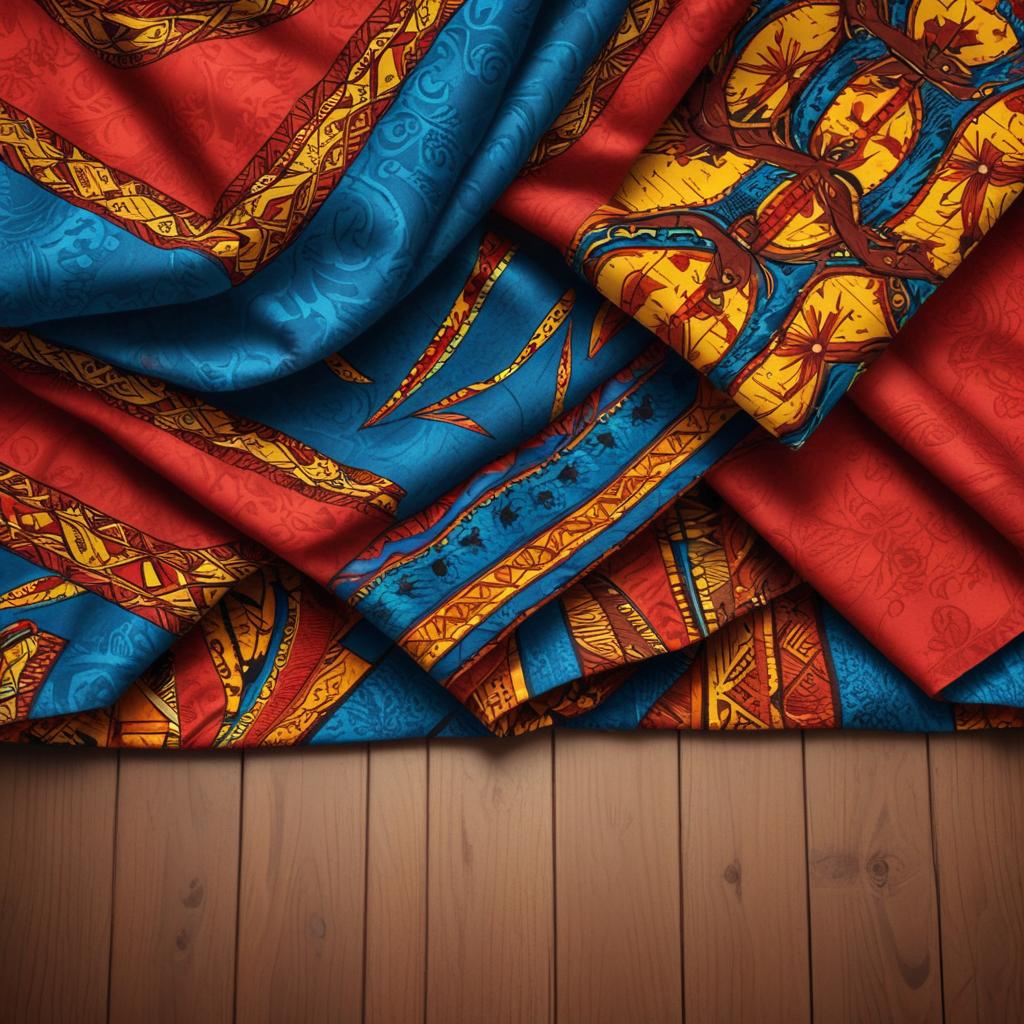
African textiles are far beyond simple materials; they embody rich traditions and cultural identities and generations of skilled artistry. The production of these traditional fabrics carries profound meaning in numerous African cultures, where handcrafted cloth serves not just for daily attire but also for rituals, narratives, and as an emblem of social standing. Every fabric piece conveys a narrative, reflecting the history and legacy of its makers and wearers.
These textiles are frequently created using traditional techniques handed down through generations, highlighting the handcrafted quality that sets them apart. In contrast to mass-produced materials, African fabrics are carefully and meticulously made at each step, from yarn spinning to dyeing and weaving. The hands-on methods enable craftsmen to embed their individual flair and cultural significance into every fibre, producing fabrics that are both vivid and rich in meaning.
Traditional textiles like Ghana’s kente, Mali’s bogolanfini (mud cloth), and Nigeria’s agbada fabrics are celebrated globally for their detailed designs and vibrant hues. These motifs frequently hold particular significance, reflecting historical narratives, proverbs, or communal principles, turning the fabric into a form of storytelling and cultural identity. Handcrafting these textiles also aids local livelihoods and helps maintain artisanal expertise that could be lost due to industrialisation.
Furthermore, employing handmade cloth promotes enhanced sustainability and appreciation for natural materials. Numerous African textiles are coloured with natural dyes sourced from plants, minerals, and tree bark, following traditional dyeing techniques that are eco-friendly. This bond with nature and the environment deepens the cultural significance of African fabrics, as these practices embody a holistic view of craftsmanship and communal living.
In summary, African fabrics stand serve as vivid emblems of identity and heritage. Crafted using traditional handmade methods, they safeguard essential cultural wisdom while showcasing the creative skills of African craftsmen. Appreciating the importance of these classic textiles emphasises the need to preserve handmade fabrics as a crucial element of Africa’s diverse cultural heritage.
Materials Used in Hand-Made African Fabrics
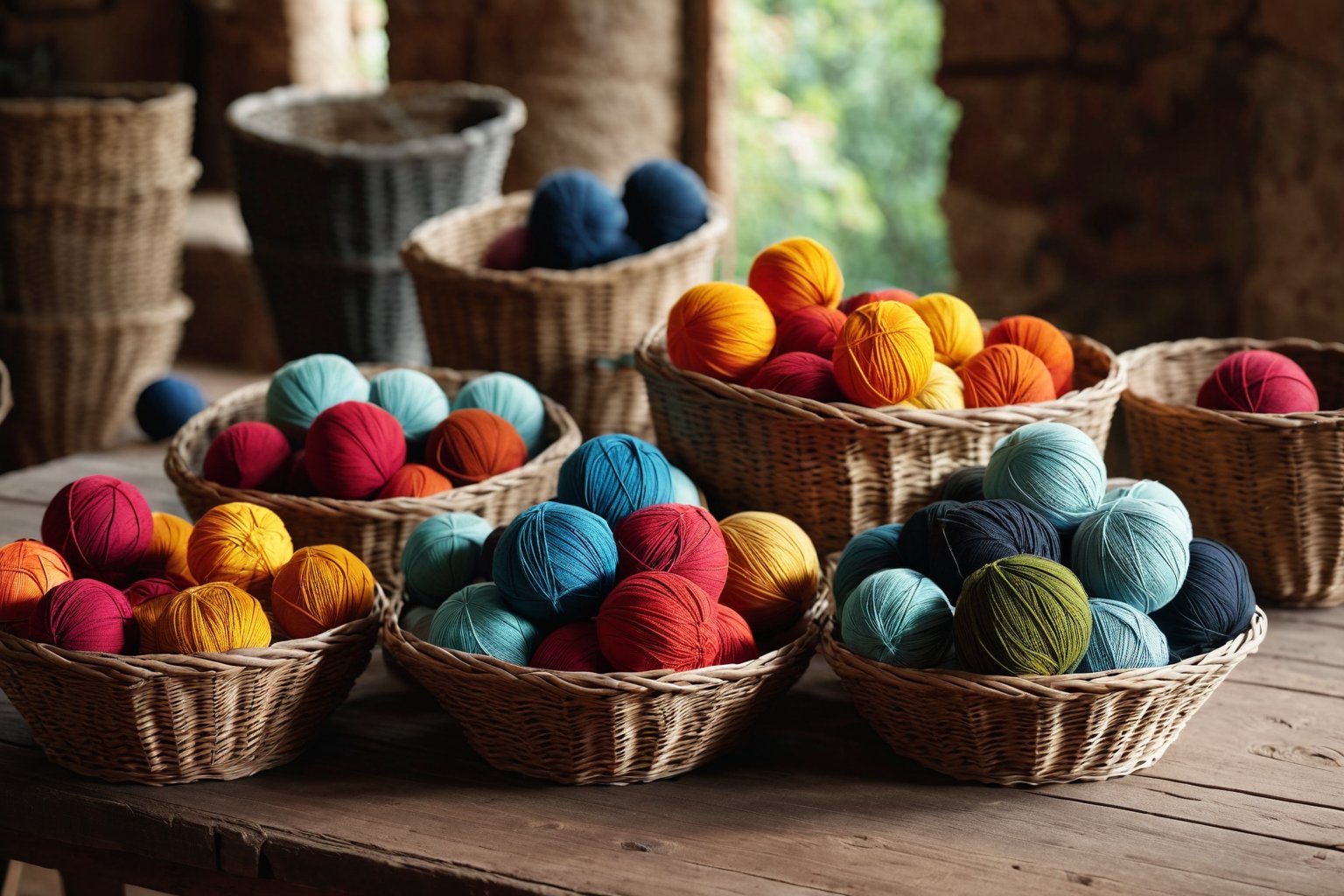
African hand-crafted fabrics are celebrated for their textured depth and vivid hues, stemming from the natural fibres and methods used in their production. Central to these traditional textiles is the use of organic fibres, mainly cotton, prized for its softness, strength, and ability to breathe. For centuries, African craftsmen have grown and woven cotton, establishing it as the chief material for numerous handmade fabrics throughout the continent.
The organic fibres in these textiles are typically cultivated without synthetic chemicals, supporting sustainable and environmentally friendly methods. Cotton is gathered from the cotton plant and carefully spun by hand into yarns. These yarns are then woven using intricate, time-tested techniques that represent the cultural traditions of various African communities. The natural source of the fibres guarantees the fabric stays comfortable to wear while offering a genuine and traditional experience.
A key element in hand-crafted African textiles is the application of natural dyes. In contrast to synthetic dyes, which are chemically manufactured on a large scale, natural dyes come from plants, roots, bark, minerals, and various organic materials. These dyes provide the fabrics with their characteristic vivid hues and contribute to their individuality, as each batch can differ subtly based on the available natural ingredients and the time of year.
Typical natural dye materials consist of indigo for rich blues, madder root for vibrant reds, and different clays and soils for shades of brown and yellow. Dyeing is a craft that blends artistry with technique, demanding expertise to mix the dye solutions, immerse the cotton cloth, and obtain the perfect colour. Colours from natural dyes tend to develop a charming patina as they age, enhancing the enduring charm of textiles created through these classic techniques.
To summarise, the textiles in hand-crafted African fabrics mainly comprise organic fibres like cotton, paired with vibrant natural dyes derived from the earth’s resources. This combination of natural cotton and dyes promotes environmental sustainability while maintaining the cultural heritage and artisan skills distinctive to African textile art.
Natural Fibres and Their Sources
The creation of African textiles is firmly anchored in the utilisation of natural fibres, valued not just for their aesthetic appeal but also for their sustainability. Cotton, one of the most frequently employed fibres, is especially significant as a key raw material because of its gentle feel and ability to allow air flow. Numerous areas throughout West and East Africa produce cotton, where small-scale farmers grow organic fibres that enhance the distinctive texture of traditional fabrics. This local farming guarantees that the fibres are eco-friendly and of superior quality.
Alongside cotton, hemp is increasingly valued for its robustness and longevity. It thrives in specific African regions, especially in areas of North and Southern Africa, where it is manually harvested and converted into fibres that are woven into sturdy textiles. Hemp’s innate pest resistance and low reliance on pesticides make it an outstanding option for organic fibres, promoting eco-friendly fabric manufacturing techniques.
Silk is another prized natural fibre, grown in small amounts locally. In certain African regions, including Madagascar and areas of Nigeria, silkworm farming is practiced, with silk weaving being a cherished craft handed down through families. Using silk in textile creation imparts a rich texture and lustre, distinguishing these handmade fabrics from more widely manufactured types.
Collectively, these fibres – cotton, hemp, and silk – showcase the variety of natural materials gathered locally across Africa, providing a vital base for distinctive, handmade textiles. Their utilisation promotes sustainable farming alongside the safeguarding of cultural traditions and craftsmanship.
Extraction and Preparation of Natural Dyes
The vibrant and lasting colours seen in African textiles originate from the skilled craft of obtaining and processing natural dyes. These dyes are customarily derived from a variety of natural materials scattered throughout the continent. The journey starts with gathering plant materials such as leaves, roots, bark, and flowers, each contributing distinct shades.
Among the most renowned natural dyes in African textiles is indigo, extracted from the leaves of the indigofera plant. To create indigo dye, the leaves are submerged in water and left to ferment for a few days. This fermentation triggers a chemical reaction that liberates the blue pigment. The liquid is then oxygenated by stirring or transferring between vessels, changing from a greenish hue to a rich blue shade ideal for dyeing cloth.
Alongside plant-based dyes, minerals like ochre are crucial for creating natural red, yellow, and brown shades. These minerals are crushed into fine powders and combined with binders or mordants to adhere the colour to textiles. Likewise, extracts from tree bark and roots are simmered to extract their inherent pigments, which are subsequently strained and utilised in dyeing solutions.
Preparing colour is a meticulous step that guarantees the dye binds effectively to the fabric, producing bright and enduring hues. Experienced craftspeople frequently apply mordants such as alum or tannin to boost the dye’s strength and durability. From sourcing raw ingredients to formulating the dye baths, the extraction and preparation of natural dyes continue to be vital for the authenticity and charm of African handmade textiles.
Traditional Techniques in Making African Fabrics by Hand
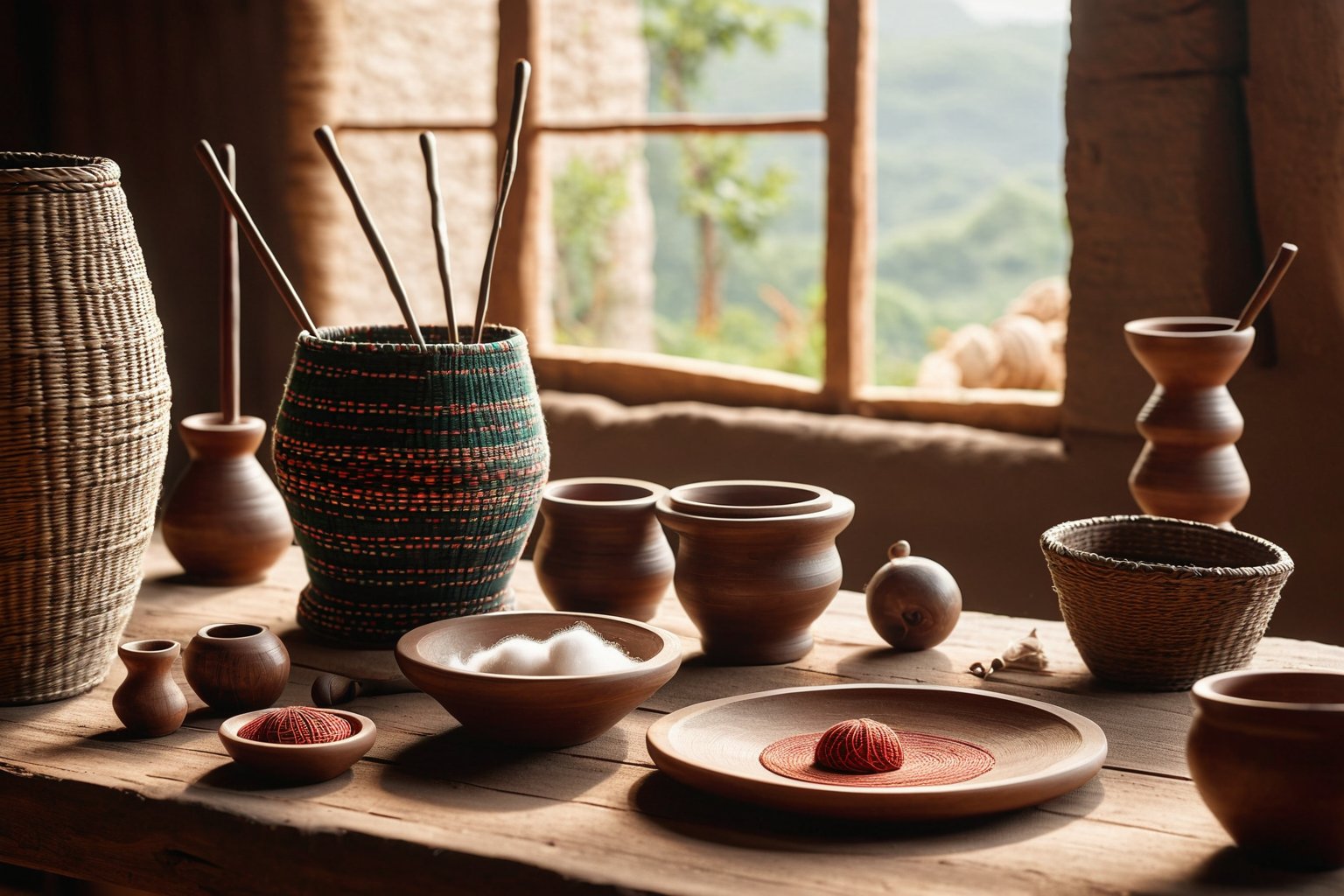
- Hand-Spinning: The process of fabric production begins with hand-spinning, where artisans transform raw cotton or other natural fibres into thread or yarn. Using a simple spindle or spinning wheel, fibres are carefully twisted and drawn out to create a consistent thread. This step demands skill and patience, as the quality of the yarn greatly influences the final fabric’s texture and strength.
- Dyeing Methods: Once the yarn is prepared, it undergoes traditional dyeing methods. Artisans often use natural dyes extracted from plants, roots, bark, and minerals, which are known for their vibrant hues and eco-friendly nature. The yarn is submerged in dye baths, sometimes repeatedly, to absorb rich colours. Techniques like tie-dye or batik may be applied during this stage to create intricate patterns and colour variations within the fabric.
- Preparation for Weaving: Before weaving, the dyed yarns are wound onto bobbins or spools and sorted according to the colours and patterns intended for the fabric. These threads are then set up on a loom, arranging the warp (vertical threads) carefully to allow the weaving pattern to take shape.
- Weaving Techniques: The heart of fabric production involves the weaving techniques, which vary across African regions but share a deep heritage of craftsmanship. Artisans use hand-operated looms to interlace the warp and weft (horizontal threads) threads meticulously. Traditional methods such as strip weaving, where narrow strips of fabric are woven and later sewn together, are common. The weaving process can produce fabrics with bold geometric patterns, symbolic motifs, and varied textures depending on the community’s cultural influences.
- Finishing Touches: After weaving, the fabric may undergo additional treatments to enhance durability and appearance. This includes washing, stretching, or pressing the fabric. In some communities, further adornments like embroidery or appliqué are added by hand to enrich the final product.
These age-old methods—hand-spinning, natural dyeing processes, and skilled weaving—work together to maintain a vibrant tradition of African textile craftsmanship. Every stage reflects the artisan’s expertise and cultural roots, producing distinctive fabrics that are practical and richly meaningful.
Hand-Spinning and Weaving
The story of African fabrics starts with the delicate craft of hand-spinning, where natural fibres like cotton or silk are expertly turned into yarn. Craftspeople expertly twist and pull the fibres with traditional spindles, a method requiring patience and careful precision. This hand-spinning approach not only maintains the fibre’s inherent qualities but also establishes the base for the fabric’s strength and feel.
After spinning, the yarn is readied for loom weaving, a crucial step in textile artistry. Classic looms, typically made of wood and worked by hand, allow weavers to intertwine the yarn into fabric. The weaving process entails threading the yarn onto the warp and interlacing it with the weft threads to form the material. This hands-on technique offers exact control over tension and density, producing a durable yet pliable textile.
A key characteristic of these handcrafted textiles lies in their unique weaving designs. These designs carry profound symbolism, representing the local culture, history, and identity. Artisans incorporate geometric forms, stripes, and motifs specific to their communities, demonstrating generations of expertise handed down through family traditions. The blend of hand-spinning, loom weaving, and detailed patterns emphasises the deep heritage and expert craftsmanship woven into each piece of African cloth.
Resist Dyeing and Other Decorative Methods
Resist dyeing is a time-honoured method commonly employed in crafting African textiles to produce detailed and colourful patterns. This process entails applying a dye-resistant material to selected parts of the fabric, stopping the dye from colouring those areas and thereby creating distinctive designs. Among the most renowned resist dyeing techniques is batik, where molten wax is meticulously brushed onto the fabric to trace patterns prior to dyeing. The wax serves as a shield, allowing only the uncovered fabric to absorb the dye, producing vivid contrasts and intricate motifs once the wax is taken off.
Another well-liked decorative technique is tie-dye. This process entails binding portions of the fabric firmly with cords or string prior to submerging it in dye. The tied sections repel the dye, creating unique circular or linear patterns that are vibrant and eye-catching. Tie-dye demands both patience and expertise, as the positioning and tightness of the ties determine the ultimate design, ensuring every item is truly unique.
These fabric embellishment methods—resist dyeing, batik and tie-dye—hold great cultural importance and are valued for their skilled artistry. They allow craftsmen to turn simple textiles into vibrant pieces of art, reflecting both imagination and cultural legacy. The fusion of resist techniques with natural dyes and manual skill guarantees that each African fabric narrates a tale through its designs and hues, preserving age-old customs.

I’m fascinated by the vibrant intersection of contemporary fashion and traditional African craftsmanship. I spend my free time exploring markets, learning about textile techniques, and sharing the stories behind each piece with our readers.