
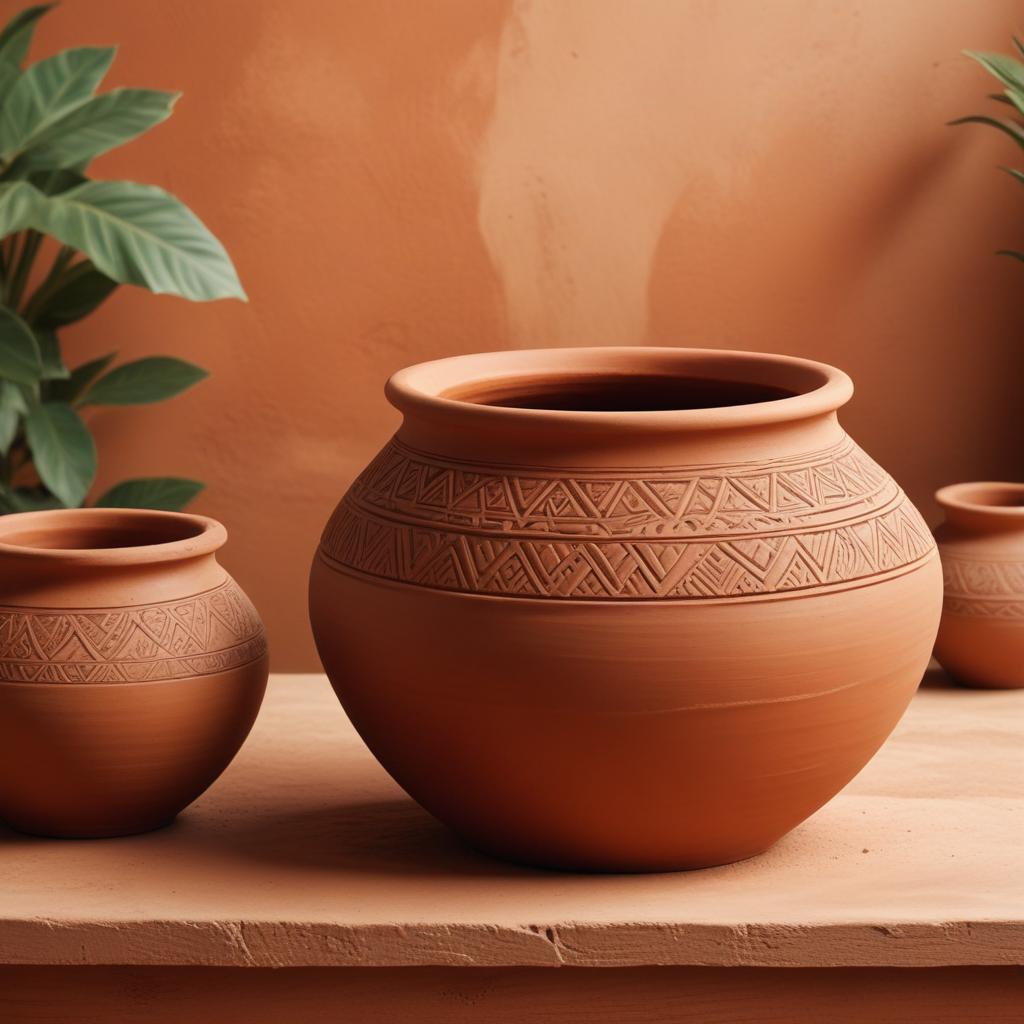
Overview of Handmade Pottery Traditions in Africa
Handmade pottery in Africa showcases a vibrant blend of cultural heritage, skill, and tradition that has been inherited over the years. Throughout the continent, pottery practices are closely linked with the identities of communities, embodying both artistic creativity and practical purpose. African ceramics transcend simple functionality; they act as symbols of history, spirituality, and social cohesion.
The history of handmade pottery in Africa spans millennia, with archaeological findings showcasing ancient ceramic items employed for storage, cooking, and ceremonial functions. These artefacts highlight the creativity and resourcefulness of African communities, which cultivated a variety of techniques tailored to their surroundings and cultural requirements. Ranging from the dry Sahelian regions to the vibrant tropical woodlands, pottery has been modified to endure various climates and meet a wide array of daily necessities.
Pottery customs differ significantly across African regions, often marked by unique shapes, decorative motifs, and firing methods. For instance, in West Africa, artisans often craft beautifully adorned water jars and cooking vessels that serve both functional and artistic purposes. Likewise, in East Africa, the application of elaborate patterns and meaningful motifs in pottery underscores a profound link to cultural stories and traditions. This variety across regions showcases the rich cultural tapestry that constitutes the continent’s legacy.
Handcrafted pottery in Africa is also vital in daily life. These pots serve various functions, including cooking, grain and water storage, and food fermentation. The robustness of clay pots, along with their insulating qualities, renders them perfect for these tasks. Furthermore, the process of creating pottery frequently involves whole communities, with techniques passed down by elders and exchanged within families. This sharing of expertise guarantees the survival of pottery practices and the safeguarding of cultural heritage.
In addition to their functional applications, African ceramics possess profound ceremonial importance. Numerous communities utilise pottery in rituals, life transitions, and spiritual events. Certain vessels may be designed for offerings, wedding dowries, or veneration of ancestors, representing ties to history and aspirations for what lies ahead. The artisanal quality of these ceramics infuses them with a spiritual significance, thought to embody the creator’s intentions and blessings. As a result, pottery is frequently regarded as a hallowed craft, connecting the physical and spiritual realms.
In summary, the handmade pottery of Africa carries a deep-rooted history that is steeped in cultural importance. These pottery practices serve not only as functional arts but also as essential keepers of African heritage. By acknowledging and honouring the creativity and cultural narratives woven into African ceramics, we enhance our understanding of the continent’s varied cultural terrains and the lasting influence of handmade craftsmanship.
Historical Significance of Pottery in African Societies
The long-standing tradition of pottery crafting in Africa dates back millennia, playing an essential role in the continent’s cultural and historical landscape. Archaeological evidence indicates that historical pottery in Africa can be traced back to the Neolithic era, with some of the oldest ceramics found in areas like the Sahara, West Africa, and the Nile Valley. These findings underscore the age and ongoing presence of traditional ceramics in Africa, demonstrating the expertise and artistry of ancient communities.
Traditional ceramics in Africa are appreciated not just for their functional uses but also for their symbolic and ceremonial significance. Primitive pottery was essential for the storage of food, water, and grains, contributing significantly to the evolution of settled agricultural communities. Moreover, pottery frequently displayed elaborate designs and motifs that carried cultural meaning, indicating social rank or fulfilling spiritual roles. These designs enable us to follow the pottery traditions of diverse African ethnic groups and areas throughout history.
The development of pottery methods in African communities showcases the variety of materials and firing techniques employed, ranging from open pits to sophisticated kilns. With the expansion of societies, pottery emerged as a vital tool for trade and cultural interaction, facilitating the dissemination of stylistic influences and technical expertise across the continent. In contemporary times, the legacy of pottery continues to thrive, demonstrating the lasting impact of traditional craftsmanship and the significant role of ceramics in African cultures.
Cultural Roles and Symbolism in Pottery
Pottery in Africa transcends mere utility; it represents a rich cultural legacy that has developed over centuries. Every ethnic group incorporates unique symbols, patterns, and forms into its pottery, showcasing its traditions and social identity. The process of creating pots serves as a means of conveying stories, beliefs, and community values across generations, emphasising the profound link between pottery and African cultural expression.
In numerous African communities, pottery holds significant importance in rituals and ceremonies, frequently acting as containers for rites of passage, spiritual offerings, and the veneration of ancestors. The patterns carved or painted on the pots are rich in symbolism—geometric forms, nature-inspired motifs, and ancestral symbols that convey meanings understood by the community members. This symbolism elevates everyday pottery to the status of African art pottery, which surpasses mere functionality and becomes sacred items imbued with spiritual meaning.
For instance, the Berber communities in North Africa employ distinctive pottery designs to represent protection and fertility, whereas the Yoruba people in Nigeria use motifs that call upon deities and spiritual protectors. This inherent symbolism illustrates how pottery acts as a visual means of communication across Africa, strengthening communal ties and safeguarding cultural identity. Through their interaction with traditional pottery, these communities reinforce their values and sustain a concrete connection to their ancestors and cultural heritage.
Cultural pottery throughout Africa fundamentally stands as a reflection of the continent’s abundant artistic legacy. The symbolism found in African art pottery unveils intricate stories concerning identity, belief systems, and the respect for tradition that characterises numerous African ethnic groups. As such, pottery is an essential cultural artefact, blending artistry with cultural significance in a lasting tribute to African identity.
Distinct Regional Styles and Techniques

African pottery styles reveal a remarkable variety, firmly entrenched in the continent’s diverse cultures and landscapes. Every area utilises its specific regional pottery techniques, drawing on locally sourced materials and embodying unique aesthetic preferences. These age-old pottery practices have been handed down through the generations, rendering pottery not just a practical craft but also a lively medium of cultural expression.
In West Africa, hand-coiling is commonly practised, especially within the indigenous populations of Nigeria and Ghana. The clay undergoes meticulous preparation, blended with tempering agents like sand or crushed shells to enhance its strength. Artisans frequently craft intricately adorned containers featuring symbolic motifs, realised through techniques like incising, stamping, or applique. These patterns often hold cultural or spiritual meaning, reflecting tribal identity or societal standing.
Travelling east to the Great Lakes region and Ethiopia, pottery styles showcase the balance between practical requirements and artistic expression. For example, Ethiopian artisans have created unique forms such as the neckless water jar and sizable storage vessels, frequently featuring a polished finish. The local clay is occasionally blended with organic materials to improve its workability. Pottery methods in this region also encompass open pit firing, resulting in distinctive colour variations and textures that are highly valued within the community.
Pottery traditions in Southern Africa showcase a blend of influences from both indigenous and colonial heritages. In nations such as South Africa and Zimbabwe, traditional pottery techniques feature elaborate geometric patterns and designs, often carved or adorned with natural colours. The clay used is typically denser and high in iron content, resulting in a distinctive reddish tone in the final products. Techniques like coiling are paired with paddling and scraping, resulting in vessels that are not only sturdy and functional but also visually striking.
Pottery from North Africa is significantly shaped by Mediterranean and Islamic artistic traditions, as seen in the glazing and detailed painted patterns that adorn ceramics spanning from Morocco to Egypt. In this region, artisans utilise both wheel-throwing and hand-building methods, with slip decoration being a prevalent practice. The local pottery techniques in this area of Africa prioritise symmetry and intricate surface embellishments, fulfilling both functional and decorative roles.
In summary, African pottery styles reflect the continent’s abundant legacy of artistry. By employing a variety of materials—from rough earthen clays to finely sifted soils—and embracing different traditional pottery techniques, artisans throughout Africa persist in creating extraordinary pieces that hold both cultural significance and practical use. These local pottery practices pay tribute to history while nurturing lively traditions in the present.
West African Pottery Traditions
West African pottery is notable for its vibrant cultural legacy and expertise in the coil pottery technique, a traditional clay art form that has been handed down over generations. This approach entails rolling out elongated, snake-like coils of clay, which are subsequently layered and smoothed to produce vessels of diverse shapes and sizes. The coil pottery technique not only facilitates the creation of robust, utilitarian items but also provides design flexibility, allowing potters to fashion elaborate forms that embody their cultural identity.
In nations like Nigeria and Ghana, West African pottery is renowned for its unique decorative designs, which typically hold symbolic significance and narrate collective tales. For example, Nigerian pottery often showcases geometric shapes and patterns drawn from nature, including depictions of flora and fauna, created using incisions or additional clay components. These embellishments fulfil both visual and ceremonial roles, giving each item a distinctive identity.
In Ghana, traditional clay artistry incorporates an array of surface embellishments, featuring stamped motifs and painted designs in natural hues. The pottery typically showcases a polished surface and serves both practical everyday purposes and ceremonial events. Throughout West Africa, this artisanal pottery tradition continues to be a significant representation of cultural identity, preserving age-old methods such as the coil pottery technique while adapting to modern artistic trends.
East African Pottery Practices
East African ceramics represent a vibrant blend of cultural expression and skilled craftsmanship that has endured over the centuries. Within the diverse tribal pottery of East Africa, the traditions of groups like the Kikuyu, Maasai, and Luo are particularly notable for their unique handcrafted clay vessels. These communities utilise age-old techniques that have been handed down through the generations, guaranteeing that every item conveys a narrative of heritage and functionality.
The Kikuyu potters are especially recognised for their elaborate designs and sturdy clay containers that are utilised for both water storage and cooking. Their firing methods employ open flames, which give the ceramics a tough finish, improving their resilience to the East African climate. In contrast, the Maasai, who are more widely celebrated for their beadwork, also integrate pottery into their ceremonies, creating simple yet significant clay pots that fulfil ritualistic functions.
The Luo community makes use of handcrafted clay pots created through coiling techniques, leading to unique shapes and textures that are characteristic of the Lake Victoria area. Their firing technique includes gradual burns and carefully managed oxygen levels to produce a range of colours in the ceramics. These methods showcase the resourcefulness and creativity found in East African pottery traditions, embodying both practical requirements and artistic ideals.
In general, East African ceramics fulfil daily requirements while also representing identity and continuity among these tribal communities. The craft of making handmade clay vessels continues to be an essential cultural tradition, linking past, present, and future generations through the art of pottery.
Contemporary Relevance and Preservation Efforts
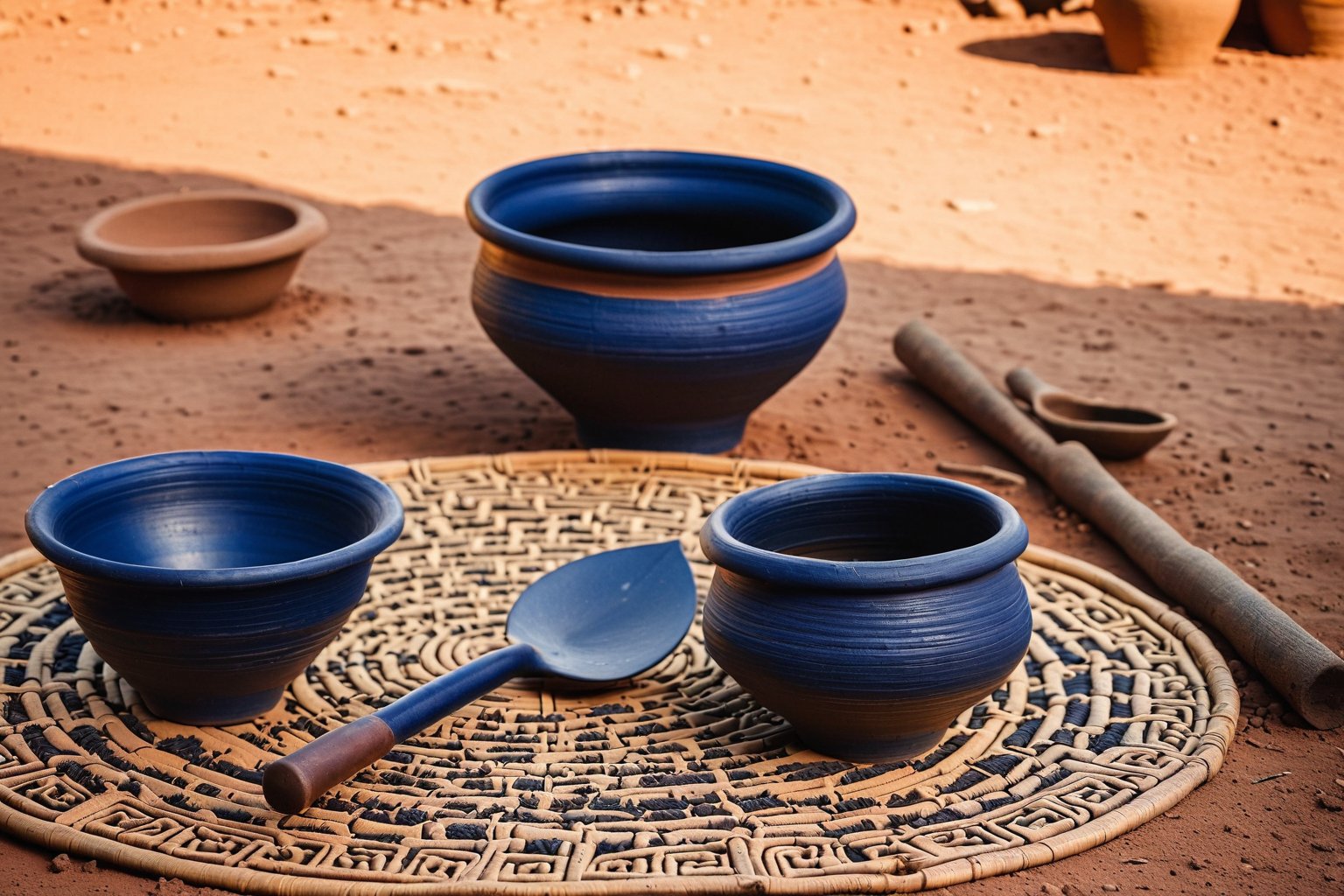
Modern African pottery retains considerable cultural and economic significance throughout the continent. Crafted by hand, pottery acts as a connection to deep ancestral traditions while simultaneously representing a lively expression of African identity in an increasingly modern world. Artisan pottery in Africa continues to thrive, merging traditional techniques with modern designs that appeal to both local populations and global markets. These works not only enrich cultural heritage but also bolster local economies and aid in the preservation of the artisanal craft sector, which is vital for numerous rural communities.
Although pottery preservation in Africa remains significant, it encounters various obstacles. The rise of mass-produced ceramics and plastic substitutes has diminished the market for handmade goods, jeopardising the livelihoods of numerous traditional potters. Furthermore, urbanisation and the movement of people to cities have resulted in a decrease in the passing down of pottery skills to younger generations, who frequently opt for alternative career opportunities. Environmental issues, including restricted access to natural clays and fuel for kilns, add to the difficulties in sustaining these crafts. Without proactive initiatives, many distinctive regional pottery traditions are at risk of being lost to history.
In light of these challenges, a number of initiatives have surfaced to encourage the preservation of pottery in Africa. Cultural organisations and government entities are increasingly acknowledging the significance of artisan pottery and are launching educational programmes aimed at imparting pottery skills to the next generation of artisans. Through workshops, community pottery centres, and apprenticeship schemes, traditional techniques are sustained while also fostering creativity within the craft. Additionally, partnerships with designers and international art markets have opened up fresh avenues for potters to display their creations, bolstering the potential of pottery as a sustainable means of income.
Non-profit organisations and global collaborators contribute to these conservation initiatives via financial support and advocacy. By highlighting the social, cultural, and economic advantages of modern African pottery, they foster awareness and appreciation both locally and internationally. Digital platforms and e-commerce avenues now allow artisan pottery Africa to engage with broader audiences, facilitating direct connections between craftsmen and consumers around the globe. This blend of tradition and contemporary technology presents a hopeful route for sustaining and honouring African pottery heritage in the years to come.
Challenges in Maintaining Traditional Pottery Skills
The safeguarding of pottery craftsmanship in Africa encounters considerable difficulties at present, putting the future of this valued traditional art at risk. A primary challenge is urbanisation. With an increasing number of individuals relocating to urban areas for contemporary job prospects, there are fewer people left in rural regions where pottery has traditionally flourished. This demographic change leads to a decrease in the passing down of pottery skills that Africa has nurtured through the ages.
In addition, the difficulties faced by artisans are heightened by rising competition in the market. The surge in mass-produced ceramics and plastic substitutes has compromised the financial sustainability of hand-crafted pottery. Although these traditional handmade items hold significant cultural and artistic worth, they frequently find it hard to match the price and accessibility of their mass-produced counterparts, which complicates artisans’ ability to rely solely on pottery for their income.
A significant threat to preserving traditional craft skills is the declining interest from younger individuals. The draw of urban living and contemporary professions means that fewer young people are inclined to take up pottery, a craft that demands patience and years of dedication. This diminishing involvement results in a slow erosion of the knowledge needed to sustain pottery techniques in a meaningful way.
In summary, the ongoing existence of pottery traditions in Africa is threatened by urban development, increasing market demands, and a waning enthusiasm among the younger generation. Tackling these challenges faced by artisans is crucial to protect and rejuvenate the priceless pottery expertise that Africa has maintained as a vital aspect of its heritage.
Initiatives Supporting Pottery Artisans
Throughout Africa, numerous organisations and craft development initiatives are essential in supporting pottery artisans and preserving cultural heritage across the continent. These programmes aim to empower local potters by offering resources, training, and opportunities to display their creations. They concentrate not only on improving skills but also on promoting fair trade practices, thus fostering sustainable livelihoods for the artisans.
A prominent instance is the African Pottery and Ceramics Network (APCN), which links potters throughout the continent, promoting the sharing of knowledge and advocating for the rights of artisans. By organising workshops and collaborative initiatives, APCN assists potters in enhancing their skills while maintaining distinct regional styles and traditions. In a similar vein, the Fair Trade Africa organisation provides support to pottery artisans by fostering ethical sourcing and marketing practices, guaranteeing that creators obtain fair compensation and acknowledgment for their work.
Programs rooted in the community, typically managed by NGOs and cultural organisations, emphasise the development of crafts that merge age-old pottery techniques with modern design, appealing to emerging markets and younger audiences. These initiatives often provide mentorship, access to tools and materials, as well as chances to engage in global craft fairs. In this way, they cultivate a robust link between heritage and creativity, preserving pottery traditions while responding to contemporary needs.
These initiatives not only bolster the economic resilience of pottery craftsmen but also significantly contribute to the protection of Africa’s diverse cultural heritage. By fostering awareness and appreciation, they help these artisanal skills to flourish, safeguarding a unique aspect of Africa’s historical and cultural identity for generations to come.

I’m fascinated by the vibrant intersection of contemporary fashion and traditional African craftsmanship. I spend my free time exploring markets, learning about textile techniques, and sharing the stories behind each piece with our readers.