
Introduction to Beadwork Traditions in Africa
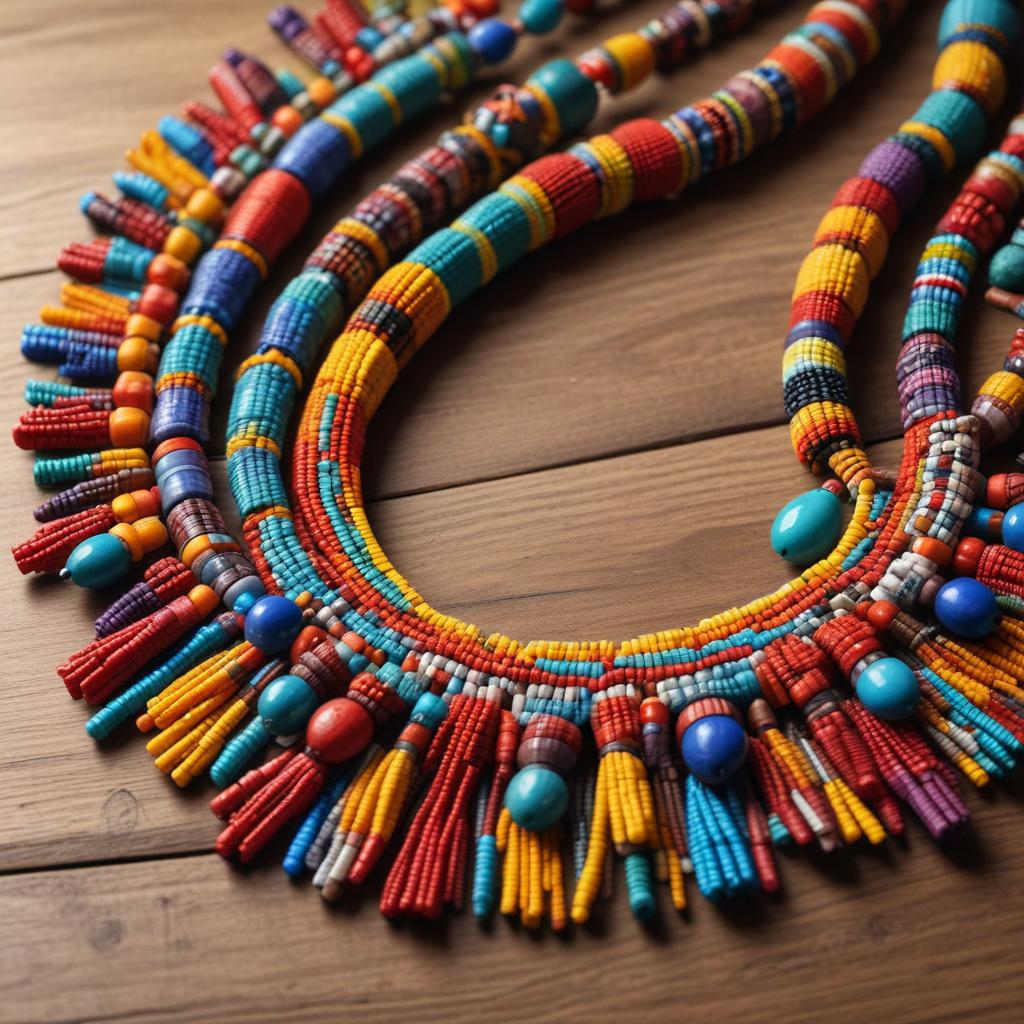
African beadwork represents a lively and dynamic form of artistic expression that has been embraced for centuries throughout the continent. Traditional beadwork showcases not only exceptional skill but also a significant cultural tradition that reflects identity, social standing, and historical narratives. Ranging from the vibrant glass beads of the Maasai in East Africa to the elaborate shell bead patterns of the Zulu in Southern Africa, beadwork remains a lasting emblem of African heritage and artistic ingenuity.
The origins of beadwork in Africa go back thousands of years, with archaeological discoveries revealing early use of beads made from natural materials such as bone, shell and stone. Over time, the arrival of glass beads through trade routes enriched the designs and techniques, allowing a wider range of diversity and intricacy in beadwork. This blend of local and foreign influences has given rise to distinctive styles that remain firmly woven into the cultural fabric of many African communities.
Cultural beadwork in Africa often carries deep symbolic weight within various communities. Colour choices, intricate patterns, and the specific arrangement of beads are carefully selected to communicate distinct social signals, including rank, marital condition, age group, or spiritual beliefs. The Ndebele people, for example, use geometric beadwork to showcase personal stories and social identity, while Yoruba traditions incorporate elaborate bead designs into royal garments to signal authority and high status. This practice demonstrates that beadwork serves far more than a decorative purpose; it functions as a sophisticated method of cultural expression and social dialogue across different societies.
Throughout Africa, beadwork remains an essential cultural tradition, handed down through the ages as a means of artistic expression and social record. It is integral to rituals, milestones, and daily activities, safeguarding the narratives and principles of various communities. This rich legacy of beadwork not only sustains traditions but also nurtures a sense of identity and pride among African populations. Delving into the history of beadwork across the continent unveils a lasting tribute to the ingenuity and strength of African cultures.
The Maasai Beadwork of East Africa
Maasai beadwork serves as a vivid artistic medium that holds deep significance within the community found across Kenya and Tanzania in East Africa. The craft is instantly recognisable by its bold colour palettes and intricate designs, where every pattern conveys specific information about an individual’s social rank, age set, or marital condition. Creators work with a range of hues including red, blue, green, white, black, and yellow to communicate complex cultural values. Each selected shade carries a unique symbolic weight, representing concepts such as bravery, life force, reproductive health, innocence, and communal unity. This visual language allows the Maasai to express personal identity and societal belonging through wearable art that is both decorative and deeply informative.
As the dominant hue, red conveys power and courage, mirroring the martial spirit of Maasai men. Blue reflects the sky and the nourishment delivered by rainfall, while green connects to the soil and overall wellness. White beads stand for purity and good health, black signifies the community and the hardships it endures, and yellow highlights fertility and warmth. Together, these symbolic shades combine into complex beaded adornments worn in daily life and during key ceremonies, embedding each creation with deep cultural meaning.
Maasai jewellery is defined by handcrafted collars, bracelets, earrings, and belts that reflect deep cultural values. The iconic broad collars are assembled by threading thousands of beads onto leather cords, a process that demands significant skill and patience. Women often choose beaded earrings and bracelets to express personal identity and aesthetic preferences within their social groups. These accessories function as tangible links to East African traditions while preserving the artistic legacy passed down through generations.
Zulu Beadwork in Southern Africa
Zulu beadwork stands out as a vibrant facet of traditional craftsmanship, firmly rooted in the heritage of Southern Africa. Celebrated for its vivid palette and intricate motifs, this art form goes far beyond mere decoration; it operates as a sophisticated symbolic language that conveys messages about personal identity, social hierarchy, and relational dynamics. Artisans meticulously thread beads to construct geometric patterns that often denote specific clan affiliations or significant ceremonial occasions.
The conventional motifs present in Zulu beadwork frequently feature chevrons, triangles, and diamonds, each rich in symbolic significance. These patterns are not selected at random but are thoughtfully designed to convey emotions such as affection, marriage intentions, or cautionary messages. Colours also hold symbolic importance; for example, white beads usually denote purity, whereas black can signify marriage or renewal. The intricacy and variety of colours in the beadwork can reflect social standing or the individual’s position within the community.
Beyond their aesthetic allure, Zulu beadwork serves as a conduit for social interaction throughout Southern Africa. Historically, young people exchange beaded adornments to express feelings that are hard to verbalise. This silent dialogue, mediated by beadwork, allows individuals to communicate emotions, intentions, and social cues, strengthening communal bonds. In the end, Zulu beadwork protects vital cultural traditions while remaining a lively mode of expression deeply rooted in Southern Africa’s heritage.
Beadwork Practices in West Africa
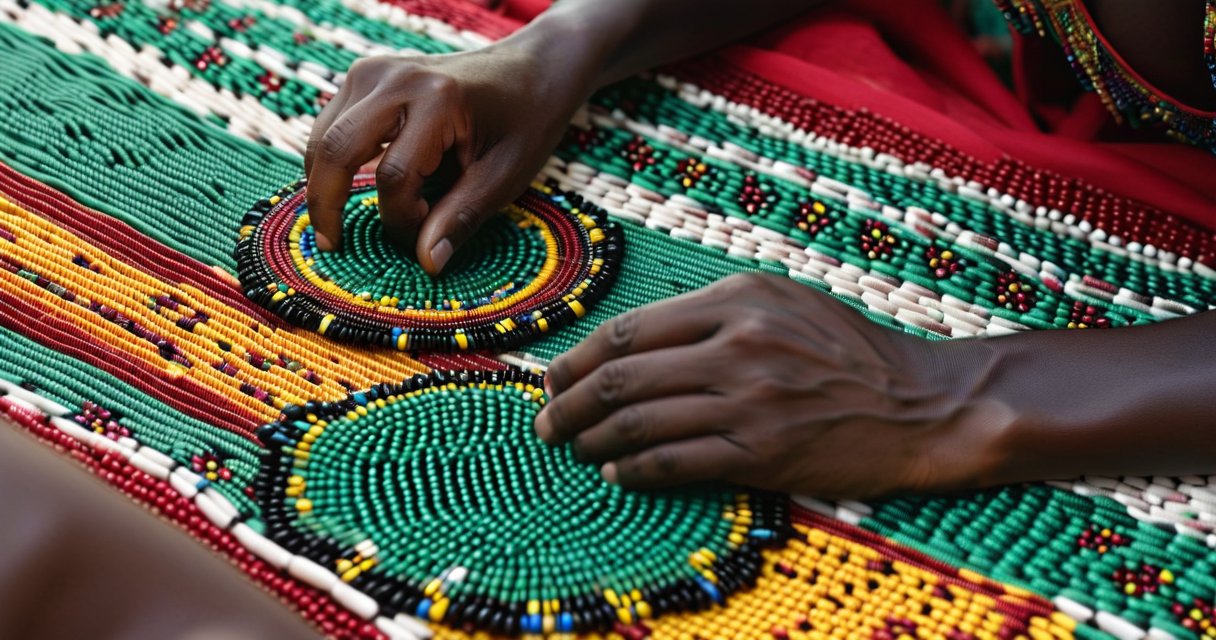
West African beadwork plays a vital role in the cultural legacy of the area, demonstrating complex craftsmanship and profound symbolic significance. Among the various ethnic communities celebrated for their beadwork, the Yoruba of Nigeria stand out for their intricate application of beads in ceremonial attire, rituals, and everyday activities. Yoruba beads transcend mere decoration; they serve as influential cultural artefacts that signify status, identity, and spiritual safeguarding.
In West Africa, especially among the Yoruba, beadwork traces back to ancient customs where beads embellished the crowns, necklaces, bracelets, and anklets of aristocrats and chiefs. These beads were carefully selected for their colour, size, and material, signalling specific meanings and social rank. For example, red and blue beads often signify authority and mysticism, while white beads denote purity and spirituality in Nigerian traditions.
Beaded regalia holds great importance in Yoruba culture, especially during festivals, rites of passage, and coronations. The meticulously crafted beads are woven together to form elaborate designs and symbols that reflect the individual’s heritage and status. These items are not only aesthetic expressions but also act as protective amulets and bearers of ancestral blessings. The expertise required to produce such regalia is inherited through generations, preserving a tradition that respects the past while ensuring the art form remains dynamic.
Various ethnic communities throughout West Africa uphold unique beadwork customs that enhance the Yoruba aesthetic. For example, the Ewe in Ghana are renowned for their vibrant necklaces and make significant use of beads during celebrations. Likewise, the Fulani and Hausa groups integrate beads into their jewellery to signify marital status and social positions. Together, these differences contribute to the rich diversity of West African beadwork and showcase the cultural richness of the area.
Today, beadwork from West Africa continues to influence fashion and art across the region and worldwide. Nigerian beadwork, noted for its vivid hues and deep symbolism, is a source of pride and identity for many communities. Preserving these traditions is essential for cultural sustainability, enabling the craft to endure and evolve while staying connected to its heritage.
Yoruba Beadwork Symbolism and Use
Yoruba beadwork occupies a significant role in Nigerian culture, functioning not merely as a decorative art but also as a vessel of rich symbolism. The beads, typically made from glass, coral, or gemstones, are carefully organised to express themes of status, spirituality, and identity. Within Yoruba culture, beadwork is closely associated with royalty and is an essential component of the regalia worn by kings and chiefs. The vivid colours and designs selected for royal beadwork carry meaning, symbolising power, affluence, and the divine safeguarding granted to the wearer.
Beyond royal attire, Yoruba beadwork forms a critical part of weddings, festivals, and rites of passage, where participants don intricate strands and integrate them into ceremonial displays. These arrangements visually articulate core themes of fertility, wealth, and strong community bonds that bind the group together. The specific hues chosen carry significant symbolic weight, with red coral beads often signifying authority and life force, while blue tones evoke feelings of tranquility and balance. Such layered meanings allow each crafted piece to communicate complex cultural narratives, elevating them from simple adornments into powerful vessels of heritage and identity.
Yoruba beadwork items, firmly entrenched in Nigerian culture, display the craftsmanship and historical legacy of the community. Whether embellishing an Oba’s shoulders at formal occasions or donned by brides seeking blessings, this beadwork embodies a lively tradition that honours ancestry, spiritual values, and the enduring importance of ceremonial dress.
Beadwork in Traditional Festivals
Beadwork is an integral part of traditional festivals throughout West Africa, acting as a vibrant manifestation of cultural heritage and community identity. In these festivities, beaded garments are more than just ornamental; they embody significant symbolism, frequently representing social rank, spiritual values, or historical stories within the community. The detailed designs and bright hues of the beads are showcased during ceremonies, dances, and parades, enriching the celebratory spirit and linking participants to their ancestral heritage.
In numerous West African festivities, including Nigeria’s Eyo Festival and Benin’s Gelede masquerade, beaded attire plays a pivotal role in the visual narratives that are presented. These intricately designed costumes are meticulously created by talented craftsmen whose expertise has been inherited through the ages, preserving this distinctive art form. The application of beads in these celebrations goes beyond garments, encompassing jewellery, masks, and ritualistic items, with each component rich in cultural meaning.
The significance of beadwork in traditional festivals underscores its lasting function in maintaining and displaying cultural heritage. It serves as a dynamic connection between history and contemporary life, encouraging younger generations to value their heritage and principles through the vivid craftsmanship of beaded decorations. This incorporation of beadwork into West African festivities highlights its value beyond mere beauty, establishing it as a cherished component of collective identity and pride.
Contemporary Revival and Innovation in African Beadwork
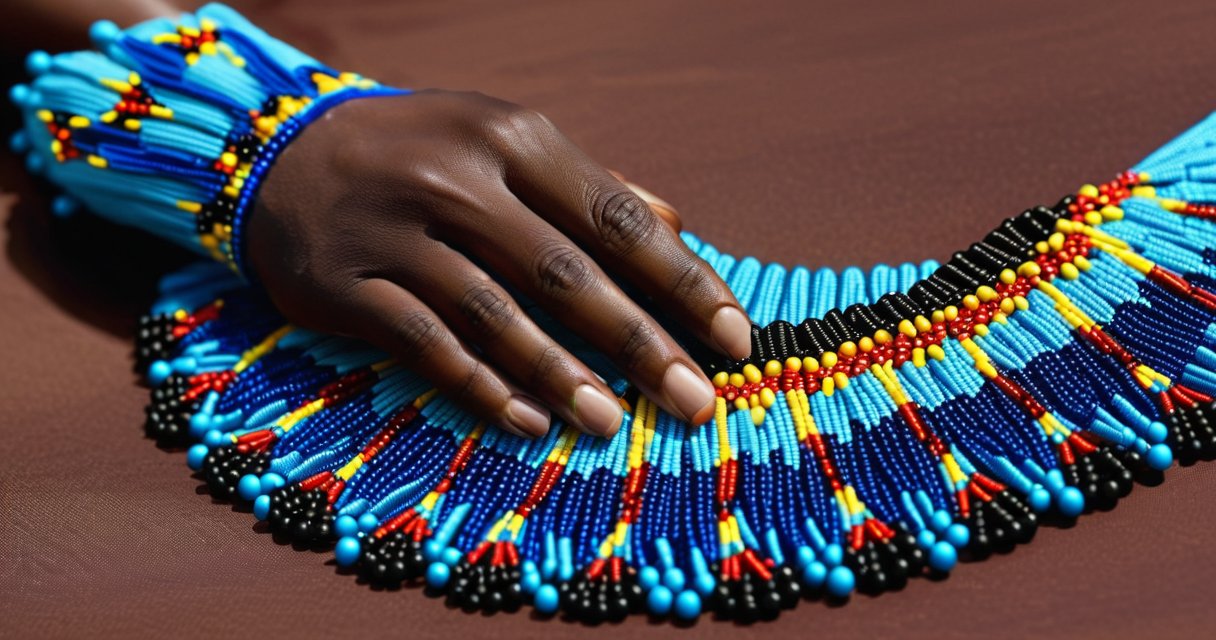
The realm of African beadwork is undergoing a vibrant evolution as modern beadwork finds favour with artists who adeptly blend traditional techniques with contemporary designs. This revival and creativity underscore a notable cultural renaissance, where beadwork is not simply maintained as an unchanging heritage but is actively reimagined to connect with today’s viewers and the international art community.
Contemporary African artists are looking to the diverse heritage of beadwork throughout the continent for inspiration, while also exploring innovative materials, hues, and methods. This blend of traditional and modern practices pushes the limits of beadwork, enabling it to transform into a dynamic medium of modern expression. The incorporation of acrylic beads, mixed-media elements, and digital design resources demonstrates how artistry can be elevated while maintaining its cultural importance.
A notable trend in contemporary beadwork is how artists weave thematic storytelling into their creations. By blending traditional designs and motifs with modern narratives, they address social issues, identity, and heritage through engaging visual art. This approach not only honours the historical role of beadwork as a means of conveying status and history but also positions it as a forum for conversations on pertinent topics, from empowerment to environmental concerns.
The innovation present in contemporary beadwork goes beyond mere jewellery and ornamental pieces. A variety of artists and designers are incorporating beadwork into fashion, sculpture, and installation art. This interdisciplinary approach boosts the allure and accessibility of African beadwork, connecting it to wider audiences and markets while preserving its core essence.
Importantly, this modern revival does not erase the traditions linked to beadwork; rather, it breathes new life into them. African craftspeople are intentionally safeguarding the symbolic meanings embedded in the colours and patterns of beads, ensuring that their contemporary creations maintain significance and depth. As a result, the relationship between tradition and innovation is at the heart of this artistic movement.
In summary, the current trends in African beadwork highlight a vibrant blend of respect for tradition and daring explorations into new artistic territories. Contemporary beadwork crafted by African artists exemplifies the enduring importance of innovation in this craft, showcasing how modern techniques can thrive by integrating cultural heritage with progressive creativity.
Artists Redefining Beadwork Techniques
Throughout Africa, beadwork artisans are transforming traditional craftsmanship by merging time-honoured techniques with contemporary artistic methods to create distinctive beadwork that resonates globally. These contemporary artists weave together cultural heritage with fresh perspectives, using beads not just as decorative items but as mediums of storytelling that express identity, history, and contemporary issues.
A variety of modern African artisans merge unconventional materials with traditional beads, producing captivating pieces that challenge the conventional understanding of beadwork as art. This fusion highlights the adaptability and strength of beadwork, elevating it from simple craft to a distinguished art form. Artists experiment with shapes, textures, and colour schemes, often designing wearable art that honours historical techniques while embracing modern aesthetics.
Through exhibitions and online platforms, beadwork artists are gaining international recognition, inspiring a new generation of creators to view beadwork as a dynamic and contemporary art form. Their works serve as a bridge between generations, preserving the essence of traditional methods while exploring personal narratives and contemporary ideas.
Ultimately, these innovative beadwork artists play a crucial role in reshaping the view of modern African crafts, raising beadwork to an important and progressive form of artistic expression both on the continent and around the globe.
Global Influence and Market for African Beadwork
African beadwork has attracted considerable attention from the global market, showcasing the continent’s rich cultural heritage through intricate patterns and vibrant colours. The worldwide demand for African beadwork has expanded significantly, driven by a growing appreciation for handmade artistry and the unique stories embedded in each piece. This surge in interest has not only boosted the export of African beadwork but has also created new economic opportunities for artisans across the continent.
Fashion designers worldwide have drawn inspiration from traditional African beadwork, incorporating these distinctive patterns and techniques into both high fashion and everyday wear. The influence of African beadwork on the fashion scene is evident on runways in major cities such as Paris, New York, and London, where handcrafted beads add authenticity and cultural depth to contemporary designs. This fusion of tradition and creativity has elevated beadwork from a regional craft to a coveted element of international fashion.
Moreover, African beadwork plays a crucial role in fostering cultural exchange. As artisans collaborate with global designers and engage in international exhibitions, the exchange of ideas enriches both African traditions and worldwide creative practices. This cultural engagement helps preserve beadwork customs while also adapting them for diverse markets, ensuring that the art form remains relevant and appreciated globally.
In conclusion, the global market and cultural influence of African beadwork are experiencing growth, highlighting its importance in both economic and artistic fields. The worldwide admiration for these handcrafted treasures pays tribute to Africa’s heritage while promoting creativity, establishing African beadwork as a powerful force in the international fashion and arts industries.

I’m fascinated by the vibrant intersection of contemporary fashion and traditional African craftsmanship. I spend my free time exploring markets, learning about textile techniques, and sharing the stories behind each piece with our readers.