
The Influence of African Crafts on Global Design
African crafts have long served as a dynamic wellspring of inspiration within design, crossing regional boundaries to imprint a lasting influence on international trends. The profound variety and cultural legacy woven into these handcrafted works bestow a unique authenticity and narrative that captivates both designers and buyers. Ranging from detailed beadwork and textile motifs to sculpted wood and pottery, African crafts present a bounty of creative avenues that test and elevate modern design sensibilities worldwide.
African craftsmanship shapes international aesthetics primarily through its established cultural symbolism and heritage methods. Creators worldwide now frequently weave these authentic elements into their portfolios, aiming to boost visual interest while strengthening cross-cultural ties. West African textile symbols, for instance, have guided European and American fashion houses to blend contemporary cuts with ancestral motifs in recent collections. Such exchanges safeguard local artistic heritage and simultaneously update the broader design language used across global markets.
In addition, the tactile character of African hand‑crafted items—such as the rough finish of woven baskets or the natural contours of carved wood—offers a cosy, artisanal feel that stands apart from the often clinical mass‑produced alternatives. Consequently, interest in artisanal work has risen throughout the global design scene, with African hand‑made pieces regularly showcased at international exhibitions and design fairs. As a result, many contemporary designers now look to the aesthetics, techniques and materials of Africa’s artisan communities for direct inspiration.
In addition, the sustainable and ethical aspects intrinsic to many African craft practices align strongly with current global concerns around responsible consumption. This creates further influence by encouraging designers and brands worldwide to prioritise slow design and the support of local craftspeople, thereby intertwining African craft values with modern design philosophies. Ultimately, the cultural influence of African crafts is widespread and multifaceted, enriching global design trends with a fresh perspective that honours craftsmanship, tradition, and innovation.
Historical Context of African Craftsmanship
The history of African artisans is deeply woven into the fabric of the continent’s diverse cultures, reflecting centuries of evolving craft traditions. These traditions were not only practical but also carried profound cultural and spiritual significance. From intricate beadwork and metalwork to vibrant textiles and pottery, each craft form represents a rich legacy passed down through generations, preserving the unique identity of various African communities.
African artisans were historically regarded as custodians of cultural heritage, creating objects that played essential roles in rituals, storytelling, and social status. Their mastery of materials such as wood, clay, leather, and precious metals allowed them to produce remarkable artworks that symbolised beliefs, history, and everyday life. This deep-rooted connection between craft and culture highlights how African craftsmanship is not just about aesthetics but is a vital expression of identity and continuity.
Craft traditions across Africa vary widely, reflecting the continent’s immense diversity. For instance, the textiles of West Africa, such as Kente cloth, embody intricate patterns and colours imbued with meaning, while the beadwork of the Maasai people of East Africa conveys social hierarchy and community roles. These craft forms illustrate how the history of African artisanship is intrinsically linked to social and cultural narratives, anchoring communities in their ancestral roots.
Overall, understanding the history of African artisans and their craft traditions offers invaluable insight into the continent’s cultural heritage. It reveals the enduring relevance of traditional craftsmanship in shaping not only local identities but also influencing global design trends through its rich, timeless beauty and symbolism.
Materials and Techniques Unique to African Crafts
African designs are renowned worldwide, largely due to the distinctive craft materials and traditional methods employed by artisans across the continent. These unique materials, often sourced locally, form the foundation of authentic African crafts and contribute significantly to global design trends. From the vibrant kente cloth woven in Ghana to the intricate beadwork of the Maasai in Kenya, each region utilises specific resources that influence the aesthetic and tactile qualities of the finished product.
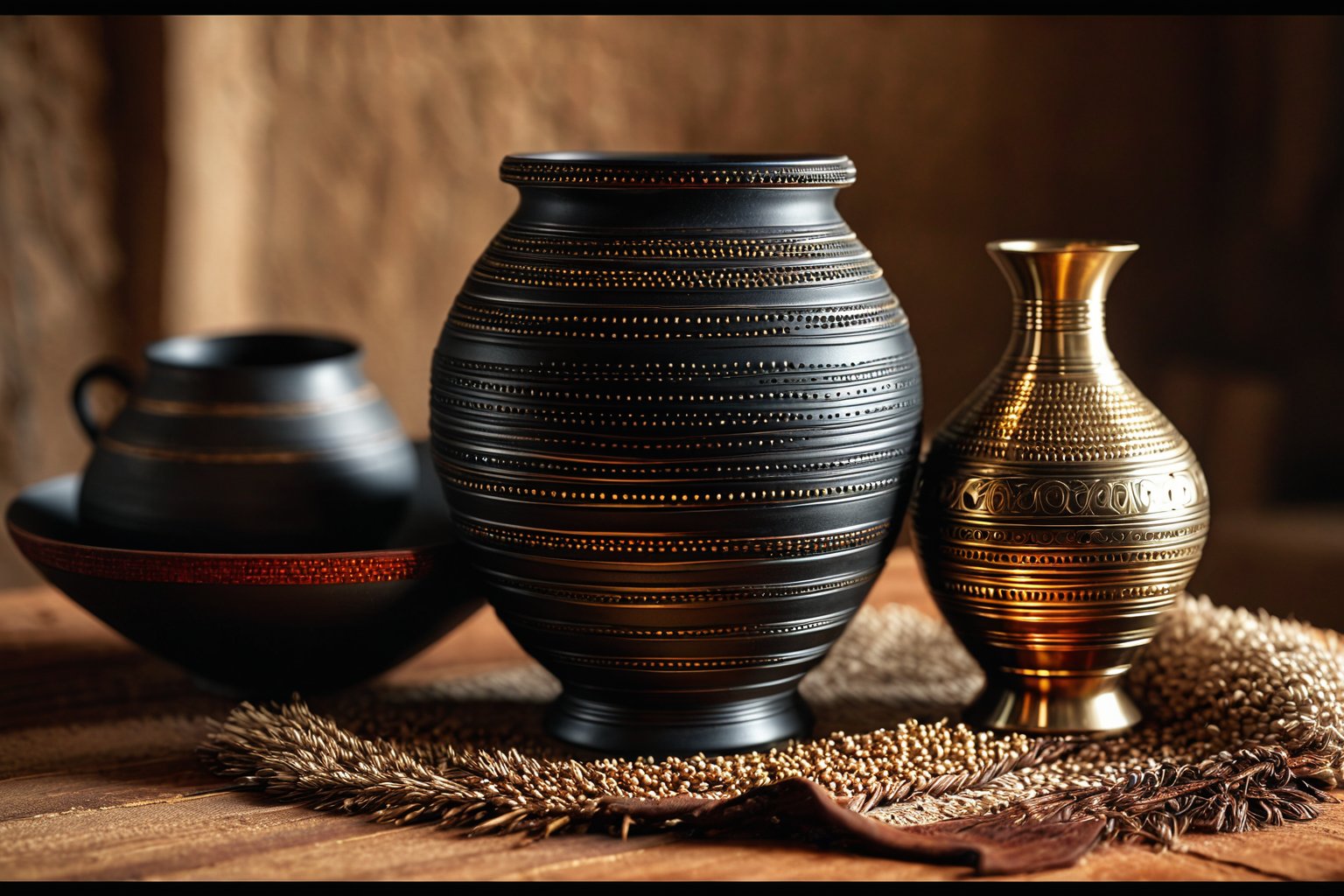
One of the hallmarks of African craftsmanship is the use of natural elements such as wood, clay, leather, and fibres derived from plants. For instance, the use of ebony and mahogany wood in sculpting creates bold, highly detailed figures and masks that carry both cultural symbolism and artistic appeal. Similarly, traditional weaving techniques involve handspun cotton and raffia fibres, producing textiles that boast vivid patterns and textures unmatched by machine-made fabrics.
Traditional methods like dyeing with indigo and mud cloth printing, as practised in West Africa, are integral to achieving the distinctive visual language of African designs. These techniques not only allow artisans to embed cultural narratives into their work but also preserve centuries-old craftsmanship knowledge. The combination of these craft materials and techniques results in designs that are rich in texture, colour, and meaning, inspiring global designers to incorporate these authentic elements into contemporary styles.
In essence, the unique materials and traditional methods used by African artisans are pivotal in shaping a diverse range of design elements. Their craftsmanship continues to influence and elevate global design, highlighting the importance of preserving these invaluable cultural practices.
Key African Craft Traditions Impacting Modern Design
African traditions have long been a wellspring of creativity and innovation, particularly in the realms of textiles and sculpture. These craft practices not only reflect rich cultural narratives but have also profoundly influenced modern design across the globe. In contemporary design sectors, from fashion to interior decor and fine art, distinctive elements drawn from African craft continue to inspire and shape aesthetic trends.
One of the most prominent African craft traditions impacting modern design is textile production. Traditional textiles such as Kente cloth from Ghana, Bogolanfini (mud cloth) from Mali, and the vibrant Ankara fabrics popular throughout West Africa are celebrated for their vivid patterns and symbolic meanings. These textiles are not only crafted with exceptional skill but carry visual stories and cultural identities that resonate with designers today. Modern fashion brands and interior designers often integrate these striking motifs and weaving techniques into contemporary garments, upholstery, and wallpapers, elevating African heritage within global markets.
Sculpture forms another vital area where African craft traditions have made a lasting impact. The artful use of wood, bronze, and terracotta in African sculpture showcases a mastery of form, texture, and symbolism. Iconic styles such as the Benin bronzes and the intricate wooden masks of the Yoruba people illustrate a deep connection between artistic practice and cultural spirituality. These forms have inspired modern sculptors and product designers who incorporate similar abstract shapes, natural materials, and storytelling approaches into their works. The sculptural language developed by African artisans continues to influence contemporary design by encouraging bold use of geometry and organic contours.
Moreover, beyond textiles and sculpture, African craft traditions often incorporate holistic design approaches, blending functionality with aesthetic appeal. This ethos is evident in everyday objects like beadwork, pottery, and basketry, which have informed minimalist design trends and sustainable practices worldwide. Modern design sectors increasingly value this balance of utility and artistry, drawing heavily on African methods that emphasise natural materials and handcrafted quality.
In conclusion, the integration of African traditions into modern design not only enriches the visual vocabulary of contemporary creators but also fosters cultural exchange and respect. The continued relevance of African textiles, sculpture, and broader craft practices is testament to their enduring power to influence design industries globally, ensuring that these traditions thrive and evolve in new and exciting contexts.
African Textiles and Their Global Adaptation
African textiles have long been celebrated for their vibrant colours, intricate patterns, and deep cultural significance. These fabrics, often crafted using traditional methods like weaving, dyeing, and embroidery, serve as more than mere materials; they are storytellers of heritage and identity. This rich visual language has captured the imagination of the global fashion industry, influencing fabric design and inspiring designers worldwide.
The global adaptation of African textiles is evident across both fashion and home décor sectors. Fashion designers frequently integrate iconic patterns such as kente from Ghana, mud cloth from Mali, and ankara prints from West Africa into contemporary clothing lines. By doing so, they celebrate African artistry while appealing to international audiences craving authenticity and unique aesthetic appeal. This fusion also challenges conventional fashion norms by bringing forward diverse narratives and design principles rooted in African culture.
Home décor has similarly embraced African textile patterns, incorporating fabrics into upholstery, cushions, and wall hangings. This trend introduces traditional motifs into modern interiors, creating spaces that are visually striking and culturally enriched. The tactile nature of these textiles, paired with their bold geometric and symbolic designs, adds warmth and character to homes around the world.
In summary, the influence of traditional African textiles transcends borders and industries. Their fabric design techniques and pattern aesthetics have become integral to the global adaptation process, enriching both the fashion industry and interior design with timeless artistry and cultural depth.
Woodcarving and Sculpture in Contemporary Decor
African woodcarving and sculpture have become pivotal influences within modern interior design, offering a unique blend of tradition and contemporary aesthetics. These art forms bring an organic warmth and cultural depth that complement minimalist and eclectic decor styles alike. Crafted with intricate detail, African sculpture pieces often portray stylised human figures, animals, and abstract motifs, which resonate powerfully with today’s appreciation for handcrafted and meaningful design elements.
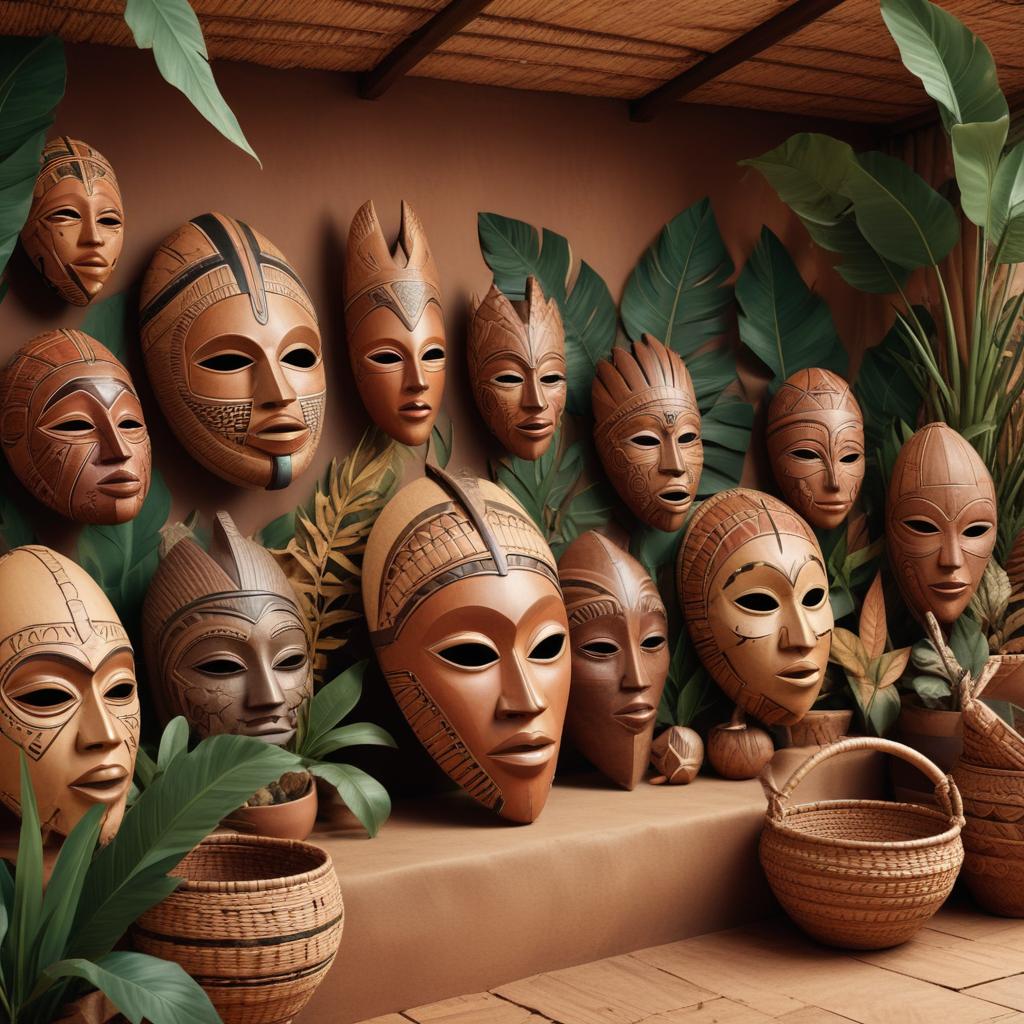
In contemporary decor, woodcarving by African artisans is prized for its texture and craftsmanship, adding a tactile dimension to interiors. Designers frequently incorporate carved wooden panels, masks, or figurines as statement pieces that anchor a room with character and authenticity. These artworks serve not only as decorative objects but also as conversation starters, fostering a connection to the rich cultural narratives behind them.
The versatility of African sculpture enables its integration into various interior design schemes—from sleek, modernist apartments to rustic, bohemian homes. The natural tones of carved wood harmonise well with neutral palettes, while the bold shapes inject an element of visual interest and dynamic form. Moreover, these pieces complement diverse materials such as metal, glass, and textiles, broadening their applicability in modern decor.
Ultimately, the infusion of African woodcarving and sculptural art into interior design trends celebrates global creativity and craftsmanship. It encourages a deeper appreciation for cultural heritage within modern living spaces, elevating the aesthetic experience through meaningful and timeless artistic expression.
The Future of African Crafts in Global Design Innovation
As the world embraces diverse creative expressions, the future trends in global design innovation increasingly spotlight African crafts as a vital source of inspiration and evolution. Traditionally rooted in rich cultural narratives and skilled craftsmanship, African crafts are no longer merely artefacts of the past but dynamic contributors to the ongoing craft evolution that shapes contemporary design landscapes worldwide.
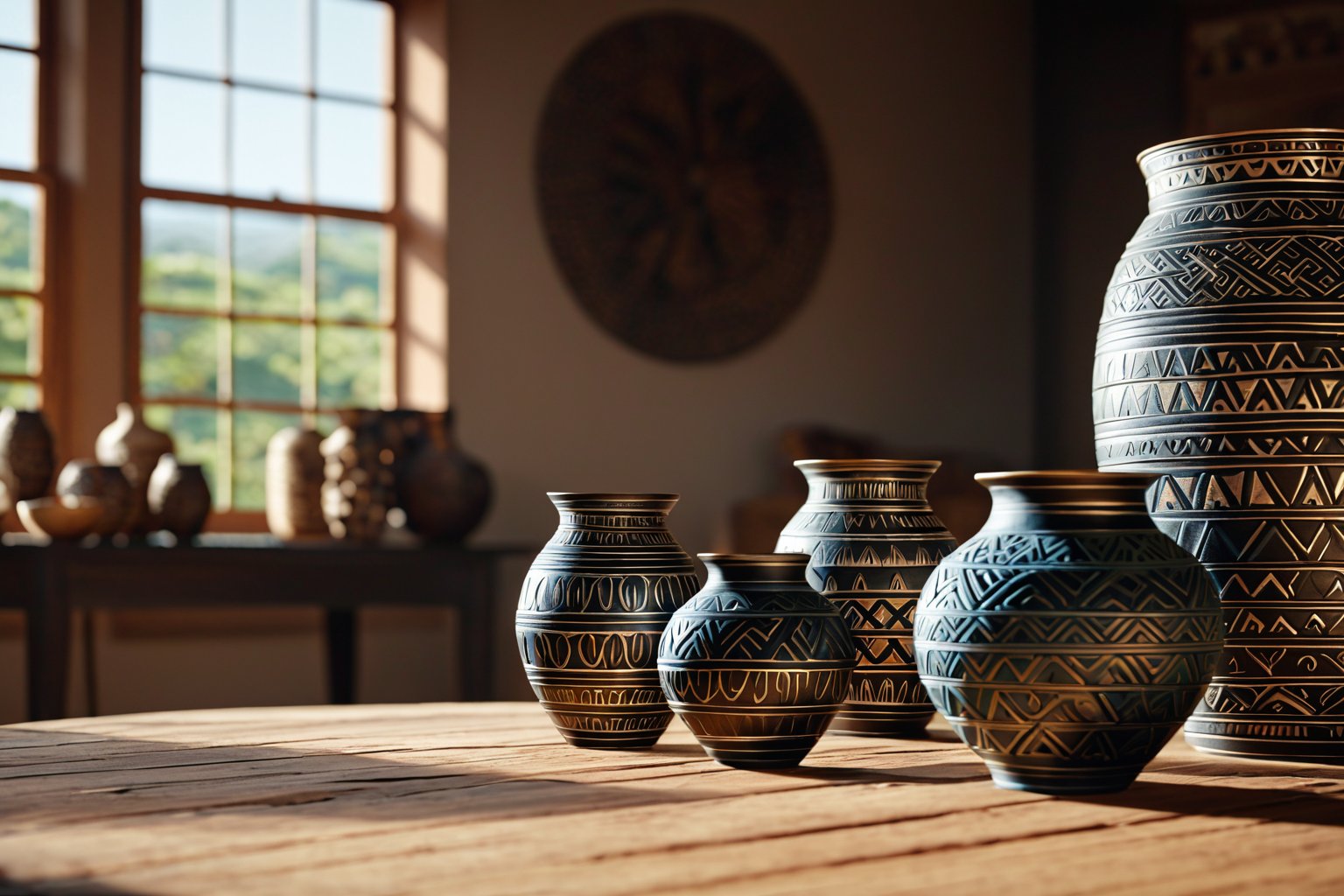
The African influence is evident in the way designers blend traditional techniques with modern technologies, creating novel products that carry authentic stories while meeting contemporary aesthetic and functional demands. This fusion exemplifies a key aspect of design innovation: respecting heritage while pushing creative boundaries. From textiles and ceramics to jewellery and furniture, African craft elements are being reinterpreted in ways that attract international attention and redefine global trends.
Emerging future trends show a growing preference for sustainability and ethical production, areas where African crafts naturally excel due to their use of local materials and age-old environmentally conscious methods. This focus aligns perfectly with the global design community’s increasing emphasis on responsible creation, positioning African artisans at the forefront of this movement. Consequently, these crafts serve not only as aesthetic inspirations but also as blueprints for sustainable innovation.
Moreover, the digital age amplifies the reach of African crafts, enabling designers and consumers worldwide to discover and collaborate with African artisans. This connectivity fosters a collaborative craft evolution, wherein traditional practices are enhanced with innovative design thinking and new production techniques. As a result, African influence on global designs grows deeper and more integrated, contributing to novel product categories and fresh market opportunities.
Looking ahead, we can expect African crafts to play an even more pivotal role in shaping the future trends in design innovation. By harmonising cultural authenticity with cutting-edge creativity, they offer an invaluable asset for global designers seeking unique narratives and sustainable solutions. The synergy between past craftsmanship and future-oriented design promises to redefine how we understand and value design on an international scale, securing the legacy and evolution of African crafts for generations to come.
Sustainability and Ethical Production in African Crafts
In recent years, the global design community has increasingly prioritised sustainability and ethical crafts, aligning perfectly with the centuries-old practices of African artisans. Rooted in traditions that emphasise resourcefulness and reverence for nature, African crafts inherently embody eco-friendly design principles that resonate with contemporary environmental concerns.
African artisans often utilise locally sourced, natural materials such as wood, clay, fibres, and dyes derived from plants. These materials are renewable and biodegradable, ensuring minimal environmental impact compared to mass-produced goods reliant on synthetic components. Moreover, many African craft techniques are manual and low-energy, which significantly reduces the carbon footprint associated with production.
The commitment to ethical crafts is evident in the fair treatment of artisans and the preservation of cultural heritage. Many rural communities depend on craft production for their livelihoods, and projects promoting ethical trade ensure that artisans receive fair wages and work in safe conditions. This ethical focus not only supports economic sustainability but also fosters social empowerment and cultural continuity.
As global consumers become more conscious of environmental and social impact, African crafts offer an authentic alternative that marries aesthetics with responsibility. Designers and brands worldwide increasingly draw inspiration from African eco-friendly design, integrating sustainable materials and ethical production methods into their collections. This trend highlights how African crafts are shaping a more sustainable future for global design.
Collaboration Between African Artisans and International Designers
In recent years, the collaboration between African artisans and international designers has gained significant momentum, creating a dynamic fusion of traditional craftsmanship and contemporary innovation. These design partnerships are not only reshaping the global design landscape but also opening new avenues for cultural exchange and economic empowerment. African artisans, known for their meticulous handwork and use of indigenous materials, bring unique authenticity and creative perspectives to these ventures, enriching global design with their rich heritage.
Current collaborations often involve co-creating collections that highlight African craftsmanship, such as handwoven textiles, beadwork, and pottery, adapted for international markets. These partnerships serve to elevate African crafts beyond conventional categorisations, positioning them as central elements in luxury and sustainable design movements worldwide. By working directly with African craft makers, international designers gain fresh inspiration while ensuring ethical sourcing and fair remuneration for local communities.
Looking ahead, there is a growing emphasis on fostering long-term, equitable partnerships that nurture skills transfer and innovation. Emerging technologies and digital platforms promise to bridge geographical divides, allowing African artisans to collaborate more seamlessly with global design teams. These evolving collaborations are poised to influence future design trends profoundly, merging heritage with modernity and solidifying African crafts as pivotal contributors to global design narratives.

I’m fascinated by the vibrant intersection of contemporary fashion and traditional African craftsmanship. I spend my free time exploring markets, learning about textile techniques, and sharing the stories behind each piece with our readers.