
Introduction to Hand-Dyed African Fabrics
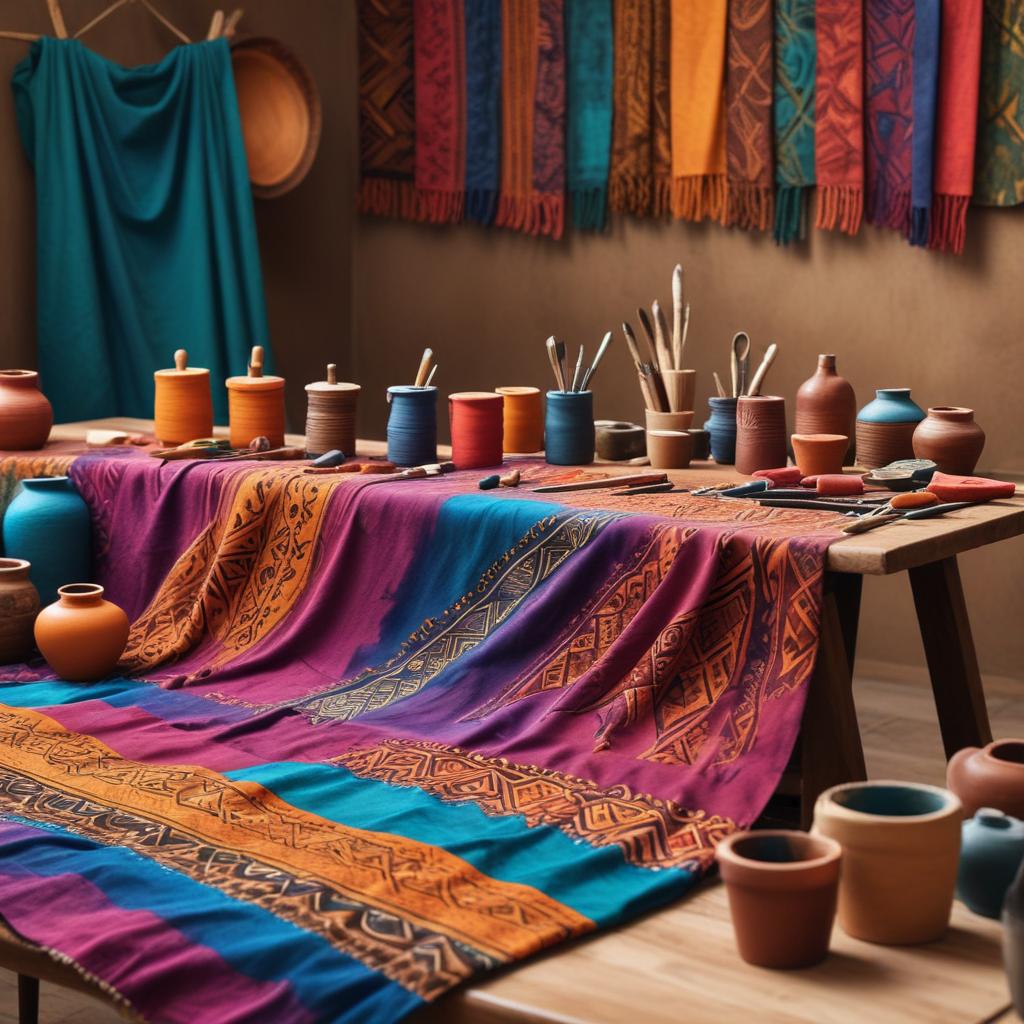
Hand-dyed African fabrics stand as a lively reflection of the continent’s deep cultural heritage and artistic traditions. For centuries, these traditional textile art forms have been interwoven into the histories and everyday experiences of numerous African communities. The exquisite beauty of these fabrics arises from a blend of age-old African dyeing methods and the craftsmanship of artisans who infuse each piece with vitality. In contrast to mass-manufactured textiles, hand-dyed fabrics possess a distinctive narrative and cultural importance encapsulated in every hue and design.
The art of crafting hand-dyed fabrics in Africa has strong connections to ancestral knowledge. Every area showcases unique techniques and designs that embody regional traditions, values, and the surrounding landscape. For instance, indigo, a natural dye sourced from plants, serves as a fundamental element in numerous West African textiles. This indigo is meticulously processed and used through resist dyeing techniques like tie-dye or batik. Such methods demand skill and perseverance, highlighting the artisan’s reverence for heritage and their community’s culture.
African fabrics represent much more than simple adornment; they embody symbols of identity, status, and storytelling. The hues, designs, and textures present in hand-dyed African textiles frequently express information regarding the wearer’s social position, marital state, or even significant historical occurrences. This deep symbolism turns each fabric into a vibrant repository of cultural stories that have been handed down over generations. Additionally, these textiles are crucial in ceremonies, festivals, and rites of passage, establishing them as a fundamental aspect of community life.
In these hand-dyed textiles, the fusion of artistry and tradition creates value that extends beyond mere visual allure to encompass cultural significance. African fabrics embody embodies the essence of innovation and resilience, safeguarding age-old methods while influencing modern fashion and design. By recognising the intricate craftsmanship and cultural relevance of hand-dyed African textiles, one develops a richer appreciation of Africa’s artistic legacy and the lasting importance of traditional fabric art in the contemporary landscape.
Historical Background
The narrative of African fabrics is closely linked to the continent’s vibrant cultural legacy, highlighting a long-standing tradition of hand-dyed textiles that spans centuries. The origins of hand-dyed fabrics in Africa can be traced to indigenous groups who created complex dyeing methods using natural resources like indigo, kola nuts, and assorted plant extracts. These age-old dyeing practices were not merely a means of artistic expression; they also held important social and symbolic roles within African communities.
Among the oldest and most celebrated practices is the indigo dyeing heritage that thrived in West Africa. Groups such as the Yoruba in Nigeria perfected a technique known as adire, which employs resist dyeing with starch and the tying or stitching of fabric to form intricate designs. Likewise, in Mali, the Bogolanfini or mud cloth method utilises fermented mud to apply meaningful patterns onto cotton fabric, representing the identity and status of the wearer.
Over the years, hand-dyed African textiles have transformed through interactions with trade routes and cultural exchanges both within the continent and beyond. The impact of Arab merchants and subsequently Europeans brought new resources and concepts, but African craftsmen maintained their unique techniques, modifying them while safeguarding the cultural importance of their fabrics. In the present day, these textiles embody not just artistic skill but also a profound link to Africa’s historical and cultural legacy, honoured in modern fashion and art globally.
Common Dyeing Techniques
Hand-dyed African fabrics are admired not just for their vivid hues but also for the deep-rooted traditions of dyeing techniques that have been inherited over generations. Some of the most famous methods include tie-dye, batik, and adire, each showcasing unique features that enhance the distinctive beauty of African textiles.
Tie-dye involves tying, folding, or twisting fabric before immersing it in dye. The sections secured by ties repel the dye, resulting in eye-catching patterns of differing hues when the ties are taken off. This method is commonly used in West Africa and is valued for its vibrant, geometric designs that frequently hold cultural importance.
Batik, conversely, entails the application of hot wax onto the fabric in particular patterns prior to dyeing. This wax acts as a barrier to the dye, enabling artisans to craft elaborate, intricate designs that can feature a variety of colours through several dyeing processes. Batik is well-regarded in numerous African areas and is celebrated for its fine artistry and meticulousness.
Adire is a time-honoured fabric dyeing technique from Nigeria, rooted in Yoruba tradition. It employs a resist-dyeing method akin to tie-dye, yet frequently integrates stitching, embroidery, or stencilling to form intricate designs prior to dyeing with indigo. This process yields stunning blue and white textiles adorned with symbols and motifs that convey cultural narratives and values.
Every one of these fabric dyeing techniques showcases the artistry and cultural traditions inherent in African textiles, enhancing their timeless beauty and global allure.
Artistic and Cultural Significance
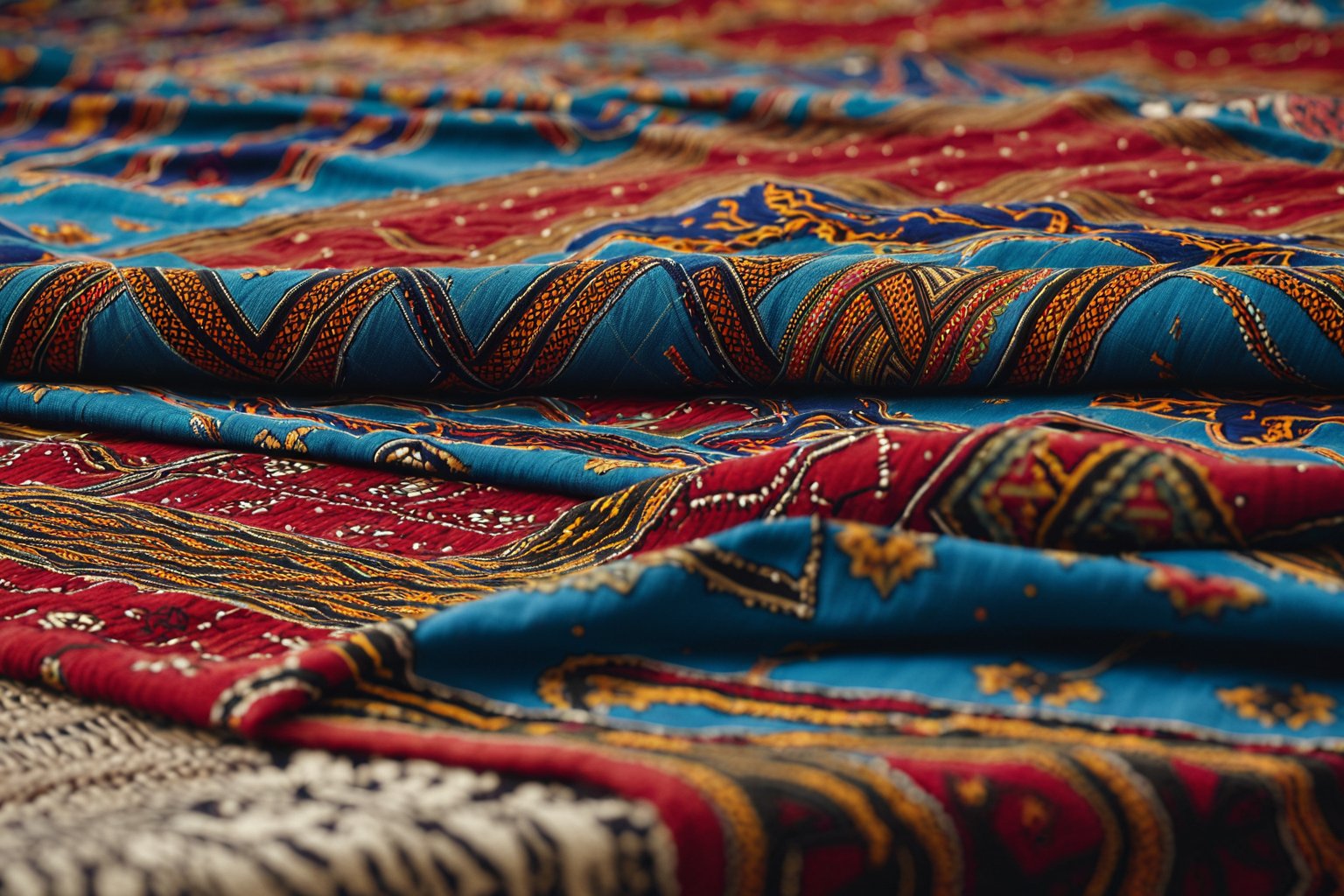
Hand-dyed African textiles possess significant artistic worth that goes beyond simple ornamentation. These fabrics are renowned not only for their vivid hues and complex patterns but also for the profound cultural meanings they embody. Each item reflects centuries of heritage, serving as a medium for artistic expression that showcases the rich traditions of African societies. The designs interwoven or dyed into the fabric are not merely visual selections; they are symbolic textiles that narrate stories, convey beliefs, and represent social identities through each motif.
The craftsmanship of hand-dyed African textiles is apparent in the deliberate selection of colours and patterns that convey particular significances. For example, unique African motifs typically symbolise ideas like fertility, prosperity, spirituality, or unity. These patterns serve as a form of visual communication, allowing both wearers and observers to interpret the cultural narratives woven into the fabric. The dyes employed often originate from natural materials, enhancing the intrinsic connection between the fabric and its cultural heritage.
In addition to their visual allure, these emblematic textiles are vital in the art of storytelling. They act as physical narratives that convey the history, principles, and dreams of those who produce and don them, similarly to how current fashion trends influences daily fashion. In numerous African communities, the selection of fabrics for ceremonies, rites of passage, and everyday activities is rich with significance, essentially transforming the textiles into wearable tales. Whether commemorating an achievement or paying tribute to forebears, the designs express identity and collective ties, rendering the fabric a dynamic component of cultural heritage.
Furthermore, the cultural significance of hand-dyed African fabrics nurtures a profound sense of identity. For both individuals and communities, these textiles represent pride and strength, safeguarding and passing down traditions across generations. Donning or using these fabrics links individuals to their heritage and reinforces their role within a wider cultural narrative. This complex relationship between artistic expression and cultural meaning guarantees that hand-dyed African fabrics continue to serve as impactful symbols of identity and shared history.
Symbolism of Patterns and Colours
African fabric symbolism is profoundly embedded in the utilisation of symbolic designs and colour significance, which collectively express intricate messages regarding identity, status, and cultural beliefs. In numerous African societies, the selection of patterns is anything but random; it acts as a visual language that conveys social hierarchy, historical stories, and spiritual principles. For instance, the Adinkra symbols from Ghana are abundant in symbolic designs that embody values like courage, wisdom, and unity. These motifs are not merely ornamental but also function as a vehicle for storytelling and moral teaching.
The significance of colour is crucial in hand-dyed African textiles. Certain shades frequently embody unique meanings that vary across different regions and ethnic groups. Red is typically linked to energy, existence, and occasionally peril or sacrifice, whereas blue often represents tranquility, affection, and unity. In Yoruba tradition, indigo stands out as a key colour that represents prosperity and spiritual safeguarding. The intentional selection of these colours connects the wearer’s clothing to specific cultural beliefs or social functions, highlighting events like initiation ceremonies, nuptials, or chieftaincy.
The combination of designs and hues creates textiles that are not just decorative but also carry significance. This complex network of symbolism in African fabrics enhances the textile heritage, enabling these materials to convey messages silently through the ages. In the end, grasping the meanings behind the designs and colours sheds light on the deep cultural legacy captured in every hand-dyed fabric, showcasing how textiles function as a dynamic representation of the values and histories of African communities.
Role in Contemporary Fashion
Hand-dyed African textiles have established a notable presence in contemporary fashion, owing to their vibrant hues, detailed patterns, and cultural depth. Designers worldwide are progressively inspired by these fabrics, recognising how their age-old techniques enhance modern styles. The impact of African design can be seen on runways from Paris to New York, where contemporary fashion incorporates the striking narratives and expressive elements found in hand-dyed materials.
A significant trend is the use of these fabrics to craft distinctive, eye-catching pieces that merge tradition with modernity. Designers weave hand-dyed textures into a range of items, from high-end couture gowns to relaxed streetwear, honouring the genuine and artisanal quality that mass-produced textiles frequently miss. This fusion not only enhances each piece but also promotes African cultural identity in the worldwide market.
In addition, trends in hand-dyed fabrics showcase an increasing interest in sustainable and ethically sourced materials. The artisanal methods involved in creating these fabrics resonate with consumers who value authenticity and transparency in their fashion selections. Consequently, numerous brands are now partnering directly with artisans from Africa, promoting economic empowerment and safeguarding traditional dyeing practices.
To summarise, hand-dyed African textiles serve as more than just ornamental pieces; they actively shape trends in global fashion. By integrating contemporary styles with African design elements, they connect different cultures and promote a more vibrant and varied textile environment that celebrates artistry and skill.
Caring for and Using Hand-Dyed African Fabrics
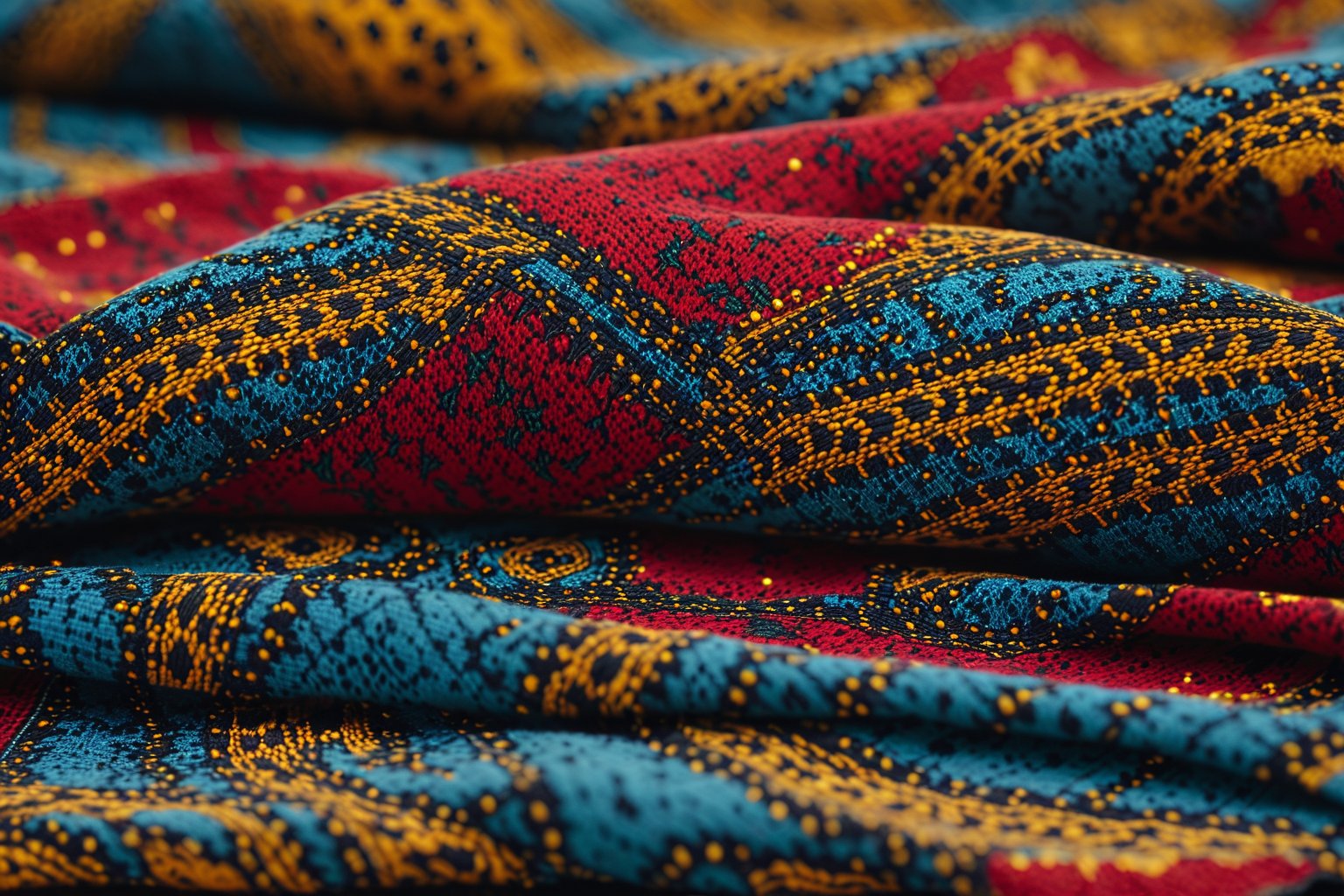
Hand-dyed African fabrics are highly valued for their striking hues and distinctive designs, rendering them a remarkable enhancement to any wardrobe or home décor. To keep these exquisite textiles in excellent condition and retain their vibrancy over time, appropriate fabric care is crucial. Grasping the ideal methods for cleaning hand-dyed fabrics and managing the use of African textiles can aid in safeguarding their unique attributes for many years ahead.
When cleaning hand-dyed African textiles, it is crucial to steer clear of strong chemicals and detergents that may remove the fabric’s hues. Opt for gentle, colour-safe detergents formulated for delicate materials. Always perform a test on a small, inconspicuous area first to ensure colourfastness. Hand washing is generally better than machine washing, as it is more gentle and lessens the likelihood of harming the fibres and dyes.
To hand wash these fabrics, begin by filling a basin with cold or lukewarm water and fully dissolve the detergent. Immerse the fabric and gently stir it without wringing or scrubbing. Allow it to soak for several minutes, then rinse thoroughly with cold water until the water is clear. Steer clear of hot water, as it may lead to colour fading or bleeding. Once washed, lay the fabric flat on a clean towel and roll it up to extract excess moisture before air drying in a shaded spot. Sunlight can diminish the bright colours, so it’s preferable to dry indoors or in a covered area.
When it comes to the use of African textiles, it is important to refrain from subjecting hand-dyed fabrics to severe conditions like intense friction or rough surfaces, as these can damage the fibres and fade the colours. For storage, ensure these fabrics are kept in a cool, dry environment, shielded from direct sunlight. Additionally, it is recommended to store them folded instead of hanging, to avoid any unnecessary stretching or distortion of the fabric.
Maintaining the vibrancy of hand-dyed fabrics is crucial, so incorporating salt or vinegar during the first rinse may assist in fixing the dye, though this varies with the fabric and dye used. Always adhere to any particular guidelines from the fabric manufacturer or retailer. Frequently airing out the fabrics without excessive washing can also contribute to preserving their freshness and bright colours.
By adhering to these fabric care guidelines, you can appreciate the complete splendour of your hand-dyed African textiles for an extended period. Dedicating time to wash hand-dyed materials correctly and using them with care boosts their durability and maintains their unique colours vibrant and radiant.
Washing and Maintenance Tips
Hand-dyed African textiles need meticulous washing to maintain their vivid colours and detailed patterns as time goes by. To safeguard the allure of these fabrics, it is crucial to employ gentle cleaning techniques that shield both the fabric and the dye.
Start by gently hand washing the fabric in cold water, steering clear of hot water as it may lead to colour bleeding or fading. Opt for a mild, colour-safe detergent free from bleach or harsh chemicals. Refrain from machine washing, as it can be overly abrasive and might harm the fibres or distort the patterns.
When cleaning, softly move the fabric with your hands to dislodge dirt. Avoid wringing or twisting the cloth, as this may damage the fibres and compromise the detailing. Rinse well with cold water to eliminate any soap residue. For tough stains, soak for a short time in a blend of water and gentle detergent, but do not leave the fabric immersed for long durations.
Air the fabric in a shaded area, steering clear of direct sunlight as it may lead to premature fading of colours. Position the material flat on a clean towel or hang it loosely to maintain its shape. Appropriate storage is crucial too: store hand-dyed fabrics in a cool, dry environment, away from direct light and humidity. Enveloping the fabric in acid-free tissue paper or breathable cotton bags will assist in shielding it from dust and environmental harm.
By adhering to these fabric washing and gentle cleaning suggestions, you can maintain the vibrancy and longevity of your hand-dyed African fabrics for numerous years. Preserving colour begins with careful handling and consideration of details.
Incorporating Fabrics into Everyday Use
Hand-dyed African textiles provide a lively and distinctive approach to enhance your home furnishings, fashion items, and daily attire. A straightforward method to incorporate these fabrics into your routine is by weaving them into your clothing collection. For instance, consider utilising hand-dyed fabric to fashion scarves, headwraps, or fashionable belts that introduce a splash of colour and cultural charm to any ensemble. These accessories not only enhance a range of styles but also honour the craftsmanship inherent in each hand-made item.
In terms of attire, think about bespoke items like dresses, shirts, or skirts crafted from hand-dyed African textiles. The elaborate designs and vibrant colours serve as stunning statements suitable for both relaxed and formal events. Furthermore, pairing these fabrics with more subdued pieces can result in a harmonious yet impressive appearance that highlights the artistry of traditional dyeing methods.
In addition to fashion, hand-dyed fabrics are excellent for enhancing home décor. Utilise them as cushion covers, table runners, or even as framed wall art to add texture and narrative to your living areas. These textiles infuse warmth and character into spaces, showcasing vibrant cultural legacies through their unique patterns. Using hand-dyed fabrics in upholstery or lampshades can also revitalise your interiors with a nuanced yet artistic flair.
In the end, the charm of hand-dyed African fabrics is found in their adaptability. Be it in fashion accessories, garments, or home furnishings, these materials offer endless creative possibilities to honour tradition while infusing style and individuality into daily living.

I’m fascinated by the vibrant intersection of contemporary fashion and traditional African craftsmanship. I spend my free time exploring markets, learning about textile techniques, and sharing the stories behind each piece with our readers.