
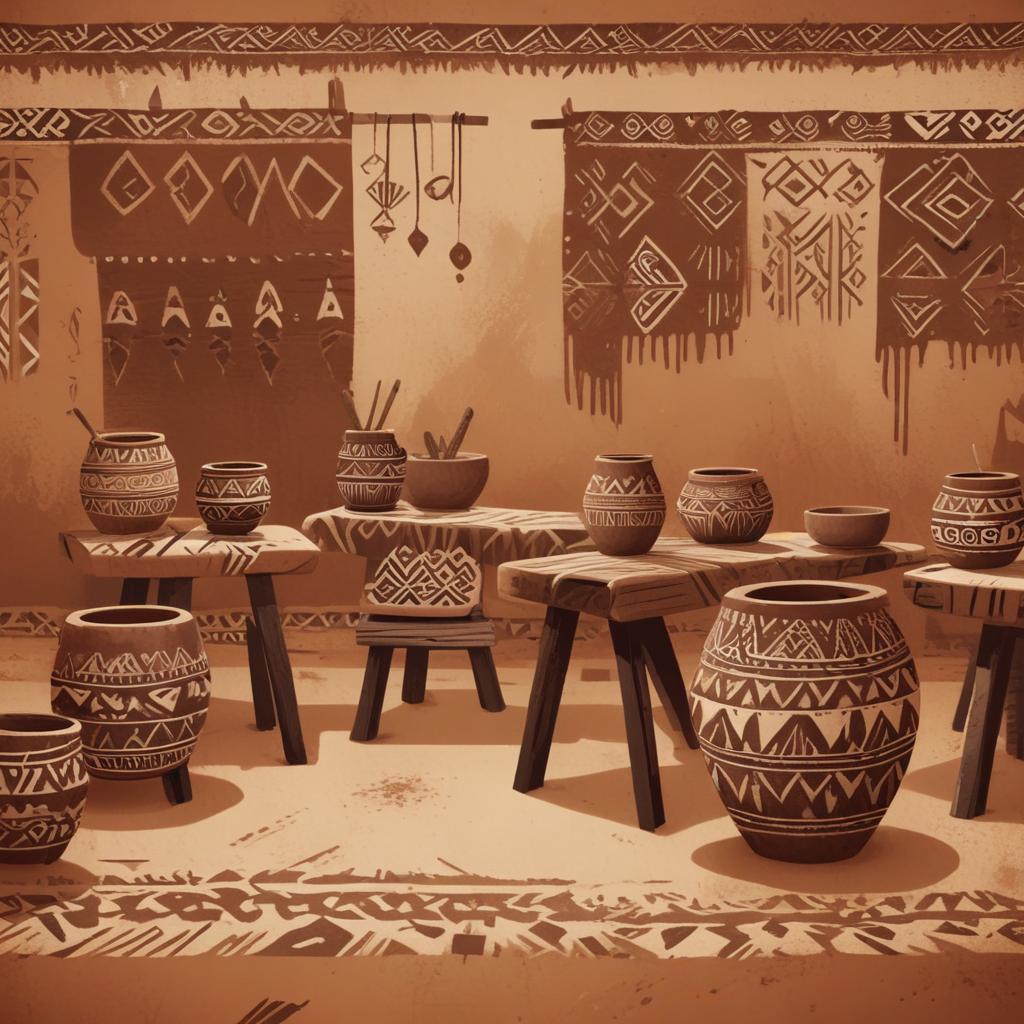
Origins and Historical Significance of Traditional Mudcloth
The history of mudcloth is closely linked to the legacy of West African culture, particularly within the Bamana community of Mali. Referred to as Bògòlanfini in local terms, this traditional textile is a unique fabric that embodies centuries of cultural significance and narratives. More than merely a textile, it serves as a lively emblem of identity, social standing, and ancestral wisdom.
The history of Bògòlanfini extends back several centuries to the Bamana people, who created this distinctive fabric as a means of artistic expression and functionality. Traditionally, mudcloth was made by hand through a detailed process that included applying boiled mud onto handwoven cotton. The patterns were not just for aesthetics; each design carried symbolic meaning, frequently reflecting messages about the wearer’s social position, heritage, and accomplishments.
Historical documentation and oral narratives indicate that mudcloth was essential in ritualistic and ceremonial activities. It was donned during significant occasions such as rites of passage, weddings, and hunting events, thereby weaving the textile into the essence of community life. For the Bamana community, the designs produced were associated with age-old legends and spiritual convictions, functioning both as protective charms and vessels of ancestral wisdom.
Additionally, the history of mudcloth highlights the wider significance of traditional African textiles, renowned for their artistry and cultural meaning. Mudcloth is notable for its unique production technique and its capacity to express complex cultural stories through fabric. The craft of mudcloth making has been handed down through the ages, safeguarding not just artistic techniques but also the cultural legacy of West Africa.
To conclude, the origins of Bògòlanfini showcase a textile that is profoundly embedded in the lifestyle of West Africa, reflecting the essence and heritage of the Bamana community. Its ongoing relevance and admiration today underscore the significance of traditional African textiles as a vibrant art form that bridges the gap between history and contemporary existence through the medium of thread and mud.
Cultural and Symbolic Meanings
Mudcloth symbols hold profound cultural importance, unearthing intricate tales and customs within African societies. Every hue and design is thoughtfully selected, acting as a visual dialect that communicates particular meanings tied to heritage, values, and societal rank. These patterns frequently symbolise aspects of the natural world, sayings, or the wisdom of ancestors, transforming the textile into more than mere decoration; it becomes a storytelling vessel inherited through the ages.
The hues found in mudcloth hold significant symbolism. Traditionally, natural dyes produce earthy tones—like black, white, and ochre—each linked to specific cultural meanings. Black typically represents protection and spiritual strength, while white may indicate purity and happiness. Ochre and similar brown shades embody the earth, connecting the wearer to their ancestry. These colours enrich the elaborate mudcloth motifs, amplifying the narrative element intricately woven into the fabric.
In addition to their narrative qualities, mudcloth patterns act as indicators of social standing and identity among groups. Certain designs may be designated for specific rituals or donned by people of distinct rank, emphasising the individual’s position or accomplishments. This intricate symbolism guarantees that mudcloth operates as a dynamic record of cultural identity, linking personal stories with the broader social context. Exploring African textile meanings via mudcloth provides important insights into the interplay between art and history in traditional communities.
Evolution Over Time
The transformation of mudcloth throughout the ages clearly demonstrates the textile’s progression from its beginnings to modern times. Historically, mudcloth was produced through native techniques and natural dyes, firmly embedded in the cultural and symbolic narratives of West African societies. Nevertheless, with the expansion of trade routes and the onset of colonisation, these age-old methods started to blend with emerging influences, materials, and market needs.
Trade brought in fresh fabrics and dyes, which occasionally took the place of or added to the traditional materials. Colonisation also played a role in the evolution of mudcloth by bringing in Western textile manufacturing techniques and changing local economies. These factors disturbed and transformed the craft, prompting adaptation while occasionally endangering the conservation of traditional methods. In spite of these obstacles, artisans continued to uphold many of the original symbols and techniques, respecting the cultural importance woven into the cloth.
In recent years, the shift from traditional to modern interpretations of mudcloth has accelerated in global fashion. Modern designers have taken to mudcloth for its distinctive textures and rich motifs, merging classic patterns with current styles and manufacturing methods. This modern allure has broadened mudcloth’s influence beyond its West African origins, evolving it from a solely cultural textile into a worldwide fashion phenomenon. As a result, the adaptation of this textile persists, maintaining a respect for its heritage while embracing innovative transformations.
The narrative of mudcloth’s development showcases a vibrant interaction between maintaining tradition and embracing change, rooted in centuries of heritage yet evolving to meet contemporary preferences and market needs. This continual evolution ensures the craft remains vibrant and pertinent in a world that is constantly shifting.
The Crafting Process of Traditional Mudcloth
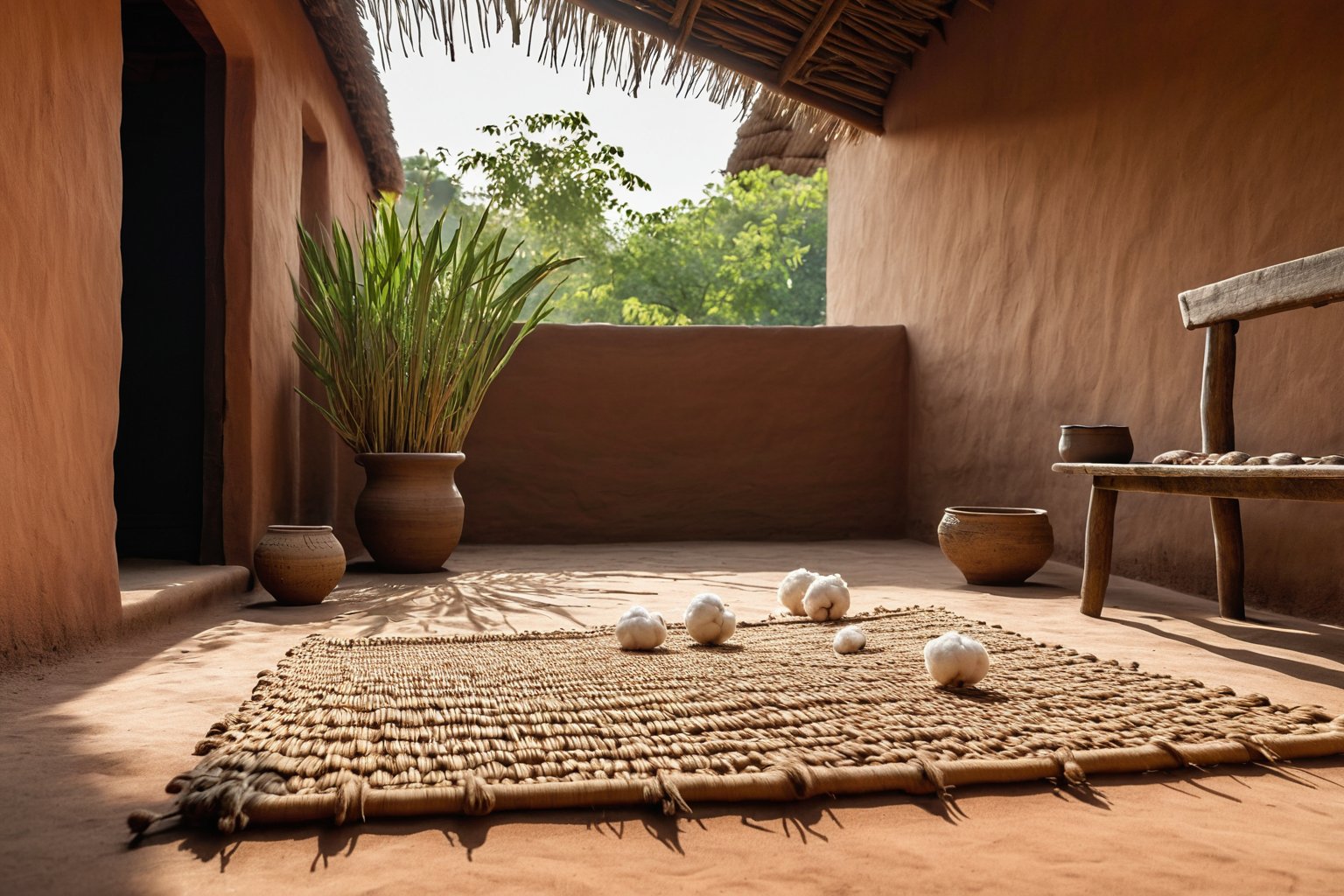
The process of making traditional mudcloth, referred to as Bògòlanfini, is an intricate and culturally significant art form. It consists of multiple phases, starting with the weaving of cotton and finishing with the distinctive dyeing method using mud that imparts the fabric its unique designs and hues.
- Harvesting and Spinning Cotton: The process starts with the harvesting of cotton, which is then meticulously hand-spun into threads. This step is essential as the quality of the cotton thread affects the final texture and durability of the mudcloth.
- Weaving the Cotton Fabric: Skilled artisans weave the spun cotton threads into long strips of cloth using traditional looms. The weaving is typically done in narrow panels, which are later stitched together to form larger pieces.
- Preparing the Cloth for Dyeing: Once woven, the cloth strips are washed thoroughly to remove impurities. This cleansing process prepares the fabric to better absorb the dyes and ensures the longevity of the patterns.
- Sketching the Patterns: Using charcoal or other natural pigments, artisans sketch the desired designs onto the fabric. These motifs are often symbolic and passed down through generations, reflecting the heritage and stories integral to mudcloth making process.
- First Dyeing with Yellow Dye: The cloth is soaked in a yellow dye derived from natural leaves to provide a base colour. After soaking, the fabric is dried in the sun, enabling it to absorb the dye evenly.
- Applying Fermented Mud: This step characterises the distinctive mudcloth dyeing method. Artisans apply a fermented mud paste, rich in iron oxide, onto the yellowed fabric following the drawn patterns. The mud oxidises and reacts with the dye, producing dark brown to black markings.
- Fixing the Patterns: After the mud application, the fabric is left to dry thoroughly. The drying process is crucial as it allows the mud to set and the patterns to develop their rich, iconic contrast.
- Washing and Final Treatment: The cloth is washed to remove excess mud, revealing the permanent contrast between the yellow base and dark mud patterns. The fabric is then sun-dried once more to finalise the colours and prepare it for use.
The intricate process of crafting mudcloth demands skill and perseverance. By combining Bògòlanfini methods with mudcloth dyeing, the resulting fabrics are not just aesthetically impressive but also profoundly tied to cultural narratives and heritage.
Materials and Tools Used
The production of genuine mudcloth is fundamentally based on traditional materials that are both natural and sourced locally. At the heart of this process is cotton fabric, which acts as the foundation for the textile. This cotton is often handwoven by talented craftsmen, providing an organic texture that enhances the distinctive patterns created during the dyeing phase. The quality and density of the weave are vital, as they influence the adherence of the natural dyes and the clarity of the final designs.
Natural dyes constitute an essential part of mudcloth fabrics. These dyes are obtained from native plants, leaves, roots, and soil sourced from particular areas. For example, the deep colouration is frequently produced using a unique type of clay-laden soil that possesses antibacterial qualities, aiding the fabric in acquiring its distinct earthy hues. Additional shades are sourced from botanical materials like leaves or bark, fostering a strong link to the land and surroundings.
The instruments involved in the creation of mudcloth are both time-honoured and uncomplicated. Wooden stamps or hand-carved sticks are used to apply patterns onto the cotton material. Additionally, farmers’ hoes or bamboo strips can be employed to etch complex designs. These tools, paired with adept hand-painting methods, enable artisans to craft the symbolic and geometric motifs that characterise each piece of mudcloth.
In summary, the focus on natural, local, and sustainable mudcloth materials and tools not only safeguards cultural heritage but also produces textiles that are genuinely historical and environmentally conscious.
Techniques and Pattern Creation
The making of traditional mudcloth is an intricate process that depends on time-honoured techniques passed down through the ages. Craftspeople start with cotton fabric that is hand-woven, which is then dyed using a natural dye sourced from fermented mud. This mud, abundant in iron and various minerals, is meticulously prepared over a number of days to reach the ideal consistency and colour depth. The fabric is immersed in this fermented mud dye, resulting in a rich, earthy hue that forms the foundational colour of the cloth.
After the first dyeing process, the creation of patterns begins with meticulous hand-painting and stamping techniques. Expert artisans utilise carved wooden stamps or freehand illustrations to transfer designs onto the fabric. These patterns frequently hold symbolic significance, conveying narratives, sayings, or cultural identities. Every shape and line is deliberately positioned, showcasing a distinctive design language unique to the artisan’s community.
To achieve contrasts, the fabric is dyed in varying lighter and darker tones using fermented mud dye and bleaching methods. After each dyeing process, the cloth is washed to set the colours and highlight the intricate relationship between the treated and untreated areas. This layering technique produces the unique geometric and abstract motifs characteristic of genuine mudcloth. In the end, these elaborate designs embody not just visual allure but also the skill inherent in traditional mudcloth craftsmanship.
Contemporary Use and Global Impact of Mudcloth
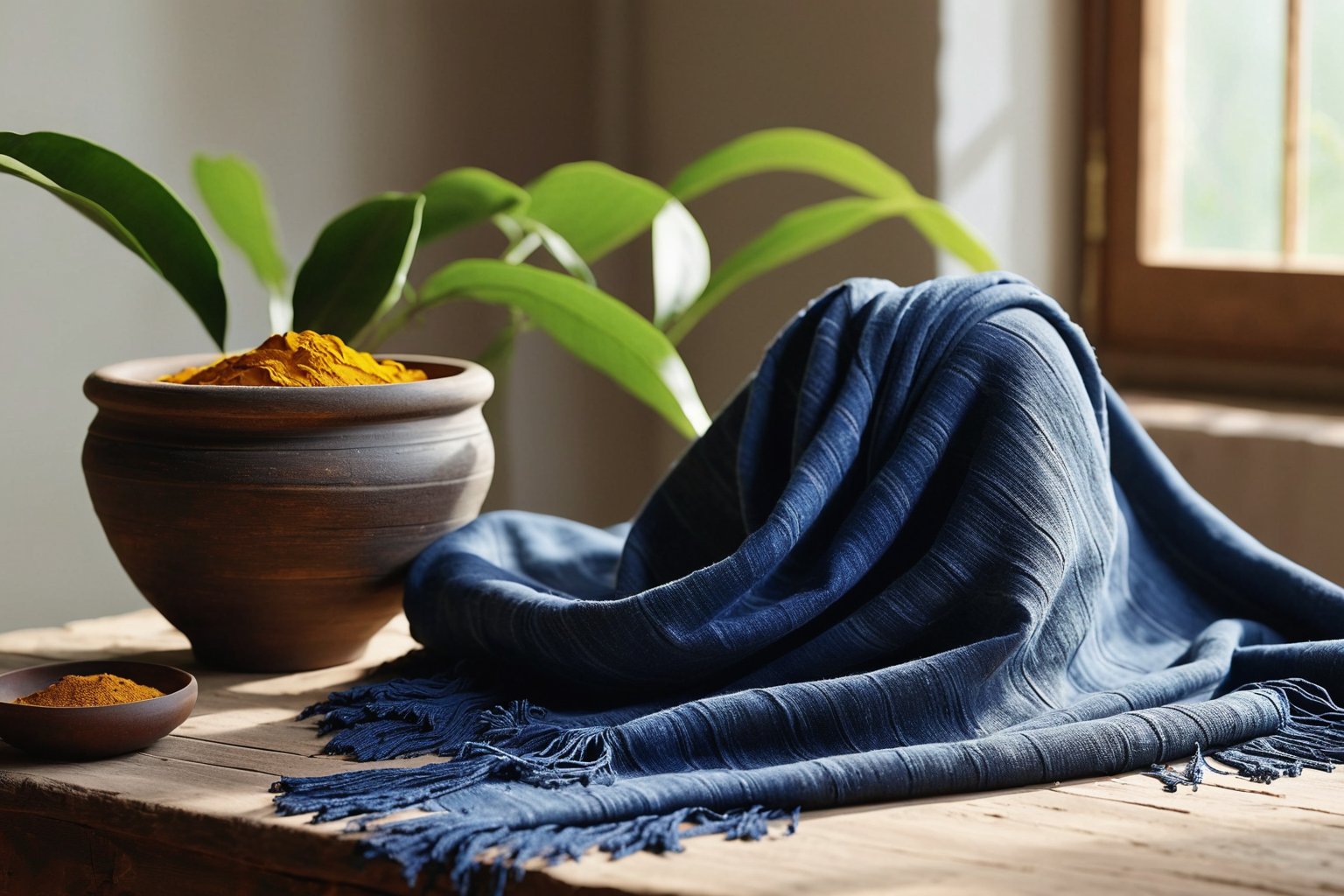
In recent times, traditional mudcloth has evolved from its roots to emerge as a vital component in contemporary mudcloth fashion and international interior design. Creatives and craftsmen across the globe have adopted this heritage textile, weaving its unique patterns and textures into modern apparel, accessories, and home furnishings. The allure stems not only from mudcloth’s captivating visual appeal but also from its deep cultural story, offering a genuine and significant alternative to mass-manufactured fabrics. Consequently, mudcloth has risen in status as a representation of global textile impact, altering views on African artistry and fostering intercultural innovation.
A key factor contributing to this rising popularity is the heightened consumer interest in sustainable textiles. Mudcloth is dyed naturally with organic substances and crafted by hand using eco-friendly practices, which makes it particularly appealing to markets focused on sustainability. In contrast to synthetic fabrics, the production of mudcloth upholds traditional, low-impact techniques that minimise chemical use and waste. This environmentally friendly characteristic positions mudcloth within the broader trend towards ethical fashion and interior design, prompting consumers to reflect on the origins and ecological consequences of their acquisitions.
Nonetheless, the worldwide popularity of mudcloth has initiated important discussions regarding cultural appreciation in contrast to appropriation. Although numerous individuals appreciate mudcloth patterns with reverence and admiration, issues emerge when aspects of this craft are utilised without recognising or rewarding the communities from which they originate. Genuine Tusana mudcloth, for instance, encompasses complex knowledge and symbolism that has been handed down through generations, and reproducing it without context can diminish the fabric’s meaning.
In response to these issues, numerous fashion labels and homeware brands are partnering directly with artisans from Mali, ensuring a just exchange that respects traditional craftsmanship and supports local economies. These collaborations facilitate a thoughtful incorporation of mudcloth into modern fashion and interiors, preserving cultural heritage while aligning it with contemporary preferences. Additionally, educational programmes and narratives surrounding the history of mudcloth enhance global consumer awareness, promoting mindful consumption and genuine appreciation over superficial trend adoption.
In conclusion, the modern application of mudcloth exemplifies how traditional textiles can shape global design trends while fostering sustainability and cultural appreciation. As the fashion landscape featuring mudcloth evolves, it remains a testament to the significance of backing artisanal craftsmanship, safeguarding heritage, and adopting sustainable materials in a world that is progressively prioritising ethical and conscious design approaches.
Mudcloth in Modern Fashion and Design
Mudcloth fashion has transformed from its traditional origins to play a vital role in current textile trends. This design, inspired by African culture and recognised for its distinctive geometric patterns and natural hues, has attracted a fresh audience in today’s clothing collections, accessories, and home décor items. Creatives worldwide are adopting mudcloth not just for its visual charm but also for its rich cultural background and skilled craftsmanship.
In fashion, mudcloth is frequently reinvented in chic jackets, skirts, and dresses, blending traditional hand-dyed materials with contemporary shapes. Items like bags, scarves, and shoes feature mudcloth designs, introducing a distinctive texture and narrative to daily wear. The natural, artisanal nature attracts shoppers looking for genuine and sustainable fashion choices.
Home furnishings have experienced a notable increase in the incorporation of mudcloth patterns. From cushions and furniture coverings to wall art and carpets, this textile movement infuses warmth and cultural depth into living spaces. The earthy, subdued tones of mudcloth harmonise effortlessly with both traditional and contemporary décor styles, establishing it as a flexible option for both designers and homeowners.
The cooperation between African artisans and global designers has significantly raised the profile of mudcloth on the world stage. These alliances help safeguard traditional techniques while modernising the craft for today’s markets, promoting sustainability and cultural dialogue. Such partnerships emphasise mudcloth’s capacity to serve as a classic component in the wider landscape of textile trends and fashion advancements.
Sustainability and Ethical Considerations
With mudcloth gaining prominence in global fashion and textile industries, the need for sustainable fabrics and ethical fashion practices is becoming ever more significant. Ethically sourcing mudcloth entails procuring materials and textiles in a manner that honours both the environment and the communities engaged in their creation. This includes the use of natural dyes, careful management of water usage, and minimisation of waste during the crafting process, all while maintaining the traditional techniques that have been handed down through generations.
Fair trade practices are essential in aiding traditional artisans who produce mudcloth. These talented individuals depend on the international market to maintain their livelihoods, and fair remuneration acknowledges the time, effort, and cultural heritage embedded in every item. By focusing on equitable wages and secure working environments, the sector contributes to maintaining the authenticity of the craft while also empowering artisans both economically and socially.
Supporting traditional artisans also involves safeguarding their cultural heritage and guaranteeing that their craftsmanship is not eclipsed by mass-produced replicas. By opting for authentic mudcloth items that meet ethical fashion criteria, consumers play a role in the enduring sustainability of these artisan communities. The increasing worldwide fascination with mudcloth presents a significant chance to advocate for sustainable textiles that honour both individuals and the environment, bolstering a fashion sector that prioritises tradition, accountability, and conscious consumption.

I’m fascinated by the vibrant intersection of contemporary fashion and traditional African craftsmanship. I spend my free time exploring markets, learning about textile techniques, and sharing the stories behind each piece with our readers.