
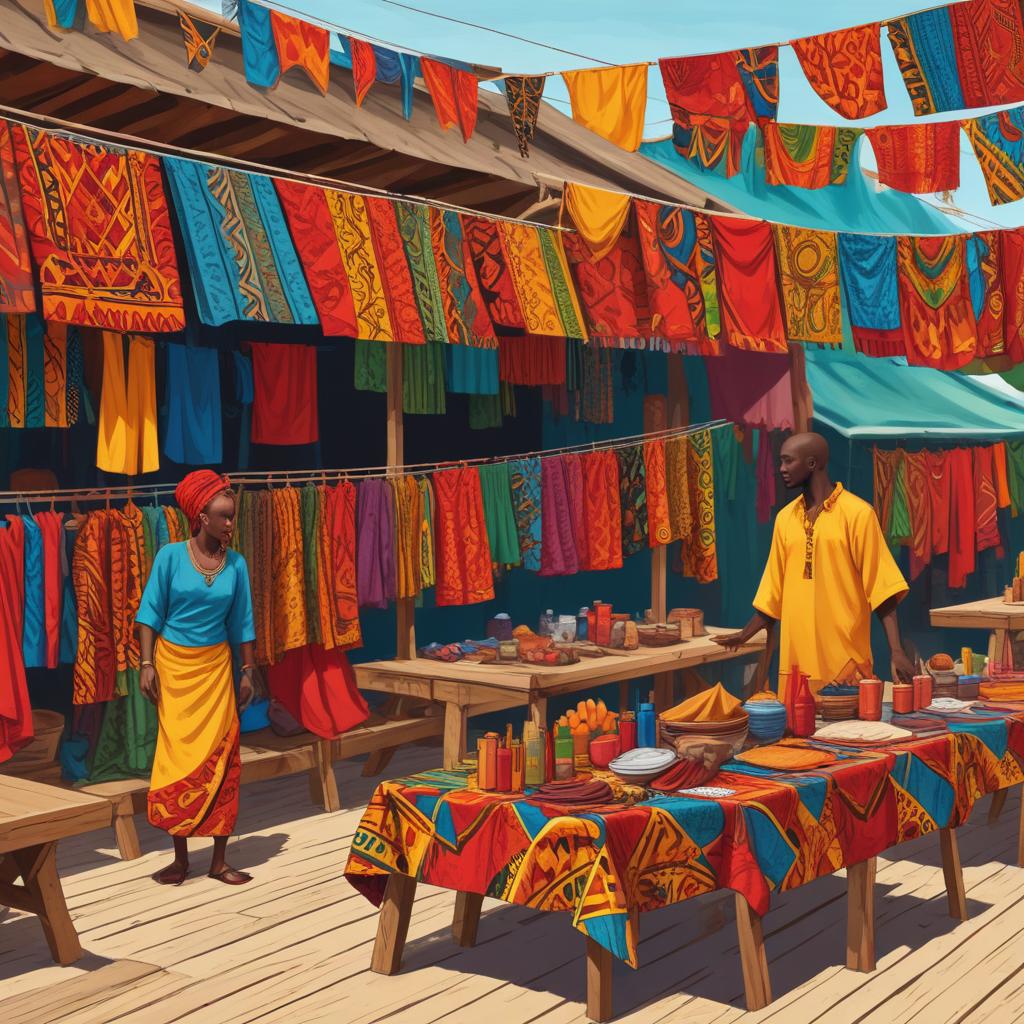
Cultural significance of colour in African fashion
In African fashion, colour transcends simple visual appeal; it holds deep cultural significance and symbolism that showcases the diverse heritage and customs of numerous African communities. Each shade conveys particular messages and feelings, influencing identities and narratives through traditional clothing. Grasping the cultural importance of colour in African fashion enhances one’s understanding of how fabric and design act as influential means of communication.
In numerous West African cultures, the colour red is frequently linked to vitality, spiritual strength, and life energy. It is often donned during important events like weddings or funerals, representing passion, resilience, and ties to ancestral spirits. In contrast, white is generally associated with purity, tranquility, and spirituality, often worn by individuals participating in sacred ceremonies or rites of passage.
Blue, a significant hue in African fashion, is appreciated for its soothing and safeguarding attributes. It represents love, harmony, and the connection the connection between the physical and spiritual worlds. This meaning is evident in various traditional garments that utilise indigo dyeing methods, especially within the Tuareg and Yoruba communities. On the other hand, green symbolizes fertility, prosperity, and development, frequently appearing in clothing donned by individuals commemorating harvests or fresh starts.
Gold and yellow hues symbolise affluence, prestige, and fertility, frequently appearing in royal emblems and clothing. In certain regions of Ghana, for instance, these colours signify prosperity and elevated status, playing a key role in the designs of Kente cloth. Similarly, black carries considerable cultural importance; instead of signifying negativity, it frequently represents maturity, wisdom, and a link to ancestors within African societies, prominently showcased in numerous traditional outfits.
The use of colour symbolism in fashion enables African communities to tell their stories visually, reflecting their histories, values, and social roles. Traditional garments transform into a lively form of communication, with clothing expressing messages related to community ties, social standing, and individual identity. Through carefully chosen colour palettes, African fashion persists in honouring its heritage and preserving cultural continuity in today’s world.
In conclusion, the cultural significance of colours in African fashion is intricately woven into the continent’s rich traditions. Every colour tells its own story, rendering colour symbolism a vital component of both traditional garments and African fashion in general.
Historical context of colour symbolism
The narrative of colour symbolism in African fashion is profoundly connected to the continent’s vibrant legacy. Since ancient eras, colour has been essential in conveying identity, social hierarchy, and cultural values among diverse African societies. The selection of particular shades in clothing was not arbitrary; it developed over centuries of tradition and spiritual relevance, with each hue possessing its unique significance and value.
In numerous African traditions, colours were intentionally selected to express messages or signify an individual’s standing within the community. For instance, the colour red frequently represented life and energy, yet it could also signify sacrifice and spiritual safeguarding. Conversely, yellow was associated with affluence and fertility, often appearing in royal attire to signify prosperity and elevated status. Green was typically connected to growth, well-being, and the environment, mirroring the community’s bond with the land and agricultural rhythms.
Blue emerged as another important hue, commonly associated with love, peace, and harmony, whereas black denoted maturity, power, and ancestral spirits. White, often prominent in ceremonies and rites of passage, represented purity, spirituality, and fresh starts. These conventional interpretations of colour symbolism reflect African heritage, showcasing how textiles transcended mere decoration to become vital components of storytelling and communication within communities.
Grasping the historical context of colour symbolism enhances the appreciation of African fashion, showcasing how traditional customs persist in modern designs, respecting heritage while embracing cultural identity.
Colour meanings across different African regions
African fashion is deeply influenced influenced by the diverse colours that differ markedly throughout the continent. Each region and tribe assigns distinct meanings to particular colours, which greatly influences tribal fashion and the general style preferences of the communities. Exploring the meaning of colours in various regions of Africa provides a deeper understanding of the vibrant cultural heritage and values reflected in their clothing.
In West Africa, especially among the Yoruba community, colours like red denote sacrifice and spiritual strength, whereas white stands for purity and serenity. Shades of gold indicate affluence and nobility, frequently displayed in traditional attire. In contrast, East Africa, particularly within the Maasai tribe, is characterised by a prevalence of red in tribal clothing, embodying courage, power, and solidarity. Additionally, blue holds importance due to its connection with the sky and water, symbolising vitality and nourishment.
Southern African groups, including the Ndebele, employ striking geometric designs paired with vivid hues like yellow, red, and green, each representing unique concepts. Yellow typically signifies fertility and wealth, while green is often associated with the earth and spiritual development. In contrast, North African attire often features rich blues and blacks, colours linked to safeguarding and mysticism within Berber traditions.
These differences in colour symbolism emphasise that regional colours are not merely decorative options; they play a crucial role in storytelling and identity within tribal fashion. Colour serves as a visual language throughout African regions, with each hue selected purposefully to convey social status, spiritual beliefs, and community values, thereby preserving a significant link to their history and traditions.
Psychological impact of colour in fashion
The psychology of colour is essential in influencing both the design and appreciation of African fashion. Colours go beyond mere visual appeal; they hold significant psychological connotations that affect feelings and perceptions across diverse cultural landscapes. African designers tap into this intrinsic power of colour to express ideas, stir emotions, and engage with their audience on a deeper emotional plane. Grasping the ways various shades influence human psychology can shed light on why specific colours prevail in African fashion and how they enhance its lasting charm.
For example, lively reds frequently represent energy, passion, and bravery in numerous African cultures. This striking hue effortlessly captures attention and stirs intense emotions, rendering it a favoured choice in fashion that seeks to radiate confidence and power. Conversely, shades of blue often inspire feelings of tranquillity, reliability, and steadiness. When incorporated into African attire, blue delivers a harmonising effect, conveying peace and insight while still ensuring a commanding visual impact. These emotional responses stem directly from colour psychology, wherein different shades affect the subconscious and influence mood.
Green is a notable colour in African textiles, frequently linked to nature, fertility, and growth. Its use in fashion items can evoke a sense of harmony and renewal, showcasing a deep-rooted relationship with the land and cultural heritage. Shades of yellow and gold hold considerable importance as well, representing wealth, joy, and plenty. These colours not only boost the visual allure but also imbue garments with uplifting emotional meanings, underscoring the cultural relevance woven into African fashion.
The impact of colour in fashion goes beyond just individual expression; it also shapes how others view the wearer. Vivid and striking colours can convey confidence and charm, enabling people to distinguish themselves in social situations. In contrast, softer shades might imply elegance, modesty, or reflection. African fashion skillfully utilises this dynamic to craft outfits that connect on both emotional and social levels, tailoring colour palettes to fit various events and themes. This deliberate application of colour underscores the significant relationship between psychological effects and cultural storytelling.
Ultimately, the psychology of colour provides a perspective that allows us to understand the intricacies and richness of African fashion. Colours serve as a distinct language, expressing identity, emotion, and cultural pride. The influence of colour within this fashion landscape is significant, affecting not just personal sentiments but also shared perceptions among its viewers. By grasping these dynamics, both designers and consumers can interact more profoundly with the vibrant fabric of African fashion, acknowledging colour as a crucial element in its continuous development and worldwide impact.
Emotional associations of popular colours
Colour psychology is essential in the lively realm of African fashion, where colours serve not just as visual components but as vessels of profound emotional significance. Favoured African hues such as red, yellow, green, and blue are thoughtfully selected to elicit particular feelings and convey narratives that reflect cultural identity and heritage.
For example, red commonly represents strength, passion, and energy. It can trigger intense feelings such as bravery and resolve, often seen in traditional attire worn during ceremonies or significant events. The striking nature of this colour captures attention and imparts a sense of immediacy and significance.
Yellow, a well-liked colour in Africa, is commonly linked to warmth, joy, and positivity. It evokes a sense of happiness and vibrancy, making it a preferred option in designs that honour celebrations or convey an optimistic perspective. The golden shades frequently symbolise affluence and success, intertwining emotional connections with achievement.
Green is inherently associated with nature, growth, and rejuvenation. It invokes a sense of tranquillity and equilibrium, representing fertility and harmony in various African societies. Its calming effect on emotions makes it a key feature in textiles that celebrate life and sustainability.
Blue signifies calmness, reliability, and spirituality, evoking contemplative and serene emotions. It is often employed in clothing that conveys wisdom and safeguarding, highlighting the link between feelings and colour psychology within African fashion.
By comprehending the emotional reactions evoked by these well-known African hues, both designers and wearers can utilise the principles of colour psychology to craft significant garments that embody both personal and communal identity.
Colour as a tool for identity and expression
In African societies, the selection of colours in clothing transcends simple visual appeal; it serves as a significant means of conveying identity and individuality. The rich and diverse spectrum found in African fabrics and attire is intricately linked to cultural customs, representing aspects such as social standing, community ties, spiritual values, and historical stories. Each colour possesses its own significance, enabling people to express their character and ancestry through their choice of fashion colours.
For numerous Africans, particular colours are deliberately selected to honour their heritage and to celebrate their traditions. For instance, red might denote strength and vitality, whereas blue can symbolise peace and harmony. These colours in fashion are employed not just on an individual basis but also during important ceremonies and festivals, strengthening a sense of collective identity. This relationship between colour and cultural identity highlights the significance of fashion as a form of expression that goes beyond verbal communication.
Furthermore, colour in African fashion fosters self-expression by enabling individuals to craft a visual narrative of their identity, values, and personal stories. Through striking patterns or gentle hues, fashion colours provide a unique, individual voice amidst the wider cultural fabric. Consequently, the selection of colour transforms into an active instrument, assisting individuals in representing their distinct identity while also celebrating a collective cultural legacy.
Modern trends and colour innovation in African fashion
Contemporary African fashion is undergoing an extraordinary transformation, as designers challenge the limits of traditional styles by adopting bold colour trends and exploring new techniques. Today’s fashion innovators merge traditional shades with modern colour schemes, creating lively, diverse looks that appeal to audiences both locally and internationally. This blend underscores the significance of colour as a powerful means of storytelling and cultural representation in the realm of African fashion.
A prominent trend in contemporary African fashion is the shift towards vibrant, saturated hues paired with gentle pastels. Designers are progressively combining deep indigos, intense reds, and warm yellows with subtle blush tones and cool greys, resulting in eye-catching contrasts that attract a wide range of viewers. This fusion not only mirrors the continent’s varied landscapes and cultures but also caters to an increasing global desire for inclusive and adaptable colour narratives.
Innovation in African fashion design goes beyond simply picking colours. Designers are increasingly embracing cutting‑edge dyeing technologies and sustainable colour‑application methods that are reshaping fabric treatment. Approaches such as digital printing and eco‑friendly dye processes allow intricate patterns to be produced with accuracy while respecting the environment. These advances are steering the sector toward a future where creativity and sustainability coexist.
Additionally, modern African fashion exhibits a creative application of colour layering and texture combinations. Designers are excelling in the fusion of various materials such as Ankara, lace, velvet, and leather, incorporating colour gradients and tonal shifts that enhance the depth and character of their collections. This method revitalises traditional fabrics, ensuring they remain pertinent for urban and high-fashion sectors while respecting their cultural heritage.
The collaborative efforts of African fashion designers alongside artists, technologists, and industry pioneers are driving forward the exploration of colour. This synergy across various sectors is showcased in fashion shows and international exhibitions, where collections reveal cutting-edge aesthetics blended with cultural themes, expanding the boundaries of colour perception and application in contemporary African attire.
To summarise, contemporary African fashion is characterised by a bold adoption of changing colour trends and a dedication to innovation. The ongoing investigation of colour schemes, in conjunction with technological progress, is not only reshaping the visual identity of African fashion but also establishing new benchmarks on a global scale. With colour serving as a significant emblem of identity and creativity, its inventive applications guarantee that African fashion remains at the leading edge of international fashion innovation.
Integration of traditional colours in contemporary designs
African fashion innovation is firmly grounded in the careful blending of traditional colours and contemporary design concepts. Today’s designers are committed to not only maintaining the profound symbolism associated with these shades but also adapting them to align with modern preferences and international fashion movements. Colours like indigo, ochre, red, and green hold meanings that span spiritual significance to social standing, and their incorporation into modern attire enriches the cultural narratives that connect with those who wear them.
Through the artful combination of traditional hues and innovative materials, silhouettes, and tailoring methods, fashion designers establish a distinctive conversation between history and modernity. This methodology revitalises timeless colour schemes, making them significant and motivating within the current fashion scene. The vibrant reds that represent energy and bravery, alongside the soothing blues linked to tranquility, are frequently contrasted with minimalist or cutting-edge designs, resulting in pieces that are both eye-catching and profound.
This blend not only respects cultural heritage but also advances African fashion creativity on an international platform, reinforcing its identity while attracting a wider audience. Designers utilise traditional colours as a compelling means to convey narratives, principles, and history, simultaneously enhancing their creations with contemporary styles. This collaboration illustrates how the dynamic essence of African colour symbolism perpetually impacts and moulds the development of modern fashion.
Influence of global fashion on African colour palettes
Global fashion trends have a considerable impact on the colour selections in African fashion markets. With international influences becoming more readily available via social media, fashion weeks, and partnerships, African designers find themselves constantly inspired by a diverse range of palettes that lead to innovative interpretations in their designs. This vibrant exchange not only expands creative possibilities but also promotes a blend of traditional African brightness with modern global styles.
The impact of global fashion on colour is evident in the slow incorporation of subdued shades, pastels, and monochromatic palettes alongside the traditional vibrant and bold colours typically linked to African textiles. Designers are blending these international trends with cultural authenticity, crafting collections that appeal both locally and globally. This movement underscores the evolution of African fashion markets, striking a balance between preserving heritage and welcoming innovation.
African designers are progressively engaging with international platforms, amplifying the colour dialogue across continents. Access to seasonal colour forecasts and worldwide consumer trends motivates these artists to explore varied palettes, keeping their designs pertinent in a competitive landscape. The impact of global fashion thus enhances the African colour story, nurturing creativity that reinforces the standing of African fashion in the global arena.

I’m fascinated by the vibrant intersection of contemporary fashion and traditional African craftsmanship. I spend my free time exploring markets, learning about textile techniques, and sharing the stories behind each piece with our readers.