
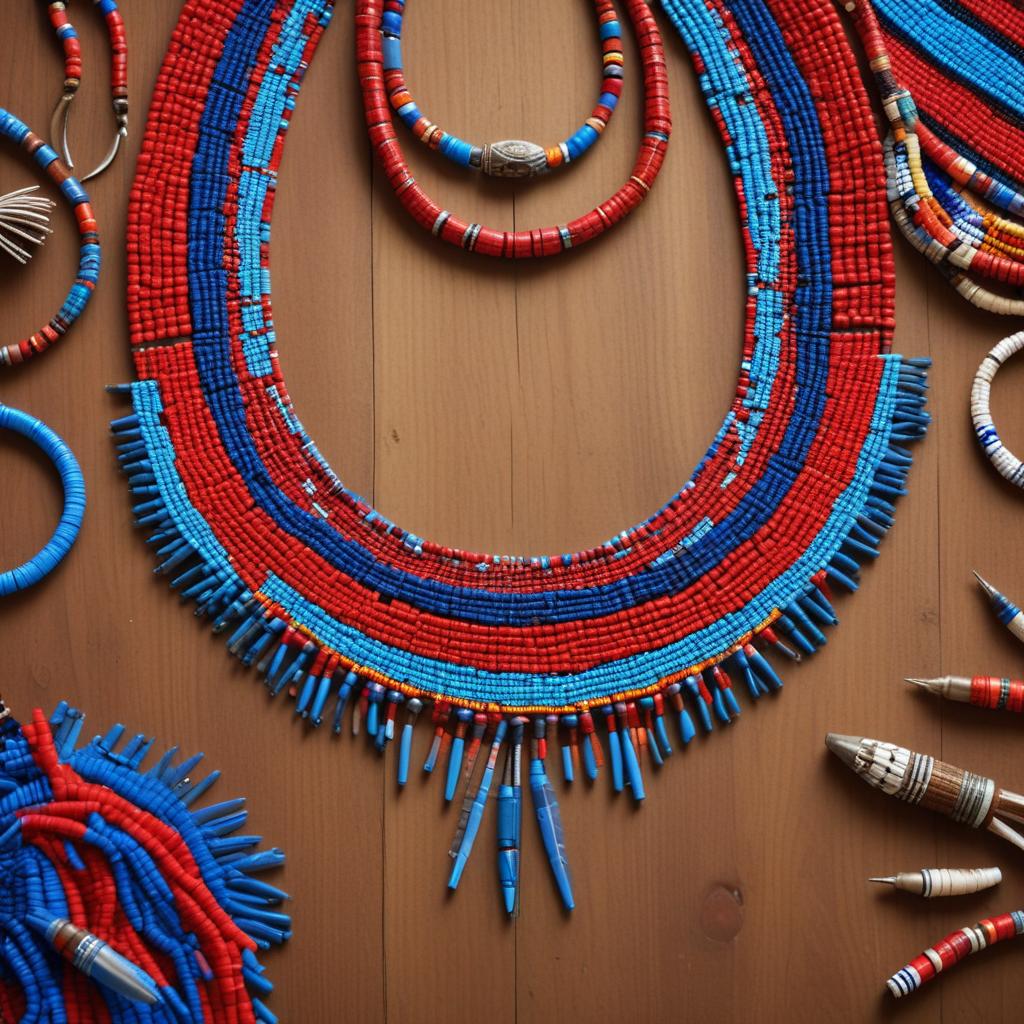
Introduction to Maasai Beadwork
Maasai beadwork is an exquisite art form that has been an integral part of Maasai culture for centuries. The Maasai people, who primarily inhabit regions of Kenya and Tanzania, are renowned African artisans whose craftsmanship in beadwork reflects their deep-rooted traditions and social identity. This vibrant beadwork is characterised by intricate patterns and a vivid palette of colours, each with specific meanings and symbolism unique to the Maasai community.
The origins of Maasai beadwork date back to times when beads were first introduced to the East African region through trade. Initially, natural materials such as animal bones, shells, and stones were used for decoration, but with the arrival of glass beads from European traders in the 19th century, Maasai beadwork evolved into the dazzling expressions seen today. This transformation allowed for greater creativity and complexity, establishing beadwork as a significant cultural marker within Maasai society.
Within Maasai culture, beadwork is far more than mere decoration; it serves as a vital communication tool that conveys status, age, marital situation, and even specific events in a person’s life. For example, the colours chosen in the beadwork carry distinct meanings: red signifies bravery and strength, blue represents energy and the sky, while white alludes to purity and health. Such symbolism is carefully maintained and passed down through generations, ensuring that Maasai beadwork continues to be a living tradition.
Moreover, beadwork plays a crucial role in rituals and ceremonies, including weddings and rites of passage. Women are traditionally the primary creators of these beadworks, skillfully weaving beads into elaborate collars, bracelets, and headdresses that not only enhance beauty but also uphold cultural heritage. The craftsmanship involved highlights the expertise of African artisans and underscores the importance of preserving this unique art form.
In recent years, Maasai beadwork has gained international recognition, admired both as a symbol of Maasai culture and as high-quality artisan jewellery. This popularity has helped support the livelihoods of many Maasai artisans and encouraged a resurgence of interest in safeguarding their cultural traditions. Understanding Maasai beadwork offers a fascinating glimpse into the values, history, and identity of the Maasai people and their enduring artistic legacy.
History and Evolution
The history of Maasai beadwork is deeply intertwined with the cultural identity and traditions of the Maasai people of East Africa. Traditionally, beadwork has served not only as a form of artistic expression but also as a social language conveying information about age, marital status, social roles, and clan affiliations. The origins of this craft can be traced back centuries, with early Maasai beadwork utilising natural materials such as stones, bones, and seeds before the introduction of glass beads through trade routes.
Over time, the evolution of traditional beadwork has reflected both continuity and change. The arrival of European traders introduced colourful glass beads, which transformed the complexity and vibrancy of Maasai designs. This influx allowed artisans to experiment with new patterns and palettes, enriching the symbolic meanings embodied in their work. Despite these changes, the fundamental principles and motifs have remained consistent, preserving the cultural significance of the craft.
The evolution of Maasai beadwork also mirrors wider social changes within the community. As the Maasai have navigated modernity and interaction with external cultures, beadwork has adapted, becoming a popular form of cultural expression and identity reaffirmation among younger generations. Today, traditional beadwork continues to be skillfully practised, celebrated both within Maasai society and internationally, ensuring the vibrant legacy of this artistic heritage endures.
Materials and Techniques
Maasai beadwork is renowned for its exquisite craftsmanship, achieved through a combination of traditional materials and time-honoured techniques. The artisans predominantly utilise an array of colourful glass beads, which form the foundation of their intricate designs. These beads, often sourced from both local and international suppliers, come in vibrant hues such as reds, blues, yellows, greens, and whites, each colour carrying its own symbolic meaning within Maasai culture. Besides glass beads, natural elements like leather, bone, and wire are frequently incorporated to provide structure and durability to the beadwork pieces.
The techniques employed by Maasai craftsmen showcase their remarkable skill and attention to detail. Beads are carefully strung and woven into patterns that convey significant cultural messages or represent social status. One common method is the use of a single needle and thread to stitch beads onto leather bases, allowing for geometric shapes and complex motifs. Additionally, artisans may use wire to shape necklaces, bracelets, and headdresses into sturdy yet flexible forms that maintain their elegance over time. The craftsmanship involved is meticulous, with each bead hand-placed to ensure symmetry and consistency throughout the piece.
Through these materials and techniques, Maasai beadwork transcends mere decoration; it becomes an artistic expression deeply rooted in tradition. The combination of colourful beads, natural components, and expert craftsmanship produces iconic works that celebrate and preserve Maasai identity across generations.
Symbolism and Meaning in Maasai Beadwork
Maasai beadwork is not merely decorative; it is deeply imbued with symbolism that communicates vital cultural messages. Each colour and pattern holds specific meanings, reflecting the rich heritage and social values of the Maasai people. Understanding the symbolism behind these intricate designs offers insights into Maasai identity, status, and beliefs.
The colours used in Maasai beadwork carry significant cultural connotations. Red is perhaps the most prominent, symbolising bravery, strength, and unity within the community. It also represents the colour of the cattle’s blood, which plays a central role in Maasai rituals and sustenance. White, often seen in contrast with other colours, stands for purity, health, and peace in contemporary fashion aesthetics. It is derived from cow bones or shells and signifies a connection to spiritual purity and harmony.
Blue is another essential colour found in beadwork, representing the sky, which provides rain – a crucial resource for the Maasai’s pastoral lifestyle. It conveys energy and sustenance, reminding the wearer of protection and the nurturing forces of nature. Green beads signify the land, vegetation, and production, highlighting fertility and the renewal of life. Yellow reflects hospitality, embodying warmth and friendship, as yellow beads are associated with the colour of animal skins used in ceremonial garments.
Patterns in Maasai beadwork are equally meaningful. Circular motifs often represent community and unity, illustrating the interconnectedness of individuals within Maasai society. Lines and geometric shapes can denote age sets or social status, helping to identify a person’s role or achievements within the tribe. For example, certain patterns are reserved for warriors, while others may signal marital status.
Beyond colours and shapes, cultural symbols are woven into the beadwork to tell stories or commemorate events. Beadwork can mark rites of passage, such as initiation ceremonies, marriage, or elderhood. Women are primarily responsible for creating beadwork, passing down the craft through generations, which strengthens cultural continuity and collective memory.
In summary, the symbolism embedded in Maasai beadwork is a profound reflection of the Maasai worldview. Each colour communicates specific cultural messages, while patterns and symbols articulate social roles, values, and history. This rich tapestry of meanings ensures that Maasai beadwork remains a vital expression of identity and cultural heritage within the community and beyond.
Colour Significance
In Maasai beadwork, colour symbolism carries profound cultural meaning, with each hue reflecting specific values, emotions, and aspects of daily life. Red beads, for example, are among the most significant. They symbolise bravery, strength, and unity. This colour is closely tied to the Maasai’s warrior culture as well as the blood that sustains life and protects the community.
Blue beads represent the sky and symbolize energy and sustenance, as they are often associated with rain which is crucial for cattle and crops. The colour blue also conveys the importance of nourishment and is a reminder of God’s generosity bestowed through the elements.
White beads hold a special place in the colour symbolism of Maasai beadwork. They signify purity, health, and peace. White is often linked to milk, a vital resource for the Maasai people, and thus symbolizes nourishment and healing. It is also associated with spiritual cleansing and harmony within the community.
Green beads reflect the natural environment and fertility. They represent the land, growth, and productivity, conveying hope for prosperity and well-being. This colour is an important reminder of the Maasai’s deep connection to nature and their reliance on the earth’s bounty.
Understanding these colour symbolism conventions helps to appreciate the depth and significance of Maasai beadwork beyond its aesthetic value. Each piece tells a story through the deliberate use of red beads, blue beads, white, and green elements that collectively express cultural identity and the values cherished by the Maasai people.
Patterns and Their Messages
Bead patterns in Maasai beadwork are far more than decorative elements; they serve as a rich mode of cultural communication. Each pattern is carefully chosen to convey specific messages about the wearer’s social status, age, marital status, and other significant aspects of identity. Through these intricate designs, the Maasai community shares a visual language that is instantly recognisable within their culture.
For example, certain patterns signify social rank or achievements within the community, distinguishing elders from younger members or leaders from commoners. Age is also expressed through the beadwork, with younger individuals often wearing distinct geometric patterns or colour combinations that transition as they mature. This evolving symbolism helps indicate the wearer’s stage in life, from youth to adulthood.
Marital status is another critical aspect communicated via bead patterns. Married women traditionally adorn themselves with specific designs and colour groupings that symbolize their role and commitment, while unmarried women and young girls wear different patterns reflecting their availability or youth. These visual cues offer immediate insights into personal circumstances without the need for words.
Moreover, bead patterns encompass broader cultural messages, including clan affiliations, spiritual beliefs, and community values. Through this sophisticated system of patterns and colours, Maasai beadwork functions as a powerful tool of cultural communication, preserving identity and heritage across generations while celebrating individuality within a closely knit society.
Contemporary Use and Global Influence
Maasai beadwork, long revered for its intricate patterns and cultural symbolism, has experienced a dynamic evolution through its modern adaptation, firmly establishing itself within contemporary fashion and art scenes worldwide. As global interest in indigenous art and craft has surged, modern beadwork inspired by Maasai traditions has transcended its local origins, becoming a vibrant influence on designers, artists, and consumers eager for authentic narratives behind the pieces they admire and wear.
In recent years, designers have taken cues from the bold colours and geometric motifs characteristic of Maasai beadwork, integrating these elements into a diverse range of products from high fashion accessories to streetwear. This fusion of traditional aesthetics with modern design techniques allows Maasai influence to resonate with a broader audience, bridging cultural gaps while preserving the identity embedded in the beadwork. The use of authentic or inspired patterns in necklaces, bracelets, earrings, and even clothing creates a dialogue between past and present, honouring Maasai artistry while pushing creative boundaries.
Equally, contemporary artists incorporate Maasai beadwork in their installations and mixed media projects, elevating beadwork beyond adornment to a form of cultural storytelling and political expression. This expansion into global art markets has amplified the reach and appreciation of Maasai beadwork, positioning it as a symbol of resilience and innovation. Museums and galleries often showcase pieces that illustrate how the symbolism behind the beads continues to evolve within new contexts, thereby attracting scholars, collectors, and enthusiasts worldwide.
The increasing global appreciation of Maasai influence can also be seen in collaborative projects where Maasai artisans work alongside international designers, ensuring that the tradition remains vibrant and economically sustainable for the community. These partnerships foster cultural exchange, highlight ethical fashion, and contribute to the preservation of traditional craftsmanship in a globalised economy. Moreover, they provide valuable opportunities for the Maasai people to assert ownership over their cultural heritage while participating in the modern fashion industry.
Overall, the modern beadwork inspired by the Maasai is more than a stylistic trend; it is a powerful example of how indigenous art can adapt and thrive on the global stage. Through fashion and art, the vibrant legacy of Maasai beadwork continues to inspire, communicate, and captivate audiences, affirming its status as an iconic cultural emblem with enduring relevance in today’s interconnected world.
Maasai Beadwork in Fashion
Maasai beadwork has long been admired for its vibrant colours, intricate patterns, and symbolic meanings. In recent years, this traditional craft has transcended cultural boundaries to become a prominent source of inspiration for contemporary designers worldwide. The distinctive aesthetics of Maasai jewellery are increasingly influencing fashion trends, as designers seek to incorporate its bold, geometric motifs and vivid colour palettes into their collections.
Global markets have taken note of the rising demand for culturally authentic and ethically sourced accessories. Maasai beadwork, with its deep cultural significance and artisanal craftsmanship, fits perfectly into this niche. High-end fashion houses and emerging brands alike are collaborating with Maasai artisans to bring genuine beadwork onto international runways and retail shelves, ensuring that the artistry is preserved and fairly compensated.
The interplay between traditional Maasai beadwork and modern fashion trends has also encouraged a broader appreciation for indigenous craftsmanship. In an era where consumers value sustainability and heritage, Maasai jewellery stands out as both a statement piece and a symbol of cultural pride. This fusion not only boosts the visibility of Maasai artisans but also enriches the fashion world with unique pieces that tell compelling stories of heritage, identity, and creativity.
Preservation and Challenges
The art of Maasai beadwork is not only a visual expression of identity but also a critical aspect of cultural preservation. However, artisans today face significant challenges that threaten this treasured heritage. One of the primary issues is the growing competition from mass-produced, machine-made jewellery, which undermines the value of handcrafted pieces and affects the livelihoods of traditional beadworkers.
Moreover, many younger Maasai are moving away from beadwork as a vocation, attracted to other professions in urban areas. This shift creates a gap in the transmission of skills and knowledge that has traditionally been passed down through generations. The scarcity of quality, locally sourced materials further complicates the artisans’ ability to maintain authentic practices.
In response, various initiatives aim to support cultural preservation by promoting sustainable crafts that respect traditional methods. Organisations work closely with Maasai communities to provide training, access to better resources, and market opportunities that highlight the cultural significance of genuine beadwork. These efforts ensure artisans receive fair compensation, encouraging the continuation of their craft.
Through such sustainable approaches, the unique symbolism embedded in Maasai beadwork endures, bridging the past and future. By confronting artisan challenges and fostering pride in cultural heritage, these initiatives safeguard not only the craft itself but also the identity and values it represents.

I’m fascinated by the vibrant intersection of contemporary fashion and traditional African craftsmanship. I spend my free time exploring markets, learning about textile techniques, and sharing the stories behind each piece with our readers.