
The Rich Tradition of African Basket Weaving
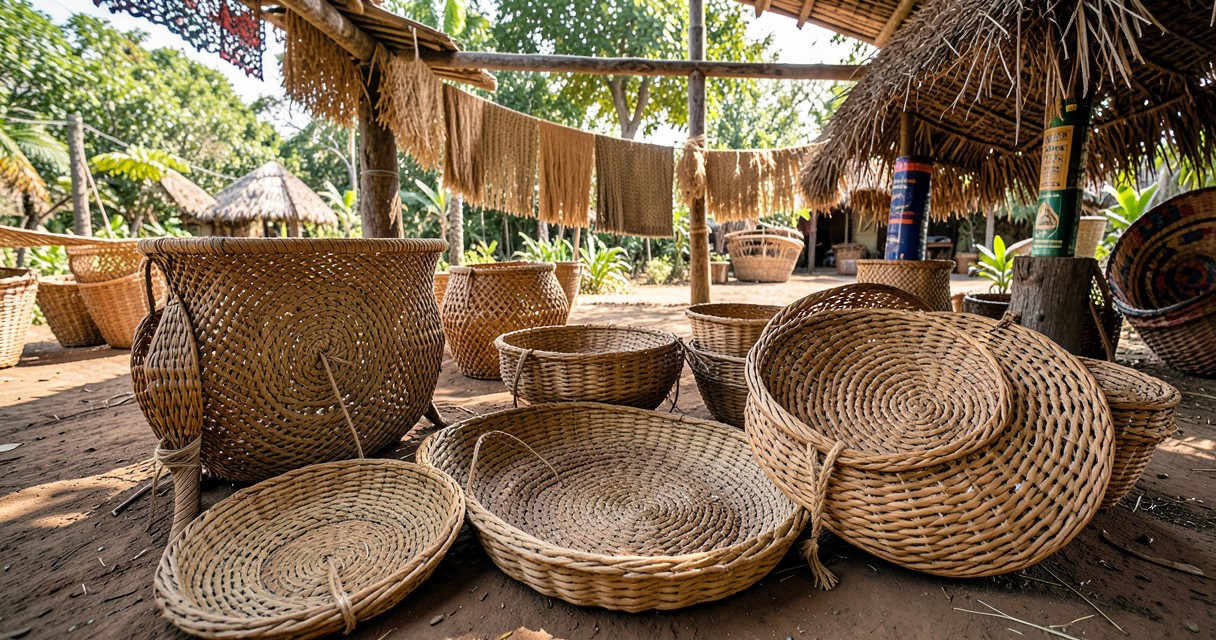
African basket weaving is not merely a craft; it embodies the cultural heritage and historical narratives of numerous communities across the continent. Each woven piece tells a story, reflecting the values, traditions, and environmental resources of its makers. From the intricate designs of the Zulu baskets in South Africa to the vibrant colours of the Ghanaian kente baskets, this art form is deeply intertwined with the identity and lifestyle of various ethnic groups. As communities evolve, so too does the practice of basket weaving, adapting to modern influences while retaining its rich historical significance.
Materials and Techniques in Basket Weaving
The materials used in African basket weaving vary widely depending on local resources. Common materials include grasses, reeds, palm fronds, and even plastic strips in contemporary adaptations. For instance, the Maasai people of Kenya traditionally use sisal and other natural fibres to create sturdy and functional baskets. Techniques can also differ, with some artisans employing coiling methods while others might use twining or plaiting. The choice of technique often influences the final appearance and functionality of the basket, showcasing the craftsmanship and creativity of the weaver.
Cultural Significance and Symbolism
Baskets hold significant cultural value in many African societies, often serving practical purposes such as storage and transportation. However, they also play a crucial role in rituals and ceremonies. For example, in some communities, baskets are used in marriage ceremonies as symbols of fertility and prosperity. The patterns woven into the baskets can also carry symbolic meanings, often representing the weaver’s clan or family heritage. This deep connection between the basket and the weaver’s identity highlights the importance of preserving these traditions for future generations.
Basket Weaving as a Sustainable Craft
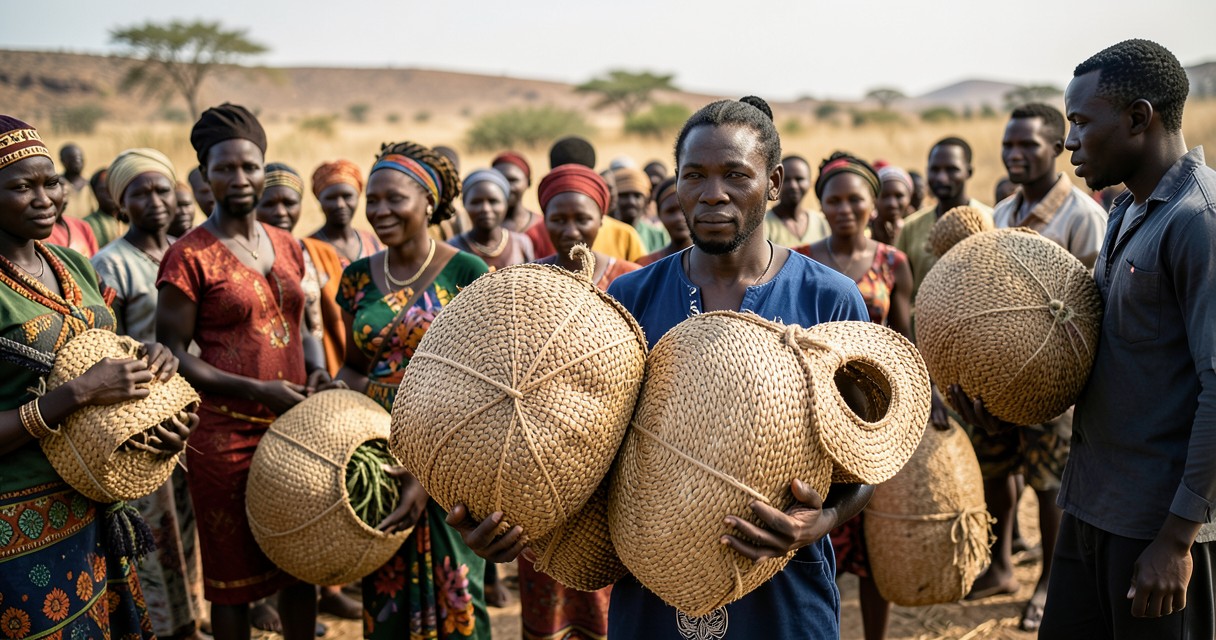
In an era where sustainability is paramount, African basket weaving stands out as an eco-friendly craft. Artisans often utilise locally sourced, natural materials that are renewable and biodegradable. This practice not only minimises environmental impact but also supports local economies by providing income to artisans and their communities. In Ghana, for instance, initiatives have emerged to promote sustainable basket weaving practices that empower women and provide them with a steady income, thereby enhancing their economic independence and social status.
The Role of Women in Basket Weaving
Women are at the heart of African basket weaving, with many communities relying on their skills to produce intricate and beautiful pieces. This craft often serves as a source of livelihood for women, allowing them to contribute economically to their households. In regions such as the Gambia and Senegal, women’s cooperative groups have formed to support one another in weaving, marketing, and selling their baskets. This collaboration not only strengthens their economic position but also fosters a sense of community and shared purpose among the artisans.
Modern Innovations and Global Influence
As global interest in ethnic crafts grows, African basket weaving has seen a resurgence in popularity, leading to innovative designs that appeal to contemporary tastes. Designers are now incorporating traditional weaving techniques into modern home decor, fashion accessories, and even art installations. This fusion of traditional and modern styles not only introduces African artistry to a wider audience but also ensures that the craft remains relevant in today’s fast-paced market. Collaborations between artisans and designers have led to unique pieces that celebrate cultural heritage while meeting modern aesthetic preferences.
Preserving the Craft for Future Generations
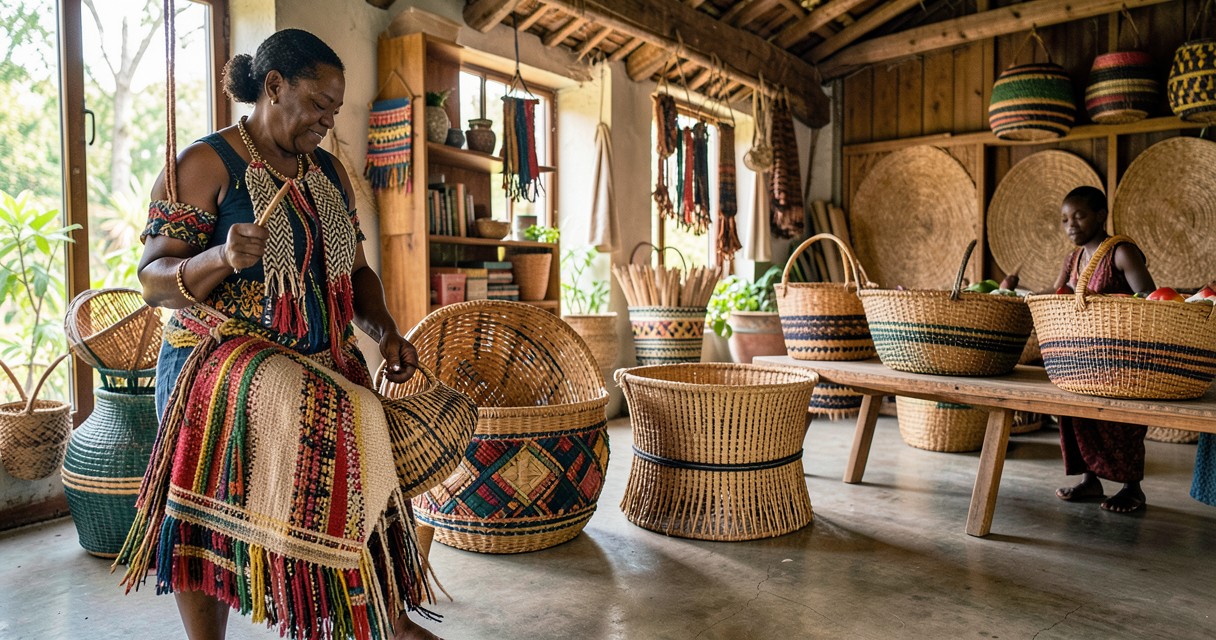
Efforts to preserve the art of African basket weaving are crucial in maintaining cultural heritage and supporting local artisans. Various organisations and initiatives are dedicated to educating younger generations about this craft, ensuring that traditional techniques and designs are passed down. Workshops and training programmes have been established, allowing young people to learn from experienced artisans. Such initiatives are vital not only for sustaining the craft but also for empowering the next generation to appreciate their cultural roots and economic potential.

I’m fascinated by the vibrant intersection of contemporary fashion and traditional African craftsmanship. I spend my free time exploring markets, learning about textile techniques, and sharing the stories behind each piece with our readers.