
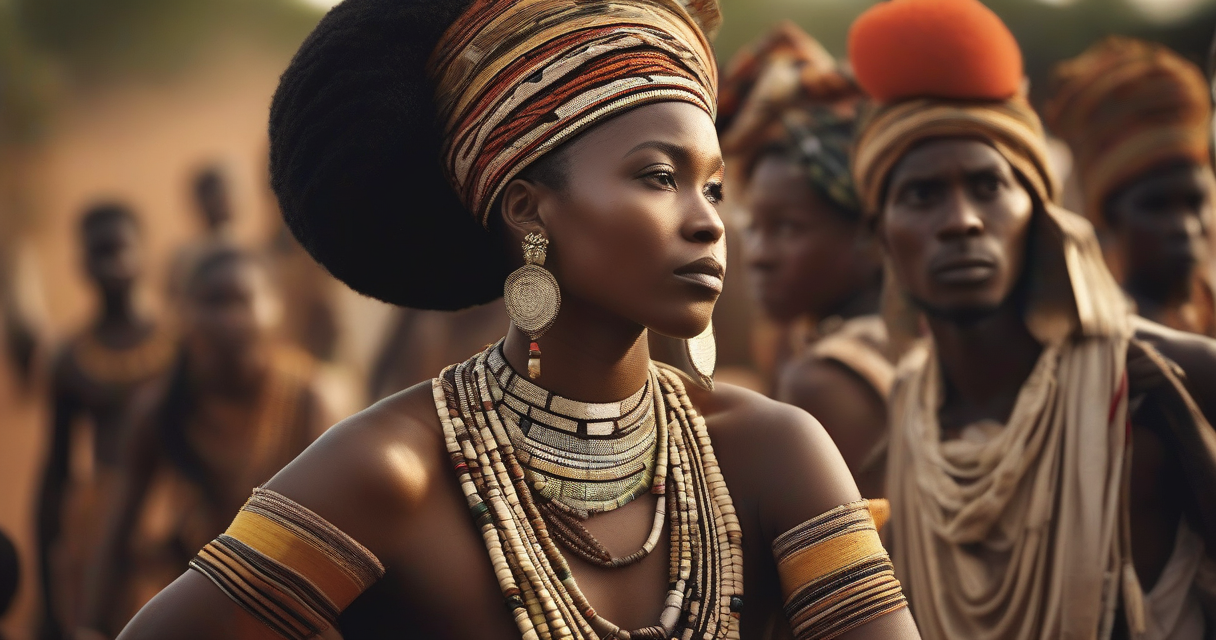
Celebrating the diversity of African ceremonial attire offers a rich exploration into the continent’s cultural heritage through fashion, textiles and craftsmanship. African ceremonial attire is far more than clothing; it represents identity, status and tradition, often crafted using techniques passed down through generations. Understanding this diversity requires a deliberate approach to appreciating the unique styles, materials and symbolism embedded in the garments worn during significant cultural rituals across various African communities. This guide will take you through practical steps to recognise, respect and incorporate the splendour of African ceremonial attire within the realms of fashion, ethnography and traditional crafts.
Recognising the Foundations of African Ceremonial Attire
Before delving into the diversity of African ceremonial attire, it is essential to grasp the foundational elements that define these garments. These attires are typically crafted from indigenous textiles such as kente cloth from Ghana, bogolanfini (mud cloth) from Mali, and shweshwe from South Africa, each with distinct weaving and dyeing techniques. The fabrics themselves carry meaning, often linked to the wearer’s ethnic group, social status or the occasion being celebrated. For example, kente cloth’s vibrant patterns denote royalty and prestige, while mud cloth often tells stories or conveys wisdom through symbolic motifs. Understanding these base materials and their cultural significance is a prerequisite for appreciating the deeper layers of African ceremonial attire.
Equally important is recognising that African ceremonial attire is not uniform across the continent. Each region, and often each community within a region, has its own distinctive styles and dress codes influenced by history, environment and spiritual beliefs. This diversity means that a respectful study and celebration of these garments demands attention to local narratives and craftsmanship traditions rather than a one-size-fits-all perspective.
Exploring Regional Variations and Their Unique Characteristics
Exploring the regional variations of African ceremonial attire reveals an astonishing palette of colours, textures and silhouettes. West African ceremonies often feature elaborately embroidered agbadas and boubous, which are loose-fitting robes worn by men and women respectively. In contrast, East African ceremonial dress may incorporate intricate beadwork and layered fabrics, such as the Maasai shúkà cloth, which is both practical and symbolic. In Southern Africa, attire like the Xhosa’s traditional dresses are known for their geometric patterns and use of beadwork that signifies marital status or social rank.
Each region’s attire often incorporates accessories that further express identity and status. Beaded necklaces, headwraps, and ceremonial hats are more than ornamental; they encode messages about the wearer’s role within the ceremony or community. For example, the Yoruba people of Nigeria use elaborate gele headwraps during weddings and festivals to signify elegance and cultural pride. Understanding these regional distinctions enriches one’s appreciation of African ceremonial attire as a living, evolving form of cultural expression.
Step-by-Step Guide to Selecting Authentic African Ceremonial Attire
Choosing authentic African ceremonial attire involves several deliberate steps to ensure respect for cultural integrity and craftsmanship. First, research the specific cultural context of the attire you are interested in, focusing on the community’s traditional dress codes and symbolism. This research can be done through books, museum collections, or by consulting with cultural custodians and artisans familiar with the heritage of the garments.
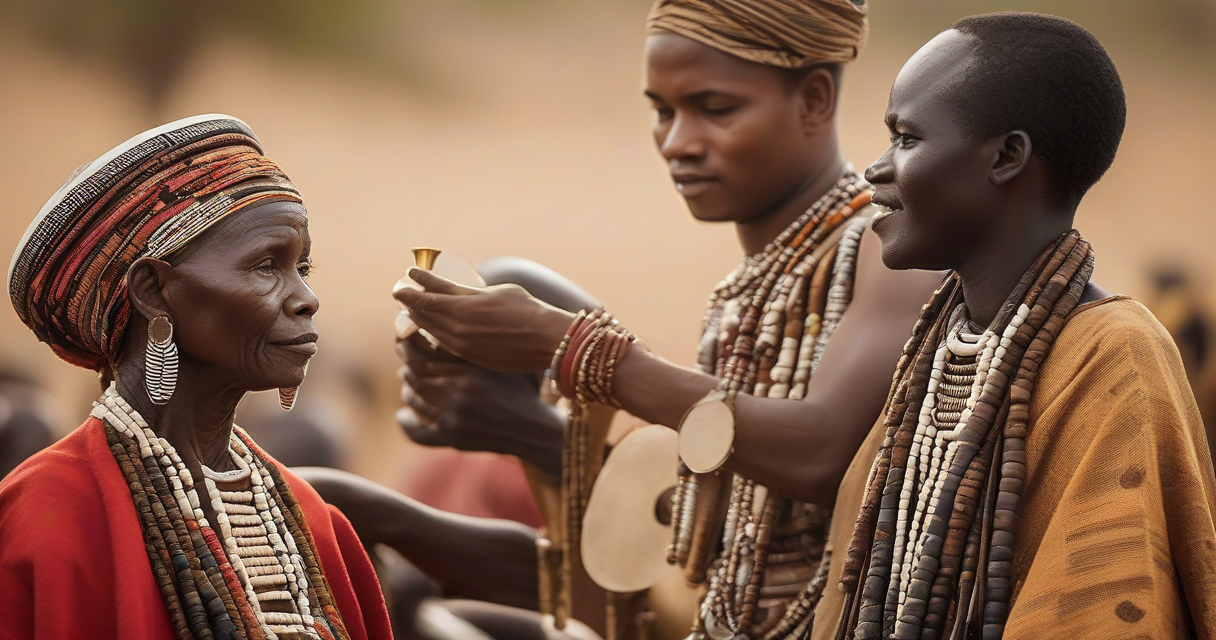
Secondly, source your attire from reputable artisans or cooperatives that specialise in traditional African textiles and ceremonial clothing. Supporting these craftspeople not only guarantees authenticity but also helps preserve indigenous techniques and local economies. Avoid mass-produced imitations which often strip garments of their cultural meaning and quality. Lastly, learn about the proper way to wear the attire, as many African ceremonial garments have specific folding, tying or layering methods that hold cultural significance and respect for tradition.
Common Mistakes When Engaging with African Ceremonial Attire
One common mistake when engaging with African ceremonial attire is overlooking the cultural significance behind the garments and treating them purely as fashion statements. Wearing such attire without understanding its meaning can be seen as cultural appropriation or disrespect. For instance, donning a sacred garment reserved for elders or spiritual leaders without permission can offend the community from which it originates.
Another frequent error is neglecting the importance of sourcing. Purchasing attire from unverified commercial outlets may contribute to the exploitation of artisans and the erosion of traditional craftsmanship. It is also crucial to avoid mixing ceremonial attire from different cultures without recognising their unique contexts, as this can dilute the identities involved and cause confusion about their meanings.
Incorporating African Ceremonial Attire into Contemporary Fashion
Integrating African ceremonial attire into contemporary fashion requires a sensitive and informed approach that honours the original design and intent. Designers and fashion enthusiasts who wish to incorporate elements of African ceremonial attire should start by collaborating with local artisans and cultural experts. This collaboration ensures that traditional techniques and symbols are preserved and presented authentically within modern designs.
Another practical tip is to use traditional fabrics and embroidery methods as inspiration rather than direct replication. For example, a modern dress might incorporate kente-inspired patterns or beadwork motifs while adapting the garment to contemporary silhouettes and functionality. This approach respects the original while making it accessible and relevant to today’s fashion scene, bridging cultural heritage with innovation.
Preserving African Ceremonial Attire Through Ethno-Craftsmanship
Preservation of African ceremonial attire is deeply linked to the continuation of traditional craftsmanship and textile arts. Many communities rely on hand-weaving, dyeing and embroidery techniques that are at risk of disappearing due to industrialisation and changing lifestyles. Supporting ethno-craftsmanship involves valuing and promoting these artisanal skills as vital cultural heritage rather than mere commodities.
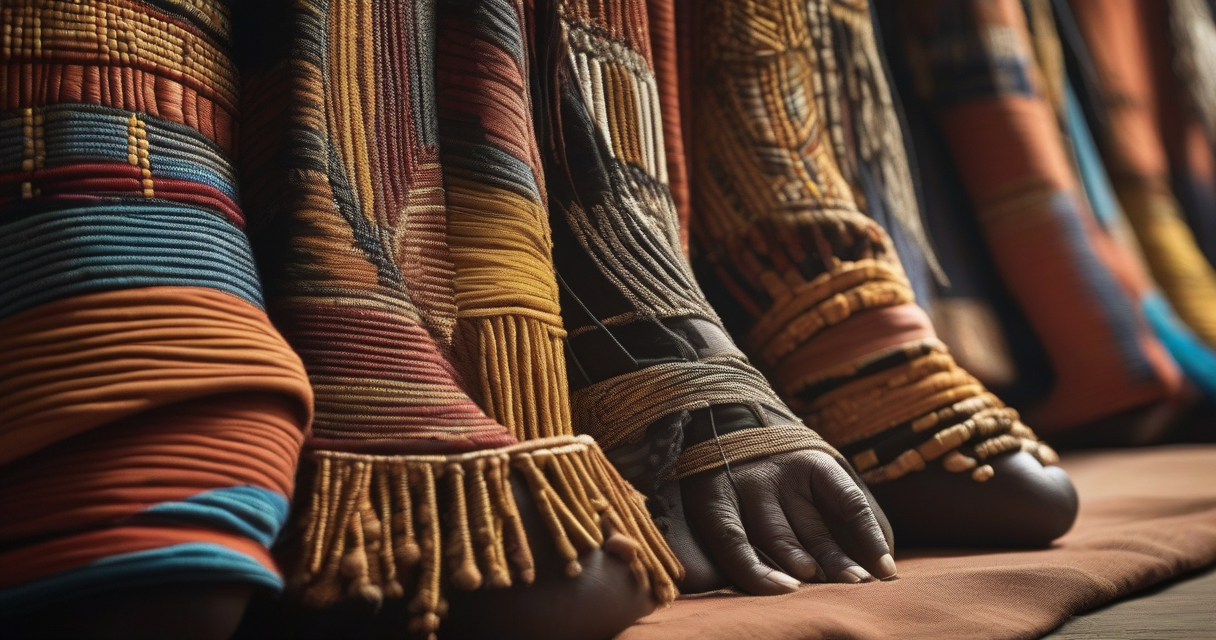
One effective way to contribute to preservation is by participating in workshops or purchasing from artisan cooperatives that teach and uphold traditional textile arts. These efforts not only sustain the craft but also empower communities economically and culturally. Museums and cultural institutions also play a role by documenting and exhibiting ceremonial attire, ensuring that the knowledge and aesthetics endure for future generations.
Tips for Respectful Display and Use of African Ceremonial Attire
Displaying African ceremonial attire respectfully in exhibitions or private collections requires consideration of cultural protocols and the garment’s significance. Avoid treating these items as mere artefacts; instead, present them with context about their origin, meaning and the communities that created them. This approach educates viewers and honours the cultural narratives embedded in the attire.
When wearing African ceremonial attire, it is advisable to seek guidance from cultural representatives or experts to ensure appropriate usage. This includes understanding when and where the attire can be worn, how to combine accessories correctly and the ceremonial etiquette involved. By doing so, the wearer not only shows respect but also deepens their connection to the cultural heritage embodied in the garments.

I’m fascinated by the vibrant intersection of contemporary fashion and traditional African craftsmanship. I spend my free time exploring markets, learning about textile techniques, and sharing the stories behind each piece with our readers.