
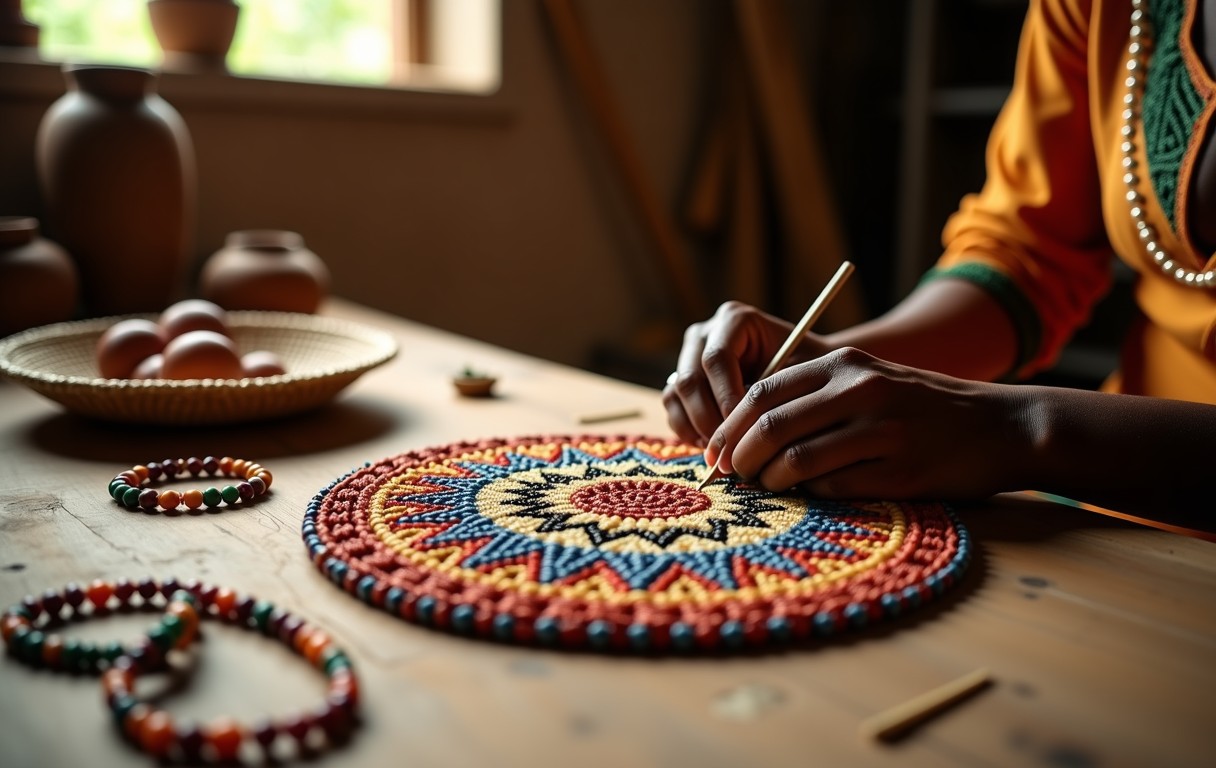
Zulu beadwork occupies a unique place at the intersection of fashion, cultural identity and handcraft. Each strand of glass or seed bead is selected not merely for its sparkle but for a language of colour that has been handed down through generations of women artisans. In contemporary markets the pieces appear on runways, in boutique galleries and on social media feeds, yet the techniques that produce them remain rooted in village workshops where community, storytelling and livelihood intertwine. Mastering these techniques helps designers value the artistry, gives collectors clear ways to identify authentic African crafts, and reveals the true beauty behind the shimmer for textile enthusiasts.
The materials that make Zulu beadwork possible
Traditional Zulu beadwork relies on glass seed beads that were first introduced by European traders in the nineteenth century, but have since become an integral part of the cultural repertoire. Artisans typically source beads in sizes ranging from 11/0 to 15/0, measured by the number of beads that fit into an inch of a standard ruler; the smaller the number the finer the bead. Colours are carefully chosen from a palette that includes deep indigo, bright red, vibrant yellow and stark white, each hue carrying specific symbolic meaning. Alongside the beads, a strong cotton or silk thread is often prepared using natural indigo dyeing methods, such as extracts from the indigo leaf or mahogany bark, ensuring the thread enhances the visual harmony.
Though simple, the African loom weaving tools used in the process are indispensable for creating intricate patterns. A beading needle, usually made from a thin steel rod, is bent into a hook to accommodate the minute beads and prevent breakage. Small wooden or plastic beads act as stoppers, keeping the work taut on a simple frame. Many women also keep a small tin or wooden box to organise beads by colour and size, a practice that speeds up the stitching process and reduces the risk of colour contamination. The tactile quality of the materials, from the smoothness of the glass to the slight elasticity of the thread, influences the final texture of the jewellery, making each piece both visually striking and physically comfortable to wear.
The foundational stitching method, the “ukusoma” technique
The most widely taught method among Zulu beadworkers is called ukusoma, a stitch that resembles a running stitch but is executed with a distinctive forward‑and‑backward motion. The artisan begins by anchoring the thread at the base of the work, then pushes the needle through the fabric or previous bead row, catching a bead on the way out. After each bead is secured, the needle is drawn back through the same hole, creating a double‑layer that adds durability and a subtle raised texture. This rhythm of forward and reverse motions permits the maker to build intricate patterns while maintaining a strong structural foundation that can withstand daily wear.
While the basic ukusoma is simple, seasoned beadworkers introduce variations such as the “reverse stitch” where the needle re‑enters the fabric at a slightly offset point, allowing for diagonal lines and tighter curves. Mastery of tension is crucial; too loose a thread leads to sagging, while excessive tightness can snap the delicate beads. Apprentices spend months practising on small swatches before moving on to larger projects like necklaces, bracelets or decorative belts, ensuring that the stitch remains both aesthetically pleasing and functionally robust.
Pattern creation and symbolic colour coding
Every Zulu beadwork design is a visual story, and the patterns are often drawn from nature, daily life and ancestral myths. Common motifs include the zig‑zag of a lightning bolt, the concentric circles of a water ripple, and the stylised silhouette of a cattle herd. Before stitching begins, the artisan sketches the design onto a piece of parchment or directly onto the backing fabric, using a charcoal pencil to outline where each colour will appear. This pre‑planning stage allows for precise placement of beads, ensuring that the intended narrative emerges clearly as the work progresses.
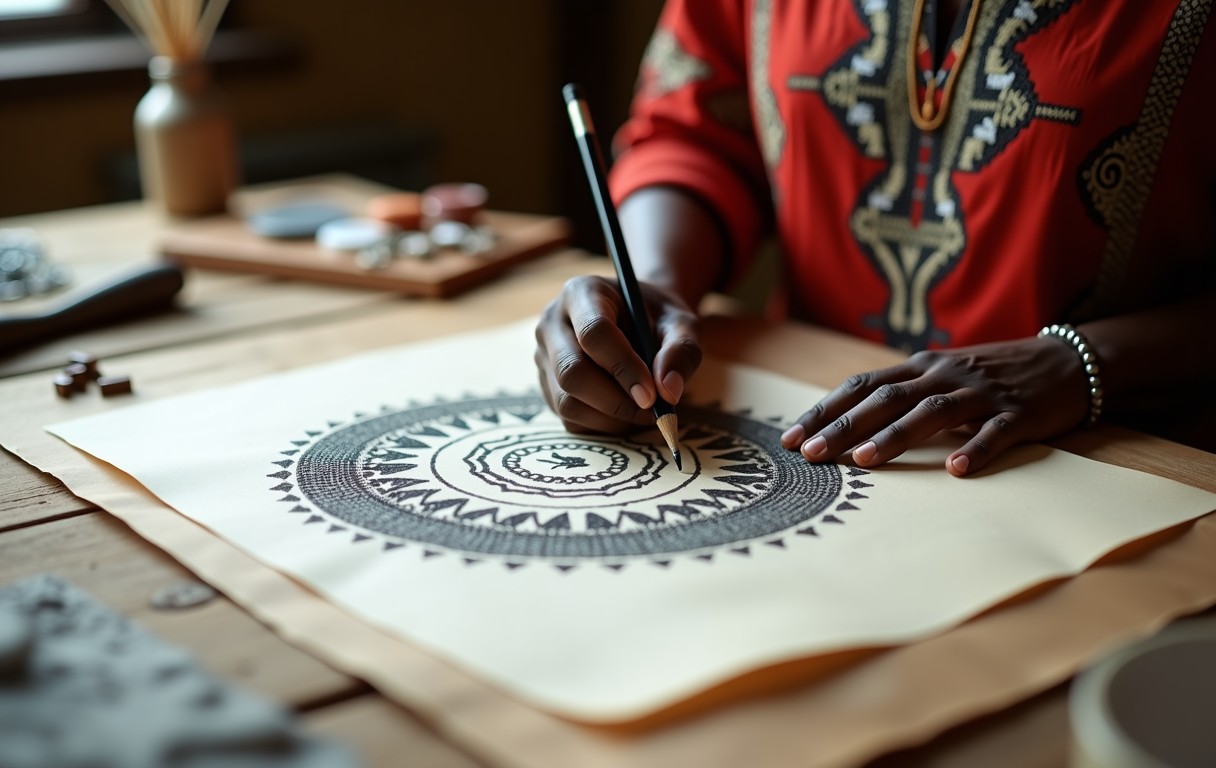
African craft symbolism, particularly in Zulu traditions, is deeply woven into the culture’s fabric. Red typically signifies love, passion or blood, while white conveys purity, spiritual protection or the presence of ancestors. Blue, derived from indigo, is associated with the sky and the infinite, and yellow often represents wealth or the sun’s life‑giving energy. By combining these hues in specific arrangements, a beadwork piece can convey a blessing, commemorate a rite of passage or celebrate a communal achievement. The intentionality behind colour choice makes each adornment a portable cultural document, rather than a mere decorative object.
Loom and frame work, the “ukujikela” approach
Although many Zulu beadworkers operate without a formal loom, a technique known as ukujikela involves stretching the fabric or backing material over a simple wooden frame to create a taut surface. The frame, usually constructed from two parallel wooden bars connected by crossbars, measures roughly thirty centimetres in width and fifty centimetres in length, providing enough space for most jewellery pieces while remaining portable for market stalls. The fabric is secured with small wooden pegs, and the tension is adjusted by tightening or loosening the pegs as the work progresses.
This tensioned surface is essential for executing the more complex geometric patterns that require consistent spacing between beads. When a design demands a curved line, the artisan can gently pull the fabric outward, creating a subtle arch that guides the needle’s path. The frame also serves as a visual aid for clients, allowing them to see the evolving pattern from a distance and request adjustments before the piece is completed. The simplicity of the ukujikela setup reflects the resourceful nature of Zulu craft, where ingenuity compensates for the lack of industrial equipment.
Finishing touches and protective treatments
Once the stitching is complete, the beadwork undergoes a series of finishing steps that protect both the aesthetic and structural integrity of the piece. The thread is tied off with a series of tight knots, then trimmed close to the fabric surface to avoid snagging. A thin layer of clear wax, traditionally derived from beeswax, is rubbed over the entire work; this wax fills microscopic gaps between beads, adds a subtle sheen and helps to waterproof the thread against humidity. For pieces intended for frequent wear, a second coating of oil, often a mixture of vegetable oil and a dash of lanolin, is applied to increase flexibility.
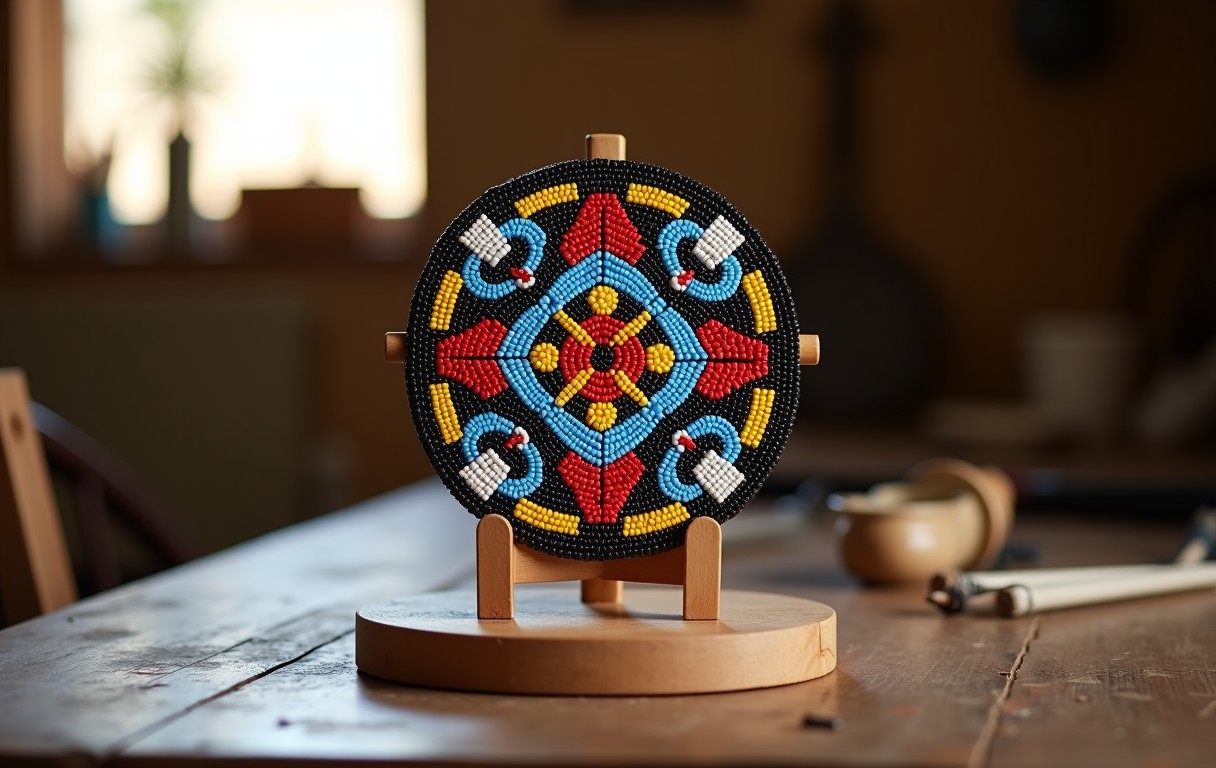
The final stage involves quality control, where the maker inspects each bead for cracks or colour irregularities, and checks the overall symmetry of the pattern. Any loose beads are re‑stitched, and the work is then folded or rolled carefully to preserve its shape during transport. In many villages, the finished piece is presented on a small wooden stand, allowing potential buyers to view it from multiple angles. This ritual not only showcases the craftsmanship but also reinforces the communal pride associated with each completed work.
Contemporary reinterpretations and market relevance
Modern designers have begun to incorporate traditional Zulu beadwork techniques into high‑fashion collections, blending the age‑old stitch patterns with contemporary silhouettes such as asymmetrical dresses or structured jackets. By collaborating directly with Zulu artisans, these designers ensure that the cultural narrative remains intact while expanding the reach of the craft to global audiences. The resulting pieces often command premium prices, reflecting both the labour‑intensive nature of the work and the unique aesthetic that cannot be replicated by mass‑production methods.
The rising interest in ethically made, handcrafted wooden accessories from Africa has also created fresh opportunities for Zulu beadworkers to showcase their work online, emphasizing the story behind every piece. Transparent pricing models, where a clear percentage of the sale price returns to the artisan, empower women in rural communities to gain financial independence while preserving their cultural heritage. As the fashion industry continues to search for authentic, sustainable sources of inspiration, the timeless techniques of Zulu beadwork remain a vibrant and valuable resource.

I’m fascinated by the vibrant intersection of contemporary fashion and traditional African craftsmanship. I spend my free time exploring markets, learning about textile techniques, and sharing the stories behind each piece with our readers.