
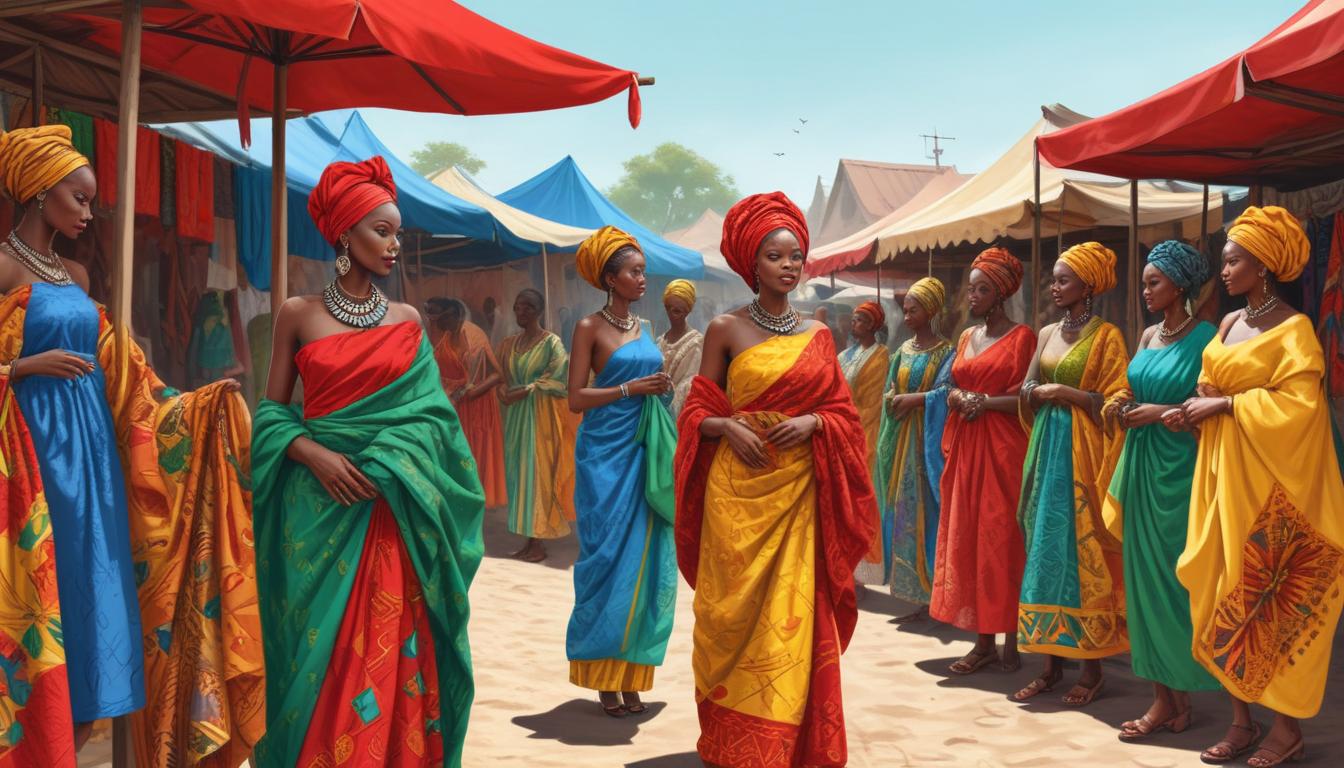
Historical Significance of Heritage in African Fashion
African fashion history is deeply rooted in the rich and diverse heritage of the continent’s many cultures. For centuries, heritage has played a pivotal role in shaping traditional attire and fashion styles, reflecting identity, social status, beliefs, and regional affiliations. The significance of heritage in African fashion extends beyond mere aesthetics; it carries the stories, struggles, and triumphs of generations, making each garment a symbol of cultural pride.
The heritage significance of traditional fabrics such as Kente from Ghana, Aso Oke from Nigeria, and Mudcloth from Mali reveals how African communities have preserved their ancestral craftsmanship. These textiles are often handwoven or hand-dyed using techniques passed down through generations, embodying symbolism that speaks to historical events, spiritual beliefs, and social hierarchy. The patterns and colors used in these fabrics are carefully chosen to communicate specific messages and to honor cultural rituals and ceremonies.
Moreover, African fashion history showcases a remarkable blend of functionality and artistry. Traditional attire was designed not only to appeal visually but also to serve practical purposes suited to the climate and lifestyle of different regions. The intricate layering, choice of materials, and adornments reflect centuries of experimentation and adaptation within the framework of heritage. For example, elaborate beadwork in Zulu attire and the flowing robes of the Tuareg people are distinct fashion statements anchored in cultural heritage.
Heritage significance also influences contemporary African fashion designers who draw inspiration from historical motifs and traditional techniques to create modern pieces that pay homage to their roots. This fusion underscores the enduring impact of African heritage on fashion, demonstrating its continual evolution while preserving its core cultural values. As a result, African fashion history remains a vibrant testament to the continent’s diverse heritage and its timeless influence on style worldwide.
Traditional Fabrics and Techniques
Indigenous traditional fabrics such as kente, mud cloth, and adire hold immense cultural significance in African fashion. These textiles are not only expressions of identity and heritage but also exemplify remarkable fashion techniques passed down through generations. Kente, originating from the Ashanti people of Ghana, is a vibrant, handwoven cloth made from silk and cotton. Its intricate patterns are symbolic, often representing stories, proverbs, and historical events, crafted through complex weaving methods that require great skill and precision.
Mud cloth, or bogolanfini, is a traditional fabric from Mali, known for its unique dyeing process involving fermented mud. The production of mud cloth is labor-intensive and artistically driven, involving hand-painting of symbols and motifs that communicate cultural narratives and social status. This fabric embodies both the craftsmanship and the storytelling traditions of the region, showcasing the depth of African textiles in fashion.
Similarly, adire is a resist-dyed fabric from Nigeria created using indigo and various techniques like tying, stitching, and dye application which produce distinctive patterns. These fashion techniques make each piece unique, connecting wearers to their African roots while highlighting the ingenuity and innovation within traditional fabric production. Collectively, these African textiles represent more than fashion; they are living artifacts of history, culture, and artisanal skill crucial to the preservation and celebration of African heritage.
Cultural Symbols and Meanings
African fashion is deeply rooted in a rich tapestry of cultural symbols that convey important messages and stories. These symbols are often embedded in the motifs and patterns used across different regions and ethnic groups. Each design holds specific fashion meanings that go beyond mere decoration, serving as a visual language that communicates identity, status, spirituality, and history.
Common cultural symbols in African fashion include geometric shapes, animals, and nature-inspired elements, each carrying unique significance. For instance, the Adinkra symbols of West Africa, such as the “Gye Nyame” symbol, represent the omnipotence of God, while the “Sankofa” motif encourages learning from the past. These motifs are not only aesthetic but also reinforce cultural values and collective memory.
Patterns like stripes, zigzags, and checks can signify different meanings depending on the community, from social hierarchy to rites of passage. Moreover, the use of color in African fashion is equally symbolic, where specific shades might denote fertility, wealth, or mourning, enhancing the story told by the patterns themselves. This intricate use of cultural symbols ensures that fashion is a living expression of African heritage.
By understanding these cultural symbols and fashion meanings, one gains greater appreciation for African motifs not just as art, but as vital carriers of ancestral wisdom and identity, making them integral to any discussion of heritage in African fashion.
Modern Interpretations of Heritage in African Fashion
Modern African fashion is a vibrant testimony to the continent’s rich cultural heritage, skillfully blending traditional elements with contemporary designs. Contemporary designers play a crucial role in ensuring that heritage influence remains a dynamic and evolving force within fashion. They achieve this by reimagining the symbols, patterns, and craftsmanship techniques passed down through generations, thus creating garments that are not only stylish but deeply rooted in African identity.
One prominent way designers incorporate heritage influence is through the use of traditional textiles such as kente, ankara, and mudcloth. These fabrics bring authentic African stories and aesthetics into modern wardrobes. Designers often experiment with these materials, combining them with new silhouettes, innovative cuts, and unconventional pairings that appeal to both local and global audiences. This balance ensures the preservation of heritage, while driving forward the narrative of modern African fashion.
Additionally, motifs and symbols found in historical African art and craft are infused into contemporary fashion pieces. This can be seen in intricate embroidery, beading, or printed motifs that reference tribal markings, folklore, or ancestral icons. By integrating these elements, designers create a dialogue between the past and the present, highlighting the ongoing relevance of heritage in shaping identity and expression through clothing.
Modern African fashion also embraces sustainability by reviving traditional methods like hand-dyeing, weaving, and beadwork, which respect environmental and cultural sustainability. These techniques, once used out of necessity, have become treasured artisanal skills that add uniqueness and value to contemporary designs. This respectful nod to heritage imbues each piece with a sense of history and purpose.
Ultimately, the influence of heritage in modern African fashion is not about replicating the past but reinterpreting it. Designers creatively propel cultural narratives into new contexts, making heritage a source of inspiration that continually evolves. This dynamic fusion fosters a unique fashion identity that honors tradition while embracing innovation, ensuring that the cultural fabric of Africa remains prominent on the world stage.
Fusion of Traditional and Contemporary Styles
Fusion fashion in Africa showcases the brilliant blend where traditional meets modern, creating a vibrant tapestry of style that resonates globally. African designers are leading this innovative wave by incorporating heritage fabrics, patterns, and motifs with contemporary silhouettes and western-inspired cuts. For instance, the use of Ankara fabric, known for its bold and colorful prints, is reimagined into sleek dresses, suits, and streetwear that appeal to both local and international audiences. This blending respects cultural roots while embracing a cosmopolitan aesthetic.
Another striking example is how traditional beadwork, which holds significant cultural symbolism, is integrated into modern accessories and footwear. African designers creatively pair these elements with minimalist trends from western fashion, resulting in unique pieces that celebrate identity and innovation simultaneously. Such fusion fashion not only propels African artistry onto the global stage but also challenges conventional fashion norms by merging two worlds effortlessly.
Collaborations between African designers and international brands further exemplify this trend. These partnerships bring heritage styles into mainstream fashion while promoting sustainability and cultural appreciation. Overall, the role of heritage in African fashion is evolving through this dynamic fusion, highlighting creativity where traditional craftsmanship and global trends converge into a powerful narrative of identity and style.
Role of Heritage in Sustainable Fashion
Heritage textiles and traditional techniques are at the heart of sustainable fashion, especially within African fashion. By embracing eco-friendly African fashion practices, designers honor their cultural roots while promoting sustainability. Using heritage fabrics reduces the dependence on mass-produced, synthetic materials that often harm the environment. These fabrics are typically crafted using natural fibers and dyes, making them biodegradable and less polluting.
Moreover, heritage techniques such as hand-weaving, dyeing, and embroidery preserve artisanal skills passed down through generations. This preservation supports small-scale craftspeople and helps maintain biodiversity by encouraging the cultivation of native plants used in fabric production. Ethical fashion practices also benefit as heritage textiles promote fair wages and safer working conditions for artisans, compared to fast fashion industries.
Incorporating heritage textiles into contemporary designs creates unique, timeless pieces that resist the disposable nature of modern fashion trends. This approach fosters a slow fashion mindset where consumers value quality and cultural significance, ultimately reducing waste. Through eco-friendly African fashion rooted in heritage, the fashion industry can make meaningful strides towards a more sustainable and ethical future.
Heritage’s Impact on the Global Perception of African Fashion
African heritage plays a fundamental role in shaping the global African fashion scene, profoundly influencing how African fashion is perceived and appreciated worldwide. The deep-rooted traditions, vibrant cultures, and rich histories of African communities find expression through intricate designs, distinctive patterns, and symbolic motifs that resonate far beyond the continent’s borders. This heritage influence worldwide is a key factor in elevating African fashion from localized craft to a celebrated international phenomenon.
Global African fashion has gained significant traction, fueled by the stories and symbolism embedded within each garment and accessory. Designers draw inspiration from ancestral narratives and indigenous practices, presenting collections that tell authentic stories and foster a deeper understanding and respect for Africa’s cultural wealth. By doing so, they challenge and enrich global fashion perception, shifting it from mere trendiness to meaningful dialogue about identity, history, and continuity.
Heritage serves as both a creative wellspring and a marker of authenticity within global African fashion. Traditional textiles such as kente, batik, and mud cloth are not only appreciated for their aesthetic appeal but are also valued for their cultural significance and craftsmanship. This heritage influence worldwide has attracted collaborations between African designers and prominent global fashion houses, bridging cultural gaps and creating fresh, innovative fashion narratives that celebrate diversity and shared humanity.
Additionally, the role of heritage in shaping taste and standards for quality and originality has strengthened the global perception of African fashion. Consumers and critics alike recognize the distinctiveness and richness that heritage brings to contemporary fashion trends emerging from Africa. This recognition has spurred greater investment and visibility for African fashion on global platforms, including fashion weeks, exhibitions, and media coverage, thereby promoting a more inclusive and diverse fashion industry.
In summary, African heritage is the cornerstone of global African fashion’s identity and appeal. By infusing their creations with cultural depth and historical resonance, African designers have transformed heritage influence worldwide into a powerful movement that commands respect and admiration. This ongoing cultural exchange continues to redefine the global fashion perception, ensuring that African fashion receives the recognition it richly deserves on the world stage.
Influence on International Fashion Weeks
Heritage-inspired African fashion is increasingly commanding attention on international fashion weeks, becoming a compelling force in global showcases. Designers drawing from African heritage fashion are not only celebrating their cultural roots but are also reshaping the global fashion narrative by introducing vibrant prints, traditional craftsmanship, and storytelling through fabric.
Major fashion platforms such as Paris, Milan, New York, and London Fashion Weeks have embraced this movement, providing a stage for African designers to present their collections. These international fashion weeks highlight the richness and diversity of African heritage fashion, bringing it to the forefront and allowing it to compete alongside mainstream global trends. This visibility is crucial in establishing African fashion as a significant player on the world stage.
Moreover, the inclusion of heritage-inspired African fashion at these events fosters cross-cultural dialogue and collaboration among designers worldwide. It sparks a broader appreciation for the intricacies and history embedded within African textiles and styles. The global showcases serve not only as marketing platforms but also as vital contributors to preserving and revitalizing traditional African aesthetics for future generations.
In summary, international fashion weeks have become instrumental in elevating African heritage fashion, spotlighting its innovation and influence on contemporary design while celebrating its roots. This intersection of tradition and modernity continues to enrich the diverse landscape of global fashion.
Representation and Identity in Global Markets
Heritage plays a crucial role in shaping cultural representation and identity in fashion, especially for African designers and consumers engaging with global markets. African fashion draws deeply on its rich historical and cultural backgrounds, allowing designers to create unique expressions that resonate both locally and internationally. This connection to heritage provides a powerful narrative that highlights the diversity and complexity of African traditions, which helps to challenge stereotypical perceptions often seen in mainstream fashion.
Through the incorporation of traditional textiles, symbols, and craft techniques, African fashion designers assert their identity, creating a form of representation that honors their roots while innovating within contemporary fashion markets. This blend of heritage and modernity appeals to a global audience eager to experience authentic cultural stories told through clothing. For consumers, wearing African fashion becomes more than a trend; it is a form of cultural pride and self-expression tied to their heritage and identity.
Moreover, the visibility of African fashion in international markets creates opportunities for representation that fosters greater understanding and appreciation of African cultures worldwide. This representation extends beyond just aesthetics—it fosters a dialogue about identity, history, and the role of fashion as a cultural ambassador. Heritage, therefore, is not only a source of inspiration but a critical element in affirming identity in fashion and expanding the reach of African fashion markets globally.

I’m fascinated by the vibrant intersection of contemporary fashion and traditional African craftsmanship. I spend my free time exploring markets, learning about textile techniques, and sharing the stories behind each piece with our readers.