
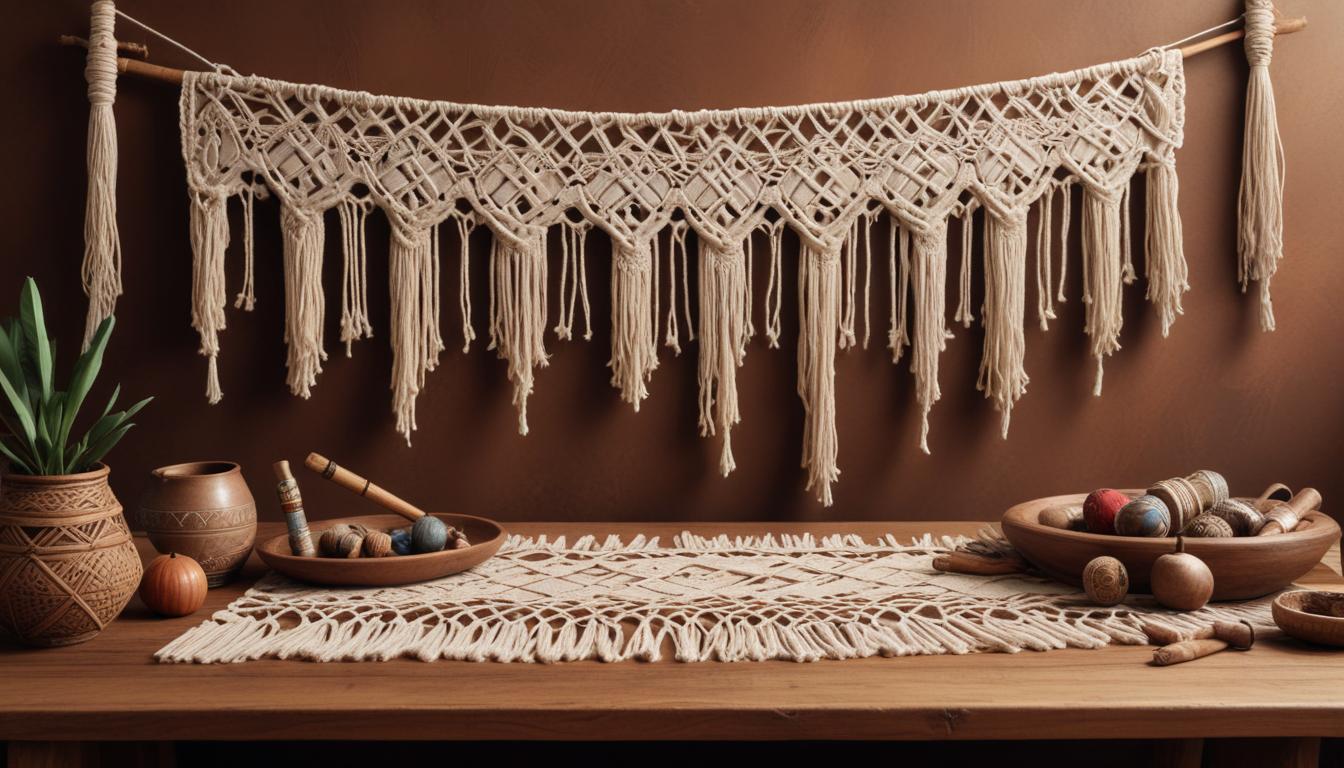
Historical Overview of African Macramé and Fibre Art
The rich tradition of African fibre art history is deeply intertwined with the continent’s cultural and social practices, reflecting ingenuity and creativity across diverse regions. Among the many art forms, macramé holds a special place as a craft that has evolved through centuries within African communities, embodying both functional and decorative roles. The origins of macramé in Africa can be traced back to ancient times, where the technique of knotting fibres into intricate patterns was utilized by various ethnic groups to create textiles, jewelry, and household items.
Traditional African textiles, often hand-woven or knotted, serve as vivid storytellers of history, identity, and social status. The use of macramé reflects a broader heritage of fibre arts that harness natural materials such as cotton, raffia, sisal, and wool, which are abundant in different African ecosystems. In regions like North Africa, the Berber peoples developed unique macramé styles that incorporated symbolic motifs and durable weaves suited for everyday use and ceremonial purposes. Similarly, West African cultures have long embraced practices of textile creation that include sophisticated knotting techniques akin to macramé, contributing to vibrant cultural expressions and economic livelihoods.
The historical development of macramé and other fibre art traditions across Africa also reveals a strong connection to trade routes and cultural exchanges. Through contacts with Mediterranean, Arab, and later European traders, African artisans adapted and enriched their techniques, resulting in the cross-pollination of styles and patterns. This dynamic evolution ensured that traditional African textiles remained relevant and prestigious within both local and broader contexts.
Understanding African fibre art history thus provides valuable insight into the multifaceted roles these crafts have played in community life – from utilitarian objects to powerful symbols of artistic identity. Macramé’s enduring presence in Africa highlights its importance as a tangible link to ancestral knowledge and as a living art form that continues to inspire contemporary artists worldwide. In essence, the traditional African textiles and macramé origins in Africa are not only about fabric or thread but about preserving a rich cultural legacy that celebrates craftsmanship and heritage.
Early Uses and Cultural Significance
Macramé and fibre art have long held a vital place in African culture, deeply woven into daily life and traditional practices. Early African fibre art was more than mere decoration; it served functional roles while also conveying social and spiritual meanings. These crafts were used in various traditional uses of fibre art, such as creating clothing, adornments, and household items which symbolized status, community identity, and rites of passage.
The cultural significance of macramé extends into ceremonial contexts where intricate fibre designs were integral to rituals and celebrations. These pieces often represented ancestral connections and cultural heritage, serving as visual stories passed down through generations. Many African communities used macramé to produce items that marked important life events such as births, marriages, and spiritual ceremonies, highlighting its enduring cultural importance.
Moreover, the techniques and patterns in early African fibre art demonstrated a complex understanding of both aesthetics and symbolism. The labor-intensive craft required skill and patience, reinforcing the value placed on these traditions. Through macramé, artisans expressed cultural narratives, honoring their heritage and ensuring the continuity of their artistic legacy. Thus, the traditional uses of fibre art were pivotal in maintaining community bonds and celebrating the richness of African culture.
Regional Differences in Techniques and Styles
- West African Macramé Styles: Known for intricate knotting and bold geometric patterns, West African fibre art techniques often incorporate vibrant colors and beads to enhance textile patterns Africa communities create. The emphasis is on symmetry and symbolic motifs representing cultural narratives.
- East African Techniques: East African macramé styles frequently use finer threads and delicate knot work, resulting in more delicate and lace-like textures. These styles include natural dyes and organic materials to reflect local environmental influences and traditions.
- Southern African Variations: Southern African communities tend to blend macramé with other textile arts like weaving and beadwork. Their distinctive textile patterns Africa artists produce are often asymmetrical, featuring earth tones and symbolic shapes linked to local beliefs.
- Central African Fibre Art: Central African techniques emphasize bold, heavy knots and layered designs. The textile patterns Africa artisans create here contrast light and dark fibers to produce striking visual effects, highlighting both the material’s texture and cultural symbolism.
- North African Influences: With historical ties to Mediterranean cultures, North African macramé incorporates more linear and repetitive knotting patterns. Their fibre art techniques integrate traditional motifs unique to the region while blending Islamic art influences into textile patterns Africa craftsmen use.
Materials and Techniques Used in African Macramé
African macramé and fibre art traditions are rich with the use of natural materials that have been sourced and utilized for centuries. The materials for macramé typically include fibres derived from local plants such as raffia, sisal, jute, cotton, and various types of bark. These natural fibres are chosen not only for their availability but also for their strength, durability, and flexibility, which make them ideal for intricate knotting and weaving.
Traditional weaving materials are often collected from the environment around artisan communities, ensuring sustainability and cultural continuity. Raffia, made from the long leaves of the raffia palm, is especially popular in West and Central Africa for its pliability and the fine texture it provides. Sisal, another commonly used fibre, is extracted from the leaves of the agave plant and offers a coarser option that adds texture and variety to macramé pieces. Cotton is widely used as well, prized for its softness and ease of dyeing, allowing vibrant patterns and colours to come to life.
African fibre art techniques are deeply rooted in both functionality and aesthetic expression. Traditional weaving methods often involve hand-spinning fibres into threads and ropes, which are then knotted or woven using various macramé techniques. Artisans employ knotting styles such as square knots, half-hitches, and lark’s head knots to create complex geometric patterns and symbolic motifs that reflect cultural narratives.
Beyond macramé, many African craftspeople integrate weaving, plaiting, and coil techniques borrowed from basketry and textile traditions. This blending of methods allows for the creation of diverse artefacts ranging from decorative wall hangings to functional items like bags, mats, and hammocks. The use of natural dyes derived from plants and minerals further enhances the visual appeal, linking the artwork back to the natural world.
Overall, the materials for macramé in African traditions are much more than mere fibres; they are the foundation of a living cultural heritage. Each piece crafted with these traditional weaving materials and techniques tells a story of connection to the land, ecological mindfulness, and the rich artistic legacy passed down through generations.
Common Fibres and Natural Dyes
African fibre art traditions are deeply rooted in the use of natural fibres and dyes sourced from the continent’s rich biodiversity. Artisans commonly use natural fibres Africa offers, such as cotton, raffia, sisal, and various grasses. Cotton is prized for its softness and durability, often hand-spun and woven into intricate textures. Raffia, derived from the leaves of the raffia palm, is another popular macramé material due to its flexibility and strength, enabling artisans to create detailed patterns and robust structures. Sisal fibres, extracted from the agave plant, contribute a rough, fibrous texture that is ideal for rustic and bold designs.
Alongside these fibres, traditional dyes Africa has utilized for centuries also play a crucial role in the artistry. Natural dyes are mostly derived from local plants, roots, bark, and even insects. For example, indigo extracted from the leaves of the indigofera plant produces deep blues, while the vibrant reds often come from the madder root or the kermes insect. Yellow and ochre hues are commonly sourced from clay and turmeric, lending a warm earth-tone palette typical in many African textile pieces. These natural dyes not only provide rich, long-lasting colors but also carry cultural significance tied to their regions of origin.
The combination of these natural fibres Africa provides and traditional dyes Africa artisans use ensures that their macramé materials remain authentic, sustainable, and deeply connected to their heritage. This blend of resources allows for both functional and decorative fibre art that celebrates the natural environment and cultural history of the continent.
Knots, Patterns, and Weaving Methods
African macramé and fibre art traditions are deeply rooted in the use of specific macramé knots that have been passed down through generations. These knots, such as square knots and half-hitches, are employed to create intricate and durable designs unique to various African cultures. The mastery of these knots allows artisans to form textured surfaces and elaborate motifs that distinguish African macramé from other global styles.
African weaving patterns play a crucial role in the aesthetic and symbolic aspects of fibre artwork. Many communities utilize geometric and symbolic motifs that represent cultural narratives, social status, and spiritual beliefs. These patterns are often symmetrical and repetitive, creating a rhythmic visual language. For example, the use of zigzag, diamond, and chevron patterns are prevalent in many West African textiles and macramé pieces.
The fibre art methods employed include hand spinning, dyeing with natural pigments, and various weaving techniques that enhance the texture and color vibrancy of the finished products. Techniques such as twining, plaiting, and looping are commonly integrated with macramé knots to add structural variety and complexity. These methods not only reflect the artisans’ creativity but also their intimate knowledge of local materials, making each piece a unique representation of African heritage in fibre art.
Contemporary African Macramé and Fibre Art
Modern African fibre art is experiencing a vibrant renaissance, as contemporary artisans skillfully blend traditional techniques with innovative approaches. This resurgence highlights the enduring cultural significance of macramé and other fibre-based crafts while introducing fresh perspectives that resonate with today’s audiences. Contemporary macramé in Africa is not merely a continuation of age-old styles; it embodies a dynamic fusion of history, identity, and modern creativity.
One of the most notable trends in modern African fibre art is the integration of diverse materials, including recycled and sustainable fibers, which amplify the environmental awareness embedded in many communities. African artisan crafts are gaining international attention for their unique textures and patterns, crafted using both age-old knotting techniques and experimental designs that defy traditional boundaries. This combination underscores the artists’ commitment to cultural preservation while exploring new artistic horizons.
In contemporary macramé Africa practices, artists are innovating by incorporating vibrant dyes, metallic threads, and mixed media elements, paving the way for functional art that includes home décor, fashion accessories, and wearable art. This expansion into various product categories has revitalized interest in fibre art and created new markets for artisans, both locally and globally. The tactile quality of the fibre and the intricate craftsmanship contribute to a growing appreciation of these works as both aesthetic and cultural artifacts.
The resurgence of traditional fibre art forms in modern African communities also serves as a powerful tool for storytelling and cultural expression. Workshops and collectives have emerged, encouraging intergenerational learning that helps safeguard these crafts from fading into obscurity. These initiatives not only empower artisans economically but also instill pride and connection to heritage, ensuring that the artistry continues to evolve while honoring its origins.
Overall, the landscape of African artisan crafts is marked by a harmonious balance between respecting tradition and embracing innovation. Contemporary macramé and fibre art stand as testament to the resilience and creativity of African artists who transform fibre into narratives of identity, history, and contemporary life. Their work enriches the global art scene and highlights the critical role of traditional crafts in shaping modern cultural expressions.
Influence on Global Textile Art and Fashion
African macramé and fibre art have made a profound impact on the global textile art and fashion industries. This influence is evident in the way international designers and artists incorporate the intricate knotting techniques, patterns, and textures pioneered by African artisans into their own work. The rich heritage of African craft traditions has offered fresh perspectives and inspired innovation, leading to new dialogues between cultures.
Global influence on African art is seen not only in the aesthetics but also in the sustainable and handcrafted methods that resonate with the contemporary fashion industry’s growing interest in ethical production. African macramé trends emphasize natural materials and labor-intensive craftsmanship, which contrast with mass-produced fashion, creating a valued uniqueness and cultural storytelling within textile pieces.
Textile art fashion Africa is now recognized as a key source for both technique and creativity, with African fibre artists gaining honors at international exhibitions and collaborations with leading fashion houses. This recognition has helped African macramé artists assert their presence on the global stage, elevating traditional crafts into contemporary art forms that challenge mainstream perceptions and celebrate cultural identity through wearable art and décor.
The ongoing dialogue between African macramé and global fashion continues to evolve, influencing trends and encouraging a renewed appreciation for artisanal skill, cultural heritage, and sustainable practices worldwide. African fibre art serves as both inspiration and a benchmark in the global textile community, underscoring its importance in shaping the future of textile art and fashion globally.
Preservation and Revival Efforts
Across Africa, numerous initiatives and organisations are dedicated to the art preservation Africa has to offer, particularly focusing on the unique craft of macramé and fibre art traditions. These efforts aim to safeguard these intricate techniques and revive interest in traditional crafts preservation among younger generations and global audiences. Many cultural heritage groups work closely with artisans, providing them with platforms to showcase their work, thereby encouraging the continuation of their ancestral skills.
One of the significant approaches to fibre art revival includes workshops and training programs that teach both traditional and contemporary design methods in macramé, ensuring the art remains relevant and evolves while honoring its roots. Organisations also engage in documenting and archiving these techniques to preserve knowledge and history despite the risk of losing such intangible cultural treasures.
Additionally, collaborations with international art bodies and fair-trade organisations help create sustainable markets for these handmade crafts. This economic support empowers local artists and communities, underpinning the broader mission of traditional crafts preservation. Through exhibitions, cultural festivals, and online platforms, the rich heritage of African macramé and fibre artistry continues to gain recognition and appreciation worldwide, guaranteeing a vibrant future for these ancient arts.

I’m fascinated by the vibrant intersection of contemporary fashion and traditional African craftsmanship. I spend my free time exploring markets, learning about textile techniques, and sharing the stories behind each piece with our readers.