
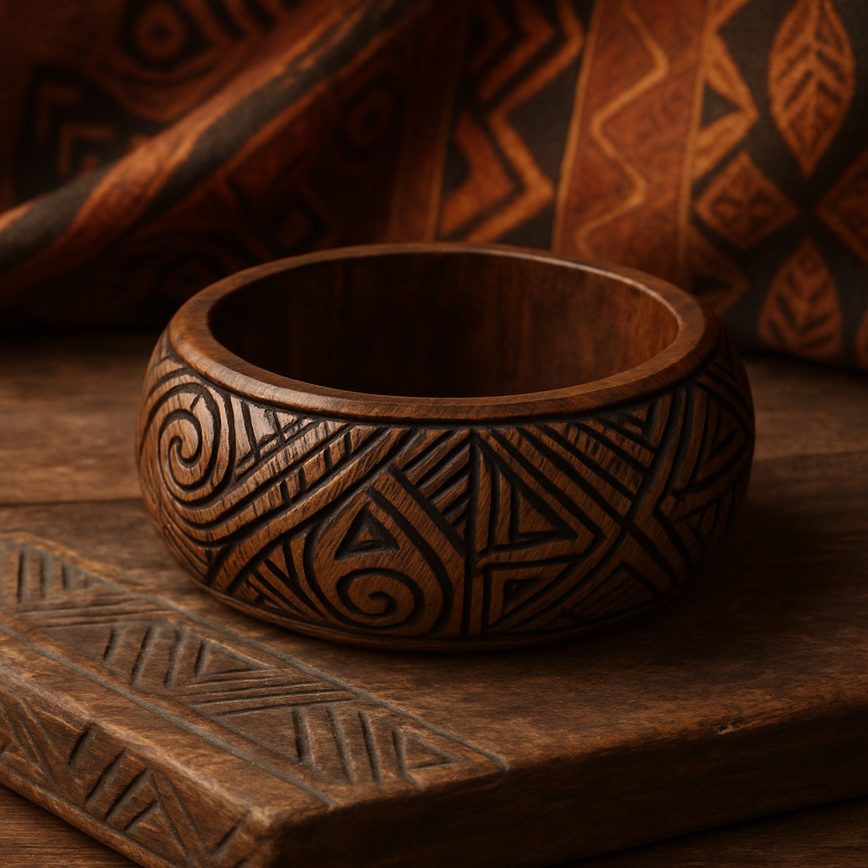
Introduction to Handcrafted Wooden Accessories from Africa
Handcrafted wooden accessories from Africa represent a unique blend of artistic expression and cultural heritage. These items, meticulously shaped and carved by skilled artisans, form an essential component of African craftsmanship, showcasing the continent’s rich artisan woodwork tradition. Each piece is not merely an accessory but a story told through the medium of wood, embodying the skill, creativity, and cultural significance that has been passed down through generations.
African wooden accessories vary widely, including jewelry, hair combs, figurines, and decorative items. Each accessory bears the distinctive marks of handcrafted wood, where the artisan’s touch ensures no two pieces are identical. This uniqueness reflects the artisan’s commitment to preserving traditional techniques while injecting personal flair and contemporary appeal, creating items that are both timeless and trendy.
The significance of these handcrafted wooden accessories lies deeply rooted in African culture. They serve as symbols of identity, status, and social connection within various communities. For example, certain designs might indicate tribal affiliation, social rank, or even spiritual beliefs. African craftsmanship in wood arts often involves symbolic motifs and patterns that communicate stories, values, and ancestral heritage, thus making each accessory a cultural artifact as much as a fashion statement.
Moreover, the artisan woodwork tradition in Africa is a testament to sustainable and environmentally friendly practices. Artisans often source wood locally, practicing responsible harvesting and ensuring that their craft supports both their communities and the environment. This approach not only preserves natural resources but also sustains the cultural economy by empowering local craftsmen and promoting their skills on a global scale.
In understanding African wooden accessories, one appreciates the intricate balance of function, beauty, and cultural depth. These handcrafted wood items are expressions of African creativity and resilience, symbolizing an enduring legacy of craftsmanship that continues to inspire and captivate people worldwide. Whether worn or displayed, African wooden accessories invite admiration for the artisan’s skill and respect for the cultural traditions they represent.
Significance of Woodcraft in African Culture
Woodcraft holds a profound significance in many African communities, serving as a vital expression of cultural heritage and identity. The artisan crafts created from wood are more than mere objects—they are tangible reflections of African traditions, values, and spiritual beliefs passed down through generations. Through intricate carvings and carefully shaped designs, woodcraft embodies the stories, symbols, and customs unique to each culture, preserving historical narratives and ancestral wisdom.
In various African societies, woodcraft plays a central role in ceremonies, rituals, and daily life. Masks, statues, and tools made by skilled artisans not only showcase local craftsmanship but also highlight significant cultural themes such as community leadership, mythology, and social status. These wooden artifacts often serve as mediums to connect with ancestors and invoke protection or blessings, reinforcing the spiritual dimension of the craft.
The significance of woodcraft extends beyond aesthetics; it fosters a sense of pride and continuity within communities. As a form of artisan craft, wooden creations help to sustain traditional skills and support local economies, ensuring that African cultural heritage remains vibrant and relevant in the modern world. By cherishing and promoting woodcraft, African communities celebrate their identity and contribute to a global appreciation of their rich artistic legacy.
Common Types of Wooden Accessories
Across Africa, handcrafted wooden accessories are treasured for their beauty, cultural significance, and artisan craftsmanship. Among the most popular wooden jewellery pieces are bracelets and earrings, which often feature intricate carvings and traditional motifs that reflect the diverse heritage of African tribes. These wooden bracelets are not only stylish but also carry symbolic meanings, making them cherished items for both everyday wear and special occasions.
Wooden earrings crafted in Africa come in a variety of shapes and sizes. From delicate, lightweight designs to bold statement pieces, these earrings showcase the skill of local artisans who carefully carve and polish each item by hand. The natural grain of the wood adds a unique texture and warmth that sets wooden jewellery apart from other materials.
Beyond personal adornment, wooden decor items are widely admired throughout Africa. Handmade wood items such as intricately carved masks, figurines, and utensils are common decorative accents that bring a touch of African tradition into homes. These wooden decor pieces serve as a connection to ancestral stories and customs, making them meaningful collectibles as well as aesthetic additions.
Overall, wooden jewellery, bracelets, earrings, and decorative items created by African artisans continue to gain popularity worldwide. Their timeless appeal, combined with the authenticity of handmade work, makes African wooden accessories a remarkable and cherished choice for those seeking unique and culturally rich fashion and decor.
Materials and Techniques Used in African Woodworking
African wood types play a crucial role in the creation of handcrafted wooden accessories, chosen not only for their beauty but also for their durability and symbolic significance. Commonly, artisans work with hardwoods such as ebony, mahogany, and African blackwood, each offering unique grain patterns and colors that bring distinct character to the finished pieces. Ebony, renowned for its deep black hue and fine texture, is highly prized for intricate carvings and detailed work. Mahogany, with its reddish-brown tone and smooth finish, is favored for larger items and accessories that require strength and resilience. African blackwood, similarly dense and durable, is ideal for smaller, delicate pieces and ornamental decorations.
Beyond the selection of sustainable materials, traditional woodworking techniques remain central to the artistry of African craftsmen. These methods have been passed down through generations, combining both skill and cultural heritage. For instance, hand carving is a predominant wood carving technique where artisans use chisels, knives, and gouges to shape detailed patterns and motifs that often represent stories, beliefs, or tribal identity. This meticulous process allows for precision and a personal touch that machinery cannot replicate. Additionally, techniques such as sanding and smoking the wood enhance its finish and longevity, ensuring the accessories are both functional and aesthetically pleasing.
Sustainable materials are another essential focus within African woodworking. Many artisans source their wood locally from managed forests or reclaim wood to preserve natural resources. This respect for sustainability reflects in the environmental ethos woven into the crafting process. The preference for natural dyes and finishes further complements this eco-conscious approach, enriching the wood’s natural color without harmful chemicals. By blending traditional wood carving techniques with sustainable materials, African wooden accessories not only celebrate the continent’s rich heritage but also promote responsible craftsmanship for future generations.
In summary, the combination of African wood types such as ebony, mahogany, and African blackwood with time-honored wood carving techniques showcases the exceptional skill of artisans. Their commitment to sustainable materials and cultural traditions transforms each handcrafted accessory into a unique piece of art, imbued with both beauty and meaning. This harmony of materials and methods ensures that African woodworking remains a vibrant and respected craft worldwide.
Popular Wood Types for Accessories
When it comes to handcrafted wooden accessories from Africa, certain African hardwoods stand out for their beauty, durability, and distinctive characteristics. Ebony wood is highly prized for its deep, rich black color and smooth texture, making it a popular choice for elegant jewelry pieces and intricate carvings. Its density and natural polish give accessories made from ebony a luxurious finish that ages beautifully over time.
Mahogany wood is another popular material renowned for its warm reddish-brown hue and fine grain. This wood is favored for its workability and resilience, allowing artisans to craft detailed accessories that maintain their structural integrity and appeal. Mahogany’s natural luster and subtle variations in tone add a classic, timeless quality to handcrafted items.
Baobab wood, sourced from the iconic African baobab tree, offers a unique texture and pattern that distinguishes it from other hardwoods. Known for its lightweight yet sturdy nature, baobab wood provides a versatile base for accessories that are both functional and visually striking. Its pale, almost creamy color often contrasts beautifully with darker woods, highlighting the artistry of African craftsmen.
Together, ebony, mahogany, and baobab wood represent the rich diversity of African hardwoods used in creating accessories that celebrate both tradition and innovation. Each type brings its unique qualities to the craft, making African wooden accessories admired worldwide for their natural elegance and cultural significance.
Traditional Woodcarving Methods
Traditional woodcarving is a revered craft that requires exceptional skill and precision. Hand carving is at the heart of this art, where artisans use specialized tools to shape intricate designs. The process begins with selecting the right type of wood, known for its texture and durability. Using artisan tools such as chisels, gouges, and mallets, craftspeople carefully chip away at the wood, employing various chipping techniques to bring out the desired patterns and details.
These traditional craft methods have been passed down through generations, preserving the rich heritage of woodcarving. Each piece tells a story, with artisans combining their knowledge of the material and their expertise in manipulating it to create stunning works. The skill involved is immense, as artists must maintain steady hands and a keen eye to ensure every curve and contour enhances the final design.
The beauty of these handcrafted wooden accessories lies not just in their appearance but also in the time-honored techniques behind their creation. The deliberate, slow process of hand carving allows for an intimate connection between the artisan and their work, making each carved piece truly unique and reflective of traditional craftsmanship.
Buying and Caring for Handcrafted Wooden Accessories
When you decide to buy African wood accessories, it’s essential to focus on authenticity and quality. Genuine handcrafted wooden accessories are made with care, using sustainable materials sourced responsibly from local artisans. To ensure you are purchasing authentic pieces, look for distinct wood grain patterns, smooth finishing, and any signs of hand-carving. Avoid items that appear overly polished or mass-produced, as these can often indicate lower quality reproductions.
Sustainable shopping is not only a responsible choice for the environment but also a way to support artisans and preserve traditional woodcraft methods. Verify whether the sellers provide information about the origin of the wood and the craftsmanship involved. Many authentic woodcraft pieces come with certificates or tags that detail the type of wood and the cultural significance behind the designs, enhancing their value and story.
Once you have your handcrafted wooden accessories, proper care for wooden accessories is vital to maintain their beauty and durability. Wooden items can be sensitive to moisture and extreme temperature changes, so keep them away from direct sunlight, water, and heat sources. To clean your wooden accessories, use a soft, dry cloth or slightly damp cloth if necessary, avoiding harsh chemicals or abrasive materials that could damage the finish.
Regularly nourishing your wooden accessories with natural oils such as linseed or mineral oil can help preserve the wood and prevent cracking. Apply a small amount of oil to a soft cloth and gently rub it into the surface, allowing the wood to absorb it fully before buffing away any excess. This simple maintenance routine not only enhances the wood’s natural sheen but also extends the lifespan of your cherished pieces.
By choosing to buy African wood accessories thoughtfully and following recommended care practices, you contribute to a sustainable market that values authentic craftsmanship. This ensures that the rich heritage of wooden accessory making continues to thrive while you enjoy unique, timeless pieces that tell their own story.
How to Identify Authentic African Wooden Accessories
When seeking genuine African wooden accessories, understanding the key indicators of authenticity is essential. First, look for artisan signatures or marks. Many skilled craftsmen sign or uniquely mark their work, which serves as a certification of artisan craftsmanship and ensures that the piece is not mass-produced. This signature often indicates a connection to traditional techniques passed down through generations.
The quality of the wood itself is another vital factor. Authentic African wooden accessories are crafted from carefully selected, genuine woods known for their durability and distinct grain patterns. These woods often include types native to Africa such as ebony or mahogany, which provide both strength and aesthetic appeal. Notice the texture, weight, and finish; genuine woodcraft usually feels solid and shows natural variations rather than synthetic uniformity.
Ethical sourcing practices also play a crucial role in identifying authentic pieces. Reputable sellers will provide information about how and where the wood was sourced, ensuring that the production supports local communities and sustainable forestry. This ethical approach not only preserves the environment but also supports artisans financially, making it a key aspect of authenticity in the buying guide for African wooden accessories.
By paying attention to artisan certification, the quality of the wood, and ethical sourcing, buyers can confidently recognize authentic African wooden accessories that celebrate true craftsmanship and cultural heritage.
Tips for Maintenance and Longevity
To ensure your handcrafted wooden accessories retain their beauty and durability, proper wood accessory care is essential. Begin by cleaning wood jewelry gently using a soft cloth or a brush with mild soap and water. Avoid soaking the pieces, as excessive moisture can damage the wood. After cleaning, dry them immediately with a soft towel to prevent water absorption.
Preserving wooden items also involves protecting them from extreme temperatures and direct sunlight, which can cause cracking or fading. Applying a natural oil, such as mineral oil or beeswax, periodically helps nourish the wood and maintain its luster, enhancing longevity.
When it comes to storage, always keep your wooden accessories in a cool, dry place. Use breathable pouches or boxes lined with soft fabric to avoid scratches and dents. Avoid plastic bags that can trap moisture and promote mold growth. Proper storage not only protects the wood but also keeps your unique pieces looking pristine for years to come.

I’m fascinated by the vibrant intersection of contemporary fashion and traditional African craftsmanship. I spend my free time exploring markets, learning about textile techniques, and sharing the stories behind each piece with our readers.