

Understanding Ethical Fashion and Its Importance
Ethical fashion is an expanding movement that emphasises the production of garments in a manner that is both socially responsible and environmentally sustainable. In contrast to conventional fast fashion, which typically prioritises quick production and low prices at the cost of quality and workers’ rights, ethical fashion focuses on transparency, fair remuneration, and sustainable materials. This philosophy aims not only to lessen the environmental impact of fashion but also to uplift the artisans and workers engaged in the manufacturing process.
In the current landscape, the importance of ethical fashion has never been clearer. The fashion sector ranks among the top contributors to pollution worldwide, accountable for considerable carbon emissions, excessive water usage, and the accumulation of waste from thrown-away clothing. The fast fashion approach, defined by inexpensive, throwaway garments made at an alarming pace, intensifies these issues by fostering a culture of overconsumption and waste. Conversely, ethical fashion advocates for slow fashion values, urging consumers to purchase less, prioritise quality over quantity, and select items crafted through sustainable methods.
The embrace of sustainable clothing methods in ethical fashion brings extensive advantages. From an environmental standpoint, it aids in conserving natural resources, minimising chemical pollutants, and decreasing greenhouse gas emissions. Numerous ethical brands incorporate organic fibres, recycled materials, and low-impact dyes, which together diminish the fashion industry’s impact on our planet. On the social front, ethical fashion promotes respectable working conditions, equitable wages, and the safeguarding of traditional craftsmanship, empowering communities and mitigating the exploitation frequently associated with the fast fashion supply chain.
By recognising and adopting the principles of ethical fashion, shoppers can significantly influence the industry’s evolution. Opting for sustainable clothing alternatives aids artisans and enterprises dedicated to producing fashion that honours both individuals and the environment. This movement towards slow fashion cultivates a greater appreciation for the narratives tied to each item, promoting thoughtful consumption and a lasting beneficial effect on the worldwide fashion landscape.
Defining Ethical Fashion
The definition of ethical fashion revolves around a dedication to crafting clothing and accessories in ways that honour both individuals and the environment. At its core, it represents a fashion philosophy that emphasises fair labour practices, sustainability for the planet, and clarity across the entire supply chain. In contrast to fast fashion, which frequently ignores the social and ecological repercussions of production, ethical fashion aims to reduce harm while enhancing positive contributions.
At its essence, sustainable fashion represents an essential aspect of ethical fashion. This involves the responsible use of resources through the selection of eco-friendly materials, minimising waste, and prioritising durability instead of disposability. Fashion ethics additionally encompass the assurance that artisans and workers are compensated fairly, operate in safe environments, and have their rights upheld. These values promote dignity and equity within the global fashion sector, which has long been marred by exploitation.
The aims of ethical fashion go further than merely producing clothing. They seek to change consumer behaviours, promoting thoughtful buying and a greater recognition of the artistry involved—often drawing inspiration from cultural legacies, like those of African craftspeople. By opting for ethical fashion, shoppers back methods that bolster environmental conservation, social equity, and cultural safeguarding. This comprehensive strategy contributes to fostering a fairer and more sustainable future for individuals and the Earth.
Environmental and Social Impacts
Traditional fashion, typically marked by rapid production schedules and fleeting trends, poses a considerable threat to the environment. This sector ranks among the top polluters worldwide, playing a role in water pollution, excessive waste generation, and elevated carbon emissions. The reliance on synthetic fibres sourced from fossil fuels not only exhausts finite resources but also results in microplastic pollution, adversely affecting marine species and ecosystems. Furthermore, the intensive cultivation of natural fibres such as cotton necessitates enormous water usage and depends significantly on pesticides, which further harms the environment.
In addition to its environmental impact, traditional fashion frequently overlooks social responsibility. Numerous individuals involved in fast fashion supply chains face harsh working conditions, minimal pay, and exploitation. The conditions in factories often lack sufficient safety protocols, resulting in devastating accidents and chronic health problems for artisans and factory employees. This neglect of ethical labour standards weakens communities and sustains cycles of poverty.
Transitioning to ethical fashion influenced by African artisans offers a significant alternative with various advantages of slow fashion. Ethical fashion focuses on sustainable materials, traditional skills, and fair compensation, leading to less environmental impact and improved social welfare. This slow fashion philosophy encourages consumers to appreciate quality and durability rather than sheer volume, reducing waste and promoting thoughtful consumption. By backing artisans who use age-old methods and environmentally conscious practices, ethical fashion contributes to the safeguarding of cultural heritage while enhancing economic empowerment. Additionally, it encourages transparent supply chains and social accountability, making certain that environmental and human rights issues are considered at every stage.
Ultimately, adopting ethical fashion not only reduces the environmental footprint of clothing manufacturing but also promotes social fairness, fostering a more sustainable and equitable industry for generations to come.
How African Artisans Inspire Ethical Fashion
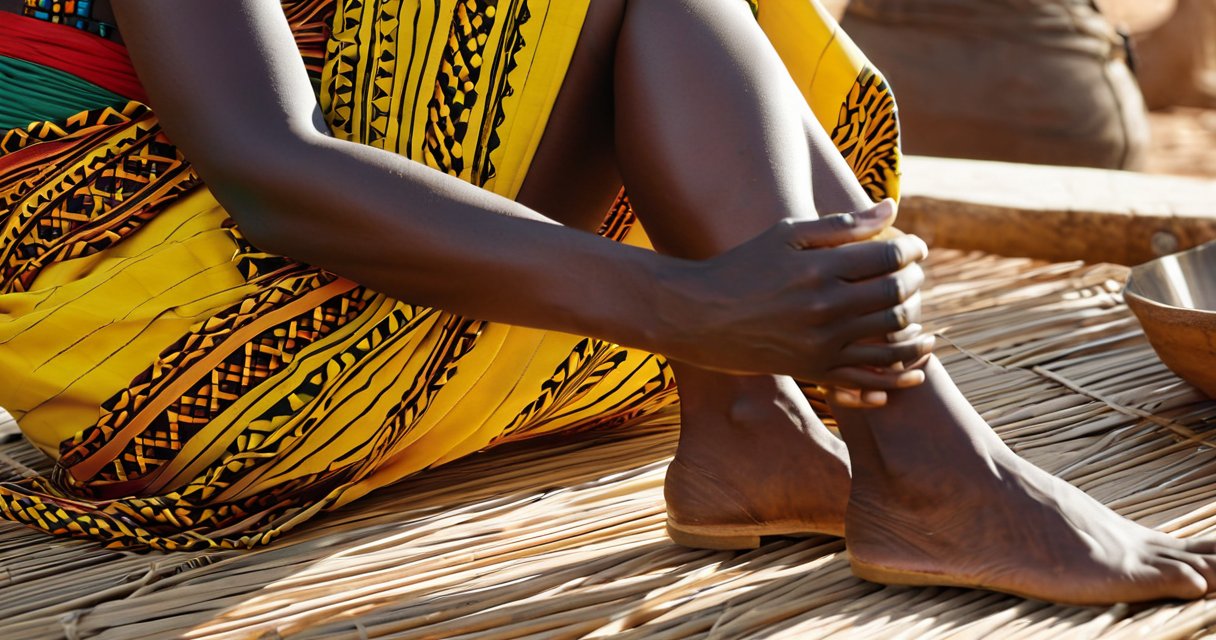
African artisans have been revered for their remarkable craftsmanship, which stands at the heart of ethical fashion serves as an inspiration globally. Their creations demonstrate a deep appreciation for traditional methods handed down through the ages, encapsulating both cultural heritage and sustainable practices. With the fashion industry progressively pursuing authenticity and accountability, the distinctive talents and ingenuity of these artisans offer an essential wellspring of inspiration for designers dedicated to ethical fashion.
Artisan skills in Africa are firmly established in age-old techniques that prioritise sustainability and resource efficiency. From handwoven fabrics and detailed beadwork to age-old dyeing methods, these traditions rely on natural resources and handcrafted expertise, resulting in a low environmental footprint. This commitment to craftsmanship not only safeguards important cultural legacies but also resonates with the ideals of ethical fashion — promoting fair trade, empowering communities, and encouraging slower production cycles.
The traditional techniques employed by African artisans exemplify their creativity and bond with the natural world. Consider, for instance, the indigo dye sourced from local flora, or the intricately crafted kente cloth, both rich in symbolism and narratives that go beyond simple beauty. These techniques, honed over generations, motivate fashion designers to weave meaningful stories into their collections, providing shoppers with apparel that carries authenticity and ethical importance.
In addition to the materials and techniques used, the cultural importance inherent in the creations of African artisans enhances ethical fashion by fostering appreciation for varied identities and histories. By supporting African artisans, we acknowledge their vital role as guardians of culture and creativity, while also promoting equitable economic prospects within their communities. This ethical perspective confronts the dominance of mass-produced fashion, advocating for a transition towards more conscious consumption that respects the narratives behind every handcrafted item.
In summary, the impact of African artisans on ethical fashion is significant and varied. Their skilled craftsmanship, grounded in age-old techniques and cultural traditions, provides a model for sustainable and purposeful fashion. By recognising and backing this heritage, the ethical fashion movement not only acquires beautiful, handmade items but also fosters a richer connection to history, community, and environmental care.
Traditional Techniques and Materials
African artisans have consistently advocated for sustainability and authenticity by employing traditional techniques to craft exquisite textiles. At the heart of this artistry are African textiles, typically made using time-honoured weaving methods that have been handed down through generations. These techniques not only safeguard cultural heritage but also promote eco-friendly practices by depending on manual labour instead of energy-consuming machinery.
Handcrafted textiles created by these artisans reveal a deep bond with their materials. In contrast to factory-made fabrics, each piece is meticulously woven, ensuring that every item is distinctive and rich in personality. The journey starts with natural fibres, sourced from local suppliers, which aids in minimising the carbon footprint linked to synthetic options. Typical fibres encompass cotton, raffia, and silk, all collected in an environmentally friendly manner.
A key characteristic of the conventional method is the application of natural dyes sourced from plants, roots, and minerals. These natural dyes are not only more eco-friendly but also yield vibrant and enduring colours steeped in cultural significance. The utilisation of non-chemical dyes guarantees that the fabrics are biodegradable and safe for the artisans who manually apply them.
Through the incorporation of these methods and resources, artisans in Africa maintain a dedication to environmentally conscious fashion that celebrates their cultural legacy. Their emphasis on handcrafted textiles, organic dyes, and expert weaving practices plays a vital role in fostering a sustainable fashion future that is grounded in genuineness and reverence for nature.
Cultural Heritage and Storytelling
African artisans are skilled at intricately weaving their cultural heritage into their work, turning fashion items into lively narratives that transcend simple visual appeal. Each piece represents more than just a garment or accessory; it serves as a concrete reflection of the artisans’ stories, showcasing the rich tapestry of African culture. This narrative dimension elevates the ethical significance of fashion, paying tribute to traditions handed down through the ages and safeguarding identities in an increasingly globalised society.
Fashion narratives inspired by African culture frequently incorporate elaborate symbols, patterns, and methods that are distinctive to particular communities. For instance, designs on fabrics can signify historical occurrences, regional legends, or social hierarchies. These intentional design selections are thoughtfully integrated by artisans to preserve a link to their ancestry, encouraging wearers to connect with the profound significance of each item. This approach not only enhances the fashion piece but also infuses it with meaning and genuineness.
Focusing on artisan narratives and cultural heritage, ethical fashion brands influenced by African craftsmanship uplift communities both economically and socially. They showcase the talent and creativity inherent in every handcrafted piece, while encouraging cultural appreciation over appropriation. In the end, this method of fashion storytelling nurtures respect for African culture and motivates consumers to recognise the history and traditions woven into their clothing.
Supporting African Artisan Brands for Sustainable Impact
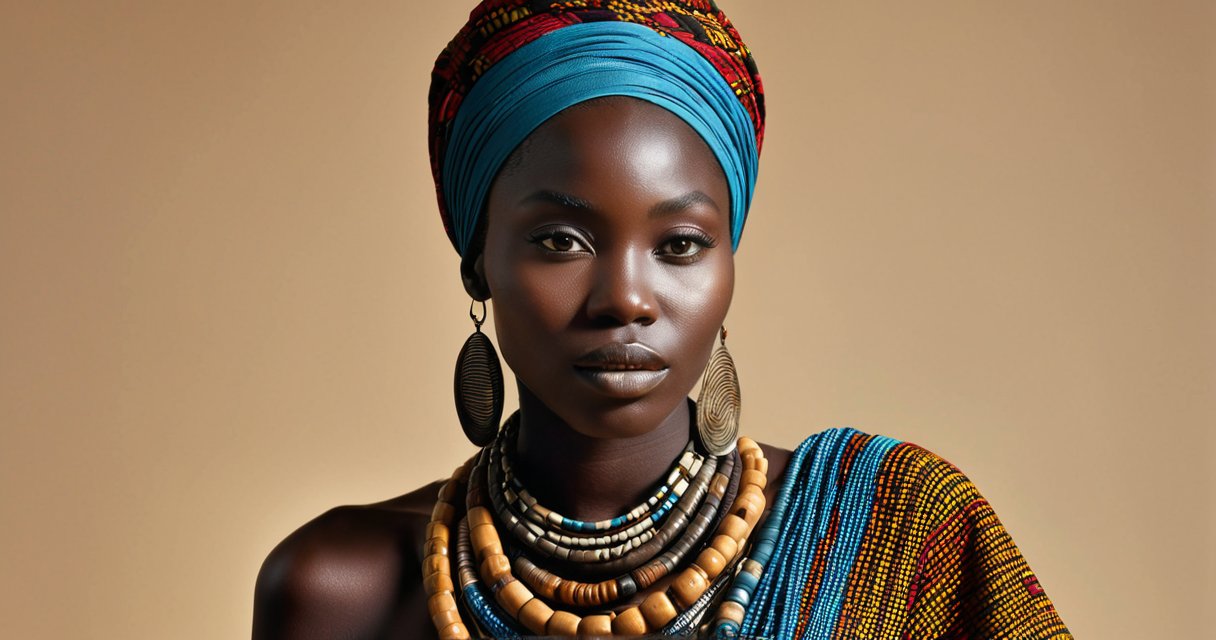
In the current fashion scene, backing African brands transcends mere trendiness; it represents a significant commitment to artisan empowerment and responsible consumer choices. African artisan brands showcase a vibrant blend of culture, talent, and history, creating distinctive fashion items that embody narratives and customs handed down over time. Opting to support these brands signifies a proactive role in safeguarding precious craftsmanship while helping communities flourish.
Backing African artisan brands delivers tangible economic advantages to local artisans and their communities. Numerous craftsmen and women work in small, family-owned workshops where fair wages and safe working conditions are not merely aspirations but actualities, thanks to the fair trade fashion principles upheld by these brands. Fair trade guarantees that artisans are compensated fairly, enabling them to enhance their living standards, invest in education, and obtain healthcare, promoting sustainable community growth.
Additionally, backing African brands closely aligns with the wider objectives of sustainable shopping. These brands frequently emphasise eco-friendly materials and traditional techniques that minimise environmental harm. In contrast to mass-produced fashion, African artisan goods steer clear of the fast fashion cycle, concentrating on quality and enduring design. This transition aids in waste reduction, decreases carbon footprints, and fosters a healthier planet.
By choosing items crafted by African artisans, shoppers contribute to a broader initiative focused on responsible buying that honours both communities and the environment. Supporting artisans not only elevates individuals but also safeguards cultural traditions and crafts that could fade away due to globalisation. Every transaction fosters a more inclusive and equitable fashion landscape that prioritises transparent supply chains and ethical manufacturing.
In summary, opting to back African artisan brands is a significant move towards fulfilling sustainable fashion objectives. It results in real, beneficial changes within artisan communities, promotes fair trade practices, and nurtures sustainable shopping behaviours. As consumers grow increasingly aware of their influence, supporting African artisan fashion stands as a considerate and impactful decision that respects tradition while creating a more equitable and sustainable future.
Fair Trade and Ethical Sourcing
Fair trade principles are fundamental to ethical fashion, guaranteeing that artisans receive just compensation and work in respectful environments. In African artisan communities, fair trade fosters a framework where creators are justly rewarded for their crafts, which directly benefits their livelihoods and safeguards cultural traditions. Ethical sourcing complements fair trade, highlighting the importance of transparency across the supply chain. This transparency provides consumers with the confidence that every phase, from the acquisition of raw materials to the final product, meets ethical criteria.
By focusing on ethical sourcing, fashion brands pledge to collaborate directly with African artisans, eliminating exploitative intermediaries and enhancing local economies. This strategy ensures that artisans receive fair compensation, promoting sustainable growth within their communities. Additionally, it cultivates enduring partnerships rooted in respect and trust, empowering artisans to preserve their traditional craft skills while embracing innovation in their trade.
Transparency plays a vital role in fair trade and ethical sourcing, as it fosters consumer trust and promotes accountability among brands. When consumers are aware of the origins and production methods of products, they are more likely to back ethical fashion initiatives. For artisans in Africa, this translates to enhanced working conditions, increased wages, and empowerment through financial independence, positioning fair trade as not merely a business model, but a movement for greater social justice within the fashion sector.
How Consumers Can Make a Difference
Consumers possess remarkable influence in shaping the future of ethical fashion that draws inspiration from African artisans. By opting for thoughtful purchasing decisions, buyers can directly enhance the livelihoods of talented artisans while promoting sustainable methods. Recognising the impact of consumer behaviour is the initial step in this journey towards making responsible fashion choices.
A sensible strategy is to focus on products that evidently back artisans. Seek out brands that are transparent regarding their sourcing practices and guarantee that artisans are compensated fairly. Tips for ethical shopping involve investigating brands’ dedication to community development and eco-friendly production techniques. This not only aids craftspeople but also fosters sustainability throughout the supply chain.
An alternative method to enhance consumer influence is by prioritising quality instead of quantity. Opting for sustainable options involves selecting items that are long-lasting, classic, and crafted using traditional methods, which helps minimise waste and overconsumption. Additionally, consumers can look for certifications or labels that confirm ethical practices, enabling them to make informed choices that genuinely support artisan communities.
Ultimately, raising awareness of the importance of ethically produced African artisan fashion fosters greater market demand. By sharing your insights and publicly endorsing ethical brands, each consumer plays a part in a movement that values creativity, culture, and sustainability. Collectively, conscious shoppers can effect meaningful change that extends far beyond just clothing.

I’m fascinated by the vibrant intersection of contemporary fashion and traditional African craftsmanship. I spend my free time exploring markets, learning about textile techniques, and sharing the stories behind each piece with our readers.