
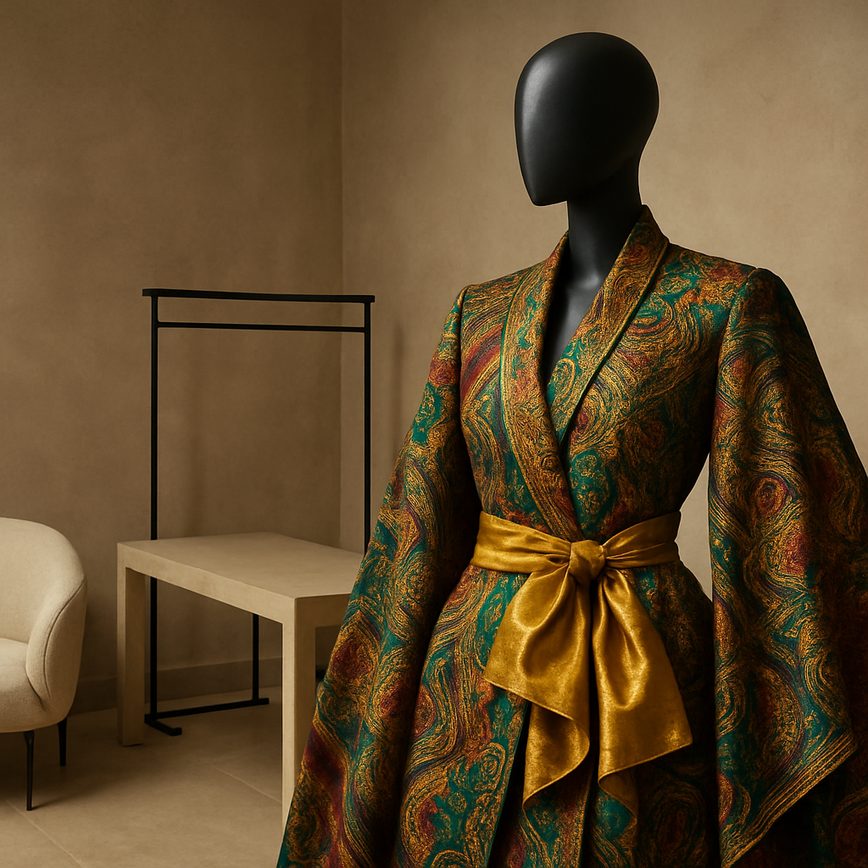
Introduction to Luxury African Fashion Brands
The emergence of luxury African fashion brands marks a transformative chapter in the global fashion industry. Over the past decade, African designers have increasingly showcased their unique creativity and rich cultural heritage, earning recognition and admiration on the world’s most prestigious runways. This rise signals not only an expansion of fashion diversity but also a celebration of luxury brands Africa that marry tradition with modernity in striking ways.
Luxury African fashion is no longer a niche but a formidable force within the fashion industry Africa, reflecting a thriving market driven by innovation, craftsmanship, and a deep connection to history. African designers are redefining luxury by integrating indigenous textiles, artisanal techniques, and contemporary silhouettes, capturing the essence of Africa’s vibrant soul. This movement challenges established norms and introduces fresh perspectives that resonate globally with consumers seeking authenticity and exclusivity.
Global luxury brands Africa have flourished by embracing sustainability and ethical production practices, which align with the growing demand for responsible fashion. These brands not only elevate African artistry but also create economic empowerment through job creation and the promotion of local communities. The significance of this shift extends beyond fashion, positioning African luxury brands as cultural ambassadors and key players in the global market.
In summary, the rise of luxury African fashion brands represents a dynamic fusion of creativity, heritage, and innovation. It highlights the potent influence of African designers on the fashion industry Africa and celebrates a new era where luxury African fashion commands global attention and admiration. This trend continues to inspire and reshape the landscape of luxury fashion worldwide.
Historical Context and Cultural Influences
The history of African fashion is deeply rooted in the continent’s diverse cultural heritage, making it a rich source of inspiration for luxury fashion brands today. African fashion history spans centuries, characterized by vibrant traditional African textiles that carry stories of identity, social status, and spirituality. African textiles such as Kente from Ghana, Ankara from West Africa, and Shweshwe from Southern Africa form the foundation of many modern designs and are celebrated for their intricate patterns, bold colors, and artisanal craftsmanship.
Luxury African fashion brands have embraced this cultural legacy, blending age-old techniques with contemporary aesthetics to create pieces that honor tradition while appealing to global markets. The fashion evolution Africa has witnessed is a testament to how cultural influences can propel a unique style narrative that goes beyond mere clothing to express heritage and pride. Designers are increasingly using traditional fabrics and motifs to challenge Western fashion norms, positioning African fashion as both innovative and respectful of its origins.
Understanding these cultural influences is crucial in appreciating the luxury African fashion scene. It reveals how deeply interwoven African fashion is with history and how modern designers continuously reinterpret traditional elements to craft a new fashion identity that is globally recognized and celebrated.
Key Characteristics of Luxury African Fashion
Luxury African fashion is distinguished by its unique design elements, exceptional craftsmanship, and the use of premium fabrics Africa is celebrated for. These African luxury styles often incorporate intricate patterns and motifs that reflect the rich cultural heritage and storytelling traditions of the continent, setting them apart from global fashion trends.
The craftsmanship behind high-end African fashion is meticulous and detailed, involving skilled artisans who apply traditional techniques passed down through generations. Techniques such as hand-weaving, embroidery, and beadwork showcase a profound dedication to quality and artistic expression. This attention to detail is a hallmark of luxury in the African fashion scene.
Furthermore, the choice of materials plays a significant role in defining premium African fashion. Designers prioritize the use of natural, sustainable, and locally sourced fabrics such as rich kente cloth, silky cottons, and vibrant ankara textiles. These premium fabrics Africa provides not only add to the aesthetics but also enhance the durability and comfort of the garments, reinforcing their status as luxury pieces.
Ultimately, the blend of innovative design, traditional craftsmanship, and high-quality materials culminates in a fashion category that is both culturally significant and globally revered for its sophistication and distinctiveness. These elements collectively elevate luxury African fashion, setting it distinctly apart in the international fashion industry.
Leading Luxury African Fashion Brands and Designers
The landscape of luxury fashion in Africa is rapidly evolving, driven by a cadre of visionary top African designers who blend traditional craftsmanship with contemporary styles. These fashion pioneers Africa are not only redefining African haute couture but also placing luxury fashion brands Africa prominently on the global stage. Their work celebrates rich cultural heritage while embracing innovation, bringing fresh perspectives to the luxury market.
Among the standout figures is Ozwald Boateng, renowned for his bold approach to classic tailoring infused with vibrant African elements. His designs are synonymous with sophistication and have become a hallmark of African luxury fashion brands, elevating menswear to new heights. Similarly, Lisa Folawiyo has gained acclaim for her exquisite use of traditional Nigerian textiles, transforming them into glamorous and modern haute couture pieces adored worldwide.
Another influential brand is Orange Culture, led by Adebayo Oke-Lawal, whose eclectic and gender-fluid designs challenge conventional norms and highlight Africa’s dynamic fashion future. This brand exemplifies how luxury fashion brands Africa are embracing inclusivity and high creativity, crafting garments that resonate globally while rooted in African identity.
Iconic labels like Maxhosa by Laduma also continue to impact the global fashion scene with their intricate knitwear inspired by Xhosa beadwork and patterns. Their work not only showcases traditional artistry but also pushes the boundaries of African haute couture through contemporary design innovation.
Together, these top African designers and luxury fashion brands Africa represent a powerful movement that is reshaping the global fashion narrative. Their dedication to craftsmanship, cultural storytelling, and modern elegance ensures that African haute couture remains at the forefront of the industry, inspiring future generations of fashion pioneers Africa.
Influential Designers Transforming the Industry
African fashion icons have been at the forefront of redefining luxury fashion on the global stage. Among these innovative African designers, names like Ozwald Boateng, a British-Ghanaian tailor celebrated for his vibrant yet sophisticated menswear, and Lisa Folawiyo from Nigeria, known for her exquisite use of traditional textiles with a modern twist, stand out prominently. These designer profiles Africa highlight are not only a testament to creativity but also showcase a deep connection to cultural heritage.
Emerging as luxury fashion leaders, designers such as Thebe Magugu from South Africa and Mimi Plange have introduced fresh narratives, blending heritage and contemporary styles uniquely. Their work embodies the essence of African luxury fashion—bold, innovative, and deeply rooted in storytelling. These designers are carving spaces in international fashion weeks, attracting global buyers and celebrities, which further propels African fashion onto the world stage.
The contribution of these innovative African designers reflects a broader movement where traditional craftsmanship meets cutting-edge design. Their influence extends beyond mere aesthetics, inspiring a new generation of creatives and elevating the perception of African luxury fashion. By championing indigenous fabrics, techniques, and narratives, they epitomize a dynamic and sustainable future for African fashion worldwide.
Notable Luxury Fashion Houses and Labels
The landscape of luxury labels in Africa is marked by a dynamic blend of heritage, innovation, and craftsmanship, establishing African fashion houses as key players on the global stage. These luxury brand success stories reflect the continent’s rich cultural tapestry, brought to life through exquisite fabrics, intricate detailing, and contemporary silhouettes. Among the leading names, fashion houses like Nigeria’s Lisa Folawiyo have garnered international acclaim for their ability to merge traditional African textiles with modern design sensibilities, appealing to sophisticated global consumers.
African design labels such as South Africa’s Maxhosa by Laduma have revolutionized knitwear by integrating Xhosa cultural motifs, turning local craftsmanship into coveted luxury items. Similarly, brands like MaXhosa represent not only fashion excellence but also cultural storytelling, which resonates deeply with both local and overseas markets. These luxury African fashion houses exemplify how authentic narratives combined with high-quality production standards lead to substantial luxury brand success stories.
Beyond these, other notable African luxury labels continue to rise, such as Senegal’s Christie Brown and Ghana’s Duaba Serwa, which highlight sustainability and ethical luxury, broadening the appeal of African fashion houses worldwide. These brands are pioneering a new era where African design labels are synonymous with elegance and global relevance, challenging conventional luxury markets and setting new benchmarks for quality and cultural representation.
The Global Impact and Future of Luxury African Fashion
The global fashion trends are increasingly reflecting the vibrant and diverse influences of African luxury fashion brands. Over the past decade, these brands have made significant strides in penetrating international fashion markets, showcasing not only unique craftsmanship and cultural richness but also innovative design aesthetics that resonate with a worldwide audience. The rising prominence of luxury fashion growth Africa is not merely a regional phenomenon but a transformative force reshaping the global fashion landscape.
African luxury brands have leveraged their authentic heritage and storytelling to appeal to discerning global consumers who seek exclusivity and distinctiveness. This authenticity, combined with contemporary design approaches, positions African luxury fashion as a compelling alternative to traditional luxury hubs. Consequently, African designers are increasingly featured in prestigious fashion weeks and luxury retail platforms, amplifying their presence in the international fashion markets and contributing to the diversification of global fashion trends.
Looking ahead, the African fashion future appears promising, fueled by a growing middle class on the continent, increased investment in fashion infrastructure, and enhanced digital connectivity that enables wider global reach. These factors collectively create an environment ripe for sustained luxury fashion growth Africa, driving innovation and opening new opportunities for collaboration and market expansion.
Furthermore, as sustainability and ethical production gain traction worldwide, African luxury fashion brands are uniquely positioned to lead in these areas due to their emphasis on artisan craftsmanship and sustainable practices. This alignment with global consumer values is expected to further propel African brands onto the world stage, creating a significant competitive advantage in future fashion markets.
In conclusion, the rising influence of African luxury brands within global fashion trends marks a dynamic shift in international fashion markets. With continued commitment to innovation, sustainability, and cultural authenticity, the future of luxury African fashion is both bright and influential, promising to shape the luxury fashion landscape for years to come.
International Recognition and Market Expansion
African luxury brands are increasingly making their mark on the global luxury markets, demonstrating remarkable growth beyond their home continent. With a unique blend of traditional craftsmanship and contemporary design, these brands are attracting the attention of international consumers and fashion connoisseurs alike. This surge in global interest is largely due to the participation of African designers in international fashion shows, where they showcase the rich cultural heritage and innovative spirit that define their creations.
Participation in prominent international fashion shows has been a key driver for African brands abroad, offering a platform to reach a wider audience and engage with global luxury markets. These events serve not only as a showcase but also as a business conduit, facilitating partnerships, collaborations, and distribution deals that help luxury fashion export from Africa grow steadily. The exposure gained in such high-profile venues affirms the quality and appeal of African luxury fashion on the world stage.
Furthermore, African luxury brands are strategically expanding into new markets by tailoring their offerings to suit diverse tastes while maintaining authentic African influences. This approach not only preserves brand identity but also enhances appeal in competitive markets. The growing appetite for exclusivity and cultural diversity in luxury consumption bolsters African brands’ ability to capture and sustain interest internationally, paving the way for their sustained success in the global luxury market.
Sustainability and Innovation in African Luxury Fashion
African luxury fashion brands are increasingly embracing sustainable fashion Africa principles to carve a competitive edge in the global market. By integrating eco-friendly luxury practices, these brands not only protect the environment but also highlight the continent’s rich cultural heritage in a responsible manner. Many designers are turning to traditional techniques combined with modern technology, creating unique pieces that are both innovative and ethical.
Fashion innovation Africa is evident in the use of organic materials, reduced waste production, and ethical sourcing throughout the supply chain. Luxury brands are collaborating with local artisans to ensure fair wages and sustainable livelihoods, thereby promoting ethical fashion brands that resonate with conscious consumers worldwide. This approach fosters community development while maintaining high-quality craftsmanship.
Moreover, African luxury fashion’s commitment to sustainability is reflected in adopting cutting-edge technologies such as 3D printing and digital fashion shows, which reduce environmental impact and increase accessibility. These initiatives demonstrate how eco-friendly luxury can coexist with style and sophistication, positioning African designers as pioneers in both creativity and responsibility on the global fashion stage.
In summary, the fusion of sustainability and innovation enables African luxury brands to stay competitive by appealing to a growing market of eco-conscious consumers who value authenticity, heritage, and ethical practices in fashion.

I’m fascinated by the vibrant intersection of contemporary fashion and traditional African craftsmanship. I spend my free time exploring markets, learning about textile techniques, and sharing the stories behind each piece with our readers.