
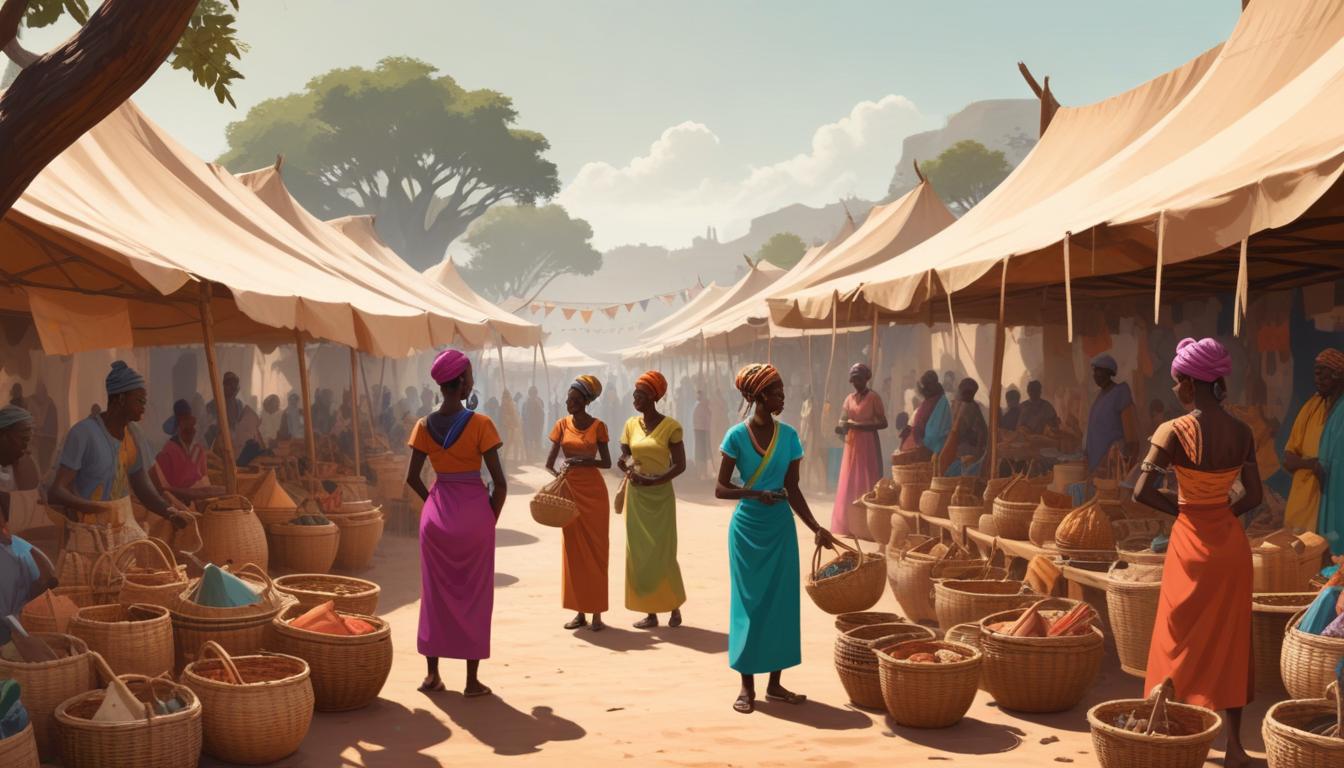
Top African Craft Festivals to Experience
African craft festivals offer a vibrant and authentic glimpse into the continent’s rich cultural heritage through traditional crafts, artisan markets, and cultural events. Among the numerous festivals across Africa, some stand out for their unique features, diverse offerings, and welcoming atmospheres. Attending these festivals not only allows visitors to appreciate superb craftsmanship but also to engage deeply with local cultures and communities.
One of the most celebrated events is the Lake of Stars Festival in Malawi. Held on the shores of Lake Malawi, this festival combines music, art, and crafts, creating a lively platform where artisans display handwoven baskets, wood carvings, and jewelry. The festival’s scenic backdrop enhances the experience, making it a beloved destination for those interested in artisan markets within a captivating natural setting.
In Ghana, the Chale Wote Street Art Festival in Accra is a dynamic celebration of urban culture and craft. This event transforms the city’s streets into an open-air gallery filled with stalls showcasing meticulously crafted textiles, beadwork, and pottery. Alongside visual and street art, traditional crafts are brought to life through live demonstrations, cultural events, and interactive workshops, offering visitors an immersive experience.
Another noteworthy festival is the Marrakech Artisan Market in Morocco, known globally for its extensive range of traditional crafts. Here, the bustling markets are filled with artisans skilled in leatherwork, ceramics, and textiles, creating a colorful and aromatic atmosphere. Cultural events featuring local music and dance enrich the festival, making it a comprehensive showcase of African craft festivals worth attending.
For those exploring southern Africa, the Durban July Craft Fair in South Africa offers an eclectic mix of traditional and contemporary crafts. This event highlights the ingenuity of local artisans through intricate beadwork, basketry, and metal crafts. The integration of fashion shows and live performances at the festival adds to its cultural vibrancy, making it a premier event on the African artisan festival calendar.
These festivals represent the heart and soul of African craft festivals by celebrating artisanal skill, cultural tradition, and community spirit. Whether you are drawn to artisan markets, traditional crafts, or cultural events, each festival promises a unique and enriching experience that celebrates Africa’s diverse craft heritage.
Lake Turkana Festival, Kenya
The Lake Turkana Festival in Kenya is a vibrant cultural festival that plays a crucial role in preserving and showcasing the rich heritage of the region’s indigenous communities. This annual event is renowned for its immersive celebration of traditional crafts and tribal art, drawing artisans and visitors alike who are passionate about authentic African craftsmanship. The festival serves as a vital platform for local craftspeople to display their unique skills in beadwork, pottery, weaving, and wood carving, reflecting centuries-old techniques passed down through generations.
Beyond the crafts, the Lake Turkana Festival is a powerful expression of community participation. It unites various tribes from around the Turkana region, fostering a spirit of cooperation and cultural pride. Tribal art is not only exhibited but also performed through traditional dances, music, and storytelling, allowing visitors to engage deeply with the indigenous culture. This interactive environment helps to preserve cultural identities while promoting economic sustainability for the artisans.
Attending the Lake Turkana Festival offers a rare opportunity to experience Kenyan crafts in their most authentic form, surrounded by the breathtaking landscapes of northern Kenya. The festival underscores the importance of cultural preservation through creative expression and highlights the enduring legacy of tribal art in contemporary society. It is truly a celebration of heritage, community, and the timeless beauty of handmade art.
Marula Festival, Botswana
The Marula Festival in Botswana is a vibrant celebration dedicated to showcasing the rich cultural heritage and artistic talents of the region. It offers an immersive experience where visitors can explore Botswana crafts, ranging from exquisite handmade art to traditional artifacts. The festival places great emphasis on its artisan stalls, which are bustling hubs where skilled craftsmen and craftswomen proudly display their creations. These stalls not only offer unique souvenirs but also serve as a platform for local artists to share the stories behind their work.
Traditional music is a central feature of the Marula Festival, creating an enchanting atmosphere that resonates throughout the event. Performances highlight the region’s musical heritage, blending rhythmic beats and soulful melodies that reflect Botswana’s cultural roots. Alongside the lively music, visitors can participate in various workshops designed to impart traditional crafting techniques and promote a deeper appreciation of Botswana’s artistic traditions.
These workshops provide an invaluable hands-on experience, allowing attendees to engage directly with the artisans and learn the intricate skills involved in creating authentic Botswana crafts. By focusing on both the display and practical aspects of handmade art, the Marula Festival successfully preserves and promotes the cultural legacy of Botswana. It is a must-visit event for anyone interested in traditional music, craftsmanship, and the vibrant artistry that defines this unique part of Africa.
What to Expect at African Craft Festivals
African craft festivals offer a vibrant and immersive experience that celebrates the rich heritage and craftsmanship of the continent. Visitors can anticipate a lively atmosphere filled with the sights, sounds, and colors that reflect the diversity of African cultures. One of the standout features of these festivals is the variety of festival activities designed to engage attendees of all ages and interests.
At the heart of the festival experience are the live craft demonstrations. Skilled artisans showcase their techniques in real-time, creating everything from intricate beadwork and pottery to traditional weaving and wood carving. These demonstrations provide a unique opportunity to witness the artistry and dedication that goes into each handcrafted item, allowing festival-goers to appreciate the skill and creativity of local artisans firsthand.
Interaction with local artisans is a key aspect that sets African craft festivals apart. Visitors have the chance to engage directly with the creators, ask questions about their craft, and learn about the cultural significance behind their work. This personal connection enriches the experience, enabling a deeper understanding of the traditions and stories that shape each piece. Many artisans also offer workshops or hands-on activities, making the festival an educational as well as an entertaining outing.
The overall festival atmosphere is electric and welcoming, blending festive music, traditional dance performances, and authentic African cuisine to complement the craft exhibitions. This combination of cultural expressions fosters a communal spirit where both locals and visitors come together to celebrate African creativity and heritage. The vibrant marketplace buzzing with the exchange of handmade goods epitomizes this festive mood, offering a rich sensory experience that captivates all who attend.
In summary, African craft festivals are an enriching experience full of dynamic festival activities, captivating craft demonstrations, meaningful interaction with local artisans, and an inviting, celebratory atmosphere. These elements combine to create memorable events that honor traditional craftsmanship and provide a lively space for cultural exchange and appreciation.
Interactive Workshops and Demonstrations
Many African craft festivals offer engaging craft workshops that provide a unique hands-on experience for attendees. These workshops are designed to immerse visitors in the world of traditional skills, allowing them to learn from skilled artisans who have honed their craft over generations. Participating in these sessions gives a rare opportunity to understand the techniques behind beautiful creations, from intricate beadwork to pottery and weaving.
Live craft demonstrations complement these workshops by showcasing artisan techniques in real time. Watching an expert work not only highlights the dedication and precision required but also enriches appreciation for the cultural heritage that informs every piece. These demonstrations often allow for direct interaction with the artisans, where questions are welcomed and insights into the craft’s history and significance are shared.
By joining craft workshops and demonstrations, visitors gain more than just souvenirs—they acquire valuable knowledge and a deeper connection to Africa’s artistic traditions. The hands-on experience empowers participants to try their own hand at the craft, often walking away with a unique handmade item as a token of their learning journey. This educational aspect of African craft festivals is invaluable for preserving traditional skills and fostering a greater understanding and respect for diverse artisan techniques.
Local Artisan Markets and Shopping
Exploring local artisan markets offers a unique opportunity to discover a vibrant array of handmade crafts that reflect the rich cultural heritage of the region. These markets are treasure troves of diverse artisan creations, including beautifully woven textiles that showcase traditional patterns and techniques passed down through generations. Pottery items, often shaped and decorated by local hands, provide both functional and decorative options that capture the essence of the area’s artistic expression.
Jewellery crafted by skilled artisans is another highlight, featuring materials and designs inspired by indigenous symbols and natural elements. From intricate beadwork necklaces to bold metal pieces, these accessories make perfect souvenirs that carry a story and a connection to local culture. Beyond these, you’ll find a rich variety of local products such as carved wooden figures, leather goods, and hand-painted artifacts that serve as authentic souvenirs, ideal for visitors seeking to bring a piece of the local spirit home.
Shopping at artisan markets supports local communities and helps sustain these traditional crafts, ensuring that the skills and stories behind each product continue to thrive. Whether you’re looking to decorate your home or find meaningful gifts, the artisan markets offer an unparalleled shopping experience filled with creativity, heritage, and authenticity.
Planning Your Visit to African Craft Festivals
When planning your visit to African craft festivals, careful preparation can enhance your experience and ensure a smooth, enjoyable trip. Festival planning begins with selecting the best time to attend, as these vibrant events often coincide with specific seasons or cultural celebrations. Research festival dates well in advance to align your travel schedule, since many festivals occur during dry seasons or significant national holidays, making the atmosphere lively and authentic.
Travel logistics are another crucial aspect of festival planning. Many African craft festivals are held in regions that might require additional transportation arrangements, such as local flights, buses, or even guided tours. Booking accommodations early is advisable, as festival periods tend to attract large crowds. Opt for lodgings that are close to the festival venue or have reliable transport connections. Additionally, consider factors such as visa requirements, local currency exchange, and health precautions before your trip.
Understanding and respecting cultural etiquette is essential when attending African craft festivals. These events often celebrate deep-rooted traditions, and festival-goers are encouraged to engage respectfully with artisans and performers. Learn a few local greetings or customs beforehand, dress modestly if required, and always ask permission before photographing individuals or their crafts. Showing genuine interest and respect can foster meaningful connections and enrich your festival experience.
Finally, packing wisely with essentials suited to the festival environment is part of good festival planning. Depending on the location and season, bring comfortable clothing, sun protection, and appropriate footwear for walking or standing. Stay hydrated and carry any necessary medications. Being prepared will allow you to fully immerse yourself in the creativity and culture showcased at African craft festivals, making your visit memorable and meaningful.
Best Time to Attend and Travel Information
| Festival | Festival Schedule | Best Travel Time | Transport Options | Accommodation |
|---|---|---|---|---|
| Moroccan Craft Festival | October to November | Early October for milder weather and fewer crowds | Fly into Marrakech Menara Airport, then take taxis or local buses | Book riads or hotels in Marrakech city center well in advance |
| Kigali Arts & Crafts Festival | June | Mid-June for the full festival experience | Kigali International Airport with available shuttle services and taxis | Affordable guesthouses and luxury hotels near the festival grounds |
| Durban African Craft Market | Year-round, peak in December | November to early December for the best weather and festive vibe | King Shaka International Airport; car rentals and Uber readily available | Beachfront resorts and city hotels book quickly during peak season |
| Ghana National Handicrafts Festival | December | Early December to experience vibrant cultural events alongside crafts | Fly to Kotoka International Airport, taxis, and organized tours available | Hotels and guesthouses in Accra close to festival venues |
Cultural Etiquette and Tips for Visitors
When attending African craft festivals, it is essential to practice cultural respect to foster positive interactions with local communities and artisans. Visitors should approach the event with an open mind and a willingness to learn about different traditions and customs. One key tip is to always ask permission before photographing artisans or their work, as some may consider this intrusive or disrespectful. Engaging in conversation politely and showing genuine interest in their craft can enhance the experience for both parties.
Understanding the dos and don’ts is crucial. Do support artisans by purchasing their crafts directly from them, thereby contributing to their livelihoods. Don’t haggle aggressively; respectful negotiation is acceptable, but insistence can offend. Avoid touching items that are not for sale or handling fragile goods without consent. Visitors should also be mindful of local dress codes or any cultural symbols and avoid behavior that might be perceived as disrespectful.
When interacting with artisans, patience and appreciation go a long way. Many artisans are proud of their work and happy to share the stories behind their creations. Showing respect and kindness encourages a warm and memorable exchange. By following these visitor tips and cultural etiquette, attendees can enjoy a rich, immersive experience while honoring the traditions and efforts of the African craft communities.

I’m fascinated by the vibrant intersection of contemporary fashion and traditional African craftsmanship. I spend my free time exploring markets, learning about textile techniques, and sharing the stories behind each piece with our readers.