
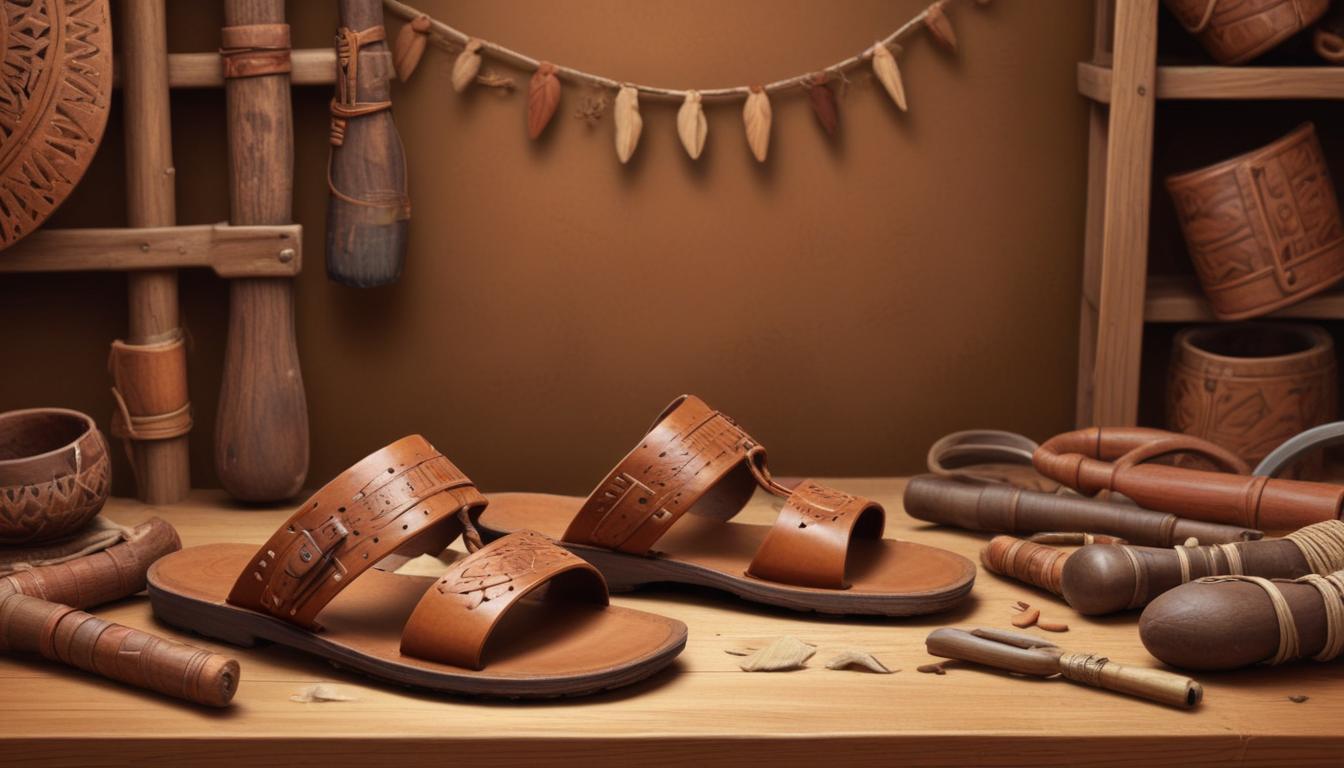
The Art of Handcrafted African Sandals
Handcrafted sandals hold a deep and cherished place in the cultural heritage of many African communities. These traditional footwear pieces are not merely functional items but are symbols of identity, artistry, and history. African artisans approach sandal-making with a level of skill and passion passed down through generations, ensuring that each pair carries the essence of the culture it represents. The techniques used are often specific to various ethnic groups and regions, making every handcrafted sandal a unique expression of local traditions and craftsmanship.
The materials used by African artisans are carefully selected from their natural surroundings, incorporating leather, woven fibers, beads, and sometimes recycled materials to create durable yet beautiful sandals. This sustainable approach not only reflects respect for the environment but also highlights the resourcefulness and ingenuity of the artisans. The intricate designs often include symbolic motifs, telling stories or representing status, community affiliations, and beliefs.
Artisan craftsmanship is at the heart of these sandals’ allure. Every stitch, weave, and embellishment is applied by hand, with meticulous attention to detail. This hands-on process celebrates the talent and dedication of the artisans and preserves ancient techniques that modern manufacturing processes struggle to replicate. By choosing handcrafted sandals from African artisans, wearers connect with a rich heritage, supporting the empowerment of communities.
In essence, handcrafted sandals from African artisans embody much more than footwear. They are cultural artifacts that carry stories, traditions, and the pride of generations. Owning and wearing these sandals is a way to honor and celebrate the vibrant artistic legacy of Africa while embracing authentic, sustainable, and meaningful artisan craftsmanship.
Materials and Techniques Used
Handcrafted sandals from African artisans are created using a rich variety of natural materials, each chosen for its durability, comfort, and cultural significance. Leather is one of the primary materials, prized for its strength and flexibility, making it ideal for crafting durable leather sandals that can endure daily wear. Artisans often source this leather locally, ensuring that each pair reflects the unique textures and hues of its origin.
In addition to leather, intricate beading plays a vital role in the aesthetic appeal of these sandals. Beads made from natural stones, glass, and seeds are meticulously woven or stitched onto the footwear, adding vibrant patterns and cultural symbols that tell stories passed down through generations. Fabrics, often hand-dyed with traditional methods, are also incorporated to enhance both comfort and style, offering a distinct visual and tactile experience.
The crafting techniques used to create these sandals are deeply rooted in tradition. Passed down through countless generations, these methods emphasize hand-stitching, weaving, and beadwork, all performed with exceptional skill and patience. This transfer of knowledge not only preserves cultural heritage but ensures that each pair of sandals is a unique piece of art, embodying the spirit and craftsmanship of African artisans.
Cultural Significance and Symbolism
The handcrafted sandals created by African artisans are far more than just footwear; they serve as a vivid reflection of cultural heritage and identity. Each sandal design encompasses symbolic elements deeply rooted in African traditions, portraying stories that have been passed down through generations. The intricate patterns and unique styles often represent various aspects of community life, spirituality, and social status. For instance, certain motifs carved or woven into the sandals may symbolize protection, fertility, or unity, making every pair a meaningful cultural artifact.
These symbolic designs act as a medium through which artisans express their personal stories and the narratives of their communities. The use of specific colors, shapes, and materials not only highlights the artisan’s skill but also conveys messages significant to their cultural context. Wearing these sandals is a way to connect with African traditions, celebrating the rich tapestry of history embedded within each creation. Thus, the sandals become tangible embodiments of cultural heritage, preserving artisan stories and fostering a sense of pride within the community and beyond.
By appreciating these handcrafted sandals, one embraces the deeper meaning behind their beauty and craftsmanship. Supporting African artisans means valuing the preservation of cultural heritage and the continuation of symbolic artistry that tells the powerful and diverse stories of Africa.
Why Choose Handcrafted African Sandals?
Choosing handcrafted African sandals offers a unique blend of ethical fashion, sustainability, and cultural appreciation that mass-produced footwear simply cannot match. By opting for these artisanal creations, you are making a conscious decision to support ethical practices that prioritize fair wages and safe working conditions for skilled artisans across Africa. This commitment not only uplifts the communities involved but also helps preserve traditional crafting techniques passed down through generations.
One of the most compelling reasons to embrace handcrafted African sandals is their contribution to sustainable sandals. These sandals are typically made using natural, locally sourced materials such as leather, beads, and recycled fabrics, minimizing environmental impact. Unlike synthetic alternatives that often rely on harmful manufacturing processes and contribute to pollution, handcrafted sandals prioritize eco-friendly production methods that reduce waste and conserve resources, making them an excellent choice for environmentally conscious consumers.
Supporting artisans by purchasing their handcrafted work fosters economic independence and encourages the continuation of unique cultural expressions. Each pair of sandals tells a story, featuring distinctive designs that reflect the heritage and creativity of their makers. This aspect of uniqueness means your footwear is not only practical but also a wearable piece of art that stands out from generic, factory-made options.
Moreover, embracing handcrafted African sandals aligns with a broader movement towards ethical fashion, which advocates for transparency, fairness, and responsibility throughout the supply chain. This movement challenges fast fashion’s exploitative tendencies and promotes products that are made with respect for both people and the planet. When you choose these sandals, you are actively supporting a system that values quality craftsmanship over mass consumption.
In summary, handcrafted African sandals offer a perfect combination of ethical values, sustainability, and support for artisan communities. Their unique designs not only elevate your style but also carry deeper significance by contributing to a more sustainable and equitable world. Choosing such sandals is a meaningful way to align your purchases with your values while enjoying beautiful, durable footwear that makes a difference.
Sustainability and Eco-Friendly Practices
Handcrafted sandals from African artisans represent a significant step forward in sustainable fashion, merging traditional craftsmanship with eco-conscious values. These sandals are made using eco-friendly materials such as natural leather, organic cotton, and recycled fibers, which minimize environmental impact without compromising on quality or style. By choosing these materials, artisans reduce waste and avoid harmful chemicals often used in mass-produced footwear.
The production methods employed are centered around responsible sourcing and green footwear principles. Artisans collaborate directly with local communities, ensuring fair wages and ethical labor practices that empower marginalized groups. This approach not only supports sustainable livelihoods but also fosters environmental stewardship, as many artisans use natural dyes and low-energy crafting techniques.
Moreover, these handcrafted sandals embody the principles of slow fashion, emphasizing durability and timeless design over disposable trends. By investing in such footwear, consumers contribute to reducing the carbon footprint associated with frequent replacement and fast fashion cycles. Ultimately, these sandals showcase how sustainability and style can coexist harmoniously through mindful material choices and conscientious production, encouraging a shift toward greener footwear options worldwide.
Supporting African Artisan Communities
Purchasing handcrafted sandals from African artisans goes beyond acquiring a unique and beautiful product; it plays a crucial role in promoting fair trade practices that directly benefit local communities. These purchases ensure that artisans receive fair compensation for their skilled labor, which helps improve their economic stability and quality of life.
Artisan support through ethical buying empowers communities by preserving cultural heritage and creating sustainable livelihoods. Money earned from sandal sales allows artisans to invest in better tools, education, and healthcare, fostering long-term community empowerment. It also encourages younger generations to value traditional crafts, keeping these important skills alive.
When consumers engage in fair trade and ethical buying, they contribute to social equity, helping reduce poverty and promote independence within artisan communities. Supporting these local economies nurtures a cycle of growth and respect that uplifts individuals and communities alike.
In summary, choosing handcrafted sandals from African artisans is a powerful means of supporting artisan support and community empowerment. It invites buyers to be part of a movement toward fair trade and sustainable development, making a meaningful difference through every step.
How to Choose and Care for Your Handcrafted Sandals
Choosing the right pair of handcrafted sandals is essential to enjoy both style and comfort. Start by considering the type of artisan footwear that best suits your lifestyle and foot shape. Look for sandals made with high-quality materials, such as genuine leather or sturdy fabric, as these are often more durable and comfortable. Pay attention to the sole; a well-crafted sole offers good support and flexibility, ensuring that your feet stay comfortable all day long. When selecting sandals, also consider the occasion—some styles are perfect for casual wear, while others might suit more formal or outdoor environments.
Proper sandals care is crucial to maintain the beauty and longevity of your artisan footwear. One of the best ways to care for your handcrafted sandals is to clean them regularly. Use a soft cloth or brush to remove dirt, dust, and debris after each use. For leather sandals, apply a quality leather conditioner periodically to keep the material supple and prevent cracking. Avoid exposing your sandals to excessive moisture; if they get wet, dry them naturally in a shaded area, away from direct heat or sunlight, which can cause warping or fading.
When it comes to artisan footwear maintenance, storing your sandals properly is just as important as cleaning them. Store your sandals in a cool, dry place, preferably in a breathable fabric bag or box to protect them from dust and damage. Avoid stacking them under heavy items that might deform their shape. Regularly inspect the soles and straps for signs of wear and tear so you can address minor repairs promptly, enhancing the durability of your sandals.
Durability tips for handcrafted sandals also include rotating your pairs to give each one time to rest and maintain its shape. This practice reduces excessive wear on any single pair and prolongs their life. By paying attention to these careful steps in choosing sandals and following diligent care routines, you ensure that your artisan footwear remains a stylish and lasting part of your wardrobe for years to come.
Selecting the Perfect Handcrafted Sandals
Choosing the perfect handcrafted sandals from African artisans involves considering several important factors to ensure comfort, style, and the ideal fit for your needs. Start by consulting a fit guide to determine your accurate foot size. Artisan sandals often feature unique designs and materials that may fit differently than mass-produced footwear, so paying attention to sizing charts or trying them on whenever possible is crucial for comfort.
Next, explore the variety of style options available. Handcrafted sandals offer a diverse range of aesthetics—from minimalistic leather straps to colorful beadwork and intricate patterns. Consider your personal style preferences and where you intend to wear the sandals. For casual everyday wear, simpler designs with sturdy soles might be best, whereas for special occasions, sandals with detailed artisan sandal features such as embroidery or embellishments can make a statement while celebrating cultural artistry.
Comfort is key. Look for sandals that incorporate cushioning, flexible soles, and adjustable straps, which enhance wearability especially during extended use. Artisan sandal features like padded insoles or ergonomic designs contribute significantly to overall comfort, ensuring your feet remain supported and pain-free. Balancing comfort with style will help you find a pair that not only looks great but feels good throughout the day.
Ultimately, selecting handcrafted sandals should reflect your lifestyle and individual taste. Whether prioritizing comfort for long walks or seeking eye-catching designs for social events, choosing sandals with the right fit, style options, and artisan details will provide a fulfilling and unique footwear experience.
Maintaining and Cleaning Techniques
Proper cleaning sandals and artisan sandal care are essential for prolong sandal life, especially when dealing with unique materials crafted by African artisans. Different materials like leather, fabric, and woven fibers require tailored maintenance tips to keep them in prime condition. For leather sandals, use a soft brush or cloth to remove dirt and apply a leather conditioner periodically to prevent cracking. Avoid soaking them in water, as this can weaken the leather fibers.
Fabric and woven sandals benefit from gentle cleaning using a mild soap solution and a soft brush to lift dirt without damaging the threads. After cleaning, air dry them away from direct sunlight to prevent fading or warping. For stubborn stains, spot cleaning with a natural cleaner or diluted vinegar works well without harsh chemicals.
Maintaining sandals regularly by removing dirt buildup and storing them in a dry, ventilated area helps reduce wear and tear. Using shoe trees or stuffing them with paper maintains their shape. Incorporating these cleaning sandals and artisan sandal care tips into your routine ensures your handmade footwear remains durable and beautiful, honoring the craftsmanship of African artisans while prolonging sandal life.

I’m fascinated by the vibrant intersection of contemporary fashion and traditional African craftsmanship. I spend my free time exploring markets, learning about textile techniques, and sharing the stories behind each piece with our readers.