
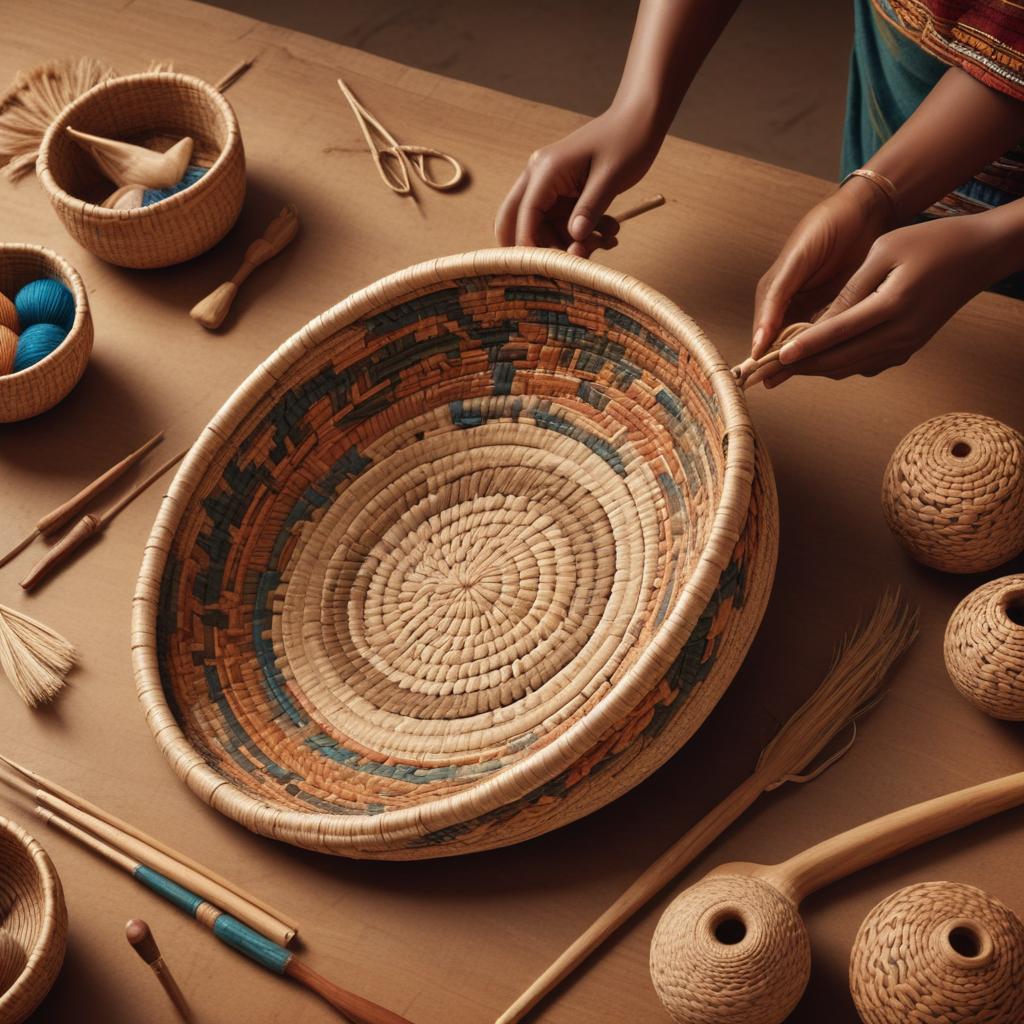
Overview of Women Artisans in African Craft Movements
Women artisans have long been at the heart of African craft movements, playing a vital role in preserving and advancing traditional crafts across the continent. Their contributions extend beyond mere handiwork; they have shaped cultural identities, sustained communities, and fostered economic empowerment through generations. Historically, women’s involvement in craft production, particularly in weaving, pottery, beadwork, and textile dyeing, has been deeply intertwined with cultural rituals, social structures, and family heritage.
In many African societies, traditional crafts are not only artistic expressions but also vehicles for passing down stories, values, and history. Women artisans have been custodians of this legacy, ensuring that their craft forms remain vibrant and relevant even in contemporary contexts. Their expertise often stems from matrilineal knowledge, passed from mothers to daughters, which strengthens community bonds and honours ancestral traditions.
The evolution of African craft movements has seen women artisans emerge as leaders and innovators, pushing the boundaries of traditional crafts while maintaining their cultural essence. Through cooperative societies and craft collectives, they have enhanced the visibility of their work on local, national, and global stages. This collective effort has catalysed social change by providing women with financial independence and greater societal recognition, challenging traditional gender roles.
Moreover, the impact of women artisans extends into sustainable practices, as many craft traditions are inherently eco-friendly, utilising natural dyes, locally sourced fibres, and age-old techniques that reduce waste. Women’s leadership in these craft movements supports not only cultural preservation but also environmental stewardship. Their work exemplifies creativity combined with resilience, fostering a renewed appreciation for African craft traditions worldwide.
In summary, women artisans are central to the narrative of African craft movements. Their historical and cultural significance cannot be overstated, as they continue to influence and invigorate traditional crafts, ensuring their survival and growth for future generations. Recognising the role of women artisans is essential to understanding the broader landscape of African craft and the dynamic movements that shape it today.
Historical background of women in African crafts
The history of women artisans in African crafts is rich and deeply intertwined with the cultural fabric of the continent. For centuries, African women have been the primary custodians of traditional crafts, passing down invaluable skills and knowledge through generations. Their involvement stretches from weaving and pottery to beadwork and textile production, each craft reflecting distinct cultural identities and social functions.
Historically, women artisans were central to craft production not only for utilitarian purposes but also as a form of artistic and cultural expression. In many African societies, women’s craft emerged as a vital means of economic sustenance and community engagement, allowing them to contribute significantly to their households and social structures. The hand-crafted items often served both domestic and ceremonial roles, embodying important symbols and stories that preserved heritage.
Over time, women artisans adapted their techniques and styles in response to changing social and economic conditions, yet maintained a strong connection to tradition. Their crafts were essential in trade routes across the continent and beyond, highlighting the notable role women played in Africa’s commercial history. This historical involvement underscores how African crafts are not just art forms but also carriers of identity, history, and resilience, shaped predominantly by women’s creativity and labour.
Cultural significance of women-led craft communities
Women-led crafts in African communities hold profound cultural significance, serving as vital vessels for preserving traditional knowledge and customs. These craft movements, spearheaded by women artisans, encapsulate centuries-old techniques, stories, and symbolism which are passed down through generations. By engaging in such practices, women become custodians of their heritage, ensuring that unique artistic expressions, whether through weaving, beadwork or pottery, remain vibrant and relevant in contemporary society.
Beyond the preservation of culture, women-led craft communities play a crucial role in fostering social cohesion. Crafting circles and collectives act as communal spaces where women share skills, support each other economically, and build strong social networks. This collaboration strengthens community bonds and promotes collective identity, especially in rural areas where social structures are tightly knit. The empowerment derived from these shared activities also enhances women’s roles within their families and societies, contributing to greater gender equality and social stability.
Moreover, the visibility of women artisans in African communities challenges existing social norms and highlights the importance of female leadership in cultural and economic spheres. As these craft movements gain recognition locally and internationally, they contribute significantly to the revitalisation of African cultural heritage. In this way, women-led crafts do not only preserve tradition but also drive innovation and cultural exchange, reinforcing the social fabric of African communities in meaningful ways.
Challenges Faced by Women Artisans in Africa
Women artisans across Africa play a vital role in preserving traditional crafts and promoting cultural heritage. However, their journey is often hindered by numerous challenges that affect their prosperity and growth. Among the most pressing issues are the economic barriers that limit their access to resources, markets, and financial support necessary for expanding their craft businesses.
Economic barriers faced by women artisans include limited access to credit and funding opportunities, which constrains their ability to invest in materials, tools, and innovative technologies. Many women operate small-scale, informal businesses without proper recognition or legal standing, making it difficult to secure loans or financial aid. This restricts their capacity to grow and compete in the broader craft industry.
Gender inequality remains a deeply rooted challenge in many African societies, often influencing the opportunities available to women artisans. Social norms and cultural expectations can confine women to certain types of craft work, hindering their ability to diversify or upscale their activities. In some communities, women face difficulties in claiming ownership of their creations or land, which further impedes their entrepreneurial ambitions.
Moreover, women artisans frequently encounter craft industry issues such as lack of access to formal training, inadequate representation in decision-making forums, and limited visibility in markets dominated by male counterparts. This gender disparity results in reduced bargaining power when it comes to pricing and marketing their products. The absence of supportive networks and mentorship programmes exacerbates these challenges, leaving many women isolated in their craft pursuits.
Social challenges also add a complex layer to the difficulties faced by women artisans. Balancing domestic responsibilities with craft work often leaves little time for skills development or business management. Additionally, in regions affected by conflict or economic instability, women’s ventures are particularly vulnerable, lacking the safety nets and institutional support needed to thrive.
Addressing the women artisans challenges requires a multifaceted approach. Initiatives aimed at improving access to finance, legal rights, education, and market opportunities can empower women economically while challenging the prevailing gender inequalities within the craft industry. Encouraging collaborative platforms and community-based support systems can also enhance visibility and sustainability for women-led craft enterprises.
Economic barriers and access to markets
Women artisans across Africa face significant economic barriers that limit their potential for growth and earnings. Many of these artisans operate within informal economies and lack access to formal financial services such as loans, credit, and savings opportunities. Without adequate capital, women struggle to invest in quality materials, tools, and training that could enhance their craft and increase productivity. This financial hardship creates a cycle where their businesses remain small-scale and vulnerable to market fluctuations.
Moreover, restricted market access compounds these economic challenges. Women artisans often have limited exposure to wider markets beyond their immediate communities due to inadequate transportation, insufficient market information, and a lack of digital platforms tailored to their needs. Even when opportunities arise, they frequently encounter gender-based discrimination that hinders participation in larger trade networks and fairs. This exclusion from lucrative marketplaces restricts both the volume of their sales and the fair pricing they can command for their work.
Efforts to overcome these barriers include initiatives focusing on capacity building, collective marketing strategies, and improved access to microfinance specifically designed for women artisans. Enhancing market access through e-commerce platforms and partnerships with ethical buyers also presents promising avenues. Addressing economic barriers holistically is essential to empower women artisans, enabling them to break free from financial constraints and expand their reach, thus securing sustainable livelihoods and contributing more robustly to Africa’s craft movements.
Gender inequality and social constraints
Women artisans across Africa face persistent challenges due to entrenched gender inequality and social constraints that restrict their full participation and recognition in the craft industry. Traditional gender roles often dictate that women prioritise domestic responsibilities over their professional aspirations, limiting the time and resources they can invest in their craft. This societal expectation not only diminishes their opportunities to develop skills but also curtails their ability to engage in wider markets, where male counterparts frequently dominate.
Moreover, women artisans are frequently underrepresented in decision-making spheres within the craft sector, which perpetuates a cycle of marginalisation. The lack of access to training, financial resources, and fair representation in cooperatives or artisan associations weakens their potential for growth and influence. These social constraints are compounded by systemic biases that undervalue the economic and cultural contributions of women’s craftsmanship, often branding it as ‘informal’ or ‘subsistence’ work.
Despite these barriers, many women artisans are driving change through collective efforts that promote women empowerment. By establishing women-led cooperatives, leveraging social media, and participating in international craft fairs, they challenge restrictive norms and advocate for equal recognition. These movements not only enable women to gain economic independence but also reshape societal perceptions about gender roles in the arts and crafts sector. Ultimately, addressing gender inequality and social constraints remains fundamental to unlocking the full potential of women artisans across Africa.
Empowerment and Future Prospects for Women Artisans
Across Africa, a powerful wave of empowerment is redefining the craft landscape, with women artisans standing at the forefront of this transformative movement. Numerous initiatives are designed to support these women, providing them with access to training, resources, and marketplaces that enable their economic independence and creative freedom. By fostering skill development and business acumen, these initiatives are not only uplifting individual artisans but are also catalysing sustainable development within their communities.
Innovations in craft techniques and design are reshaping traditional artisan practices, allowing women to blend heritage with contemporary aesthetics. This craft innovation broadens market appeal and introduces African craftsmanship to international platforms where demand for authentic, ethically sourced products is rapidly growing. Women artisans are utilising technology, digital platforms, and social media to tell their stories and expand their reach, thus creating new opportunities that were previously inaccessible.
Opportunities for women artisans continue to evolve alongside growing awareness of the importance of ethical and sustainable production. Many projects now emphasise sustainability by integrating eco-friendly materials and methods, reducing environmental impact while preserving cultural authenticity. These combined efforts are attracting conscious consumers and global partnerships that bolster the artisans’ livelihoods and contribute to broader economic development goals.
Future prospects for women artisans hinge on continued investment in education and infrastructure, as well as collaborative networks that nurture mentorship and advocacy. Organisations and governments across the continent are increasingly recognising the vital role women play in driving Africa’s craft industries forward. This recognition fuels initiatives that ensure equitable access to funding, fair trade certification, and international exhibitions, which together pave the way for a thriving, inclusive craft movement.
Ultimately, the ongoing empowerment of women artisans is laying a strong foundation for a dynamic future in African craft. As they innovate and inspire, these women are not only preserving cultural heritage but also pioneering new paths to social and economic sustainability. Their leadership in craft innovation is proving indispensable to sustainable development, ensuring that women artisans continue to shape, influence, and lead Africa’s artistic and economic future.
Innovative projects and community initiatives
Across Africa, numerous innovative projects and community initiatives are empowering women artisans by enhancing their skills and expanding their market reach. One notable example is the Kilimanjaro Artisans Collective in Tanzania, which provides women with training in contemporary design techniques while preserving traditional craft methods. This initiative not only hones their craftsmanship but also equips them with business skills essential for entering international markets.
In Ghana, the Shea Butter Cooperative Empowerment Project integrates sustainable production practices with fair-trade marketing strategies, enabling women artisans to grow their local and global presence. The project promotes knowledge exchange and entrepreneurial mentoring, creating a supportive community that drives both personal and economic growth.
Kenya’s Women Craft Leaders Network is another vital community initiative fostering collaboration and innovation among women artisans. This network organises workshops focused on product development, digital marketing, and financial management, helping members navigate e-commerce platforms and gain visibility in competitive markets. By encouraging shared learning and access to resources, the network strengthens the wider craft ecosystem.
These examples illustrate how innovative projects and community initiatives are pivotal in empowering women artisans. By combining skill development with strategic market expansion efforts, these programmes create sustainable opportunities, amplifying the role of women in Africa’s flourishing craft movements.
Sustainable development and global recognition
Women artisans across Africa are increasingly at the forefront of sustainable development by integrating eco-friendly methods into their craft production. By prioritising the use of locally sourced, natural materials and traditional techniques that minimise environmental impact, these artisans contribute not only to preserving cultural heritage but also to promoting sustainable livelihoods. This approach aligns with global sustainable development goals, emphasising responsible consumption and production patterns within craft industries.
Furthermore, international exposure through exhibitions, collaborations, and digital platforms has amplified the visibility of African crafts, allowing women artisans to reach wider audiences worldwide. This global recognition not only celebrates their creativity and craftsmanship but also elevates the value of their work in the international market. As a result, these women artisans are able to command fairer prices and access new opportunities, empowering them economically and socially.
The synergy between sustainable development and global recognition fosters a positive cycle where increased demand for ethically made African crafts encourages further adoption of environmentally conscious practices. It also challenges stereotypes by showcasing the innovation and resilience of women artisans. Ultimately, this dynamic helps to build sustainable economies centred on traditional African crafts, enhancing both community wellbeing and cultural pride.

I’m fascinated by the vibrant intersection of contemporary fashion and traditional African craftsmanship. I spend my free time exploring markets, learning about textile techniques, and sharing the stories behind each piece with our readers.