
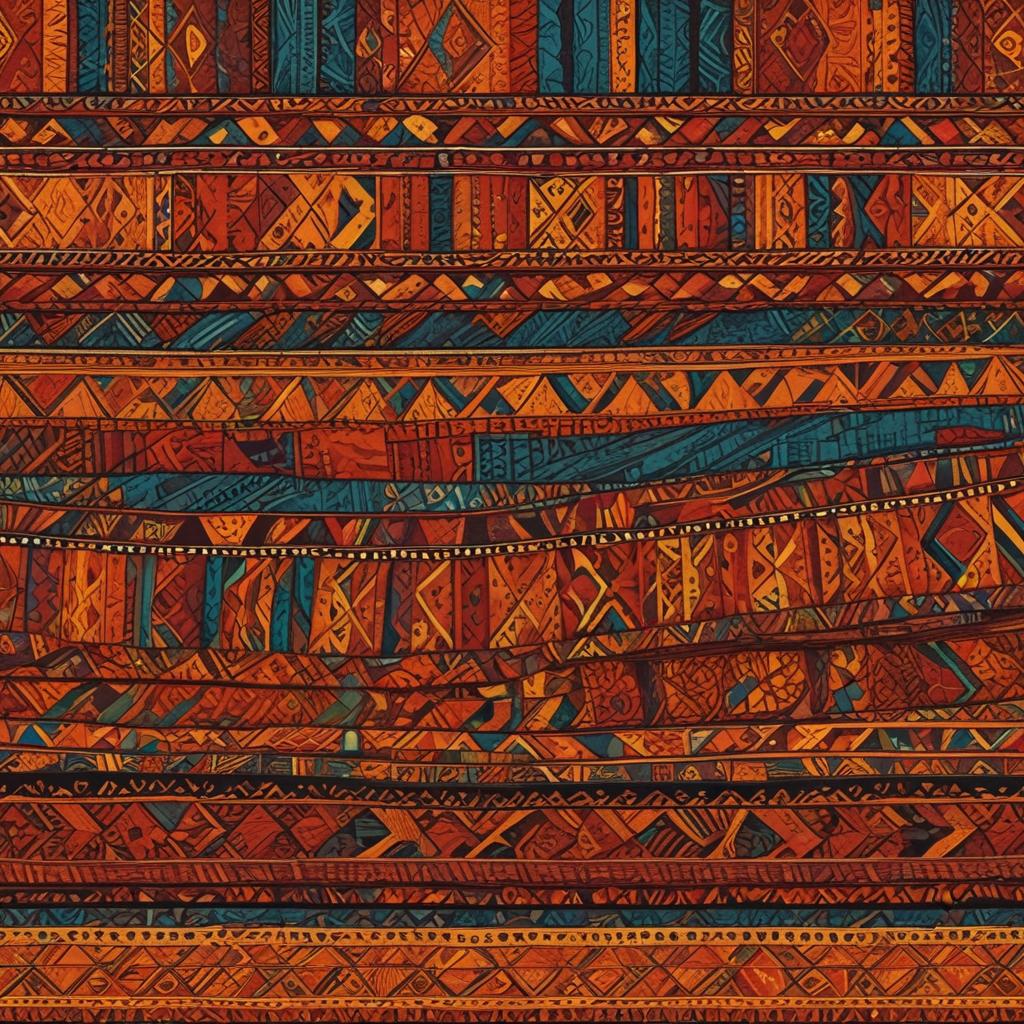
Overview of African Textiles
African textiles represent a vibrant and diverse range of fabric types that hold deep cultural significance across the continent. From the bold and colourful African print fabrics to the intricately woven kente cloth and the symbolic mudcloth, these traditional fabrics continue to inspire modern streetwear designers around the world.
One of the most recognisable African textiles is the wax print, often referred to as African print. This fabric is renowned for its vivid patterns and bright colours, achieved through a wax-resist dyeing technique originally influenced by Indonesian batik. The wax print has been embraced across West Africa, where each pattern carries a unique meaning, sometimes reflecting proverbs, social status, or historical events. Traditionally, these fabrics were made by applying molten wax to cloth before dyeing it, creating striking designs after the wax was removed. Today, the production combines both traditional and industrial methods, enabling a variety of patterns that are widely used in fashion and streetwear culture.
Another iconic African textile is kente, a handwoven fabric originating from the Ashanti people of Ghana. Kente is made from strips of silk and cotton, meticulously woven on a loom to create geometric patterns that are rich in symbolism and history. Each colour and design in kente carries a particular meaning—gold signifies royalty, blue represents peace, and green stands for growth. Traditionally, kente was worn during significant events such as royal ceremonies and festivals. The weaving process requires skill and patience, with artisans passing down their craft over generations. In contemporary fashion, kente patterns have been adapted into streetwear items, merging tradition with urban style.
Mudcloth, or bogolanfini, is a traditional textile from Mali that features hand-dyed cotton fabric using fermented mud. This craft is deeply rooted in the history and culture of the Bamana people. Producing mudcloth involves a complex process where leaves and mud are used in repeated applications to create distinctive patterns and symbols that often tell stories or denote social status. The earthy colour palette and symbolic designs have made mudcloth a popular choice both in traditional settings and modern fashion, particularly in streetwear, where it adds an authentic and artistic touch.
These African textiles—wax prints, kente, and mudcloth—are more than just fabric types; they are carriers of culture, identity, and history. Their traditional production methods and symbolic meanings continue to influence contemporary designers, preserving the legacy of African print within the evolving landscape of modern streetwear.
Common Types of African Fabrics
African textiles are renowned for their vibrant colours, intricate patterns, and cultural significance. Among the most popular fabrics are wax print, kente cloth, mudcloth, and aso oke, each with distinct characteristics and origins that have made them staples in both traditional and modern streetwear.
Wax print, often referred to as African wax prints or Ankara, features bold, colourful designs created through a wax-resist dyeing technique. Originating from Indonesian batik and adapted in West Africa, these prints are now synonymous with African fashion, appreciated for their versatility and eye-catching appeal in garments ranging from dresses to jackets.
Kente cloth, originating from the Ashanti people of Ghana, is woven from silk and cotton in bright, geometric patterns. Traditionally reserved for royalty and special occasions, kente’s vivid colours and symbolic designs tell stories and convey messages. Today, it is widely celebrated and incorporated into streetwear as a nod to African heritage and craftsmanship.
Mudcloth, or bogolanfini, is a handmade Malian fabric dyed with fermented mud. Its distinctive earthy tones and abstract patterns are created using a painstaking process that makes each piece unique. Mudcloth’s raw aesthetic has found a place in contemporary fashion, especially in jackets, bags, and accessories.
Lastly, aso oke is a handwoven cloth from the Yoruba people of Nigeria, characterised by its thick texture and shimmering threads. Traditionally worn at weddings and ceremonies, aso oke’s intricate weaving and longevity have made it a sought-after material, often reimagined in modern streetwear for its rich cultural background and tactile quality.
Cultural Significance of African Textiles
African textiles are much more than vibrant fabrics; they carry profound cultural heritage that resonates across generations. Each pattern and colour used in these textiles holds specific symbolism and traditional meanings that connect communities to their history and identity. These designs reflect stories, proverbs, and social values embedded within African societies, making them essential elements of African dress codes.
For instance, the intricate patterns found in Kente cloth from Ghana are known to represent various concepts such as leadership, bravery, and wisdom. Colours play a crucial role too—gold symbolises wealth and royalty, blue stands for peace and harmony, while green often reflects fertility and growth. Such meanings allow the textiles to communicate messages and status without words, linking wearers to their cultural roots and community roles.
Beyond everyday wear, African textiles are pivotal in ceremonies and rituals. They are chosen carefully to honour the occasion and the individuals involved, whether in weddings, funerals, or rites of passage. The use of specific textiles aligns with traditional African dress codes that dictate appropriate attire based on social and spiritual significance.
In daily life, these textiles continue to reinforce cultural identity and pride. Their presence in modern streetwear not only celebrates this heritage but also educates wider audiences of the deep-rooted symbolism woven into every thread, ensuring that African cultural heritage remains vibrant and honoured in contemporary fashion.
Integration of African Textiles in Modern Streetwear
In recent years, the infusion of African textiles into modern fashion has been one of the most exciting streetwear trends to emerge on the global stage. African print fashion, celebrated for its vibrant colours, bold patterns, and rich cultural symbolism, has found a natural synergy with urban style aesthetics, creating a fresh and dynamic look that appeals widely to contemporary consumers. This integration is not only reshaping how streetwear is perceived but also redefining the narrative around African heritage within the fashion industry.
Designers and brands operating within the streetwear scene have increasingly drawn inspiration from various African fabrics such as Ankara, Kente, and Mudcloth, incorporating them into hoodies, bomber jackets, sneakers, and accessories. These distinctive textiles bring an authentic cultural depth and visual richness to modern fashion pieces, setting them apart from conventional streetwear offerings. The use of African prints adds a layered texture and storytelling element that resonates with urban style aficionados seeking originality and meaning in their wardrobe choices.
The global fashion markets have embraced this trend wholeheartedly, with collaborations between African artists and renowned streetwear labels gaining more visibility. Notable fashion weeks, pop-up events, and social media platforms have played instrumental roles in promoting African print fashion, making it accessible and desirable to a diverse international audience. This cross-cultural exchange highlights how African textiles are no longer confined to traditional or regional use but are flourishing as part of a broader narrative on identity and style in contemporary urban environments.
Moreover, the integration of African prints into streetwear is empowering designers from the African continent by providing a global platform to showcase their craftsmanship and creativity. This visibility encourages innovation while preserving valuable cultural heritage. Consumers, in turn, are becoming more conscious of the origins and significance of their attire, fostering a deeper appreciation for sustainability and ethical fashion practices rooted in authentic storytelling.
In sum, the marriage of African textiles with modern streetwear encapsulates a powerful movement within fashion — one that celebrates diversity and cultural expression without compromising on style or urban appeal. As streetwear trends continue to evolve, it is clear that African print fashion will remain a vital and inspiring source of creativity, influencing designers and enthusiasts alike across global fashion markets.
Popular Streetwear Brands Using African Prints
In recent years, African prints fashion has become a major influence on global streetwear brands, sparking vibrant design collaborations that celebrate cultural heritage. Urban fashion labels such as Daily Paper, based in Amsterdam but rooted in African heritage, have gained acclaim for expertly integrating African textiles into contemporary streetwear silhouettes. Their collections often highlight boldly patterned fabrics that pay homage to traditional African aesthetics while appealing to a modern audience.
On a global scale, high-profile brands like Off-White and Versace have also embraced African prints fashion, collaborating with African designers or incorporating bold, colourful textiles into their capsule collections. These design collaborations bridge continents and cultures, bringing African textiles to forefront of mainstream urban fashion labels. This fusion not only elevates the visibility of African craftsmanship but also redefines street style by blending ancestral patterns with modern design.
Closer to home, African brands like Mami Wata and Maxhosa by Laduma have carved a distinctive niche, showcasing the versatility of African prints in streetwear. These labels reinvent traditional motifs with a fresh, urban twist that resonates with youthful consumers who seek authenticity and cultural pride in their garments. Through innovative use of African textiles, these streetwear brands contribute significantly to the global dialogue around fashion and identity.
Design Elements and Styling Tips
When incorporating African textiles into modern streetwear, understanding key design elements and practical styling tips can elevate your look with authenticity and flair. One essential aspect of fashion design in this context is mastering the art of mixing prints without overwhelming the outfit. African fabrics often feature bold, vibrant patterns, so pairing different prints requires a careful balance. A useful approach is to combine a large-scale print with a smaller, more subtle pattern, ensuring that both pieces complement rather than compete with each other.
Colour coordination plays a crucial role in African fabric styling. Opt for colours that harmonise naturally, such as earthy tones paired with bright hues found in traditional prints. Staying within a complementary colour palette creates cohesion and makes the outfit visually appealing. For instance, a royal blue dashiki top works beautifully with mustard or burnt orange accessories, adding depth to streetwear aesthetics without clashing.
Layering is another effective styling tip for streetwear enthusiasts. Combining African textiles with neutral basics—like white or black T-shirts, denim jackets, or sneakers—lets the heritage prints stand out while maintaining a modern edge. Additionally, accessories such as hats, bags, or jewellery inspired by African motifs can enhance the overall fashion design, bringing together the cultural narrative seamlessly.
Ultimately, embracing African textiles in streetwear encourages creativity and personal expression. By mixing prints thoughtfully and choosing complementary colours, you create unique looks that honour tradition while embracing contemporary street style.
Sustainability and Ethical Considerations
The growing demand for sustainable fashion has brought renewed attention to the production of African textiles within the streetwear industry. With an increasing number of consumers becoming aware of the environmental and social impact of their clothing choices, the integration of ethical textiles sourced from Africa offers a promising path toward more responsible fashion. African textiles, often handcrafted using traditional methods, embody the principles of slow fashion and highlight the value of fair trade practices.
Sustainable fashion focuses on minimising environmental harm and promoting longevity in clothing production. African textile artisans frequently use natural fibres like cotton, silk, and raffia, cultivated and processed with minimal chemical intervention. This approach reduces the carbon footprint compared to synthetic alternatives widely used in conventional streetwear. Moreover, the production techniques passed down through generations, such as hand weaving and hand dyeing, align with slow fashion’s emphasis on craftsmanship and durability, ensuring garments are made to last rather than disposable fast fashion items.
Ethical textiles are crucial in addressing social justice concerns that arise in global fashion supply chains. Many African textile producers come from communities where traditional crafts provide vital income, and supporting these artisans through fair trade agreements helps sustain their livelihoods. Fair trade ensures that workers and artisans receive equitable compensation, work under safe conditions, and have opportunities for community development. This ethical framework directly combats exploitation and fosters economic empowerment, creating a more inclusive fashion industry.
Incorporating African textiles into modern streetwear thus represents more than just an aesthetic choice; it is a way to promote sustainable fashion values and ethical practices. Streetwear brands that invest in sourcing materials transparently and support the artisans behind these textiles contribute to a slow fashion movement that challenges the conventional cycle of mass production and waste. Consumers encouraged to buy less but better can appreciate the cultural heritage embedded in each fabric, forging deeper connections while endorsing responsible production.
Ultimately, embracing sustainability and ethical considerations within streetwear not only preserves African textile traditions but also helps pave the way for a more conscious and equitable fashion future. As awareness grows, the collective influence of designers, brands, and consumers can drive meaningful change, ensuring that the vibrant spirit of African textiles continues to thrive in a manner that respects both people and the planet.
Sustainable Textile Production in Africa
Across Africa, textile producers are increasingly embracing sustainable methods to minimise environmental impact while preserving rich cultural traditions. Many artisans and manufacturers now prioritise the use of eco-friendly textiles, valuing natural fibres such as organic cotton, hemp, and bamboo. These materials not only reduce reliance on synthetic fibres but also support organic farming practices that limit chemical use and support soil health.
Traditional weaving techniques play a vital role in this sustainability movement. By maintaining handwoven processes, producers reduce the energy consumption associated with industrial textile manufacturing. This approach also enables the use of natural fibres that are biodegradable, ensuring the fabrics produced are more environmentally friendly from creation to disposal. Additionally, these traditional weaving methods preserve cultural heritage and provide economic opportunities to local communities.
Another important aspect is the adoption of organic dyes made from plants, roots, and other natural sources. Unlike synthetic dyes, organic dyes significantly reduce the amount of harmful chemicals released into waterways, protecting local ecosystems and the health of workers. This commitment to organic dyes complements the growing demand for eco-conscious fashion worldwide.
Ultimately, the integration of eco-friendly textiles, organic dyes, and traditional weaving under sustainable methods reflects a powerful shift in African textile production. This movement not only honours centuries-old craftsmanship but also pioneers a future where fashion and environmental responsibility coexist harmoniously.
Ethical Fashion and Fair Trade
The rise of streetwear brands incorporating African textiles has brought renewed attention to the importance of ethical sourcing and fair trade practices. Fair trade brands are increasingly prioritising transparency and sustainability, recognising that the stories behind the fabrics add value not only to the products but also to the communities involved. By committing to ethical sourcing, these brands ensure that the artisans producing these vibrant textiles receive fair wages and work under safe, dignified conditions. This approach directly challenges exploitative fast fashion models and fosters a more responsible supply chain.
For the artisans, fair trade practices mean empowerment on multiple fronts. Ethical fashion initiatives often include training, resources, and market access, enabling artisans to enhance their craft and gain financial independence. Such empowerment helps preserve traditional techniques that might otherwise be lost, while also ensuring that cultural heritage remains respected and celebrated in modern streetwear designs. Moreover, the increased visibility of fair trade brands in global markets strengthens the bargaining power of artisan communities, leading to more sustainable livelihoods.
From the perspective of fashion ethics, the collaboration between streetwear brands and African artisans embodies a shift towards more conscious consumption. Consumers today are more informed and demand authenticity and responsibility in their purchases. By choosing fair trade brands committed to ethical sourcing, streetwear companies not only enhance their reputation but also contribute to a growing movement that places social and environmental impact at the centre of fashion design. Ultimately, this creates a positive cycle—supporting artisans, enriching brand narratives, and promoting sustainable fashion ethics in the global streetwear scene.

I’m fascinated by the vibrant intersection of contemporary fashion and traditional African craftsmanship. I spend my free time exploring markets, learning about textile techniques, and sharing the stories behind each piece with our readers.