African indigo dyeing is one of the continent’s most enduring textile traditions, a craft that transforms plain fabric into deep, luminous blues while carrying centuries of cultural meaning. Unlike mass-produced dyes, African indigo is a living process, shaped by regional plants, local techniques and the hands of artisans who treat each piece as both a functional garment and a work of art. From the mud-dyed bogolanfini of Mali to the resist-dyed adire of Nigeria, indigo has clothed kings, marked rites of passage and become a symbol of resistance and identity. Today, as global fashion turns toward slow, ethical production, these age-old methods are gaining new relevance, offering designers and wearers a connection to Africa’s rich textile heritage.
The botanical roots of African indigo
African indigo dye comes from several native plants, each adapted to local climates and soil conditions. The most widely used species is Indigofera arrecta, a hardy shrub that thrives across West and Central Africa. In Nigeria, dyers favour Indigofera tinctoria, while in Mali and Burkina Faso, Lonchocarpus cyanescens, known locally as “Gara,” produces a particularly fast dye. These plants are harvested in the dry season, when their leaves contain the highest concentration of indican, the compound that converts to indigo blue through fermentation. Unlike synthetic indigo, which relies on harsh chemicals, African indigo is processed using natural methods that have remained largely unchanged for generations.
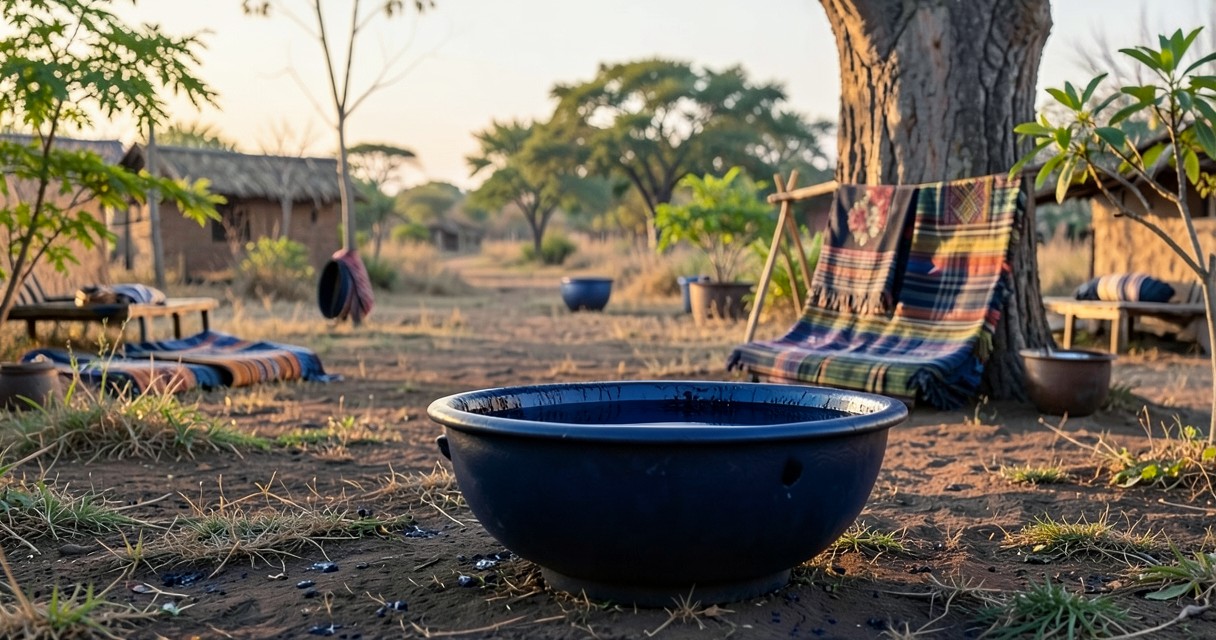
The fermentation process begins with soaking freshly cut leaves in large clay or wooden vats filled with water. Over several days, the liquid turns a murky green as bacteria break down the indican into indigotin, the insoluble blue pigment. Artisans monitor the temperature and pH carefully, often tasting the liquid to gauge its readiness. Once the dye bath reaches the right consistency, it is beaten vigorously to introduce oxygen, which turns the liquid a deep, shimmering blue. This traditional method not only produces a richer colour but also ensures the dye bonds more durably with fabric, resisting fading even after repeated washing.
Regional techniques and their cultural meanings
Indigo dyeing in Africa is far from uniform; each region has developed its own techniques, tools and symbolic language. In Mali, the bogolanfini cloth, often called “mud cloth,” combines indigo with fermented mud to create geometric patterns that tell stories of lineage, protection and social status. The process involves painting mud resist onto handwoven cotton, then dyeing the fabric in indigo baths. The mud blocks the dye, leaving behind intricate white motifs on a deep blue background. These patterns are not merely decorative; they encode proverbs, historical events and even warnings, making each piece a wearable archive of Malian culture.
In Nigeria, the Yoruba people of southwestern Nigeria practice adire, a resist-dyeing technique that uses cassava paste, raffia ties or stitched folds to create patterns before the fabric is dipped in indigo. The most famous adire style, adire eleko, features hand-painted motifs using a thick paste made from cassava flour and alum. These designs often depict everyday objects like calabashes, chickens or traditional hairstyles, each carrying its own meaning. For example, the “sun and moon” pattern symbolises harmony between opposites, while the “snail” motif represents patience and resilience. Adire is traditionally worn by women during important ceremonies, such as weddings or naming rites, where the depth of the indigo and the complexity of the patterns signal the wearer’s status and taste.
Further east, in Senegal and The Gambia, the Wolof and Mandinka peoples use a technique called “tied and dyed” or “plangi,” where fabric is tightly bound with thread or raffia before dyeing. The bound sections resist the indigo, creating bold, circular patterns that resemble stars or flowers. This method is often used to produce the grand boubous, flowing robes worn by both men and women during festivals and religious events. The darker the indigo, the more prestigious the garment, with some pieces requiring up to twenty dips in the dye bath to achieve the desired intensity.
The role of women in preserving indigo traditions
Across Africa, indigo dyeing has long been a women’s craft, passed down through matrilineal lines and serving as both a source of income and a means of cultural transmission. In many communities, the knowledge of indigo preparation, dyeing techniques and pattern interpretation is guarded by female elders, who teach younger generations through hands-on apprenticeships. In Nigeria, adire production is dominated by women’s cooperatives, such as the Adire Ogunrunbi Cooperative in Abeokuta, where hundreds of dyers work collectively to meet demand for both local and international markets. These cooperatives provide financial independence for women, allowing them to support their families while preserving a craft that might otherwise disappear in the face of industrialisation.
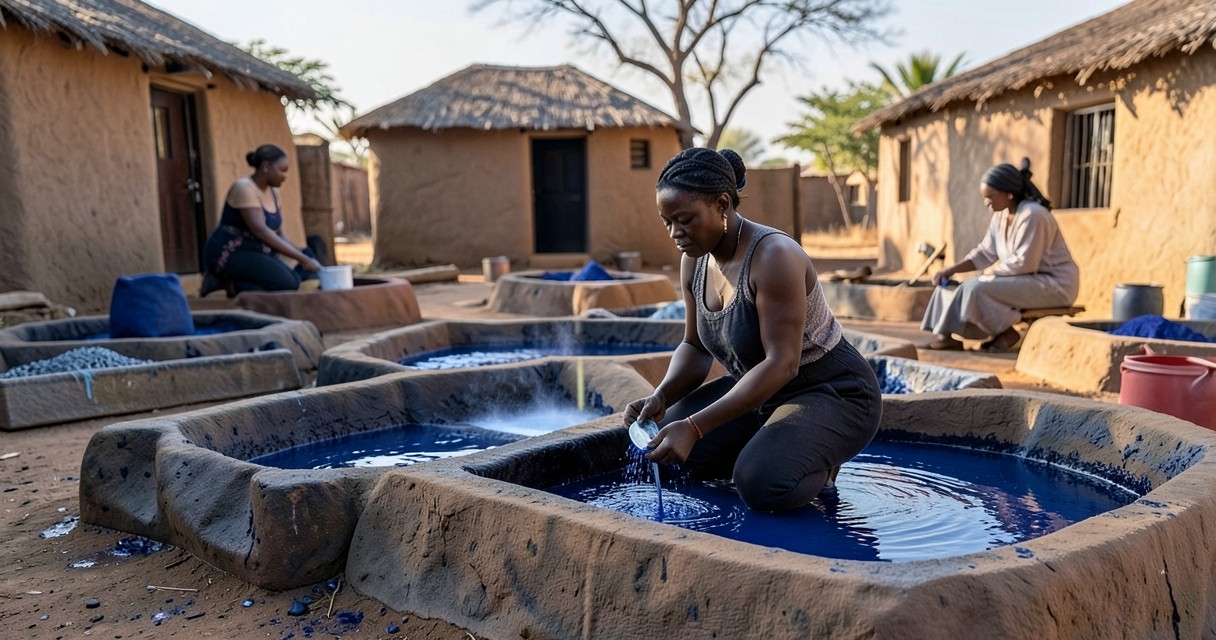
The social dimension of indigo dyeing extends beyond the workshop. In Mali, bogolanfini is traditionally made by women for their daughters’ dowries, with each piece taking months to complete. The process involves not just dyeing but also storytelling, as mothers explain the significance of each pattern to their daughters. Similarly, in Senegal, women gather in communal dyeing pits, where the rhythmic beating of fabric and the sharing of songs and gossip create a sense of solidarity. These spaces are more than workplaces; they are living archives of oral history, where the act of dyeing becomes a form of resistance against cultural erasure. Even today, as synthetic dyes threaten traditional methods, many women continue to use natural indigo, viewing it as a way to honour their ancestors and assert their identity in a globalised world.
Indigo in contemporary African fashion
African designers are increasingly turning to indigo as a way to bridge heritage and modernity, creating pieces that appeal to both local and global audiences. Lagos-based designer Lisa Folawiyo has incorporated adire into her collections, pairing the traditional fabric with contemporary silhouettes like tailored blazers and asymmetrical dresses. Her work demonstrates how indigo can be both a nod to the past and a statement of innovation, appealing to a new generation of consumers who value authenticity and craftsmanship. Similarly, Malian designer Chris Seydou, who gained international fame in the 1980s, used bogolanfini to create bold, architectural designs that challenged Western perceptions of African fashion. His legacy continues to inspire designers like Aïssa Dione, who blends indigo with other natural dyes to produce textiles that are both sustainable and visually striking.
The global slow fashion movement has also fuelled renewed interest in African indigo, with brands like Studio 189 and NKWO collaborating with local dyers to create ethical, handcrafted collections. These partnerships ensure that artisans receive fair wages while keeping traditional techniques alive. For example, NKWO’s “Dye Lab” project works with women dyers in Nigeria to produce indigo-dyed denim, a material that has deep historical roots in West Africa. During the transatlantic slave trade, enslaved Africans brought their indigo expertise to the Americas, where it influenced the production of blue jeans. Today, designers are reclaiming this history, using indigo to create garments that tell a story of resilience and creativity. Even high-street brands are taking notice, with companies like H&M and Zara releasing limited-edition collections featuring African indigo textiles, though critics argue that such collaborations often lack proper credit to the original artisans.
Challenges facing traditional indigo dyeing
Despite its cultural significance, African indigo dyeing faces several threats, chief among them the rise of synthetic dyes and fast fashion. Synthetic indigo, which is cheaper and easier to produce, has flooded local markets, making it difficult for traditional dyers to compete. In Nigeria, for instance, many adire producers have switched to chemical dyes, which require less time and labour but produce inferior results. The environmental impact is also severe; synthetic dyes pollute water sources, harming both ecosystems and the health of artisans who work with them. In contrast, natural indigo is biodegradable and non-toxic, making it a sustainable choice for both dyers and consumers.
Another challenge is the loss of traditional knowledge, as younger generations migrate to cities in search of better economic opportunities. In Mali, where bogolanfini was once a thriving cottage industry, many young people now view dyeing as outdated or unprofitable. Efforts to reverse this trend include government-sponsored training programmes and initiatives like the Bogolan Kasobané Centre in Bamako, which offers workshops in traditional dyeing techniques. Similarly, in Nigeria, organisations like the Nigerian Textile Manufacturers Association are working to revive the adire industry by providing access to markets and modernising production methods without compromising authenticity. However, these efforts require long-term investment and a shift in consumer attitudes, as many buyers still prioritise low cost over craftsmanship.
How to support and source authentic African indigo textiles
For those who want to incorporate African indigo into their wardrobe or home, the key is to seek out authentic, ethically sourced pieces. One of the best ways to ensure authenticity is to buy directly from artisan cooperatives or fair-trade organisations. In Nigeria, the Adire Ogunrunbi Cooperative sells hand-dyed adire fabric and garments through its online store, with proceeds going directly to the women who make them. Similarly, the Bogolan Kasobané Centre in Mali offers custom-made bogolanfini pieces, allowing buyers to commission designs that reflect their personal style. For those outside Africa, platforms like Afrikrea and Etsy feature a curated selection of indigo textiles, though it’s important to verify that the sellers work with traditional dyers and pay fair wages.
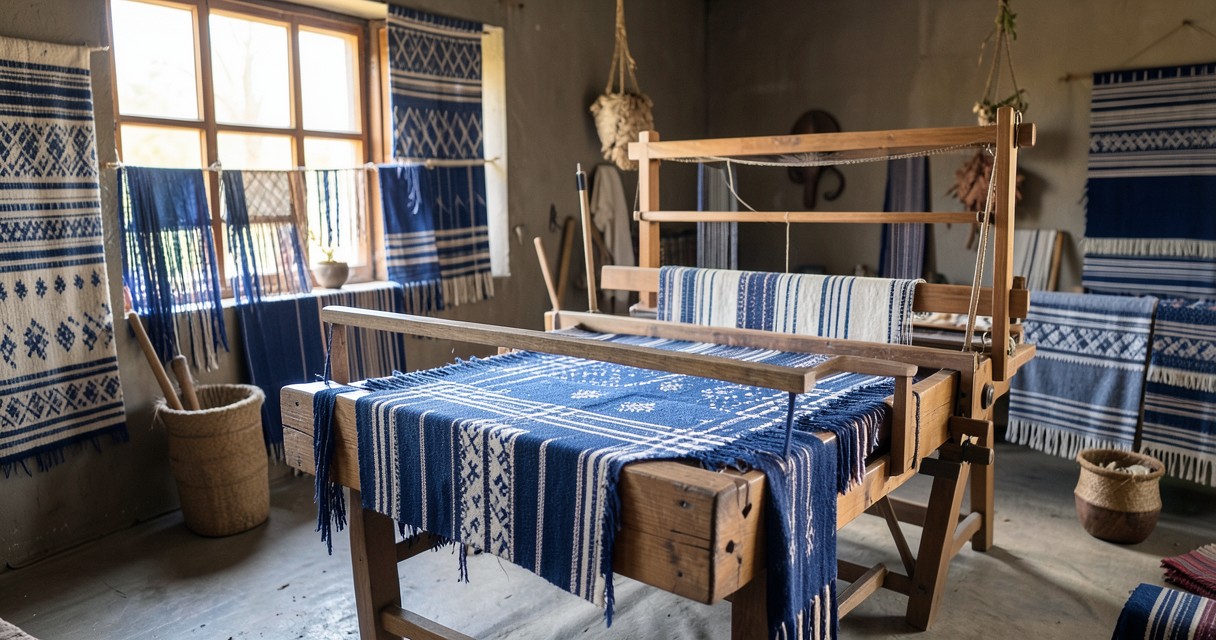
When shopping for indigo textiles, look for signs of handcraftsmanship, such as slight variations in colour and pattern, which indicate that the piece was dyed by hand. Authentic adire, for example, will have a slightly uneven texture where the cassava paste was applied, while bogolanfini will show the brushstrokes of the mud resist. Avoid mass-produced imitations, which often use screen printing to mimic traditional designs but lack the depth and durability of hand-dyed fabric. If possible, ask sellers about the dyeing process and the origin of the indigo; reputable artisans will be happy to share details about their work. Supporting African indigo dyeing isn’t just about owning a beautiful piece of fabric; it’s about preserving a craft that carries centuries of history and empowering the women who keep it alive.
Indigo dyeing as a symbol of African resilience
African indigo dyeing is more than a textile technique; it is a testament to the continent’s ability to adapt, innovate and resist. During the colonial era, indigo became a symbol of defiance, as African artisans used it to assert their cultural identity in the face of oppression. In Senegal, the Lebou people of Dakar’s Yoff district famously refused to abandon their indigo dyeing pits, even as French colonisers attempted to replace them with industrial textile factories. Today, indigo continues to serve as a tool of resistance, particularly for women who use it to challenge gender norms and economic marginalisation. In Mali, bogolanfini has been adopted by political activists, who wear it as a statement of national pride and solidarity with rural artisans.
The resilience of indigo is also evident in its global influence. From the blue jeans of the American South, which owe their colour to the indigo expertise of enslaved Africans, to the contemporary fashion runways of Paris and New York, African indigo has left an indelible mark on the world. Yet, despite its global reach, the craft remains deeply rooted in local communities, where it continues to evolve. In recent years, African designers have begun experimenting with new applications for indigo, such as dyeing leather, paper and even recycled materials. These innovations ensure that indigo remains relevant in a rapidly changing world, while still honouring the traditions that have sustained it for centuries. For those who wear or collect African indigo, each piece is a connection to this living history, a reminder of the skill, creativity and resilience of the artisans who keep the craft alive.

I’m fascinated by the vibrant intersection of contemporary fashion and traditional African craftsmanship. I spend my free time exploring markets, learning about textile techniques, and sharing the stories behind each piece with our readers.