
Understanding Handwoven African Fabrics
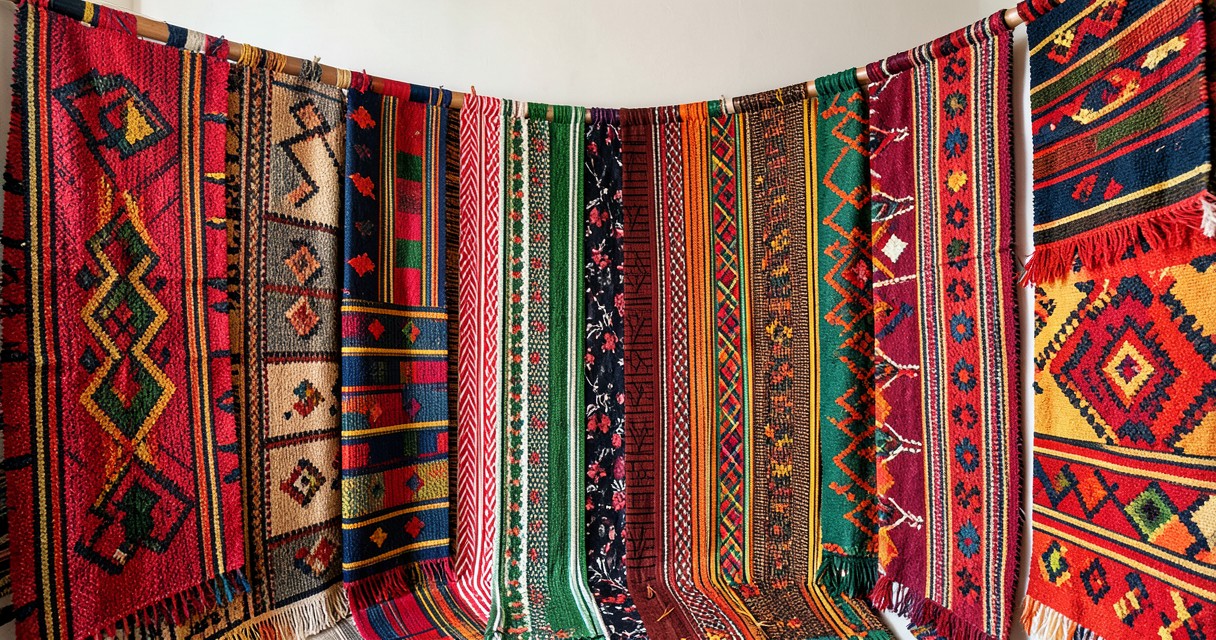
Handwoven African fabrics are not merely textiles; they are vibrant embodiments of culture, history, and identity. Each piece tells a story, interwoven with the threads of tradition and craftsmanship that have been passed down through generations. The art of handweaving in Africa varies significantly across regions, with different techniques and materials reflecting the diverse cultures and histories of the continent. From the colourful Kente cloth of Ghana to the intricate mud cloth of Mali, each fabric serves a unique purpose, often linked to social status, community events, or personal milestones.
The Art of Weaving in African Cultures
Weaving is a time-honoured craft in many African societies, often performed by skilled artisans who have honed their techniques over years of practice. The process typically involves the use of traditional looms, which can be simple or complex, depending on the fabric being produced. Artisans often use locally sourced materials such as cotton, silk, or wool, dyed using natural dyes derived from plants, minerals, and even insects. This sustainable approach not only preserves the environment but also ensures that each fabric retains a unique character and authenticity, setting it apart from mass-produced textiles.
Distinctive Styles and Techniques Across Regions
Different regions of Africa boast their own distinctive weaving styles and techniques. For instance, the Kente cloth from Ghana features bright, geometric patterns that are often symbolic, representing proverbs or historical events. In contrast, the Adire fabric from Nigeria is known for its indigo dyeing techniques, where artisans create intricate designs using resist dyeing methods. Each region’s unique approach to design and technique contributes to the rich tapestry of African textiles, making them sought after both locally and globally.
The Cultural Significance of Fabrics
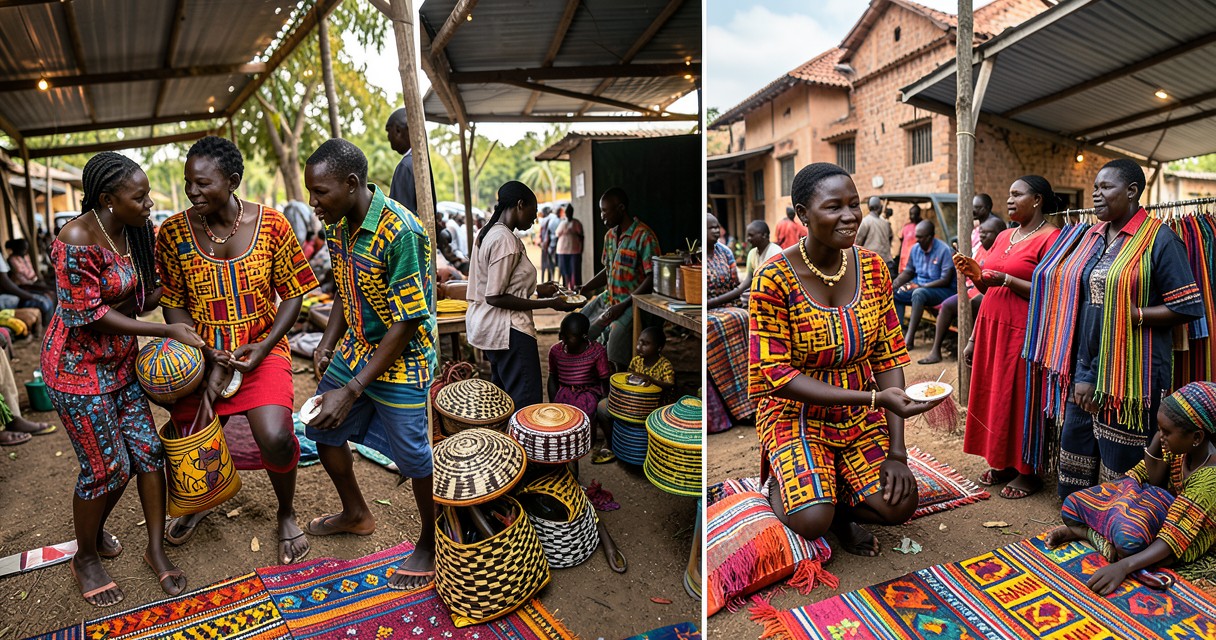
Fabrics play an essential role in the cultural identity of various African communities. They are often used in ceremonies such as weddings, naming ceremonies, and other significant life events. For example, the Kente cloth is traditionally worn by royalty during important occasions, symbolising wealth and status. Likewise, the vibrant patterns of Shweshwe fabric in South Africa are commonly used in traditional attire, reflecting the wearer’s cultural heritage. These textiles serve as a medium for expression, allowing individuals to showcase their identity and cultural pride.
Modern Interpretations and Global Influence
In recent years, there has been a resurgence of interest in handwoven African fabrics, both within Africa and internationally. Designers are increasingly incorporating these textiles into contemporary fashion, blending traditional craftsmanship with modern aesthetics. High-profile fashion shows and collaborations have introduced African fabrics to a broader audience, highlighting their versatility and appeal. This renewed interest not only elevates the status of these fabrics but also supports local artisans and helps sustain traditional weaving practices.
The Economic Impact of Handwoven Fabrics
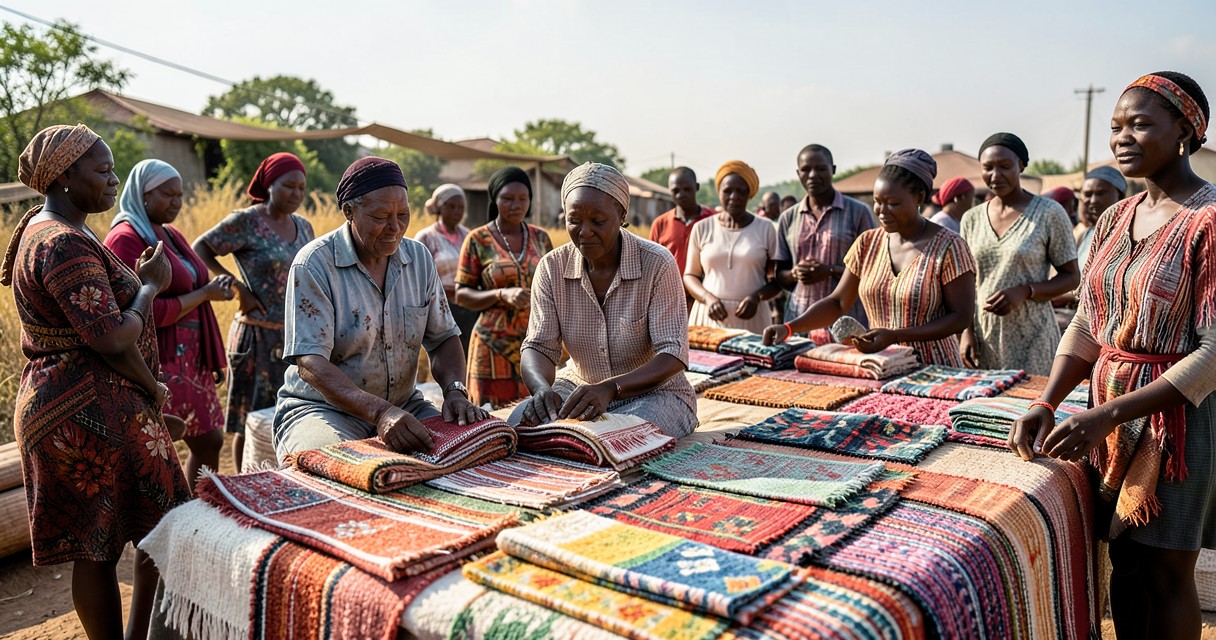
The handwoven fabric industry significantly contributes to the economies of various African countries. Artisans rely on the sale of these textiles for their livelihoods, and as global demand increases, so does the potential for economic growth. Initiatives aimed at promoting fair trade practices ensure that artisans receive fair compensation for their work, fostering sustainable development in local communities. By supporting the purchase of handwoven fabrics, consumers can directly contribute to the preservation of traditional crafts and the economic empowerment of artisans.
Challenges Facing Artisans and Preservation Efforts
Despite the growing popularity of handwoven African fabrics, artisans face numerous challenges, including competition from mass-produced textiles and changing consumer preferences. The influx of cheaper alternatives can undermine the market for traditional fabrics, threatening the survival of these age-old crafts. However, various organisations and initiatives are working tirelessly to preserve these traditions, providing training and resources to artisans while promoting their work on global platforms. By raising awareness and appreciation for handwoven fabrics, these efforts aim to ensure that the artistry and cultural significance of African textiles continue to thrive.

I’m fascinated by the vibrant intersection of contemporary fashion and traditional African craftsmanship. I spend my free time exploring markets, learning about textile techniques, and sharing the stories behind each piece with our readers.