
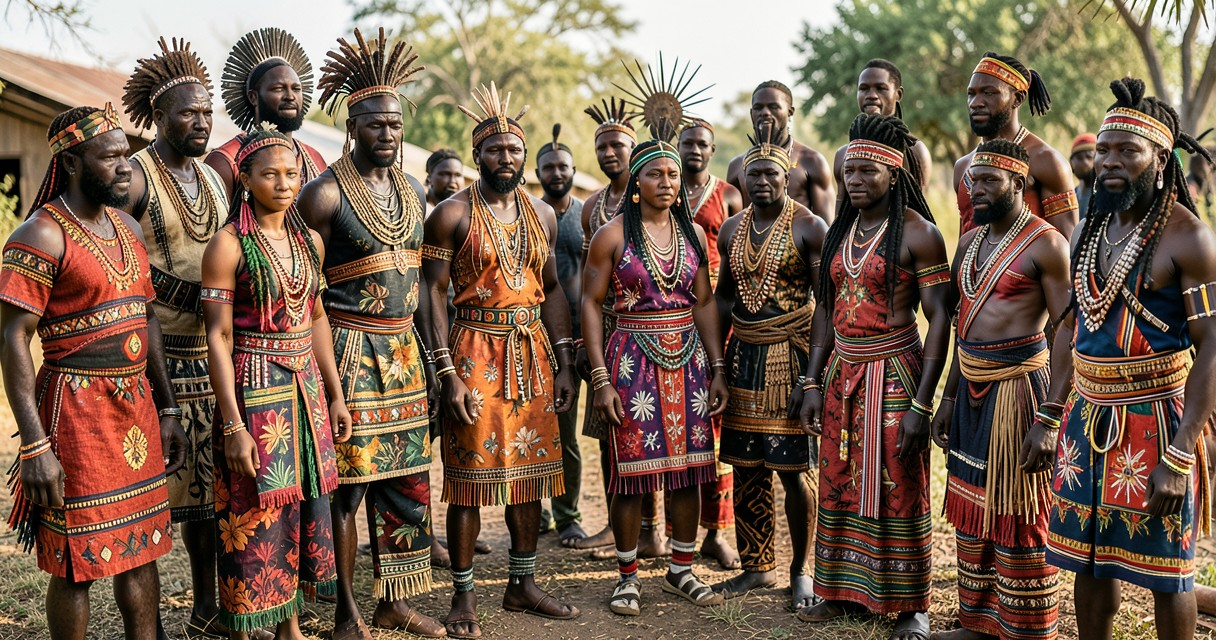
African tribal clothing styles represent a rich tapestry of cultural heritage, creativity, and identity. Each tribe possesses unique traditions that influence their clothing, reflecting not just aesthetics but also social status, age, and occasions. From the vibrant colours of West African textiles to the intricate beadwork of the Maasai, these garments are not merely about fashion; they are deeply intertwined with the history and customs of the people. This article delves into various African tribal clothing styles, exploring their significance, materials, and the artistry involved in their creation.
The Significance of Traditional Clothing
Traditional clothing in African tribes serves as a powerful symbol of cultural identity and community belonging. Each piece of clothing often tells a story, conveying messages about the wearer’s status, role, or achievements within the tribe. For example, among the Zulu of South Africa, the beaded necklaces and skirts worn by women signify marital status and social standing. Similarly, the attire of the Himba people in Namibia, characterised by ochre-coloured skin and intricate hairstyles, reflects their connection to tradition and nature, showcasing their lifestyle and values.
Moreover, clothing plays a vital role in rituals and ceremonies. Celebrations, such as weddings or initiation rites, often feature specific garments that are rich in symbolism. In these contexts, clothing acts as a medium for storytelling, heritage preservation, and the reinforcement of social bonds within the community. Thus, traditional attire is not only practical but also an essential element of cultural expression and continuity.
Diverse Materials and Techniques
The materials used in African tribal clothing are as diverse as the tribes themselves. Natural fibres such as cotton, silk, and animal hides are commonly employed, alongside traditional techniques like weaving, dyeing, and embroidery. For instance, the mud-dyed cloth of the Dogon people in Mali is renowned for its unique patterns and earthy tones, created through a meticulous process of dyeing cotton using natural pigments. This technique not only showcases artistic skill but also highlights a sustainable approach to fashion, utilising local resources.
Beadwork is another significant aspect of African clothing, particularly among tribes like the Maasai in Kenya and Tanzania. The Maasai are famous for their elaborate bead necklaces and bracelets, which are crafted using vibrant glass beads. Each colour and pattern holds specific meanings, often related to age, social status, or personal achievements. This form of adornment not only enhances the visual appeal of the clothing but also serves as a means of personal and communal storytelling.
The Impact of Colonisation and Globalisation
The arrival of European colonisers had a profound impact on traditional African clothing styles. Western clothing became more prominent, often overshadowing indigenous garments. However, this cultural exchange also led to a unique fusion of styles. For instance, contemporary African designers frequently incorporate traditional motifs and techniques into modern fashion, creating garments that resonate with both local and global audiences. This blending of cultures illustrates the resilience of African traditions amidst changing social landscapes.
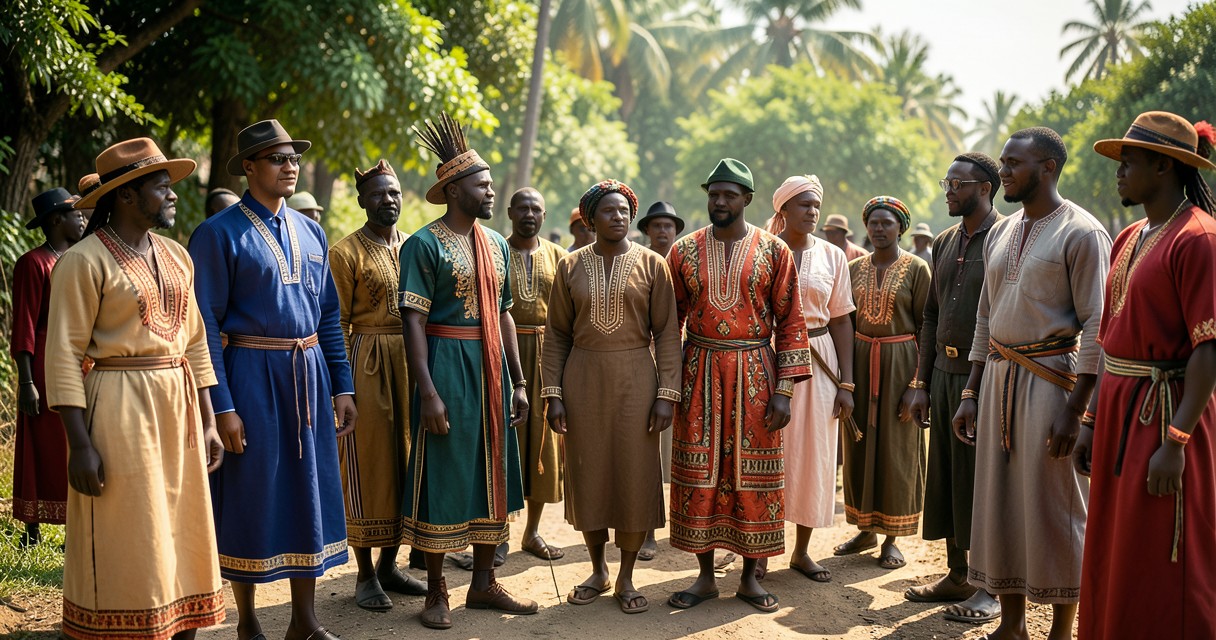
Globalisation has further influenced African fashion, with designers gaining international recognition for their unique interpretations of traditional styles. Events like Africa Fashion Week have showcased the creativity of African designers, promoting cultural heritage while appealing to modern sensibilities. This has led to a revival of interest in traditional clothing, as younger generations seek to reconnect with their roots and express their identity through fashion.
Notable Tribal Clothing Styles
Among the many diverse tribal clothing styles in Africa, a few stand out for their distinctive characteristics and cultural significance. The Kente cloth of the Akan people in Ghana is a prime example; this handwoven fabric features vibrant colours and intricate patterns, each with its own meaning. Traditionally worn during significant events, Kente cloth has transcended cultural boundaries and is now celebrated worldwide.
Similarly, the Shweshwe fabric of South Africa, known for its printed patterns and vibrant colours, has become synonymous with traditional dresses, often worn during ceremonies and celebrations. This fabric has evolved over time, merging traditional designs with contemporary fashion, appealing to both local and international markets. The versatility of Shweshwe illustrates how traditional materials can adapt and remain relevant in the modern fashion industry.
Contemporary Influences and Innovations
Today, many African designers are reinterpreting traditional clothing styles, merging them with contemporary fashion trends. Designers like Thebe Magugu from South Africa have gained international acclaim for their innovative approach to traditional garments, creating collections that pay homage to their cultural roots while appealing to a global audience. His work often features traditional silhouettes infused with modern cuts and fabrics, showcasing the potential for African fashion to evolve while maintaining its essence.
Furthermore, the rise of social media has played a significant role in promoting African tribal clothing styles. Platforms like Instagram and Pinterest allow designers and artisans to share their work with a wider audience, fostering appreciation for traditional craftsmanship. This visibility encourages a resurgence of interest in ethnic fashion, inspiring a new generation to embrace and celebrate their cultural heritage through clothing.
The Role of Fashion in Cultural Preservation
Fashion serves as a means of cultural preservation, enabling communities to maintain their identity amidst rapid global changes. By wearing traditional clothing, individuals not only express their heritage but also promote awareness and appreciation of their culture. Events such as cultural festivals and fashion shows provide platforms for showcasing traditional attire, allowing communities to celebrate their uniqueness while educating others about their customs.
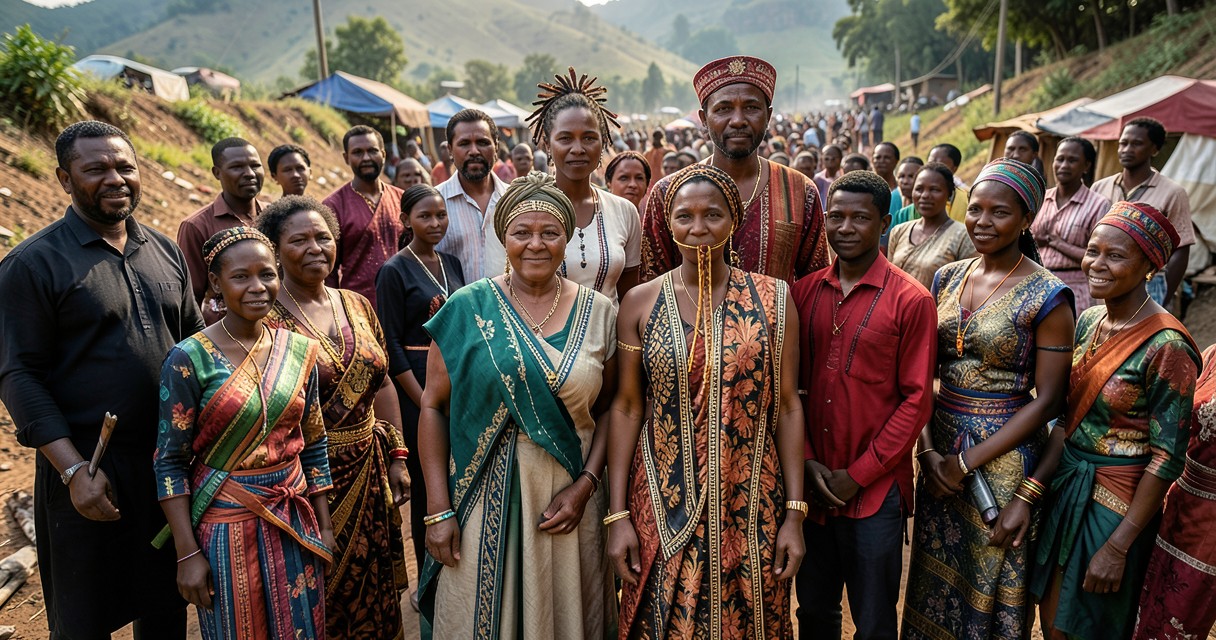
Moreover, artisans who create traditional garments often rely on their craft for livelihood, ensuring that age-old techniques are passed down through generations. This not only sustains the economic viability of these communities but also fosters a sense of pride and ownership over their cultural heritage. The revival of traditional clothing styles thus plays a crucial role in both cultural and economic resilience, highlighting the importance of fashion as a vehicle for cultural expression.
Challenges Faced by Indigenous Artisans
Despite the growing appreciation for African tribal clothing styles, indigenous artisans face numerous challenges in sustaining their craft. One major issue is the competition from mass-produced clothing, which often undermines the value of handmade garments. As consumers increasingly gravitate towards fast fashion, the intricate artistry and time-consuming processes involved in creating traditional attire can be overlooked, leading to a decline in demand.
Additionally, the effects of climate change pose a threat to the materials traditionally used in garment production. For instance, cotton farming, which is prevalent in many African countries, is susceptible to changing weather patterns, affecting the availability of raw materials. These challenges necessitate a concerted effort to promote sustainable practices and support local artisans, ensuring that traditional clothing styles continue to thrive in the face of modern pressures.

I’m fascinated by the vibrant intersection of contemporary fashion and traditional African craftsmanship. I spend my free time exploring markets, learning about textile techniques, and sharing the stories behind each piece with our readers.