
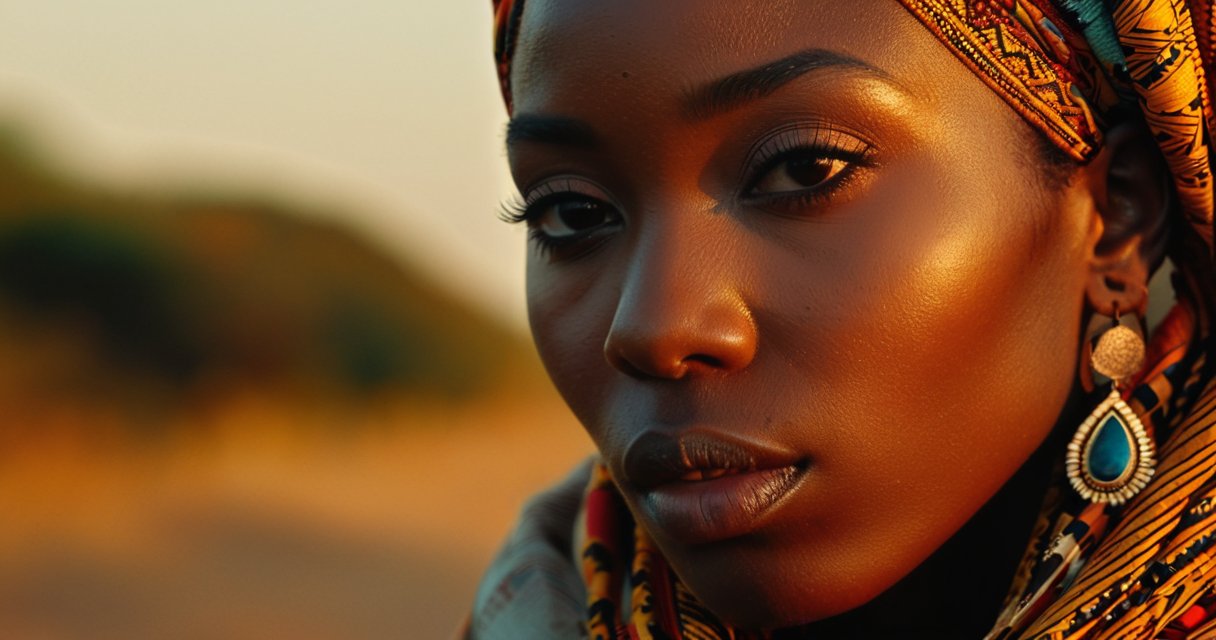
Africana style has moved from niche markets to the front rows of global fashion, offering a vibrant dialogue between contemporary silhouettes and the deep heritage of African craftsmanship. The appeal lies in the ability to wear a piece that tells a story of tribal identity while fitting seamlessly into a modern urban wardrobe. Designers across Europe and Africa now source hand‑woven fabrics, beadwork and traditional motifs, translating them into modern accessories inspired by African heritage that feel both current and rooted. For readers of ushirika.pl, understanding how to blend these worlds can transform everyday outfits into statements of cultural appreciation and personal style.
Historical foundations of Africana fashion
The origins of Africana style trace back to centuries‑old textile traditions such as kente from Ghana, bogolanfini from Mali and shweshwe from South Africa. These fabrics were originally woven by hand, using natural dyes derived from plants, roots and minerals, creating patterns that signified status, community and ceremony. In many societies the colour palette carried symbolic meaning; for example, red often denoted bravery while gold represented wealth. Over time, colonial trade introduced new materials, yet the core aesthetics remained, laying a rich visual vocabulary that contemporary designers continue to reference.
Beyond cloth, handcrafted African jewellery such as beaded necklaces, coral bracelets and metal cuffs have long served as iconic styles marking identity and rites of passage. Artisans specialised in techniques such as bead embroidery, which could cover entire garments in intricate mosaics. When these elements appear on a runway, they bring a lineage of craftsmanship that dates back to pre‑colonial markets, reminding viewers that fashion is also a repository of memory and community values.
Modern reinterpretation on the runway
In recent seasons, European fashion houses have invited African designers to co‑create collections that marry streetwear sensibilities with traditional prints. Labels such as Balmain and Dior have featured runway looks that incorporate bold Ankara prints into sleek tailoring, creating a juxtaposition that feels both daring and accessible. The result is a visual language where a crisp blazer may be lined with a vibrant wax pattern, while sneakers sport tribal motifs stitched onto leather uppers. This cross‑pollination has broadened consumer awareness and sparked demand for authentic African textiles in mainstream boutiques.
Emerging designers from Lagos, Nairobi and Johannesburg are also reshaping the narrative by launching independent labels that focus on limited runs and ethical production. Brands like Lemlem and Maki Oh emphasise hand‑crafted details, refusing mass‑manufacturing in favour of small‑batch excellence. Their collections often showcase fluid silhouettes paired with structured pieces, allowing the cultural motifs to shine without overwhelming the overall look. Such approaches demonstrate that modern fashion can honour tradition while remaining forward‑looking.
Core components for mixing modern and ethnic looks
When constructing an Africana‑inspired outfit, the choice of fabric is the most decisive factor for showcasing African craftwork as wearable art. Wax‑printed cotton offers a sturdy yet breathable base, ideal for shirts, skirts and trousers, while silk and linen provide a softer drape suitable for blouses and dresses. Pairing these textiles with contemporary materials such as denim or technical synthetics creates contrast that feels intentional rather than forced. For instance, a denim jacket paired with a colourful Ankara scarf adds a pop of pattern without compromising the garment’s structural integrity.
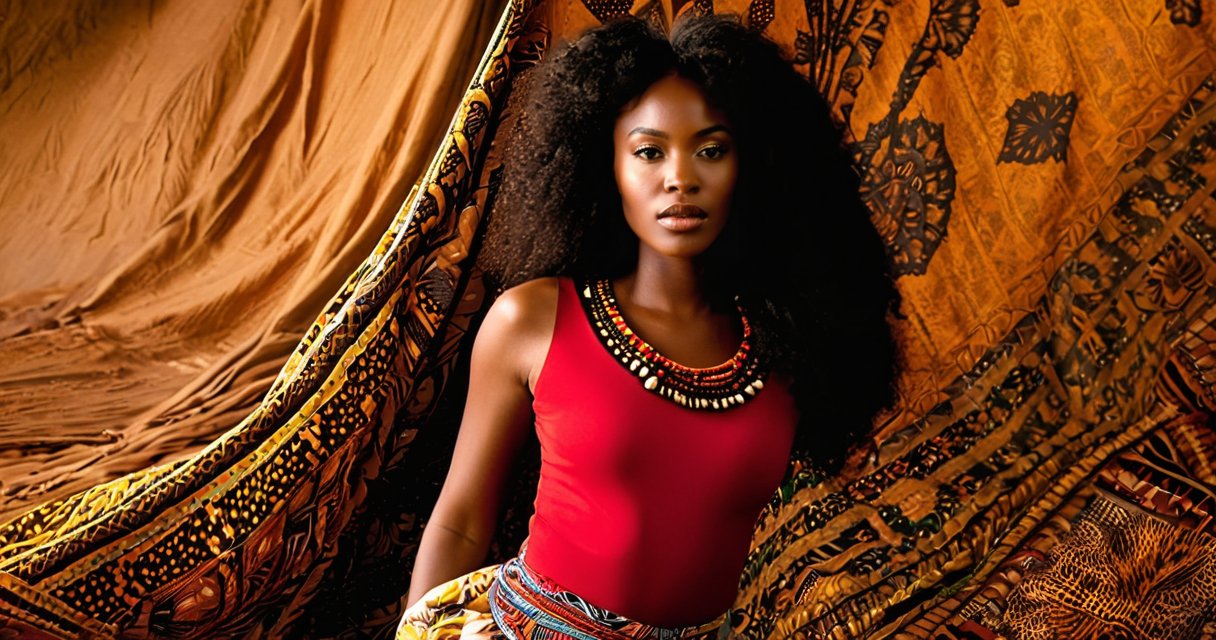
Accessories play an equally vital role in bridging the gap between old and new. Beaded earrings, leather sandals with tribal embossing and woven tote bags can elevate a minimalist ensemble, injecting cultural depth through subtle details. Colour selection should respect the vibrancy of African palettes, reds, yellows, deep blues and earthy neutrals, while balancing them with muted tones like charcoal, navy or ivory to avoid visual overload. Thoughtful layering of these elements ensures a cohesive aesthetic that feels both polished and expressive.
Building a versatile Africana wardrobe
A practical approach begins with a few capsule pieces that serve as foundations for multiple outfits. A well‑fitted white shirt made from crisp African cotton can be worn under a structured blazer, tied at the waist with a patterned sash, or tucked into high‑waist trousers for a sleek silhouette. Adding a versatile Ankara midi skirt provides a statement bottom that pairs effortlessly with fitted tops, oversized sweaters or cropped jackets, extending its utility across seasons. By selecting items with neutral cuts, the vibrant prints become the focal point rather than a distraction.
Layering techniques further enhance adaptability; a lightweight bomber jacket in a solid colour can be draped over a beaded‑embellished dress, allowing the texture to peek through without competing with the pattern. Likewise, a simple knit sweater in a deep earth tone can be worn over a bright printed shirt, creating a balanced visual hierarchy. These strategies enable the wearer to transition from daytime meetings to evening gatherings while maintaining a consistent cultural narrative.
Sustainable sourcing and ethical craftsmanship
Authentic Africana style thrives when designers and consumers prioritize ethical fashion inspired by African artisans. Many African cooperatives operate on a fair‑trade model, ensuring that weavers receive a living wage for each metre of fabric produced. By sourcing directly from these groups, brands reduce carbon footprints associated with long‑distance shipping and minimise waste through the use of natural dyes. Consumers can verify sustainability claims by looking for certifications such as Fairtrade International or the Global Organic Textile Standard.
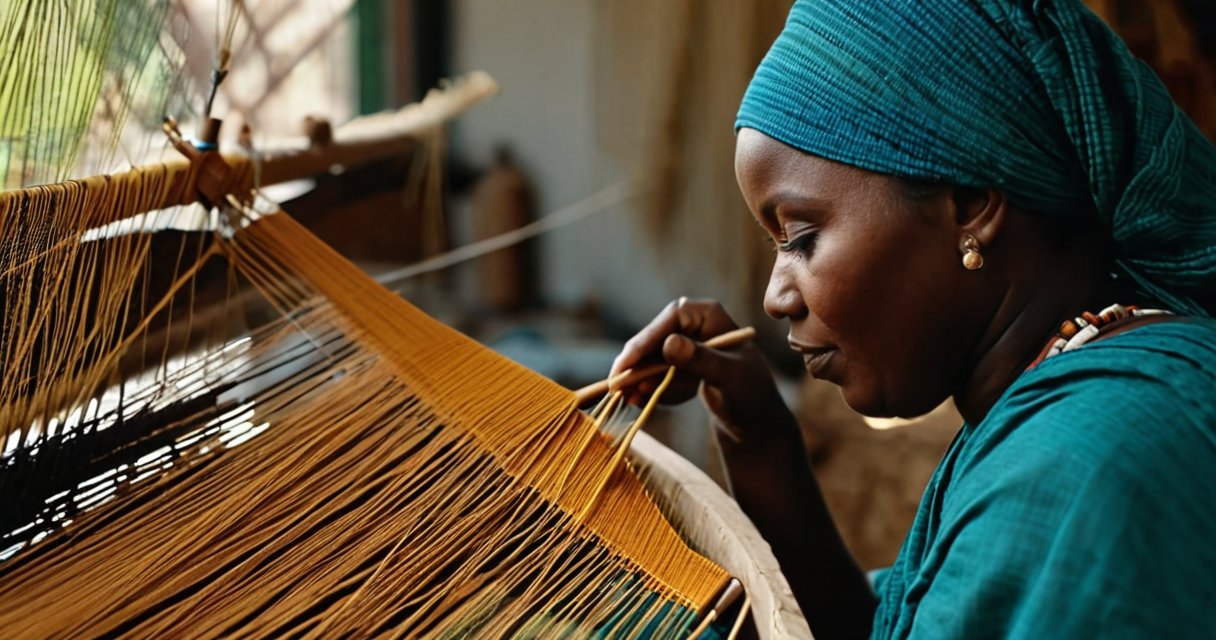
Beyond the environmental impact, investing in handcrafted pieces preserves intangible cultural heritage. Techniques like tie‑and‑die, hand‑loom weaving and African beadwork are often passed down through generations, and their survival depends on market demand. When shoppers choose garments that celebrate these skills, they contribute to the continuity of traditions that might otherwise fade. This symbiotic relationship between fashion and craft reinforces the idea that style can be both beautiful and responsible.
Everyday styling tips for confidence
To wear Africana elements with confidence, start by selecting one focal point per outfit, whether it is a bold printed blouse, a statement necklace, or a patterned headwrap. Keep the remaining pieces in complementary tones to let the chosen element command attention without overwhelming the eye. For a casual day out, pair a simple white tee with a colourful Ankara skirt and finish with white sneakers; the contrast between the relaxed top and the vibrant bottom creates a balanced, approachable look.
When attending more formal occasions, opt for a tailored suit in a neutral shade and introduce a patterned pocket square or tie as the cultural accent. This subtle infusion respects the event’s dress code while showcasing personal style. Remember that posture and a genuine smile amplify any outfit, turning a blend of modern and ethnic pieces into a powerful expression of identity. By practising these techniques, the wearer can navigate diverse settings while honouring African patchwork techniques in modern fashion.

I’m fascinated by the vibrant intersection of contemporary fashion and traditional African craftsmanship. I spend my free time exploring markets, learning about textile techniques, and sharing the stories behind each piece with our readers.