
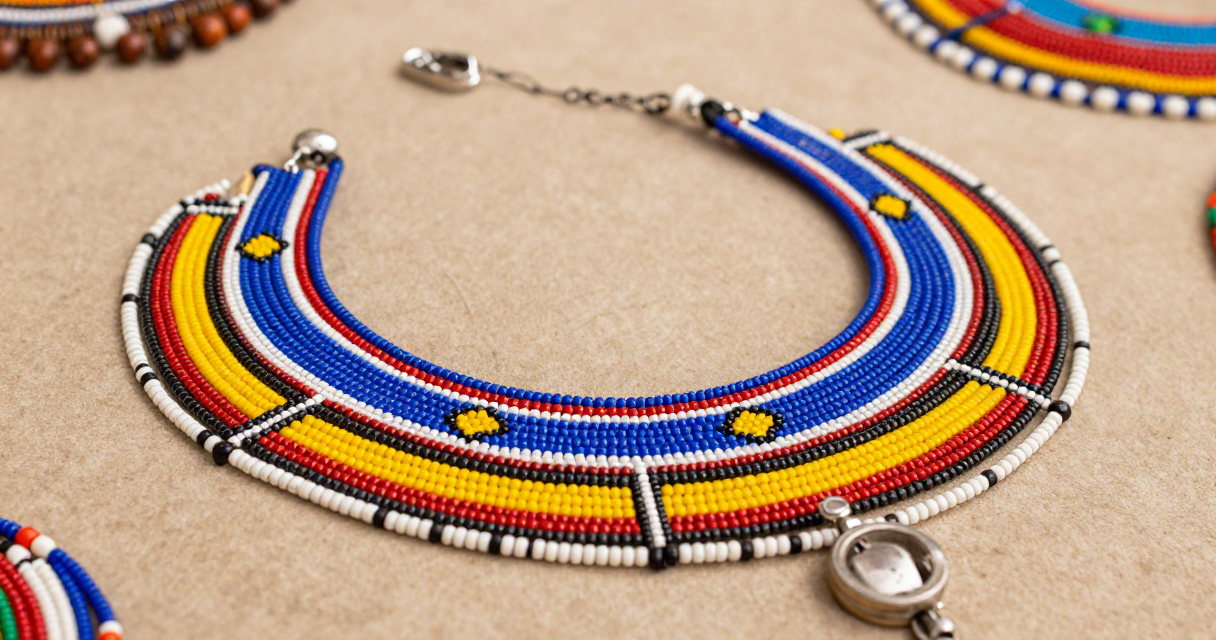
African beadwork jewelry is a vibrant expression of cultural heritage and craftsmanship, showcasing the Symbolism in African jewellery of various African communities. This form of adornment has evolved over centuries, serving not only as decorative pieces but also as symbols of identity, status, and spirituality. From the intricate patterns of Maasai necklaces to the elaborate beadwork of Zulu artisans, each piece tells a story that reflects the unique history and values of its makers. This article delves into the significance, techniques, and contemporary relevance of African beadwork jewelry within the realms of fashion, ethnography, and African crafts.
The Cultural Significance of Beadwork
Beadwork in Africa is deeply intertwined with cultural identity and traditions. Different tribes use specific colours and patterns to convey messages about their history, beliefs, and social status. For instance, the Maasai people of Kenya and Tanzania are renowned for their striking beadwork, which often features bold colours and geometric designs. Each bead and colour choice in a Maasai necklace can signify important aspects of life, such as marriage, age, and social roles. Similarly, the Zulu beadwork of South Africa employs colour symbolism, where blue represents love and green signifies fertility. Such meanings enrich the jewelry, making it not just an accessory but a narrative of cultural pride and continuity.
Materials and Techniques in Beadwork
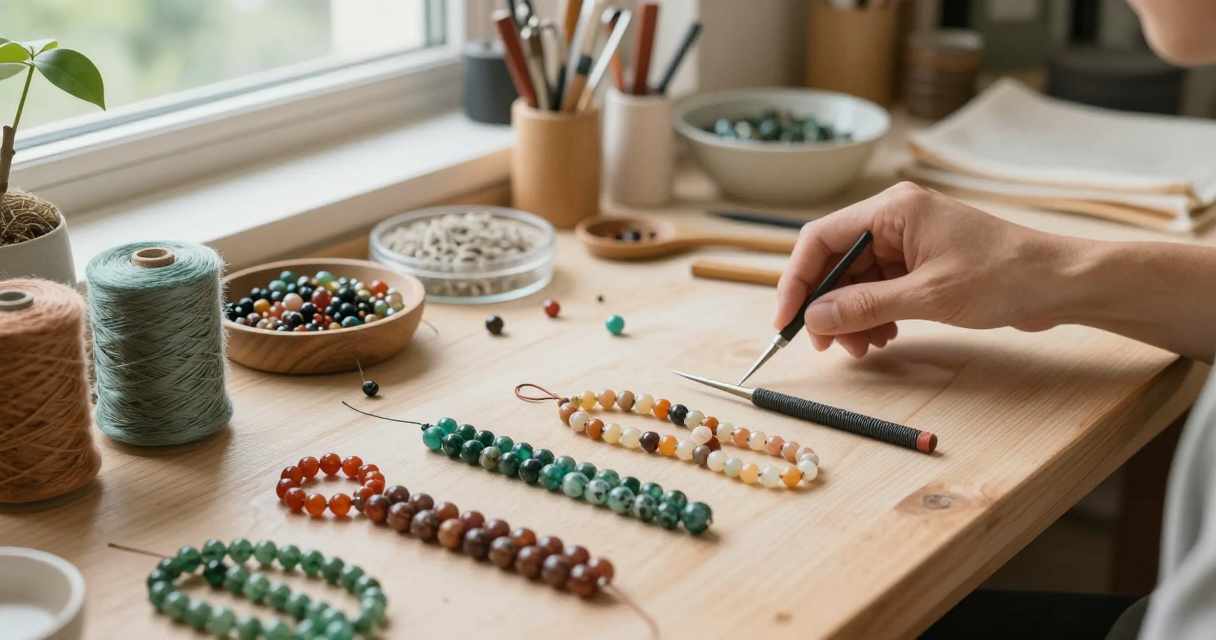
African beadwork employs a variety of African craft materials, including glass, clay, wood, and seeds. Historically, trade routes introduced glass beads to many African communities, leading to a flourishing bead-making industry. These beads are often meticulously crafted by hand, with artisans using techniques passed down through generations. The process typically involves stringing beads together to form intricate patterns. Techniques can vary significantly, some artisans use loom weaving, while others prefer freehand stitching. The skill and creativity involved in these techniques highlight the dedication of artisans, who often spend hours perfecting a single piece.
Regional Variations in Beadwork Styles
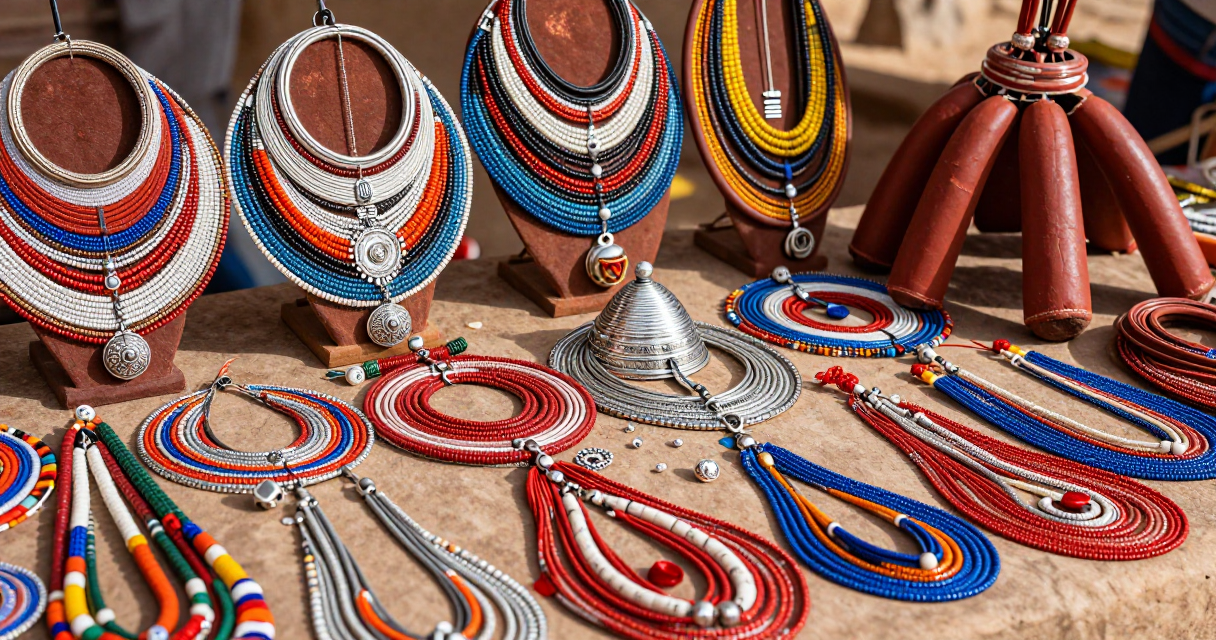
Across the African continent, beadwork styles vary significantly from region to region, reflecting the unique cultural influences and artistic expressions of each community. For example, the Tuareg people of the Sahara create striking silver and bead necklaces that often feature intricate metalwork alongside colourful beads. In contrast, the Himba women of Namibia are known for their distinctive red ochre adornments and beadwork that signify their social status and beauty ideals. This regional diversity not only showcases the artistic versatility of beadwork but also serves as a reminder of the rich tapestry of African cultures.
Beadwork in Contemporary Fashion
The resurgence of interest in African beadwork has led to its incorporation into contemporary African craft symbolism. Designers are increasingly drawing inspiration from traditional beadwork, infusing modern aesthetics with cultural significance. This fusion is evident in various fashion collections, where beadwork is used to embellish clothing, accessories, and even footwear. Notable designers such as Stella Jean and Maki Oh have incorporated African beadwork into their collections, celebrating the craftsmanship while promoting ethical fashion practices. This trend not only elevates the status of African artisans but also educates consumers about the cultural heritage behind each piece.
Economic Impact of Beadwork Artisans
The beadwork industry plays a vital role in the economic landscape of many African communities. Artisans often rely on beadwork as a primary source of income, and the demand for authentic, handmade pieces has created opportunities for economic empowerment. Various initiatives and cooperatives have emerged to support beadwork artisans, providing them with training, resources, and access to markets. These programmes not only help preserve traditional techniques but also ensure fair wages for artisans, allowing them to sustain their livelihoods while promoting their cultural heritage.
Environmental Considerations in Beadwork Production
As the demand for beadwork increases, so does the need for sustainable practices in its production. Artisans are increasingly aware of the environmental impact of their materials, leading to a shift towards eco-friendly alternatives. Many are now sourcing beads made from recycled materials or using natural dyes derived from plants. This movement towards sustainability not only helps protect the environment but also resonates with consumers who are becoming more conscious of their purchasing decisions. By prioritising sustainable practices, the beadwork industry can continue to thrive while honouring the planet.
The Future of African Beadwork Jewelry
The future of African beadwork jewelry looks promising, as it continues to evolve and adapt to modern trends while retaining its cultural roots. The integration of technology, such as social media and e-commerce platforms, has opened up new avenues for artisans to showcase their work to a global audience. Online marketplaces allow consumers to purchase authentic pieces directly from artisans, fostering a connection between creator and buyer. This direct-to-consumer model not only supports artisans financially but also helps preserve traditional skills and stories. As awareness and appreciation for African beadwork grow, so does its potential to influence global fashion trends and promote cultural understanding.

I’m fascinated by the vibrant intersection of contemporary fashion and traditional African craftsmanship. I spend my free time exploring markets, learning about textile techniques, and sharing the stories behind each piece with our readers.