
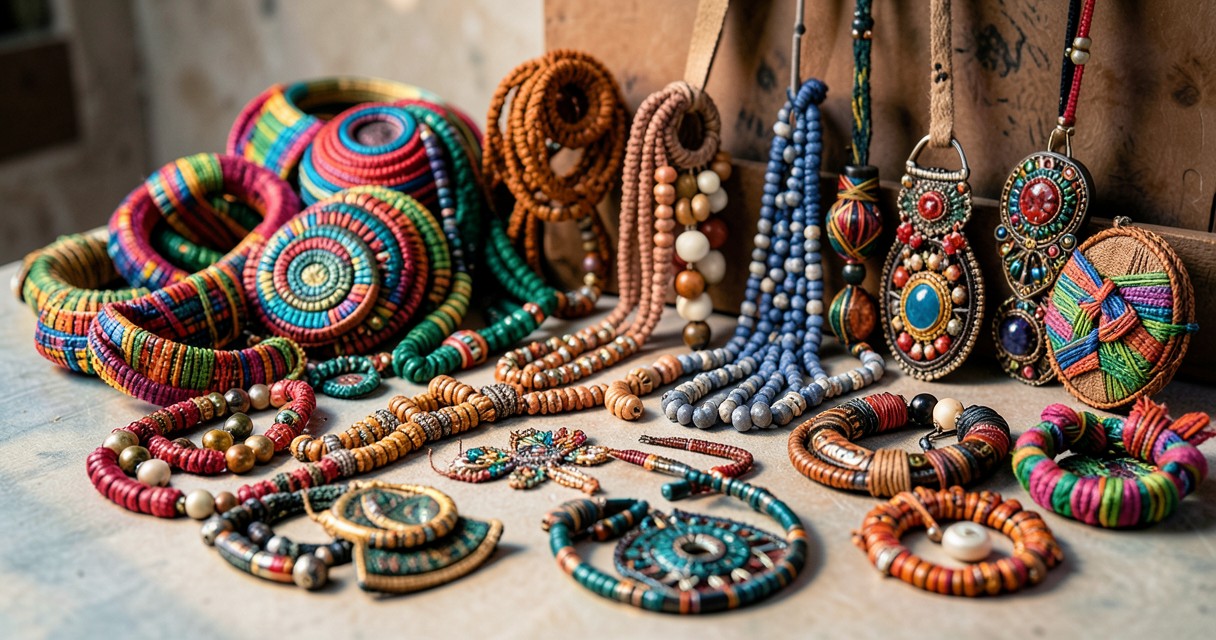
African handmade accessories are more than just adornments; they embody rich cultural narratives and craftsmanship passed down through generations. From intricately beaded necklaces to vibrant textiles, each piece tells a story of heritage and artistry. These accessories not only enhance personal style but also support local artisans and communities, creating a meaningful connection between the maker and the wearer. As global demand for unique, sustainable fashion grows, African handmade accessories stand out for their authenticity and creativity. Embracing these stunning creations not only elevates one’s wardrobe but also celebrates the vibrant cultures from which they originate.
The intricate art of Maasai beadwork and its cultural significance
The Maasai people of East Africa are renowned for their exceptional beadwork, a craft that serves not only as a form of artistic expression but also as a vital cultural marker. Traditionally, Maasai beadwork is used in various ways, including adornments for clothing, ceremonial items, and jewellery, each piece reflecting the wearer’s age, marital status, and social standing. The vibrant colours and intricate patterns are symbolic, with specific hues representing different meanings; for instance, red signifies bravery and strength, while blue represents the sky and water, essential elements for survival in the arid landscapes of their homeland.
This artisanal craft is passed down through generations, with young girls learning the techniques from their mothers and grandmothers. The process is meticulous, involving the careful selection of beads and the creation of intricate designs that often tell stories or convey messages within the community. In recent years, the global appreciation for Maasai beadwork has grown, enabling artisans to sell their creations beyond local markets. This not only helps preserve their cultural heritage but also provides economic opportunities for women, empowering them within their communities and contributing to their families’ livelihoods.
Tuareg silver craftsmanship and the distinctive styles of the Sahara
Tuareg silver craftsmanship is a captivating aspect of the Sahara’s rich cultural heritage, renowned for its intricate designs and unique techniques. The Tuareg people, often referred to as the “blue people” due to their indigo-dyed clothing, have been skilled metalworkers for centuries. Their silver jewellery, characterised by bold geometric patterns and symbolic motifs, reflects the nomadic lifestyle and spiritual beliefs of the Tuareg. Pieces such as rings, bracelets, and pendants often incorporate elements that signify protection, love, and identity, making them not just decorative items but also meaningful talismans.
The process of crafting Tuareg silver is deeply rooted in tradition and requires considerable expertise. Artisans typically use high-quality silver sourced from trade routes across the Sahara, which is then shaped and adorned using techniques passed down through generations. The hallmark of Tuareg jewellery is its oxidised finish, achieved by applying a patina that enhances the depth of the designs. This craftsmanship is not only an art form but also a vital means of income for many families, contributing to the preservation of Tuareg culture amidst modern challenges. Each piece tells a story, serving as a bridge between the past and present, and reflects the enduring spirit of the Sahara’s inhabitants.
Sustainable materials and eco-friendly techniques in African jewellery making
In the realm of African jewellery making, artisans increasingly embrace sustainable materials and eco-friendly techniques that reflect a deep respect for the environment. Many creators utilise locally sourced materials, such as reclaimed metals and natural stones, which not only reduce the carbon footprint associated with transportation but also support local economies. For instance, the use of brass, often sourced from discarded items, transforms waste into beautiful adornments, showcasing the innovative spirit of African artisans. These practices not only promote environmental sustainability but also preserve traditional craftsmanship.
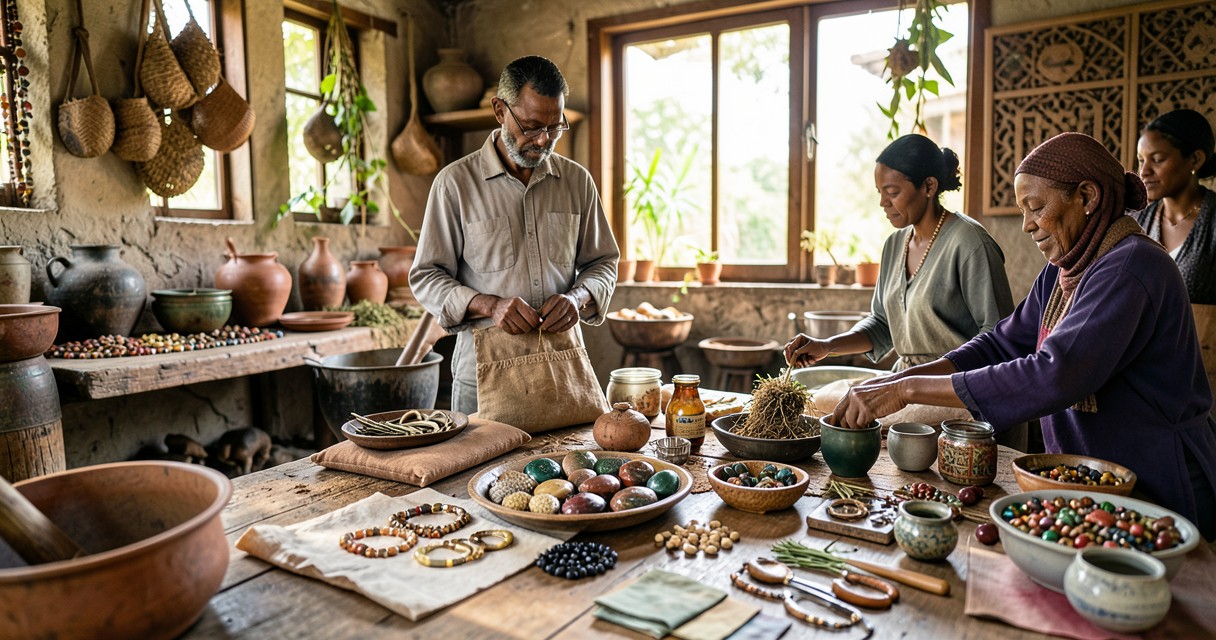
Moreover, eco-friendly techniques are integral to the production process, with many artisans opting for handcrafting methods over industrial mass production. This approach not only minimises energy consumption but also results in unique, one-of-a-kind pieces that tell a story. Techniques like hand-beading, weaving, and dyeing with natural pigments further enhance the ecological integrity of these creations. For example, some artisans employ plant-based dyes derived from local flora, ensuring that the colours used in their jewellery are both vibrant and sustainable. By prioritising such methods, African jewellery makers contribute to a more sustainable future while celebrating their rich cultural heritage.
Decoding the symbolic meanings behind African tribal accessories
African tribal accessories are steeped in rich symbolism, often reflecting the cultural heritage and identity of various communities. For instance, the vibrant colours and intricate patterns found in beadwork not only serve aesthetic purposes but also convey messages about social status, tribal affiliation, and even spiritual beliefs. In many cultures, specific colours are associated with particular meanings; for example, red might represent strength or courage, while blue could signify peace and tranquillity. Beadwork, particularly among the Maasai and Zulu, is a language of its own, with each design holding unique significance that can indicate a person’s life stage or achievements.
Styling handmade African pieces for contemporary bohemian looks
Incorporating handmade African accessories into a contemporary bohemian wardrobe can create striking visual narratives that celebrate both culture and creativity. Pieces such as intricately beaded necklaces, vibrant kente cloth scarves, and handwoven baskets not only add depth to an outfit but also tell a story of craftsmanship and heritage. For instance, layering bold statement necklaces over a simple, flowing maxi dress can instantly elevate a look, while a colourful beaded clutch can serve as a striking focal point. The key is to mix these unique items with more minimalist pieces to maintain a balanced aesthetic.
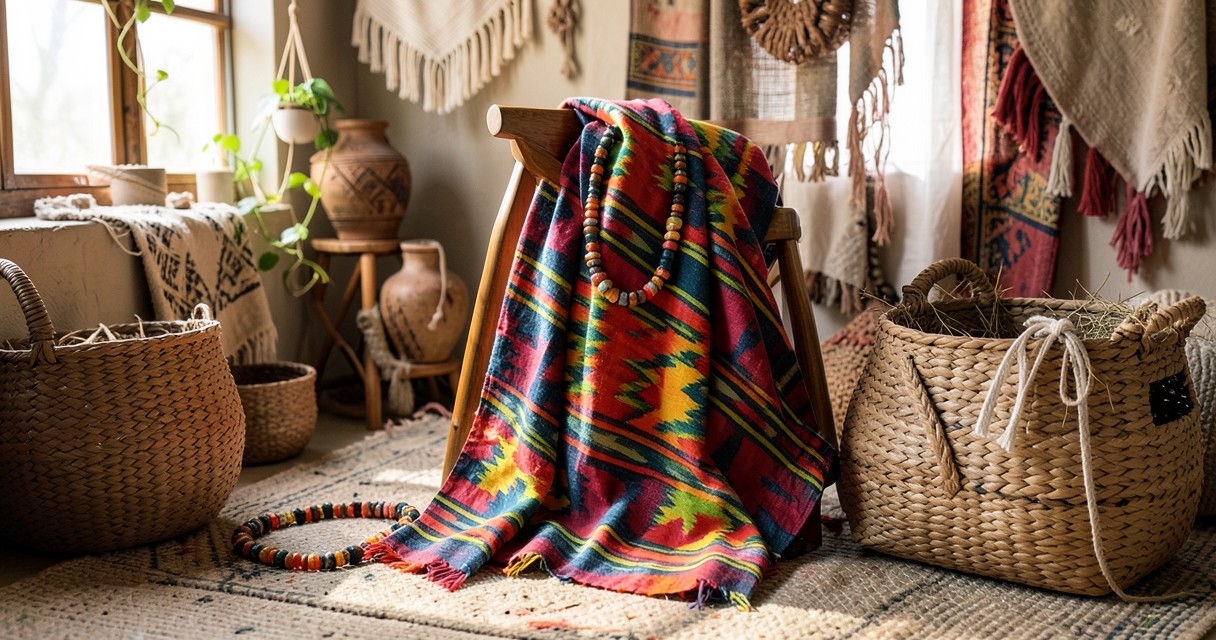
Additionally, the texture and patterns found in African textiles can enhance the bohemian vibe. Fabrics like mud cloth or batik can be used in skirts or wraps, adding an artisanal touch to everyday attire. Pairing these with neutral-toned tops and earthy accessories allows the prints to stand out without overwhelming the ensemble. Furthermore, including handmade earrings or bracelets made from natural materials like wood or clay can introduce an organic element that complements the free-spirited nature of bohemian style. Embracing these elements promotes not only personal expression but also supports artisans and their communities.
Empowering artisans through the fair trade fashion movement
The fair trade fashion movement has become a significant force in empowering African artisans, fostering both economic independence and cultural preservation. By promoting handmade accessories, this movement ensures that artisans receive fair compensation for their work, often about 20 to 50 per cent higher than conventional market rates. This financial uplift allows artisans to invest in their communities, providing better education and healthcare for their families. For instance, in several regions of Africa, groups of women artisans have formed cooperatives, which not only enhance their bargaining power but also create a supportive network for sharing skills and resources.
Moreover, the fair trade model prioritises ethical practices, ensuring that artisans work in safe conditions without exploitation. This approach helps to combat the negative impacts of fast fashion, which often relies on cheap labour and environmental degradation. By choosing fair trade fashion, consumers can directly support sustainable practices and contribute to a more equitable global economy. The unique designs and craftsmanship of African handmade accessories also serve to celebrate cultural heritage, allowing artisans to share their stories and artistry with a global audience. This connection between artisans and consumers fosters appreciation for the rich traditions and skills embedded in each piece, transforming mere accessories into symbols of empowerment and cultural pride.

I’m fascinated by the vibrant intersection of contemporary fashion and traditional African craftsmanship. I spend my free time exploring markets, learning about textile techniques, and sharing the stories behind each piece with our readers.