
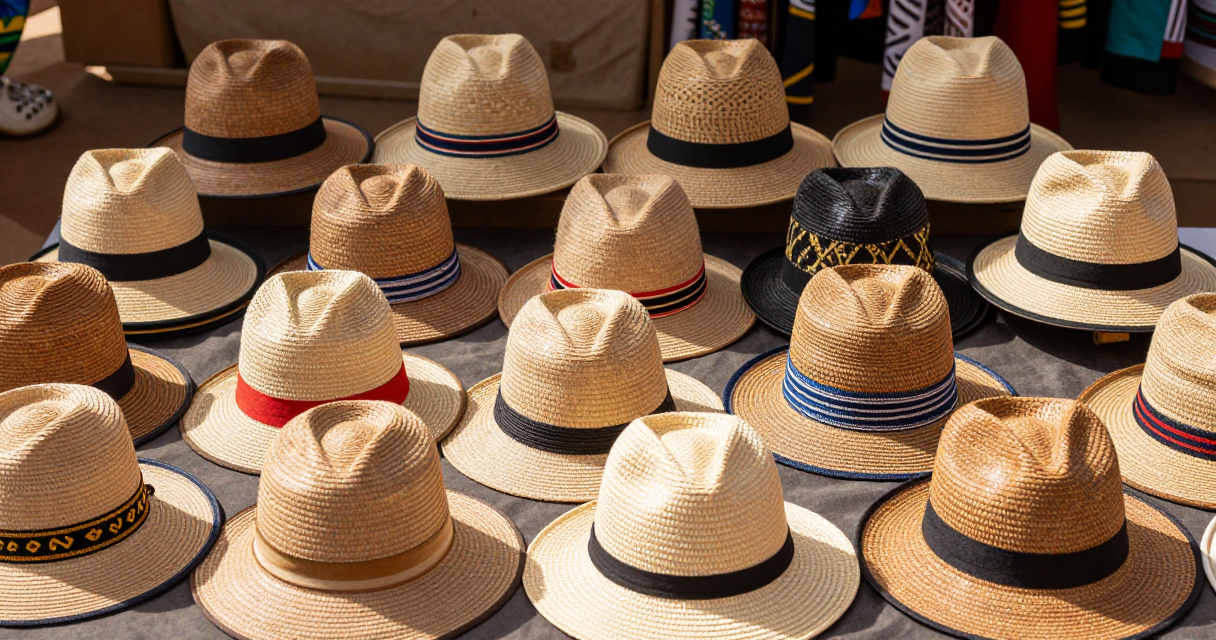
Handwoven African hats are more than mere accessories; they are rich in cultural significance and history, embodying the diverse traditions and identities of various African communities. Each hat tells a story, reflecting the artistry and craftsmanship of the people who create them. This article explores the cultural importance of these unique hats, examining their roles in social customs, spiritual rituals, and contemporary fashion trends.
The Art of Weaving: Craftsmanship and Tradition
Handwoven hats in Africa are the result of intricate craftsmanship that has been passed down through generations. Artisans often use traditional techniques, employing natural materials such as straw, palm leaves, and sisal. The process of weaving is not only a skill but also an art form, requiring patience and precision. Each weaver has their unique style, which contributes to the diversity of designs found across the continent. For instance, the Kuba hats from the Democratic Republic of Congo are known for their geometric patterns, while the straw hats of the Tuareg people are characterised by their wide brims and elaborate decorations.
In many communities, the act of weaving is a communal activity, bringing together individuals to share stories, laughter, and cultural knowledge. This communal aspect reinforces social bonds and fosters a sense of identity within the group. As such, these hats are not merely products but symbols of the collective heritage of the communities that produce them.
Cultural Symbolism and Identity
African hats often serve as powerful symbols of cultural identity. Different styles and designs can signify a person’s ethnic group, social status, or even marital status. For example, the distinctive hats worn by the Himba people of Namibia are not just functional but are imbued with meaning, often reflecting the wearer’s family lineage and social position within the community. The choice of colour and material can also convey messages about the individual’s beliefs and values.
Moreover, hats play a significant role in cultural ceremonies and rituals. They are often worn during important life events such as weddings, funerals, and initiation ceremonies, marking the transition of individuals within the societal structure. In these contexts, the hat becomes a visible representation of cultural pride and continuity, linking the present to the past.
Spiritual Connections and Rituals
Many African hats are not only fashion statements but also hold spiritual significance. In certain cultures, hats are believed to provide protection from evil spirits or to channel positive energy. For instance, the Zulu hats in South Africa are worn during rituals and ceremonies as a means of connecting with ancestral spirits. The designs and symbols used often represent specific spiritual beliefs or stories that are integral to the community’s identity.
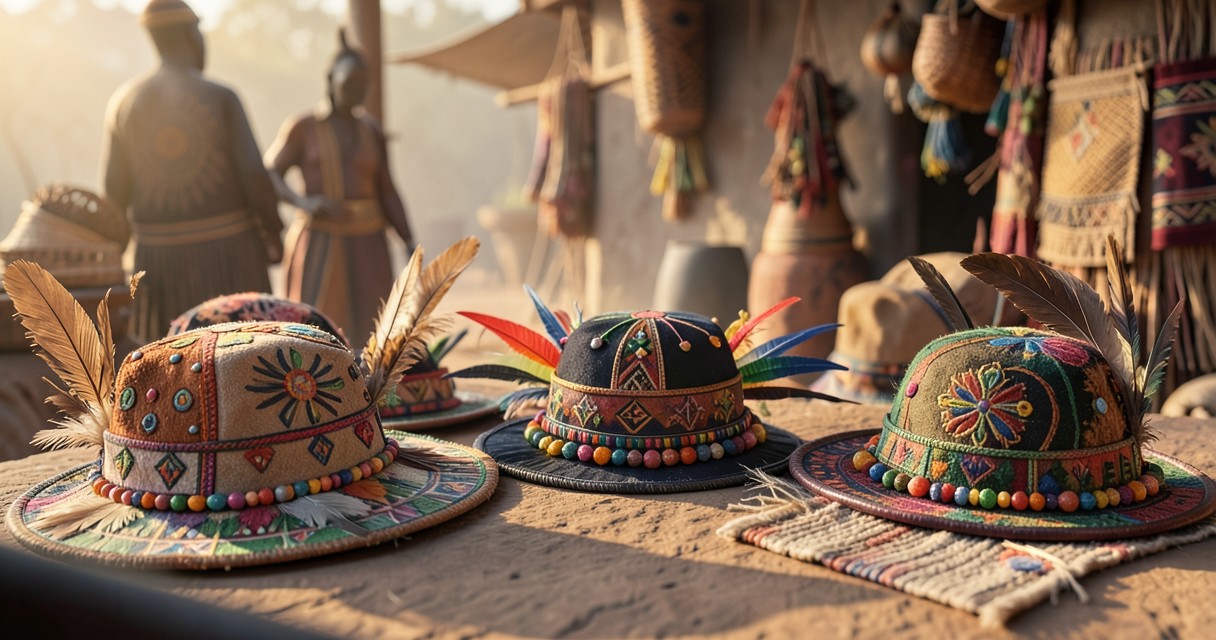
Additionally, some hats are crafted for specific spiritual leaders or healers, signifying their authority and role within the community. The adornment of these hats with feathers, beads, or other materials can carry specific meanings, often linked to the spiritual beliefs of the people. This intertwining of fashion and spirituality highlights the importance of these hats beyond mere aesthetics.
Hats as Tools of Resistance and Empowerment
Throughout history, African hats have also served as tools of resistance and empowerment. During colonial times, traditional hats became symbols of defiance against oppressive regimes. Wearing these hats was a way for individuals to assert their cultural identity and resist assimilation into colonial culture. In contemporary fashion, many designers draw inspiration from traditional African hats, using them to promote cultural pride and awareness on a global scale.
This resurgence in popularity has led to a renewed appreciation for handwoven hats, allowing artisans to gain recognition and support for their craft. By embracing traditional designs in modern fashion, these hats have become a means of empowerment, helping to elevate the voices of African artisans and promote sustainable practices within the fashion industry.
The Role of Handwoven Hats in Modern Fashion
Today, African patchwork techniques are influencing the design of handwoven hats on the global fashion scene. Designers are increasingly incorporating these unique pieces into their collections, blending traditional craftsmanship with contemporary styles. This fusion not only highlights the beauty of African artistry but also opens avenues for economic opportunities for artisans. Many fashion-forward individuals seek out these hats as statement pieces that reflect not only style but also a commitment to ethical fashion.
Furthermore, social media platforms have played a significant role in popularising these hats, allowing artisans to reach a broader audience and share their stories. Influencers and fashion enthusiasts are increasingly showcasing handwoven hats, leading to a growing appreciation for the cultural significance behind each piece. This trend has encouraged consumers to be more conscious of their purchases, opting for items that celebrate heritage and craftsmanship.
Preservation of Craft and Cultural Heritage
The future of handwoven African hats is closely tied to the preservation of traditional crafting techniques. As globalisation and industrialisation threaten many artisanal practices, efforts are being made to ensure that these skills are not lost. Workshops and training programmes are being established to teach younger generations the art of weaving, ensuring that the cultural heritage associated with these hats continues to thrive.
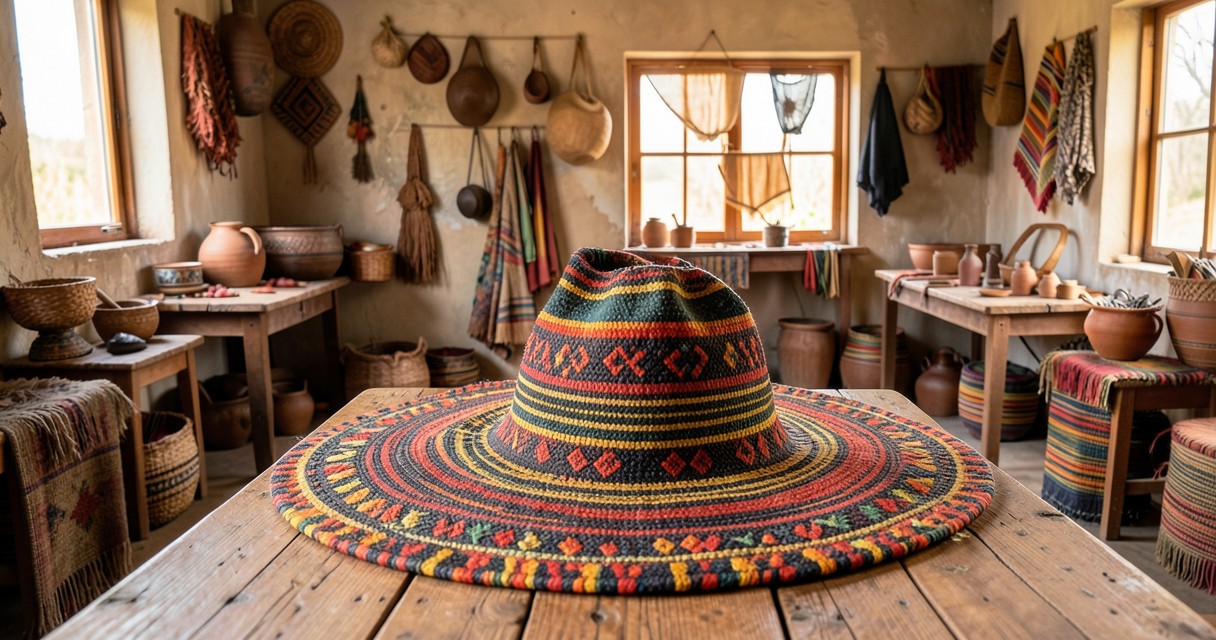
Moreover, initiatives promoting fair trade and sustainable fashion are vital in supporting artisans and their communities. By investing in these traditional crafts, consumers can help preserve the cultural significance of handwoven hats while promoting economic empowerment. This symbiotic relationship between artisans and consumers fosters a greater appreciation for the rich cultural narratives woven into each hat.
Global Influence and Cross-Cultural Exchange
The impact of handwoven African hats extends beyond the continent, influencing global fashion and fostering cross-cultural exchange. As more people recognise the beauty and significance of these hats, they have been embraced by designers and fashion enthusiasts worldwide. This exchange allows for the blending of styles and ideas, enriching the global fashion landscape.
Moreover, as African artisans gain visibility in the fashion industry, they contribute to a broader dialogue about cultural appropriation and appreciation. This conversation encourages a deeper understanding of the importance of respecting cultural heritage while celebrating diversity in fashion. The handwoven hat serves as a powerful symbol of this exchange, representing not only the artistry of African communities but also the interconnectedness of global cultures.

I’m fascinated by the vibrant intersection of contemporary fashion and traditional African craftsmanship. I spend my free time exploring markets, learning about textile techniques, and sharing the stories behind each piece with our readers.