
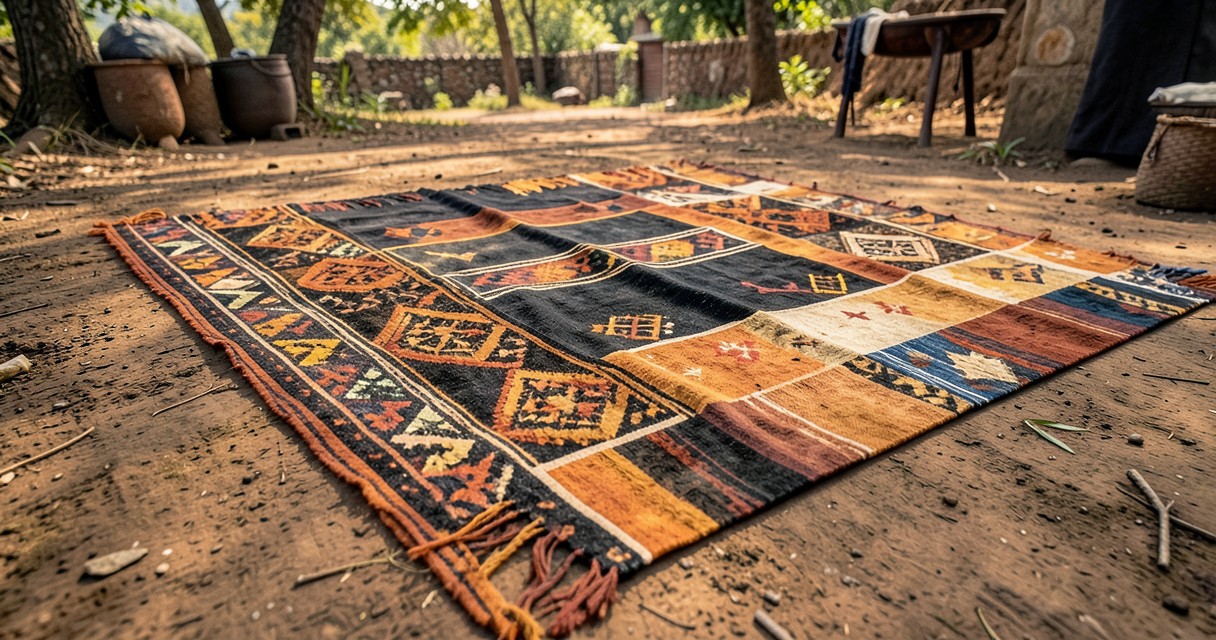
African mud cloth, known as bògòlanfini, is a remarkable example of African traditional textiles that not only serves as a fashion statement but also embodies the rich cultural heritage of Mali. This handmade cotton fabric, traditionally dyed using fermented mud, has transcended its utilitarian roots to become a symbol of identity and creativity in contemporary fashion. The intricate patterns and earthy tones of mud cloth have captured the attention of designers and fashion enthusiasts around the globe, making it a sought-after material for various clothing and accessories. In this article, we’ll explore the history, production methods, and the evolving role of African mud cloth, highlighting it as a key example of African craft materials.
The Origins of Mud Cloth
The term bògòlanfini is derived from the Bambara language, where ‘bogo’ means earth or mud, ‘lan’ translates to with, and ‘fini’ signifies cloth. This name underscores the material’s deep connection to the land and the traditional practices of the Malian people. While various ethnic groups in Mali produce mud cloth, the Bamana people are particularly renowned for their techniques, which have gained international recognition. Historically, mud cloth was used primarily for ceremonial purposes and as clothing for hunters, valued for its durability and camouflage properties. Today, it has evolved into a versatile fabric that adorns everything from clothing to home décor.
The Art of Making Mud Cloth
The production of mud cloth is a meticulous process that involves several stages, primarily weaving and dyeing. Traditionally, men are responsible for weaving the cotton strips on narrow looms, while women take on the dyeing process. The cotton is sourced locally, handspun, and woven into fabric strips that are stitched together to form larger pieces of handwoven African fabrics. The African textile dyeing process employs fermented mud rich in iron, which reacts with the fabric to create deep, rich colours. This natural dyeing technique not only enhances the aesthetic appeal of the cloth but also ensures its durability, making it a practical choice for everyday wear.
Cultural Significance of Mud Cloth
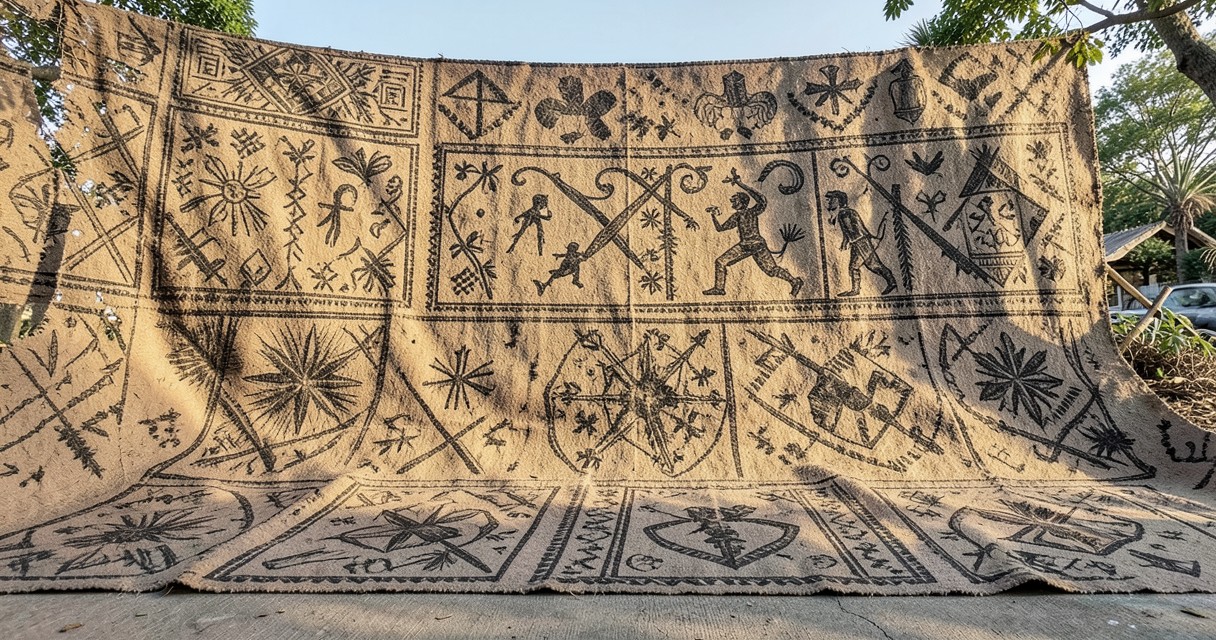
Beyond its functional use, mud cloth carries significant cultural meaning. Each pattern and design is imbued with symbolism, often reflecting social status, historical narratives, or personal stories. For instance, certain motifs may represent fertility, protection, or community. This storytelling aspect of mud cloth makes it more than just a fashion item; it is a canvas for cultural expression. As such, wearing mud cloth can foster a sense of pride and connection to African heritage, especially in a global context where cultural appropriation and authenticity are increasingly important topics.
Mud Cloth in Contemporary Fashion
In recent years, mud cloth has made a significant impact on contemporary fashion, becoming a staple in the collections of many designers. Fashion houses and independent labels alike have embraced this unique fabric, incorporating it into various garments such as dresses, jackets, and accessories. The versatility of mud cloth allows for creative interpretations, with designers experimenting with different cuts and styles while maintaining the integrity of the traditional patterns. This fusion of modern design with traditional craftsmanship has not only revitalised interest in mud cloth but has also provided artisans with new markets and opportunities.
Sustainable Fashion and Mud Cloth
As the fashion industry increasingly shifts towards sustainability, mud cloth stands out as an eco-friendly option. The fabric is made from 100% cotton, often sourced from local farms, which supports sustainable agriculture practices. Additionally, the dyeing process utilises natural materials, significantly reducing the environmental impact associated with synthetic dyes. This commitment to sustainability resonates with consumers who are becoming more conscious of their purchasing decisions. By choosing mud cloth, fashion lovers can support ethical production and contribute to the preservation of traditional crafts.
Accessorising with Mud Cloth
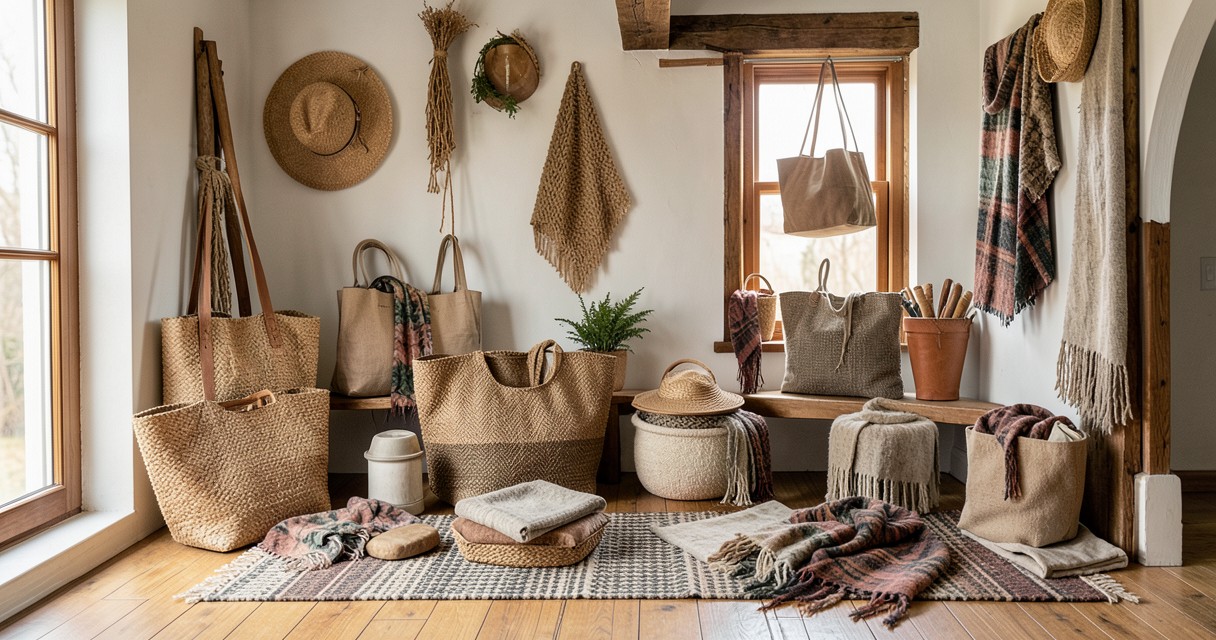
The appeal of mud cloth extends beyond clothing; it is also a popular choice for accessories. From bags and hats to scarves and home décor items, the unique patterns and earthy colours of mud cloth add a statement to any outfit. Many artisans create beautifully crafted bags that incorporate mud cloth, blending functionality with cultural artistry. These accessories not only serve practical purposes but also act as conversation starters, allowing wearers to share the story behind the fabric and its cultural significance.
Global Influence and Market Trends
The global fascination with African mud cloth has led to its widespread availability, showcasing African textile motifs that are now used in haute couture fashion markets around the world. Online retailers and boutiques now offer a range of products featuring this distinctive fabric, catering to a growing demand for authentic African textiles in modern streetwear. As the market expands, it is crucial for consumers to support artisans and brands that prioritise fair trade practices, ensuring that the benefits of this trend reach the communities that produce mud cloth. This global influence not only highlights the beauty of African craftsmanship but also reinforces the importance of cultural heritage in the modern fashion landscape.

I’m fascinated by the vibrant intersection of contemporary fashion and traditional African craftsmanship. I spend my free time exploring markets, learning about textile techniques, and sharing the stories behind each piece with our readers.