Blog
-

How African beadwork is passed down generations
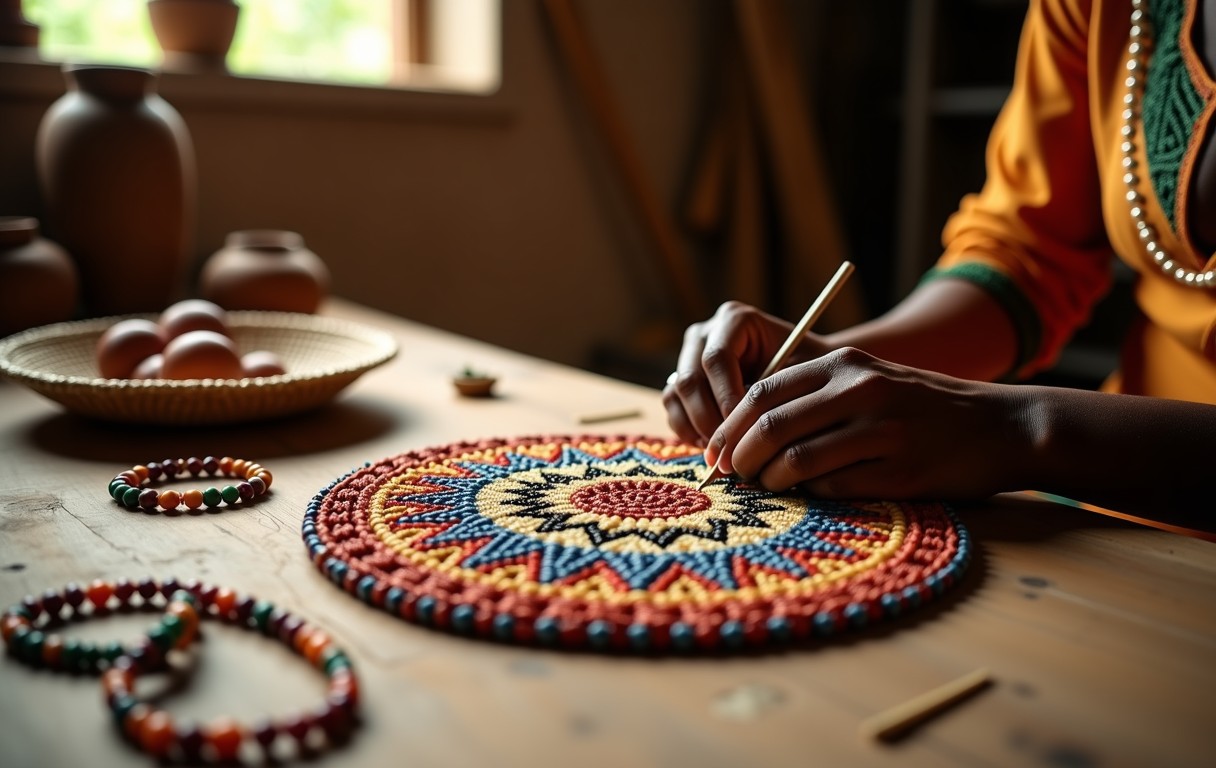
Historical Significance of African Beadwork African beadwork history is a rich tapestry that illustrates the depth of cultural expression and heritage across the continent. Originating thousands of years ago, traditional beadwork has been a vital element in many African societies. It is far more than mere decoration; beadwork serves as a powerful symbol through which…
-

Top African craft hubs and villages
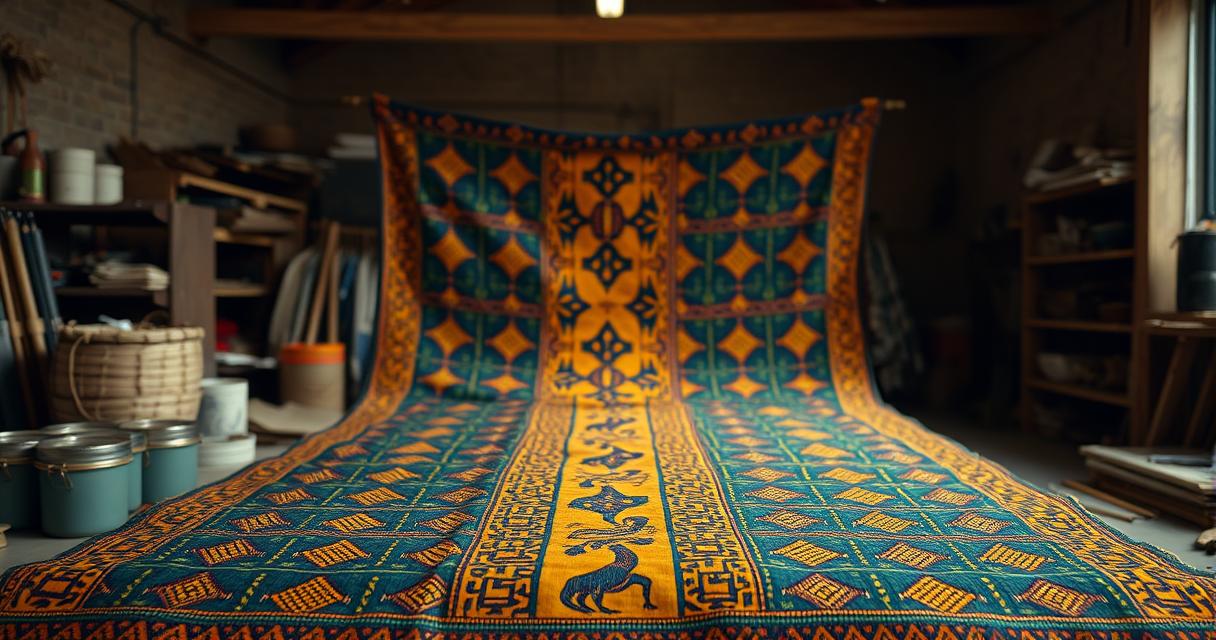
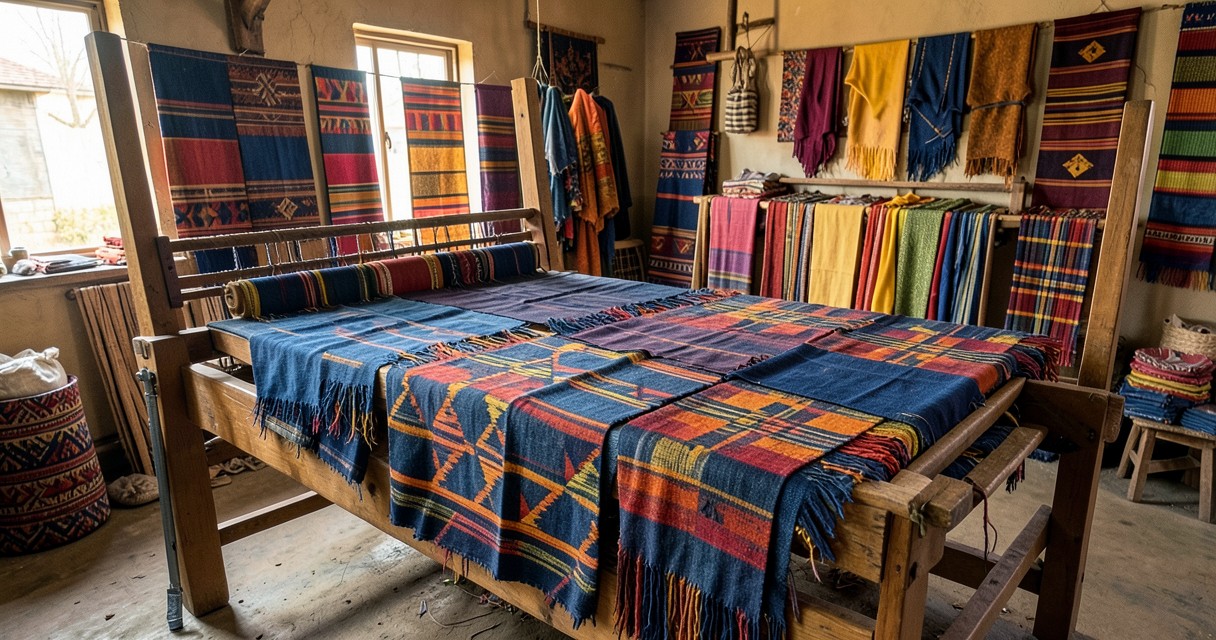
Moving to West Africa, the craft markets of Kumasi in Ghana hold great importance. Kumasi is famed for its kente cloth weaving and brass casting, integral to Ashanti culture. These artisan centres are not only places for trade but are also essential in passing down symbolic meanings and cultural knowledge embedded in the crafts. African…
-

Afro-ethnic trends in UK street fashion
Introduction to Afro-ethnic Trends in UK Street Fashion Afro-ethnic fashion is increasingly becoming a defining feature of UK street style, reflecting a vibrant intersection of cultural influence and contemporary trends. This dynamic fusion brings together traditional African aesthetics and motifs with the modern, urban edge of the UK’s streetwear scene. As multiculturalism continues to shape…
-

African artisans using eco-friendly materials
By choosing natural materials, artisans contribute to a reduction in harmful emissions and pollution associated with the extraction and processing of conventional materials. This approach not only conserves biodiversity and ecosystems but also lessens the burden on landfills. Reduced waste is a core benefit, as these materials can either be recycled multiple times or returned…
-

Modern reinterpretations of tribal fashion
Evolution of Tribal Fashion in Modern Context Tribal fashion, with its rich cultural heritage and distinctive aesthetic, has undergone a remarkable modern evolution that bridges tradition and contemporary style. Rooted deeply in the histories of indigenous communities, tribal fashion initially served as a medium for expressing identity, social status, and cultural narratives. Today, these traditional…
-

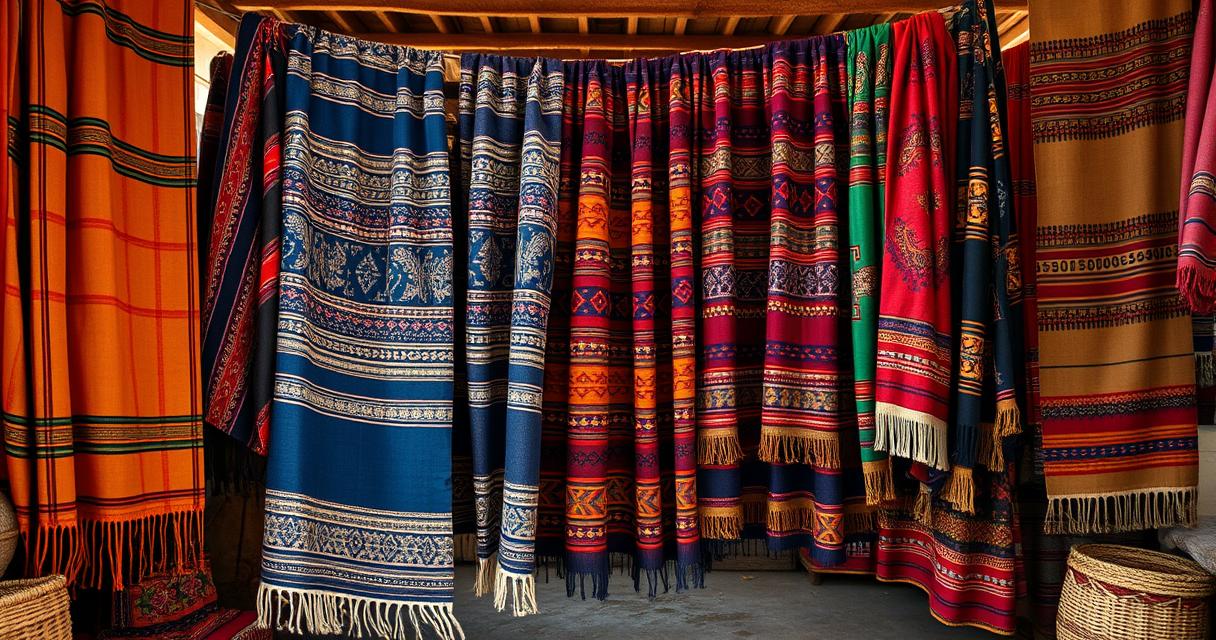
The beauty of handcrafted African scarves
After washing, lay the scarf flat on a clean towel to air dry. Avoid direct sunlight, which can cause fading over time. Storing scarves correctly is equally important for preservation methods. Fold them gently and keep them in a cool, dry place, ideally in breathable fabric bags to prevent moisture buildup and protect against dust.…
-

Why African basketry is highly valued
Historical significance of African basketry African basketry history is deeply rooted in the continent’s rich tradition of craftsmanship and cultural expression. Originating thousands of years ago, basket weaving has been an essential traditional craft passed down through generations. Its development is closely linked to the daily lives and spiritual practices of various African communities, who…
-

Traditional raffia weaving across Africa
Cultural initiatives, often led by NGOs and local governments, play a pivotal role in raising awareness about the importance of raffia weaving as an intangible cultural heritage. These initiatives include workshops, exhibitions, and fairs that celebrate the artistry of raffia crafts and provide artisans with platforms to showcase and sell their work. By creating such…
-

African-inspired accessories for modern outfits
Bangle bracelets, especially when worn in stacks, create a dynamic visual impact that enhances the wrist and adds an element of movement and sound. These bangles, crafted with diverse materials and designs, effortlessly blend tradition with contemporary fashion, making them perfect for both casual and formal occasions. Their versatility helps to balance and complete an…
-

Cultural roots behind African fashion statements
Historical influences on African fashion African fashion history is a rich tapestry woven from diverse cultural heritages and time-honored traditions. Across the vast continent, fashion has served not only as a means of personal adornment but also as a powerful medium to express identity, status, and community values. Traditional textiles play a pivotal role in…