
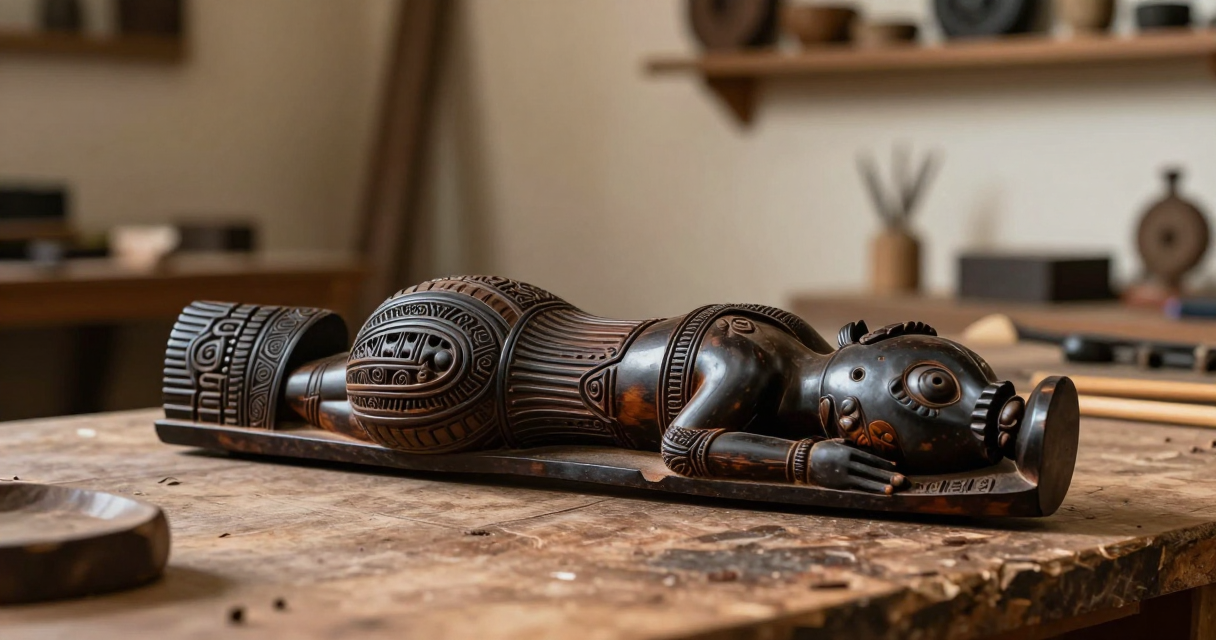
African wood carving art is a remarkable expression of cultural heritage, intricately woven into the fabric of various ethnic groups across the continent. This art form not only serves aesthetic purposes but also conveys deep spiritual meanings, social narratives, and historical significance. As an integral part of African traditions, wood carving showcases the unique identities of different communities, reflecting their beliefs, values, and ways of life. This article explores the diverse styles, techniques, and cultural implications of African wood carving, highlighting its importance within the realms of fashion, ethnicity, and craftsmanship.
The Significance of Wood in African Culture
Wood holds a sacred place in many African cultures, symbolising life, growth, and connection to the ancestors. Different types of wood, such as ebony, mahogany, and teak, are chosen for their durability and aesthetic qualities. Each type of wood carries its own cultural significance, often linked to local traditions and rituals. For example, the use of ebony in carving is particularly prevalent among the Akan people of Ghana, where it is associated with power and prestige. The selection of wood is not just a practical decision; it reflects the carver’s respect for nature and the spiritual beliefs surrounding the materials they use.
Furthermore, the act of carving itself is often seen as a spiritual practice, with artisans seeking inspiration from ancestral spirits. Many carvers believe that their skills are a gift from their forebears, and they invoke these spirits during the creative process. This connection between the carver and their heritage imbues each piece with a sense of history and identity, making African wood carvings not merely decorative items but vital conduits of cultural expression.
Diverse Styles Across the Continent
African wood carving is not monolithic; it varies widely across regions and ethnic groups, each with distinctive styles and techniques. For instance, the intricate relief carvings of the Yoruba people in Nigeria often depict deities and mythological figures, showcasing detailed facial expressions and elaborate patterns. In contrast, the Baule people from Côte d’Ivoire are known for their elegant, stylised figures that emphasise smooth lines and curvilinear shapes, often used in ceremonial contexts.
Additionally, the Makonde people from Tanzania are celebrated for their unique ‘Ujamaa’ style, which focuses on family and community themes, often represented through interconnected figures. These regional differences highlight the rich tapestry of African wood carving, where each style tells a story and serves a purpose within its cultural context. Understanding these variations is essential for appreciating the artistic diversity and the underlying meanings embedded in each piece.
Techniques and Tools of the Trade
The techniques employed in African wood carving are as diverse as the styles themselves. Traditionally, artisans have used hand tools such as chisels, knives, and adzes, passed down through generations. The craftsmanship involved requires not only skill but also a deep understanding of the wood’s properties. Carvers often begin with rough sketches, translating their visions into three-dimensional forms with precision and care.
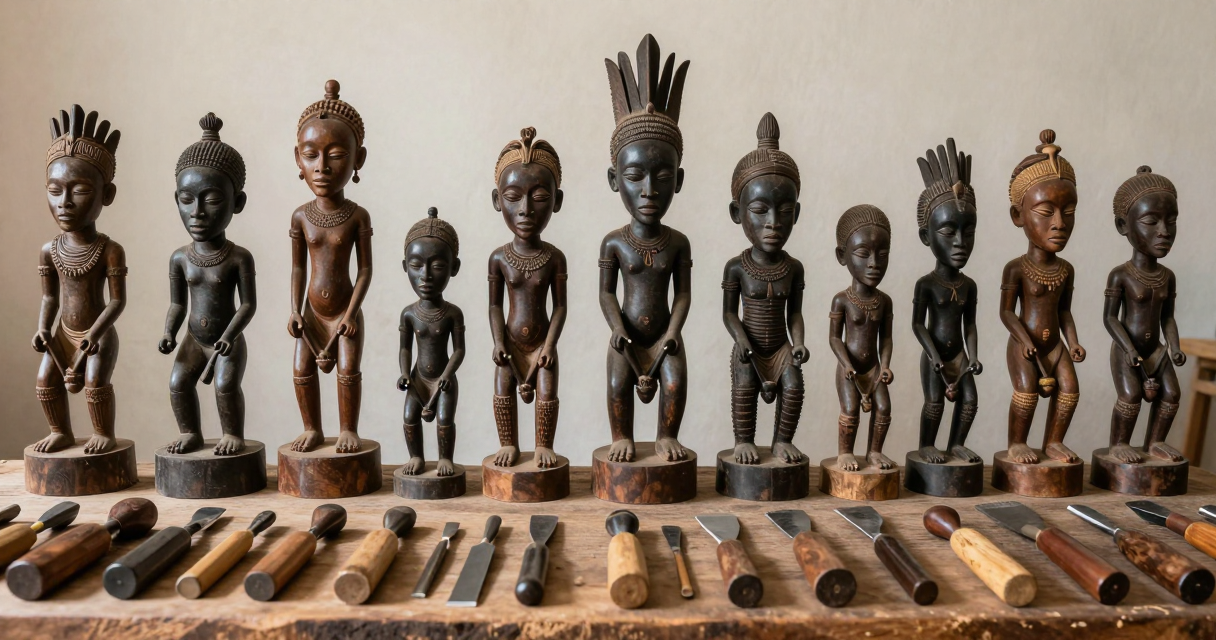
In many communities, the process of wood carving is collaborative, involving multiple artisans who specialise in different aspects of the craft. For example, one may focus on the initial shaping of the wood, while another refines the details and finishes the surface. This collaborative approach fosters a sense of community and shared responsibility, ensuring that the art form remains vibrant and relevant. The tools and techniques may vary, but the commitment to quality and tradition remains a constant across the continent.
Spiritual and Ritualistic Aspects
Many African wood carvings serve spiritual and ritualistic purposes, acting as mediums for communicating with the divine. Masks, figures, and totems are often used in ceremonies, believed to embody spirits or ancestors. For instance, the Fang people of Gabon create masks that are integral to their rituals, believed to protect the community and connect them with their ancestors. These masks are not merely artistic expressions; they play critical roles in the spiritual lives of the people.
Similarly, in the Dogon culture of Mali, wooden sculptures are used in religious ceremonies to honour the spirits of the deceased. These carvings often depict ancestral figures and are used to facilitate communication between the living and the spiritual realm. The deep-rooted belief in the spiritual significance of these artworks underscores their importance beyond mere aesthetics, elevating them to sacred objects within their cultural practices.
African Wood Carving in the Global Market
The global appreciation for African wood carving has grown significantly over the years, with collectors and art enthusiasts seeking authentic pieces for their aesthetic and cultural value. However, this increased demand has also raised concerns about ethical sourcing and the preservation of traditional techniques. Many artisans are now faced with the challenge of balancing commercial success with the need to maintain the integrity of their craft.
Art galleries and fairs around the world increasingly feature African wood carvings, providing a platform for artisans to showcase their work. This exposure not only elevates the status of African craftsmanship but also allows for cultural exchange and dialogue. However, it is crucial for buyers to engage with artists directly or support fair trade initiatives to ensure that the benefits of this market reach the communities where these crafts originate.
Contemporary Interpretations and Innovations
While traditional techniques and styles remain vital, contemporary African wood carving has seen a wave of innovation. Modern artisans are experimenting with new forms, combining traditional motifs with contemporary design principles to appeal to a broader audience. This blending of old and new has led to the emergence of hybrid styles that retain cultural significance while also reflecting global trends.
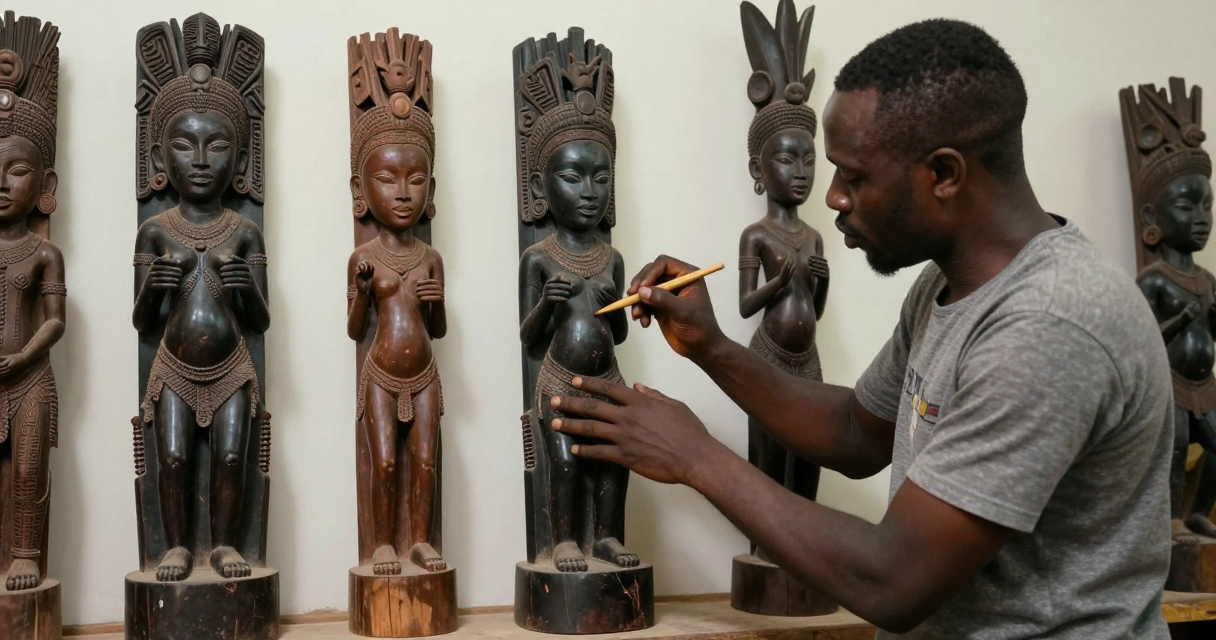
For instance, some artists are incorporating mixed media into their wood carvings, using materials like metal, glass, or fabric to enhance their works. This experimentation not only pushes the boundaries of traditional craftsmanship but also opens up new avenues for storytelling and expression. As these contemporary artists gain recognition, they contribute to a dynamic dialogue about identity, culture, and the future of African art.
The Role of Artisans in Cultural Preservation
Artisans play a crucial role in preserving the cultural heritage of their communities through the practice of wood carving. By passing down techniques and stories to younger generations, they ensure that the rich traditions of their ancestors continue to thrive. Workshops and training programmes are increasingly being established to teach these skills, fostering a sense of pride and identity among youth.
Moreover, many artisans are now using their platforms to advocate for the importance of cultural preservation in the face of globalization. They highlight the need for communities to maintain their unique identities while adapting to modern influences. This commitment to cultural integrity not only enriches the art form but also strengthens the social fabric of the communities involved, ensuring that African wood carving remains a living tradition.

I’m fascinated by the vibrant intersection of contemporary fashion and traditional African craftsmanship. I spend my free time exploring markets, learning about textile techniques, and sharing the stories behind each piece with our readers.