
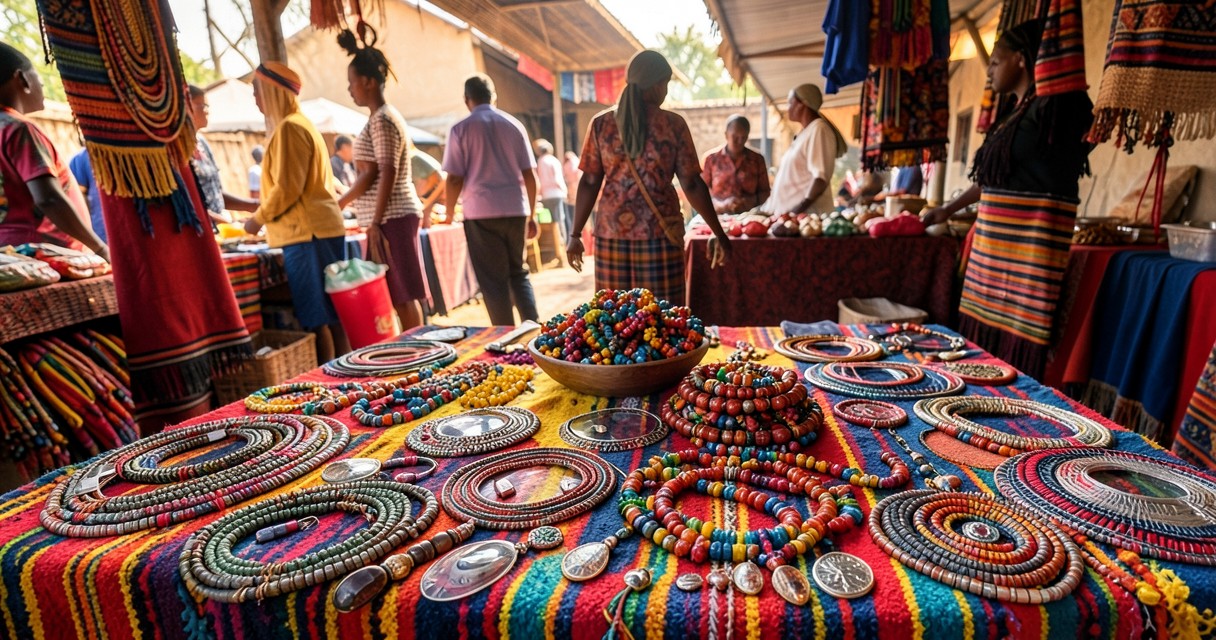
African tribal jewelry designs are not merely accessories; they represent a rich tapestry of cultural heritage, spiritual beliefs, and artistic expression. Each piece tells a story, often reflecting the history and traditions of the tribes from which they originate. This article delves into African tribal clothing styles alongside the diverse materials and meanings behind African jewelry, offering insights into their role in contemporary fashion.
Historical Significance of African Tribal Jewelry
The origins of African tribal jewelry can be traced back thousands of years, deeply intertwined with the customs and traditions of various ethnic groups. In many African cultures, jewelry serves as a symbol of status, identity, and belonging. For instance, among the Maasai of Kenya and Tanzania, beadwork is not just decorative; it signifies age, social status, and even marital status. Women often wear elaborate necklaces and bracelets that reflect their life stages, while men adorn themselves with distinctive ornaments during ceremonies and gatherings.
Furthermore, jewelry has historically been used in rituals and ceremonies, connecting the physical world with the spiritual realm. Many pieces incorporate symbols and motifs that represent ancestral spirits or deities, believed to offer protection or blessings. This deep-rooted significance adds layers of meaning to each piece, making African tribal jewelry not just a fashion statement but a vital part of cultural identity.
Diverse Materials and Techniques
African tribal jewelry, often considered a form of African handmade accessories, is crafted from diverse materials with deep cultural significance. Traditional materials include beads, metal, wood, bone, and ivory. Beads, particularly, are a hallmark of African jewelry, with designs often featuring vibrant colours and intricate patterns. For example, the Zulu people of South Africa are renowned for their beadwork, creating stunning necklaces and bracelets that are both bold and beautiful.
Metalwork also plays a crucial role in African jewelry design. Artisans often use brass, copper, and silver to create intricate pieces, employing techniques such as casting, engraving, and hammering. The Tuareg people of the Sahara are famous for their silver jewelry, which includes beautifully crafted rings, necklaces, and amulets, often adorned with symbolic motifs reflecting their nomadic lifestyle. These techniques, passed down through generations, showcase the craftsmanship and creativity inherent in African tribal jewelry.
Symbolism in African Tribal Jewelry
The symbolism embedded in African tribal jewelry is rich and varied, often representing concepts such as love, fertility, and protection. For instance, cowrie shells, frequently used in jewelry across several African cultures, symbolize wealth and prosperity. In many West African communities, wearing jewelry adorned with cowrie shells is believed to attract good fortune and success.
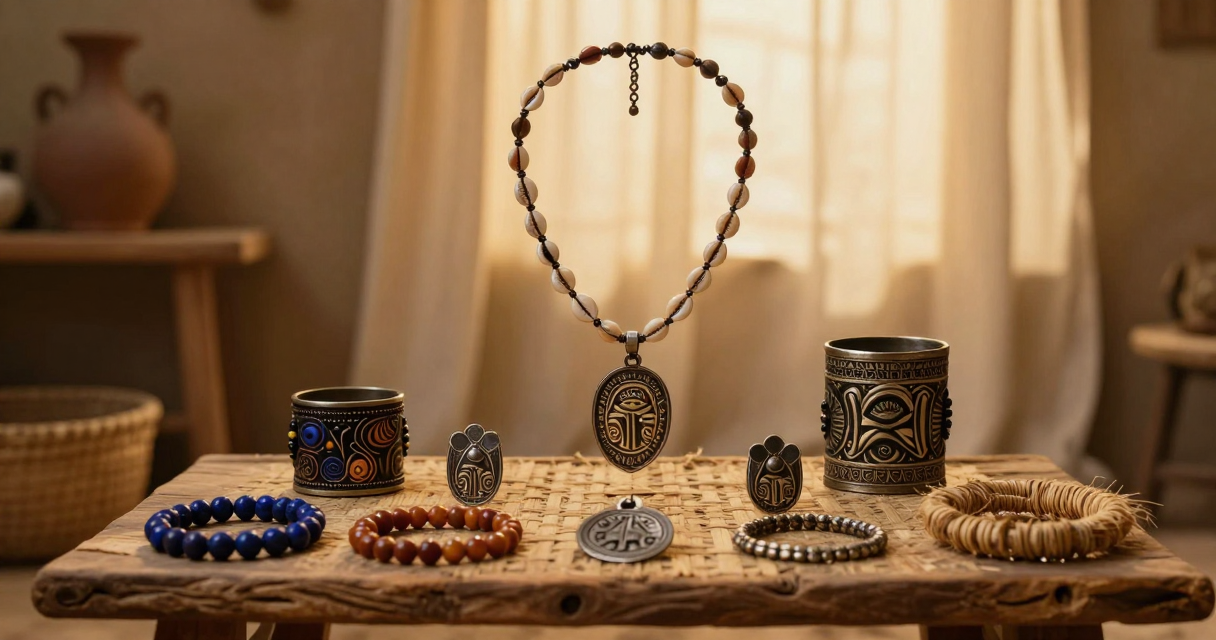
Additionally, specific patterns and shapes carry unique meanings. The Adinkra symbols from the Akan people of Ghana are a prime example, each symbol representing different concepts, such as wisdom, strength, or unity. Jewelry featuring these symbols serves not only as adornment but also as a means of conveying important messages and values within the community. This deep symbolism adds a profound layer of cultural significance to each piece, making them treasured heirlooms passed down through generations.
Contemporary Adaptations of Tribal Jewelry
In recent years, African tribal jewelry has gained immense popularity in global fashion, influencing designers and artisans worldwide. Contemporary adaptations often blend traditional techniques with modern aesthetics, appealing to a broader audience while preserving cultural authenticity. Designers are now creating pieces that incorporate traditional elements, such as beadwork and metalwork, into modern designs, making them suitable for everyday wear.
Fashion houses and independent designers alike embrace African tribal motifs, creating collections that celebrate the vibrancy and diversity of African cultures. This fusion has not only elevated the status of African artisans but has also raised awareness about the rich cultural heritage associated with these designs. Events such as fashion weeks and exhibitions often feature tribal jewelry, showcasing its relevance in contemporary fashion and promoting ethical sourcing and fair trade practices.
Regional Variations in Jewelry Design
Africa is a vast continent with diverse cultures, and this diversity is reflected in the regional variations of tribal jewelry designs. In North Africa, Berber jewelry is characterised by intricate silver work and the use of semi-precious stones, often with geometric patterns that tell stories of the Berber people’s history and beliefs. These pieces are not only decorative but also serve as talismans, believed to provide protection to the wearer.
In contrast, the jewelry of the Himba people in Namibia often features materials like ochre and animal hides, creating striking necklaces and headpieces that are integral to their cultural identity. Each piece is crafted with care, often involving rituals that enhance the spiritual connection between the jewelry and the wearer. Such regional distinctions highlight the rich tapestry of traditions and artistic expressions found throughout Africa, making each piece unique and culturally significant.
Jewelry as a Medium for Social Change
Beyond aesthetics, African tribal jewelry is increasingly being used as a medium for social change and empowerment. Many artisans and cooperatives focus on creating sustainable livelihoods through the production of traditional jewelry, providing economic opportunities for women and marginalised communities. By purchasing these pieces, consumers contribute to a greater cause, supporting ethical practices and fair trade.
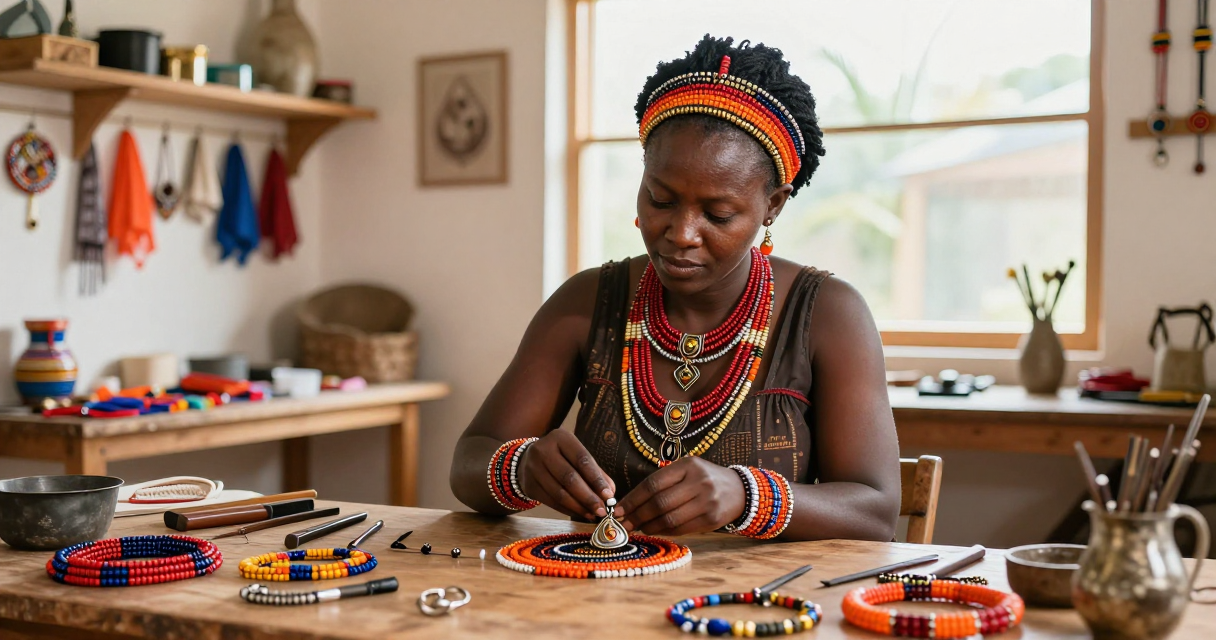
Additionally, some initiatives aim to preserve traditional crafting techniques in the face of globalization and mass production. Workshops and training programs are established to teach younger generations the skills needed to create these beautiful pieces, ensuring that cultural heritage is not lost. This movement not only empowers communities but also raises awareness about the importance of preserving cultural identities through art and craftsmanship.
Where to Find Authentic African Tribal Jewelry
For those looking to explore African tribal jewelry, learning how to identify authentic African crafts is essential for finding genuine pieces. Local markets in various African countries often showcase traditional craftsmanship, allowing visitors to purchase directly from artisans. These markets are vibrant hubs of culture, where one can find unique items that reflect the region’s heritage.
Online platforms also provide access to a wide variety of tribal jewelry, often featuring stories behind the pieces and the artisans who create them. Websites dedicated to fair trade and ethical fashion are excellent resources for finding high-quality, authentic jewelry while supporting sustainable practices. Additionally, galleries and exhibitions featuring African art often include sections dedicated to tribal jewelry, offering a curated selection of pieces that celebrate the craftsmanship and cultural significance of these adornments.

I’m fascinated by the vibrant intersection of contemporary fashion and traditional African craftsmanship. I spend my free time exploring markets, learning about textile techniques, and sharing the stories behind each piece with our readers.