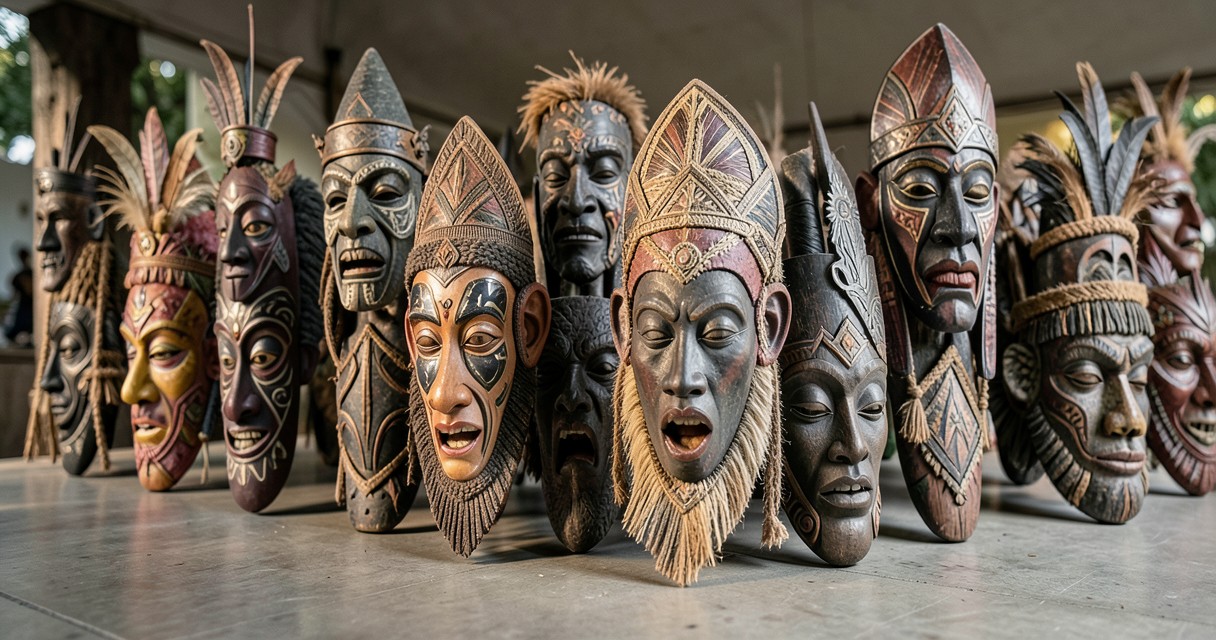
African tribal masks are not merely artistic expressions but rich vessels of cultural significance, spirituality, and history. These intricate creations serve various purposes in their respective communities, from ceremonial uses to social functions. The craft of mask-making is deeply rooted in African traditions, with each tribe possessing unique styles, materials, and techniques that reflect their distinct identities. This article explores the artistry, cultural importance, and the intricate processes involved in crafting African tribal masks, shedding light on their role in fashion, ethnicity, and African craftsmanship.
The Cultural Significance of African Masks
African masks are steeped in cultural narratives and are often integral to the social fabric of the tribes that create them. They are closely associated with rituals, ceremonies, and storytelling, serving as a medium through which ancestral spirits and deities are invoked. For instance, among the Yoruba people of Nigeria, masks are used in festivals to honour the gods and ancestors, facilitating communication between the spiritual and earthly realms. These masks often embody the characteristics of the spirits they represent, making them powerful symbols of identity and continuity within the community.
The significance of masks extends beyond their ceremonial uses; they also play a role in social structure. Masks are typically crafted by skilled artisans who are respected within their communities. The creation process often involves collaboration among various members of the tribe, ensuring that the masks reflect collective values and beliefs. This communal aspect of mask-making reinforces social bonds and cultural heritage, making each mask a testament to the tribe’s shared history and identity.
Materials and Techniques in Mask Crafting
The materials used in crafting African masks vary widely depending on the region and available resources. Common materials include wood, metal, fabric, and beads. For example, wood is often carved into intricate designs, while metal may be used for embellishments or structural support. The choice of material not only affects the aesthetic of the mask but also its durability and function. In many cases, masks are painted with natural pigments, further enhancing their visual appeal and significance.
The techniques employed in mask-making are equally diverse and often passed down through generations. Carving is a prominent technique, where artisans utilise traditional tools to shape the wood into specific forms. Additionally, some tribes incorporate weaving or fabric techniques, adding texture and depth to the masks. The use of symbolic motifs, such as animal figures or geometric patterns, is prevalent, with each design element carrying specific meanings that resonate with the community’s beliefs and values.
The Role of Masks in Rituals and Ceremonies
Rituals and ceremonies are central to the use of African masks, serving as conduits for expressing cultural values and beliefs. Masks are typically worn during performances that celebrate significant life events, such as births, marriages, and funerals. Each performance is a carefully choreographed event, where the mask wearer embodies the spirit represented by the mask, facilitating a connection between the physical world and the spiritual realm. For instance, the Gerewol festival among the Wodaabe people features elaborate mask dances that celebrate beauty and fertility, showcasing the masks’ role in reinforcing social and cultural norms.
Simply Prisha : How to make Tribal Mask with Paper/ DIY Tribal Mask masking/ African Tribal Mask #facemask #diymasks
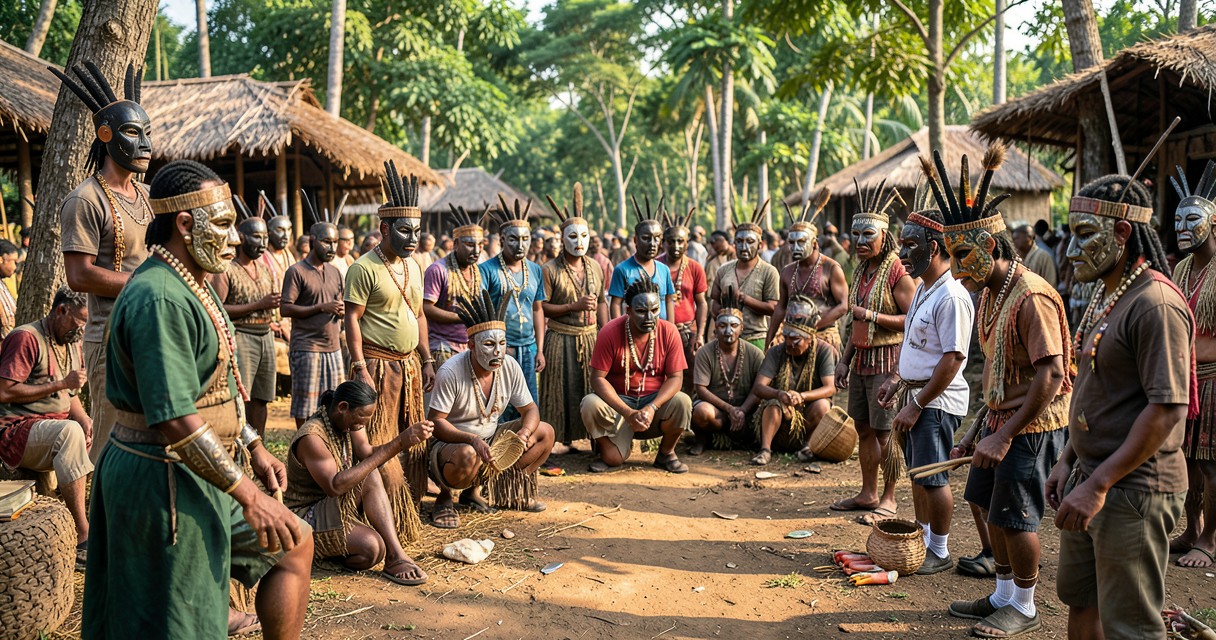
Furthermore, masks are often employed in healing rituals conducted by traditional healers. These healers wear specific masks believed to possess protective properties, invoking the spirits to aid in the healing process. This practice highlights the masks’ multifaceted roles, not only as artistic creations but also as vital tools in maintaining the community’s spiritual and physical well-being.
The Evolution of Mask Artistry
Over the years, the artistry of African masks has evolved, influenced by various factors, including globalization and the rise of contemporary art movements. Traditional mask-making techniques are being reinterpreted by modern artists who incorporate contemporary themes and materials, bridging the gap between traditional craftsmanship and modern aesthetics. This evolution has led to a renewed interest in African masks within the global art market, where they are appreciated for their artistic merit and cultural significance.
Moreover, the increasing visibility of African art in international exhibitions has prompted a dialogue about cultural appropriation and authenticity. Some artists are keen to preserve traditional techniques while exploring new mediums and forms, ensuring that the heritage of mask-making remains relevant in today’s context. This ongoing dialogue reflects the dynamic nature of cultural expression and the importance of maintaining a connection to ancestral practices while embracing innovation.
Collecting and Displaying African Masks
The practice of collecting African masks has a long history, particularly in Western art markets. Collectors often seek these pieces for their artistic value and cultural significance, but this has raised ethical questions about ownership and provenance. Many masks are created for ritual use and not intended for display, leading to concerns about the commodification of sacred objects. Understanding the cultural context of these masks is essential for collectors and enthusiasts, as it fosters respect for the traditions and meanings embedded within these artworks.
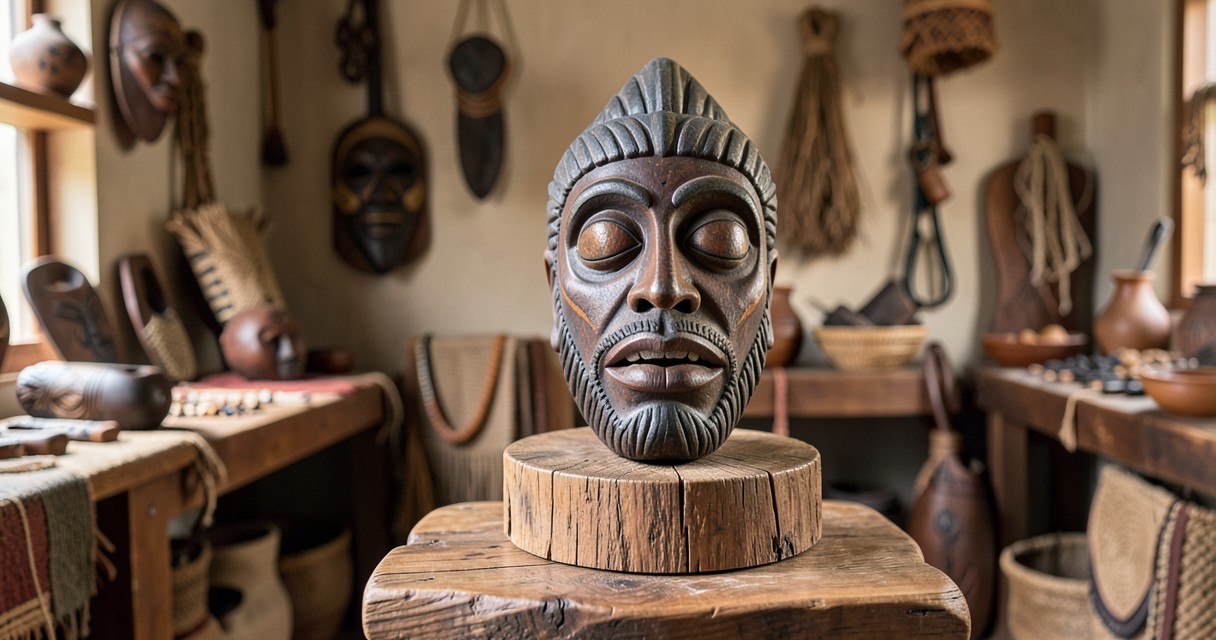
For those interested in displaying African masks, it is crucial to approach the subject with sensitivity and awareness. Educating oneself about the specific cultural backgrounds and meanings of the masks can enhance appreciation and respect for these artefacts. Moreover, supporting artisans and communities by purchasing masks directly from them can help ensure that the benefits of the craft remain within the communities that create them.
Modern Influences and the Future of Mask Crafting
The future of African tribal mask crafting is poised at an exciting crossroads, where traditional techniques meet modern influences. Artists are increasingly experimenting with mixed media, incorporating elements such as glass, metal, and even digital technology to create innovative works that resonate with contemporary audiences. This blending of the old and the new not only revitalizes the craft but also allows for the exploration of new narratives that reflect current societal issues, such as identity, migration, and environmental concerns.
Additionally, educational initiatives and workshops aimed at preserving traditional mask-making skills are gaining traction. These programmes often involve younger generations, fostering a sense of pride and continuity in cultural heritage. By engaging with both local and global audiences, artisans can ensure that the craft remains dynamic and relevant, paving the way for future generations to carry on the tradition while adapting it to modern contexts.

I’m fascinated by the vibrant intersection of contemporary fashion and traditional African craftsmanship. I spend my free time exploring markets, learning about textile techniques, and sharing the stories behind each piece with our readers.