
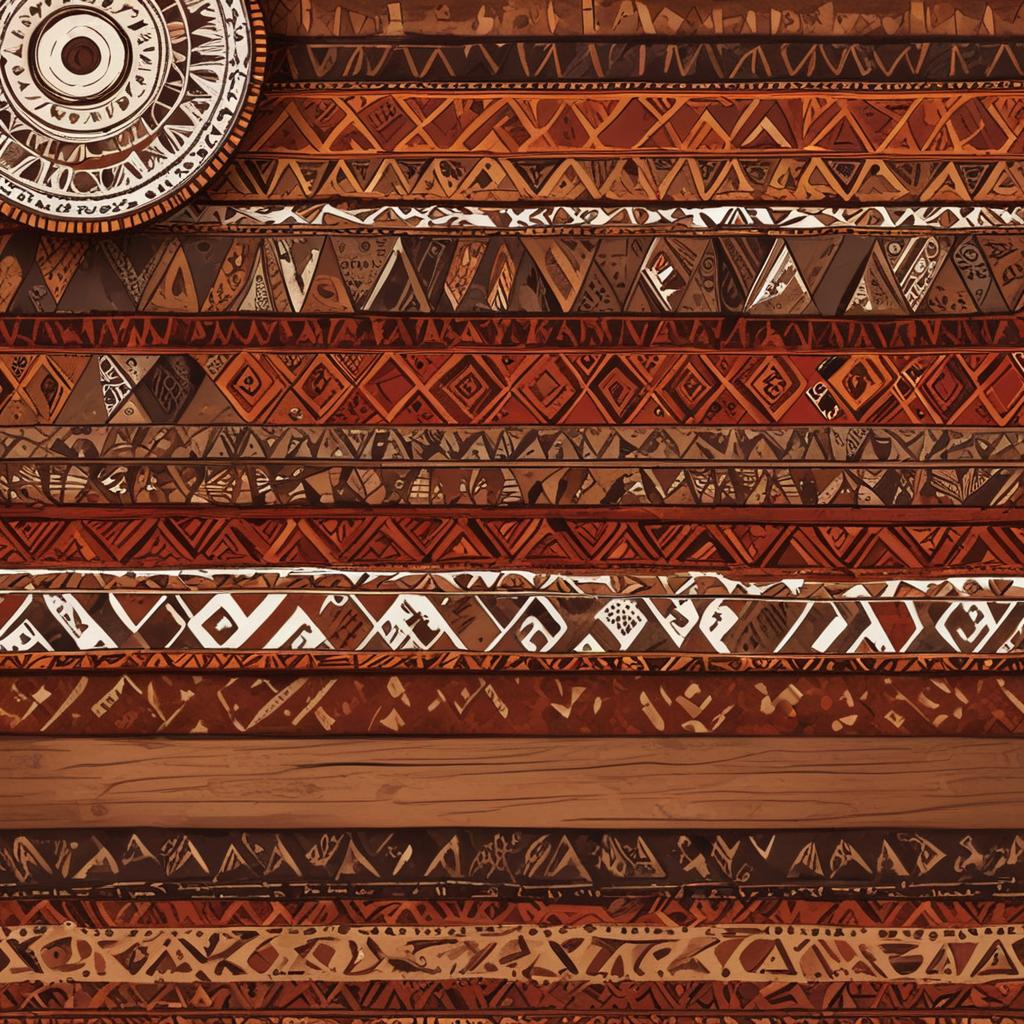
Introduction to African Tribal Patterns
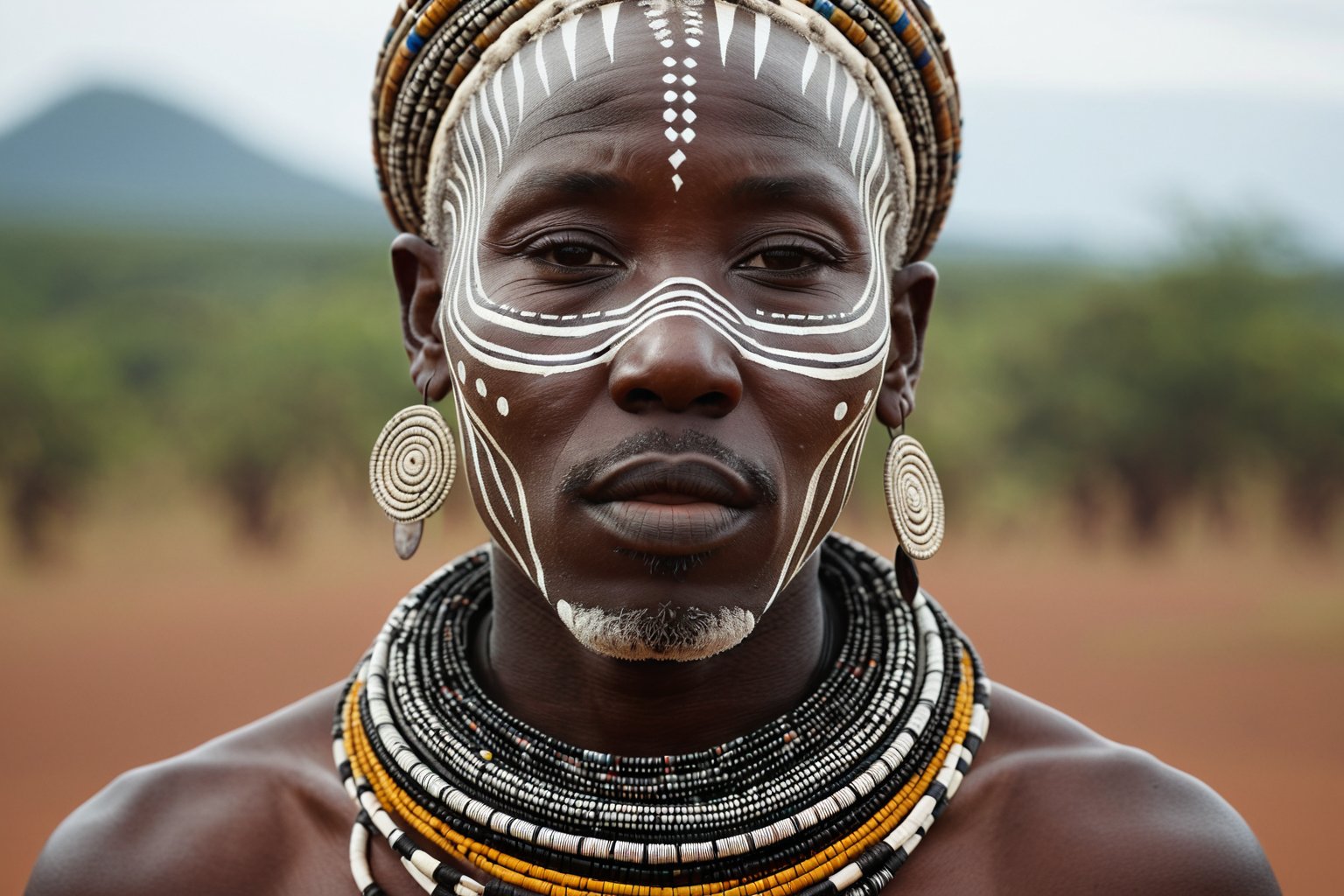
African tribal patterns are an integral part of the continent’s rich cultural heritage, reflecting centuries of artistic expression, tradition, and identity. These traditional designs are more than mere decorations; they serve as visual languages that convey stories, beliefs, and values specific to diverse African communities. Each tribe across Africa has developed unique patterns that embody their history, social structures, and spiritual beliefs, making these motifs deeply significant in both cultural and historical contexts.
At their core, African tribal patterns consist of geometric shapes, symbols, and colour schemes that are carefully arranged to represent various themes such as fertility, protection, unity, and strength. These designs are often found on textiles, pottery, body art, and architecture, providing a physical manifestation of cultural significance. For instance, the intricate kente cloth patterns of the Ashanti people of Ghana are renowned for their vibrant colours and symbolic meanings, each weave representing proverbs and historical narratives passed down through generations.
The cultural significance of African tribal patterns extends beyond aesthetics; they play essential roles in ceremonies, rituals, and daily life. Many patterns are used to mark important life events such as births, marriages, and rites of passage. In addition, they often denote social status, ethnic affiliation, or moral values within the community. The use of these traditional designs preserves a sense of identity and continuity, linking contemporary societies with their ancestral pasts.
Historically, these patterns also serve as a form of communication among tribes. Symbols embedded within the designs can convey messages, warnings, or blessings, understood only by those familiar with the cultural context. This form of symbolic language has helped maintain cultural cohesion and resilience despite the impacts of colonialism and globalisation. Today, African tribal patterns continue to inspire designers and artists worldwide, highlighting their enduring relevance and cultural richness.
Origins and History
African tribal patterns have deep roots that stretch back through centuries of African history, reflecting the rich cultural heritage of numerous communities across the continent. These designs are more than mere decoration; they carry significant meanings and stories, passed down through generations. The tribal art origins are firmly linked to the ways different groups expressed identity, social status, spiritual beliefs, and community values. Each pattern and motif often symbolises a particular concept, event, or ancestral lineage, embedding history in visual form.
Traditional craftsmanship played a crucial role in the development of these patterns. Skilled artisans utilised natural materials and indigenous techniques to create textiles, carvings, pottery, and body art that embodied their heritage. From the geometric shapes of the Kuba people of Central Africa to the bold symbols used by the Yoruba in West Africa, tribal patterns were meticulously crafted to communicate diverse meanings. This craftsmanship was not only an artistic practice but also a mode of cultural preservation, ensuring that knowledge and tradition endured through time.
Over the centuries, African tribal patterns evolved alongside changing social structures and external influences. Despite colonial disruptions and modernisation, many communities have maintained their artistic traditions, adapting the patterns to contemporary contexts while honouring their origins. Consequently, these designs continue to serve as a vital link to African history, providing insight into the continent’s complex tapestry of peoples and their enduring creativity.
Common Materials and Techniques
African tribal patterns are deeply rooted in traditional art, created using a variety of materials and time-honoured techniques. One of the most common materials employed is natural fibre, such as cotton, raffia, and sisal, which are woven into intricate textiles. These materials provide a durable and versatile base for numerous pattern designs, often carrying significant cultural symbolism.
Weaving stands out as a prominent pattern technique, particularly within cultures known for their cloth production like the Kente cloth from Ghana. It involves interlacing threads to produce geometric shapes and other meaningful motifs. This method not only requires skill but also a deep understanding of the cultural narratives embedded within each pattern.
Dyeing is another essential technique, frequently using natural dyes derived from plants, roots, and minerals. The indigo dyeing tradition, for instance, creates vivid blues that serve as the backdrop or highlight for many tribal patterns. This technique often applies resist-dyeing methods such as batik or tie-dye to achieve intricate designs with strong contrasts.
Carving is commonly used for patterns in wood, bone, and leather. Skilled artisans carve detailed motifs onto masks, furniture, and jewellery, combining artistic expression with symbolic meaning. This technique requires precision and is a significant aspect of traditional art, preserving cultural heritage through tactile pattern work.
Overall, the materials and pattern techniques used in African tribal art exemplify a rich cultural tapestry where each element contributes to the storytelling and identity of the community. Through weaving, dyeing, and carving, these traditional art forms continue to thrive and inspire.
Symbolism and Meanings of Patterns
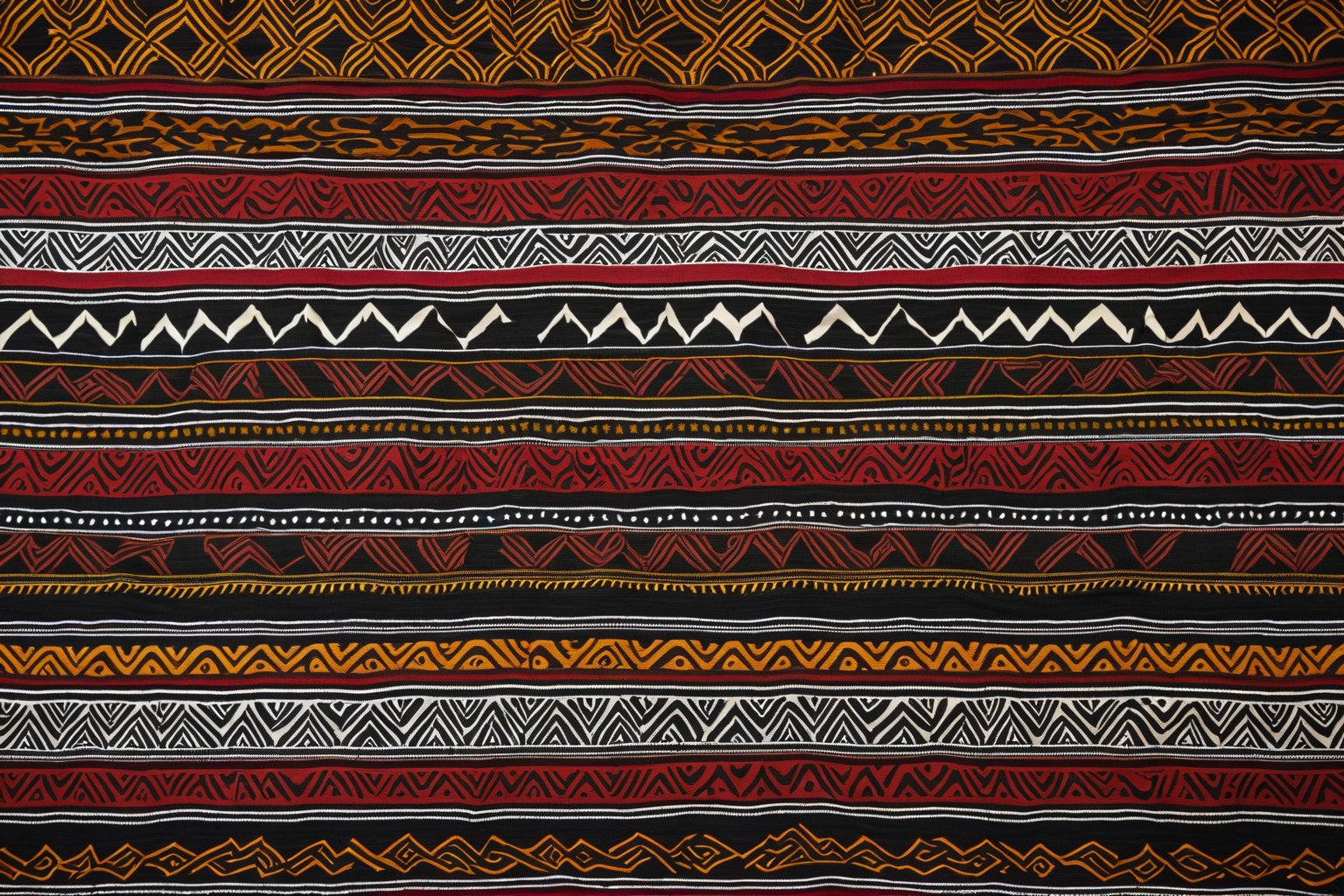
African tribal patterns are far more than decorative designs; they are rich tapestries of meaning and history. Each pattern and symbol carries a specific message or story, serving as a visual language that communicates values, beliefs, and cultural identity. Understanding the pattern meanings embedded in these designs offers a fascinating insight into the traditions and worldviews of different African communities.
One of the most common elements in African tribal symbols is the use of geometric shapes such as triangles, squares, and diamonds. For example, triangles often represent strength or fertility, while diamonds can denote wealth or the concept of interconnection within a community. These shapes are thoughtfully combined and repeated to form complex patterns that tell stories about the tribe’s heritage or social practices.
Animal motifs also feature prominently in African tribal patterns, with each creature symbolising attributes admired by the community. The lion represents courage and leadership, while the elephant stands for wisdom and longevity. Incorporating these animals into patterns serves to invoke these qualities or pay homage to the natural world that sustains life.
Nature-inspired symbols, such as leaves, trees, and water waves, often reflect the tribe’s close relationship with the environment. These patterns might signify growth, renewal, or the life-giving power of water. Such symbolism highlights the respect and reverence African societies hold for nature’s cycles and resources.
Aside from individual symbols, the arrangement and repetition of patterns also have significant meanings. Repeated motifs can indicate continuity, eternity, or protection. In some cases, the pattern meanings relate to social status, rites of passage, or spiritual beliefs. For instance, certain patterns are reserved exclusively for initiates or leaders, marking important milestones or responsibilities within the tribe.
Furthermore, African tribal symbols commonly incorporate colours, each carrying symbolic weight. Black might symbolise unity or ancestral spirits, red can express vitality or struggle, and gold often denotes wealth and fertility. When combined with intricate patterns, these colours enrich the narrative each design conveys.
In essence, African tribal patterns are a coded form of storytelling. The pattern meanings and symbolism embedded in these designs preserve histories, impart lessons, and reinforce communal values. They are living expressions of culture, passed down through generations, ensuring that the spirit and identity of African tribes remain vibrant and honoured.
Spiritual and Religious Symbols
Many African tribal patterns carry deep spiritual symbols that reflect the religious meanings embedded within the culture. These designs are not merely decorative; they serve as visual expressions of the tribe’s connection to the spiritual world. In numerous tribes, patterns feature motifs that represent deities, ancestors, and cosmological concepts, which play a vital role in their daily lives and tribal rituals.
The incorporation of these spiritual symbols within patterns allows tribes to communicate their beliefs and values effectively. For instance, certain geometric shapes and colour schemes are believed to ward off evil spirits or attract blessings. These patterns often appear during important ceremonies, such as rites of passage, weddings, and harvest festivals, where they invoke protection and guidance from higher powers.
Tribal rituals also depend heavily on these patterns, as they are thought to act as conduits between the physical and spiritual realms. The religious meanings behind the symbols are passed down through generations, ensuring continuity of tradition and maintaining the tribe’s cultural identity. Wearing or displaying these patterns is therefore both a spiritual act and a celebration of the tribe’s heritage.
Ultimately, the spiritual symbols embedded in African tribal patterns are more than mere aesthetic elements—they represent a profound connection to faith and communal beliefs. Through these designs, African tribes express their spiritual narratives, honour their religious practices, and reinforce the significance of their tribal rituals in everyday life.
Social Status and Identity
African tribal patterns serve as powerful identity markers that communicate an individual’s social status, age group, or tribal affiliation within their community. These intricate designs are far more than decorative elements; they establish clear distinctions within the tribal hierarchy, reflecting roles and responsibilities assigned to members across different age sets and social classes.
In many African cultures, specific patterns are reserved exclusively for elders, chiefs, or warriors, visually signalling their elevated social standing. For example, certain motifs might be worn only by community leaders, marking their authority and respect. Similarly, younger members might display patterns that signify their transitional phase in life or readiness for adulthood. This visual language helps maintain social order and fosters a strong sense of collective identity.
Tribal identity is also intricately woven into the patterns themselves. Different ethnic groups employ unique symbols and colour combinations that are instantly recognisable within and beyond their communities. Such design variations not only preserve cultural heritage but also enable individuals to proudly express their lineage and belonging. Wearing these patterns during ceremonies or daily life reinforces group cohesion and highlights each person’s place within the broader tribal hierarchy.
Overall, the use of tribal patterns as social status and identity markers is a vital tradition across African societies. These designs communicate rich cultural narratives, ensuring that each wearer’s social role and tribal identity are visibly honoured and upheld.
Modern Influence and Usage
African tribal patterns have left an indelible mark on modern fashion, art, and cultural preservation efforts across the globe. Their vibrant colours, geometric motifs, and symbolic meanings continue to inspire contemporary designers and artists, creating a bridge between traditional heritage and present-day creativity. The influence of these patterns is especially evident in modern fashion, where designers incorporate African pattern influence to create unique and meaningful garments that resonate with a global audience.
In contemporary fashion, African tribal patterns are celebrated for their bold aesthetics and rich cultural significance. From streetwear to haute couture, these patterns are used to add depth, storytelling, and authenticity to clothing and accessories. Many fashion houses and independent designers alike actively draw on traditional designs to craft collections that pay homage to African roots, fostering a greater appreciation for the artistry and symbolism embedded within each motif. This resurgence not only enhances visual appeal but also educates wearers about the histories and identities tied to these patterns.
Beyond fashion, African tribal designs have significantly impacted modern art forms. Visual artists frequently incorporate these patterns into paintings, sculptures, and multimedia installations to explore themes of identity, community, and ancestry. Such works serve as a cultural dialogue that honours African heritage while engaging contemporary audiences. By integrating these traditional patterns into modern artistic expressions, creators contribute to sustaining and evolving the legacy of African tribal arts.
Cultural preservation remains a crucial aspect of the modern usage of African tribal patterns. Various organisations and communities actively promote these patterns to ensure that younger generations remain connected to their ancestral heritage. Workshops, exhibitions, and educational programmes centred on African patterns help maintain traditional knowledge and craftsmanship. Moreover, the global popularity of these designs fosters intercultural understanding and respect. This cultural preservation effort is deeply intertwined with the continued use of African tribal patterns in everyday life, affirming their relevance and vitality in a rapidly changing world.
In summary, African tribal patterns are not confined to the past but dynamically inform modern fashion, art, and cultural preservation today. The enduring appeal of these intricate designs underlines their importance as symbols of identity, creativity, and heritage. Embracing African pattern influence allows contemporary society to celebrate diversity while honouring the rich cultural tapestry of the continent.
In Contemporary Fashion
In recent years, fashion trends have seen a significant resurgence of African tribal patterns, as designers and consumers alike embrace the vibrant history and cultural richness embedded in these prints. African prints, with their bold colours and intricate geometric shapes, have inspired a wave of modern designs that transcend traditional boundaries. This fusion of heritage and contemporary aesthetics reflects a growing appreciation for African art within the global fashion scene.
Many contemporary designers incorporate tribal motifs into their collections, blending them with modern fabrics and cutting-edge tailoring techniques. This approach has allowed African prints to move beyond ethnic costume, positioning them as highly desirable fashion statements on international runways, streetwear, and high-end brands. The adaptability of these patterns to both casual and formal wear demonstrates the versatility and timeless appeal of African tribal artistry.
Moreover, the global popularity of African-inspired fashion trends is not just aesthetic but also cultural. It celebrates identity, storytelling, and heritage, contributing to wider conversations about diversity and representation in the fashion industry. As these designs gain traction, they inspire innovation and creativity, encouraging fashion houses to explore fresh perspectives through the lens of African tribal patterns. Ultimately, the integration of these prints into modern designs offers a dynamic platform where tradition meets contemporary style, influencing global fashion trends for years to come.
Cultural Preservation and Respect
African tribal patterns are far more than decorative elements; they are profound expressions of cultural heritage. Each design carries stories, beliefs, and identities passed down through generations, making them vital to understanding and appreciating the history of various communities. Recognising the origins of these patterns is essential to honouring the cultures that created them. Without respect for their roots, the rich symbolism embedded in the patterns risks being diminished or misrepresented.
Preservation efforts play a crucial role in safeguarding this cultural heritage. Many artists, cultural organisations, and communities actively work to maintain and promote tribal patterns through exhibitions, workshops, and educational programmes. These initiatives help to keep traditional techniques alive while sharing the significance of the patterns with wider audiences. By doing so, they ensure that the knowledge and respect for these artistic expressions continue to thrive in both local and global contexts.
Respect for traditions involves acknowledging the intellectual and spiritual property of indigenous peoples and approaching tribal patterns with sensitivity. It is important for creators, designers, and consumers alike to support ethical practices, ensuring that the use of African tribal motifs contributes positively to cultural preservation rather than cultural appropriation. Embracing and safeguarding these patterns through thoughtful engagement honours the legacy of African communities, keeping their stories vibrant and relevant for future generations.

I’m fascinated by the vibrant intersection of contemporary fashion and traditional African craftsmanship. I spend my free time exploring markets, learning about textile techniques, and sharing the stories behind each piece with our readers.