Introduction to Traditional Mask Carving
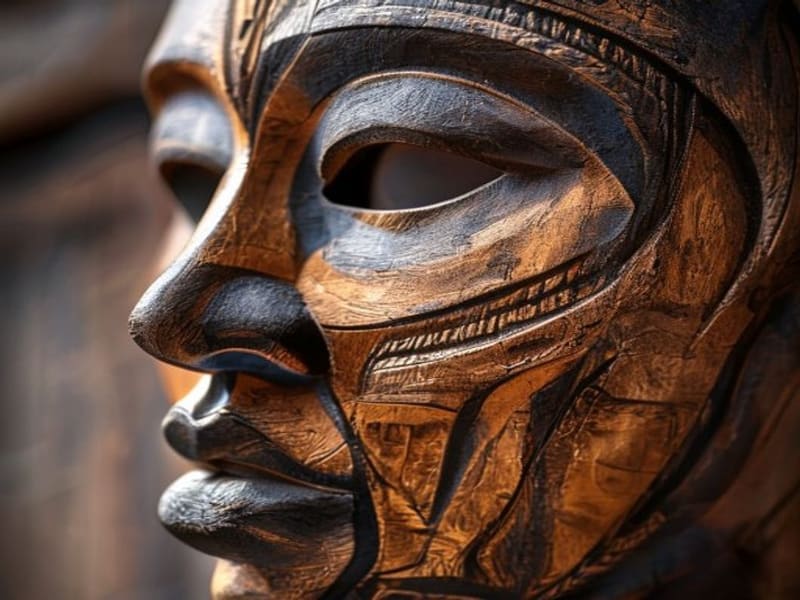
Traditional mask carving is an ancient artistic practice deeply embedded in the cultural heritage of many communities around the world. It involves the meticulous creation of masks using natural materials, often wood, and draws upon centuries-old artistic techniques passed down through generations. Each mask tells a story, representing ancestral spirits, deities, or mythical figures, and plays an essential role in rituals, ceremonies, and storytelling traditions.
The origins of traditional mask carving can be traced back to early human societies, where masks served as both functional objects and symbolic expressions of identity and belief. Across diverse cultures—from African tribes and Indigenous peoples of the Americas to Indigenous Australians and Southeast Asian communities—mask carving has been a means of preserving history and conveying cultural values. The process itself is highly specialised, requiring a deep understanding of carving methods, the significance of patterns, and the cultural symbolism embedded in each design.
The cultural significance of traditional mask carving extends beyond its aesthetic appeal. Masks are often employed in rituals that mark important life events, connect people with their ancestors, or ensure harmony within a community. Through the use of traditional artistic techniques, carvers infuse each mask with layers of meaning, spirituality, and traditional knowledge. This intertwining of art and cultural heritage ensures that the practice is not only a form of creative expression but also a vital conduit for preserving and celebrating communal identity.
In contemporary times, traditional mask carving continues to inspire artists worldwide and serves as a powerful reminder of the enduring importance of cultural preservation. By understanding and appreciating these artistic techniques and their cultural heritage, we gain insight into the narratives that shape societies and the ways in which art functions as a bridge between past and present.
Historical Background of Mask Carving
The history of masks is rich and varied, spanning countless cultures and epochs. From ancient tribal societies to early civilizations, masks have served as powerful symbols deeply embedded in cultural traditions. Mask carving, in particular, represents a unique blend of traditional craftsmanship and artistic expression, reflecting the values, beliefs, and rituals of the communities that created them.
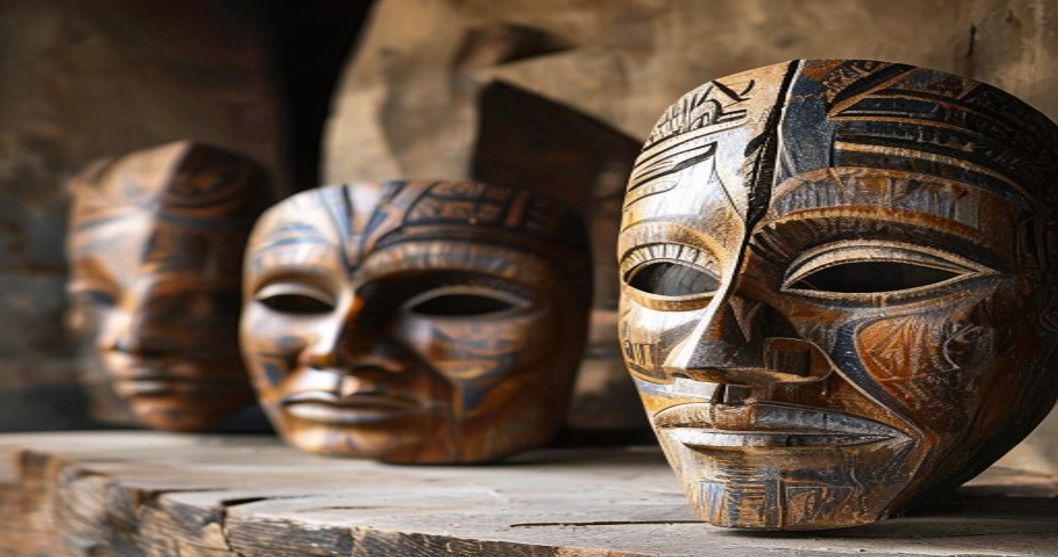
Traditional craftsmanship in mask carving dates back thousands of years, often passed down through generations by skilled artisans. These early craftsmen utilised natural materials such as wood, bone, clay, and stone to fashion masks that not only held ceremonial significance but were also masterpieces of ancient art forms. In many cultures, the carving process was considered sacred, involving specific rituals and techniques that honoured the spiritual nature of the masks.
Across Africa, Asia, the Americas, and Oceania, mask carving developed uniquely according to local customs and environmental resources. For example, African masks often feature bold geometric patterns and symbolic designs that represent ancestral spirits or deities. In contrast, the elaborate masks of the indigenous peoples of the Pacific Northwest are renowned for their intricate detailing and vivid colours, representing mythological creatures and clan histories. These diverse styles collectively demonstrate how the ancient art forms of mask carving encapsulate cultural identity and storytelling.
The evolution of mask carving over time also reveals interactions between communities and the adaptation of artistic techniques. As trade routes expanded and cultures mingled, new influences enriched traditional mask-making practices. This cross-cultural exchange helped preserve ancient art forms while allowing for innovation within traditional craftsmanship. Despite changes, the essence of mask carving—as a means of connecting with spiritual realms, commemorating important events, or performing in theatrical settings—remains a constant thread throughout history.
Today, the history of masks continues to inspire contemporary artists and artisans, who pay homage to their cultural heritage while exploring new interpretations of this ancient art. The enduring legacy of mask carving highlights the universal human fascination with identity, transformation, and storytelling—elements that have defined this remarkable tradition over millennia.
Regional Styles and Techniques
Traditional mask carving varies greatly across different regions, each bringing its own unique flavour to this ancient craft. Regional mask carving is deeply influenced by local customs, materials, and cultural beliefs, resulting in distinct techniques and styles that reflect the identity of their communities.
In West Africa, for instance, mask carving often features intricate geometric patterns and bold colours. The use of indigenous hardwoods allows artisans to create detailed designs, while traditional carving techniques such as relief carving and deep incision add a three-dimensional quality to the masks. These masks are typically used in ceremonies and dances, with their styles embodying the spiritual and social narratives specific to the region.
On the other hand, the Pacific Northwest Coast is renowned for its highly stylised, formline designs in mask carving. Techniques here focus on smooth, flowing lines and the integration of animal forms, reflecting the close relationship between people and nature. The carving style emphasises symmetry and the use of bold colours such as black, red, and turquoise, which are achieved with natural pigments.
Meanwhile, in parts of Southeast Asia, traditional mask carving often adopts a more delicate approach, with emphasis on fine detailing and expressive facial features. The use of lacquer finishes and gilding techniques enhances the masks’ aesthetic appeal, highlighting their ceremonial importance. The styles vary widely, from exaggerated expressions to serene, meditative faces, representing the diverse cultural narratives of the region.
Overall, regional mask carving is characterised by a rich diversity of techniques and styles, each telling its own story. Understanding these regional differences offers valuable insight into the cultural significance and artistic mastery inherent in traditional mask carving.
Influence of Traditional Mask Carving on Modern Art
Traditional masks have long served as powerful symbols within various cultures, embodying spiritual, social, and historical significance. Their intricate designs and bold aesthetics have transcended their original contexts, leaving a substantial mark on the trajectory of modern art. The modern art influence of traditional mask carving is evident in numerous contemporary artworks and design trends, where artists draw inspiration from these time-honoured creations to explore identity, ritual, and cultural heritage.
Contemporary artists frequently incorporate motifs and techniques rooted in traditional mask carving into their own practice. These influences manifest in diverse forms, from sculptural works to graphic design and performance art. By reinterpreting the symbolic elements and stylised forms of traditional masks, artists create pieces that resonate with both historical depth and modern sensibilities. This dialogue between past and present enriches the contemporary art scene, fostering a greater appreciation for indigenous craft traditions while pushing artistic boundaries.
The bold use of colour, geometric patterns, and exaggerated facial features typical of traditional masks have also shaped modern design trends. Fashion designers, interior decorators, and visual artists alike are inspired by these distinctive features, incorporating them into textiles, ceramics, and multimedia installations. This cross-disciplinary influence underscores the ongoing relevance of traditional masks beyond their original cultural milieus, positioning them as enduring sources of creativity and innovation.
Moreover, the thematic depth of traditional masks—exploring spirituality, transformation, and communal identity—offers contemporary artists rich conceptual material. The performative aspect of mask usage encourages experimental approaches that blend visual art with movement and storytelling. This fusion has revitalised interest in art forms that challenge conventional boundaries, encouraging audiences to reconsider the role of cultural artefacts in contemporary contexts.
In summary, the influence of traditional mask carving on modern art is extensive and multifaceted. It informs contemporary artists’ visual language, inspires innovative design trends, and invites a re-examination of cultural narratives. Through this ongoing interplay, traditional masks continue to shape the future of art, underscoring the lasting impact of these extraordinary objects.
Incorporation in Theatre and Performance
Traditional mask carving holds a significant place in the realm of theatre masks, deeply enriching contemporary performance art and cultural expression. Rooted in centuries-old practices, these intricate masks continue to inspire and shape modern theatrical productions around the world. Their carefully crafted designs are not merely decorative but serve as vital tools that convey complex narratives, emotions, and identities on stage.
In performance art, the use of masks carved following traditional techniques allows actors to transcend individual identity, embodying characters that often represent spirits, ancestors, or abstract concepts. This transformation fosters a heightened level of storytelling, where physicality and symbolism combine to create a powerful visual and emotional impact. The artistry behind theatre masks also brings an authenticity and depth that resonates with audiences, connecting them to historical and cultural roots.
Moreover, cultural expression through masks extends beyond entertainment, playing a crucial role in rituals and ceremonies. Many communities employ traditional mask carving in performances that honour heritage and spiritual beliefs, preserving cultural memory. By incorporating these masks, contemporary theatre not only entertains but also educates, promoting a greater appreciation of diverse cultural identities and fostering cross-cultural dialogue.
In this way, the enduring influence of traditional mask carving continues to shape and redefine the landscape of performance art, demonstrating its profound significance within both theatrical settings and broader cultural rituals.
Preservation and Future of Traditional Mask Carving
Preservation of traditional mask carving is essential to safeguarding cultural heritage for future generations. These masks are not only artistic expressions but also embody spiritual beliefs, historical narratives, and social values unique to different communities. As modern influences and industrialisation increasingly impact local customs, deliberate efforts have been put in place to maintain these intricate carving techniques and the cultural significance behind them.
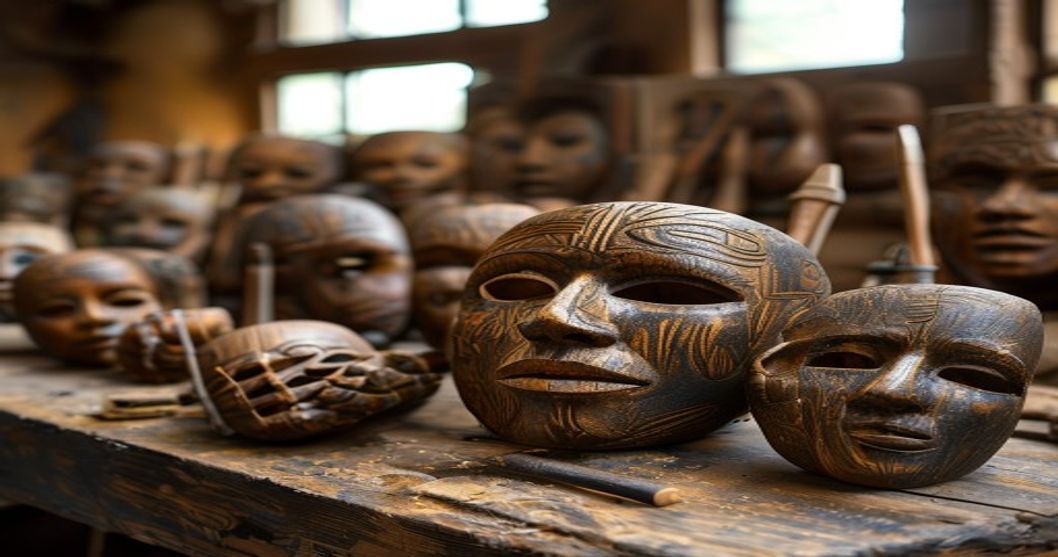
Various cultural organisations and artisans have undertaken documentation projects that record carving methods, designs, and the stories associated with each mask. Workshops and apprenticeships are established to pass down knowledge directly from master carvers to younger generations, ensuring that the skills remain vibrant and authentic. Additionally, museums and cultural centres play a crucial role in preserving physical examples of traditional masks, while also educating the public about their importance.
International collaborations and festivals dedicated to traditional arts provide important platforms for mask carvers to exhibit their work and engage with wider audiences. This not only raises awareness but also generates economic opportunities, encouraging younger artisans to continue the craft. The integration of mask carving into modern cultural events aids in revitalising interest and fostering pride in cultural heritage.
Looking to the future of mask carving, there is a promising blend of tradition and innovation. While preserving core techniques remains a priority, some artists experiment with new materials and styles to appeal to contemporary tastes without losing the essence of their craft. Digital technology, including 3D scanning and virtual exhibitions, also offers novel ways to document and share traditional masks globally, making cultural heritage more accessible to diverse audiences.
Ultimately, the future of traditional mask carving depends on a balanced approach that respects its cultural roots while embracing new methods to sustain and evolve the art form. Continued community support, education, and adaptive creativity are key to ensuring that these masks remain a vital part of cultural heritage for many years to come.

I’m fascinated by the vibrant intersection of contemporary fashion and traditional African craftsmanship. I spend my free time exploring markets, learning about textile techniques, and sharing the stories behind each piece with our readers.