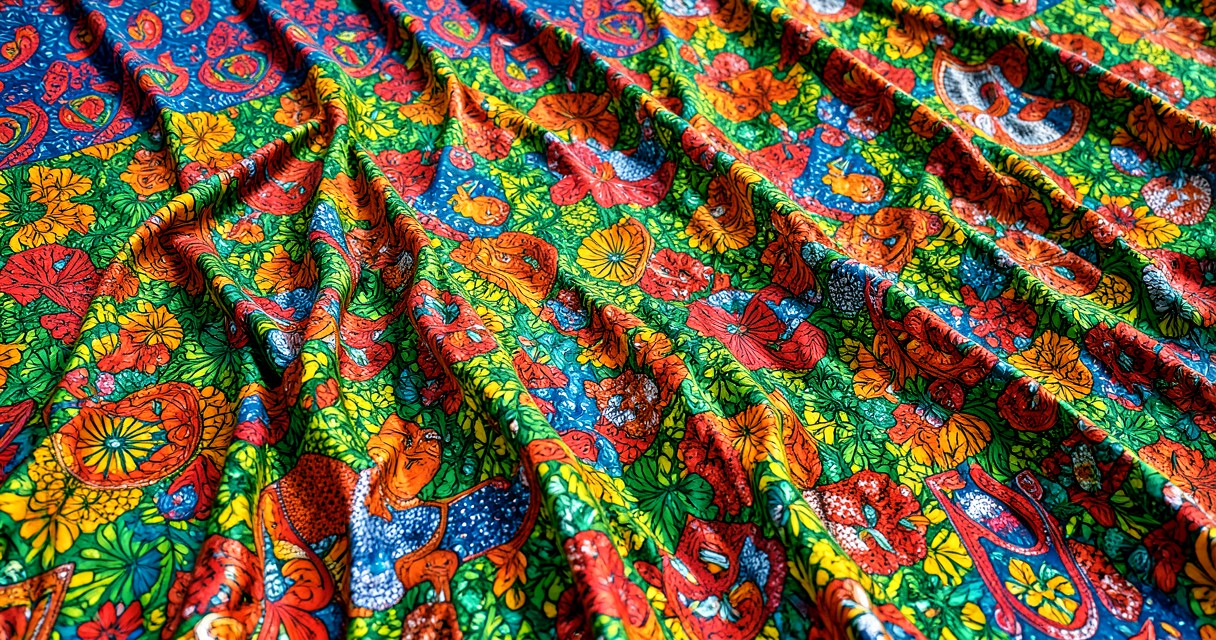
African Ankara fabric, also known as African wax print, has become an emblem of vibrant culture and contemporary fashion across the globe. This fabric, characterised by its bold patterns and bright colours, is steeped in history and tradition, reflecting the diverse cultures of the African continent. In recent years, Ankara has transcended its traditional roots, becoming a staple in modern wardrobes, especially within the realms of ethnic fashion. This article explores various dimensions of Ankara fabric fashion, comparing traditional and contemporary approaches, the use of patterns, styles, and cultural significance, while examining the fabric’s versatility and appeal.
Traditional vs Modern Uses of Ankara Fabric
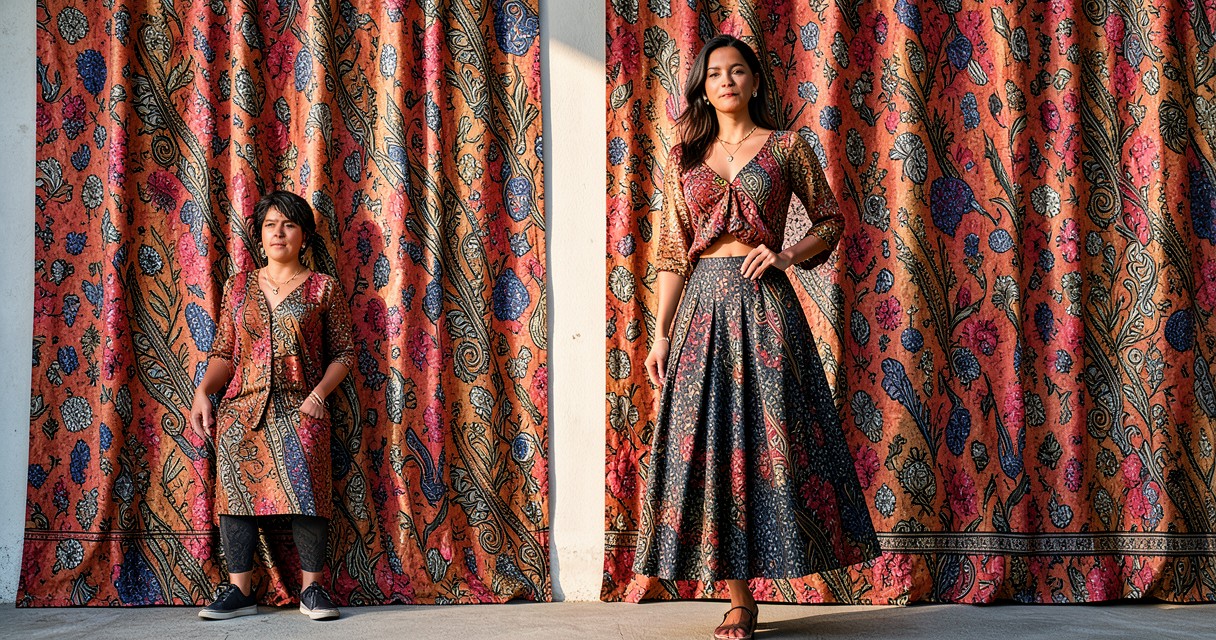
Traditionally, Ankara fabric was used in various ceremonial clothing such as dresses, skirts, and head wraps, often reflecting the wearer’s cultural identity and social status. Each design and colour combination held specific meanings, often tied to regional customs and personal stories. For instance, certain patterns could signify marriage, while others might represent fertility or wealth. In contrast, modern interpretations of Ankara fabric have embraced a broader range of styles, incorporating the fabric into casual wear, high fashion, and even street style. Designers like Nwogu are pushing boundaries by blending Ankara prints with contemporary silhouettes, creating pieces that appeal to a global audience.
This shift towards modernity often results in an exciting juxtaposition of old and new. While traditional garments like the boubou or kaftan remain popular, new styles such as fitted dresses, trousers, and even swimwear are emerging. This blending of styles not only showcases the adaptability of Ankara but also appeals to younger generations who seek to express their identity through fashion. The result is a vibrant tapestry of styles that honour heritage while embracing innovation, allowing individuals to connect with their roots in a modern context.
Patterns and Symbolism: A Visual Language
The intricate patterns of Ankara fabric serve as a visual language, rich in symbolism and meaning. Traditional designs often incorporate motifs that reflect cultural heritage, such as the Adinkra symbols of Ghana, which communicate philosophical concepts and proverbs. These designs are not merely decorative; they tell stories and convey messages about identity, values, and beliefs. In contrast, modern Ankara designs may feature a mix of traditional and abstract patterns, often inspired by global trends and artistic movements. This fusion can dilute traditional meanings but also allows for creative expression and innovation.
Styling Options: From Casual to Formal
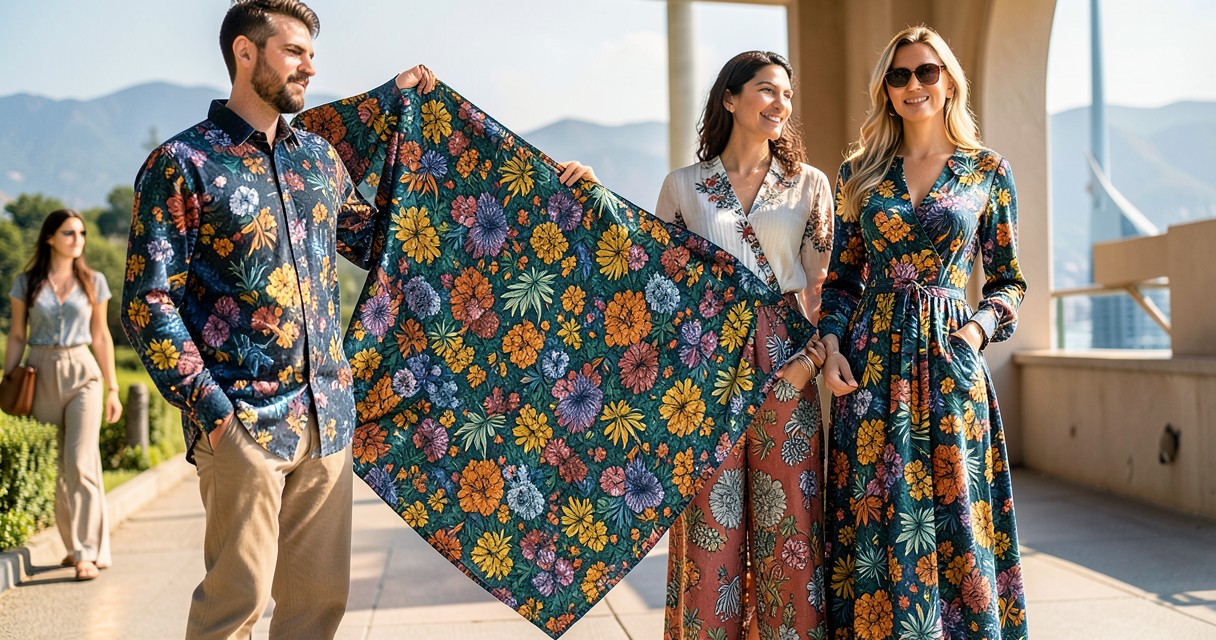
Ankara fabric offers immense versatility, making it suitable for a wide range of styling options. For casual wear, Ankara can be fashioned into chic tops, skirts, or even shorts that are perfect for everyday outings. Pairing a vibrant Ankara blouse with denim jeans or shorts creates a balanced look that is both comfortable and stylish. This casual approach allows individuals to incorporate a piece of their heritage into their daily lives without overwhelming their personal style.
Accessorising with Ankara: A Complete Look
Accessorising with Ankara fabric is an excellent way to incorporate this vibrant textile into any outfit. Accessories such as head wraps, bags, and jewellery can all be crafted from Ankara, allowing for a cohesive and stylish look. A beautifully tied Ankara head wrap can transform a simple outfit into a fashion statement, while an Ankara handbag adds a pop of colour and personality. This approach not only highlights the versatility of the fabric but also provides an opportunity to showcase individual style.
The Role of Globalisation in Ankara Fashion
The globalisation of fashion has played a significant role in the rise of North African textiles in contemporary wardrobes. As fashion enthusiasts and designers from various backgrounds embrace Ankara, the fabric has gained international recognition, transcending its African origins. This exposure has led to a fusion of styles, where Ankara is combined with Western fashion elements, creating unique pieces that appeal to a diverse audience. For example, Western designers are now incorporating Ankara into their collections, showcasing its beauty on global runways.
Environmental Considerations in Ankara Fashion
As the fashion industry increasingly focuses on sustainability, the production and use of Ankara fabric are also coming under scrutiny. The traditional methods of producing Ankara, which often involve artisanal craftsmanship, can be more sustainable than mass-produced alternatives. Many African artisans use eco-friendly dyes and techniques that have been passed down through generations, contributing to a more sustainable fashion ecosystem. This aspect of Ankara fashion appeals to environmentally conscious consumers who are seeking to make ethical choices in their purchasing decisions.

I’m fascinated by the vibrant intersection of contemporary fashion and traditional African craftsmanship. I spend my free time exploring markets, learning about textile techniques, and sharing the stories behind each piece with our readers.