
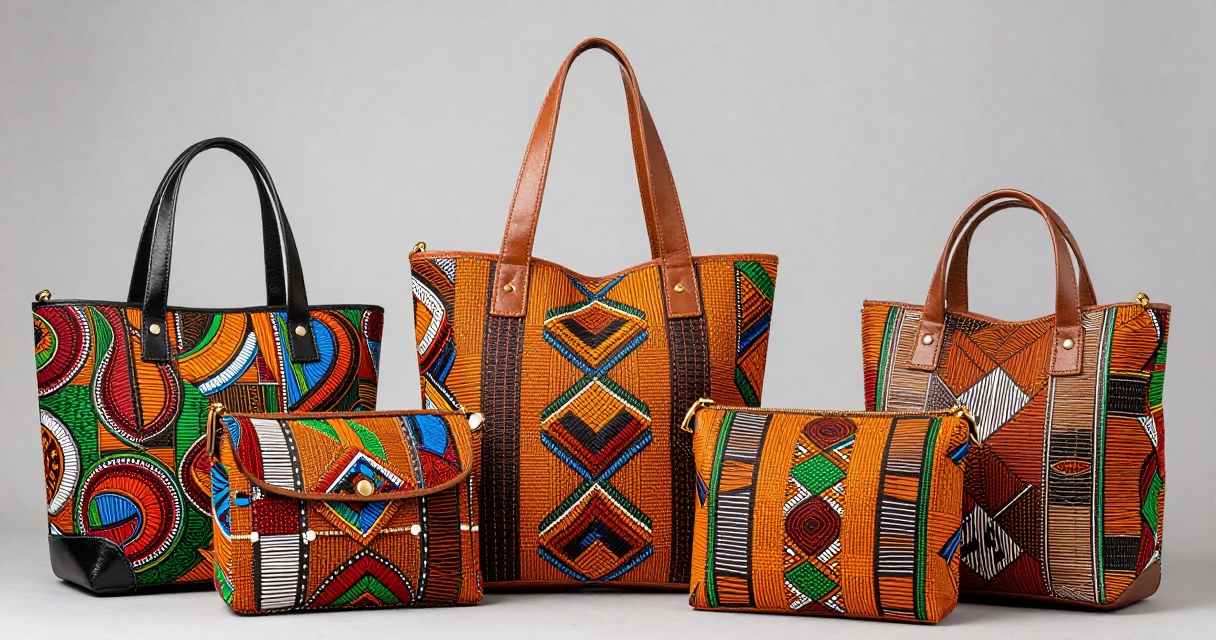
African handmade bags represent a vibrant intersection of culture, artistry, and functionality. These bags, crafted using traditional techniques passed down through generations, are more than mere accessories; they embody the rich heritage of African communities. In this guide, we will explore the steps to understand, appreciate, and even create your own African handmade bags, ensuring you can engage with this art form authentically and responsibly.
Understanding the Craft of African Handmade Bags
The first step towards appreciating African handmade bags is to understand the materials and techniques involved in their creation. Many bags are made from natural fibres such as sisal, palm leaves, and cotton. Each region has its unique methods; for instance, the Maasai of Kenya are known for their beaded bags, while artisans in Ghana often use kente cloth. Recognising these materials and their origins is crucial for both appreciation and ethical consumption.
In addition to the materials, the craftsmanship involved in creating these bags is often intricate and labour-intensive. Artisans may spend days or even weeks weaving and embellishing a single bag. Understanding the time and effort involved can deepen your appreciation for these pieces, making you more conscious of your purchasing decisions.
Identifying Authentic African Handmade Bags
To ensure you are purchasing genuine African handmade bags, it is essential to know what to look for. Authentic bags will typically showcase unique patterns and designs that reflect the cultural heritage of the region they come from. Look for labels or tags that indicate the origin of the bag, and consider buying directly from artisans or reputable fair trade organisations to ensure authenticity.
Be wary of mass-produced items that may mimic the style of African bags but lack the authenticity and craftsmanship. These products often do not support local artisans and can undermine the cultural significance of the craft. Supporting genuine artisans not only helps preserve traditional techniques but also contributes to the local economy.
Gathering Materials for Crafting Your Own Bag
If you are inspired to create your own African handmade bag, the first step is gathering the right materials. Depending on your design, you may need natural fibres like sisal or cotton, along with tools such as needles, thread, and possibly beads for embellishment. Local craft shops or online stores specialising in African crafts are excellent places to source these materials.
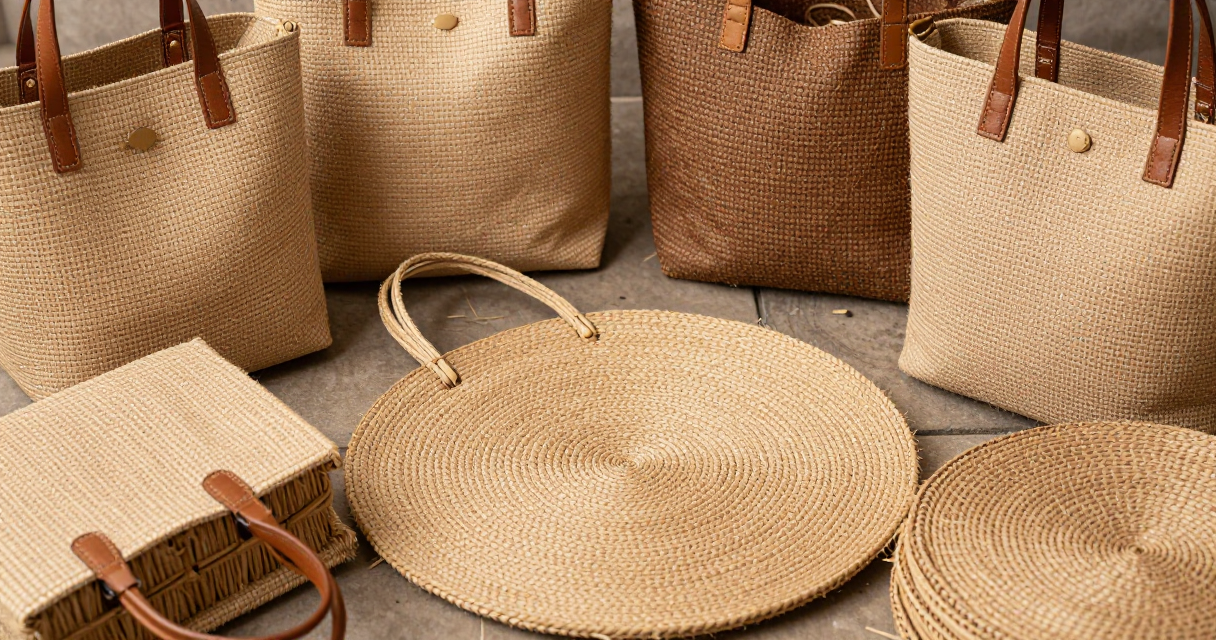
Research the specific type of bag you wish to create, as different styles may require different materials and techniques. For example, a woven basket bag will necessitate a different approach than a sewn fabric bag. Understanding the requirements of your chosen design will help streamline your crafting process.
Learning the Techniques of Bag Making
Once you have your materials ready, it’s time to learn the techniques involved in making your bag. Many artisans are open to sharing their skills, so consider taking a workshop or class focused on African bag-making. These classes not only teach you valuable skills but also connect you with the cultural context of the craft.
Online tutorials and videos can also be incredibly helpful. Look for resources that focus specifically on African styles, as they will offer insights into traditional methods and patterns. Practising these techniques will enhance your ability to create beautiful and authentic bags while also respecting the craft’s origins.
Common Mistakes to Avoid When Crafting
As you embark on your bag-making journey, be mindful of common mistakes that many beginners make. One frequent error is underestimating the time required to complete a project. Handmade bags can take a significant amount of time, especially when learning new techniques. Allow yourself plenty of time to perfect your craft.
Another mistake is neglecting the importance of quality materials. Using subpar fibres or tools can lead to a disappointing final product. Invest in good-quality materials that align with the traditional methods you are trying to emulate. This not only enhances the durability of your bag but also honours the craft itself.
Adding Personal Touches to Your Bag
Once you have mastered the basic techniques of bag-making, consider adding personal touches that reflect your style. This could involve incorporating unique patterns, colours, or embellishments that resonate with you. For instance, using traditional African beads can enhance the cultural significance of your bag while adding a personal flair.

Experimenting with different designs can also be a fun way to express your creativity. Try mixing fabrics or patterns from different regions to create a bag that embodies a fusion of styles. The beauty of handmade crafts lies in their individuality, so do not hesitate to make your bag your own.
Promoting and Selling Your Handmade Bags
If you decide to sell your handmade bags, consider the best ways to promote them while ensuring you respect the craft’s cultural significance. Start by showcasing your work on social media platforms, where you can reach a wider audience. Use high-quality images and engaging descriptions to highlight the uniqueness of your bags.
Participating in local craft fairs or markets is another effective way to connect with potential customers. These venues allow you to share the story behind your bags, which can enhance their appeal. Make sure to communicate the cultural significance of the materials and techniques used, as this adds value and authenticity to your products.

I’m fascinated by the vibrant intersection of contemporary fashion and traditional African craftsmanship. I spend my free time exploring markets, learning about textile techniques, and sharing the stories behind each piece with our readers.