
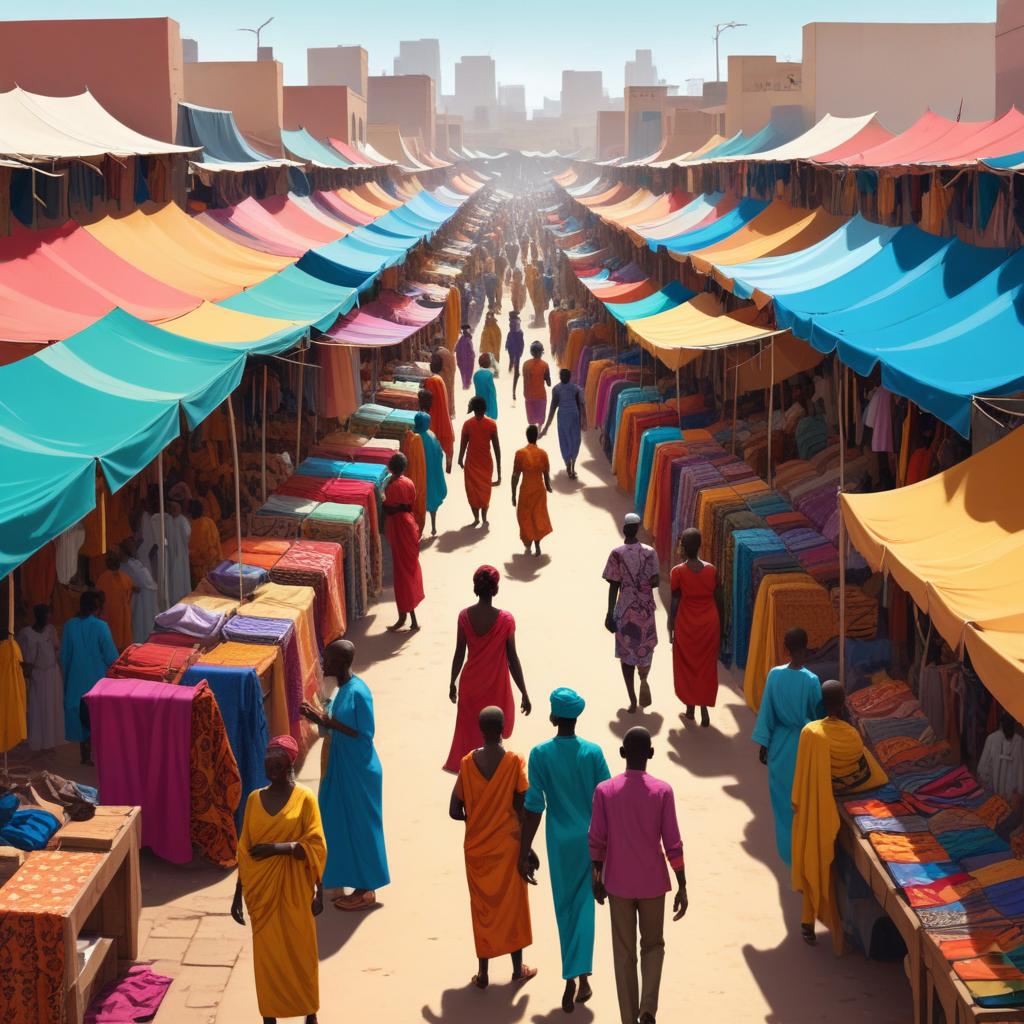
Overview of African Fashion Markets
The African fashion industry has rapidly gained recognition on the global stage, showcasing a vibrant and diverse landscape that celebrates cultural heritage and innovation. African fashion markets are more than just hubs for buying and selling garments; they represent the intersection of tradition and contemporary style, making them significant players in the global textile industry. These markets have become a beacon for African designers who blend indigenous fabrics, bold patterns, and modern aesthetics to create unique and coveted fashion pieces.
One defining characteristic of African fashion markets is their deep-rooted connection to traditional craftsmanship. Textile industry practices across the continent often involve handwoven fabrics like kente from Ghana, bogolanfini (mud cloth) from Mali, and shweshwe from South Africa. These textiles are integral not only to the identity of African fashion but also to its appeal worldwide. African designers have leveraged this rich textile heritage to develop collections that resonate with international audiences seeking authenticity and originality.
Growth trends within African fashion markets highlight an increasing demand both domestically and internationally. Urban centres such as Lagos, Nairobi, Johannesburg, and Dakar have emerged as key fashion capitals, hosting fashion weeks, trade fairs, and exhibitions that attract global buyers and media attention. The rise of e-commerce platforms dedicated to African fashion has further expanded reach, enabling designers to break geographical barriers and engage directly with customers around the world.
Moreover, the African fashion market contributes significantly to the continent’s economy, providing employment opportunities across various sectors including textile production, design, retail, and marketing. There is also growing investment in sustainable and ethical fashion, with African designers often prioritising locally sourced materials and environmentally friendly production methods. This commitment enhances the global appeal of African fashion while addressing modern conscious consumerism trends.
In summary, African fashion markets embody a dynamic fusion of tradition, creativity, and entrepreneurial spirit. Their increasing international influence is propelled by the distinctive textile industry and visionary African designers who continue to shape fashion trends worldwide. As these markets evolve, they not only celebrate African heritage but also champion a new era of global fashion diversity.
Historical and Cultural Context of African Fashion
African fashion markets are deeply rooted in the continent’s rich fashion history and cultural heritage. Across diverse regions, clothing styles have evolved based on centuries-old traditions, social customs, and historical events that continue to influence contemporary African textiles and fashion. Traditional fabrics such as kente from Ghana, bogolanfini from Mali, and shweshwe from South Africa play pivotal roles not only as materials but as symbols of identity and heritage within their communities.
These fabrics are often handwoven or dyed using indigenous methods passed down through generations, representing a tangible link to the past. The patterns, colours, and techniques incorporated into African textiles are imbued with meanings that reflect social status, rites of passage, and community values. This interconnectedness between fashion history and cultural expression makes African fashion markets unique, offering products that are both stylish and culturally significant.
Moreover, the design influences in African fashion are shaped by a fusion of indigenous aesthetics and external interactions, including trade, colonisation, and global fashion trends. Contemporary designers frequently draw inspiration from traditional motifs and fabric techniques, reinventing them to appeal to modern sensibilities while honouring their cultural heritage. This blend of history and innovation fuels the vibrancy and appeal of African fashion markets, making them essential destinations for those interested in authentic and meaningful fashion pieces.
Key Trends Driving African Fashion Markets
African fashion markets are experiencing dynamic growth propelled by several influential fashion trends. One of the most significant drivers is innovation, as designers continuously experiment with new fabrics, techniques, and sustainable practices. This spirit of creativity not only revitalises traditional textiles but also pushes the boundaries of contemporary African fashion, blending heritage with modern aesthetics to appeal to a diverse global audience.
Modern design adaptation plays a crucial role in the market’s increasing appeal. African designers are embracing global fashion sensibilities while preserving unique cultural elements. This fusion results in versatile garments that are both authentic and stylish, meeting the demands of fashion-conscious consumers locally and internationally. The rising prominence of digital platforms also enables designers to showcase their work widely, accelerating the integration of contemporary African fashion into mainstream markets.
Market growth is further fuelled by expanding consumer demand, driven by a youthful population eager to express identity through clothing. There is a noticeable shift towards locally made fashion, which supports economic empowerment and sustainability. Additionally, international interest in African fashion has surged, opening opportunities for collaborations and investments, which, in turn, foster further innovation and elevate the sector’s global status.
Overall, the combination of innovation, modern design adaptation, and growing consumer demand creates a vibrant environment for African fashion markets to flourish. These key trends ensure the industry remains dynamic, relevant, and ripe with potential for continued market growth in the years to come.
| African City | Top Fashion Markets | Unique Offerings | Why Notable |
|---|---|---|---|
| Lagos, Nigeria | Balogun Market, Lekki Market | Vibrant textiles, Ankara prints, bespoke tailoring, and handcrafted shoes | Lagos is a leading fashion hub celebrated for its energetic markets filled with bold colours and innovative fashion designs representing contemporary African styles. |
| Johannesburg, South Africa | Neighbourgoods Market, Rosebank Mall Market | Local designers showcasing urban streetwear, luxury accessories, and sustainable fashion pieces | The city combines a cosmopolitan vibe with authentic African influences, making it a dynamic shopping destination for fashion enthusiasts. |
| Marrakech, Morocco | Souk Semmarine, Medina Markets | Traditional Moroccan textiles, intricate embroidery, leather goods, and jewellery | Marrakech’s markets are renowned for their rich heritage and artisanal craftsmanship, blending history with fashion innovation. |
| Nairobi, Kenya | Maasai Market, Gikomba Market | Brightly coloured fabrics, handmade jewellery, Maasai beadwork, and unique accessories | Nairobi is recognised for its vibrant cultural expression and is a key shopping destination that celebrates indigenous Kenyan crafts and contemporary trends. |
| Accra, Ghana | Makola Market, Arts Centre | High-quality kente cloth, handcrafted garments, and vibrant fashion accessories | Accra’s fashion markets are well-regarded for blending traditional Ghanaian aesthetics with modern fashion, making it a top fashion market to explore. |
Lagos, Nigeria – A Thriving Fashion Hub
Lagos is widely recognised as one of the most dynamic and influential centres in the African fashion industry. Renowned for its vibrant Lagos fashion scene, the city has become a beacon for both emerging and established Nigerian designers. This thriving market offers a unique blend of traditional African aesthetics and contemporary styles that captivate buyers and visitors alike.
Home to a diverse array of fashion talents, Lagos boasts designers such as Lisa Folawiyo, Mo Abudu, and Orange Culture, who consistently showcase innovative designs that draw inspiration from Nigeria’s rich cultural heritage. Their work contributes significantly to positioning Lagos as a top player within African markets and the global fashion landscape.
For those exploring Lagos fashion, the city’s bustling markets and fashion districts are a must-visit. The Lekki Arts and Crafts Market and Balogun Market provide immersive experiences where visitors can purchase exquisite fabrics, accessories, and bespoke clothing directly from local artisans and designers. These markets serve as lively hubs where tradition meets trend, offering authentic souvenirs and cutting-edge fashion pieces.
Beyond shopping, Lagos fashion events, such as Lagos Fashion and Design Week, attract international attention and foster collaboration across the industry. This vibrant ecosystem highlights Lagos’ prominence in African markets, making it an essential destination for fashion enthusiasts eager to experience the depth and innovation of the Nigerian fashion industry firsthand.
Johannesburg, South Africa – Melting Pot of Styles
Johannesburg fashion is a vibrant tapestry woven from diverse cultural influences and contemporary trends, making it a true melting pot of styles. The city exudes a unique energy where urban chic meets traditional African aesthetics, reflecting the dynamic spirit of South African style. From bold prints inspired by indigenous patterns to sleek, modern silhouettes, Johannesburg’s fashion scene celebrates diversity and creativity.
The city boasts numerous marketplaces that serve as hubs for fashion enthusiasts seeking fresh and authentic looks. Notable amongst these are the Neighbourgoods Market in Braamfontein, renowned for its indie designers and cutting-edge streetwear, and the Rosebank Art & Craft Market, where handcrafted garments combine artisanal techniques with modern fashion statements. Each marketplace offers an immersive experience – a chance to discover local craftsmanship, emerging designers, and one-of-a-kind pieces that echo Johannesburg’s eclectic fashion diversity.
Whether you are on the lookout for avant-garde pieces, traditional-inspired garments, or sustainable fashion, Johannesburg’s marketplaces provide a perfect platform to explore and embrace the city’s rich fashion culture. This dynamic fashion scene highlights the versatility and innovation within South African style, drawing visitors and locals alike to indulge in a market experience that’s both inspiring and stylish.
| Marketplace | Location | Fashion Focus | Features |
|---|---|---|---|
| Neighbourgoods Market | Braamfontein | Indie designers, streetwear | Contemporary trends, youthful vibe |
| Rosebank Art & Craft Market | Rosebank | Handcrafted garments, artisan fashion | Traditional meets modern, sustainable choices |
| Fordsburg Market | Fordsburg | Ethnic prints, bold accessories | Diverse cultural styles, vibrant atmosphere |
| Melville Flea Market | Melville | Vintage, eclectic fashion | Unique finds, retro and urban mix |
Marrakech, Morocco – Traditional and Contemporary Blend
Marrakech market offers an intriguing fusion of time-honoured traditions and contemporary flair, making it an essential destination for fashion exploration in Africa. The city is renowned for its vibrant Moroccan fashion scene, where traditional fabrics meet innovative design in a bustling environment full of creativity and craftsmanship.
At the heart of Marrakech’s fashion appeal lies its mastery of traditional fabrics such as richly embroidered silks, intricate brocades, and soft cottons dyed in deep, earthy hues. These textiles are the result of centuries-old techniques passed down through generations of skilled artisans. Visitors to Marrakech market can witness this textile craftsmanship firsthand, as many stalls display handwoven and hand-embroidered garments alongside contemporary fashion pieces.
Shopping in Marrakech is more than a retail experience; it’s an immersion into Moroccan culture. Souks and boutiques blend old and new styles, offering everything from classic djellabas and kaftans to avant-garde designs influenced by global trends. This melding of past and present makes Marrakech a unique hotspot for anyone eager to explore the depths of fashion that honour heritage while embracing innovation.
Whether you’re seeking to add authentic Moroccan pieces to your wardrobe or simply keen to experience a dynamic fashion scene, Marrakech market’s rich tapestry of traditional and contemporary styles promises an unforgettable journey through African fashion.
Tips for Navigating and Shopping in African Fashion Markets
Exploring African fashion markets can be an exhilarating experience filled with vibrant colours, unique textiles, and rich cultural heritage. To make the most of your visit, it’s essential to have effective shopping tips and market navigation strategies. This guidance will help you find authentic fashion pieces, negotiate prices confidently, and respect local customs.
Firstly, authenticity is key when shopping in African fashion markets. Seek out stalls that specialise in traditional fabrics such as kente, ankara, or bogolanfini, and look for handmade garments and accessories crafted by local artisans. Often, vendors will proudly display their craftsmanship, so don’t hesitate to ask about the origin of materials and how items were made. This not only ensures you purchase genuine products but also supports the local economy and preserves cultural heritage.
When it comes to market navigation, plan your route ahead of time if possible. Larger markets can be sprawling and overwhelming, so mapping out key sections, such as textiles, jewellery, and clothing, helps you save time and avoid missing hidden gems. It’s also wise to visit early in the day to get first pick of fresh and unique stock before markets become crowded.
Bargaining is a customary practice in most African markets and is often seen as a friendly interaction rather than a confrontation. Approach bargaining with respect and a smile, aiming to strike a balance that honours the vendor’s work and your budget. Start by asking for the price, then offer about half or two-thirds of the asking price and negotiate from there. Remember that flexibility is key, and sometimes purchasing more than one item can encourage vendors to offer a discount.
Cultural etiquette plays an important part in shopping experiences. Dressing modestly, especially in more traditional markets, is appreciated. Always greet vendors politely and use basic pleasantries in local languages if you can; this fosters goodwill. Avoid snapping photos without permission, as this can be considered disrespectful. Taking your time, showing genuine interest in the products, and thanking sellers for their time can greatly enhance your experience.
In conclusion, combining careful market navigation with savvy shopping tips, respectful bargaining strategies, and adherence to cultural etiquette will ensure a rewarding experience. You’ll not only return home with authentic fashion treasures but also with memorable stories and connections forged within Africa’s vibrant market scenes.
How to Identify Authentic Pieces
When exploring African clothing, recognising authentic fashion pieces is essential to appreciate their cultural value fully and ensure you invest in genuine textiles. One of the key indicators of authenticity lies in the fabric itself. Traditional African textiles such as kente, bogolanfini, and handwoven aso oke are made using time-honoured techniques, often featuring vibrant colours, intricate patterns, and natural fibres. Genuine textiles tend to have a unique texture and depth, which mass-produced imitations usually lack.
Craftsmanship also plays a crucial role in distinguishing authentic African fashion. Attention to detail—including precise stitching, hand embroidery, and embellishments—shows the skill and effort invested by artisans. Authentic pieces often display slight irregularities that testify to their handmade nature rather than being factory-produced. The quality indicators here include the durability of the seams, neat finishings, and the use of traditional methods and tools.
Finally, purchasing from trusted sellers is a reliable way to secure authentic pieces. Look for vendors who provide transparency about their sourcing processes and support local African communities and designers. Ethical marketplaces and well-established boutiques often offer certification or storytelling that links each item to its origin. By choosing reliable sellers, you not only obtain authentic African clothing but also contribute to sustaining the craft and its cultural heritage.
Effective Bargaining and Market Etiquette
Bargaining is a common and expected part of shopping in African fashion markets, but it’s essential to approach it with respect and an understanding of local customs. Start by greeting the vendor warmly; a friendly introduction can set a positive tone for the negotiation. Remember that bargaining is not just about the price, but also about building rapport, so patience and politeness go a long way. Avoid rushing the process or appearing too eager to buy, as this can weaken your bargaining position.
When negotiating, make sure to offer a reasonable counterprice rather than a very low amount that could offend the seller. It’s also helpful to be aware of the general market prices beforehand to ensure your offers are fair. Pay attention to the vendor’s reactions and body language as these often give clues about how much flexibility there is on price.
Adhering to market etiquette involves more than just bargaining tactics. Respect local customs by dressing modestly and being mindful of cultural sensitivities. Always ask permission before photographing vendors or their products, as some may view this as intrusive. It’s also customary to handle items gently, as many pieces are handmade and delicate.
Lastly, accept the final price graciously, whether you agree with it or not, to maintain a positive interaction. Following these shopping tips will not only enhance your bargaining experience but also ensure you engage with the marketplace in a culturally respectful and enjoyable way.

I’m fascinated by the vibrant intersection of contemporary fashion and traditional African craftsmanship. I spend my free time exploring markets, learning about textile techniques, and sharing the stories behind each piece with our readers.