
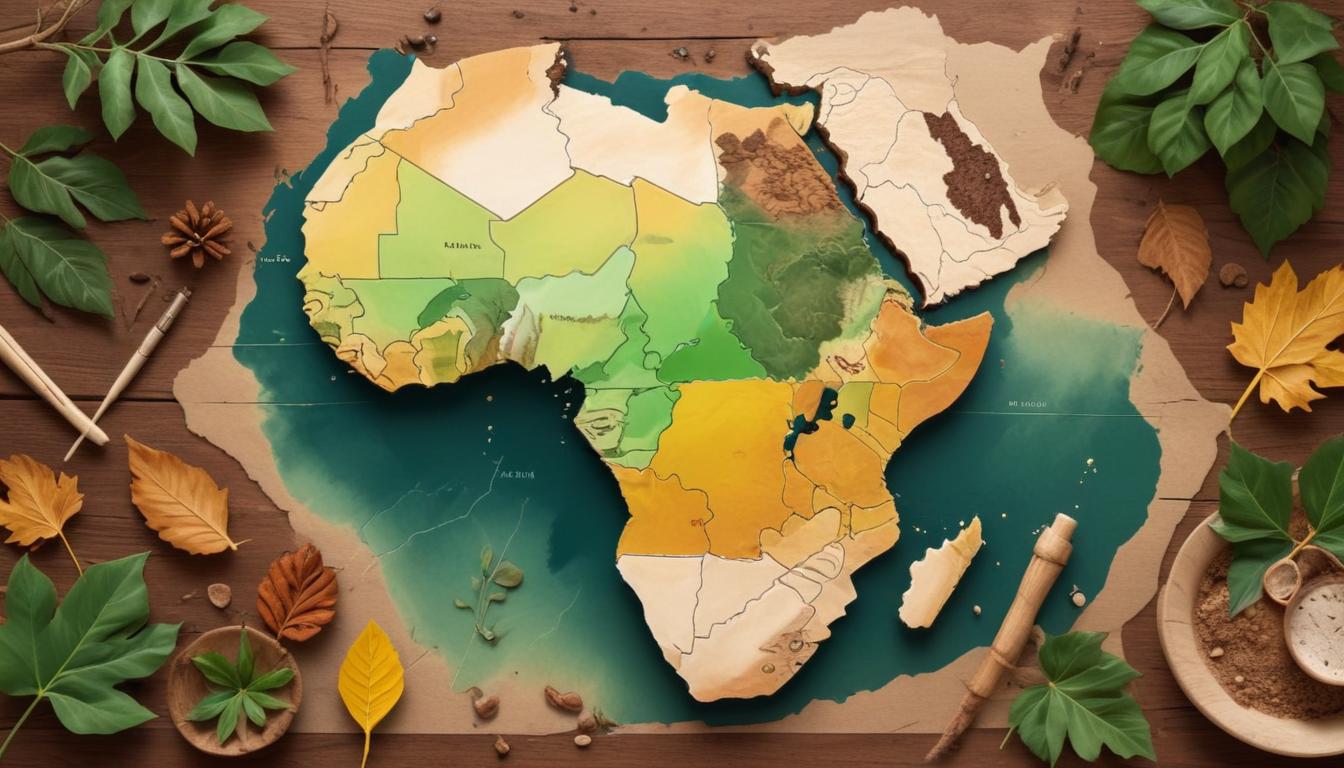
Climate patterns across Africa
African climate is characterized by a diverse range of weather patterns that influence the way textiles are created across the continent. Understanding these regional climate differences is key to appreciating the variety found in African textile traditions. Broadly, the continent is divided into several major climate zones, each with distinct characteristics that impact textile production in unique ways.
One of the predominant climate zones in Africa is the arid region, which includes vast desert areas such as the Sahara in the north and the Kalahari in the south. These regions experience very low rainfall and extreme temperatures, which affect not only the choice of materials used but also the techniques employed by artisans. Textiles from arid zones are often made with durable, heat-resistant fibers and are designed to provide protection against harsh climatic conditions. Natural dyes derived from scarce vegetation and minerals are common, resulting in earthy tones and subtle color palettes that reflect the environment.
In contrast, the tropical climate zone, which spans much of central and western Africa, features abundant rainfall and consistently warm temperatures. This lush environment supports the growth of cotton and other plant fibers used extensively in textile production. The high humidity and vibrant biodiversity influence the bright, vivid colors and intricate patterns typical of textiles from tropical regions. Additionally, the active weather patterns in these areas encourage the use of lightweight and breathable fabrics that suit the moist and warm climate.
The temperate climate regions of Africa are generally found in parts of the southern hemisphere and highland areas, where seasonal variations in temperature occur. These regions experience milder weather compared to the arid and tropical zones, impacting textile creation through the availability of different raw materials and varying requirements for fabric warmth and durability. Artisans working in temperate climates may blend traditional techniques with adaptations to accommodate cooler seasons, often producing layering textiles or warmer, sturdier fabric blends.
In summary, the African climate’s diverse weather patterns—from arid deserts to tropical rainforests and temperate highlands—play a crucial role in shaping regional textile traditions. Each climate zone offers distinct resources and demands unique textile adaptations, resulting in a rich tapestry of styles and techniques that reflect the environment and cultural heritage of the continent.
Impact of temperature on textile raw materials
Temperature plays a crucial role in the growth and quality of natural fibres used in African textiles. Cotton growth, for instance, is highly sensitive to temperature variations. Optimal temperatures ranging from 21°C to 30°C provide the best conditions for cotton plants to thrive, ensuring strong and fine fibres. Excessive heat, however, can stress the plants, reduce yield, and negatively affect fibre length and strength. Conversely, cooler temperatures prolong the growing season but may delay maturity, impacting the timing of harvest.
Wool production, largely dependent on sheep raised in various African regions, is also affected by temperature. Sheep tend to produce finer wool in cooler climates where the temperature is moderate and stable. High temperatures can lead to heat stress in the animals, potentially reducing wool density and quality. Thus, regions with mild temperature fluctuations often yield superior wool, which translates into higher quality materials for traditional textile crafts.
Other natural fibres, such as those derived from sisal and flax plants, are influenced by temperature as well. These fibres require specific climatic conditions that balance warmth and humidity to develop their characteristic strength and flexibility. Overall, the temperature effect on cotton growth, wool, and other natural fibres is pivotal for sustaining the production of quality raw materials essential in African textile creation.
Rainfall and water availability
Rainfall patterns play a crucial role in the cultivation of textile fibres across various regions of Africa, directly impacting the quality and yield of raw materials used in traditional and modern textile production. Adequate and well-distributed rainfall ensures that plants such as cotton, flax, and other natural fibres receive the necessary water for optimal growth. In areas where rainfall is unpredictable or scarce, farmers often face challenges that reduce fibre quality, thereby affecting the downstream processes involved in textile creation.
Water availability is also essential during the fibre processing stage, where water is used extensively for cleaning, softening, and dyeing fibres before they can be woven or spun into fabric. Limited water resources can constrain these processes, leading to less efficient fibre treatment and thereby influencing the texture and durability of the final textile products. Communities have adapted to these conditions by developing water-efficient techniques and choosing fibre crops that are better suited to the local climatic conditions.
The impact of rainfall on water resources extends beyond agriculture into overall environmental balance, affecting how communities plan for sustainable textile production. Regions with consistent rainfall tend to have more stable water resources, which supports continuous fibre cultivation and processing cycles. Conversely, areas with erratic rainfall may experience seasonal fluctuations that disrupt both fibre growth and processing activities, prompting innovations in water harvesting and conservation practices.
Understanding the critical role of rainfall impact and water resources highlights the importance of adapting textile production strategies to climate variability in Africa. This awareness ensures the preservation of traditional textile crafts while encouraging sustainable practices for future generations of fibre producers and artisans.
Traditional textile creation influenced by environment
Traditional textiles in African communities are deeply intertwined with their surrounding environments, with local climates playing a pivotal role in shaping the techniques and styles employed in their creation. The environmental influence is evident not only in the materials chosen but also in the methods used to process and weave the textiles, expressing the cultural crafts that have evolved over centuries.
In regions with hot and arid climates, such as parts of the Sahel and Sahara, the textiles often feature lighter fabrics that are designed for breathability and comfort. Cotton, a natural fiber well-suited for these climates, is extensively cultivated and processed using traditional hand-spinning and weaving techniques. The colors and patterns in these textiles frequently mirror the earthy tones and vibrant hues found in the surrounding environment, reflecting an intrinsic relationship between the craft and the climate.
Conversely, in the tropical and humid regions of West and Central Africa, traditional textile creation adapts to the moisture-rich environment by utilizing more robust materials like raffia palm or bark cloth. These materials are treated with techniques that enhance durability and resistance to the humid conditions. The environmental influence is also evident in the elaborate decorative styles that incorporate symbolic motifs, often inspired by the lush flora and fauna distinctive to these areas.
The colder and mountainous regions, such as those found in parts of East Africa, exhibit yet another variation where environmental conditions demand textiles that provide warmth and insulation. Here, wool from local sheep, goats, or camels forms the backbone of traditional craft. The weaving styles are not only functional but also culturally significant, with complex patterns and techniques passed down through generations, embodying the dual role of environmental adaptation and cultural expression.
Across all these diverse climates, the traditional textiles serve as a bridge between environment and culture. The environmental conditions dictate the raw materials and techniques available, while the artisans infuse their cultural heritage into every thread, creating vibrant expressions of identity, resilience, and community. These cultural crafts thus stand as living testaments to how environmental influence shapes African textile creation in both practical and artistic dimensions.
Use of natural dyes and climate
The use of natural dyes in African textile creation is deeply influenced by climate, which directly affects the availability of the plants and materials traditionally used for dyeing. Many African communities rely on plant-based dyes extracted from roots, leaves, bark, and flowers to color their textiles. However, the growth and abundance of these dye-producing plants are contingent upon climatic conditions such as rainfall, temperature, and seasonal changes.
In regions with favorable climates—where rainfall is sufficient and temperatures remain stable—the plants thrive, ensuring a steady supply of vibrant natural dyes. Conversely, in areas affected by drought, extreme heat, or unpredictable weather patterns, the availability of essential dye plants can diminish significantly. This scarcity impacts traditional dyeing practices, limiting the variety and intensity of colors artisans can achieve.
Moreover, climate effects also influence the harvesting cycles and quality of the raw materials used in natural dye production. For example, prolonged dry spells can reduce the potency of plant-based dyes, resulting in paler textile hues. Artisans must then adapt by seeking alternative plants or modifying their dyeing techniques. This interconnection between climate and natural dyes underscores the delicate balance African textile makers maintain with their environment, highlighting how climate shapes not only their craft but also cultural expression.
Adaptations in weaving and fabric styles
Textile artisans in Africa have developed unique weaving techniques and fabric adaptations deeply influenced by climatic conditions. These adaptations are essential to meet the local climate challenges, ensuring that the textiles remain comfortable, functional, and culturally relevant. In regions with hot, arid climates, lighter weaving techniques are often employed to create breathable fabrics that allow air circulation and wick away moisture. This not only enhances comfort but also helps to protect the skin from the harsh sun and extreme heat.
Conversely, in areas with cooler or more variable climates, weavers may opt for denser and thicker fabric styles that provide additional warmth and insulation. The choice of fibers—ranging from cotton and linen to wool or blends—in these textiles is closely tied to their thermal properties, influenced by the surrounding environment. This careful selection helps artisans craft fabrics that naturally regulate temperature, reflecting a deep understanding of climatic influence on everyday wear.
The integration of local materials also plays a pivotal role in fabric adaptation. For example, some communities incorporate moisture-resistant fibers or treatments to their textiles to withstand humid conditions. Overall, the adaptability in weaving techniques and fabric choices showcases how climate shapes not only the functionality but also the artistic expressions within African textile creation, blending tradition with environmental necessity.
Modern challenges and climate change impact
The African textile industry, deeply rooted in tradition and cultural expression, is increasingly facing severe challenges driven by recent climate change. Shifts in weather patterns, prolonged droughts, and unpredictable rainfall have a direct impact on the availability of natural fibers such as cotton, which forms the backbone of many African textile practices. The disruption of natural growing cycles not only reduces the quantity but also the quality of raw materials, creating a ripple effect throughout the entire production process. This changing climate scenario forces producers and artisans to adapt or face declining yields and rising costs.
In addition to raw material scarcity, climate change introduces new risks such as water shortages and increased pest invasions, which further strain the textile industry’s sustainability. Water, essential for dyeing and fabric processing, becomes a limited resource in many regions, leading to operational challenges and increased production expenses. Moreover, these environmental stressors disproportionately affect small-scale and community-based producers who may lack the resources to implement rapid changes, threatening the preservation of indigenous textile arts.
In response, the African textile industry is also leading innovative sustainability initiatives to mitigate climate impacts. Many artisans and enterprises are adopting eco-friendly practices, including organic farming of natural fibers, water conservation techniques, and natural dyeing methods that reduce chemical use and pollution. These efforts not only address climate change challenges but also resonate with global markets increasingly demanding sustainable and ethically produced textiles.
Collaborations between local communities and international organizations have fostered knowledge exchange and funding for climate-resilient textile production. Sustainable business models that integrate traditional knowledge with modern environmental science are being developed to ensure long-term viability. By prioritizing sustainability, the industry aims to protect both cultural heritage and the environment, balancing economic growth with responsible resource management in the face of an uncertain climate future.
Ultimately, the intersection of climate change and the African textile industry underscores the critical need for innovative solutions that sustain production and support communities. While the challenges are significant, the sector’s proactive approach toward sustainability offers a hopeful path forward, ensuring that African textiles continue to thrive and tell their stories for generations to come.
Effects of drought and flooding on textile resources
Extreme weather events such as droughts and floods have a profound impact on the availability of raw materials essential for textile production in Africa. Drought impact is particularly severe, leading to prolonged dry spells that reduce the growth and quality of natural fibers like cotton and flax. These fibers depend heavily on consistent water supply, and scarcity caused by droughts results in smaller yields and weaker fibers, which directly constrain the textile industry’s output and quality.
Conversely, flood damage poses a different but equally challenging threat. Floods can destroy crops and wash away soil nutrients, leading to resource scarcity for textile producers. Floodwaters can also damage plants used for weaving and dying materials, interrupting the regular cycles of harvesting and processing. The aftermath of floods often leaves land unusable for extended periods, further exacerbating material shortages.
Both drought and flooding disrupt local economies dependent on textile creation, as artisans and manufacturers face uncertainties in sourcing consistent raw materials. This instability challenges the preservation of traditional techniques and inhibits industry growth. Understanding these climatic influences is crucial for developing resilient agricultural and manufacturing practices that can sustain African textile production despite extreme weather variations.
Emerging sustainable textile practices
Innovative sustainable textiles are transforming the African textile industry by integrating eco-friendly methods that reduce environmental impact while addressing the challenges posed by climate change. These practices often focus on utilizing natural fibers that require less water and fewer chemical inputs compared to conventional materials. By adopting organic cotton, bamboo, hemp, and other renewable resources, artisans and producers not only lower their carbon footprint but also create textiles that retain cultural significance.
Another crucial approach involves eco-friendly dyeing techniques, such as using plant-based dyes and low-water processing methods. These techniques minimize toxic runoff and conserve precious water resources, crucial in regions facing increasing droughts and unpredictable rainfall patterns. Additionally, some communities are reviving traditional methods of textile production that inherently adapt to the local climate, enhancing both resilience and sustainability.
Climate adaptation also inspires innovations like modular textile production systems that respond dynamically to environmental changes, optimizing resource use and waste management. Collaborative efforts between designers, environmental scientists, and local artisans contribute to the development of these adaptive solutions. Together, these emerging practices are paving the way for a more sustainable and climate-responsive African textile industry, promoting environmental stewardship alongside cultural preservation.

I’m fascinated by the vibrant intersection of contemporary fashion and traditional African craftsmanship. I spend my free time exploring markets, learning about textile techniques, and sharing the stories behind each piece with our readers.