
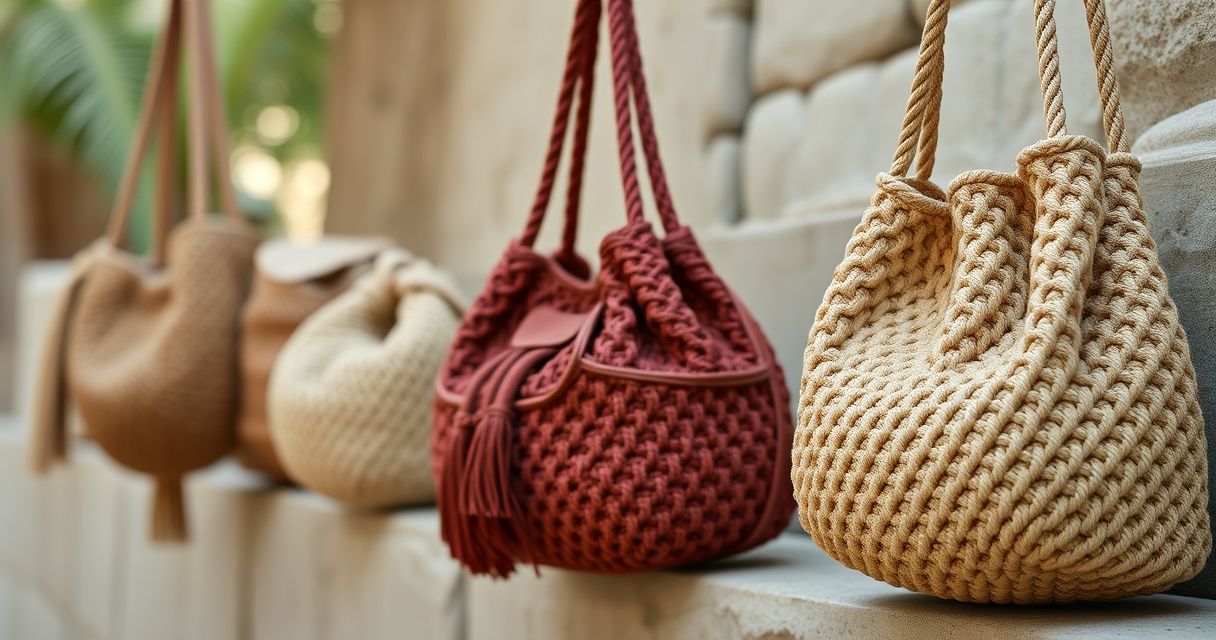
A quiet revival is sweeping through the world of fashion as African macramé bags move from remote markets to high‑street boutiques and runway shows. The knot‑work, once a communal craft passed down through generations, now attracts designers, stylists and consumers seeking authentic texture and a story woven into every strand. This surge is not a fleeting novelty; it reflects a deeper appreciation for the skill, sustainability and cultural resonance that these pieces embody. As global shoppers become more discerning, the appeal of a hand‑tied bag that carries both heritage and contemporary flair grows increasingly powerful. The following sections explore why African macramé bags have become a must‑have accessory in modern wardrobes.
Historical roots of African macramé and its modern revival
Macramé in Africa traces its lineage to coastal trading routes where sailors introduced knotting techniques to local artisans centuries ago. Over time, communities in West and East Africa adapted these knots, embedding them with symbolic patterns that marked tribal identity, rites of passage and social status. The craft survived through communal gatherings, market stalls and the informal apprenticeship system, ensuring each generation retained a visual language of interlaced fibres. In the early twenty‑first century, a handful of cultural curators began documenting these traditions, sparking interest among Western designers who recognised their aesthetic potential. The resulting cross‑cultural dialogue has revived the practice, turning age‑old techniques into a contemporary fashion statement.
Today, the resurgence is amplified by digital platforms where artisans showcase their work to a global audience. Social media feeds filled with vibrant close‑ups of knotwork have turned obscure workshops into viral sensations, prompting fashion editors to feature African macramé bags in seasonal round‑ups. This visibility has encouraged younger creators to experiment, blending classic motifs with modern silhouettes such as oversized totes or sleek cross‑body styles. The fusion of heritage and innovation creates a dynamic product that feels both timeless and instantly relevant, attracting consumers who crave authenticity without sacrificing current trends.
Traditional knotting methods and the symbolism behind the patterns
Core to African macramé is the use of the square knot, half‑hitch and spiral knot, each applied in sequences that convey specific meanings. For example, a repeating diamond motif often represents fertility and abundance, while interlocking circles can signal unity within a community. Artisans meticulously plan these designs on paper before translating them onto the fibre, ensuring the final piece tells a coherent visual story. The process demands patience; a medium‑size bag may require several hundred knots, each tightened by hand to maintain consistency in tension and texture. This deliberate craftsmanship distinguishes macramé from mass‑produced accessories, offering a tactile connection to the maker’s intent.
Regional variations also influence the visual language of the bags. In the Sahel, bright indigo dyes combined with tight, geometric knotting produce a stark, architectural look, whereas coastal Kenya favours looser, flowing patterns that echo the rhythm of the ocean. Such distinctions allow collectors to identify a bag’s origin simply by studying its colour palette and knot density. By understanding these nuances, fashion enthusiasts can appreciate the depth of cultural expression embedded in each accessory, turning a simple purchase into an act of cultural preservation.
Materials, natural dyes and the sustainability angle
African macramé bags are predominantly crafted from locally sourced natural fibres such as cotton, sisal, jute and hemp, each chosen for its durability and tactile quality. Cotton, harvested from small‑scale farms, provides a soft yet sturdy base, while sisal offers a coarser texture ideal for structural tote designs. The use of these renewable resources reduces reliance on synthetic polymers, aligning the craft with the growing demand for eco‑friendly fashion. Moreover, many artisans employ traditional dyeing methods, extracting colour from indigo leaves, madder roots or bark, which results in rich, earthy hues that fade gracefully with wear.
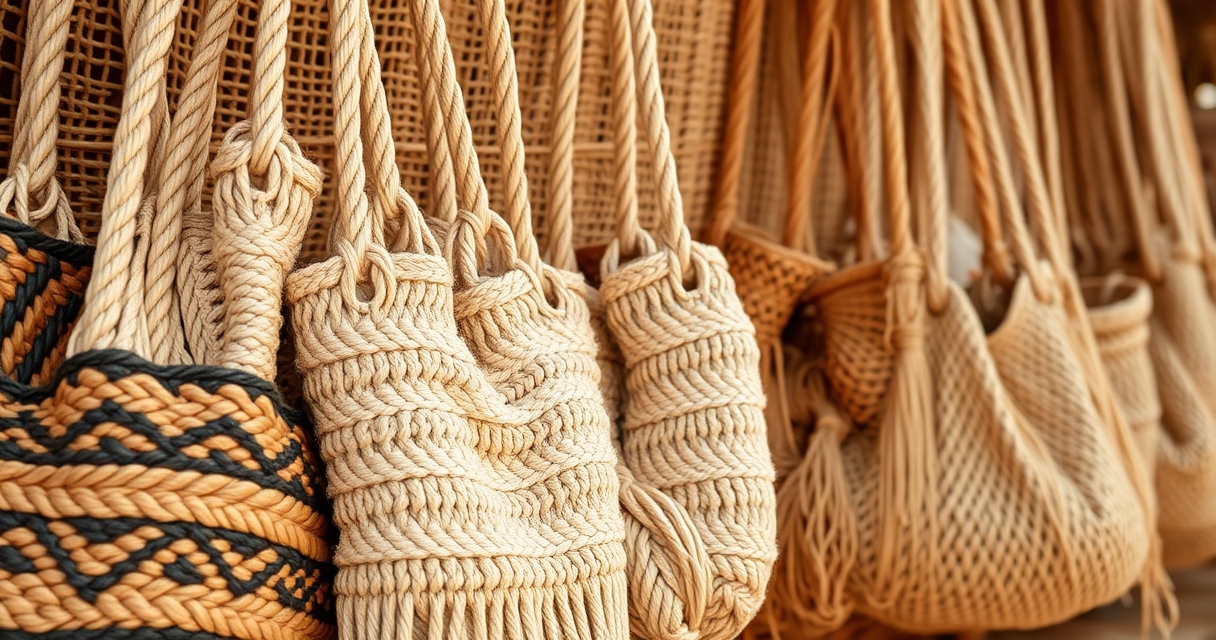
Beyond the environmental benefits, the choice of natural materials supports local economies. Harvesting fibres and processing dyes creates jobs in rural areas, fostering economic resilience and discouraging urban migration. Some cooperatives reinvest a portion of sales into community projects, such as schools or healthcare clinics, thereby linking the purchase of a macramé bag to tangible social impact. Consumers increasingly recognise this value chain, opting for pieces that carry both aesthetic appeal and a responsible production narrative.
Designers, collaborations and the runway momentum
International designers have embraced African macramé as a source of fresh, tactile inspiration, integrating the craft into collections that celebrate artisanal heritage. Notable collaborations between European fashion houses and African cooperatives have resulted in limited‑edition capsule lines, where the designer’s silhouette is paired with hand‑tied macramé panels. These partnerships often include fair‑trade agreements that guarantee artisans receive royalties proportional to the garment’s retail price, setting a precedent for ethical collaboration. Runway shows featuring macramé bags have highlighted their versatility, presenting them alongside sleek tailoring or bohemian dresses to underline their cross‑genre appeal.
Emerging African designers are also redefining the craft from within, experimenting with hybrid techniques that fuse macramé with embroidery, beadwork or leather accents. By pushing the boundaries of traditional knotting, they create bags that serve both functional and decorative purposes, appealing to a clientele that values uniqueness. The buzz generated by fashion weeks in Lagos, Nairobi and Johannesburg has attracted global buyers, leading to stockists in major cities such as London, Paris and New York. This exposure not only raises the profile of the designers but also encourages a broader acceptance of African macramé as a high‑fashion accessory.
Styling African macramé bags for contemporary wardrobes
Stylistic versatility is a key factor behind the popularity of African macramé bags, as they complement a range of outfits from streetwear to formal attire. A medium‑sized, neutral‑coloured macramé tote pairs effortlessly with a crisp white shirt and tailored trousers, adding a subtle texture that softens the sharp lines of a business ensemble. Conversely, a bright, oversized macramé cross‑body can become the focal point of a casual weekend look, especially when matched with denim shorts, a loose linen shirt and chunky sneakers. The tactile nature of the knots also creates a visual contrast that enhances minimalist wardrobes, allowing the bag to serve as a statement piece without overwhelming the overall aesthetic.
Seasonal trends further influence how the bags are incorporated into outfits. In spring, designers recommend layering a macramé clutch over a pastel dress, letting the natural fibres catch the light and add depth to soft colour palettes. During autumn, earth‑toned macramé satchels complement leather boots and wool coats, reinforcing the season’s warm, organic vibe. Fashion editors frequently advise pairing macramé accessories with other handcrafted jewellery or shoes to create a cohesive, artisanal vibe. These styling tips demonstrate that African macramé bags can transition seamlessly from day to night, reinforcing their status as a versatile wardrobe staple.
Market growth, consumer motivations and future prospects
Market analyses indicate that the global demand for handcrafted accessories has risen by double‑digit percentages over the past five years, with African macramé bags accounting for a notable share of that growth. Consumers cite authenticity, sustainability and the desire to support fair‑trade practices as primary motivators for purchasing these items. Online platforms dedicated to ethical fashion report increased traffic from buyers seeking pieces that tell a story, and many report repeat purchases after positive experiences with quality and durability. Retailers have responded by dedicating shelf space to macramé collections, often curating selections that highlight regional diversity within the continent.
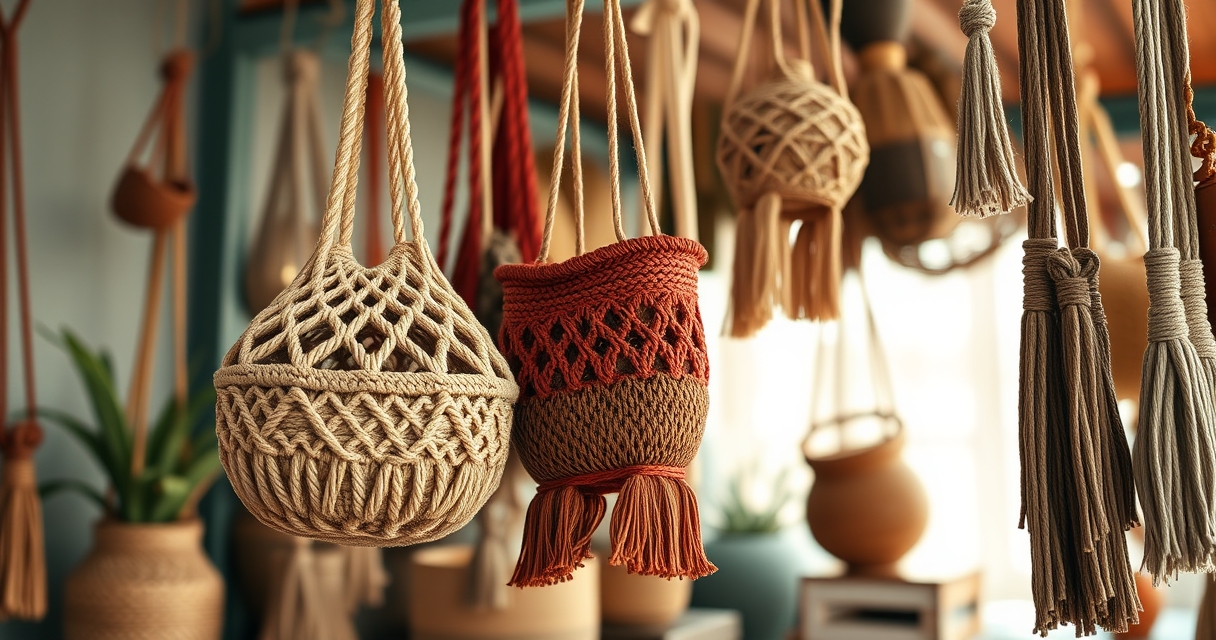
Looking ahead, the trajectory suggests continued expansion as younger generations prioritize ethical consumption and cultural appreciation. Educational initiatives that teach knotting techniques in schools and community centres are fostering a new audience of makers and appreciators, ensuring the craft’s longevity. Technological advancements, such as digital design tools that simulate knot patterns before production, are streamlining the design process without compromising hand‑crafted integrity. These developments position African macramé bags not merely as a passing fad but as an enduring component of a more conscientious fashion ecosystem.
Caring for an African macramé bag and assessing its value
Proper maintenance prolongs the life of a macramé bag, preserving both its aesthetic and structural integrity. Gentle hand washing in lukewarm water with a mild detergent helps remove surface grime while respecting the natural fibres; harsh chemicals or machine cycles can weaken the knots and cause colour fading. After washing, it is advisable to reshape the bag and allow it to air dry away from direct sunlight, which can degrade dyes over time. Routine care also includes storing the bag in a breathable cotton bag to prevent dust accumulation and to maintain its shape during periods of non‑use.
When evaluating a macramé bag’s worth, buyers should consider the provenance of the materials, the complexity of the knotting pattern and the reputation of the artisan or cooperative. Bags featuring intricate, multi‑layered designs typically require more labour and therefore command higher prices. Authentic pieces often come with a certificate of origin or a story card that details the maker’s background, adding cultural value that transcends monetary cost. By focusing on these criteria, collectors can invest in pieces that not only enhance their style but also support sustainable livelihoods across Africa.

I’m fascinated by the vibrant intersection of contemporary fashion and traditional African craftsmanship. I spend my free time exploring markets, learning about textile techniques, and sharing the stories behind each piece with our readers.