
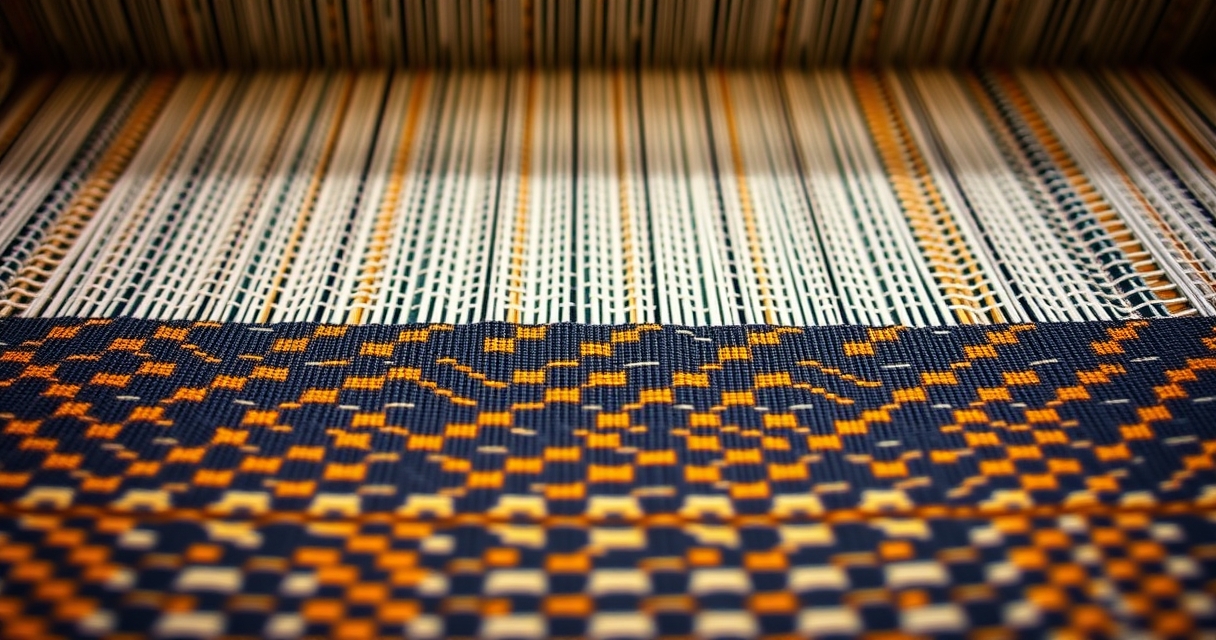
A single strip of kente cloth from Ghana can take three weavers two full weeks to complete, each thread lifted by hand in a rhythm that has echoed for centuries. When that cloth reaches a slow fashion atelier in Accra or Warsaw, it carries more than colour and pattern. It carries the weight of communal memory, the carbon footprint of a single artisan family, and the quiet resistance to a global industry that churns out 92 million tonnes of textile waste every year. African crafts are not merely decorative flourishes on the slow fashion movement. They are its structural pillars, offering techniques that are inherently sustainable, narratives that demand ethical sourcing, and a commercial model that redistributes value back to the hands that made the work.
The intrinsic sustainability of African textile techniques
African crafts have always operated within ecological limits. Indigo dyeing in Mali, for instance, relies on fermentation pits that use less water than industrial dye houses. A single pit can serve a collective of dyers for decades, absorbing the waste from previous batches and transforming it into deeper hues. The mud-cloth of the Bamana people, known as bogolanfini, is painted with iron-rich river mud that is harvested once a year and left to ferment for months. This process eliminates the need for synthetic mordants and creates a pigment that is biodegradable. When slow fashion brands adopt these methods, they inherit a closed-loop system that has been refined over generations. The result is not just a lower environmental impact but a textile that ages gracefully, its colours shifting with wear rather than fading into dull uniformity.
Weaving traditions across the continent also demonstrate how material efficiency can be beautiful. In Ethiopia, the back-strap loom used for shemma cloth produces fabric with almost no off-cuts. The width of the cloth is determined by the weaver’s body, and the length is dictated by the available yarn, leaving minimal waste. Contemporary designers like Amsale Aberra have reimagined these zero-waste principles in modern silhouettes, proving that sustainability does not require compromise on aesthetics. The slow fashion movement, when rooted in African craft, becomes less about sacrifice and more about rediscovering techniques that were never wasteful to begin with.
How African craft narratives force transparency in supply chains
Every piece of African craft carries a provenance that is difficult to erase. A beaded Maasai collar from Kenya is not just a product. It is the work of a specific women’s cooperative in Loita, where each bead is threaded while the artisan recites oral histories. When a brand like SOKO Kenya sources these collars, it must document not only the names of the artisans but also the fair wage structure that ensures each woman earns three times the local minimum. This level of transparency is not optional. It is embedded in the craft itself, where the story of creation is as visible as the stitches. Slow fashion consumers, increasingly sceptical of greenwashing, demand this visibility. African crafts provide it by default, turning supply chains into open books rather than opaque pipelines.
The narrative power of African crafts also challenges the anonymity of fast fashion. A Yoruba adire wrapper from Nigeria is signed by the dyer who tied the raffia resist, and the signature is not a brand logo but a personal mark. When these textiles are incorporated into slow fashion collections, the designer is forced to acknowledge the artisan as a co-creator rather than a faceless labourer. Brands like Lisa Folawiyo and Orange Culture have built their identities around this collaborative storytelling, ensuring that every garment carries a tag that names the artisan, the technique, and the community of origin. This practice does more than satisfy consumer curiosity. It shifts the economic balance, ensuring that artisans retain agency over their cultural capital.
The economic model of African crafts as a blueprint for fair trade
African craft economies have long operated on principles that slow fashion now aspires to. In Burkina Faso, the Association pour la Promotion des Artisanes de Ouagadougou organises weavers into collectives that set their own prices and manage their own sales. These collectives bypass middlemen, ensuring that 70% of the retail price returns to the artisan. Compare this to the fast fashion model, where garment workers typically receive less than 2% of the final sale price. The economic resilience of these collectives is not accidental. It is built on trust, barter systems, and communal decision-making, all of which are antithetical to the extractive logic of globalised fashion.
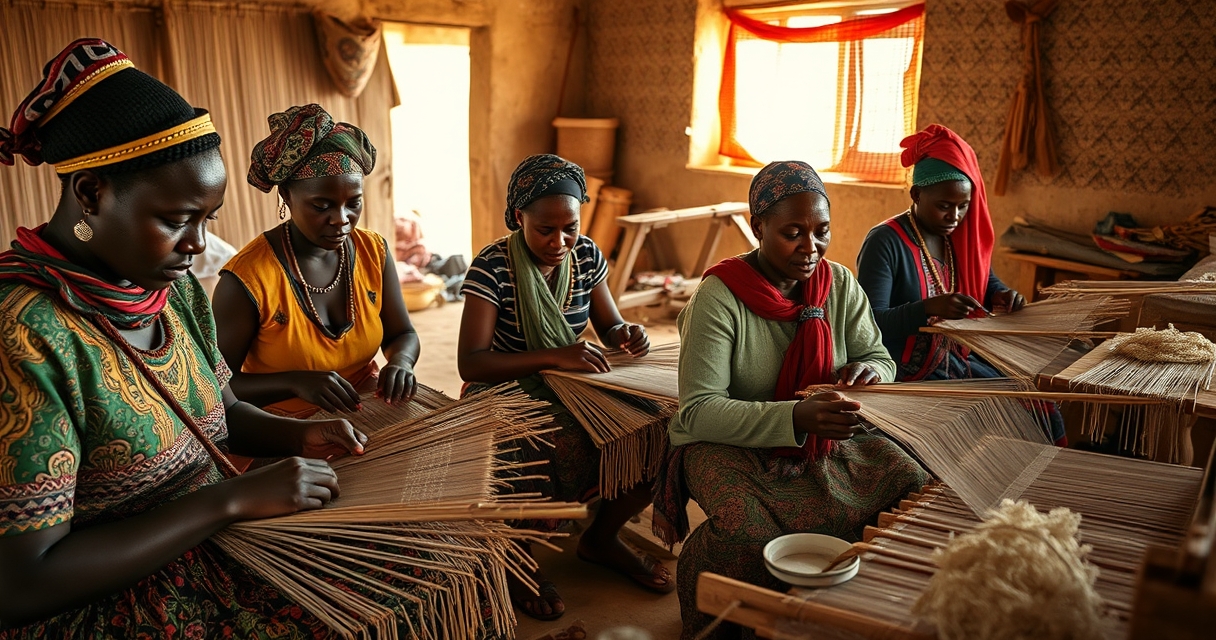
The success of these models has inspired slow fashion brands to adopt similar structures. The South African label Lalesso, for example, works with a network of women’s cooperatives in Kenya and Tanzania. Instead of placing bulk orders, Lalesso commits to long-term partnerships, providing artisans with consistent income and access to healthcare. This approach mirrors the African concept of ubuntu, where prosperity is measured by the well-being of the collective rather than individual profit. When slow fashion brands replicate these models, they do more than pay fair wages. They create micro-economies that are resilient to the volatility of global markets, proving that ethical fashion is not a niche but a viable alternative to exploitation.
African craftsmanship as a counterpoint to fast fashion’s disposability
Fast fashion thrives on planned obsolescence, churning out garments designed to fall apart after a few washes. African crafts, by contrast, are built to endure. A Tuareg silver cross from Niger is not a trend piece. It is a family heirloom, passed down through generations, its metalwork designed to patina rather than corrode. When slow fashion designers incorporate these crafts into their work, they challenge the disposable mindset. A jacket lined with Malian bogolanfini, for instance, becomes an investment piece, its fabric growing richer with age. The slow fashion movement’s emphasis on longevity aligns perfectly with African craft traditions, where durability is not a selling point but a cultural expectation.
The contrast is stark when you examine the construction techniques. In Ghana, kente weavers use a double-heddle loom that produces a fabric so tightly woven it can withstand decades of wear. The seams are reinforced with hand-stitched bar tacks, a detail rarely found in mass-produced clothing. When brands like Studio 189 collaborate with these weavers, they are not just sourcing fabric. They are adopting a philosophy of craftsmanship that prioritises repair over replacement. This approach has tangible environmental benefits. The Ellen MacArthur Foundation estimates that extending the life of a garment by just nine months reduces its carbon footprint by 20-30%. African crafts, with their emphasis on timeless design and robust construction, make this extension effortless.
The role of African crafts in decolonising fashion aesthetics
The slow fashion movement is not just about sustainability. It is also about dismantling the Eurocentric beauty standards that have dominated the industry for centuries. African crafts offer a visual language that is unapologetically bold, geometric, and rooted in symbolism. The beadwork of the Zulu people, for example, uses colour and pattern to convey messages about identity, marital status, and social rank. When these motifs are incorporated into contemporary fashion, they disrupt the minimalist aesthetic that has long been synonymous with luxury. Designers like Kenneth Ize and Maxhosa Africa have built their brands around this disruption, proving that African craft aesthetics can redefine what is considered high fashion.
The decolonisation of fashion also extends to the materials themselves. African crafts often utilise fibres that have been marginalised by the global textile industry. Raffia, for instance, is a staple in Congolese basketry and Nigerian adire dyeing, yet it is rarely used in mass-produced clothing. Slow fashion brands are now reclaiming these materials, turning raffia into structured jackets and handbags that challenge the dominance of cotton and polyester. This shift is not just about novelty. It is about recognising that African fibres, like the wild silk of Madagascar or the banana fibre of Uganda, are often more sustainable than their industrial counterparts. By centring these materials, slow fashion is not only diversifying aesthetics but also reducing reliance on resource-intensive crops like conventional cotton.
How African craft collectives are redefining slow fashion production
The production model of African craft collectives offers a radical alternative to the factory-based systems that dominate the fashion industry. In Senegal, the cooperative Les Sapeuses brings together women who hand-embroider intricate motifs onto fabric. Instead of working in isolation, these artisans gather in communal spaces, sharing tools, techniques, and childcare. This model eliminates the alienation of factory labour, where workers are often reduced to repetitive tasks. Slow fashion brands that partner with these collectives are not just outsourcing production. They are adopting a system where craftsmanship and community are inseparable. The result is a production process that is slower, yes, but also more humane and more creative.
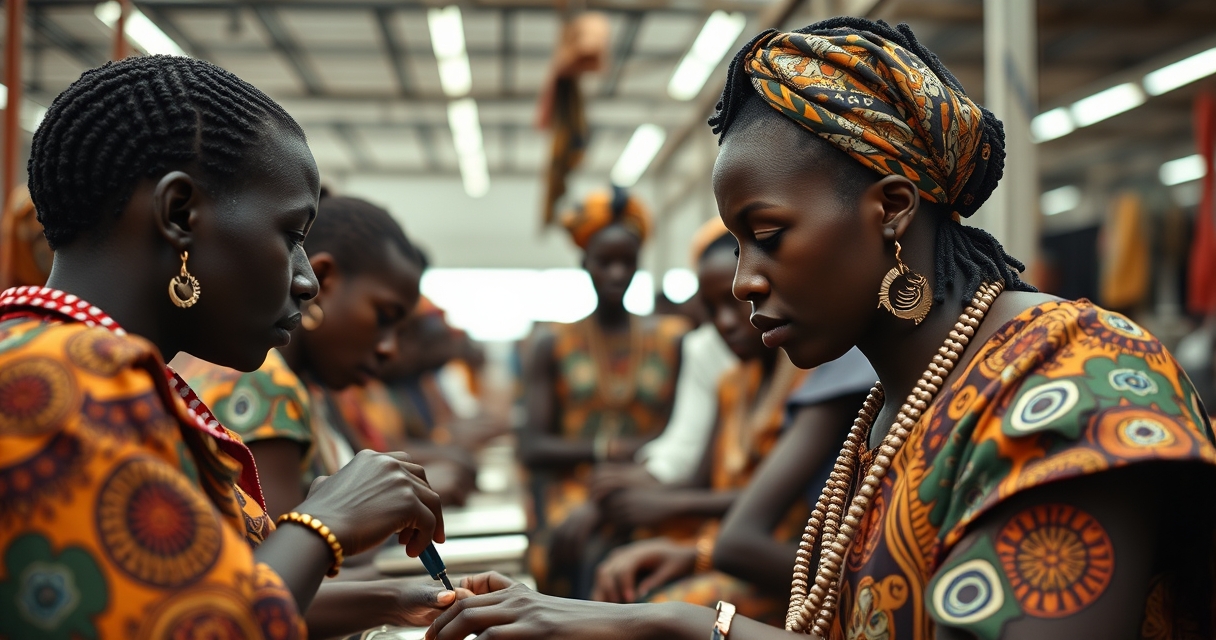
The collective model also allows for greater flexibility in production volumes. Unlike factories, which require large minimum orders to be profitable, African craft collectives can produce small batches without incurring significant losses. This flexibility is a boon for slow fashion brands, which often operate on a made-to-order basis to avoid overproduction. The Kenyan brand SOKO, for example, works with a network of 2,300 artisans who produce jewellery in small batches. This approach not only reduces waste but also allows for customisation, a key selling point for slow fashion consumers. The collective model, therefore, is not just a production method. It is a blueprint for a fashion industry that values quality over quantity and people over profit.
The cultural preservation imperative of African crafts in slow fashion
African crafts are not static artefacts. They are living traditions that evolve with each generation. The slow fashion movement has a responsibility to ensure that this evolution happens on the terms of the artisans themselves. When a brand like Christie Brown incorporates Asante kente into a modern dress, it is not just borrowing a pattern. It is participating in a dialogue that spans centuries. This dialogue must be respectful and reciprocal. The Ghanaian designer Akosua Afriyie-Kumi, founder of AAKS, ensures that her brand’s use of Bolgatanga basketry techniques includes training programmes for young weavers, preserving the craft for future generations. This approach transforms slow fashion from a consumer trend into a cultural stewardship.
The preservation of African crafts also requires a rejection of cultural appropriation. Slow fashion brands must move beyond surface-level inspiration and engage with the communities that create these crafts. The South African brand MaXhosa by Laduma Ngxokolo, for example, collaborates with Xhosa beadworkers to ensure that the symbols used in his knitwear are culturally accurate and ethically sourced. This level of engagement is not just about avoiding offence. It is about recognising that African crafts are intellectual property, and their use must be compensated accordingly. The slow fashion movement, when grounded in African craft traditions, becomes a force for cultural preservation rather than exploitation. It is a model that other industries would do well to emulate.

I’m fascinated by the vibrant intersection of contemporary fashion and traditional African craftsmanship. I spend my free time exploring markets, learning about textile techniques, and sharing the stories behind each piece with our readers.