
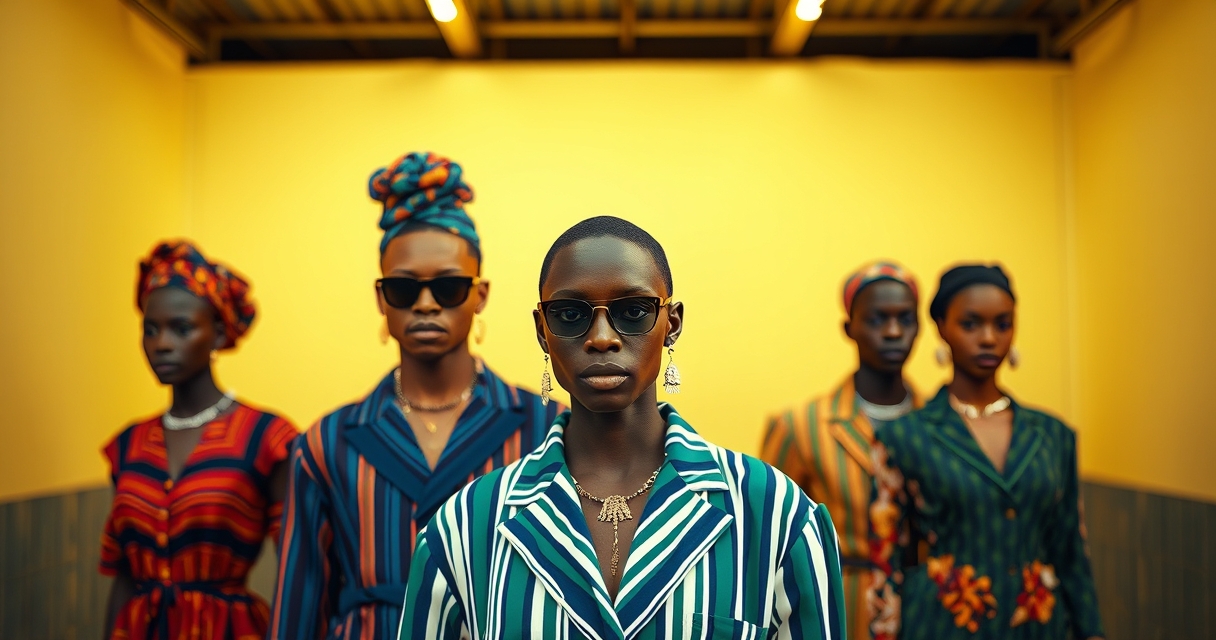
British fashion has long absorbed distant influences, yet the imprint of African heritage has become unmistakable in recent seasons. From the vivid stripes of West African Ankara to the intricate beadwork of the Sahel, designers are moving beyond token references toward genuine cultural dialogue. This shift reflects a growing awareness of the continent’s rich craft traditions and a desire to embed them within the UK’s contemporary style narrative. As the industry grapples with questions of representation and sustainability, African‑inspired techniques offer fresh pathways for creative expression and ethical sourcing. The following sections explore how this dynamic exchange reshapes British design, production, and market perception.
Historical bridges between Africa and Britain
During the mid‑twentieth century, colonial trade routes carried African textiles into the British capital, where they were displayed in department stores and exhibition halls. The arrival of garments made from hand‑woven kente and indigo‑dyed fabrics sparked curiosity among avant‑garde circles, and artists such as Lois Mailou Jones began to reinterpret African motifs in their work. These early encounters laid a visual foundation that later designers could draw upon, even as the political context shifted from empire to diaspora. The 1950s also saw African fashion reflecting both indigenous culture and colonial influence, creating hybrid styles that resonated with a British audience eager for novelty. This historical backdrop informs today’s collaborations, providing a lineage that designers can acknowledge or re‑imagine.
Post‑war migration amplified the cultural dialogue, as waves of African and Caribbean peoples settled in cities like London and Birmingham. Their presence introduced authentic dress practices to neighbourhoods and markets, where British tailors observed the durability of mud cloth and the rhythmic geometry of batik. Over time, these observations translated into runway inspiration, with designers citing street‑level exposure as a catalyst for their collections. The legacy of these migrations is evident in the way contemporary British fashion houses now credit community workshops and grassroots movements as sources of creative fuel. By tracing this trajectory, one can see that African influence is not a fleeting trend but a sustained thread woven into the fabric of UK style.
Traditional textiles as a design language
Among the most potent symbols of African heritage are the textiles themselves, each carrying a distinct story of geography, ritual, and craftsmanship. Kente cloth from Ghana, for example, is woven on narrow strip looms using silk and cotton, with colour combinations denoting lineage and status. British designers such as Grace Wales Bonner have incorporated kente strips into structured tailoring, allowing the fabric’s cultural syntax to converse with Western silhouettes. Similarly, the bold, repetitive patterns of Nigerian Ankara have found a home in the streetwear sector, where brands blend the print’s vibrancy with utilitarian cuts to appeal to a younger demographic. These applications demonstrate that African textiles function as a visual language, capable of communicating identity without the need for explicit narration.
Beyond visual appeal, the technical qualities of African fabrics influence garment construction. Mud cloth, known locally as bogolanfini, is created through a labor‑intensive process of natural dyeing and hand‑stamping, resulting in a material that is both breathable and resilient. When UK designers source this cloth for outerwear, they benefit from its weather‑proof attributes while honouring the craft’s ecological ethos. Likewise, the intricate beadwork of the Maasai people provides a tactile embellishment that adds depth to contemporary accessories, turning simple leather straps into statement pieces. By foregrounding these techniques, British fashion not only diversifies its aesthetic palette but also embeds a respect for the materiality of African heritage.
Contemporary collaborations with African artisans
Recent seasons have witnessed a surge of direct partnerships between UK labels and African craft collectives, moving the relationship from inspiration to co‑creation. The London‑based label Christopher Esber, for instance, commissioned Ghanaian weavers to produce hand‑loomed fabrics that were then cut into minimalist silhouettes, allowing the artisans’ expertise to dictate the drape and texture of each piece. Such collaborations often involve transparent supply chains, where designers visit workshops, negotiate fair wages, and ensure that the final product reflects both parties’ creative input. This model mirrors the approach of brands highlighted in the Oprah Daily list of Black‑owned enterprises, which emphasise community empowerment alongside commercial success.
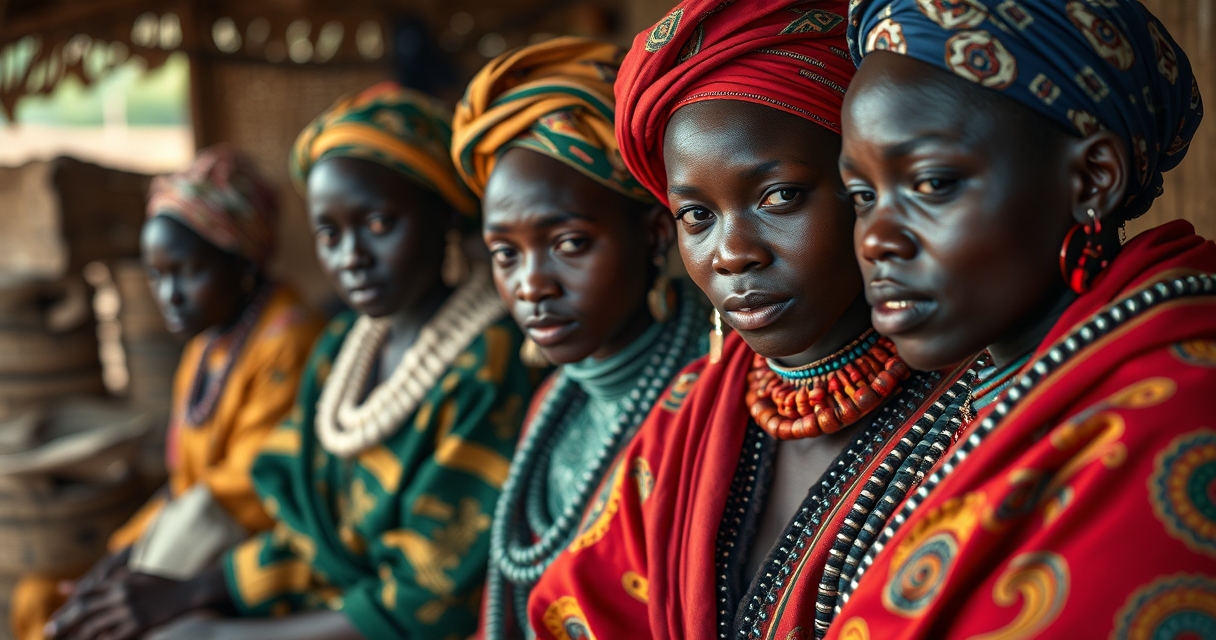
Another noteworthy example is the partnership between Burberry and the Nigerian brand Urobo, which showcased its signature hand‑woven fabrics in a high‑profile runway presentation. The collaboration not only elevated Urobo’s global profile but also introduced a new audience to the nuanced patterns of West African weaving. By integrating these textiles into a heritage British outerwear line, Burberry demonstrated how luxury fashion can serve as a conduit for African craftsmanship to reach wider markets. These joint ventures underline a growing recognition that authentic cultural exchange enriches design narratives while supporting sustainable economic development across the continent.
Influence of African visual arts on British collections
Beyond textiles, African visual arts, painting, sculpture, and graphic motifs, have seeped into the conceptual frameworks of UK designers. The bold brushstrokes and rhythmic compositions of African modernist painters, such as those documented in the Britannica entry on Lois Mailou Jones, inspire colour palettes that depart from the muted tones traditionally associated with British tailoring. Designers reinterpret these palettes through seasonal colour stories, employing deep ochres, vibrant reds, and earthy greens that echo the palettes of West African murals. This chromatic shift signals a departure from conventional British winter greys, offering consumers a more expressive sartorial experience.
Graphic motifs derived from African symbolism also appear on accessories and ready‑to‑wear pieces. The stylised Adinkra symbols of Ghana, each representing concepts like unity or perseverance, have been embroidered onto denim jackets by emerging London designers seeking to embed meaning into everyday wear. Such applications transform garments into carriers of cultural narrative, inviting wearers to engage with the symbolism behind each pattern. By weaving African artistic vocabulary into their collections, British designers broaden the interpretive layers of fashion, turning clothing into a medium for cross‑cultural storytelling.
Sustainability and craft revival through partnership
Seeking eco-friendly materials, UK fashion houses are turning to sustainable African fashion brands that preserve traditional craft techniques. Hand‑loomed fabrics, produced without industrial machinery, consume considerably less energy than mass‑produced textiles, aligning with the carbon‑reduction targets set by many European fashion councils. When designers integrate these low‑impact materials into their lines, they not only lower their ecological footprint but also revive endangered craft techniques that risk disappearing under globalisation. The collaboration between a London studio and a Kenyan bead‑making cooperative, for example, revitalised a fading skill set while providing the studio with a unique aesthetic edge.
Economic sustainability is equally significant, as fair‑trade arrangements ensure that artisans receive a living wage and that communities benefit from increased demand. Brands that adopt transparent pricing models often publicise the direct financial uplift experienced by villages involved in cotton cultivation or dye extraction. This model mirrors the ethos of the Black‑owned brands listed by Oprah Daily, many of which prioritise ethical sourcing as a core value. By embedding these practices into mainstream British fashion, the industry supports a circular economy that respects both the environment and the cultural heritage of its collaborators.
Market response and consumer perception in the UK
British shoppers have displayed an appetite for garments that carry authentic cultural stories, as evidenced by the rising sales of collections featuring African prints in flagship stores across London and Manchester. Consumer surveys indicate that shoppers associate African‑inspired pieces with originality and a sense of ethical responsibility, particularly when brands communicate the provenance of the fabrics. This perception is reinforced by media coverage that celebrates designers who champion African craftsmanship, positioning them as innovators rather than mere trend‑followers. Consequently, retailers are allocating more shelf space to lines that highlight sustainable African collaborations, recognising the commercial viability of such offerings.
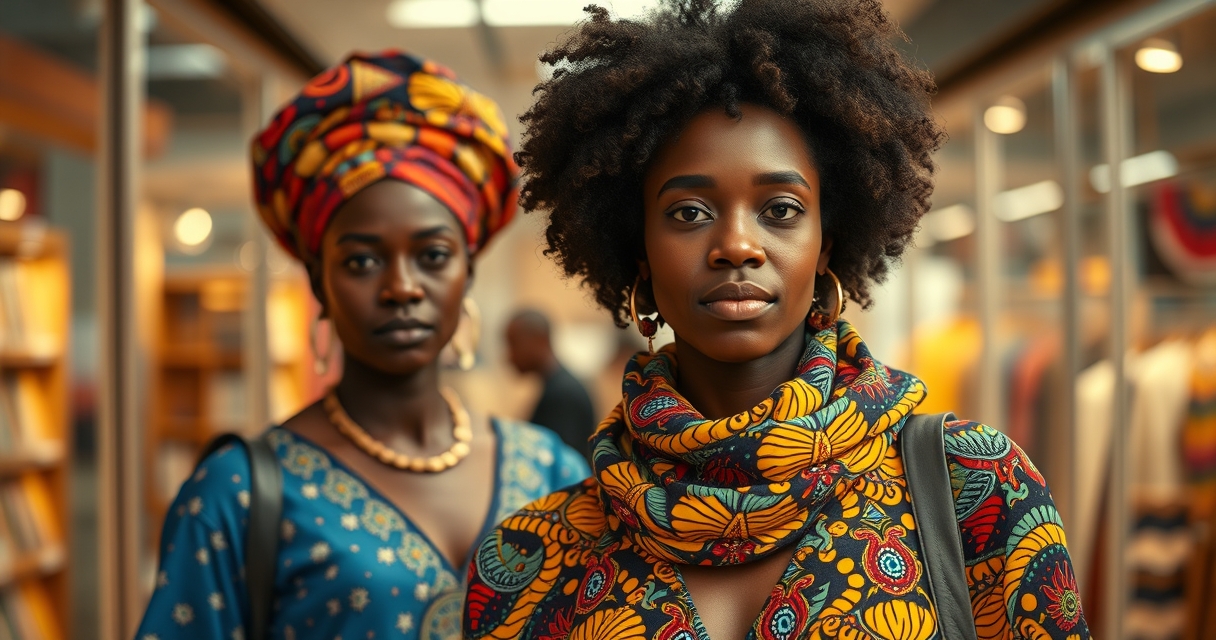
Social media also amplifies the dialogue, with influencers and fashion editors highlighting the craftsmanship behind each piece, often tagging the original artisans. This digital visibility creates a feedback loop where consumers demand greater transparency, prompting brands to disclose supply chain details and to celebrate the names of African makers. The resulting narrative not only boosts brand credibility but also fosters a community of buyers who feel part of a larger cultural exchange. In this environment, the influence of African heritage becomes a selling point that merges aesthetic appeal with socially conscious consumption.
Future trajectories for African British fashion exchange
Looking ahead, the integration of African heritage into UK design is poised to deepen as educational institutions incorporate African textile studies into their curricula. Emerging designers are likely to graduate with a more nuanced understanding of traditional techniques, enabling them to innovate without appropriating. Moreover, digital platforms that connect British buyers with African artisans in real time will streamline collaboration, reducing lead times and fostering creative spontaneity. These developments suggest that the partnership will evolve from occasional runway references to a continuous, mutually beneficial dialogue.
Policy frameworks that support fair trade and protect intellectual property for indigenous patterns will also shape the next chapter of this exchange. By codifying the rights of African creators, the UK fashion sector can ensure that cultural inspiration translates into equitable economic outcomes. As consumer demand for authentic, responsibly sourced fashion grows, designers who embed African heritage into their core identity will likely dominate the market narrative. The ongoing convergence of craftsmanship, sustainability, and cultural storytelling promises a vibrant future where British fashion and African heritage thrive together.

I’m fascinated by the vibrant intersection of contemporary fashion and traditional African craftsmanship. I spend my free time exploring markets, learning about textile techniques, and sharing the stories behind each piece with our readers.