
The Historical Roots of African Fashion
African fashion history is deeply rooted in the continent’s diverse cultural heritage, reflecting the rich traditions and identities of its many communities. From the vibrant textiles to the intricate designs, traditional African clothing has served as a medium to express social status, spiritual beliefs, and cultural pride for centuries.
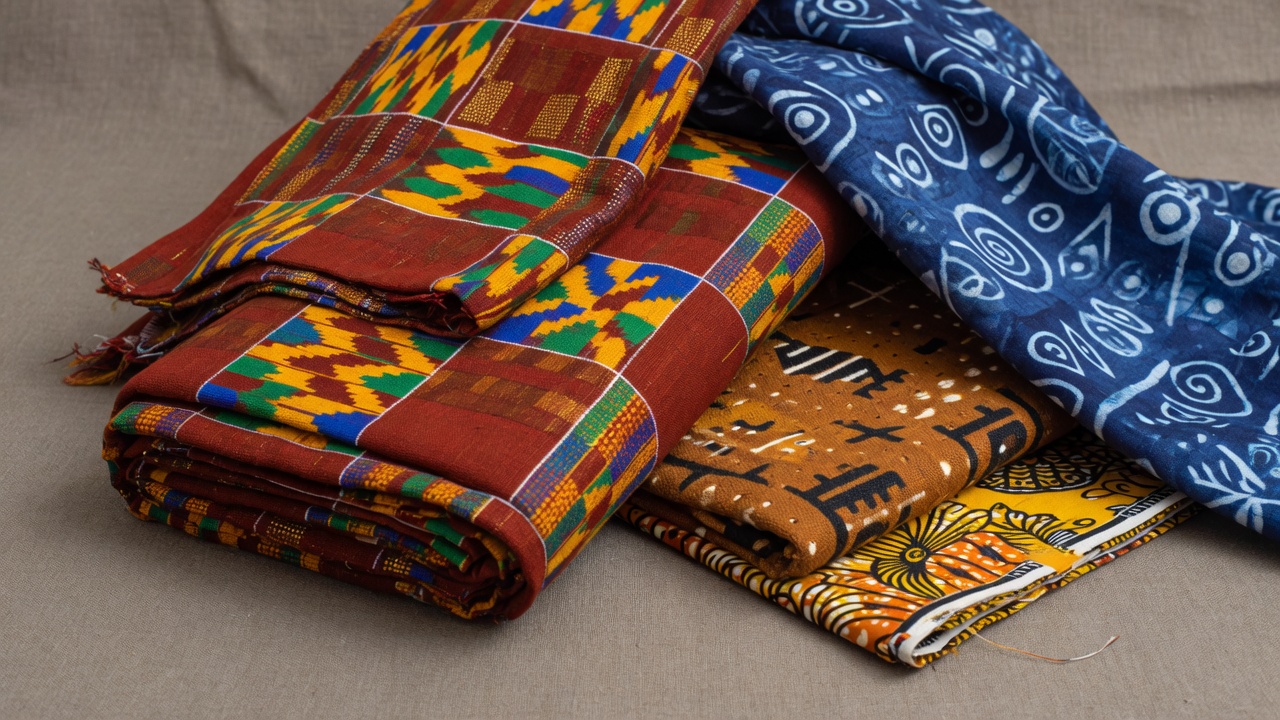
The origins of African fashion can be traced back to ancient civilizations where indigenous fabrics, such as kente from Ghana, mud cloth (bogolanfini) from Mali, and the brightly dyed adire cloth from Nigeria, were crafted using time-honored techniques. These fabrics were not just materials for clothing but carried symbolic meanings and were often associated with royalty, community events, and rites of passage. African fashion history shows that each pattern and color chosen was deliberate, telling stories of ancestry, history, and environment.
Traditional African clothing varied significantly across the continent, shaped by geography, climate, and available resources. In West Africa, for instance, the use of handwoven raffia and silk was prominent, while in East Africa, cotton and animal hides were preferred. The significance of these garments extended beyond mere appearance; they served as an expression of identity, communicating one’s ethnic background and local heritage.
Moreover, traditional African clothing remains a vital part of contemporary cultural heritage, with many communities embracing their ancestral styles in both everyday wear and ceremonial attire. The continuation of these styles into modern fashion highlights the ongoing importance of African fashion history as a way to preserve and celebrate the continent’s unique cultural identities. For many Africans, wearing traditional fabrics and styles is an act of honoring their past and asserting pride in their roots.
In summary, the historical roots of African fashion lie in its intricate patterns, fabric techniques, and the deep cultural meanings they carry. This rich African fashion history continues to influence and inspire communities, serving as a powerful symbol of cultural heritage and identity today.
Traditional Fabrics and Styles
African fashion is deeply rooted in the rich heritage of traditional fabrics and styles, which play a vital role in expressing identity across the continent. One of the most iconic textiles is the kente cloth, originating from the Ashanti people of Ghana. Kente is renowned for its vibrant patterns and colors, each symbolizing different concepts such as royalty, spirituality, and social status. Wearing kente is not just a fashion statement but a display of cultural pride and history.
Another widely celebrated fabric is the ankara print, which is characterized by bold, colorful patterns and versatile designs. Ankara holds a special place in many West African countries and beyond, often used to create everything from everyday wear to formal attire. Its patterns tell stories, reflect traditions, and often carry messages about social events, cultural beliefs, or personal achievements.
The dashiki style, recognizable for its loose-fitting tunic and elaborate embroidery, is another essential element in African fashion. It combines comfort with cultural significance, often worn during ceremonies and celebrations. Together with kente and ankara, dashiki encapsulates a vibrant expression of African identity, showcasing the continent’s creativity and the deep symbolic meanings woven into everyday attire.
Fashion as a Symbol of Heritage
Fashion plays a profound role in expressing cultural identity and heritage among African communities. It serves as a vibrant medium through which individuals and groups communicate their history, beliefs, and values. African fashion is rich with symbolism, incorporating traditional fabrics, patterns, and designs that carry unique meanings passed down through generations.
Each garment often tells a story, reflecting the wearer’s ethnic background and social status, thereby fostering a strong sense of belonging and pride. The use of specific colors, motifs, and adornments is deeply intertwined with African symbolism, representing themes such as spirituality, community, and resilience. Through fashion, cultural identity is not only preserved but also celebrated in everyday life and special ceremonies.
Moreover, African fashion acts as a bridge connecting the past with the present. It empowers communities to sustain their heritage while influencing contemporary global trends. By wearing traditional attire or incorporating elements of it into modern styles, African people reaffirm their cultural roots and assert their unique place in the world. This powerful expression of identity through fashion continues to inspire and unite generations across the continent and beyond.
African Fashion’s Role in Modern Identity
Modern African fashion plays a pivotal role in identity expression, serving as a dynamic bridge between tradition and contemporary culture. African designers today are not only celebrating their heritage but also reinterpreting it to meet the tastes and lifestyles of a diverse, global audience. This fusion allows both individuals and communities to express their unique stories and values through clothing, creating a powerful sense of personal and collective identity that resonates across continents.
Contemporary African fashion is marked by innovative use of traditional fabrics, patterns, and motifs that convey cultural narratives while adapting to modern aesthetics. Designers are consciously integrating indigenous elements with global trends, producing garments that appeal to cosmopolitan consumers without compromising authenticity. This approach elevates African fashion beyond mere clothing into an art form that embodies identity, pride, and resilience. As a result, wearing modern African fashion becomes an intentional declaration of roots, history, and contemporary self-awareness.
At the personal level, individuals use African fashion as a mode of self-expression that communicates their cultural background and values in contemporary settings. Whether through casual wear or high fashion, these garments symbolize a connection to ancestry and a celebration of cultural diversity. This is particularly significant in diasporic communities, where fashion becomes a crucial vehicle for maintaining cultural ties and fostering a sense of belonging. It allows people to honor their heritage while engaging confidently with the globalized world.
Collectively, African fashion shapes identity by reinforcing community bonds and shared histories. Festivals, ceremonies, and everyday social interactions are underscored by fashion choices that reflect collective memory and social status. Moreover, the global influence of African designers has transformed perceptions of African culture, challenging stereotypes and showcasing the continent’s creativity and sophistication. Fashion weeks in major cities, collaborations with international brands, and digital platforms have amplified the reach and impact of African fashion, positioning it as a vital contributor to global cultural dialogue.
In summary, modern African fashion is much more than style—it is a vibrant, living expression of identity that connects the past with the present. African designers continue to push boundaries while honoring tradition, enabling individuals and communities to articulate who they are in an increasingly interconnected world. This ongoing evolution not only strengthens personal and collective identity but also asserts Africa’s rightful place on the global stage of fashion and culture.
Influence of African Designers Worldwide
African fashion designers have become pivotal figures in the global fashion industry, using their creativity to shape trends while boldly expressing cultural identity. Designers such as Nigeria’s Duro Olowu, South Africa’s Laduma Ngxokolo, and Kenya’s Adele Dejak have garnered international acclaim, showcasing the rich heritage and craftsmanship of African fashion on runways from Paris to New York.
Their work goes beyond aesthetic appeal; it acts as a powerful medium for storytelling and cultural pride. By incorporating traditional patterns, textiles, and techniques with contemporary designs, these African fashion designers challenge global industry norms and bring diverse narratives to a world stage. Their influence not only expands the scope of the global fashion industry but also encourages a deeper appreciation of African identities.
This growing presence of African talent affirms that fashion is a dynamic form of identity expression. It allows these designers to celebrate their roots while inspiring new generations worldwide to embrace their heritage proudly. In doing so, they contribute significantly to the evolving conversation about culture, identity, and creativity in the fashion world.
Fashion as a Medium for Social and Political Statements
African fashion has long served as a powerful platform for fashion activism, allowing individuals and communities to express their social identity and political beliefs through style. The rich symbolism embedded in fabrics, patterns, and designs goes beyond aesthetics—it conveys messages about heritage, resistance, and unity. Designers and wearers alike use fashion as a form of political expression, addressing issues such as inequality, colonial history, and empowerment.
By integrating traditional elements with contemporary influences, African fashion creates a visual narrative that challenges stereotypes and reclaims cultural pride. This fashion activism fosters a sense of belonging and collective awareness, reinforcing community solidarity. Whether through bold prints that celebrate African roots or clothing that commemorates social movements, fashion becomes a language through which personal and collective identities are asserted and understood.
Moreover, African fashion’s role in social and political discourse highlights the dynamic relationship between clothing and identity. It is not merely about style but also about making statements that resonate on a deeper level, influencing perceptions and inspiring change. As such, fashion activism in Africa is a testament to how dress can serve as a meaningful expression of social identity and political ideals, bridging the past and present while forging pathways for future dialogue.
The Cultural Significance of African Fashion Today
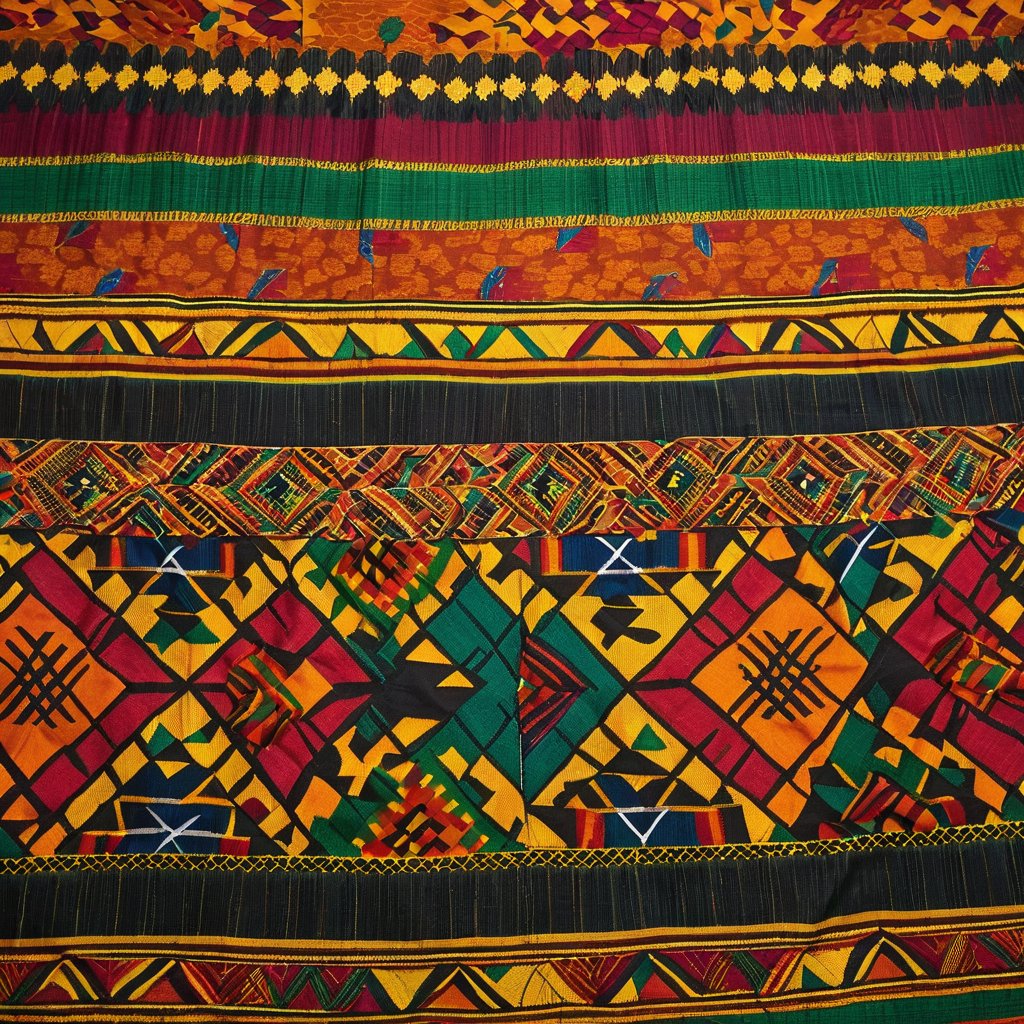
African fashion holds profound cultural significance as a vibrant expression of identity and heritage. It is much more than just clothing; it serves as a living archive of African history, traditions, and artistic expression that connects people to their roots and community. Across generations, African fashion plays a crucial role in preserving and celebrating diverse cultures, weaving a narrative that honors ancestral legacy while embracing contemporary creativity.
The textiles, patterns, and designs found in African fashion are rich with symbolism and cultural meaning, often representing stories, values, and social status within communities. Wearing these traditional fabrics allows individuals to showcase their African heritage with pride, affirming their connection to a collective identity that transcends time and geography. This continual practice ensures that cultural knowledge is passed down, fostering a sense of belonging and continuity.
Moreover, African fashion acts as a powerful medium for self-expression, enabling people to communicate their unique identities while paying homage to cultural roots. From the vibrant kente cloth of West Africa to the intricate beadwork of the Maasai, each piece of fashion tells a story of cultural resilience, innovation, and identity through fashion. This ongoing homage to tradition within modern designs reinforces an appreciation of cultural heritage in the global fashion landscape.
As identity through fashion becomes increasingly significant in a globalized world, African designers and wearers alike celebrate their roots by innovating within traditional frameworks. This dynamic blend of old and new keeps African fashion relevant and central to cultural conversations, making it a beacon of pride and identity. By embracing their cultural heritage through fashion, African communities not only preserve history but also inspire future generations to honor and celebrate their unique identities.
In essence, African fashion is a living, evolving testament to the richness and diversity of African cultures. Its cultural significance lies in its ability to unite generations, foster a shared sense of pride, and keep the stories of African heritage alive. Through the preservation and celebration of identity across generations, African fashion continues to be a vital force in expressing the heart and soul of a continent and its people.
Fashion Festivals and Cultural Events
African fashion festivals and cultural celebrations play a pivotal role in showcasing the continent’s rich heritage and vibrant creativity. These events are more than just displays of clothing; they are vivid expressions of community identity, pride, and traditions passed down through generations. Festivals such as Lagos Fashion Week in Nigeria and Dakar Fashion Week in Senegal highlight the innovative designs and craftsmanship rooted in African culture, providing a global stage for emerging and established designers alike.
Events like the Cape Town Fashion Festival in South Africa bring together diverse communities to celebrate the continent’s multifaceted fashion scene, merging contemporary trends with traditional motifs. Similarly, the African Fashion International (AFI) platform hosts events that emphasize sustainable fashion and cultural storytelling, using fashion as a medium to nurture cultural pride and economic growth.
These festivals foster community identity by promoting local artisans and textile heritage, such as the use of kente cloth, Ankara prints, and beadwork, which are emblematic of African history and artistic excellence. They create spaces where people connect with their roots, inspire younger generations, and strengthen ties across the diaspora. Ultimately, African fashion festivals and cultural celebrations are essential for preserving and elevating cultural identity on both a local and global scale.
The Role of Fashion in Diaspora Communities
African fashion plays a vital role in how diaspora communities preserve their cultural identity and maintain a strong connection to their roots. By embracing traditional clothing, patterns, and accessories, individuals in the African diaspora assert a visible and proud representation of their heritage. This expression goes beyond aesthetics; it fosters a sense of belonging and continuity amidst new and diverse environments.
In diaspora fashion, we see a rich blend of historical African textiles and modern styles, which not only celebrate tradition but also adapt to contemporary influences. Such fashion choices serve as a cultural bridge, linking generations and geography by keeping ancestral stories and symbols alive. Wearing African-inspired attire during community events, festivals, and everyday life acts as a declaration of identity preservation in a world that often challenges cultural differences.
Moreover, diaspora fashion encourages cultural education and pride among younger generations who may be distanced from their origins by time and place. It provides an accessible pathway to learn about ancestral crafts, symbolism, and values embedded in the fabric and designs. The embrace of African fashion within diaspora communities is ultimately a powerful form of cultural resilience, helping individuals to navigate and shape their identity with confidence and respect for their heritage.

I’m fascinated by the vibrant intersection of contemporary fashion and traditional African craftsmanship. I spend my free time exploring markets, learning about textile techniques, and sharing the stories behind each piece with our readers.