
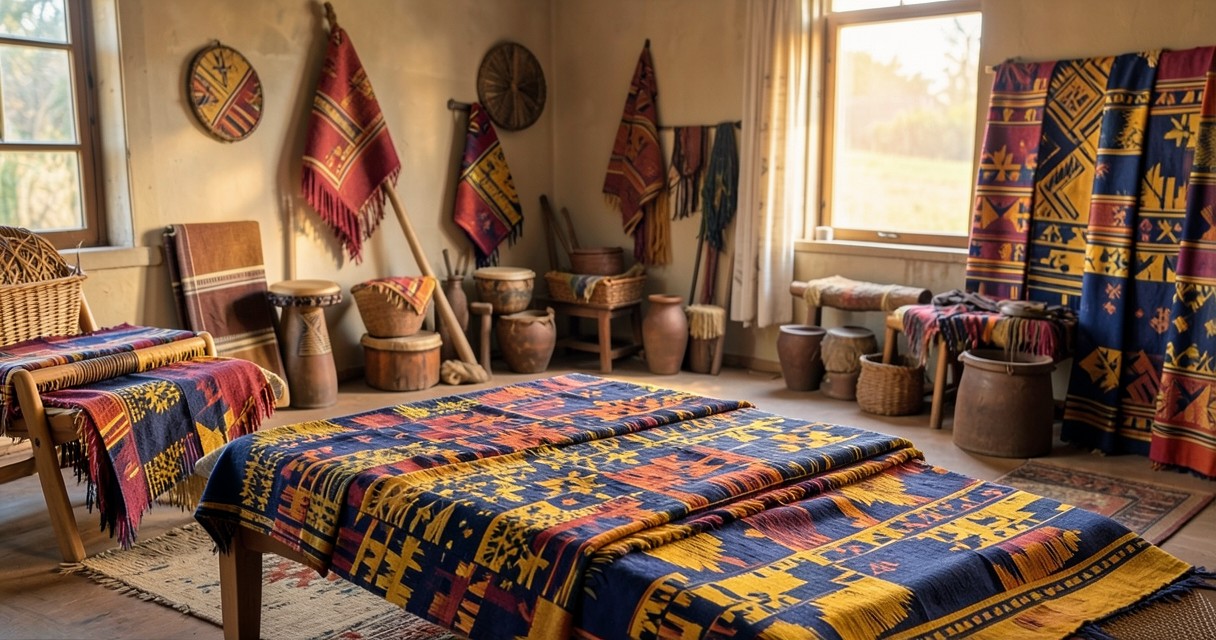
Beyond vibrant prints and bold silhouettes, African textiles in high-end fashion serve as a profound visual language recognized by international brands. It is a discipline rooted deeply in the soil of the continent, drawing from centuries of trade, spirituality, and social structure. When we examine contemporary designs through the lens of heritage, we uncover a complex dialogue between the past and the present. Designers are not merely creating clothes; they are resurrecting ancient techniques and reinterpreting cultural symbols for a modern audience. This approach ensures that every garment carries a narrative, preserving the identity of the people while pushing the boundaries of global style. The result is a sophisticated fusion of ethnography and haute couture that demands respect and intellectual engagement.
The Geographical Indication of Ghanaian Kente
The recent move by the Ghanaian government to protect Kente cloth under geographical indication laws marks a pivotal moment for African intellectual property. Kente is not simply a fabric but a royal textile originating from the Ashanti and Ewe peoples, historically woven with silk and cotton to convey specific proverbs and historical events. By securing this protection, Ghana aims to prevent foreign manufacturers from producing cheap imitations that strip the cloth of its cultural significance. This legal framework acknowledges that true luxury lies in authenticity and the preservation of traditional craftsmanship. It empowers local weavers to maintain their livelihoods and ensures that the economic benefits of this global icon remain within the community where it was birthed.
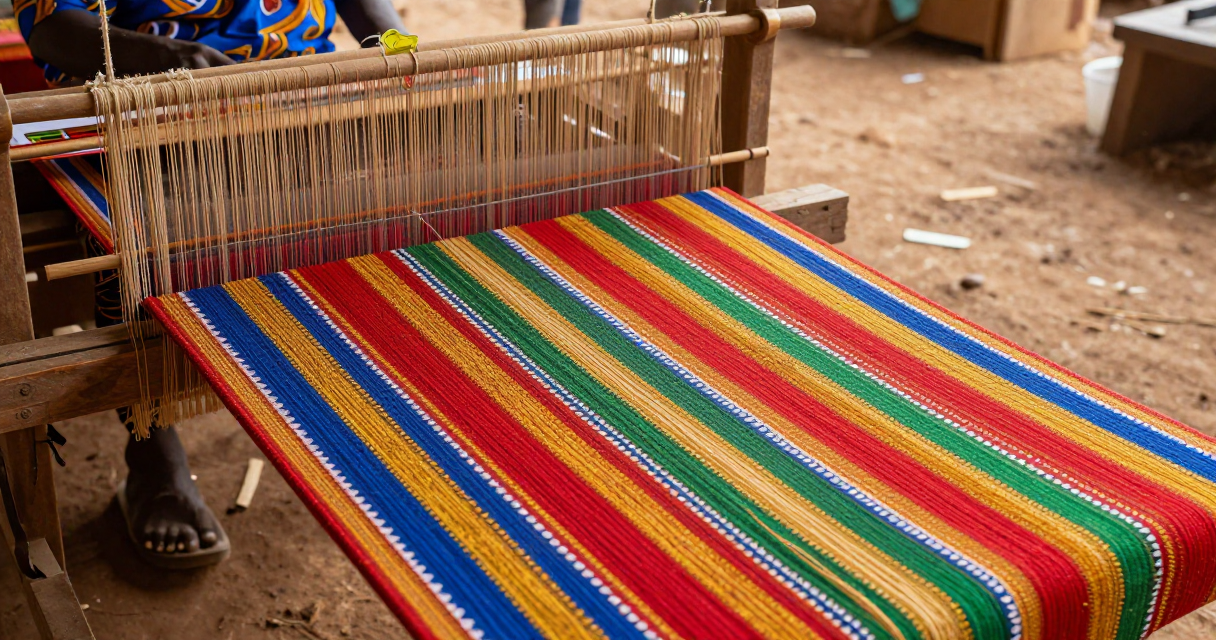
The intricate process of hand-weaving Kente on narrow looms requires immense skill and patience, often taking weeks to produce a single strip of cloth. Each colour and motif within the design holds a specific meaning, ranging from royalty and spirituality to political commentary and social harmony. For the fashion industry, this protection challenges designers to engage with the source material ethically. It encourages collaborations that respect the sanctity of the weave rather than appropriating the aesthetic for mass consumption. As consumers become more conscious of the origins of their wardrobe, the protected status of Kente adds a layer of value and prestige that machine-made alternatives simply cannot replicate.
Asotiayé’s Blood & Sand Collection
Asotiayé’s recent Blood & Sand collection serves as a striking example of how designers draw visceral inspiration from the African landscape to create contemporary art. The collection evokes the stark contrasts of the Sahara, the deep reds of laterite soil, and the shifting sands of the Sahel. By utilising a palette dominated by ochre, terracotta, and deep crimson, the designer pays homage to the earth that has nurtured civilisations for millennia. The garments in this line are not merely decorative but structural, featuring sharp tailoring and voluminous draping that mimic the geological formations of the continent. This approach demonstrates that heritage inspiration does not have to rely solely on traditional prints but can also stem from the natural environment itself.
Beyond the colour palette, the Blood & Sand collection incorporates textures reminiscent of traditional armours and tribal regalia, reimagined for the modern urban warrior. Designers are increasingly turning to African traditional textiles like heavy cottons and rigid linens to create garments with a sculptural, structured aesthetic. This collection challenges the stereotype that African fashion is exclusively about bright, festive patterns, showing instead a capability for sombre, dramatic elegance. It highlights the diversity of the continent’s geography, proving that the term African heritage encompasses a vast array of climates, terrains, and histories. Asotiayé’s work highlights how African textile regions contribute to the enduring and rugged soul of the continent’s fashion identity.
Lukhanyo Mdingi and the Synthesis of Luxury
South African designer Lukhanyo Mdingi has established himself as a master of blending heritage with the polished aesthetic of international luxury. His work often features muted tones and meticulous knitwear, drawing on the Xhosa traditions of his upbringing while appealing to a sophisticated global clientele. Mdingi understands that for heritage to survive in the fashion world, it must be desirable not just for its cultural backstory but for its quality and design. He frequently collaborates with local artisans, such as mohair farmers in the Eastern Cape, to elevate indigenous materials to the highest standards of high fashion. This synthesis allows him to create pieces that are timeless, transcending the seasonal trends that often plague the industry.


I’m fascinated by the vibrant intersection of contemporary fashion and traditional African craftsmanship. I spend my free time exploring markets, learning about textile techniques, and sharing the stories behind each piece with our readers.