
Understanding the Cultural Significance of African Handmade Goods
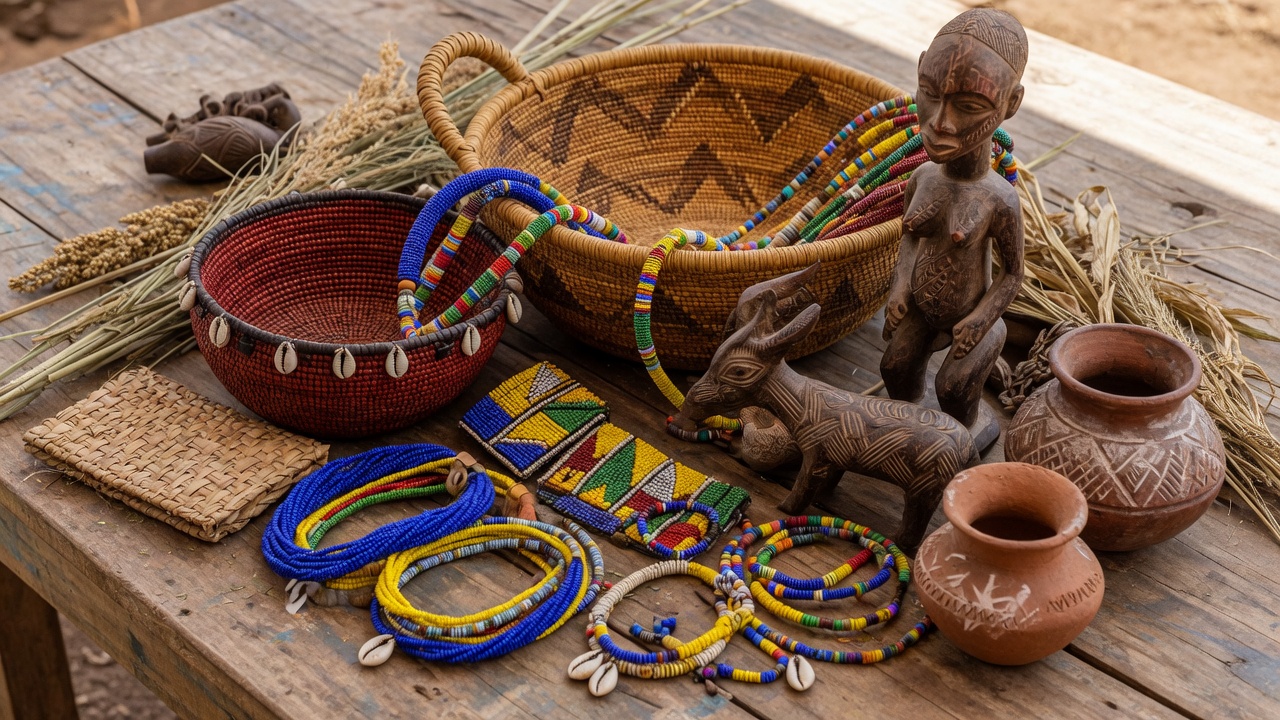
The art of carving in African craft culture and other traditional crafts are much more than mere objects; they are vibrant expressions of cultural heritage and identity. Handmade goods from various African communities embody centuries of tradition, passed down through generations of traditional artisans who have perfected their skills over time. These artisans employ age-old techniques that often involve intricate hand weaving, carving, beadwork, and dyeing, each method deeply rooted in the local history and environment.
The cultural significance of African handmade goods stems from their role in everyday life as well as in ceremonial contexts. Items such as woven baskets, pottery, textiles, and jewelry are often imbued with symbolic meanings, reflecting community values, spiritual beliefs, and social status. The colors, patterns, and materials used in these crafts tell stories of heritage and often represent specific cultural symbols that convey messages passed down through oral traditions.
Traditional artisans are custodians of a rich intangible heritage, preserving techniques that connect present generations to their ancestors. For example, the art of Kente cloth weaving in Ghana utilizes specific color schemes and patterns that signify particular proverbs and historical events. Similarly, the beadwork of the Maasai people of Kenya and Tanzania is used to signify age, marital status, and social roles within the community.
Beyond their aesthetic appeal, African handmade goods serve as vessels of identity and pride. By supporting these crafts, individuals help sustain cultural diversity and empower artisans by acknowledging the handmade significance inherent in each piece. These goods are living documents of African history, capturing the essence of traditional lifestyles and the resilience of their peoples through creative expression and skilled craftsmanship.
Ultimately, the preservation and appreciation of African crafts foster an understanding of the continent’s diverse cultures, encouraging a deeper respect for the cultural heritage that handmade goods carry. They narrate stories of community, nature, and spirituality, bridging the past with the present and enriching the global cultural tapestry.
Traditional Craftsmanship and Techniques
The traditional craftsmanship and techniques employed by African artisans are central to the uniqueness and authenticity of their handmade goods. These artisans possess exceptional skills that have been passed down through generations, embodying a rich heritage of artistry and cultural significance. Using age-old handmade methods, they create products that stand out for their detailed workmanship and originality.
Many African handmade goods showcase a deep understanding of natural materials such as wood, leather, beads, and African textile traditions. Artisans use techniques like hand-carving, weaving, dyeing with natural pigments, and intricate beadwork to bring their creations to life. These traditional practices not only highlight their artisan skills but also ensure that each item is a product of distinct cultural narratives and personal creativity.
Furthermore, the dedication to craftsmanship means that every piece is carefully crafted with attention to detail, making every handmade item unique. The techniques used often require patience and precision, reflecting the artisans’ passion for preserving their heritage through their work. This blend of skill and method results in handmade products that are cherished globally for their authenticity and artistic value.
Symbolism and Meaning in Designs
African handmade goods are rich in symbolism, deeply embedded in the design meanings, patterns, colours, and materials used. Each element carries cultural symbolism that communicates stories, beliefs, and values unique to various African communities. Common African patterns often feature geometric shapes, zigzags, triangles, and spirals, each signifying different aspects such as fertility, protection, unity, and eternity. These patterns are not merely decorative but serve as visual languages expressing history and identity.
Colour plays a vital role in African design symbolism. For instance, red often symbolizes vitality, life force, and protection, while black represents spiritual strength and maturity. Yellow and gold are linked to wealth, fertility, and high status, reflecting prosperity and the blessings of the earth. Blue is commonly associated with peace, love, and harmony, and white signifies purity and connection to the spiritual world. The thoughtful use of these colours enhances the cultural narrative conveyed through the handmade goods.
Materials used also hold significant cultural meanings. Natural fibers like raffia, cotton, and animal hides reflect a close relationship with nature and sustainable practices. Beads and metalwork in traditional bead colours can denote social status, spiritual beliefs, or rites of passage. For example, beads might be used in ceremonies and worn as symbols of protection or to mark life milestones. When combined, design meanings, African patterns, colours, and materials create a holistic cultural expression that honors tradition while captivating a global audience.
The Rising Global Demand for African Handmade Products
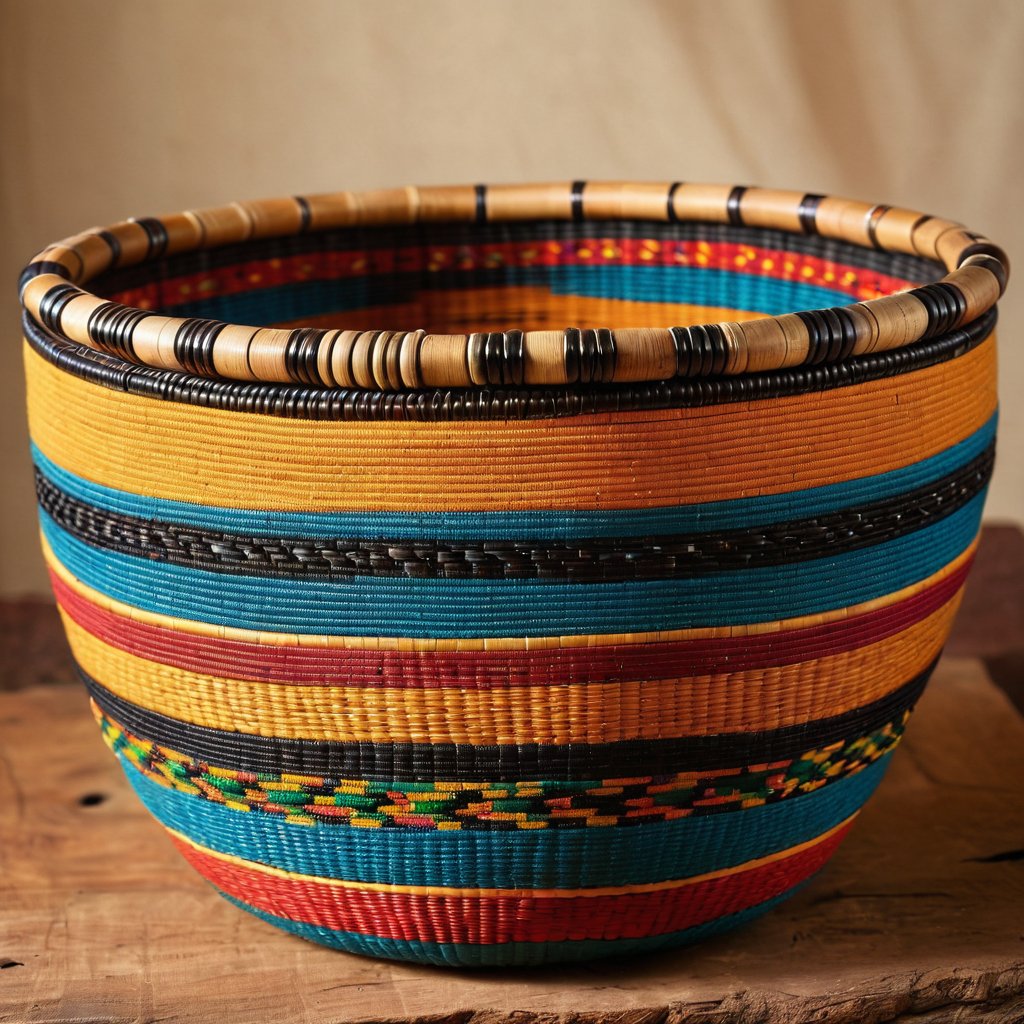
African handmade goods have experienced a remarkable surge in popularity on the international market over recent years. This growing global demand is fueled by a combination of factors that highlight the unique cultural value, craftsmanship, and sustainable practices embodied in these products. As consumers increasingly seek authentic, ethically-made items, African artisan exports have positioned themselves strongly in diverse markets worldwide.
The rise in awareness about sustainable and ethical consumption has greatly benefited African handmade goods. Buyers today are more conscious about the story behind the products they purchase, placing value on items that support artisan livelihoods and preserve traditional craftsmanship. This shift aligns perfectly with the artisanal nature of African handmade products, which often involve skilled techniques passed down through generations, making each piece unique and culturally rich.
Another driver behind the growing global demand is the expansion of digital platforms and e-commerce, enabling artisans and cooperatives across Africa to reach international consumers directly. Online marketplaces and social media have played critical roles in showcasing the beauty, diversity, and functionality of African handmade goods to a broader audience, resulting in increased visibility and sales worldwide.
Key international markets for African artisan exports include the United States, Europe, and parts of Asia, where demand for ethnic and handcrafted products has steadily increased. These markets appreciate distinct aesthetics and the rich cultural heritage embedded within African handmade goods. Major fashion hubs and lifestyle brands have adopted African designs, further driving demand and elevating the status of African products on the global stage.
In conclusion, the global demand for African handmade goods is propelled by a combination of consumer values favoring sustainability and authenticity, the growth of online retail, and the cultural appeal embedded in artisan exports. As African products continue to gain recognition in key international markets, the future looks promising for this vibrant sector, offering economic opportunities for artisans and preserving rich artistic traditions.
Trends Influencing Worldwide Popularity
Global trends shaping the popularity of African handmade goods are increasingly centered around ethical fashion and sustainable products. Consumers today are more conscious of their impact on the environment and society, driving demand for items that reflect responsible production methods. African artisan products, made with traditional techniques, align perfectly with this shift by offering authenticity and sustainability in every piece.
Ethical shopping has gained momentum as buyers seek out goods that support fair wages and working conditions for artisans. This trend boosts the artisan popularity by highlighting the human stories behind each handcrafted item, creating deeper connections between creators and consumers worldwide. The emphasis on fair trade practices ensures that purchasing decisions contribute positively to the communities involved.
Sustainability is another crucial factor influencing global trends. African handmade goods often use natural, locally sourced materials, which reduce environmental impact compared to mass-produced alternatives. This eco-friendly attribute appeals to a growing audience dedicated to reducing waste and preserving cultural heritage. As sustainable products become mainstream, African artisans benefit from increased visibility and market demand.
Ultimately, the unique qualities of African artisan products—rich cultural expression, sustainable craftsmanship, and ethical production—make them highly sought after in global markets. These trends collectively contribute to the expanding worldwide appeal of African handmade goods, establishing them as staples in the modern ethical fashion and sustainable product movement.
Challenges and Opportunities in Export Markets
African artisans face numerous export challenges when attempting to break into global markets. One of the primary obstacles is navigating complex trade barriers that can include tariffs, stringent regulations, and complicated customs procedures. These barriers can increase costs and delay shipments, making it difficult for handmade goods to compete with mass-produced items. Additionally, limited access to reliable market information and insufficient support networks hinder artisans from effectively promoting their unique crafts internationally.
Despite these challenges, significant market opportunities exist for African handmade goods. The global demand for ethically sourced, high-quality, and culturally rich products is growing rapidly, driven by consumers who value authenticity and sustainability. This trend opens new avenues for artisans to expand their presence internationally by tapping into niche markets like fair trade platforms, boutique retailers, and online marketplaces tailored to handmade crafts.
Support mechanisms aimed at overcoming export challenges are crucial for enabling African artisans to thrive globally. Initiatives that provide training on international trade standards, facilitate access to finance, and foster connections between artisans and global buyers can enhance their competitiveness. By addressing these gaps, stakeholders can ensure artisans benefit fully from international market opportunities, preserving traditional crafts and boosting economic development across the continent.
Supporting African Artisans Through Ethical Consumerism
In today’s global marketplace, supporting African artisans through ethical consumerism is an impactful way to promote sustainable development and preserve cultural heritage. By choosing handmade goods that are sourced through fair trade, consumers can directly contribute to the well-being of artisan communities while encouraging sustainable shopping practices that respect both people and the planet.
Ethical consumerism begins with awareness. Consumers can educate themselves on the origins of the products they purchase, seeking brands and sellers who prioritize transparency and fair trade certifications. Fair trade ensures that artisans receive a fair wage for their craftsmanship, helping to improve their living conditions and empower local economies. This system also discourages exploitative labor practices, making it a responsible choice for conscious shoppers.
Another effective way to support artisans is by purchasing directly from them or through cooperatives and ethical platforms that reinvest profits into local communities. This eliminates unnecessary intermediaries, ensuring that a larger portion of the sales proceeds goes directly to those who create the goods. Direct artisan support fosters meaningful connections between consumers and makers, enhancing the appreciation of traditional skills and cultural stories behind each item.
Sustainable shopping involves more than just the financial aspect—it also means choosing products made with eco-friendly materials and traditional techniques that minimize environmental impact. Many African artisans utilize natural dyes, recycled materials, and age-old methods that limit waste and preserve biodiversity. By valuing and investing in these sustainable practices, consumers help maintain environmentally responsible production cycles.
Ultimately, ethical consumerism is a powerful way to make a positive difference while enjoying unique, beautiful handcrafted goods that tell a story. It encourages respect for cultural diversity, supports fair trade, and promotes sustainable shopping habits that benefit artisans and the environment alike. When consumers choose to support African handmade goods ethically, they contribute to a fairer, more sustainable global economy.
Benefits of Buying Handmade and Fair Trade
Choosing handmade and fair trade products brings significant fair trade benefits to African communities by ensuring artisans receive fair wages for their craftsmanship. This direct economic empowerment supports artisans in sustaining their livelihoods and reduces dependency on exploitative middlemen. The genuine value placed on handmade goods allows artisans to preserve their traditional skills, which not only promotes cultural heritage but also nurtures talent development within these communities.
The impact of prioritizing fair trade and handmade purchases extends beyond individual artisans to entire communities. Artisan empowerment fosters local economic growth, which can lead to improved infrastructure, education, and healthcare services. When consumers invest in these products, they contribute to job creation and economic stability, reducing poverty and enhancing social welfare. This community impact is crucial in areas where employment opportunities are limited and sustainable alternatives are needed.
Moreover, handmade advantages include environmentally friendly production methods that traditional artisans often use, promoting sustainability and responsible consumption. Supporting handmade craftsmanship encourages ethical business practices and helps to create a global market that values human dignity over mass production. Ultimately, buying handmade and fair trade is a way for consumers to make a positive social and economic difference in African artisan communities.
How to Identify Authentic African Handmade Goods
Recognising authenticity in African handmade goods is essential for appreciating and preserving the rich cultural heritage they represent. One of the first steps in product identification is to look for artisan certification. Many genuine African crafts come with certificates that verify the maker’s identity and the origin of the product. These certifications reassure buyers about the authenticity and ethical sourcing of the goods.
Examining craftsmanship signs is equally important. Authentic handmade items often display subtle irregularities that indicate the human touch—such as slight variations in weaving, carving, or dyeing. These imperfections highlight the uniqueness and skill of the artisan, unlike machine-made replicas which tend to be uniformly perfect and lacking in character.
Another key aspect is to buy from trusted sellers who specialize in African handmade goods. Reputable sellers can provide background information on the artisans and the cultural significance of their work. They also tend to have transparent sourcing policies and can guide buyers on how to distinguish genuine items from imitations.
By combining knowledge of artisan certification, close attention to craftsmanship details, and choosing reliable sellers, buyers can confidently ensure they are purchasing genuine African crafts. This not only supports authentic artisans but also helps keep traditional techniques and stories alive.

I’m fascinated by the vibrant intersection of contemporary fashion and traditional African craftsmanship. I spend my free time exploring markets, learning about textile techniques, and sharing the stories behind each piece with our readers.