
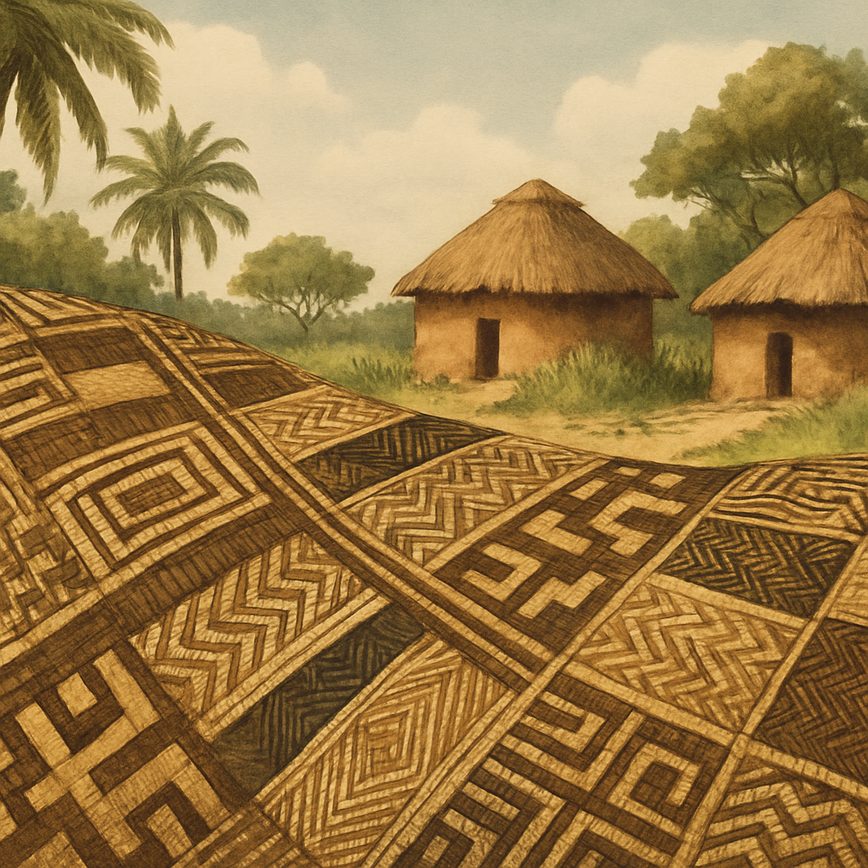
History and Cultural Significance of Raffia Weaving in Africa
Raffia weaving has a rich history deeply embedded in African culture, tracing its origins back to ancient times when communities first discovered the versatile raffia palm. Historically, the fibers derived from the raffia palm were utilized not only for their strength and flexibility but also for their symbolic significance. Different African societies developed unique weaving techniques that reflected their environment, traditions, and cultural narratives. This craft has been passed down through generations, preserving the connection between nature and artistry.
As traditional crafts, raffia weaving evolved alongside the communities that embraced it, becoming an integral part of their daily lives and rituals. From creating practical items such as mats, baskets, and textiles, to ceremonial garments and decorative art, the craft signified social status, identity, and spiritual beliefs across various African cultures. The use of specific patterns and colors often represented lineage or cultural stories, making each woven piece a unique artifact of African heritage.
The process of raffia weaving itself is a significant cultural event, as it often involves collective effort, community bonding, and the transmission of skills and knowledge. Women predominantly lead this craft, playing an essential role in maintaining the tradition and fostering a sense of cultural pride. The continuation of raffia weaving today not only reflects the resilience of traditional crafts but also highlights their enduring importance in contemporary African cultural expression.
In summary, raffia weaving is much more than a utilitarian practice; it is a vital link to Africa’s historical and cultural identity. Its evolution over centuries illustrates the intricate relationship between African communities and their natural resources, while its artistic and social dimensions underscore its place as a cherished component of African culture. The history and cultural significance of raffia weaving continue to inspire appreciation for traditional crafts and their role in sustaining cultural heritage.
Origins and Traditional Uses
Raffia weaving has deep roots in African heritage, tracing back to ancient times when artisans first discovered the unique properties of raffia palm fibers. These fibers, harvested from the Raffia palm trees prevalent in tropical Africa, quickly became essential for creating durable and flexible materials. The origins of raffia weaving are closely tied to the need for practical items, such as mats, ropes, baskets, and clothing, which served vital roles in daily African life.
The traditional uses of raffia extended beyond mere functionality. Crafting raffia items was often an integral part of community life, with weaving techniques passed down through generations. Each woven piece held cultural significance and was sometimes reserved for specific social or ritual contexts. For instance, elaborately woven raffia garments and accessories were worn during ceremonies, rites of passage, and celebrations, symbolizing status, identity, and heritage within various African societies.
Raffia weaving also played a spiritual role in many African cultures. It was common to integrate raffia textiles into rituals, where they served as protective coverings, sacred wrappers, or symbolic gifts. This blending of practical use and cultural meaning highlights the rich tradition behind raffia origins and its continued importance in maintaining the connection to African heritage across generations.
Symbolism and Cultural Roles
Raffia woven items hold deep symbolism and are integral to various cultural roles across African societies. Typically crafted with intricate patterns and vibrant colors, these items are more than decorative; they embody significant meanings tied to African rituals and traditions. Often, the designs and motifs represent local myths, ancestral heritage, and spiritual beliefs, making each piece a symbolic artifact that communicates stories and values.
In ceremonial contexts, raffia textiles and crafts play pivotal roles. They are commonly worn or displayed during rites of passage, weddings, funerals, and festivals, marking transitions and honoring sacred moments. The presence of raffia weaving in these ceremonies underscores its importance as a medium through which communities express respect, continuity, and identity.
Beyond ceremonies, raffia woven items signify social status and identity within various ethnic groups. The complexity of the weave, choice of colors, and specific patterns can denote the wearer’s rank, clan affiliation, or professional role, allowing individuals to visually communicate their place within the social hierarchy. Thus, raffia weaving serves not only functional or aesthetic purposes but also acts as a vital cultural language, reinforcing communal bonds and individual identity throughout African societies.
Techniques and Materials Used in Traditional Raffia Weaving
Traditional raffia weaving is a remarkable craft that showcases the intricate handcraft methods passed down through generations across Africa. The weaving techniques involved are as diverse as the cultures that practice them, yet they all share a common emphasis on skilled manual labor and attention to detail. Artisans begin by harvesting raffia fibers from the leaves of the raffia palm tree, a material known for its flexibility and durability. These fibers are then carefully processed by drying, bleaching, or sometimes dyeing, using natural substances to achieve an array of earthy colors integral to their design motifs.
The weaving techniques vary from region to region but generally include plaiting, coiling, and twining. Plaiting involves weaving strips of raffia in a crisscross pattern that forms the basic structure of many traditional items, from mats to baskets. Coiling, on the other hand, is a method where raffia strands are spiraled and stitched together, creating strong and durable textures suited for containers or hats. Twining is a more complex technique that intertwines pairs of fibers around warps, allowing for detailed patterns and intricate decorations that highlight the artisan’s skill.
The materials themselves, primarily the raffia fibers, play a crucial role in the final product’s quality. Artisans hand-select the fibers based on their thickness and pliability, ensuring that only the best strands are used. The raw fibers undergo manual splitting and smoothing processes, making them suitable for different weaving requirements. Natural dyes derived from plants, roots, and minerals are used not only to add vibrant colors but also to preserve the raffia, enhancing its longevity and resistance to elements.
Handcraft methods are at the heart of traditional raffia weaving, where each piece is a testament to the artisan’s dedication and cultural heritage. These methods ensure that every woven item is unique, bearing the marks of human touch rather than machine production. By embracing time-honored techniques and natural raffia materials, communities sustain their traditional arts and maintain a vital connection to their ancestral roots, while also producing functional and beautiful works of art.
Harvesting and Preparing Raffia Fibre
The process of harvesting and preparing raffia fibre is a crucial foundation for traditional weaving practices across Africa. This natural fibre is derived from the leaves of the raffia palm, and the quality of the final woven product largely depends on the careful execution of each step in the harvesting process and preparation techniques.
- Harvesting the Raffia Leaves: The first step involves selecting mature raffia palm leaves. Skilled harvesters carefully cut the leaves from the palm, ensuring that they are mature enough to yield strong fibres. Timing is important as harvesting too early or too late can affect the fibre quality.
- Stripping the Fibre: Once harvested, the leaves are stripped to separate the outer fibrous material from the inner parts. This step is done manually to preserve fibre integrity, using knives or peeler tools to extract long strands essential for weaving.
- Cleaning: The raw raffia fibre is then cleaned to remove any dirt, bark fragments, and sap. This can be achieved by washing the fibres in clean water or by brushing and shaking them to loosen unwanted debris. Clean fibres ensure a smooth, uniform weave.
- Drying Techniques: After cleaning, the fibres must be thoroughly dried to prevent mildew and to enhance durability. Traditional methods involve laying the fibres out in the sun on mats or hanging them in ventilated spaces. Proper drying is essential to maintain the fibre’s flexibility and strength.
- Sorting and Bundling: Finally, once dry, the fibres are sorted by thickness and length. This organization helps weavers select the appropriate strands based on their weaving needs. The fibres are then bundled for easy handling during the actual weaving process.
Through these carefully practiced steps, artisans ensure that the raffia fibre is optimally prepared for weaving, maintaining the tradition and quality of raffia textile crafts across Africa.
Weaving Methods and Pattern Creation
Traditional raffia weaving across Africa employs a variety of weaving methods that reflect the rich cultural heritage and craftsmanship of different regions. Common techniques include plain weaving, twill weaving, and intricate supplementary weft patterns. Artisans skillfully manipulate the raffia fibers on looms, often working by hand to create both functional and decorative textiles.
Pattern design in raffia weaving is a deeply symbolic art form. Craftsmen create traditional patterns using techniques such as weaving colored threads into the base fabric or incorporating complex geometric motifs that signify tribal identity, social status, or historical narratives. Patterns are often planned meticulously, combining motifs that can be regional emblems or spiritual symbols.
The significance of design styles varies widely between African regions. For instance, in West Africa, especially among the Yoruba and Edo peoples, bold geometric and symbolic designs dominate, while Central African weavers might emphasize more fluid, natural patterns inspired by the environment. These design styles not only embellish the fabric but also serve as a form of communication and storytelling, preserving cultural heritage through generations.
Contemporary Relevance and Preservation of Raffia Weaving Traditions
In today’s rapidly evolving world, the art of raffia weaving continues to hold significant cultural and practical importance across Africa. Modern raffia use has expanded beyond traditional applications, finding a place in contemporary art, fashion, and interior design. Artisans skillfully blend age-old techniques with innovative approaches, creating vibrant textiles and accessories that appeal both locally and globally. This fusion of tradition and modernity allows raffia weaving to remain relevant, reflecting the dynamic nature of African cultural expression.
Efforts in craft preservation play a crucial role in sustaining raffia weaving traditions that have been passed down through generations. Various cultural organizations, NGOs, and government programs actively support artisans by providing training, resources, and platforms to showcase their work. These initiatives not only safeguard the technical skills involved in raffia weaving but also promote awareness of its cultural heritage. Workshops, exhibitions, and collaborations with contemporary designers serve as vital avenues to keep these traditions alive and appreciated by new audiences.
The cultural heritage embodied in raffia weaving is deeply intertwined with community identity and history. By engaging younger generations through education and involvement in weaving cooperatives, communities foster a sense of pride and continuity. This engagement helps prevent the loss of indigenous knowledge while encouraging innovation within the craft. The preservation of raffia techniques also supports economic sustainability for many rural communities, enabling artisans to secure livelihoods through their craftsmanship.
In the realm of modern African art and fashion, raffia weaving has gained recognition as a distinctive medium. Fashion designers incorporate raffia textiles into stylish garments and accessories, elevating traditional fibers to haute couture status. Similarly, artists utilize raffia’s natural texture and versatility to create sculptures, installations, and mixed-media art, highlighting both its aesthetic and cultural significance. This visibility on international platforms enhances the reputation of raffia weaving and underscores its importance as both an artistic and heritage craft.
Overall, the contemporary relevance of raffia weaving lies in its adaptability and the dedicated efforts to preserve its legacy. Through a combination of modern raffia use, craft preservation initiatives, and the promotion of cultural heritage, raffia weaving continues to thrive. Its enduring presence in modern African art and fashion not only celebrates tradition but also inspires new creative possibilities, ensuring this remarkable craft remains a vibrant part of Africa’s cultural landscape.
Raffia Weaving in Modern African Art and Fashion
Raffia weaving has transcended its traditional roots to become a significant influence in modern African art and fashion. Contemporary African designers and artists are increasingly drawing inspiration from this age-old craft, seamlessly blending it with innovative techniques to create unique and stylish pieces. The intricate patterns and textures of raffia weaving are now prominent in a variety of fashion trends, from avant-garde clothing to chic raffia accessories that celebrate cultural heritage while appealing to global markets.
In the fashion industry, raffia’s natural durability and aesthetic versatility make it a favorite material for accessories such as bags, hats, and footwear. Designers are pushing boundaries by integrating raffia weaving into modern silhouettes, showcasing how traditional crafts can coexist with contemporary styles. This fusion not only highlights the craftsmanship but also promotes sustainable fashion practices, as raffia is an eco-friendly material harvested from palm leaves.
Moreover, in the realm of modern African art, raffia weaving is employed as a medium of expression, with artists creating textural artworks that reflect cultural narratives and identities. The revival and reinterpretation of raffia weaving within both art and fashion underline a broader movement to preserve and celebrate African traditions in a contemporary context, making raffia an enduring symbol of innovation and cultural pride.
Efforts to Preserve Traditional Craftsmanship
Across Africa, various organisations and community projects are actively engaged in craftsmanship preservation, ensuring that the valuable skills of raffia weaving continue to thrive. One significant approach involves supporting artisans through dedicated programmes that offer training and resources to both young and experienced weavers. This not only safeguards traditional techniques but also fosters innovation within the craft.
Cultural initiatives, often led by NGOs and local governments, play a pivotal role in raising awareness about the importance of raffia weaving as an intangible cultural heritage. These initiatives include workshops, exhibitions, and fairs that celebrate the artistry of raffia crafts and provide artisans with platforms to showcase and sell their work. By creating such opportunities, these projects contribute directly to the economic empowerment of weaving communities.
Educational programmes are another crucial element in preserving the knowledge surrounding raffia weaving. Some schools and cultural centres integrate traditional craft lessons into their curricula, teaching students the history and techniques behind this ancient art form. Additionally, mentorship arrangements connect master weavers with apprentices, ensuring the transmission of expertise across generations.
Together, these combined efforts of craftsmanship preservation, cultural initiatives, and artisan support not only protect the legacy of raffia weaving but also encourage its continuation as a vibrant and dynamic expression of African culture.

I’m fascinated by the vibrant intersection of contemporary fashion and traditional African craftsmanship. I spend my free time exploring markets, learning about textile techniques, and sharing the stories behind each piece with our readers.