
Introduction: African Designers Reshaping Nigeria Fashion
African designers are at the forefront of nigeria fashion, sparking a remarkable fashion transformation that blends tradition with modernity. Their innovative work is elevating african style on the world stage, drawing from rich cultural heritage to create pieces that resonate globally while addressing local markets.
The influence of african designers extends beyond aesthetics, driving economic growth in Nigeria’s fashion industry. Recent data shows the sector contributing over £2 billion annually to the economy, with exports rising by 15% in the past year alone. This surge reflects a broader fashion transformation fuelled by creative talent and strategic partnerships.
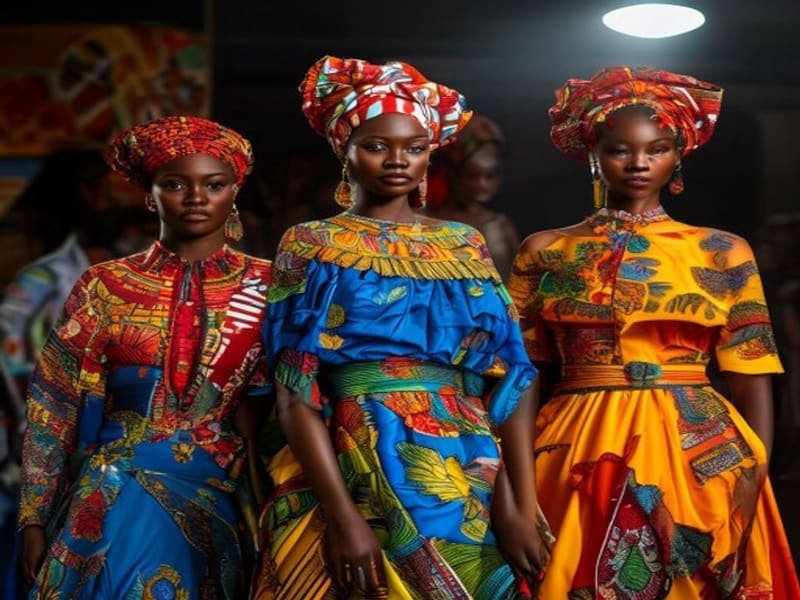
Cultural heritage plays a central role, as designers incorporate vibrant Ankara prints, intricate beadwork and traditional weaving techniques into contemporary garments. These elements not only preserve Nigerian identity but also introduce authentic african style to international audiences at events like London Fashion Week.
Global influence is evident in collaborations with luxury houses and celebrity endorsements. For instance, prominent african designers have dressed stars at major awards ceremonies, showcasing how nigeria fashion merges local craftsmanship with worldwide trends. This has positioned African style as a key player in sustainable and ethical production.
Statistics highlight the impact: youth employment in fashion-related roles has increased by 20%, while online sales of Nigerian-designed apparel grew 30% last year. Such figures underscore the ongoing fashion transformation led by african designers who champion both heritage and innovation.
Ultimately, this movement is redefining nigeria fashion, proving that african style offers a powerful narrative of resilience and creativity with lasting global reach.
Leading Nigerian Designers Making Waves
Nigerian designers continue to redefine global style through innovative takes on heritage textiles and contemporary silhouettes. At the forefront are african fashion icons such as Kenneth Ize, whose signature use of handwoven Aso Oke cloth has elevated traditional Nigerian craftsmanship to international runways while supporting local artisans and reshaping perceptions of African fashion beyond stereotypes.
Lisa Folawiyo blends intricate embroidery with vibrant Ankara prints, creating wearable art that honours Yoruba culture. Her work has been showcased at nigeria fashion week, helping to position Lagos as a creative hub and inspiring emerging talents to fuse heritage with modernity for both local and export markets.
Adebayo Oke-Lawal of Orange Culture champions gender-fluid designs that challenge conventions, drawing from Nigerian street culture and tailoring techniques. His collections promote inclusivity and have transformed international views of African fashion by proving its versatility and relevance in high-end menswear and beyond.
Amaka Osakwe, founder of Maki Oh, is celebrated for bold, feminine silhouettes featuring layered prints and sculptural forms. Having dressed global figures, she highlights sustainable practices rooted in Nigerian communities, further cementing the role of nigerian designers in shifting worldwide appreciation towards authentic African narratives.
Collectively these voices, alongside fresh emerging talents, ensure that African fashion continues to gain momentum through platforms like nigeria fashion week, fostering economic growth and cultural pride at home and abroad.
Innovative Techniques and Cultural Fusion
Nigerian designers are redefining modern african fashion through remarkable cultural fusion fashion that marries age-old traditions with forward-thinking aesthetics. By integrating indigenous Nigerian textiles such as Aso Oke, Adire and Ankara into sleek, contemporary silhouettes, these creatives produce garments that honour heritage while appealing to global audiences. Intricate weaving techniques once reserved for ceremonial attire now appear in tailored blazers and flowing evening gowns, demonstrating how traditional textiles can evolve without losing their essence.
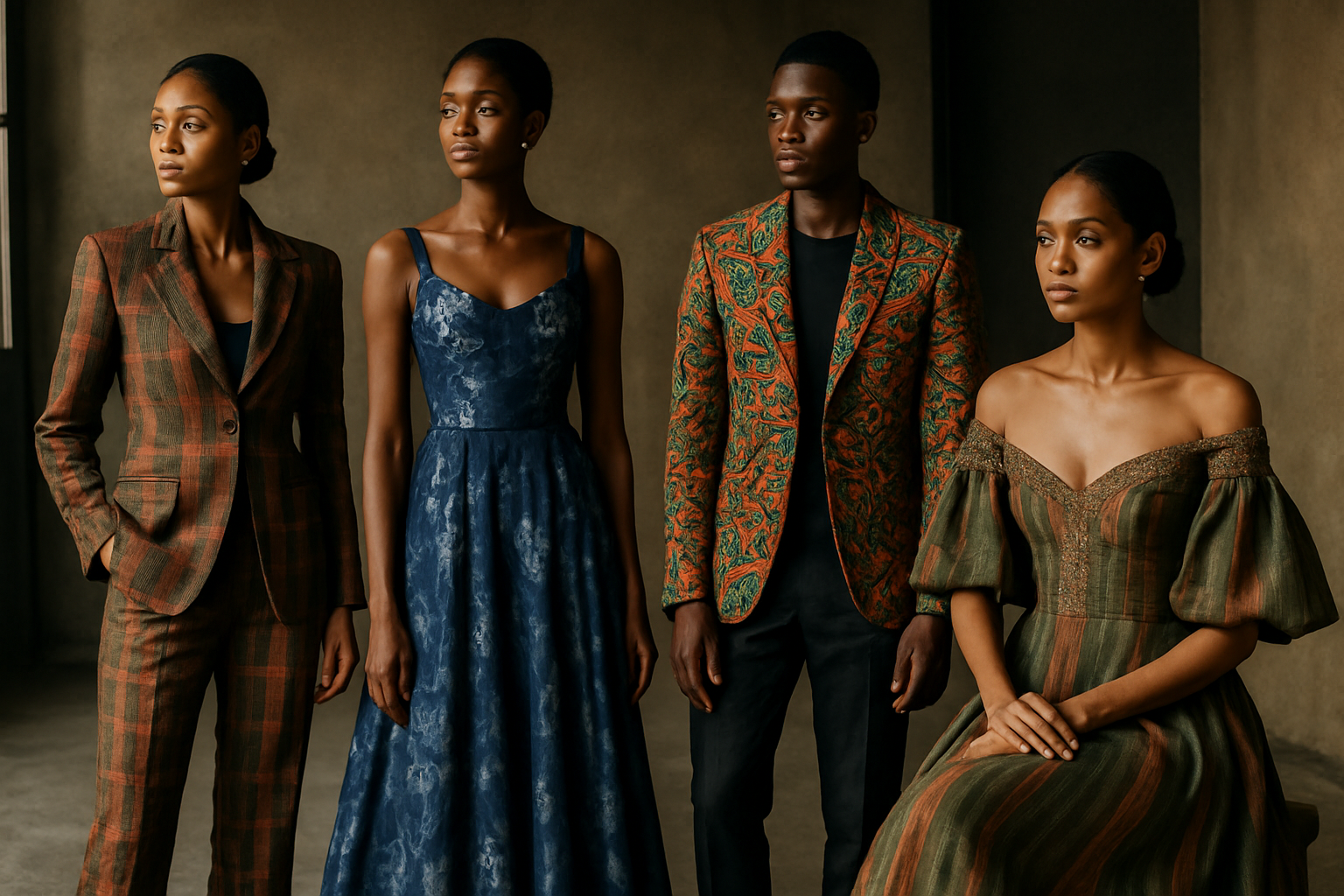
Sustainability lies at the heart of this transformation. Many practitioners champion sustainable african design by sourcing natural fibres, employing plant-based dyes and minimising waste through zero-waste pattern cutting. Upcycling vintage lace and locally woven fabrics reduces environmental impact while preserving craftsmanship skills passed down through generations. This mindful approach ensures that modern african fashion remains both beautiful and responsible, resonating with conscious consumers worldwide.
Unique methods further distinguish the work. Artisans combine hand-embroidery with digital printing, layer traditional tie-dye patterns beneath minimalist tailoring, and experiment with mixed-media embellishments drawn from Yoruba and Igbo symbolism. These innovations foster cultural fusion fashion that feels fresh yet deeply rooted, allowing wearers to express identity in a globalised era. As a result, Nigerian design houses continue to influence international runways and inspire a new generation of creatives committed to ethical, culturally rich production.
Through these deliberate blends of past and present, the industry demonstrates that respecting traditional textiles need not limit creativity. Instead, it fuels distinctive collections that celebrate Nigerian ingenuity while advancing sustainable african design principles. The outcome is a vibrant, evolving narrative of modern african fashion that positions the continent at the forefront of global style innovation.
Global Impact and Economic Growth
African designers are driving substantial economic benefits across Nigeria, with african fashion exports rising sharply as global demand for vibrant prints and innovative tailoring increases. This surge in nigeria economy fashion has created thousands of jobs in design studios, textile production and logistics, empowering local artisans and young entrepreneurs alike. International recognition has elevated global african brands onto runways in London, Paris and New York, where Nigerian labels now command premium prices and attract major retail partnerships.
Market data reveals consistent fashion industry growth, with exports contributing over £250 million annually to Nigeria’s GDP. Success stories such as those of designers shipping collections to high-end boutiques in Europe highlight how creative talent translates into sustainable revenue streams. These achievements foster skills development in pattern-cutting and digital marketing, further strengthening the domestic supply chain and reducing reliance on imported garments.
Job creation extends beyond the catwalk, supporting ancillary industries including fabric weaving, beadwork and sustainable packaging. As global african brands gain visibility through social media campaigns and celebrity endorsements, the ripple effect stimulates tourism and investment in Lagos fashion districts. Continued expansion of african fashion exports promises even greater returns, positioning Nigeria as a pivotal player in the worldwide fashion industry growth narrative.
With strategic government incentives and private-sector collaboration, the sector is forecast to double its workforce within five years. This trajectory underscores the profound international recognition Nigerian designers have secured while delivering measurable uplift to the broader nigeria economy fashion landscape.
Future Outlook for African Fashion in Nigeria
The future of Nigerian fashion looks exceptionally promising, as local designers continue to blend heritage with contemporary creativity. As we approach 2025, african design trends 2025 are expected to emphasise bold prints, sustainable materials and digital innovation that resonate on global runways. This evolution will see greater fusion of traditional Nigerian textiles with modern silhouettes, positioning the country as a key player in international style.
Challenges such as limited access to funding and inconsistent supply chains remain, yet they also present opportunities for collaboration and policy support. Fashion innovation Nigeria is already addressing these through technology-driven production and online platforms that connect artisans directly with buyers worldwide. Such advancements promise to streamline operations and reduce costs, fostering a more resilient industry.
Opportunities for sustainable growth africa are abundant, with increasing consumer demand for ethical practices and eco-friendly fabrics. Nigerian designers are well placed to lead in this area by championing locally sourced materials and circular fashion models. Predictions indicate continued transformation of the fashion landscape, where cultural storytelling meets cutting-edge design to attract foreign investment and tourism.
By 2030, the sector could contribute significantly more to the national economy if infrastructure improves and education programmes expand. Embracing these shifts will ensure Nigerian fashion maintains its momentum, inspiring a new generation of creatives while preserving authentic African identity on the world stage.

I’m fascinated by the vibrant intersection of contemporary fashion and traditional African craftsmanship. I spend my free time exploring markets, learning about textile techniques, and sharing the stories behind each piece with our readers.