Introduction to Nubian Jewellery
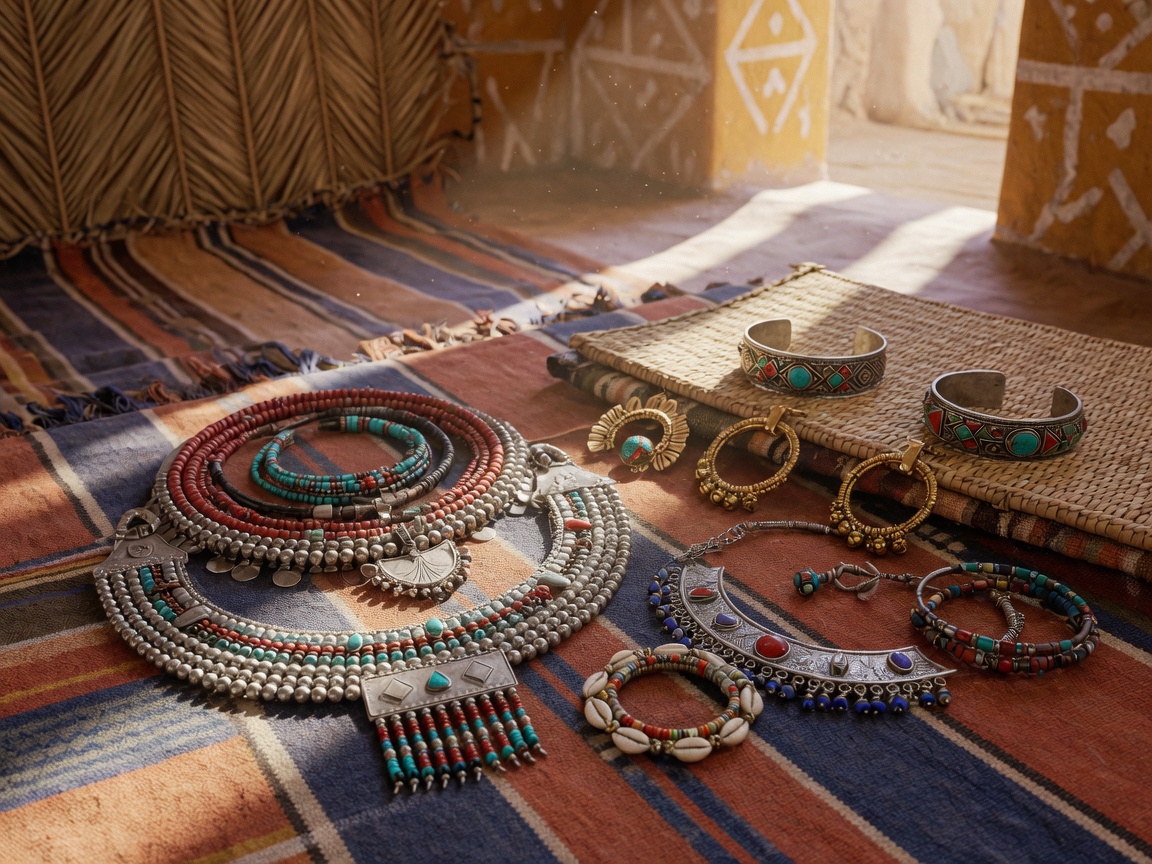
Nubian jewellery stands as a vibrant testament to the rich cultural heritage of Nubian communities, which have thrived along the Nile in southern Egypt and northern Sudan for millennia. Far more than mere decorative items, these traditional adornments serve as powerful symbols of identity, history and social connection. Passed down through generations, Nubian jewellery captures the essence of Nubian artistic expression and craftsmanship, reflecting deep-rooted customs and beliefs.
At its core, Nubian jewellery is intertwined with the daily lives and ceremonies of Nubian people. It encompasses a wide array of items including necklaces, bracelets, earrings, and headpieces, often crafted from silver, beads, stones and occasionally gold. Each piece is meticulously handcrafted, often featuring intricate patterns and motifs inspired by nature, religion and the environment. These traditional adornments do not merely embellish the wearer but also communicate social status, marital status and tribal affiliation within Nubian society.
The cultural heritage embodied in Nubian jewellery is profoundly significant. It serves as a living archive of Nubian history, revealing layers of cultural influences from ancient Egypt to sub-Saharan Africa. Through their jewellery, Nubians have maintained a distinct identity despite centuries of change and external pressures. Wearing such pieces during celebrations, weddings and festivals is an act of cultural pride and continuity.
Moreover, Nubian jewellery has gained wider recognition beyond its communities for its unique aesthetic qualities and craftsmanship. Contemporary artisans often draw inspiration from traditional designs to create modern pieces that honour this heritage while appealing to broader audiences. This ongoing reverence for Nubian jewellery ensures that the traditional adornments remain a vibrant and dynamic part of cultural expression today.
In essence, Nubian jewellery is far more than ornamental; it is a profound cultural statement. Steeped in tradition and crafted with care, these adornments celebrate the enduring legacy of Nubian people and their rich cultural heritage, making them invaluable treasures within the world of ethnic jewellery.
Historical Significance of Nubian Jewellery
The history of Nubian jewellery is a rich tapestry woven through millennia, reflecting the unique cultural heritage and artistic expression of the Nubian people. Originating in the ancient Nile Valley, Nubian jewellery has long been admired for its intricate craftsmanship and deep cultural symbolism, resonating far beyond its geographic roots. From the earliest archaeological findings, it is evident that these adornments were not merely decorative but held significant meaning and status within Nubian society.
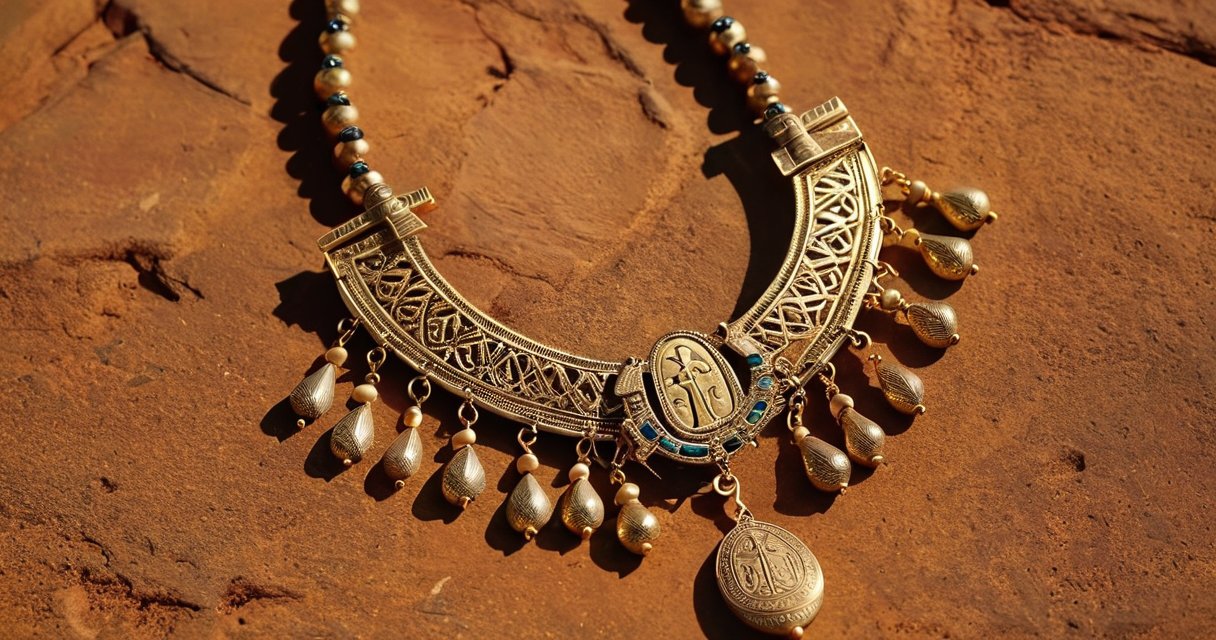
Ancient designs found in Nubian jewellery often incorporate materials such as gold, silver, precious stones, and beads, which were painstakingly crafted into elaborate necklaces, bracelets, earrings, and headpieces. These designs frequently feature motifs inspired by natural elements, deities, and geometric patterns, exemplifying a sophisticated understanding of aesthetics and symbolism. For instance, the use of specific shapes like the ankh or lotus flowers highlights beliefs tied to life, rebirth, and the divine.
Delving into the cultural symbolism of Nubian jewellery unveils a language of identity and spirituality. Many pieces were worn to signify social status, familial ties, and protection against evil spirits. Certain ornaments were believed to possess magical properties, empowering the wearer or invoking the favour of gods in daily life and ceremonial occasions. This enduring symbolism is a testament to the jewellery’s integral role in expressing Nubian values, history, and tradition.
Throughout history, Nubian jewellery has also served as a bridge connecting the Nile’s ancient civilizations. Its designs influenced and were influenced by neighbouring cultures, creating a dynamic exchange that enriched the visual language of the region. Today, these ancient designs continue to inspire contemporary jewelers, preserving the legacy and historical significance of Nubian jewellery as a vital element of cultural heritage.
Materials and Craftsmanship
Nubian jewellery materials are renowned for their vivid colours and striking textures, reflecting the rich cultural heritage of the Nubian people. Artisans primarily work with silver, which serves as the base metal for many pieces due to its durability and lustrous finish. Alongside silver, beads made from glass, semi-precious stones such as carnelian and turquoise, and occasionally gold accents enrich the designs, adding depth and symbolism to each creation.
The craftsmanship techniques employed in making Nubian jewellery are deeply rooted in traditional methods passed down through generations. Skilled artisans use intricate filigree work, a delicate practice that involves twisting fine silver threads to form elaborate patterns. Granulation is another distinctive technique, where tiny silver beads are fused onto the surface to add texture and detail. These methods are combined with beadwork, carefully threading and layering beads to highlight cultural motifs and spiritual meanings.
Traditional methods also include hand-hammering and shaping the metals to produce bold, robust forms that are both beautiful and functional. The attention to detail and techniques such as soldering without modern tools exemplify the remarkable skill inherent in Nubian jewellery making. Each piece is a testament not only to the rich materials used but also to the enduring artistry and cultural significance embedded in every handmade item.
Design Elements and Symbolism
Nubian jewellery design is renowned for its intricate craftsmanship and rich cultural heritage, blending artistry with profound symbolism. Central to these designs are traditional Nubian symbols that carry deep meaning and reflect the values, beliefs, and history of the Nubian people. Each piece of jewellery is not just an ornament but a storytelling medium, embedding ancestral wisdom and spiritual significance in its motifs.
One of the most common design elements in Nubian jewellery is the use of geometric shapes such as triangles, diamonds, and zigzags. These forms are often repeated to create patterns that symbolise protection, fertility, and the cyclical nature of life. For example, the triangle motif frequently represents the connection between the earth, the ancestors, and the heavens, highlighting the spiritual balance in Nubian cosmology.
Nubian symbols also frequently incorporate representations of nature, including the lotus flower and palm tree. The lotus, revered across many African cultures, often signifies rebirth and purity, while the palm tree motif is associated with prosperity and resilience. Such motifs are carefully integrated into jewellery design to convey these positive meanings, offering wearers not only beauty but also a sense of identity and protection.
Another distinguishing feature of Nubian jewellery design is the use of vibrant colours and precious metals such as gold and silver. These materials enhance the symbolism of the motifs by indicating status and wealth, yet they are often combined with symbolic patterns that relate to everyday life and spirituality. For instance, elaborate collar necklaces and bracelets decorated with symbolic motifs serve both decorative and ritualistic purposes within Nubian society.
The meaning and motifs embedded in Nubian jewellery extend beyond mere aesthetics. They function as cultural signifiers, representing family lineage, social status, and spiritual protection. The repeated use of certain symbols helps to preserve the cultural memory and communicating shared values across generations. Understanding these design elements and their symbolism enriches the appreciation of Nubian jewellery not only as an art form but as a vital piece of cultural expression.
In summary, the jewellery design of Nubian artisans is deeply intertwined with symbolic motifs rich in meaning. Through geometric patterns, natural representations, and the choice of materials, each piece offers insights into Nubian identity, belief systems, and artistic sophistication. The intricate symbolism found in Nubian jewellery ensures that these treasured artefacts continue to inspire and connect communities both past and present.
Colours and Gemstones in Nubian Pieces
The vibrancy of colours and the choice of gemstones in Nubian jewellery are essential to understanding the Nubian aesthetic. Traditionally, Nubian artisans have selected colours that hold deep cultural significance, symbolising elements of nature, spirituality, and social status. Rich hues such as lapis lazuli blues, coral reds, and gold yellows frequently appear in their pieces, each reflecting a unique aspect of Nubian identity and heritage.
Gemstones play a pivotal role, not only for their beauty but also for their perceived protective and healing properties. Lapis lazuli, for example, was prized for its striking blue shade and believed to bring wisdom and divine favour. Similarly, carnelian’s warm reds were associated with vitality and courage, making these stones integral in both personal adornment and ceremonial artefacts. These choices in gemstones and colours are a testament to the skilled craftsmanship that characterises Nubian jewellery.
The Nubian aesthetic is also defined by the harmonious blending of these colours and stones, creating pieces that are visually captivating and culturally resonant. The interplay between vibrant gemstones and intricate metalwork lends a distinctive depth to each item, showcasing an artistic tradition deeply rooted in history. As such, the colours and gemstones used are more than decorative elements; they convey stories, beliefs, and values central to Nubian culture.
The Modern Revival of Nubian Jewellery
The legacy of Nubian jewellery, long admired for its intricate craftsmanship and deep cultural significance, is experiencing a dynamic revival in recent years. Modern Nubian jewellery makers are passionate about preserving these ancient traditions while infusing them with contemporary designs that appeal to today’s global fashion audience. This harmonious blend of heritage and innovation showcases not only the artistry of Nubian creators but also their commitment to cultural preservation through wearable art.
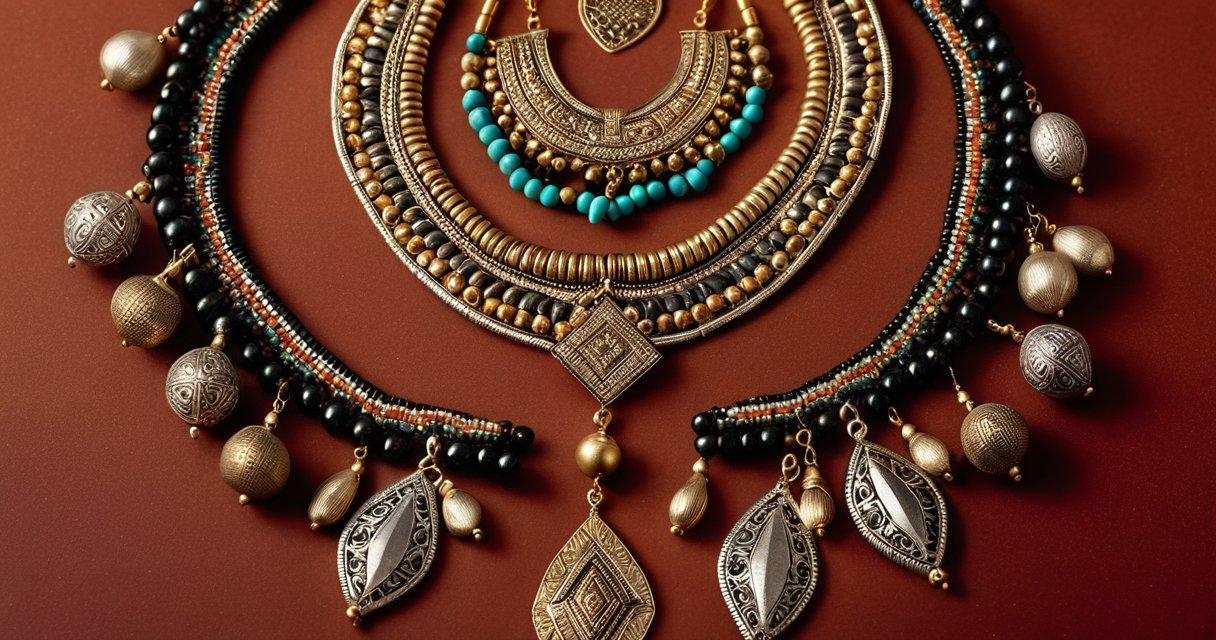
At the heart of this modern revival is the desire to maintain the original symbolic meanings and craftsmanship techniques that have been passed down through generations. Traditional motifs, such as geometric patterns, vibrant colours, and symbolic charms, continue to be central elements in modern Nubian jewellery. However, designers are now experimenting with new materials and minimalist forms, creating pieces that resonate with modern aesthetics while honouring their ancestral roots.
Contemporary Nubian jewellery designers are also exploring sustainable and ethical production methods which align with both cultural values and global environmental concerns. By working closely with local artisans and communities, they ensure that the creation of each piece supports not only the preservation of artistic skills but also local economies, fostering a deeper connection between the jewellery and its cultural origins.
Moreover, the global fashion industry has begun to recognise the unique beauty and narrative power of Nubian jewellery. Collaborations between Nubian artisans and international designers have brought these time-honoured techniques and motifs onto global runways and into high-end boutiques. This exposure encourages a wider appreciation for Nubian culture and aids in the ongoing revival and adaptation of its jewellery traditions.
In essence, modern Nubian jewellery stands as a testament to the resilience and adaptability of a rich cultural heritage. By embracing contemporary designs without abandoning traditional methods, designers contribute to cultural preservation in a way that honours the past while inviting new generations to celebrate and wear these meaningful artefacts. This revival not only revitalises Nubian jewellery but also strengthens cultural identity in an increasingly interconnected world.

I’m fascinated by the vibrant intersection of contemporary fashion and traditional African craftsmanship. I spend my free time exploring markets, learning about textile techniques, and sharing the stories behind each piece with our readers.