
The Rise of African Textiles in High-End Fashion
The growing trend of incorporating traditional African fabrics into collections by top fashion houses signifies a major development in luxury fashion. African textiles are celebrated for their intricate designs and vibrant colours, making them ideal for high-end brands looking to differentiate themselves. This movement has particularly taken hold in the UK market, where consumers are increasingly drawn to pieces that tell a story of origin and craftsmanship.
The historical context reveals that African textiles have always been more than just clothing; they represent cultural heritage and communal values. Generations have used specific patterns to communicate messages, celebrate events, and maintain traditions. High-end brands are now tapping into this legacy to enrich their collections with authentic elements that resonate globally.
Modern adaptations in the UK have seen African textiles modernised through new tailoring techniques and combinations with local materials. This results in garments that are both respectful of their origins and suitable for the demands of contemporary life in Britain. High-end brands are leading this charge by showcasing innovative uses that blend heritage with current trends in luxury fashion.
Such practices not only boost the profile of African textiles but also encourage a deeper understanding of cultural heritage among luxury fashion aficionados. The integration helps preserve traditional skills while adapting them for global markets, with UK-based high-end brands at the forefront of ethical sourcing and design innovation.
As demand grows, African textiles continue to influence creative directions, proving their versatility and ensuring cultural heritage remains central to evolving luxury fashion narratives across the UK and beyond.
Key African Textiles Used by Designer Brands
Ankara fabric stands as one of the most recognisable African prints in contemporary fashion, with its bold, vibrant patterns rooted in West African traditions. Originally inspired by Indonesian batik techniques introduced via Dutch traders in the nineteenth century, it evolved into a symbol of cultural identity across Nigeria and Ghana. British and European haute couture houses have reimagined Ankara fabric through luxurious silk blends and oversized motifs, creating evening gowns and tailored coats that appeal to sophisticated audiences seeking global elegance.
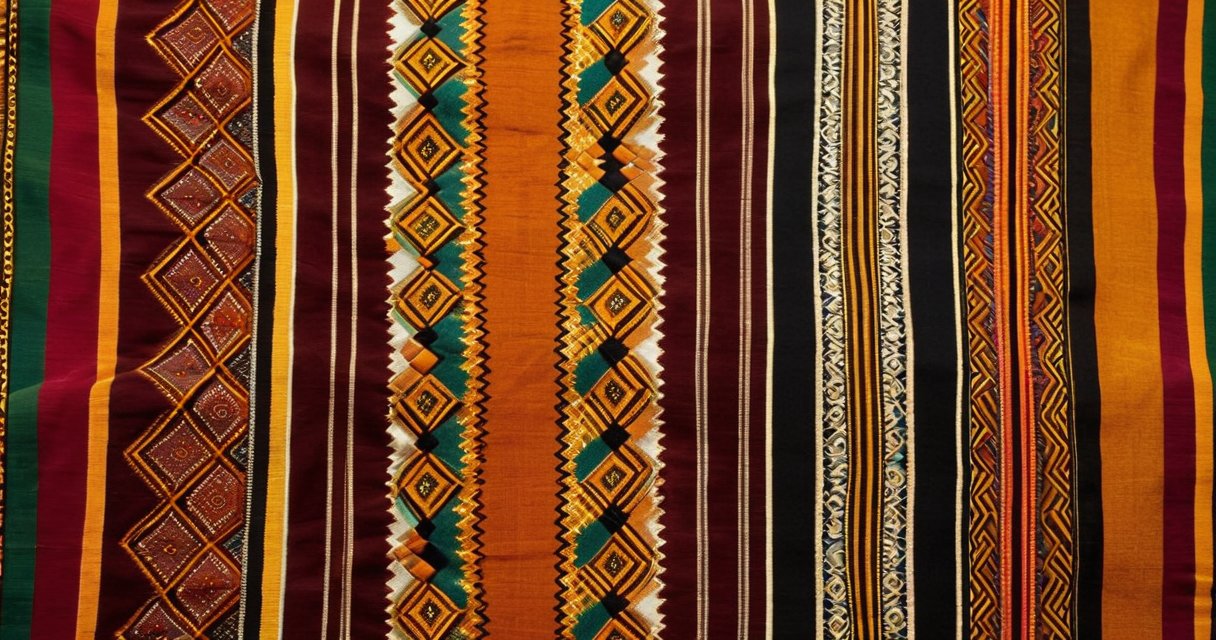
Kente cloth, handwoven in narrow strips from silk and cotton in Ghana, carries deep historical significance tied to Ashanti royalty and ceremonial occasions. Its geometric patterns convey proverbs and social status. In modern haute couture, designers deconstruct Kente cloth into flowing capes and structured jackets, adapting its rich colours for British runway shows and Parisian collections that blend heritage with refined minimalism for European wearers.
Bogolanfini, or mud cloth from Mali, originates from centuries-old techniques using fermented mud and plant dyes to create symbolic motifs on cotton. Traditionally worn by hunters and elders, it represents protection and storytelling. European fashion labels have elevated Bogolanfini by incorporating it into lightweight outerwear and accessories, offering British consumers an authentic yet contemporary take on African craftsmanship that aligns with sustainable luxury trends.
Across these textiles, African prints serve as a bridge between cultural heritage and high fashion. Designers reinterpret Ankara fabric, Kente cloth and Bogolanfini through innovative cuts, embroidery and collaborations that respect origins while captivating British and European audiences. This fusion highlights the growing appreciation for diverse influences in haute couture, fostering garments that celebrate both tradition and modern sophistication.
Leading High-End Brands Embracing African Textiles
High-end fashion houses are forging meaningful fashion collaborations with African artisans to incorporate traditional textiles into their collections. Louis Vuitton has partnered with weavers from Burkina Faso, integrating handwoven fabrics into limited-edition accessories that highlight intricate patterns and vibrant hues. Similarly, Dior has engaged with artisans in Mali, sourcing mud cloth for couture garments that celebrate cultural heritage while elevating contemporary design.
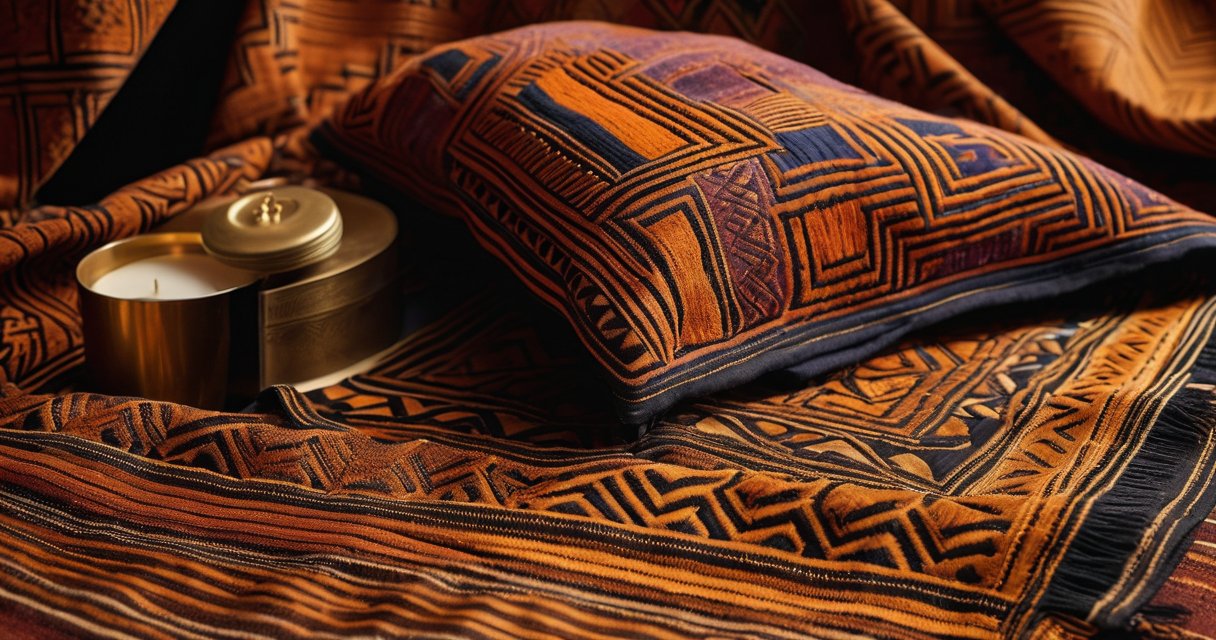
These partnerships deliver clear benefits for both parties. Brands gain access to authentic materials that support ethical sourcing and position them as leaders in sustainable luxury. African artisans receive fair compensation and international exposure, which helps preserve ancestral techniques and stimulates local economies. The arrangements foster mutual respect and long-term skills development.
For the UK market, such initiatives hold strong appeal. British consumers increasingly seek sustainable luxury items that combine exclusivity with responsible production. Collections featuring African textiles resonate with shoppers who value ethical sourcing and cultural storytelling, driving demand in London boutiques and online platforms alike.
Overall, these fashion collaborations strengthen brand narratives around inclusivity and innovation. They also create new revenue streams for African communities while satisfying the discerning tastes of UK audiences who favour transparency and craftsmanship in their luxury purchases.
Sustainability and Ethical Considerations
The integration of African textiles into high-end fashion collections brings forth important discussions around sustainability and ethical considerations. As the industry evolves, brands are increasingly recognising the need to adopt sustainable fashion practices that respect both the environment and the cultural origins of these materials. This involves careful sourcing and production methods that do not deplete natural resources or harm local ecosystems, ensuring long-term viability for both the planet and the craft traditions.
Central to these efforts is the promotion of fair trade textiles, which ensure that artisans and weavers in African regions receive fair wages and work under safe conditions. By partnering with fair trade organisations, high-end brands can contribute to economic empowerment in communities that have long been the custodians of these traditional crafts. Such practices not only support livelihoods but also help preserve age-old techniques that might otherwise be lost to modernisation pressures from global markets.
Ethical production is another critical aspect that cannot be overlooked when utilising these vibrant fabrics. This encompasses everything from the use of organic dyes to the implementation of low-impact manufacturing processes. High-end fashion houses must conduct thorough audits of their supply chains to guarantee that every stage, from harvesting raw materials to final assembly, adheres to strict ethical standards that prevent worker exploitation.
Moreover, cultural respect must guide the use of African textiles to avoid the pitfalls of cultural appropriation. Brands should engage in meaningful collaborations with African designers and communities, seeking permission and sharing profits appropriately. This fosters a relationship built on mutual benefit and understanding.
In conclusion, embracing sustainable fashion through fair trade textiles, ethical production, and cultural respect allows high-end brands to create collections that are not only luxurious but also responsible and forward-thinking. This approach ensures the longevity of African textile traditions while meeting the demands of increasingly conscious consumers worldwide.
Future Trends for African Textiles in Luxury Fashion
As we look towards the horizon, African textiles are primed to dominate upcoming fashion trends in the luxury sector. The enduring African influence on design is evolving, with a focus on blending time-honoured patterns with modern sensibilities that particularly appeal to UK consumers seeking distinctive and meaningful attire. This growing appreciation underscores a broader movement towards cultural appreciation in British high-end fashion.
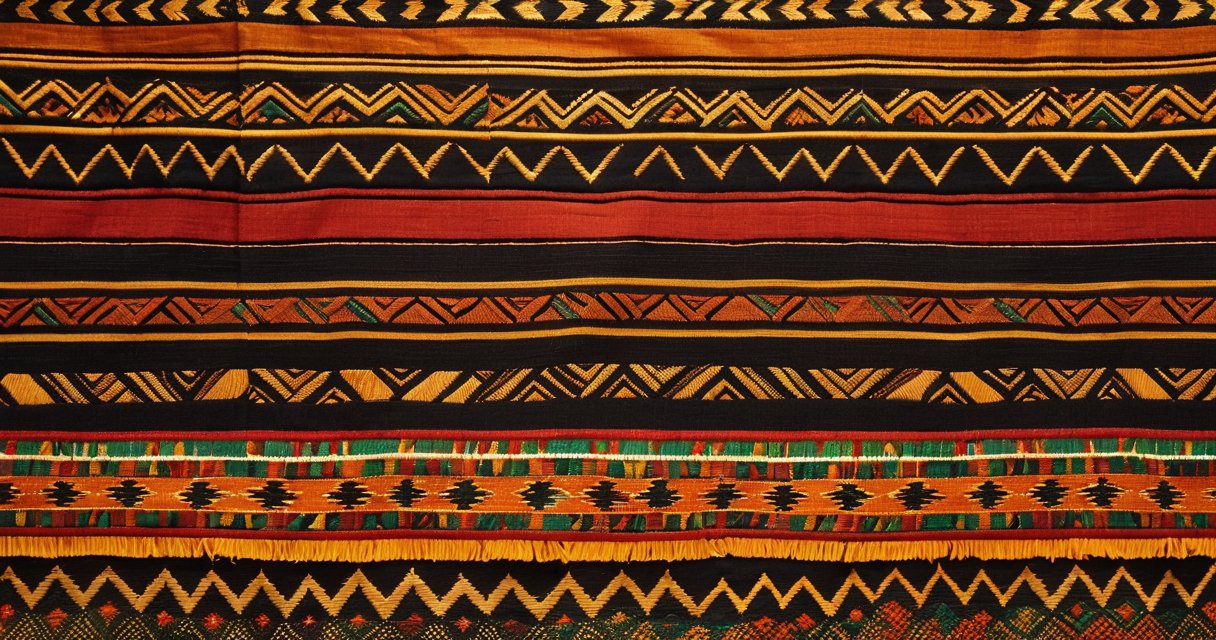
Innovative fabrics will play a crucial role, as advancements in textile technology allow for the creation of sustainable and versatile materials inspired by African traditions. These fabrics are expected to meet the sophisticated preferences of the UK market, where there is a strong emphasis on environmental responsibility alongside aesthetic excellence.
Furthermore, potential new collaborations between African textile experts and leading luxury brands from the UK and beyond could revolutionise the industry. Such partnerships may result in unique collections that highlight the beauty and versatility of these textiles, fostering economic empowerment and creative exchange.
In conclusion, African textiles are set to shape the future of high-end fashion by driving innovation and inclusivity. Their integration into fashion trends will bolster their presence in global markets, providing UK buyers with access to luxurious, culturally rich products that reflect contemporary values.

I’m fascinated by the vibrant intersection of contemporary fashion and traditional African craftsmanship. I spend my free time exploring markets, learning about textile techniques, and sharing the stories behind each piece with our readers.