
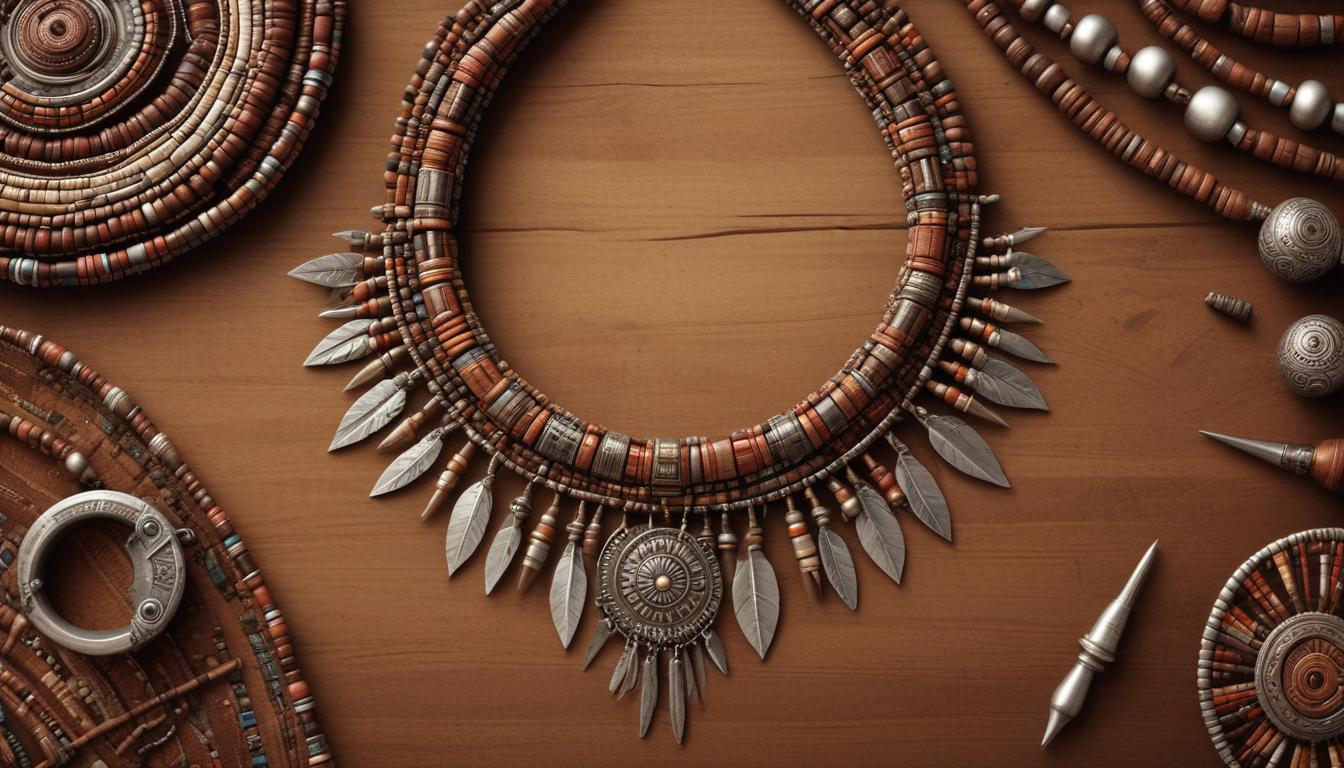
Historical significance of East African jewellery
East African jewellery holds a profound place in the history of jewellery, reflecting the rich cultural heritage and traditional adornment practices of the region. For centuries, various East African communities have used jewellery not only as a form of personal decoration but also as a symbol of identity, status, and social significance. The origins of these intricate adornments can be traced back to ancient times, where natural materials such as beads, shells, bones, and metals were crafted into wearable art.
The history of jewellery in East Africa is deeply intertwined with the region’s social and cultural evolution. Jewellery pieces often carry meanings beyond aesthetic appeal, serving as markers of age, marital status, and tribal affiliation. For example, the Maasai people are known for their vibrant and colorful beadwork, which is worn during important ceremonies and rites of passage. Similarly, the intricate metalwork of the Somali and Ethiopian communities highlights the craftsmanship and artistic expression passed down through generations.
Moreover, jewellery in East Africa has historically played a role in trade and economy. The exchange of precious materials like gold, silver, and coral through ancient trade routes helped shape the styles and techniques used by local artisans. This exchange also introduced new influences that enriched the traditional designs while preserving the distinct cultural identity of East African jewellery.
The cultural heritage in traditional jewellery underscores its importance in preserving and celebrating the past. Every piece tells a story of heritage, survival, and community values. Whether worn daily or reserved for special occasions, these adornments honor ancestral legacies and continue to inspire contemporary interpretations within the jewellery-making tradition.
In summary, East African jewellery represents more than mere adornment; it is a vital element of the region’s cultural fabric and historical narrative. Its origins and lasting significance highlight the enduring connection between people, their history, and their artistic heritage.
Jewellery in ancient East African societies
Archaeological findings have revealed a rich history of ancient jewellery in East Africa, underscoring the region’s deep cultural roots in traditional crafts. Excavations across various ancient sites have uncovered a diverse array of ornaments made from materials such as beads, shells, metals, and stones, dating back thousands of years. These discoveries highlight not only the artisanship but also the social and spiritual significance jewellery held in early East African communities.
In East African history, jewellery served multiple roles beyond mere decoration. It was a powerful expression of identity, status, and community belonging. For instance, certain beadwork patterns and materials were reserved for specific groups or individuals, illustrating their rank or achievements within the society. Moreover, jewellery was often used in rituals and ceremonies, symbolizing spiritual protection, fertility, or connection to ancestors and deities.
The traditional crafts involved in creating these pieces were highly specialized and passed down through generations, preserving techniques that blend artistry with cultural meaning. These ancient adornments continue to inspire contemporary jewellery and remain a testament to the ingenuity and symbolic depth of East African societies throughout history.
Cultural symbolism and meanings
Jewellery in East African tribes is not merely ornamental but is deeply embedded with symbolism and cultural meanings that reflect the identity, traditions, and values of the community. Many East African ethnic groups use jewellery to signify social status, marital status, and rites of passage. For example, the Maasai are renowned for their intricate beadwork, where colors and patterns convey specific messages—red symbolizes bravery and unity, blue represents energy and the sky, and white embodies purity and health.
During ceremonies such as weddings, initiation rites, and festivals, jewellery transcends beauty to serve as a vital element of cultural storytelling. It connects individuals to their heritage and ancestors. The Turkana people, for instance, wear elaborate neckpieces and bracelets made from beads and shells that mark milestones like coming of age and fertility, emphasizing the symbolic connection between jewellery and life events.
In many East African jewellery traditions, materials like beads, metals, and bones each carry unique meanings. Gold and copper often symbolize wealth and power, while shells can represent protection and connection to the natural world. Through these symbolic meanings, jewellery becomes a communicative tool expressing cultural identity, spiritual beliefs, and community solidarity among East African tribes.
Thus, the symbolic meanings attached to jewellery in East African tribes are an essential part of their jewellery traditions, making each piece not only a decorative item but a cultural artifact rich with history and significance.
Iconic pieces of East African jewellery
East African jewellery boasts a rich heritage and iconic pieces that reflect the region’s diverse cultures and traditions. These traditional jewellery types stand out through their unique designs and intricate craftsmanship, embodying the identity and history of the communities that create them. Among the most notable East African designs are the Maasai beadwork, the Somali silver jewelry, the Tuareg adornments, and the Swahili gold pieces.
The Maasai are renowned for their vibrant beadwork, using colorful beads to craft necklaces, bracelets, and earrings. These pieces are more than mere decoration; they signify age, social status, and marital status within the community. The iconic jewellery often features concentric circles and geometric patterns in bright reds, blues, greens, and yellows, reflecting the natural environment and Maasai identity.
In contrast, Somali jewellery is characterized by the use of silver and delicate filigree work. Somali women traditionally wear intricate silver necklaces, bangles, and rings, often embellished with coral and other semi-precious stones. These pieces, rich in symbolic motifs such as stars and crescents, serve both aesthetic and cultural functions during ceremonies and daily life.
The Tuareg, nomadic inhabitants of the Sahara, are famous for their silver jewellery, which includes strikingly bold and geometric designs. Their pieces, like the Tuareg cross or “Agadez cross”, have deep cultural meanings and are often passed down through generations. The silver used is believed to have protective qualities, and the jewellery’s distinctive patina adds to its allure.
The Swahili coast, influenced by Arabian and Indian cultures, showcases exquisite gold jewellery known for its elaborate filigree work and sculptural forms. Swahili jewellery examples include delicate chains, pendants, and earrings, often engraved with fine arabesque patterns. These pieces are traditionally worn during weddings and special occasions, symbolizing beauty and wealth.
Overall, the iconic jewellery of East Africa offers a rich tapestry of designs that link tradition with artistry. Whether through the colorful beads of the Maasai or the silver mastery of the Tuareg, each jewellery type carries with it stories and cultural significance, making East African jewellery highly valued and celebrated worldwide.
Maasai beadwork necklaces
Maasai jewellery is renowned for its vibrant beadwork necklaces, which are a hallmark of Maasai culture. These necklaces are crafted with meticulous attention to detail, using traditional beads that come in an array of bright colors such as red, blue, green, yellow, and white. The beads are strung together in intricate patterns that not only showcase the artistic skills of the Maasai women but also carry symbolic meanings related to social status, age, marital status, and other cultural identifiers.
The crafting techniques for Maasai beadwork necklaces involve threading thousands of tiny glass beads onto wire or string. This process requires patience and precision, as each bead has to be carefully positioned to create the desired geometric designs and motif patterns. Often, the necklaces consist of multiple strands layered together, creating a bold and eye-catching aesthetic. The use of color combinations is deliberate; for example, red symbolizes bravery and unity, while blue represents energy and the sky.
Beyond their decorative appeal, these beadwork necklaces hold deep cultural importance in Maasai society. Wearing certain designs and colors indicates various stages of life and social roles within the community. For instance, young women wear specific beadwork as a rite of passage during initiation ceremonies, while elders adorn themselves with different styles that signify wisdom and leadership. The beadwork also plays a role in ceremonies and celebrations, making it an essential part of Maasai heritage and identity.
Tuareg silver jewellery
Tuareg jewellery is renowned for its intricate silver craftsmanship, a hallmark of the North East Africa region where the Tuareg people reside. These artisans skillfully transform silver into stunning pieces that embody the rich cultural heritage of the Tuareg community. Each item is meticulously handcrafted, showcasing detailed patterns and symbols that have been passed down through generations.
The silver jewellery of the Tuareg is more than mere decoration; it carries deep symbolic meanings. Triangles, crosses, and other geometric shapes commonly found in Tuareg jewellery represent protection, guidance, and connection to ancestral spirits. The use of silver itself is significant, believed to possess magical properties that safeguard the wearer from harm.
In Tuareg culture, jewellery serves not only as personal adornment but also as a marker of identity and social status. Women often wear elaborate silver pieces during important ceremonies and daily life, reflecting their clan affiliations and family heritage. The distinct designs of Tuareg jewellery make it highly sought after by collectors and enthusiasts worldwide, celebrating the artistry and symbolic power of North East Africa’s Tuareg culture.
Kamba wood and bone jewellery
Kamba jewellery is renowned for its exquisite craftsmanship, particularly in wood jewellery and bone carving. The Kamba people of Kenya have long utilized natural materials found in their environment to create distinctive adornments that embody both cultural significance and artistic expression. Wood is a primary medium, carefully selected for its durability and beauty, often sourced from indigenous trees native to East Africa. This wood is skillfully carved into beads, pendants, and intricate designs that reflect the artistic heritage of the Kamba community.
Bone carving is another important element of Kamba jewellery, where artisans transform animal bones into elegant pieces that complement wood components. These carvings often highlight symbolic motifs inspired by nature, spirituality, and everyday life, which hold deep meanings for the wearer. The fusion of wood and bone materials results in jewellery that not only serves as decoration but also as a storytelling medium, preserving the cultural narratives of the Kamba people.
Kenyan art, as seen through Kamba jewellery, emphasizes detailed craftsmanship and the use of sustainable, locally sourced materials. The motifs carved into the jewellery frequently depict flora and fauna, geometric patterns, and traditional symbols, each carrying cultural heritage and identity. Collectors and admirers of East African art value Kamba jewellery for its unique blend of natural textures and cultural symbolism, making it a timeless expression of Kenyan artistic traditions.
Modern influences and preservation of East African jewellery
Contemporary jewellery designers in East Africa are increasingly drawing inspiration from the rich heritage of traditional jewellery, blending age-old motifs with modern aesthetics to create unique pieces that resonate both locally and globally. This fusion of modern jewellery trends with East African design not only celebrates cultural identity but also reinvents it for a contemporary audience.
The influence of traditional jewellery is evident in the use of symbolism, patterns, and materials that have been passed down through generations. Many artisans incorporate iconic elements such as intricate beadwork, metalwork, and bold geometric shapes into their creations, ensuring that the historical significance and craftsmanship of these designs continue to inspire new works.
At the same time, there is a growing movement focused on jewellery preservation, aimed at safeguarding artisanal techniques that risk being lost in a rapidly modernizing world. Efforts include workshops, cultural programs, and collaborations between seasoned craftsmen and younger designers to transfer knowledge and skills. These initiatives help maintain the authenticity of East African jewellery while encouraging innovation within the craft.
Contemporary craftspeople are also responding to global demand for sustainable and ethically made jewellery by revisiting traditional methods that emphasize handcrafting and locally sourced materials. This approach not only supports local economies but also highlights the sustainability embedded in East African design philosophies long before it became a global trend.
Ultimately, the interplay between modern jewellery trends and traditional East African design creates a vibrant dialogue that enriches the region’s cultural legacy. By preserving artisanal techniques and embracing contemporary creativity, East African jewellery continues to thrive as a dynamic and meaningful form of artistic expression.
Contemporary reinterpretations
Modern jewellery design in East Africa is witnessing a vibrant transformation, where traditional styles seamlessly merge with contemporary fashion influences. Talented artists and craftsmen are pioneering an East African fusion that honors cultural heritage while pushing creative boundaries. This blend allows the rich history of ancient jewellery motifs and techniques to be revitalized through fresh, innovative approaches.
These contemporary reinterpretations often incorporate bold colors, sleek geometric shapes, and mixed materials, reflecting global fashion trends without losing the essence of East African identity. Craft innovation plays a crucial role by enabling artisans to experiment with new tools and sustainable materials, resulting in jewellery pieces that appeal to modern tastes yet retain symbolic meaning.
Designers draw inspiration from the folklore, nature, and traditional ceremonies of East African cultures, reimagining them into versatile accessories suitable for everyday wear or high fashion. This dynamic fusion captures the attention of international audiences, showcasing the adaptability and timelessness of East African jewellery heritage.
Ultimately, contemporary designers serve as cultural ambassadors, bridging past and present through their unique creations. Their dedication to blending modern jewellery design with classical elements ensures that the story of East African adornment continues to evolve gracefully within the global fashion landscape.
Efforts in cultural preservation
Numerous initiatives and organizations are dedicated to the cultural preservation of East African jewellery, focusing on maintaining both the artisanal heritage and traditional skills that define this unique craft. These efforts seek to safeguard the rich history embedded in East African crafts, ensuring that the cultural significance of jewellery-making is not lost amid modernization and globalization.
One prominent approach involves training programs and workshops that pass on traditional skills to younger generations. Organizations collaborate with local artisans to document ancient techniques, while also promoting sustainable practices that align with contemporary markets. This ensures artisans not only preserve their heritage but also thrive economically.
Non-profit groups and cultural foundations play a crucial role by supporting craft cooperatives and facilitating access to broader markets. They emphasize the storytelling behind each piece, highlighting symbolic meanings and cultural narratives that deepen appreciation for East African crafts. Through exhibitions, cultural festivals, and international collaborations, they enhance visibility and respect for these artisanal traditions.
Moreover, digital platforms and online marketplaces are increasingly utilized to connect artisans with global customers, ensuring economic viability while celebrating cultural preservation. These combined efforts safeguard the legacy of East African jewellery, allowing it to continue inspiring future generations and maintaining its revered place in cultural history.

I’m fascinated by the vibrant intersection of contemporary fashion and traditional African craftsmanship. I spend my free time exploring markets, learning about textile techniques, and sharing the stories behind each piece with our readers.